This Domesticated Tennessee Bird Can Help Keep Ticks Under Control
There’s a particular kind of dread that comes with finding a tick latched onto your skin after a Tennessee afternoon spent gardening or hiking.
Most people reach for bug spray, long sleeves, or a lawn treatment service, but there’s a louder, feistier answer that rural folks have trusted for decades.
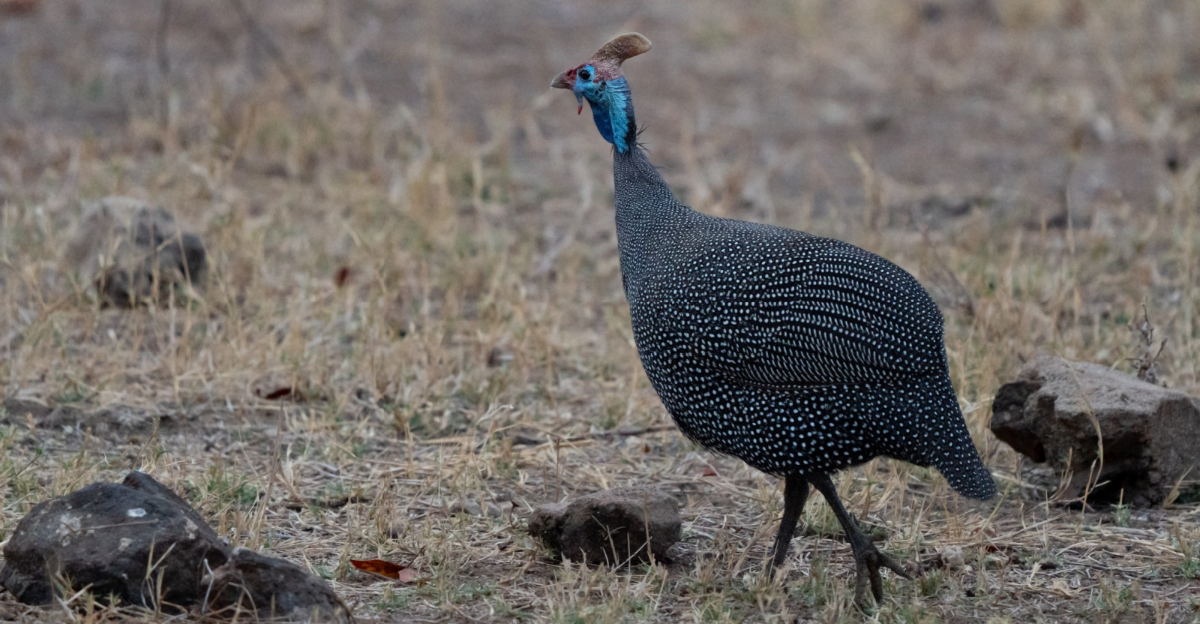
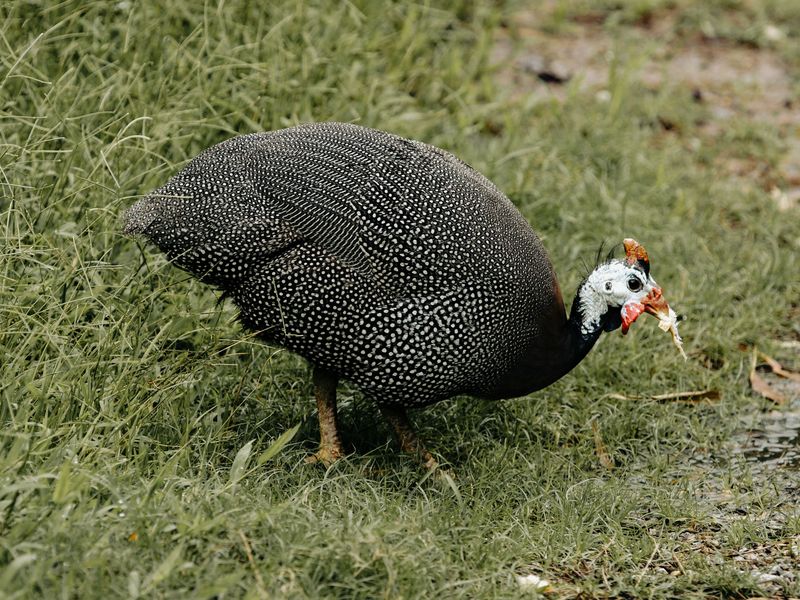
This creature looks like it wandered out of a cartoon, all speckled feathers and bug-eyed stares, yet it becomes a persistent forager when ticks are nearby.
A single flock can patrol a few acres and noticeably cut down the tick population within weeks.
Farmers across Tennessee have kept these birds around for generations, not for their eggs or meat, but purely for pest patrol.
They’re noisy, they’re nosy, and they will absolutely let you know when a stranger walks onto the property.
For anyone tired of chemical sprays and still getting bitten every summer, this feathered guard might be the low maintenance answer they never expected. Tennessee backyards, it turns out, might be their perfect habitat.
A Domesticated Bird From Tennessee That Eats Ticks
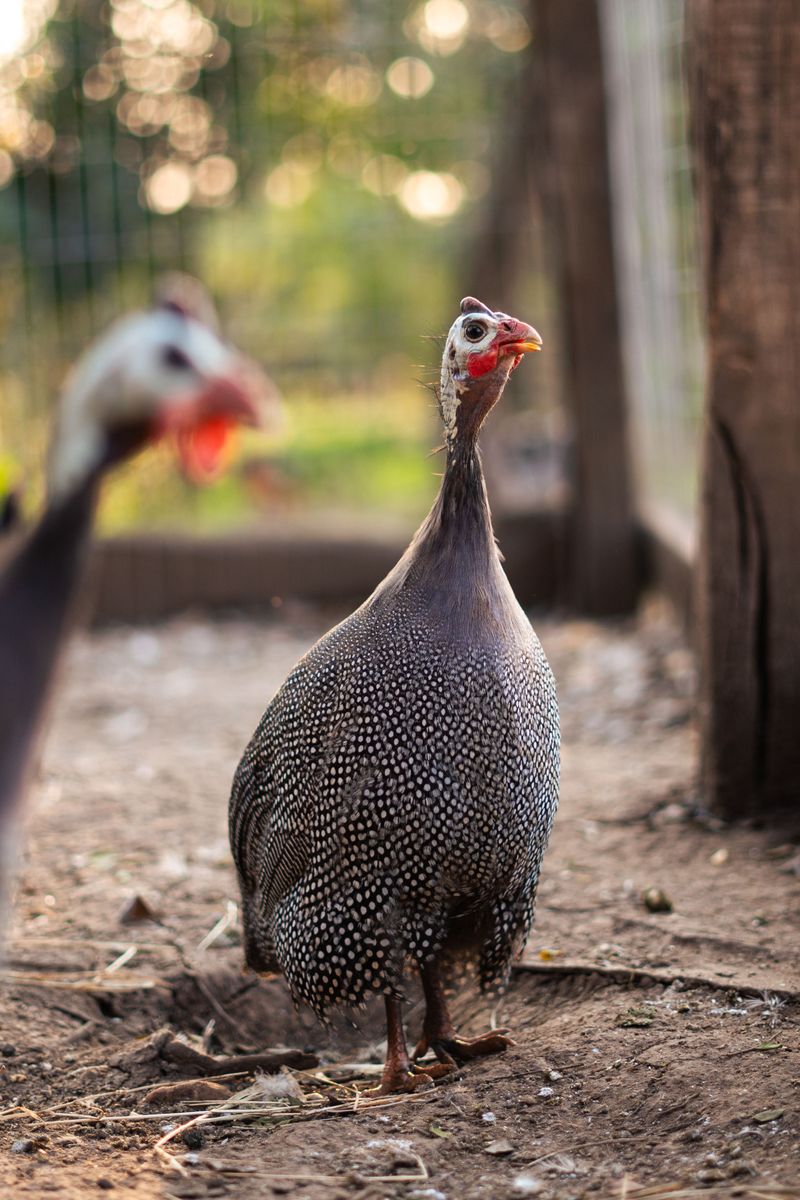
Picture this: you are sitting on your porch and a flock of spotted, helmet-headed birds is patrolling your yard.
They move like a tiny army, pecking at the ground with serious focus. Those birds are guinea fowl, and they are on a mission.
Guinea fowl originally came from West Africa, but they have thrived on American farms for centuries. Across the South, including right here in Tennessee, farmers have long relied on them for natural pest management.
They are tough, adaptable, and surprisingly low-maintenance. What makes them special is their obsessive foraging behavior. They walk slowly and methodically through grass, scanning for any insect that moves.
Guinea fowl are known to actively hunt and eat ticks, and some homesteaders report seeing large numbers disappear during peak season.
Exact per-bird consumption figures circulating online, some reaching into the thousands, are not backed by rigorous data, and researchers caution that guinea fowl shouldn’t be relied on as a standalone solution.
Farmers have long kept guinea fowl around for exactly this reason, even without hard data to back up specific numbers. Unlike chickens, guinea fowl tend to roam wider areas.
They cover more ground, which means more of your yard gets protected. Their range is one of their biggest advantages.
For Tennessee homeowners dealing with heavy tick pressure, these birds can be a helpful part of the solution.
They are domesticated enough to keep on your property. Yet they are wild enough to do the hard work on their own.
Getting a small flock started is easier than most people think. Once they settle in, they basically manage themselves. Your yard becomes their main foraging ground.
Why Guinea Fowl Excel At Tick Control
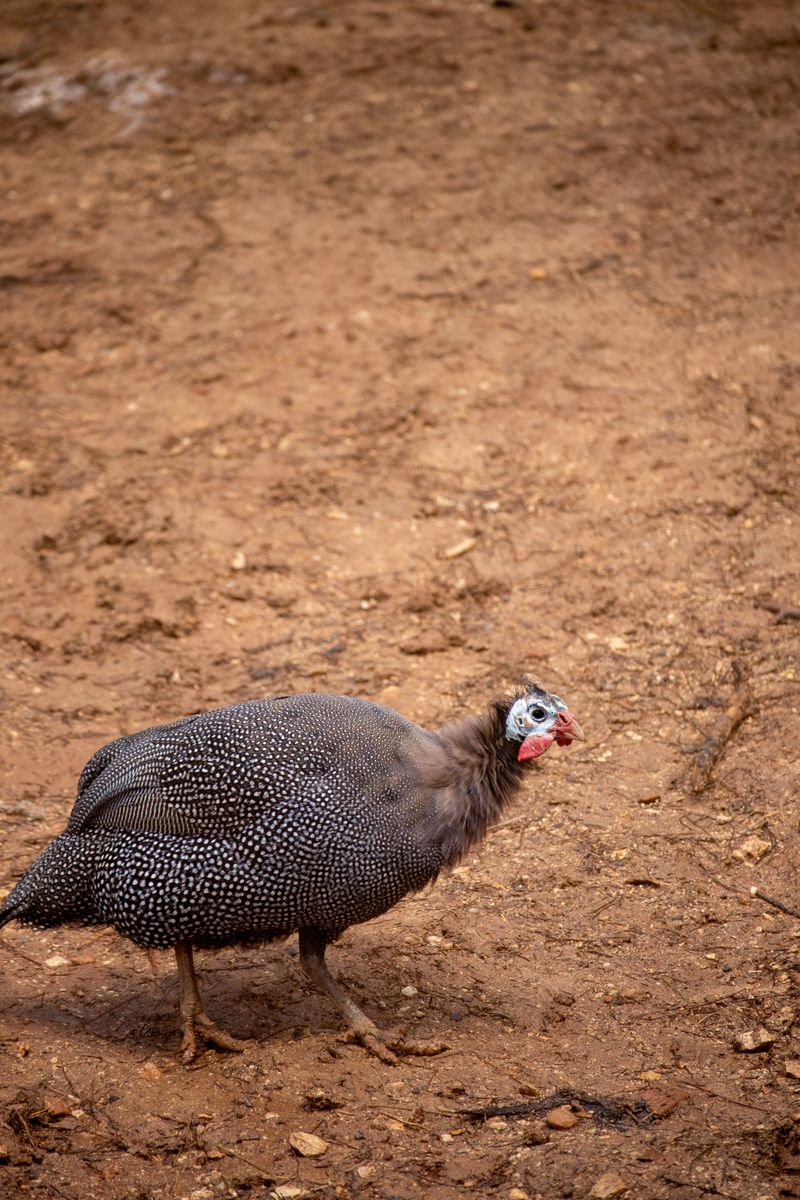
Guinea fowl are built for hunting. Their eyes are sharp, their necks are flexible, and their beaks are perfectly shaped for snatching tiny insects off blades of grass.
Their physical traits make them naturally well-suited to spotting and catching insects. Ticks are ambush predators that wait on grass tips for a warm body to brush past.
Your Tennessee Garden Changes Every Week. Your Plan Should Too.
Gardening in Tennessee changes quickly throughout the season. Every Friday you’ll receive a simple weekly plan showing exactly what to plant, prune, fertilize, harvest, and protect so you never miss the right timing.
Guinea fowl disrupt that strategy completely. They walk right through tick territory without fear or hesitation.
Their foraging style is different from most backyard birds. They move slowly and deliberately, covering every inch of ground in a systematic pattern.
Nothing hides from them for long. Guinea fowl also have excellent eyesight for spotting movement. Even a tiny tick crawling on a stem can catch their attention.
Their reaction time is fast and accurate. Another reason they excel is their preference for open ground and field edges. Those are exactly the spots where ticks congregate most heavily.
The birds naturally patrol the highest-risk zones on your property. They also work in groups. A flock moving together covers far more ground than a single bird foraging alone.
That teamwork means a flock can cover far more ground than a single bird foraging alone. Guinea fowl do not scratch and dig like chickens do.
They peck at the surface, which means they are less likely to tear up your garden beds. Your landscaping stays intact while the tick population drops.
That combination of instinct, eyesight, and foraging style is what makes them such capable natural foragers.
Daily Tick Consumption Rates Of Guinea Fowl

Exact numbers are hard to pin down. Field studies have confirmed that guinea fowl do eat adult ticks, and in some cases their foraging measurably reduced adult tick populations on the properties studied.
But researchers have not been able to confirm a reliable per-bird daily count, and widely shared claims of hundreds or even thousands of ticks eaten per bird per day are not supported by the underlying research.
Guinea fowl appear to help most against adult ticks specifically, with less clear evidence for their impact on nymphal ticks, which are smaller and pose a higher risk of unnoticed bites
That range depends on tick density, weather conditions, and how much ground the bird covers. On warm, humid days when ticks are most active, guinea fowl go into overdrive.
Their appetite matches the opportunity. A flock of several birds foraging consistently over a season can meaningfully add to a property’s overall tick management, alongside other methods.
The birds do not stop at ticks, either. They snack on mosquitoes, grasshoppers, beetles, and other insects throughout the day.
Their diet is a rolling buffet of backyard pests. Tick consumption tends to peak in late spring and early summer, which lines up well with when tick-borne disease risk is highest.
Even on slower days, guinea fowl are still foraging. They rarely take a break from scanning the ground. Their consistency is part of why owners find them worth keeping over a full season.
Compared to pesticide sprays that wear off after rain, these birds show up every single day. They do not need to be reapplied or refilled.
They just need food, water, and space to roam. That daily commitment adds up fast across a full spring and summer season.
Comparing Guinea Fowl And Chickens For Tick Control
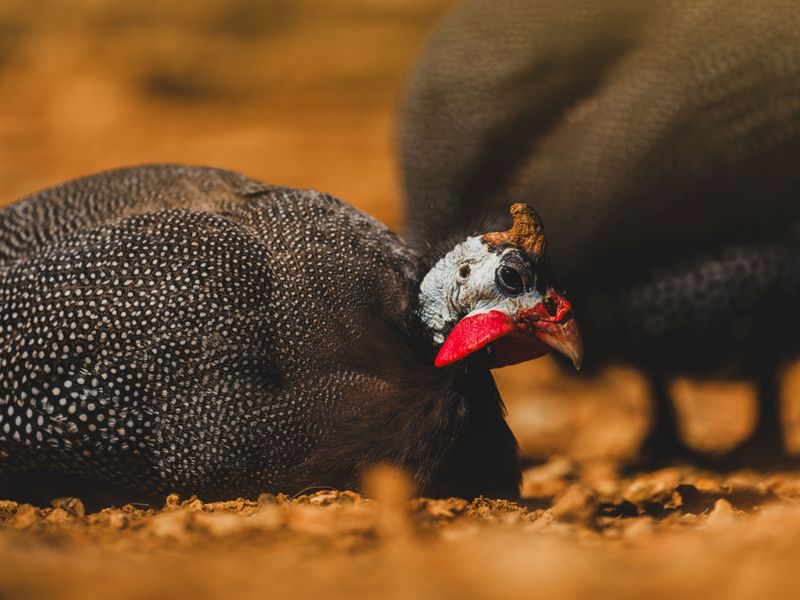
Chickens get a lot of credit for pest control, and they do eat insects. When it comes to ticks specifically, guinea fowl tend to outperform chickens, largely due to differences in foraging style and range.
Chickens tend to scratch and dig, focusing on soil-level food like worms and seeds. They are not particularly interested in hunting insects on grass blades.
Their foraging style simply does not target ticks the way guineas do. Guinea fowl, on the other hand, are persistent surface foragers. They scan grass stems and low vegetation constantly.
That is exactly where ticks wait for their next host. Chickens also tend to stay closer to the coop and feeding station. They are more comfortable in a smaller territory.
Guinea fowl naturally roam much farther, covering acres instead of just a corner of the yard.
Another key difference is noise. Guinea fowl are famously loud and will alert you to anything unusual.
Many owners use them as living alarm systems for predators or strangers. Chickens are comparatively quiet and rarely sound an alarm.
For pure egg production, chickens win easily. Guinea eggs are smaller and less common. If reducing ticks is your main goal, guinea fowl are generally the stronger choice between the two.
Some homeowners keep both species together. Chickens handle the garden pests and egg production. Guinea fowl handle the perimeter patrol and tick management.
Together, they form a well-rounded backyard pest control team. Choosing depends entirely on what problem you most need solved.
How To Raise Guinea Fowl On Your Property
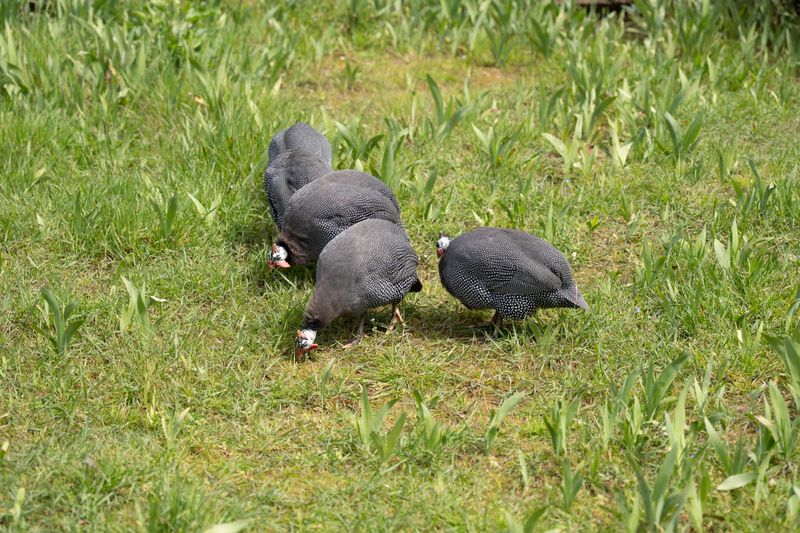
Starting with guinea fowl is not complicated, but it does require some planning. Most people begin with keets, which are baby guinea fowl.
They are fragile at first but grow quickly into hardy, self-sufficient birds. Keets need a warm brooder for the first six weeks of their lives. Keep temperatures around 95 degrees at first, then drop it by five degrees each week.
A simple heat lamp setup works perfectly for this stage. After six weeks, keets can transition to an outdoor coop. The coop should be secure from predators like foxes, raccoons, and hawks.
Guinea fowl are vulnerable at night, so locking them in is essential. Feed them a high-protein game bird starter during the first weeks of life. Once they are adults, they forage for most of their own nutrition.
Supplemental grain keeps them coming back to the coop each evening. Training them to return at night is one of the most important early steps. Start by confining them to the coop for the first two to four weeks.
This establishes the coop as home base in their minds. Guinea fowl are social animals and do best in groups of at least four or five birds. A lone guinea is a stressed guinea.
Keeping a small flock ensures they stay calm and active. Water access is critical, especially in summer heat. Provide fresh, clean water daily in a container they cannot tip over.
Healthy hydration keeps them foraging at full capacity all season long. There’s also a tradeoff worth knowing about.
As guinea fowl roam a property, they can pick up ticks themselves and become hosts, which may offset some of the benefit of their foraging.
For that reason, most agricultural extension offices recommend guinea fowl as one part of a broader tick management plan rather than a replacement for it.
Additional Benefits Of Guinea Fowl As Pest Managers
Ticks are just the beginning of what guinea fowl can handle. These birds are full-spectrum pest managers that tackle a wide range of backyard nuisances.
Their appetite for insects is genuinely broad. Stink bugs are a major agricultural headache, and guinea fowl eat them without hesitation. Most other backyard birds avoid stink bugs due to their odor.
Guinea fowl simply do not care. Japanese beetles have caused significant damage to gardens and lawns across the eastern United States.
A roaming flock of guinea fowl will readily eat Japanese beetles as part of their regular foraging.
Gardeners who add guineas often notice the difference within a single season. Grasshoppers and crickets are also fair game. During summer months when these insects peak, guinea fowl are at their most active.
Their foraging schedule lines up naturally with insect activity cycles. Beyond insects, guinea fowl serve as excellent early warning systems. Their loud, distinctive call alerts the whole property to approaching predators.
Neighbors sometimes joke that guineas are better than any security alarm. Many owners report that guinea fowl will aggressively confront snakes, often driving them away.
They fertilize as they forage, giving your lawn a subtle boost. That is a bonus most people do not expect.
For any homeowner wanting fewer ticks and fewer chemicals, these birds can be a genuinely useful addition to a broader pest management plan.