A Massachusetts Porch Plant That Makes Rats And Roaches Less Welcome
Something has been slipping along the porch railing after dark, and it moves faster than any cat ever could. Rats squeeze through gaps no wider than a coin, while roaches vanish into cracks the moment a light flicks on.
Massachusetts homeowners often blame clutter or poor sealing for the problem. Yet a humble, fragrant plant already sitting in the flower bed might be doing more than anyone realizes.
Its scent, sharp and cooling, happens to be one of the few things that sends rodents and insects scurrying elsewhere. Bees and butterflies, on the other hand, seem drawn right to it, making the whole arrangement feel almost too convenient to be a coincidence.
There is a reason this plant keeps showing up in old porch gardens across New England, and it has nothing to do with looks alone.
A Fragrant Porch Plant Pests Would Rather Avoid
Your nose loves it. Pests tend to avoid it.
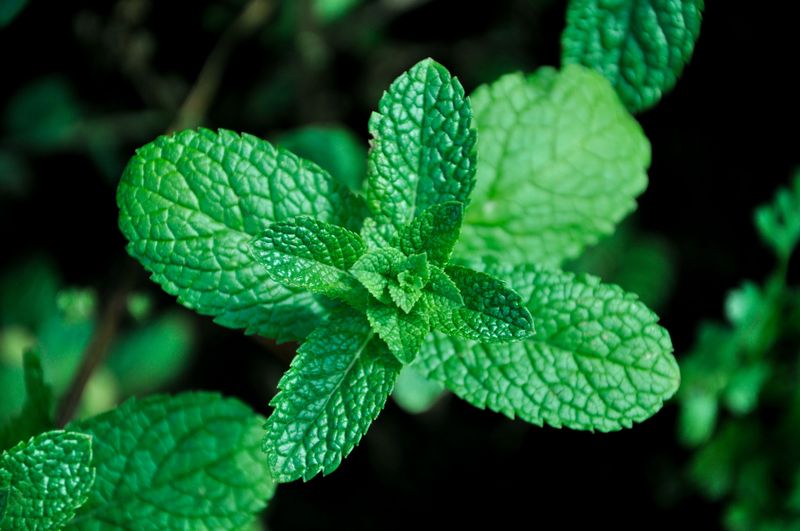
Peppermint is a natural pest deterrent worth growing on a Massachusetts porch. Its sharp, cool scent is unpleasant to small creatures like rats and roaches.
The plant works because of a compound called menthol. Strong menthol scent can irritate insects and rodents, making a nearby space less appealing to them.
Gardeners across New England have quietly relied on this trick for generations. A single container of peppermint near your door can shift the whole vibe of your entryway.
The scent is strongest on warm afternoons when the sun heats the foliage. Pests that forage at night may pick up on it and turn around before reaching your door, though it works best alongside other prevention methods.
Growing peppermint is beginner-friendly and low-cost. A small starter plant from a local nursery costs just a few dollars and can fill a large pot within one season.
You get pest control and a gorgeous, aromatic plant all in one. That is a deal most homeowners would find hard to pass up.
The Massachusetts porch plant that makes rats and roaches less welcome is not some exotic rarity. It is peppermint, and it has been hiding in plain sight all along.
Getting To Know Peppermint And How It Grows
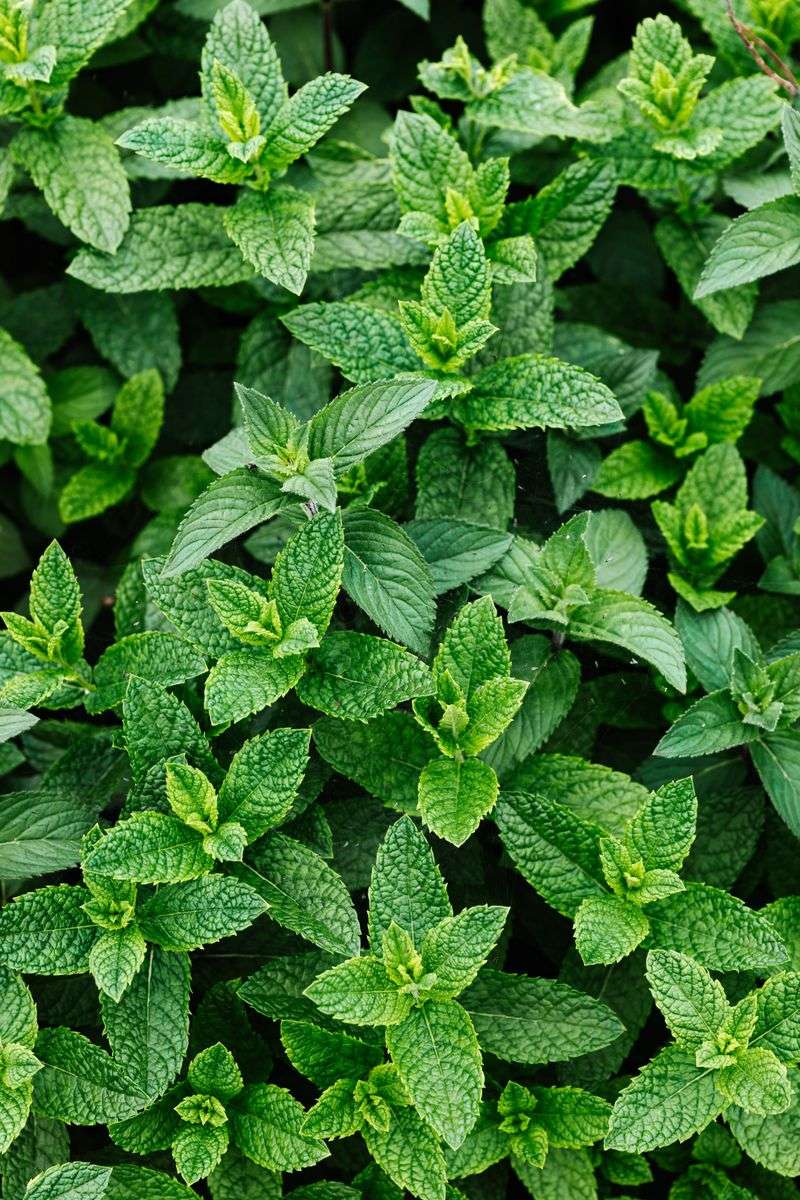
Peppermint is not shy about growing. Give it water, some sun, and a decent pot, and it will practically take over.
Scientifically, peppermint is known as Mentha piperita. It is a hybrid of watermint and spearmint, and it has been cultivated for centuries across Europe and North America.
The plant grows in spreading clumps, sending out runners called stolons beneath the soil. Those runners are why peppermint is generally recommended for containers rather than the open ground.
Left unchecked in a garden bed, it can crowd out neighboring plants within a single growing season. A pot keeps it contained and manageable without sacrificing any of its pest-fighting power.
Peppermint prefers partial to full sun, which makes most Massachusetts porches an ideal home. Morning light with some afternoon shade tends to produce the most fragrant, lush leaves.
The plant thrives in USDA hardiness zones 3 through 9, which covers all of Massachusetts comfortably. Summers here are warm enough to push strong growth, and cooler nights add depth to the menthol content.
Leaves are oval with serrated edges and a deep, rich green color. Tiny purple or white flower spikes appear in midsummer and attract pollinators like bees and butterflies.
Understanding how peppermint grows helps you keep it healthy and productive all season long. A healthy plant means a stronger scent, which means better results against pests.
The Scent Rats And Roaches Try To Avoid
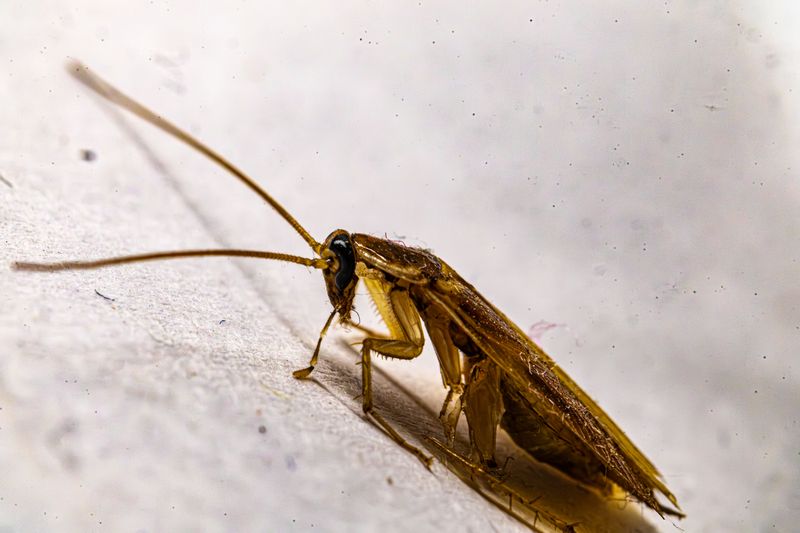
Rats rely on an extraordinarily sensitive sense of smell. Their noses carry far more scent receptors than a human’s, letting them detect odors most people would never notice.
That sensitivity may work against them when peppermint is nearby. The menthol in fresh peppermint leaves can be unpleasant for their sense of smell.
Roaches operate similarly. Their antennae are finely tuned chemical detectors, and menthol disrupts the signals they use to navigate and find food sources.
When a roach encounters a strong peppermint scent, it may avoid the area and reroute away from the source. The pest then reroutes away from the source without any physical barrier stopping it.
Rats behave much the same way. A rat will avoid nesting near a persistent, strong odor that it cannot identify as safe. Peppermint may create a similar kind of olfactory confusion.
Some pest management professionals report that peppermint oil and fresh peppermint plants can reduce rodent activity in treated zones, though results tend to be temporary.
Pairing it with other prevention methods usually works best.
Growing peppermint on your porch creates a scent perimeter around your entry points. Pests approaching from the yard or foundation encounter the smell before they even reach your steps.
Peppermint does not need chemicals or batteries to work. It just needs sunlight, water, and a little room to grow.
Best Spots For A Porch Container In Massachusetts
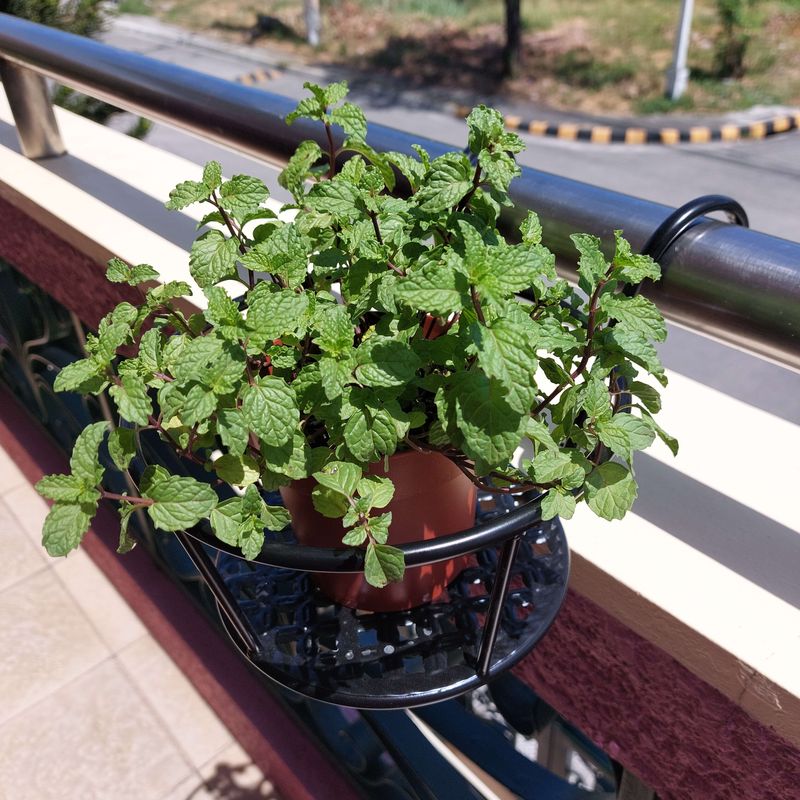
Placement matters more than most people realize. Putting your peppermint pot in the wrong spot can significantly reduce how well it works.
The goal is to position the plant where its scent forms a natural barrier. Pests typically approach a home along foundation lines, under steps, or through gaps near doors.
Flanking your front door with two peppermint containers is a smart strategy. One pot on each side of the entrance creates a scent corridor that pests find deeply unwelcoming.
Porch railings are another smart location. Placing a pot near the base of railing posts, especially at corners, covers the approach angles that rats and roaches tend to favor.
In Massachusetts, porches face everything from humid July afternoons to chilly September evenings. Choose a spot that gets at least four to six hours of direct sun daily for the best leaf production.
South-facing and east-facing porches tend to perform best for peppermint in this region. West-facing spots can get too hot in peak summer, which may stress the plant and reduce its output.
Avoid tucking the pot in a dark corner where air circulation is poor. Stagnant air means the scent disperses slowly, and a poorly ventilated corner can also encourage mold on the soil surface.
Strategic placement turns one modest plant into a surprisingly effective line of defense. Think like a pest and block the routes they actually use.
Growing And Maintaining Peppermint On Your Porch
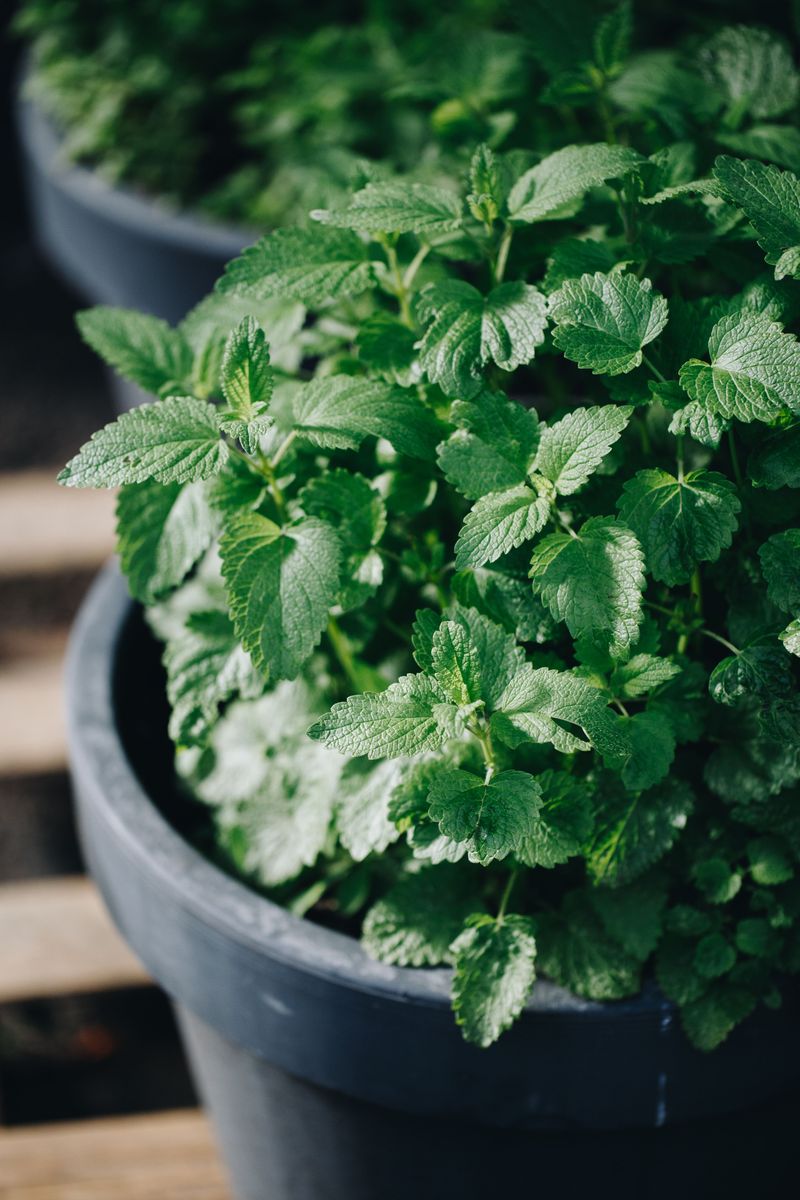
Peppermint is forgiving, but it still appreciates some basic care. A little attention each week keeps the plant bushy, fragrant, and productive all season.
Watering is the most critical part of peppermint maintenance. The soil should stay consistently moist but not waterlogged, as soggy roots lead to rot and a weakened plant.
Check the top inch of soil daily during hot Massachusetts summers. If it feels dry, water thoroughly until moisture drains from the bottom of the pot.
Fertilizing is optional but helpful. A light dose of balanced liquid fertilizer once a month encourages lush, dense leaf growth without pushing the plant to become too leggy.
Pruning is your secret weapon for a fuller, stronger-smelling plant. Pinching off the top two inches of each stem every few weeks encourages branching and prevents the plant from going to seed too early.
Once flowers appear, the plant shifts its energy away from leaf production. Snipping flower buds as they form keeps the foliage thick and aromatic through the entire growing season.
Repotting may be needed by midsummer if the plant becomes root-bound. Signs include roots poking out of drainage holes and soil drying out unusually fast after watering.
In late fall, you can bring the pot indoors to a sunny windowsill or let it go dormant outside. Either way, peppermint will return strong next spring.
Other Ways To Use Peppermint Around The Home
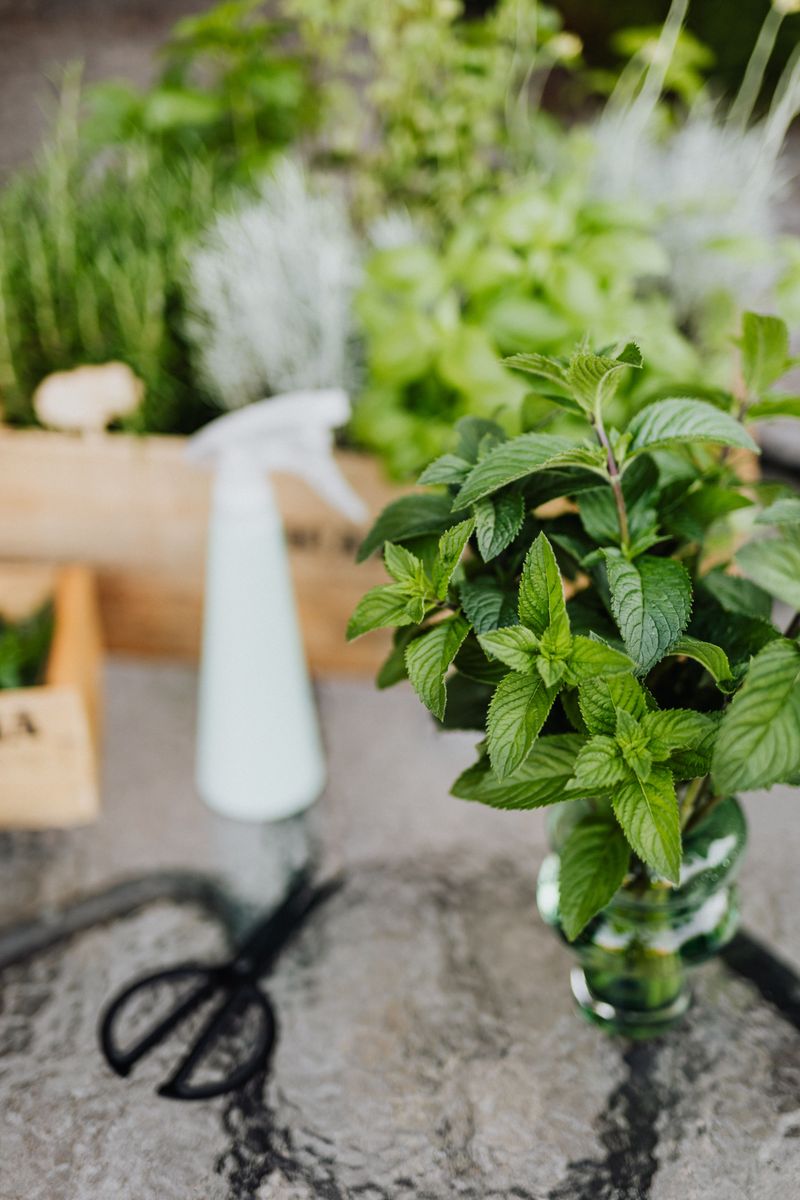
Your porch is just the beginning. Peppermint has a whole range of uses inside and around your home that most people rarely explore.
Cotton balls soaked in peppermint oil and tucked into cabinet corners are a classic indoor trick. The scent lingers for days and keeps roaches from settling into kitchen spaces.
Placing fresh sprigs near garbage cans is another easy win. Roaches are drawn to food waste, and a bundle of peppermint nearby disrupts their approach significantly.
Basement corners and utility rooms are common entry points for rats. Setting a few pots of peppermint near basement windows or vents adds an extra layer of protection beyond the porch.
Peppermint sachets made from dried leaves can be slipped into pantry shelves, under sinks, or behind appliances. They are inexpensive to make and smell far better than chemical sprays.
The plant also has culinary value that makes it doubly worthwhile. Fresh leaves can go into teas, lemonades, salads, and desserts, so nothing from your pest-deterrent garden goes to waste.
Homemade peppermint spray is simple to create. Steep fresh leaves in boiling water, let it cool, and then pour the liquid into a spray bottle for a fast-acting surface treatment.
Peppermint turns out to be one of the most versatile plants you can own. Grow it once, and you will find a new use for it every week.