This Texas Caterpillar Looks Harmless Until Its Sting Steals The Show
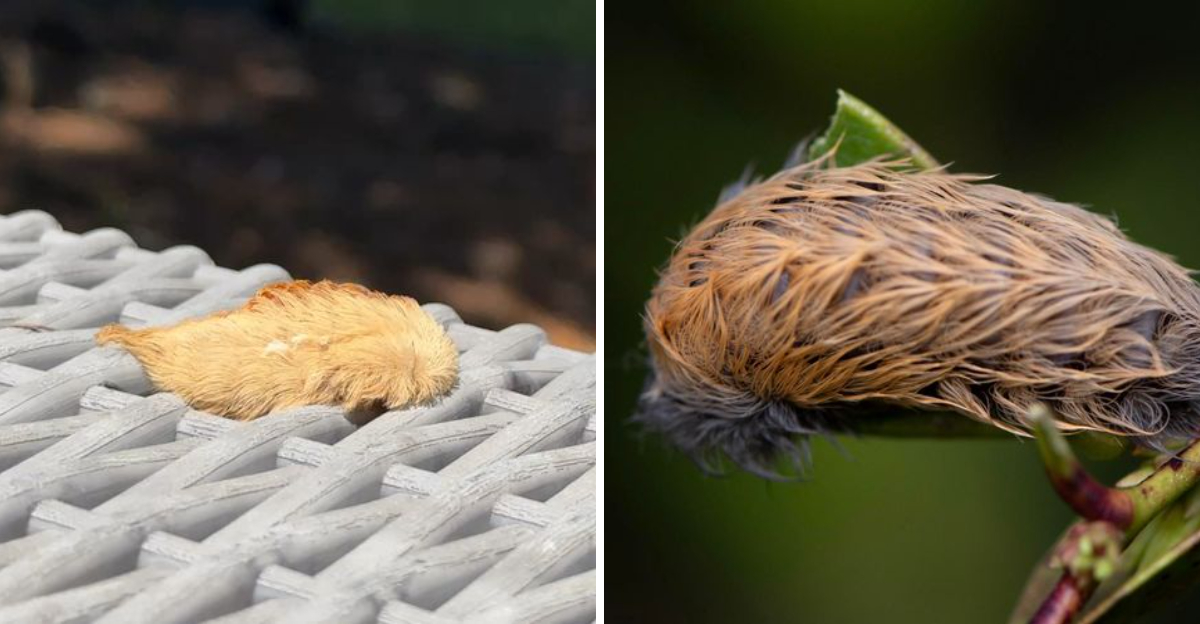
You are pruning your oak tree on a warm Texas afternoon, and you spot the softest, most touchable-looking little creature clinging to a branch.
It looks like a tiny piece of fur that fell from a stuffed animal. Your first instinct is to pick it up.
That fuzzy little creature is the southern flannel moth caterpillar, also called the asp or puss caterpillar, and it is one of the most venomous caterpillars in North America.
Found throughout Texas gardens, schoolyards, and backyards, this small but mighty insect hides a painful secret beneath its silky coat.
Texas A&M AgriLife Extension has flagged it as a serious concern for gardeners, parents, and anyone who spends time outdoors near oak trees and shrubs.
The asp does not look threatening at all, and that is exactly what makes it so surprising.
Many people who get stung had no idea what they were dealing with until it was too late, because nothing about this caterpillar signals danger from the outside.
Understanding what it is, where it hides, and what to do if you brush against one can save you a world of hurt.
The Asp Wears A Fuzzy Disguise
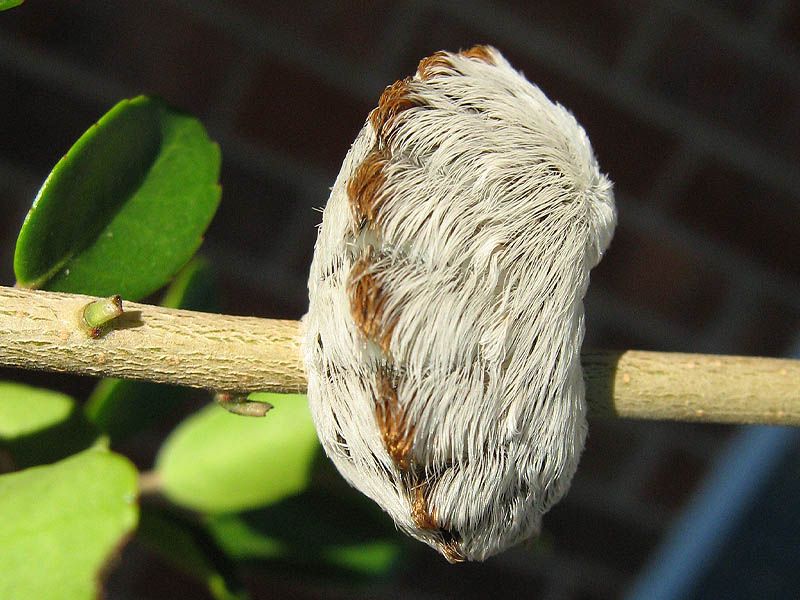
Soft. Oval. Almost adorable.
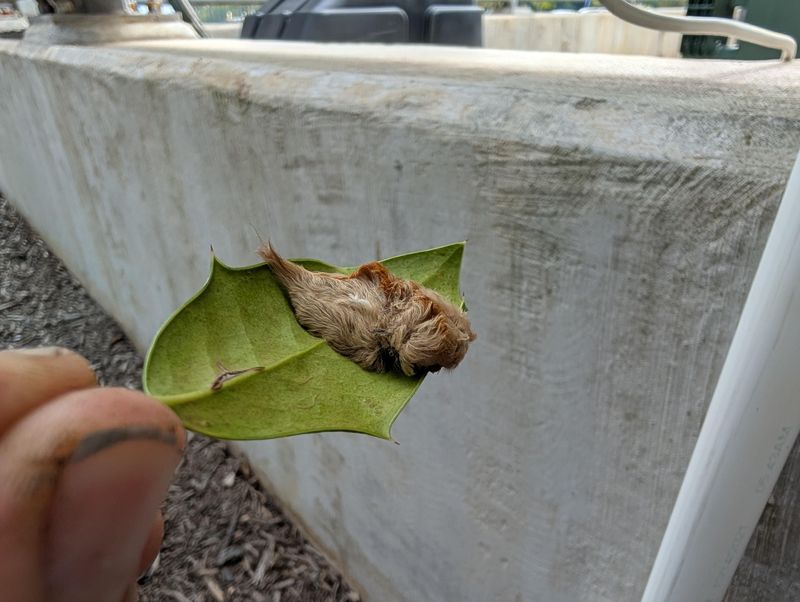
The southern flannel moth caterpillar looks like a walking toupee that somehow ended up on your oak tree.
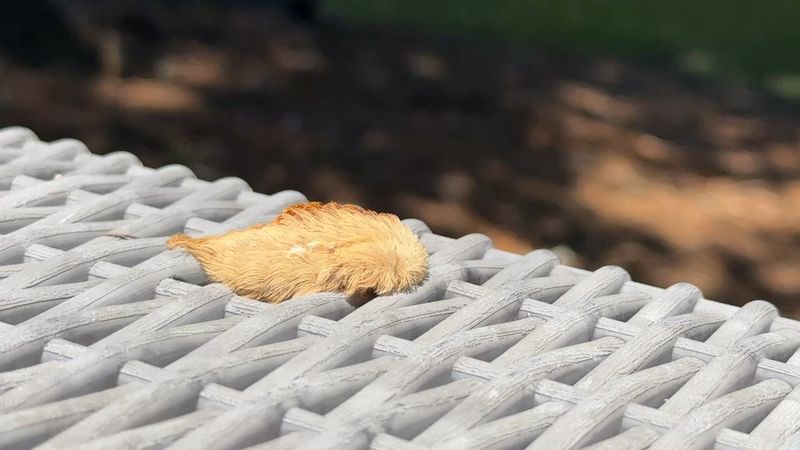
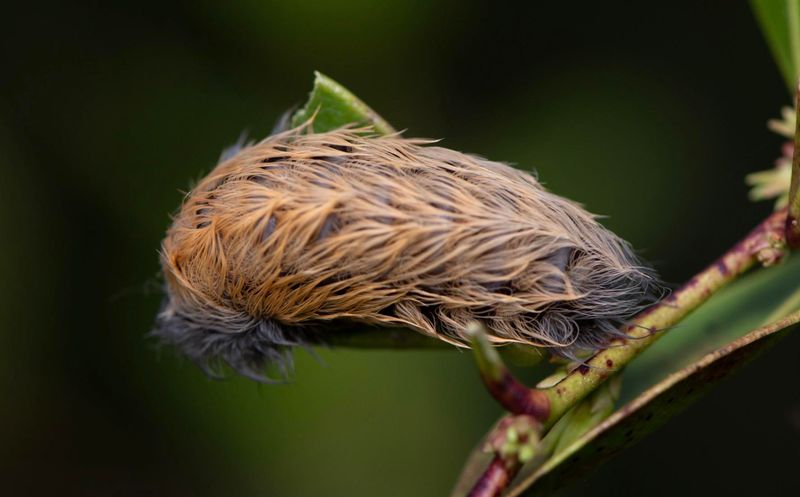
It is covered from head to tail in silky, wavy hairs that range from golden tan to grayish brown, giving it the appearance of a tiny, fuzzy mammal rather than an insect.
That fluffy coat is the disguise.
Underneath all that softness are hollow, venomous spines connected to poison glands. You cannot see the spines without looking closely.
They are completely hidden by the longer hairs on top, which is exactly what makes this caterpillar so tricky.
Adult asps grow to about one inch long and have a teardrop shape that tapers toward the back.
Some Texans call them asps because of the sharp, snake-like sting they deliver. Others call them puss caterpillars because of the cat-fur resemblance. Either name fits.
Texas A&M AgriLife Extension confirms this species as Megalopyge opercularis, native to the southern United States.
It is most common in Texas from late summer through fall, though sightings happen year-round in warmer regions.
The disguise is so convincing that even experienced gardeners get fooled.
A quick glance at a branch and you might think it is just a bit of fluff blown in from somewhere. It is not fluff. It has opinions about being touched.
Hidden Spines Carry The Sting
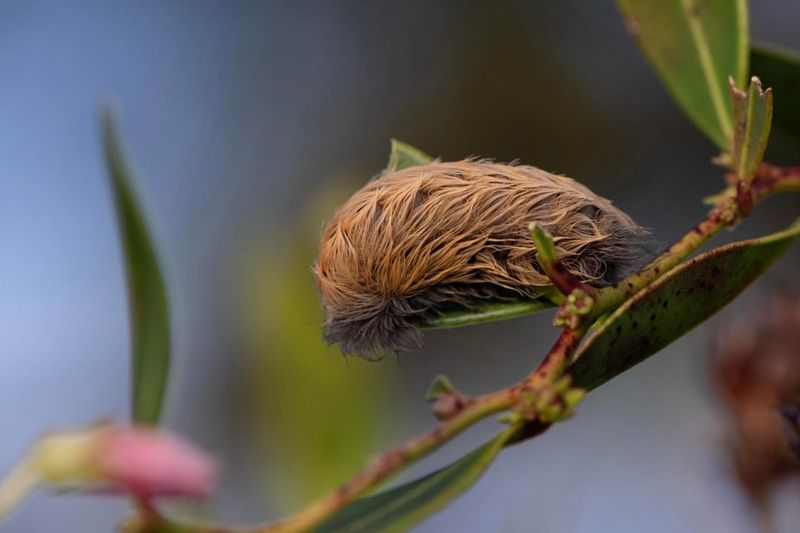
Beneath that irresistible fluff, the asp is basically wearing a coat of tiny hypodermic needles.
The venomous spines are hollow and connect directly to poison glands at their base. When skin makes contact, the spines break off and inject venom immediately. It happens fast, and it is not subtle.
The pain hits quickly and can feel like a burning, throbbing wave that spreads outward from the point of contact.
Some people describe it as similar to a wasp sting but more intense and longer lasting. The affected area often turns red and swollen, and a grid-like pattern of small raised marks may appear where the spines made contact.
Your Texas Garden Changes Every Week. Your Plan Should Too.
Gardening in Texas changes quickly throughout the season. Every Friday you’ll receive a simple weekly plan showing exactly what to plant, prune, fertilize, harvest, and protect so you never miss the right timing.
Beyond local pain, some people experience symptoms that spread further.
Headache, nausea, swollen lymph nodes, and a general sick feeling have all been reported after asp contact. People with allergies or sensitivities may have stronger reactions than others.
Texas Poison Control Network receives calls about asp stings regularly during peak caterpillar season.
Clothing does not always protect you. Spines can work through thin fabric like a cotton shirt. Even brushing against a branch where an asp recently rested can leave behind broken spines that still sting.
Treat every fuzzy caterpillar in Texas as if it has sharp opinions, because this one absolutely does.
Oak Trees Often Host The Surprise
Oak trees are prime real estate for the asp.
Live oaks, water oaks, and other oak varieties common across Texas serve as favorite feeding grounds for this caterpillar.
They munch on oak leaves and often rest on the underside of branches and leaves, which means they can be right at eye level without you ever noticing.
Oaks are not the only host.
Asps have also been spotted on pecan trees, elm trees, rose bushes, and a wide range of ornamental shrubs. Basically, if you have a leafy plant in Texas, there is a chance the asp has considered it for a visit.
They are especially common in residential neighborhoods with mature trees.
Schoolyards with large oak trees have seen enough asp incidents that Texas schools occasionally send home warning notes in late summer and fall. Parks and hiking trails with heavy tree cover are also worth watching.
Asps tend to rest on the underside of leaves during the day, which makes them easy to miss when you are pruning, raking, or reaching up to grab a branch.
That upward reach with an unprotected hand is exactly how many people end up in contact with one unexpectedly.
Checking the underside of leaves before grabbing a branch sounds like a small habit, but it is the kind of habit that saves your afternoon.
Kids Notice The Soft Look First
A child’s instinct when seeing something soft and fuzzy is almost always the same: touch it.
That natural curiosity is wonderful in most situations, but it becomes a problem when the fuzzy thing in question is an asp caterpillar sitting on a porch rail or low-hanging branch.
Kids are at higher risk simply because they are closer to the ground and lower branches, they move fast, and they do not yet have the experience to recognize warning signs in nature.
A caterpillar that looks like a cotton ball is practically an invitation to a curious seven-year-old.
Parents and caregivers in Texas should have a simple, calm conversation with kids about fuzzy caterpillars.
The message does not need to be scary. Something like, “If you see a fuzzy caterpillar, come get me before you touch it,” is enough. Make it a rule, not a lecture.
Pets can also encounter asps in the yard.
Dogs that like to sniff low branches or root around in leaf piles could brush their nose or paw against one. Watch for pawing at the face or sudden yelping after being in the yard near trees during caterpillar season.
Teaching kids to look without touching is one of those life skills that applies far beyond caterpillars.
Point out the asp in a book or photo first so they know what to watch for. Knowledge turns a scary surprise into a smart, empowered moment.
Bare Hands Make The Wrong Move
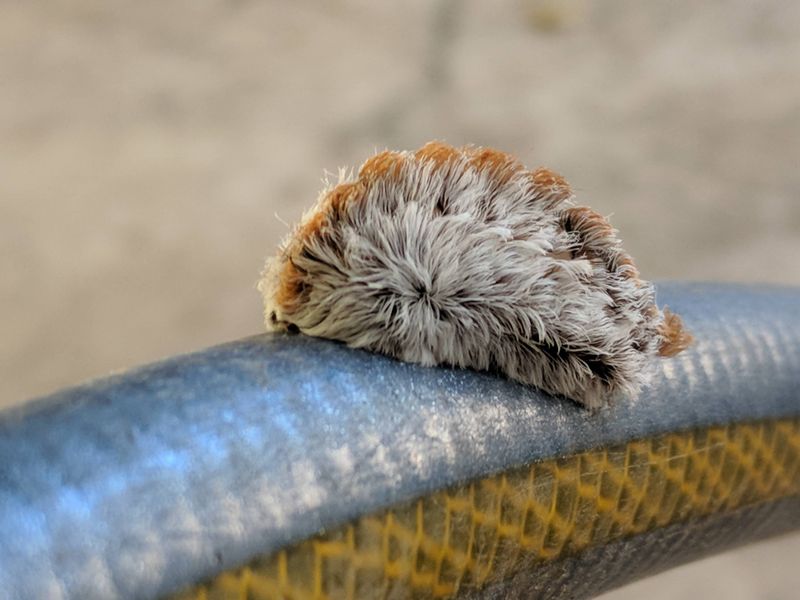
Reaching for an asp with bare hands is the fastest way to ruin a perfectly good afternoon in the garden.
No matter how soft it looks, touching it directly is what causes the venom to transfer. The spines do not sting from a distance. Contact is what triggers the reaction.
If you need to move an asp off a walkway or away from a spot where kids or pets might brush against it, use a stick, a folded piece of cardboard, or a thick gardening tool to nudge it.
Never scoop it up with your fingers, even gently. Even a light brush is enough to break spines and start the sting.
Gardening gloves offer some protection, but not all gloves are created equal.
Thin cotton or knit gloves may not stop the spines from penetrating. Thick leather gloves or heavy-duty rubber gloves give much better coverage.
If you are pruning trees or clearing brush in Texas during late summer or fall, wear protection that covers your wrists too.
Long sleeves are also a smart call when working around trees where asps might be resting.
Brushing your forearm against a branch that has an asp on the other side can sting just as much as a direct touch. The caterpillar does not have to be visible for contact to happen.
The asp is not aggressive and will not chase you. Just do not introduce yourself with your bare hands, and you will both be fine.
Tape Can Lift Loose Spines
The sting already happened. Now what?
First, do not rub the area. Rubbing pushes the spines deeper into the skin and makes things worse. The goal right away is to get those spines out without making more contact with them than necessary.
One of the most widely recommended first-aid steps for asp stings is using tape to lift the spines out.
Take a strip of tape, press it firmly over the affected area, and then peel it off in one smooth motion. This pulls the broken spines up and out of the skin. Repeat with a fresh strip of tape until no more spines come up.
After removing spines, wash the area gently with soap and water.
Applying an ice pack wrapped in a cloth can help reduce swelling and ease the burning sensation. Over-the-counter antihistamines and hydrocortisone cream may also help calm the reaction for milder cases.
Keep the area clean after treatment and avoid scratching, even if it itches.
Scratching can introduce bacteria and prolong irritation. Write down when the sting happened and what symptoms appeared. That information becomes useful if you end up calling a doctor or poison control line a little later.