Rain Barrel Systems Supporting Connecticut Gardens Through Water Restrictions
Summer in Connecticut has a habit of turning on homeowners overnight. One day the garden looks perfect, and the next, the town posts a water restriction notice that turns a garden hose into a liability.
Homeowners who planned ahead already have an edge during those dry stretches. Rainwater collected before it hits the ground becomes a private reserve, untouched by local rules.
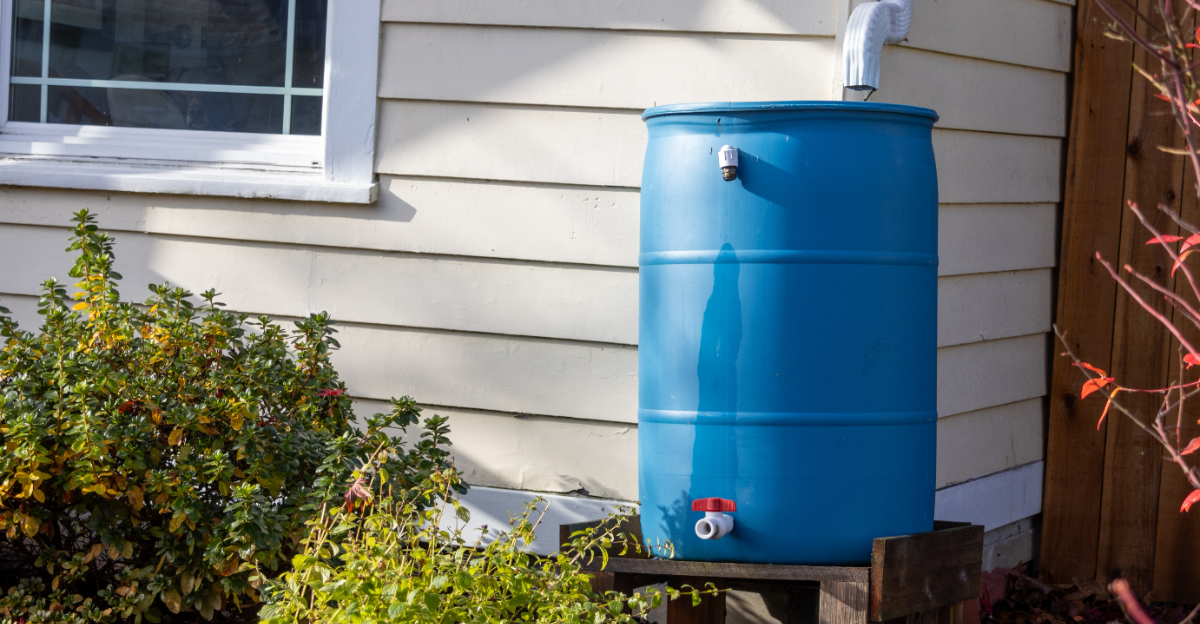
A barrel connected to a downspout does more work than its size suggests. It can support herbs, flower beds, and vegetables through weeks when the tap is, legally speaking, off limits.
Setting up a system like this takes little space and even less effort, especially compared to watching a garden fade through August with no backup plan in place.
Rain Barrels Capture Water Your Roof Would Otherwise Lose
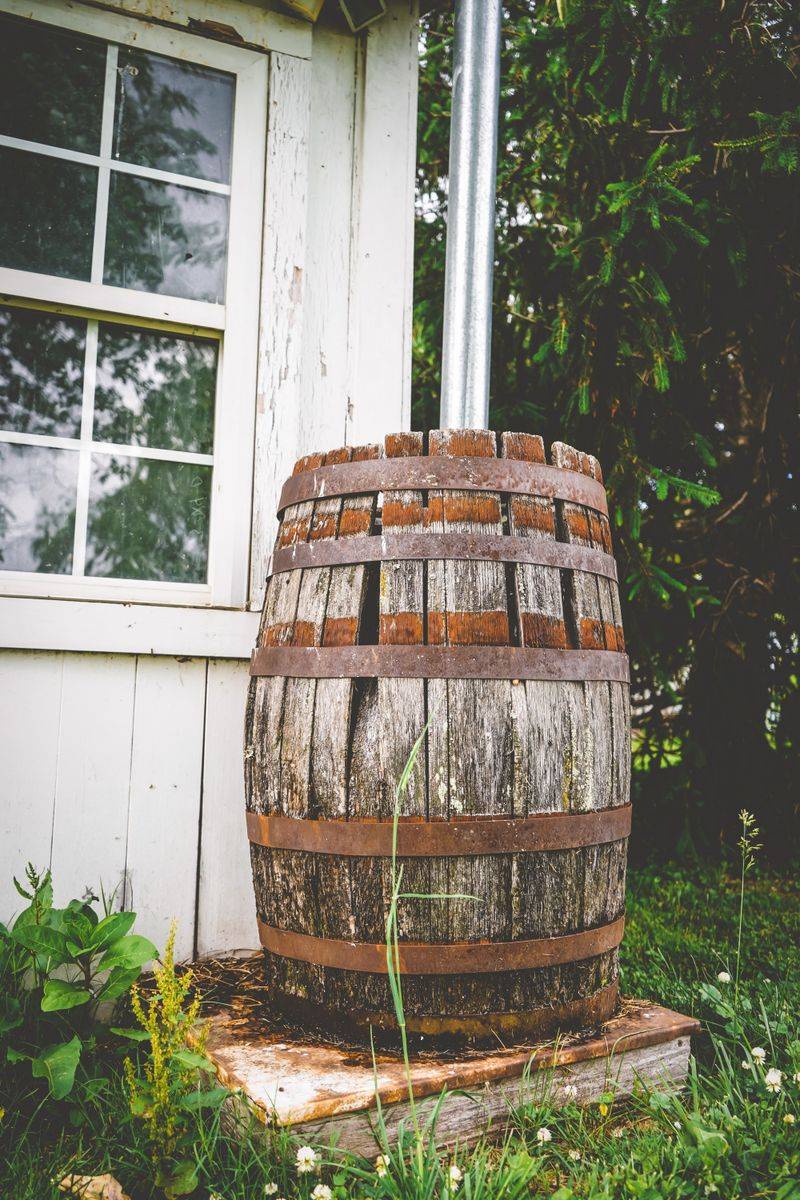
Every time it rains, your roof sheds hundreds of gallons of water straight into the ground or storm drains. Rain barrel systems intercept that flow before it disappears, storing it for the dry days ahead.
A standard roof measuring 1,000 square feet can collect roughly 600 gallons from just one inch of rain. That number should make any gardener sit up straight.
The setup is straightforward. A barrel connects to your downspout using a simple diverter kit, redirecting flow into the storage tank instead of the ground.
Most barrels range from 50 to 100 gallons, though larger cistern-style tanks can hold 250 gallons or more. Picking the right size depends on how much garden space you need to cover.
Rooftop runoff often carries debris, so most barrels include a mesh screen at the inlet. That screen blocks leaves, twigs, and dirt from fouling your stored supply.
Positioning matters too. Placing the barrel on a raised platform, even just a few cinder blocks, creates enough gravity pressure to feed a soaker hose without a pump.
Some homeowners daisy-chain two or three barrels together using overflow hoses. This multiplies storage capacity without requiring a larger single unit.
Capturing roof runoff is not just clever. It is one of the most impactful small changes a homeowner can make for garden resilience.
Stored Water Stays Available During Restriction Periods
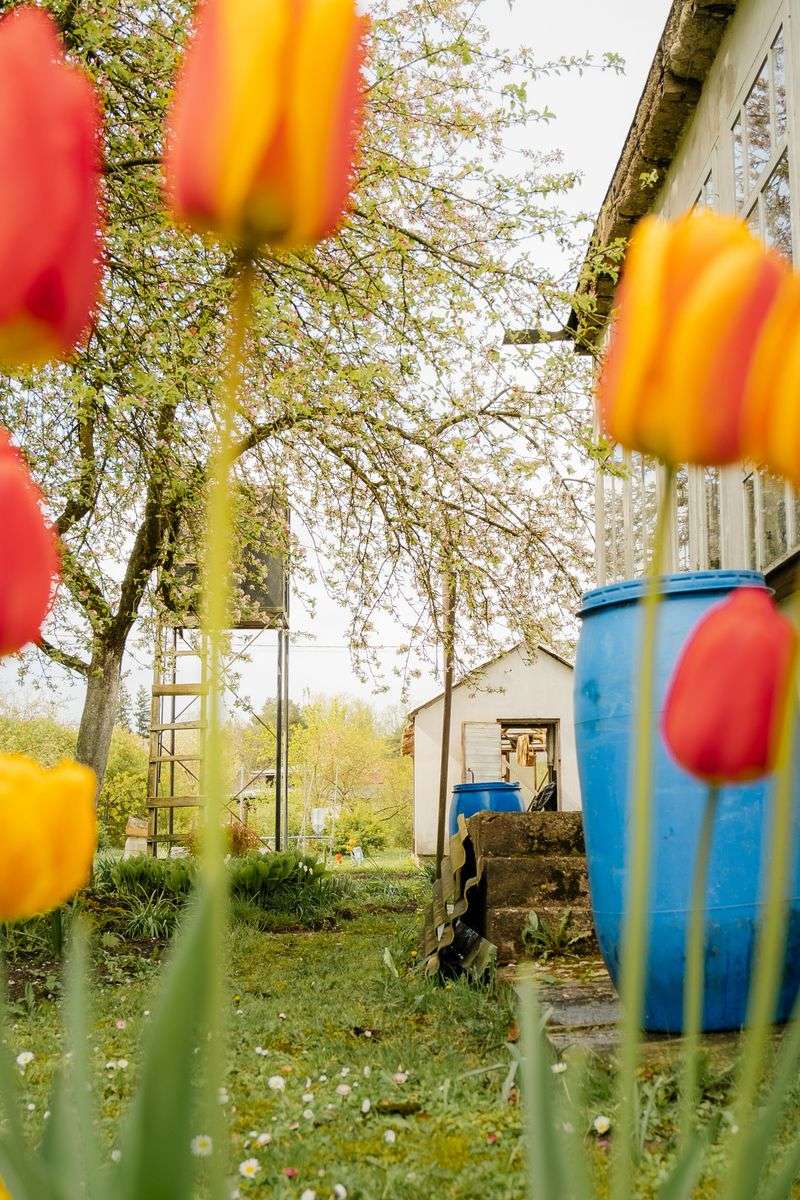
Water restriction notices have a way of arriving at the worst possible moment, right when your pepper plants are begging for a drink. Stored barrel water sidesteps those restrictions entirely because it was collected before the ban took effect.
Most municipal restrictions target potable water drawn from town systems or wells. Rainwater you collected privately sits outside that jurisdiction in most cases.
It’s worth checking your local ordinances before assuming this applies to your area. Some towns have specific rules about barrel use, though most New England municipalities actively encourage it.
The psychological relief of having a full barrel during a drought is genuinely underrated. Knowing your basil and tomatoes have a backup supply reduces a surprising amount of gardening stress.
A 100-gallon barrel, used carefully with drip irrigation, can sustain a modest raised bed for four to five days between rain events. That window often covers most short-term restriction periods.
Your Connecticut Garden Changes Every Week. Your Plan Should Too.
Gardening in Connecticut changes quickly throughout the season. Every Friday you’ll receive a simple weekly plan showing exactly what to plant, prune, fertilize, harvest, and protect so you never miss the right timing.
Tracking your usage helps you stretch the supply further. A simple notebook or phone note logging daily draw keeps you from burning through the reserve too quickly.
Pairing barrel storage with mulch around your plants reduces soil evaporation significantly. Less evaporation means each gallon of stored water works harder and lasts longer.
Rain barrel systems give gardens a genuine buffer against the unpredictability of summer weather and local water policies. That buffer is exactly what keeps Connecticut garden alive when neighbors are watching their beds wilt.
Connecting A Barrel To A Simple Drip Or Soaker Line
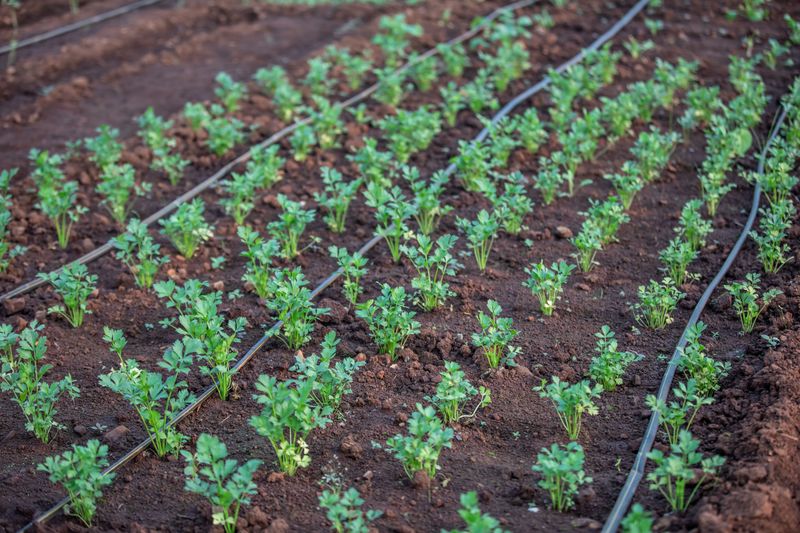
Hooking a soaker hose to a barrel feels intimidating until you actually do it, and then it feels almost embarrassingly easy. The barrel spigot threads match standard garden hose fittings, so no special tools are needed.
Soaker hoses work beautifully with gravity-fed barrel systems because they require almost no water pressure to function. Regular sprinklers need pressure, but soaker lines are forgiving and slow.
Start by attaching a short length of standard hose from the barrel spigot to the beginning of your soaker line. Keep the total soaker length under 50 feet for best results with gravity alone.
Lay the soaker hose along the base of your plants, keeping it close to the root zone. Water delivered at the root level wastes far less than overhead watering.
A simple timer valve, available at most hardware stores for under twenty dollars, can automate the flow. Set it to open for an hour each morning before the sun peaks.
Drip irrigation kits offer even more precision than soaker hoses, letting you direct water to individual plants. These systems pair especially well with raised beds where spacing is tight.
Elevating the barrel higher increases the gravity pressure and improves flow through longer hose runs. Even six inches of extra height makes a noticeable difference in output speed.
Once the line is laid and the timer is set, your rain barrel system practically runs itself. Watching it work while you sip coffee feels like a small, satisfying victory.
Using The Water Safely Around Vegetables And Herbs
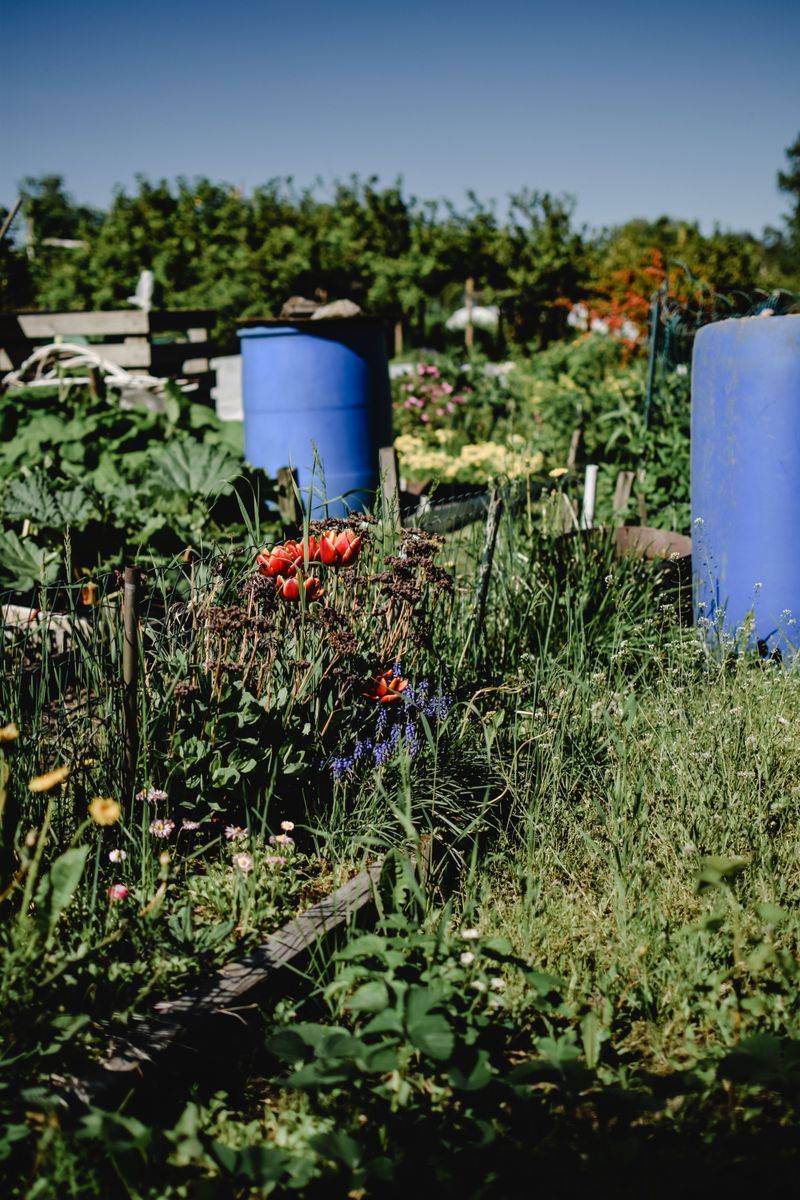
Rooftop rainwater is not the same as tap water, and that distinction matters when you are growing food. Asphalt shingles, painted surfaces, and metal flashing can all contribute trace contaminants to collected runoff.
Directing water to the soil rather than the leaves meaningfully reduces exposure risk for edible plants. Roots filter a surprising amount before nutrients reach the fruit.
Avoid using barrel water on leafy greens like lettuce or spinach where leaves are eaten raw and touched directly by water. Root vegetables and fruiting crops like tomatoes handle barrel water with much less concern.
If your roof is older or has lead flashing, consider using barrel water only on ornamental beds. A newer roof with asphalt shingles is generally considered safe for food garden irrigation.
Testing your collected water is an option if you want certainty. Basic water test kits cost under fifteen dollars and can check for common contaminants in minutes.
It’s best to avoid storing barrel water for more than two weeks without refreshing it. Stagnant water can develop bacteria, so keeping it cycling with fresh rain keeps the supply healthier.
Herbs like rosemary, thyme, and oregano are particularly forgiving and do well with barrel irrigation directed at the base. These plants are also drought-tolerant, so your stored supply stretches even further.
Used thoughtfully, barrel water is a reliable resource for most home food gardens. A little awareness of what grows where keeps everything safe and flourishing.
Keeping The System Clean And Mosquito Free
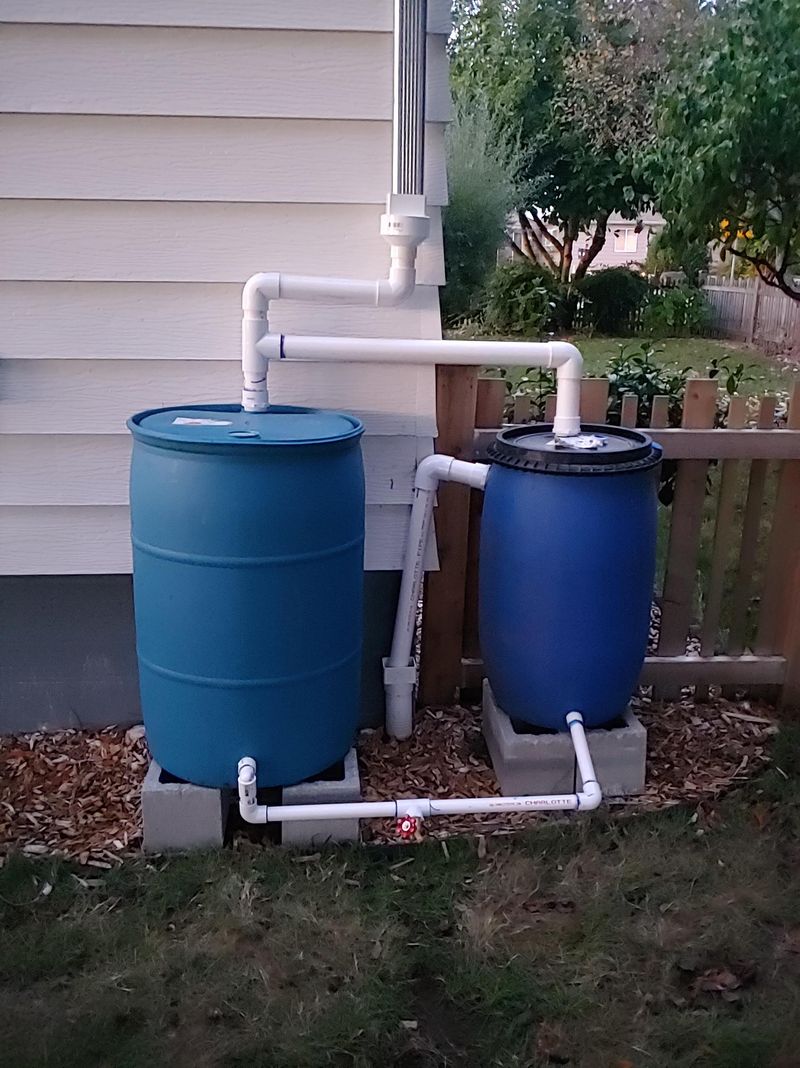
A neglected rain barrel can turn into a mosquito nursery faster than you would expect. Standing water is exactly what female mosquitoes are searching for, and a barrel without proper screening is an open invitation.
The fix is simple and inexpensive. Every barrel should have a fine mesh screen covering the inlet opening, secured tightly so nothing can squeeze underneath.
Overflow outlets also need screening. When a barrel fills and water spills from the overflow port, that port becomes another potential entry point for egg-laying insects.
Cleaning the barrel interior once per season keeps algae and sediment from building up. Empty the barrel, scrub the inside with a long-handled brush, and rinse before refilling.
Avoid using bleach or harsh chemicals inside the barrel if you plan to use the water near edible plants. A diluted white vinegar rinse works well and breaks down mineral deposits without harmful residue.
Checking the screen after every significant storm is a good habit. Debris can mat down over the mesh and reduce water intake, so a quick brush-off keeps flow moving smoothly.
Some Connecticut gardeners add a Bti dunk to their barrel as an extra mosquito deterrent. Bti is a natural biological agent that targets mosquito larvae without harming plants, pets, or people.
A clean system performs better and creates no pest problems for you or your neighbors. Maintenance takes maybe fifteen minutes a month, and that small investment pays off all season long.
Draining And Storing Barrels Before Connecticut Winters
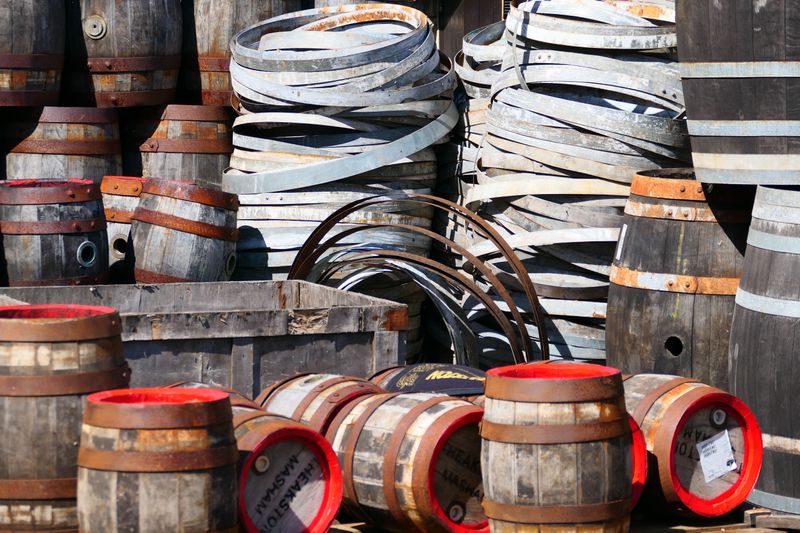
Frost is not forgiving to water-filled containers, and a barrel left full through a New England winter will crack, warp, or split by spring. Winterizing your rain barrel system is non-negotiable once temperatures start dropping toward freezing.
Begin the process in mid-October, before the first hard freeze arrives. Waiting until November is cutting it close in most parts of the state.
Disconnect the barrel from the downspout first. Reattach the original downspout extension so winter runoff flows away from the foundation as it normally would.
Open the spigot fully and let the barrel drain fully. Tipping it slightly forward helps the last bit of water escape from the low point inside.
Once empty, remove any hoses or fittings attached to the spigot. Store these indoors or in a garage where they will not crack from cold exposure.
A dry barrel stores best upside down or on its side in a shed, garage, or covered porch. Keeping it out of UV exposure over winter also extends the plastic lifespan by several years.
If indoor storage is not possible, place the barrel right-side up with the lid off so any residual moisture can evaporate. Avoid sealing a damp barrel for storage, since mold can develop inside.
Come spring, rinse the barrel before reconnecting it and your rain barrel system will be ready to capture the first April showers. Starting the season with a clean, intact barrel means you hit the ground running.