Why Texas Fig Trees Are Dropping Fruit Before Ripening In July Heat
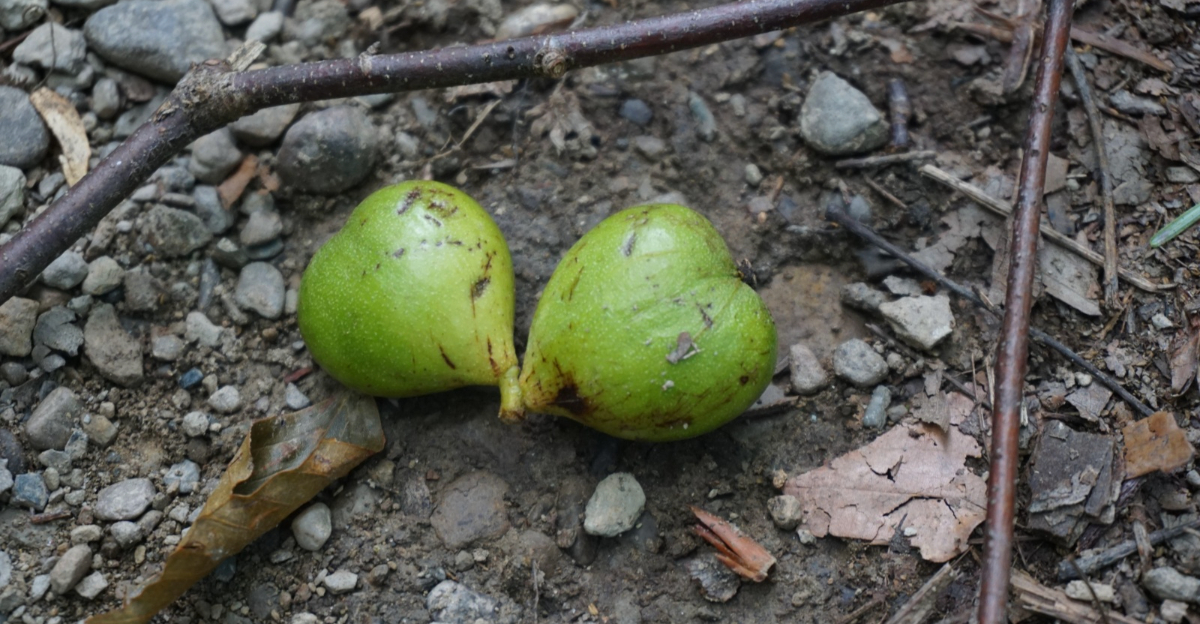
You head out to your Texas fig tree on a hot July morning, coffee in hand, ready to check on things, and instead of plump ripening figs you find a little graveyard of tiny green ones scattered across the ground.
Deeply frustrating.
The heat gets blamed immediately, and honestly that is a reasonable first instinct because Texas July is genuinely no joke. But here is the thing: heat is rarely the whole story.
High temperatures increase how much water your fig tree needs, and when shallow roots dry out too fast, mulch is missing, or watering gets inconsistent, the tree starts making tough decisions.
Even one that looks perfectly healthy can begin dropping fruit it simply cannot support anymore, especially when root-knot nematodes are adding stress underground at the same time.
What is happening below the soil matters just as much as what you can see above it.
1. Water Stress From July Heat
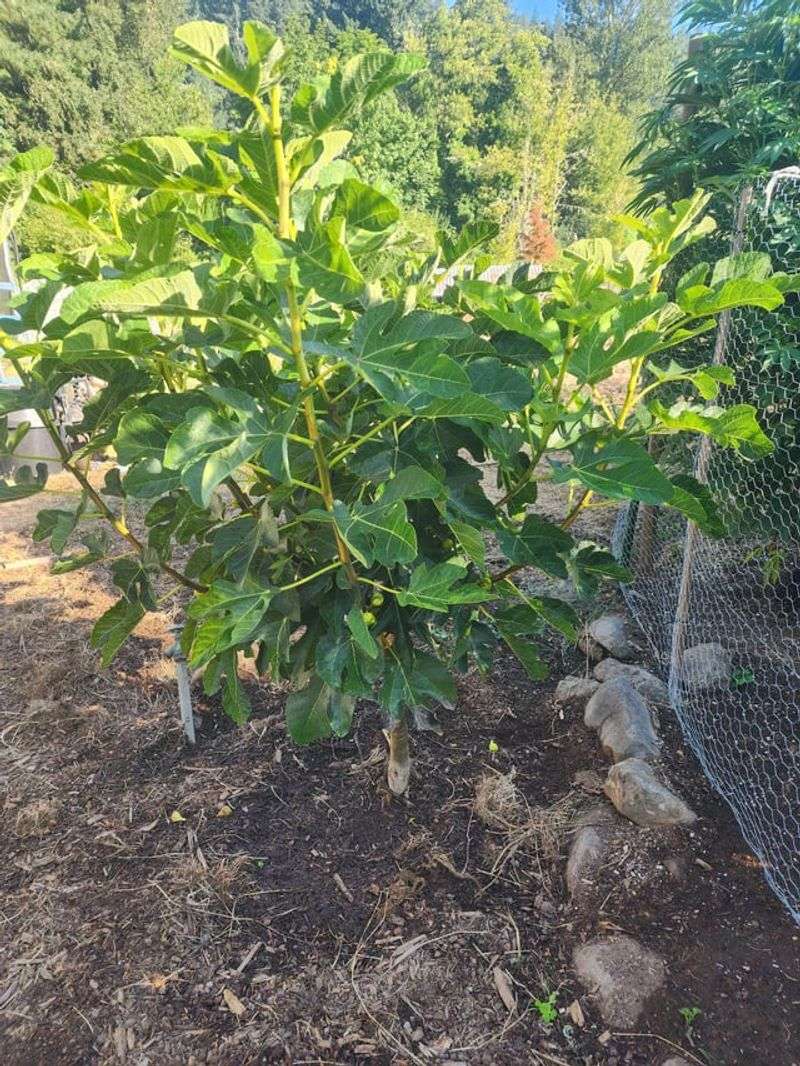
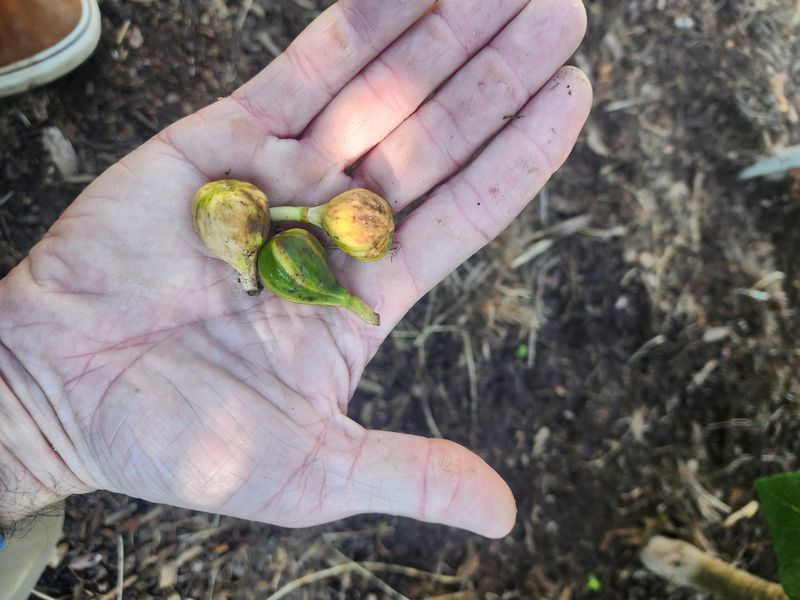
Small green figs lying on the ground beneath a tree that still looks full of fruit can be one of the first signs that water stress has already set in.
In Texas, July afternoons regularly push temperatures past 100 degrees, and that kind of heat dramatically increases how much moisture a fig tree needs to keep fruit developing on the branch.
When the tree cannot pull enough water from the soil to meet that demand, it responds by shedding fruit to reduce the load it has to carry.
Fig trees have shallow, fibrous root systems that sit close to the surface, which makes them especially vulnerable when the top layer of soil dries out quickly.
On a scorching Texas afternoon, surface soil can lose moisture within hours, leaving roots with very little to absorb.
The tree does not drop fruit out of weakness alone. It is making a practical adjustment to survive the heat by focusing resources on the trunk and roots rather than ripening fruit.
Gardeners should check soil moisture a few inches below the surface before assuming the tree has been watered enough. A dry inch or two down is a clear signal that watering needs to increase in frequency or volume.
Deep, slow watering is far more effective than quick surface watering during July heat. Keeping moisture consistent during fruit development is one of the most useful steps a Texas fig grower can take to reduce stress-related fruit drop.
2. Shallow Roots Drying Out Too Fast
Roots barely an inch or two below the surface on a blazing Texas July afternoon have almost no buffer against rapid moisture loss.
Unlike deep-rooted trees that can tap into cooler, moister soil layers, fig trees rely heavily on a wide, shallow root network that stays close to the top of the ground.
That design works well in mild weather but becomes a real challenge when Texas summer heat bakes the soil surface dry within a short time after watering.
When those shallow roots run out of moisture, the tree begins conserving what little it has. Fruit development is an energy-intensive process, and a tree under root stress will often shed developing figs rather than continue supporting them.
Your Texas Garden Changes Every Week. Your Plan Should Too.
Gardening in Texas changes quickly throughout the season. Every Friday you’ll receive a simple weekly plan showing exactly what to plant, prune, fertilize, harvest, and protect so you never miss the right timing.
Gardeners sometimes notice the leaves looking slightly dull or curling at the edges before fruit actually starts falling, which can be an early clue that the root zone is struggling.
Checking the soil a few inches out from the trunk, not just directly at the base, gives a better picture of what the roots are actually experiencing.
The root zone of a mature fig tree can spread well beyond the canopy edge, so watering only near the trunk may leave a large portion of the roots dry.
Slow, wide watering that covers the full root spread gives shallow roots a better chance of staying consistently moist during the most demanding weeks of the Texas summer growing season.
3. Irregular Watering During Fruit Development
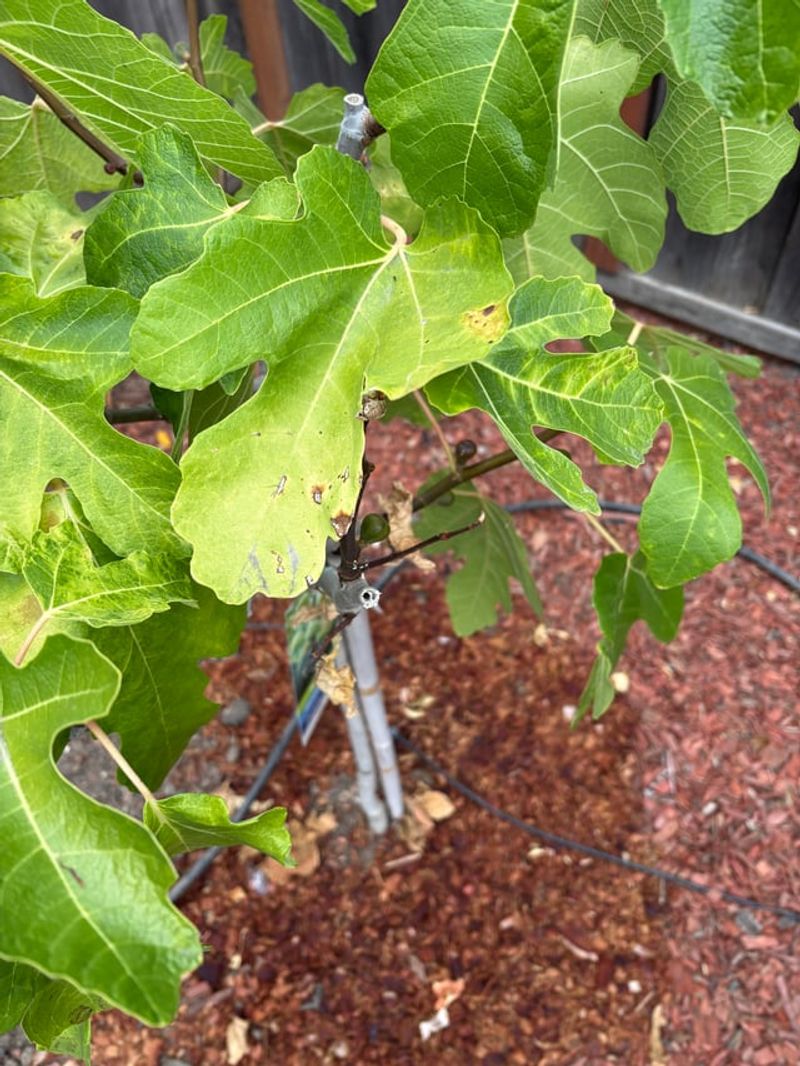
Feast-and-famine watering is one of the most common mistakes made with Texas fig trees during summer, and it tends to show up at the worst possible time, right when fruit is sizing up and getting close to ripening.
A fig tree that gets flooded one day and then goes without water for four or five days in July heat experiences a kind of internal confusion.
The tree responds to sudden moisture loss after a period of abundance by dropping fruit it was already investing energy into developing.
Consistent soil moisture matters more than the total amount of water applied in a single session. When watering is erratic, fruit cells cannot develop at a steady pace.
Figs that were swelling nicely during a wet stretch may suddenly stall or fall when the soil dries out between long watering gaps.
This pattern is especially common in Texas yards where summer schedules get busy and irrigation systems are not always calibrated for July demand.
A simple way to check watering consistency is to push a finger or a wooden dowel a few inches into the soil every couple of days. If it comes out dry, the tree likely needs water sooner than the current schedule allows.
Adjusting irrigation frequency during July rather than relying on a spring-set schedule can make a noticeable difference.
Fig trees in active fruit development benefit from steady, reliable moisture that does not swing between wet and dry extremes throughout the week.
4. Mulch Missing From The Root Zone
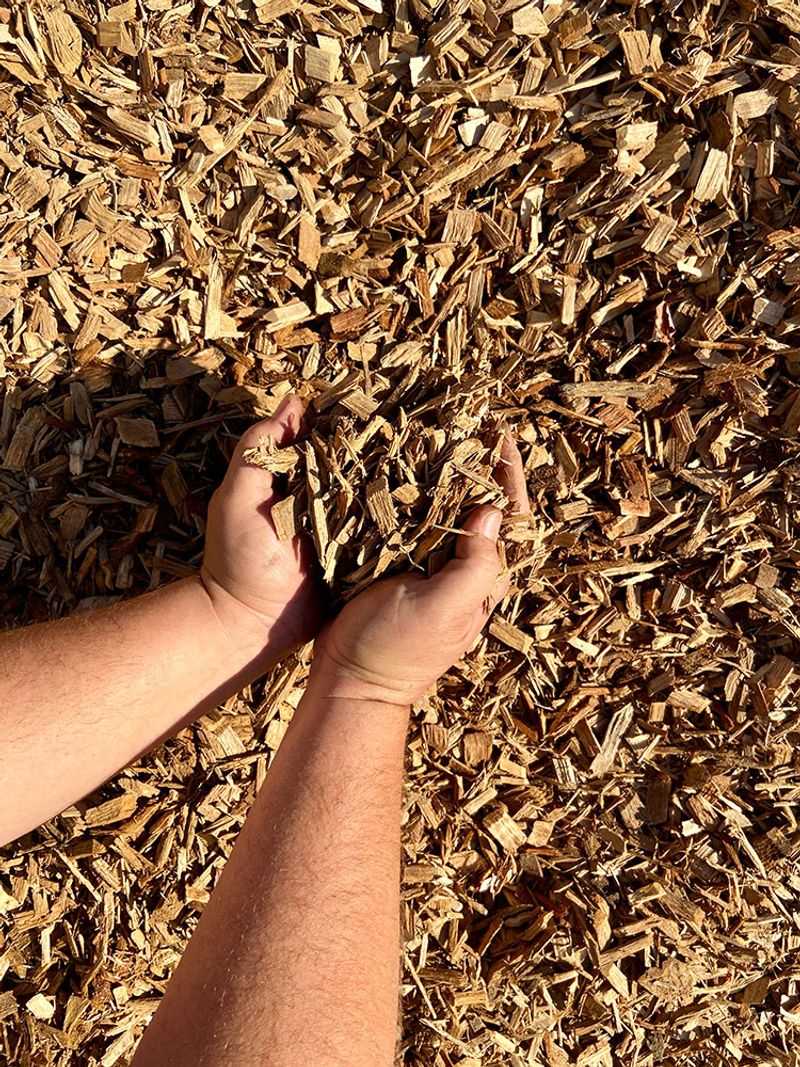
Bare, exposed soil around a fig tree in July is essentially an open invitation for rapid moisture loss.
Without a layer of mulch covering the root zone, the Texas summer sun hits the soil directly, heating it up and evaporating moisture at a rate that even frequent watering struggles to keep up with.
Many gardeners focus on the tree itself and overlook the ground beneath it, but the condition of the soil surface plays a real role in whether fruit stays on the branch or falls off early.
Mulch works by insulating the soil, slowing evaporation, moderating soil temperature, and gradually improving soil structure as it breaks down over time.
A three-to-four-inch layer of organic mulch spread out to the drip line of the tree can meaningfully reduce how fast the root zone dries out between watering sessions.
Wood chips, shredded bark, and similar materials are commonly available at garden centers across Texas and work well for this purpose.
One detail worth knowing is that mulch should be kept a few inches away from the actual trunk of the tree. Piling mulch directly against the bark can trap moisture in a way that encourages disease or pest problems near the base.
Spread it wide rather than thick at the center. In Texas summers, a properly mulched fig tree has a noticeably better chance of holding onto developing fruit because its roots stay cooler and more consistently moist throughout the hottest weeks of the year.
5. Container Figs Heating Up Faster
A container sitting on a concrete Texas patio in full afternoon sun can turn into something close to an oven during July.
The walls of the pot absorb heat from every direction, and unlike roots in the ground that have surrounding soil to buffer temperature swings, container roots are surrounded only by whatever material the pot is made from.
Dark-colored containers and small pots heat up especially fast, and root temperatures that climb too high can interfere with water and nutrient uptake in ways that stress the tree quickly.
When container roots overheat, the tree has a harder time staying hydrated even when the soil inside the pot seems moist.
Water uptake slows when root tissue is under heat stress, so the fig tree may begin shedding fruit even if the gardener has been watering on a regular schedule.
This can be confusing because the tree does not look obviously thirsty, yet fruit is still falling.
Moving a container fig to a spot that gets afternoon shade during the hottest part of the Texas day can make a real difference during July. Even partial shade from a fence, wall, or larger plant can reduce how much heat the container absorbs.
Placing the pot on wooden boards or another insulating surface instead of directly on concrete also helps.
Larger containers hold more soil volume, which means more thermal mass to buffer temperature swings, so upsizing the pot is worth considering for any Texas patio fig that drops fruit every summer.
6. Too Much Fruit For A Stressed Tree To Support
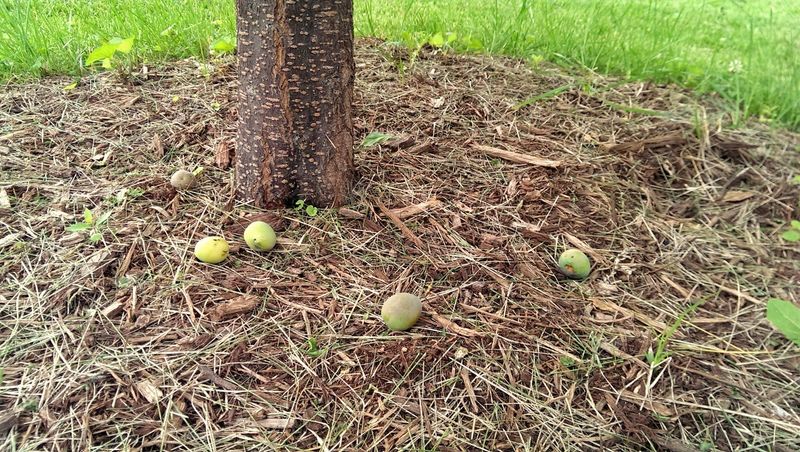
A fig tree loaded with developing fruit during a Texas July heat wave is carrying a heavy biological workload. Every developing fig requires water, sugars, and nutrients to keep growing toward ripeness.
When a tree is already dealing with heat, dry soil, or inconsistent watering, the energy available to support that fruit load drops significantly.
The tree then makes a natural adjustment by releasing some of the developing fruit so it can focus remaining resources on fewer figs and its own survival.
This kind of fruit drop is not always a sign that something has gone seriously wrong. Young trees or trees that set an unusually large crop are especially likely to shed fruit when conditions get difficult.
The drop is essentially the tree recalibrating its workload to match what it can realistically support given the conditions it is dealing with at that moment.
Gardeners who notice heavy fruit drop during a particularly brutal Texas July stretch should resist the urge to immediately fertilize the tree. Adding fertilizer to a stressed tree trying to conserve resources can sometimes push the tree in the wrong direction.
Focus first on water and root zone conditions. Once the tree is getting consistent moisture and the root zone is protected with mulch, it is in a much better position to hold onto the fruit it has.
Thinning fruit by hand early in the season, before July stress arrives, can also help the tree carry a more manageable crop through the heat.
7. Root-Knot Nematodes Adding Extra Stress
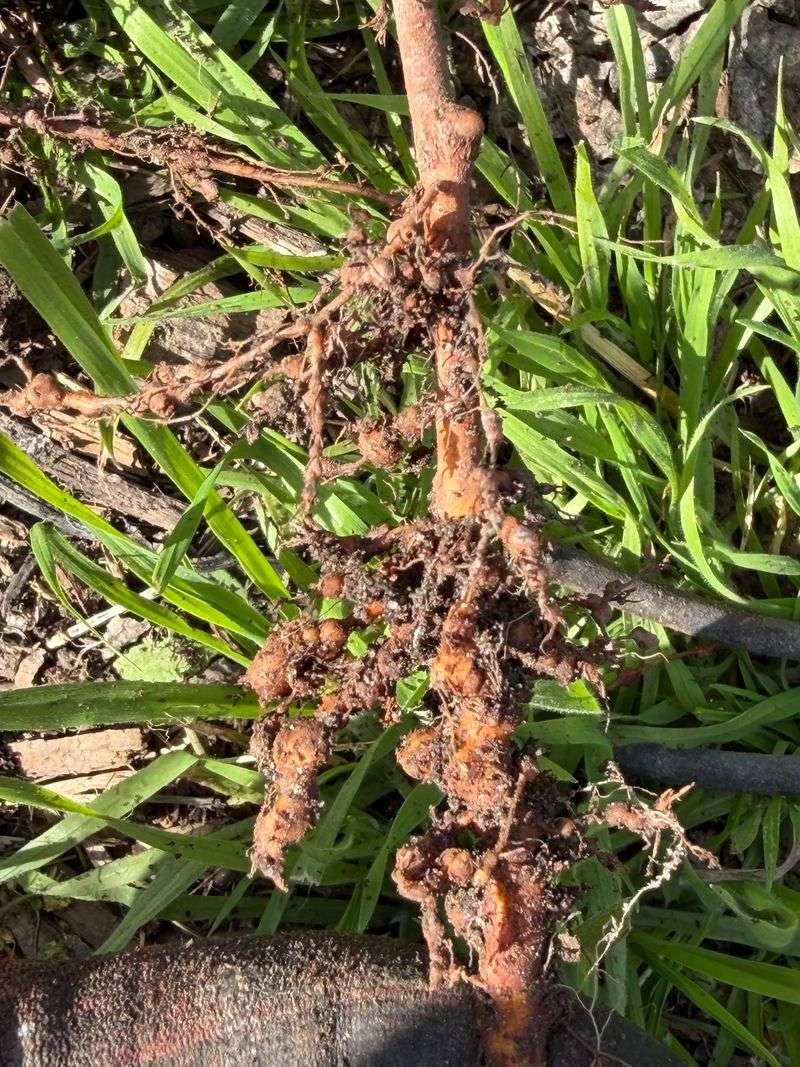
Underground problems are easy to overlook when you are focused on what is happening above the soil, but root-knot nematodes are a real concern for fig growers in Texas, particularly in sandy soils that warm up quickly during summer.
These microscopic roundworms invade root tissue and cause knobby galls to form along the roots, which disrupts the tree’s ability to absorb water and nutrients efficiently.
A tree dealing with nematode damage going into July heat starts the season already behind.
The frustrating thing about nematode stress is that it can look exactly like drought stress from above. Leaves may wilt, fruit may drop early, and the tree may not respond the way you expect even after consistent watering.
If a fig tree in Texas sandy soil has been struggling for more than one season without an obvious explanation, nematodes are worth investigating. A soil test or root inspection can sometimes reveal galling that explains why the tree has not been performing well.
There is no quick fix once nematodes are present, but there are management strategies worth exploring.
Keeping the tree as healthy as possible through consistent watering, good mulching, and appropriate nutrition gives it a better chance of tolerating some nematode pressure.
Certain fig varieties show more tolerance to nematode stress than others, which is a factor worth considering if replanting becomes necessary.
In Texas, where nematode pressure is a recognized challenge in warm sandy soils, choosing a tolerant variety from the start can reduce the risk of repeated summer fruit drop.
8. Poor Drainage Around The Roots
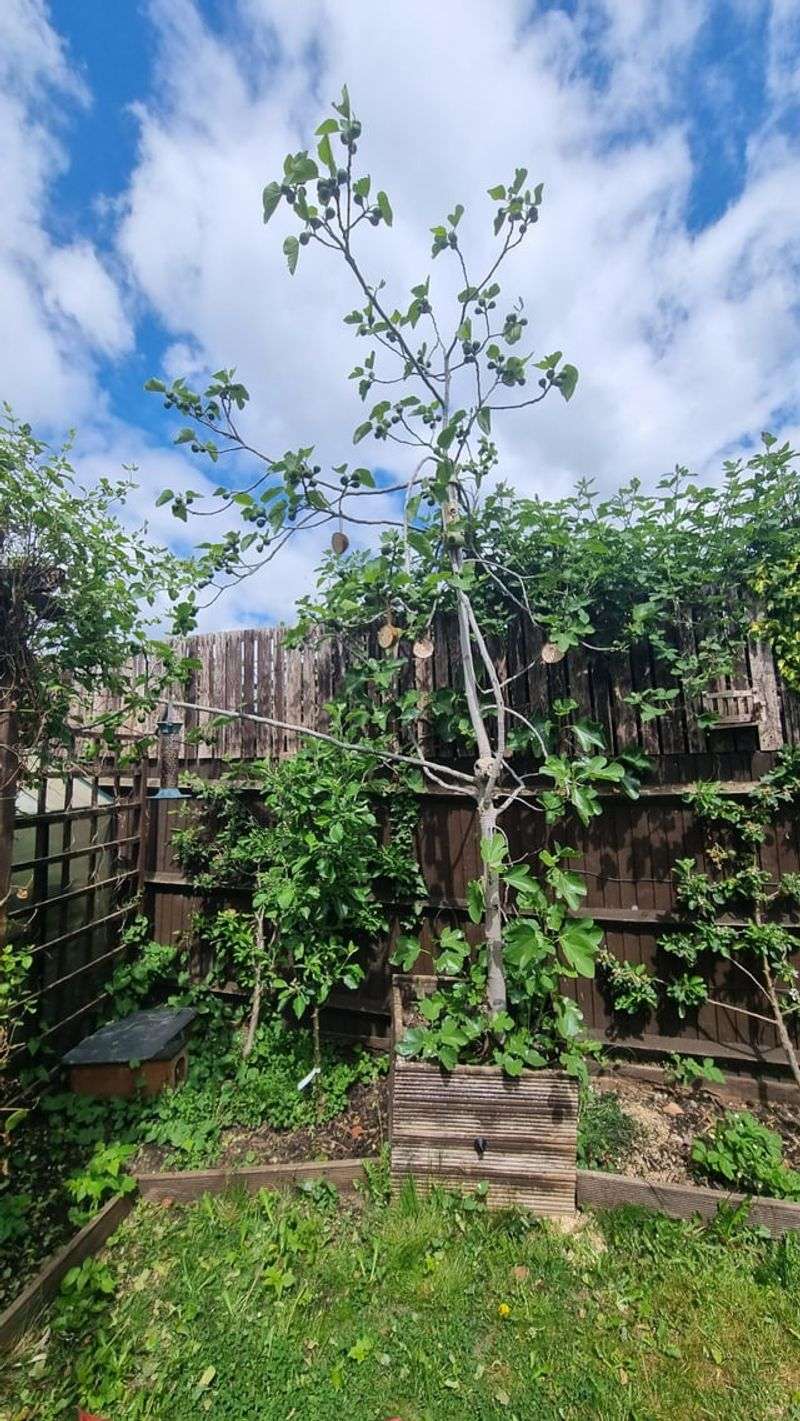
Waterlogged roots in heavy Texas clay soil can cause fruit drop just as reliably as drought stress, even though the two problems look opposite on the surface. When soil holds water for too long after rain or irrigation, oxygen levels in the root zone drop.
Roots need oxygen to function, and when they are sitting in saturated soil, their ability to take up water and nutrients becomes impaired. A tree with oxygen-starved roots under a hot Texas July sky can start dropping fruit even when the soil looks and feels wet.
Clay soils are common across many parts of Texas, and they can shift from bone-dry and cracked to waterlogged within a short time after heavy rain or deep irrigation.
Fig trees planted in low spots in the yard, near downspouts, or in areas where water pools after storms are particularly at risk for this kind of root stress.
The symptoms can be easy to misread because the soil is wet, so the gardener may not immediately connect poor drainage to the fruit dropping.
Improving drainage around an established fig tree takes some patience. Adding organic matter to the surrounding soil over time can help improve structure in clay-heavy ground.
Raised planting beds or bermed planting areas are worth considering if the drainage problem is significant.
For container figs, making sure the pot has adequate drainage holes and is not sitting in a saucer full of standing water matters more than many gardeners realize during the rainy stretches that sometimes break up Texas July heat.