Why Oregon Hydrangea Blooms Are Turning Green In Summer And Whether You Should Worry
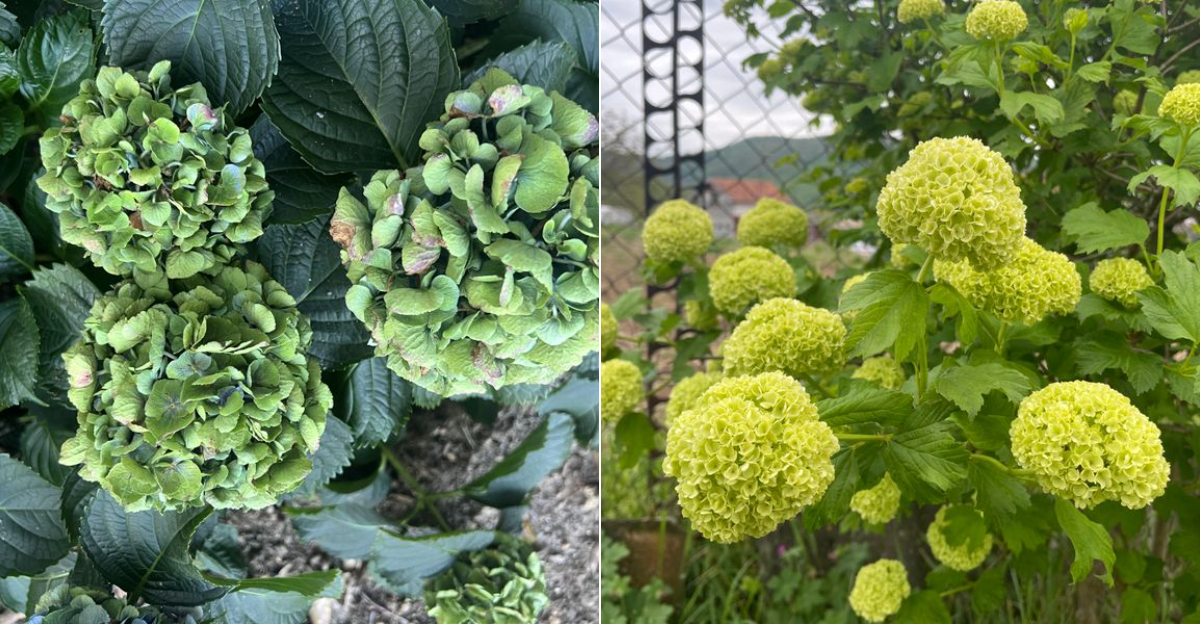
Oregon hydrangeas love a little summer mystery, apparently. One week the blooms look soft, bright, and photo-ready, and the next they start turning green like they joined a garden disguise program.
It can look alarming, especially when the plant seems healthy otherwise. But green hydrangea blooms are not always a crisis.
In many cases, the color shift is part of the flower’s natural aging process. Still, heat, light, variety, and plant stress can all make the change more noticeable.
The trick is knowing when green blooms are normal and when your hydrangea is sending a quiet warning. Before you panic-prune or start changing everything at once, take a closer look at the timing and the rest of the plant.
Your hydrangea may be perfectly fine, just entering its moody summer era.
1. Green Blooms Are Usually Normal Aging
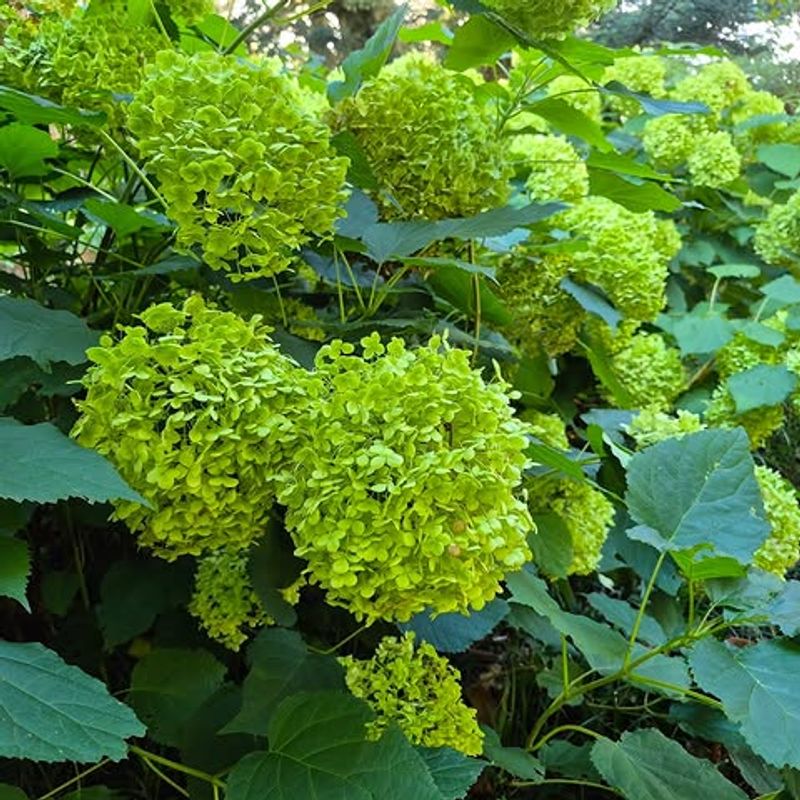
Most gardeners see green on their hydrangea and immediately start worrying, but the truth is surprisingly simple. Blooms naturally change color as they age, and green is often just one stop on that journey.
It is one of the most common and least harmful reasons for the color shift you are seeing right now.
When a hydrangea flower first opens, it pulls energy from the plant to produce its signature color. As the bloom matures, the sepals, which are the petal-like parts you see, start to lose their pigment.
Green chlorophyll can become more visible as that pigment fades, giving the flower a washed-out or greenish look. This is completely natural and happens to many varieties, especially later in the season.
Think of it like a banana going from yellow to speckled. The change does not mean the plant is in trouble.
It just means the bloom has been around for a while and is moving through its life cycle. In Oregon, where summers can stretch warm and long, blooms that opened in June may look noticeably different by August.
Enjoy the changing colors as part of the seasonal show. Aged green blooms can actually look quite beautiful in dried arrangements and hold their shape well through fall.
There is no need to remove them right away just because they have shifted color.
2. Summer Heat Can Shift Flower Color
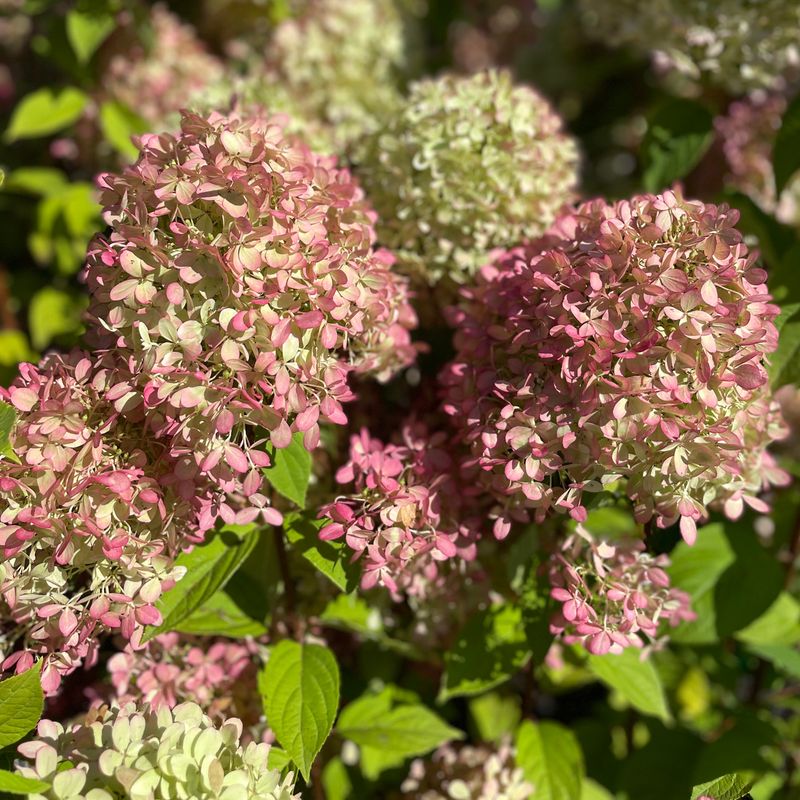
Heat has a powerful effect on how flowers look, and hydrangeas are especially sensitive to temperature changes.
When summer temperatures climb, the plant puts most of its energy into staying cool and keeping its roots and leaves going strong.
The blooms, which are not essential for survival, often take a back seat.
As the plant redirects resources, the pigments in the flower sepals can break down faster than usual.
That breakdown often shows up as a shift toward green, especially in varieties that were already producing lighter shades of pink or blue.
The hotter and drier the summer, the faster this can happen.
Oregon sees a real range of summer temperatures depending on where you live. Gardeners in the Willamette Valley often deal with stretches of heat that push well above 90 degrees.
Your Oregon Garden Changes Every Week. Your Plan Should Too.
Gardening in Oregon changes quickly throughout the season. Every Friday you’ll receive a simple weekly plan showing exactly what to plant, prune, fertilize, harvest, and protect so you never miss the right timing.
Those warm spells can trigger a quick color change that catches people off guard. The blooms are not damaged in a permanent way.
They are simply responding to stress the same way a person might look a little worn out after a long, hot afternoon.
Once cooler weather returns, new growth and late-season blooms may return to a more expected color.
Providing afternoon shade during heat waves can slow the greening process and help your blooms stay vibrant a little longer into the season.
3. Some Varieties Green Up On Purpose
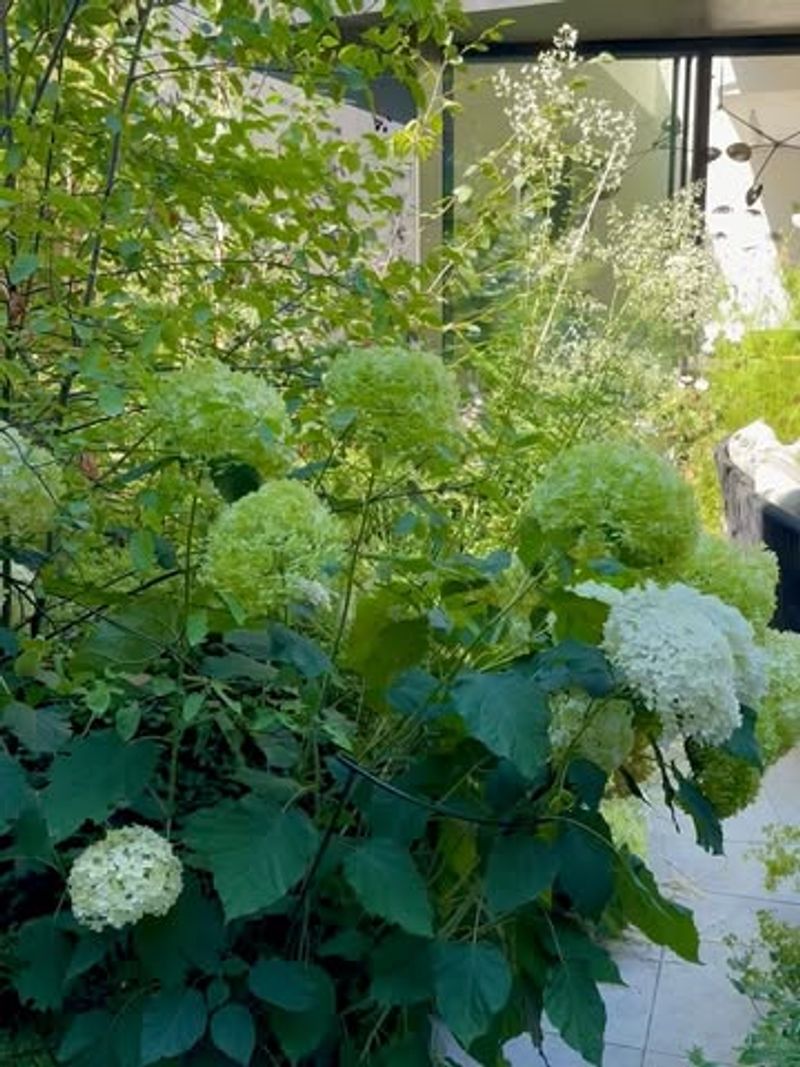
Not every green hydrangea bloom is a sign of something going wrong. Some varieties are actually bred to produce green flowers, and that color is the whole point.
If you planted a variety without checking the label, you might be surprised by blooms that look more lime than lavender.
Limelight hydrangeas are one of the most popular examples. They produce large, cone-shaped blooms that start out creamy white and shift to a chartreuse green as summer goes on.
Annabelle varieties can also show greenish tones, especially when blooms first open or as they age. These are not defects.
They are features that many gardeners specifically look for when choosing plants for their landscape.
If you are not sure what variety you have, try checking any tags that came with the plant or look up the name at a local nursery.
Oregon has a wonderful network of independent garden centers where staff can often identify a plant just by looking at a photo.
Knowing your variety makes a huge difference in how you interpret what you see in the garden. Once you know you have a green-blooming type, you can stop worrying and start appreciating what the plant is doing on purpose.
Green hydrangea blooms pair beautifully with white flowers, silvery foliage, and deep purple plants in mixed garden beds.
4. Strong Sun Fades Blooms Faster
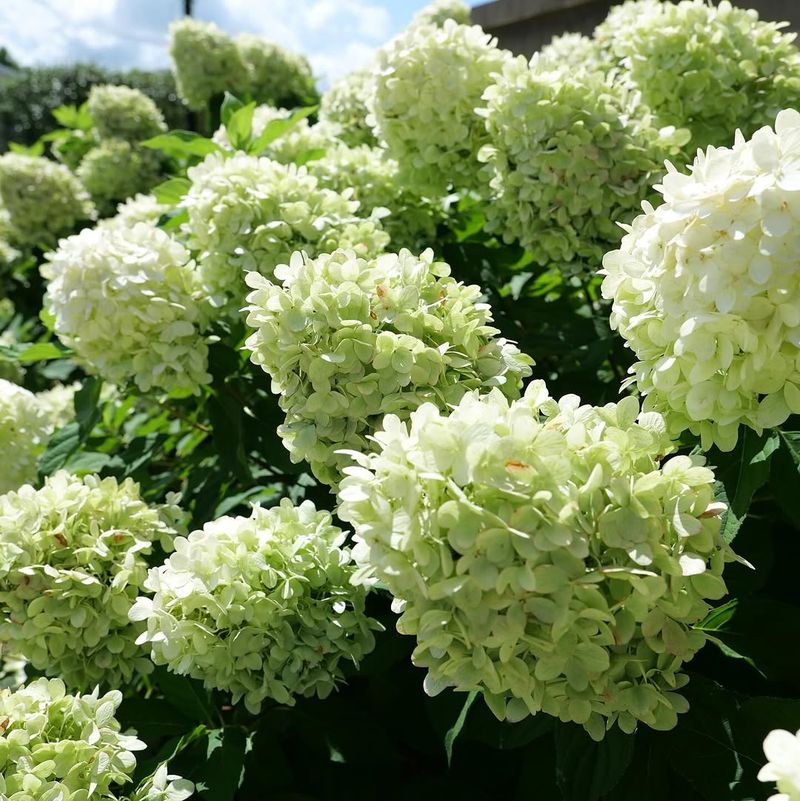
Sunlight is one of the biggest factors behind fast color changes in hydrangea flowers. Too much direct sun does not just fade the blooms.
It can actually break down the pigments that give flowers their rich color, leaving behind a pale or greenish tone that looks washed out and tired.
Hydrangeas generally prefer morning sun with afternoon shade. When they are planted in spots that get full sun all day, the flowers take a beating during the hottest part of the afternoon.
The cells in the sepals that hold color pigments are sensitive to intense UV light, and repeated exposure causes them to break down faster than they would in a shadier location.
Many gardeners in Oregon plant hydrangeas near south or west-facing walls without realizing how much reflected heat those spots can add.
A wall that absorbs heat all day and radiates it back at the plant in the afternoon is a tough environment for keeping blooms looking fresh.
Moving a container plant to a shadier spot can make a real difference. For plants in the ground, adding a shade cloth during peak summer heat can buy the blooms more time before they green up.
Even a nearby tree that offers dappled afternoon shade can extend the life and color of your flowers by several weeks. Placement really matters more than most people realize.
5. Cool Nights Help Color Last Longer
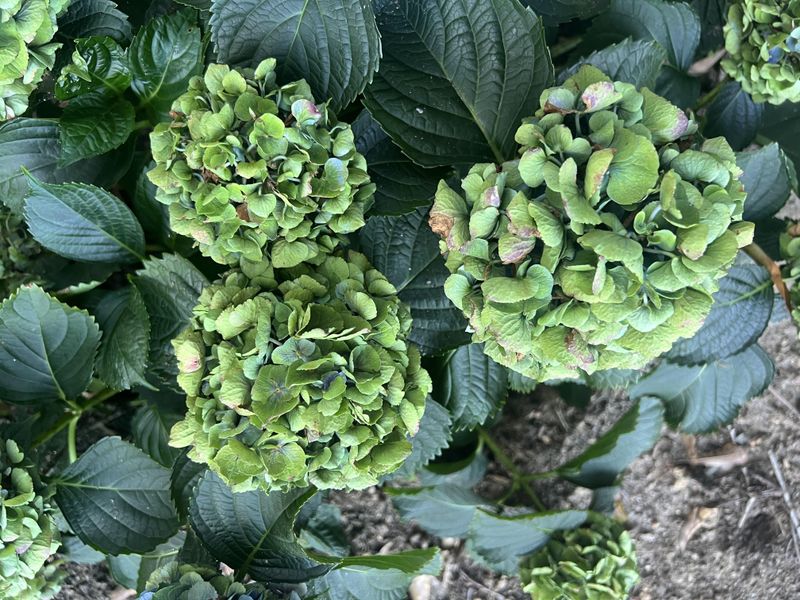
There is a reason hydrangeas look so stunning along the Oregon coast and in cooler inland valleys. Cool nights slow down the aging process in flowers and help pigments stay stable for longer.
When temperatures drop at night, the plant gets a chance to recover from the heat of the day, and that rest time shows up in the quality of the blooms.
Gardeners in coastal areas often notice that their hydrangeas hold color well into late summer. Inland gardeners in hotter regions may see their blooms start greening up much earlier.
The difference often comes down to nighttime temperatures. Warm nights keep the plant working hard around the clock, which speeds up the breakdown of flower pigments and shortens the life of each bloom.
You cannot control the weather, but you can make choices that help your plant stay cooler. Mulching heavily around the base of the plant keeps the soil cool and retains moisture, which reduces overall stress on the plant during warm stretches.
Watering in the early morning also helps the plant start the day hydrated before the heat sets in.
If you live in a warmer part of Oregon, choosing hydrangea varieties that are known to handle heat better can also make a big difference.
A little planning goes a long way toward keeping those blooms looking their best throughout the summer months.
6. Soil pH Is Not Always The Reason
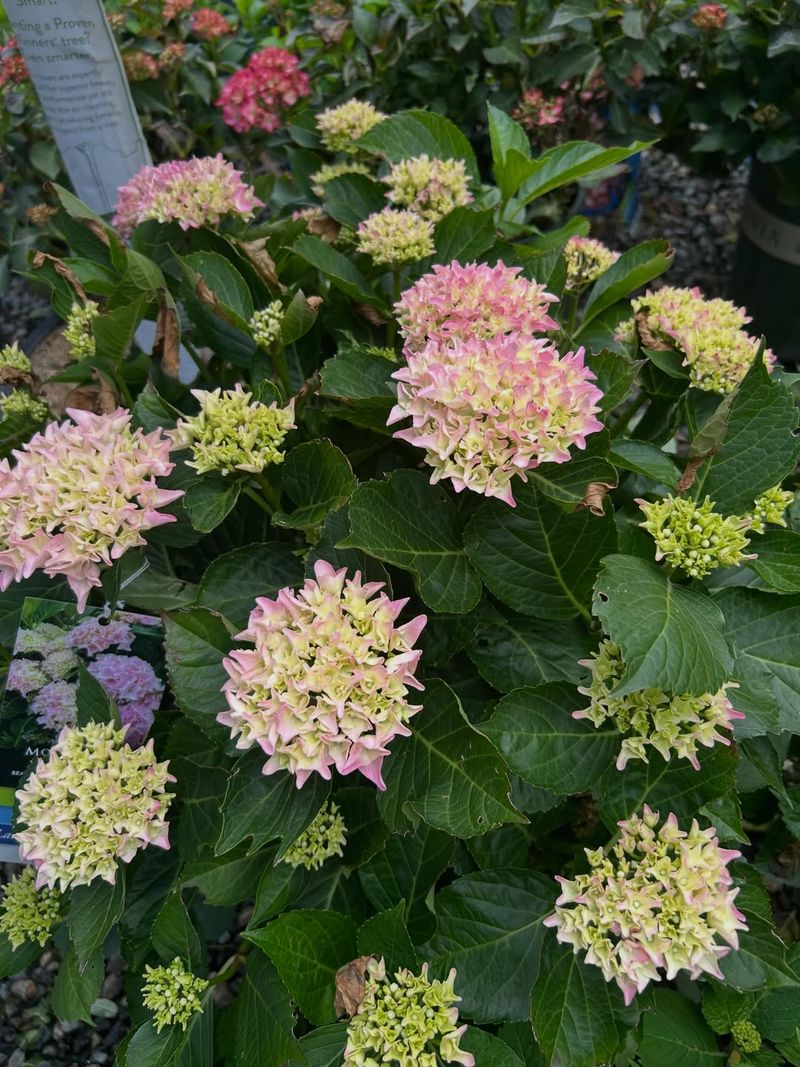
Soil pH gets a lot of attention when people talk about hydrangea colors, and for good reason. The pH level in the soil does influence whether certain varieties produce blue or pink flowers.
However, it is not usually the reason your blooms are turning green in summer.
The pH-to-color connection mainly applies to bigleaf hydrangeas, which are the mophead and lacecap types most people picture when they think of the plant. Acidic soil with a lower pH tends to produce blue flowers.
More alkaline soil pushes the flowers toward pink. But neither of those changes typically results in green.
Green blooms are almost always linked to aging, heat, light, or variety, not soil chemistry.
That said, checking your soil pH is never a bad idea, especially if your blooms have been looking off for more than one season. A simple test kit from a local garden center or an extension office can tell you a lot about your soil in just a few minutes.
Our state has great resources through the Oregon State University Extension Service, which can help you interpret your results and make smart adjustments.
If your pH is way off, it can affect overall plant health, which might indirectly impact bloom quality.
But if you are just seeing green in summer, soil pH is probably not the culprit you need to chase down first.
7. Old Flowers Often Turn Green Before Brown
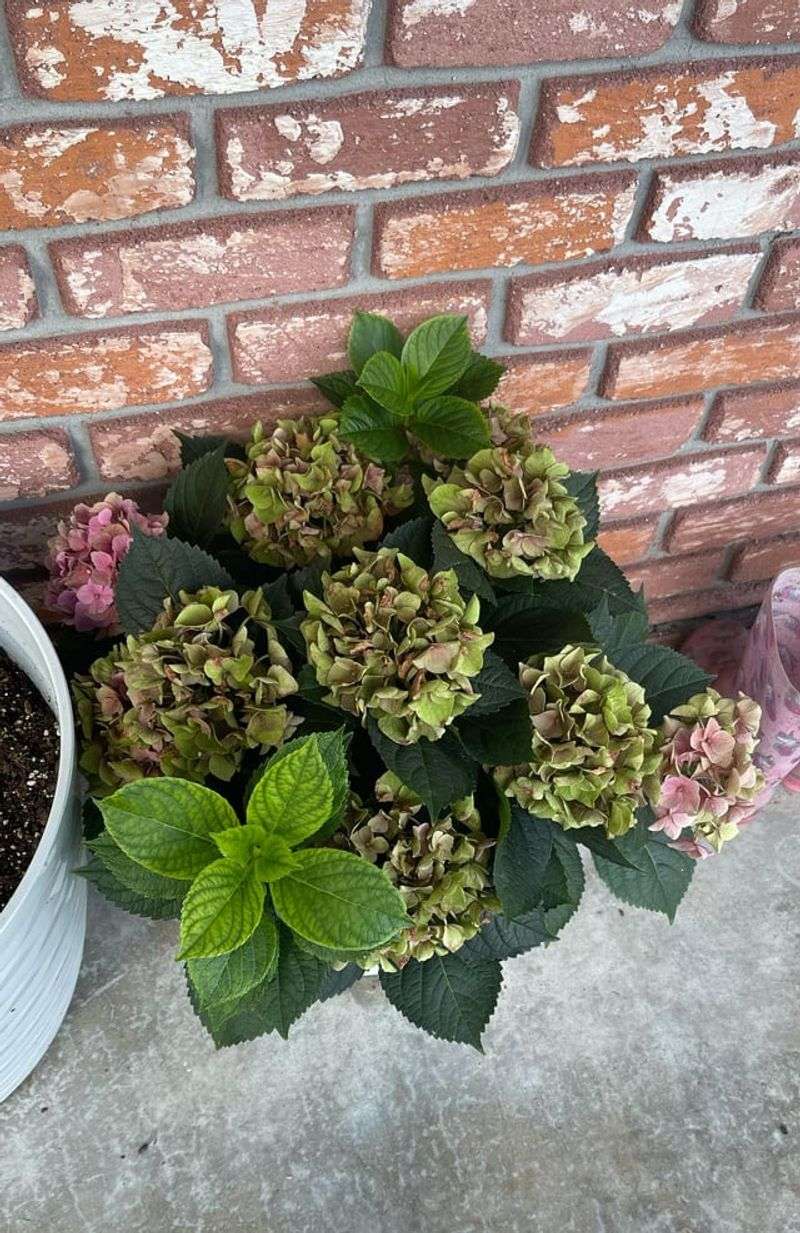
Every hydrangea bloom has a life span, and green is often the last colorful phase before a bloom starts to dry out and turn brown. Seeing green blooms on your plant does not mean something went wrong early.
It usually means the flower has simply reached the end of its fresh stage.
The sequence tends to go like this: a fresh bloom opens in its peak color, holds that color for a few weeks, then slowly shifts toward green as the pigments fade.
After the green phase, the bloom gradually dries out and takes on a papery, tan or brown look.
That dried stage can actually be quite attractive and is perfect for wreaths, vases, and other decorations.
Knowing this timeline helps you plan your garden maintenance. If you want fresh-looking blooms for a party or an outdoor event, time your pruning and deadheading accordingly.
Cutting spent blooms just before they go green can keep the plant looking tidy. But if you enjoy the natural progression, leaving those green blooms on the plant gives you a longer season of visual interest.
Many gardeners in our state leave dried hydrangea blooms on the plant all the way through fall and into winter.
They add structure to the garden when other plants have faded and hold up remarkably well in cold weather. There is real beauty in letting the plant complete its natural cycle.
8. Water Stress Can Speed The Change
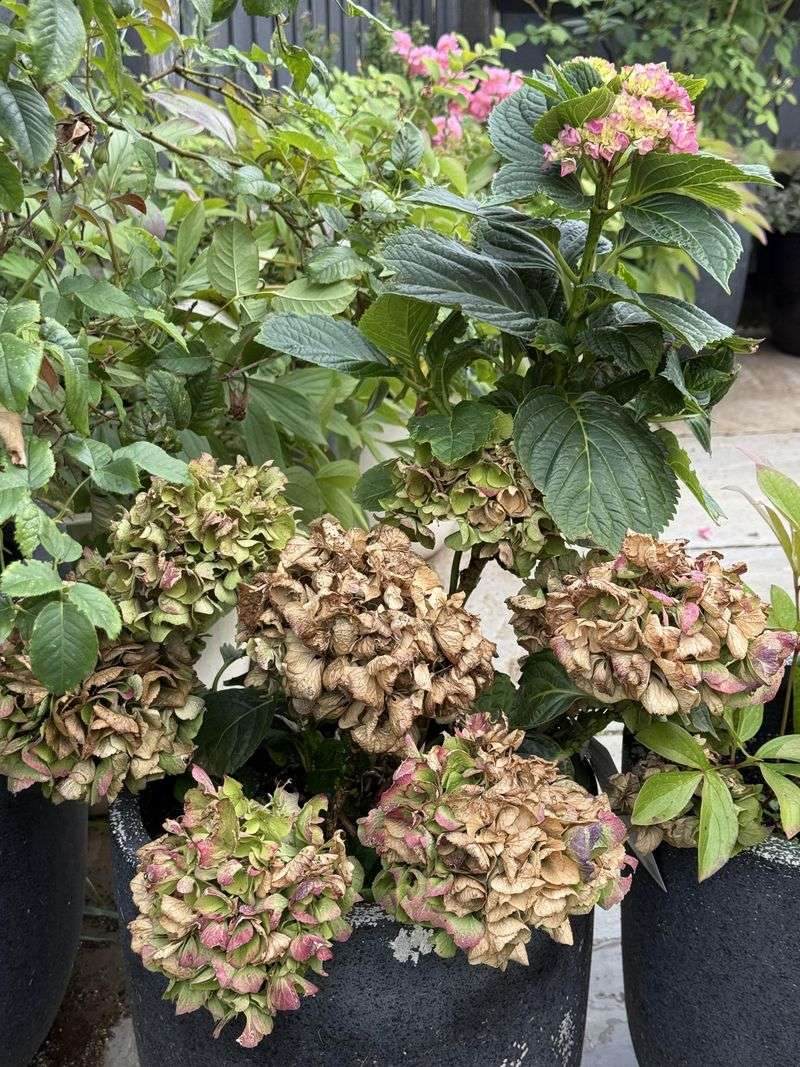
Water plays a bigger role in bloom color than most people expect. When a hydrangea does not get enough water, the plant starts making tough choices about where to send its limited resources.
Roots, stems, and leaves tend to get priority, while flowers are left to fend for themselves.
A bloom that is not getting enough water starts to lose its structure and its pigment faster than a well-hydrated one.
The sepals can look limp, pale, or greenish, even on a plant that opened beautiful blooms just a few weeks earlier.
Dry spells in summer, which are common across much of our state, can trigger this kind of stress quickly, especially for plants growing in sandy or fast-draining soil.
The fix is usually straightforward. Deep, consistent watering is much more effective than frequent shallow watering.
Aim to water at the base of the plant, not overhead, to keep moisture where the roots can actually use it. A layer of mulch two to three inches thick around the base of the plant can cut down on how fast the soil dries out between watering sessions.
If your blooms started greening up right after a dry stretch, that is a strong hint that water stress is the reason.
Getting back on a steady watering schedule can help future blooms look better, even if the current ones have already shifted. Consistency is the key with hydrangeas.
9. Don’t Cut Every Green Bloom Yet
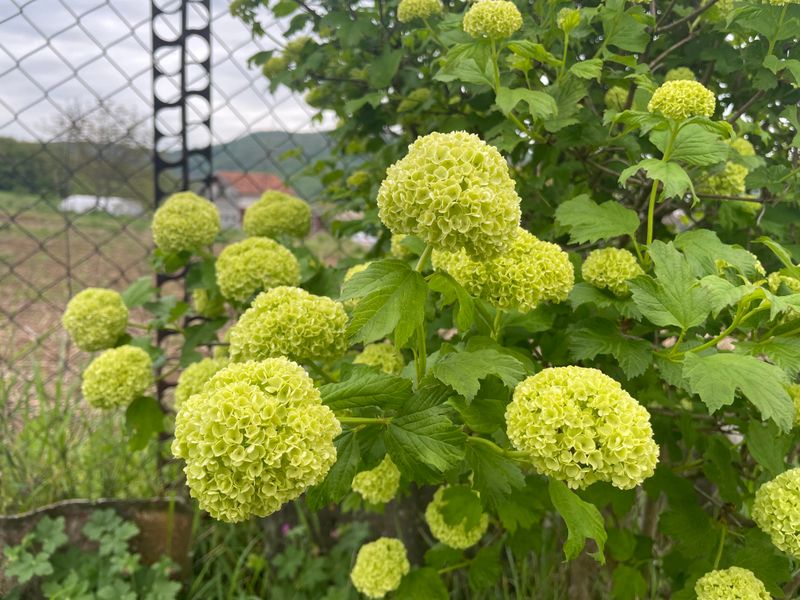
Reaching for the pruning shears the moment you see green blooms is a common reaction, but it is worth pausing before you start cutting. Green blooms are not always a sign that the flower is done for the season.
Some of them still have weeks of visual interest ahead, especially if the weather cools down.
Cutting too aggressively in summer can also remove the buds that will become next year’s flowers on certain varieties. Bigleaf hydrangeas, for example, set their flower buds on old wood.
If you cut those stems back in summer or early fall, you may end up with a plant that has very few or no blooms the following year. That is a frustrating outcome that is easy to avoid with a little patience.
A better approach is to watch and wait. If a green bloom continues to dry out and look papery, go ahead and remove it.
But if it still feels firm and looks like it might shift to another color as temperatures change, give it more time.
Late summer and early fall in Oregon can bring cooler conditions that sometimes refresh blooms or slow the greening process.
Selective deadheading, where you remove only the most spent flowers, keeps the plant looking neat without sacrificing next year’s blooms.
A sharp, clean pair of pruning shears and a little patience are your two best tools for managing hydrangeas through the green season.