What Pittsburgh Gardeners Should Do In July That Philadelphia Homeowners Skip
Pittsburgh and Philadelphia both sit in Pennsylvania, but gardening in one does not automatically translate to gardening in the other. July makes that difference pretty clear.
Western Pennsylvania gardens deal with elevations and inland conditions that can bring earlier first frosts than Philadelphia typically expects, and that single detail shifts a surprising number of summer decisions.
When to start broccoli seeds for fall, how aggressively to plan late-season crops, how to think about container care through dry spells, and when to start watching seriously for Japanese beetle pressure.
These are not identical conversations across the state, and Pittsburgh homeowners who borrow Philadelphia planting guides line for line sometimes end up scrambling at the end of the season.
Tweaking the summer garden calendar to fit western Pennsylvania conditions is a genuinely worthwhile habit, and July is exactly the right month to start thinking about it.
1. Start Broccoli Seeds For A Fall Crop
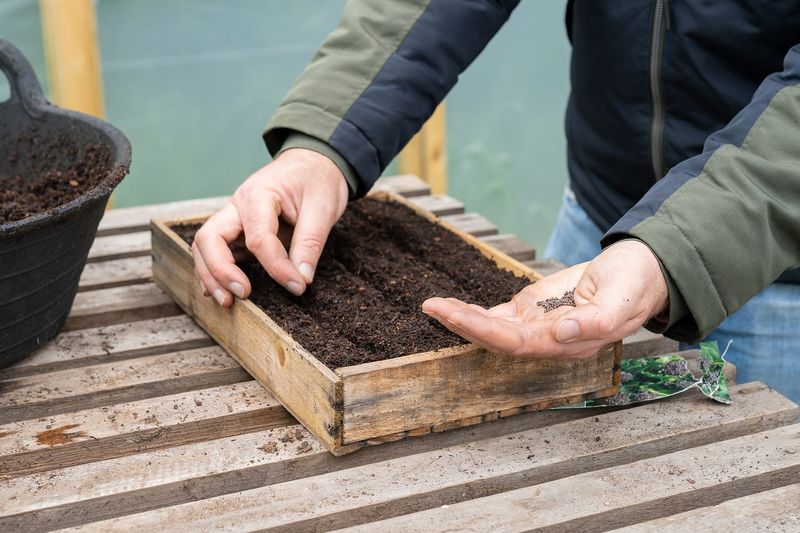
Warm July seed trays on a Pittsburgh porch can be the starting point for one of the most rewarding fall vegetables a home gardener can grow.
Broccoli is a cool-season crop that actually tastes better after a light frost nips it in the fall, which makes timing the seed start especially important in western Pennsylvania.
Starting too late can leave plants scrambling to mature before the season closes in.
Philadelphia gardeners working from southeastern Pennsylvania planting guides may have a little more flexibility because their first fall frost tends to arrive later than in Pittsburgh.
Western Pennsylvania gardeners generally work with an earlier first frost window, so counting backward from that expected date helps determine when seeds should go into trays in July.
Many Pittsburgh-area gardeners find that mid-July seed starts give broccoli transplants enough time to settle in and head up before cooler weather arrives.
Starting seeds indoors or in a shaded outdoor spot keeps young seedlings from drying out too quickly during hot July afternoons. A consistent moisture routine matters a lot during germination.
Once seedlings develop their first true leaves, they can be moved to a slightly sunnier spot to strengthen before transplanting into the garden bed.
Pennsylvania extension resources suggest checking local frost date ranges rather than relying on a single statewide calendar, since elevation and location within the state can shift the timeline by a week or two in either direction.
2. Plan Fall Vegetables Around Western Pennsylvania Frost Dates
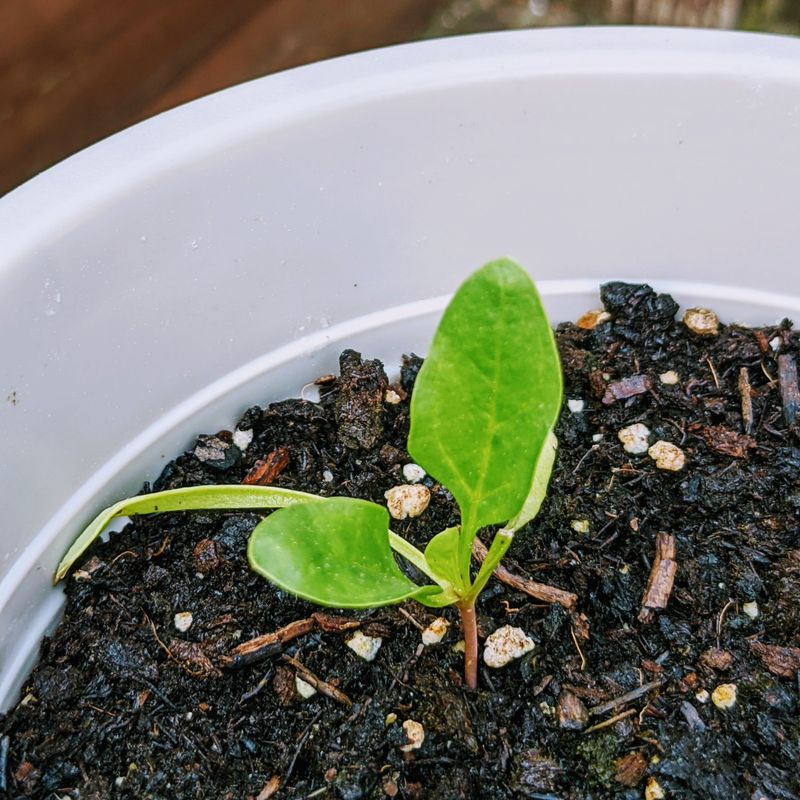
Western Pennsylvania evenings can cool off faster than many gardeners expect, especially once August starts leaning toward September.
For Pittsburgh homeowners planning a fall vegetable garden, July is actually the right moment to pull out a planting calendar and start working backward from the expected first frost date.
Waiting until August to think about fall planting can leave the schedule feeling rushed.
Philadelphia homeowners often reference southeastern Pennsylvania frost dates, which tend to run later into the fall season.
Pittsburgh and the surrounding western Pennsylvania region frequently see first frost arriving earlier, sometimes by two weeks or more depending on the specific neighborhood, yard elevation, and local weather patterns.
Your Pennsylvania Garden Changes Every Week. Your Plan Should Too.
Gardening in Pennsylvania changes quickly throughout the season. Every Friday you’ll receive a simple weekly plan showing exactly what to plant, prune, fertilize, harvest, and protect so you never miss the right timing.
That difference matters when deciding which vegetables to direct sow or transplant in July and early August.
Cool-season crops like kale, spinach, lettuce, and turnips all need enough growing time to reach a harvestable size before hard frost settles in.
Checking a reliable Pennsylvania-based frost date resource, such as a university extension tool, can give Pittsburgh gardeners a more accurate local window than a general statewide guide.
Writing the target transplant and direct sow dates on a simple calendar makes the planning process easier to follow. July feels like the height of summer, but thinking ahead to October now gives fall vegetables the best possible start in a western Pennsylvania garden.
3. Water Deeply Instead Of Sprinkling Lightly
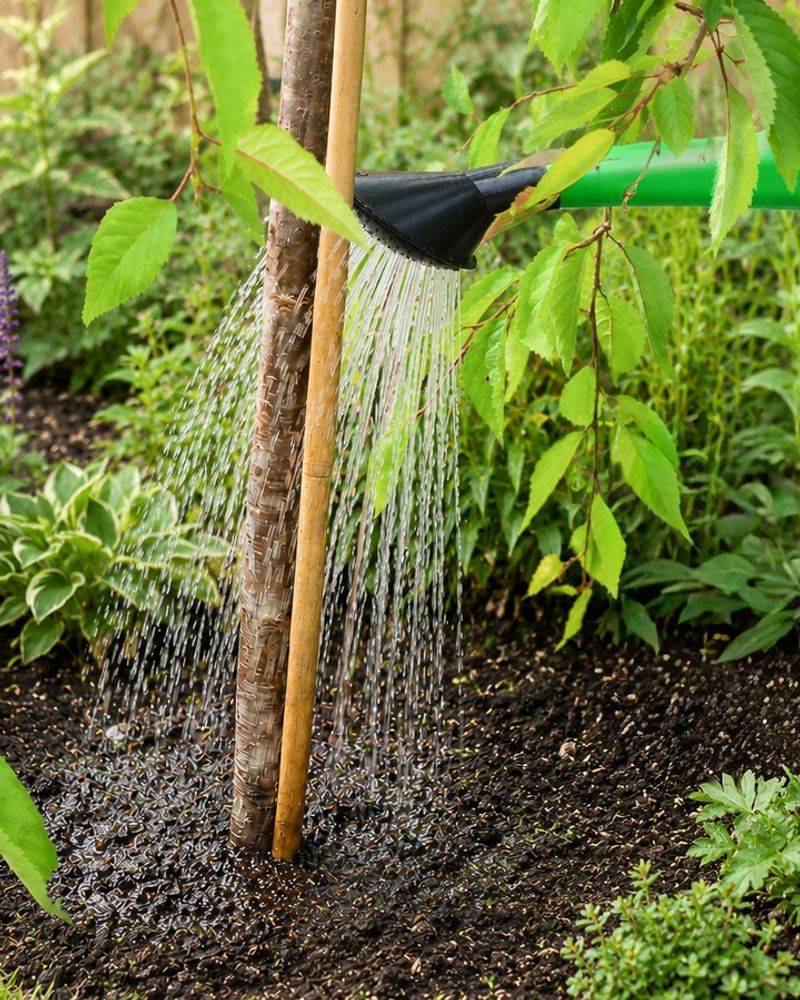
Dry soil hiding under a layer of mulch can fool even experienced gardeners into thinking their beds are doing fine.
July in Pittsburgh can bring stretches of heat and low rainfall that pull moisture away from plant roots faster than a quick sprinkle at the surface can replace it.
Light, frequent watering tends to keep moisture near the top of the soil rather than encouraging roots to reach deeper where conditions stay more stable.
Deep watering means letting water soak slowly into the soil so it reaches six to eight inches down, which is where established vegetable and flower roots are actively feeding.
A slow trickle from a soaker hose or a gentle wand attachment works better than a hard spray that runs off before it can sink in.
Watering in the early morning gives soil time to absorb moisture before afternoon heat arrives, which also helps reduce surface evaporation.
Philadelphia homeowners deal with summer heat too, but Pittsburgh gardens sometimes sit in microclimates shaped by hills, tree canopy, and urban heat patterns that can make soil dry out unevenly.
Checking soil moisture by pressing a finger two inches into the ground gives a more reliable picture than checking the surface alone.
Pennsylvania gardeners who get in the habit of deep watering in July tend to see stronger root systems that carry vegetable plants and flower borders through the rest of the summer season with fewer signs of stress.
4. Check Container Plantings Every Day
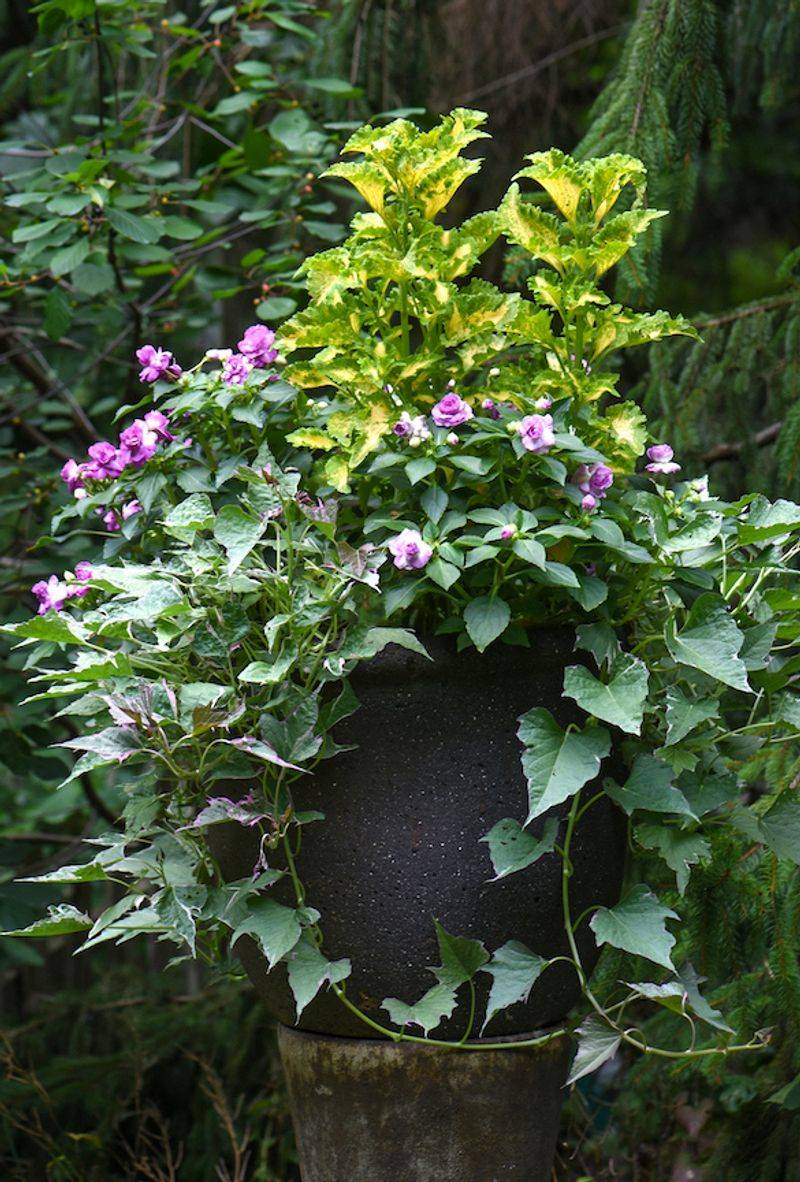
Porch pots after a hot Pittsburgh afternoon can go from moist to bone dry faster than most people realize. Containers lose water much more quickly than in-ground beds because their limited soil volume heats up and dries out with very little buffer.
July is often the month when container plantings start struggling if daily checks fall off the routine.
Unlike garden beds where roots can reach deeper into cooler, moister soil, container plants are entirely dependent on whatever water their pot holds.
A sunny porch or south-facing railing planter can need water every single day during a July heat stretch, and some smaller pots may even need watering twice.
Letting containers dry out completely stresses roots and can cause flowers to fade or vegetable plants like tomatoes and peppers to drop blossoms before setting fruit.
Philadelphia homeowners with containers face similar challenges, but Pittsburgh’s summer temperature swings and occasional dry spells can make container care feel a little more demanding.
Checking containers in the morning helps gardeners catch dry pots before the heat of the day sets in.
Lifting a pot slightly to feel its weight is a quick way to judge moisture without sticking a finger into every planter.
Pennsylvania gardeners who treat daily container checks as a non-negotiable July habit tend to keep their porch and patio plantings looking their best well into late summer and early fall.
5. Remove Spent Flowers To Prolong Blooming
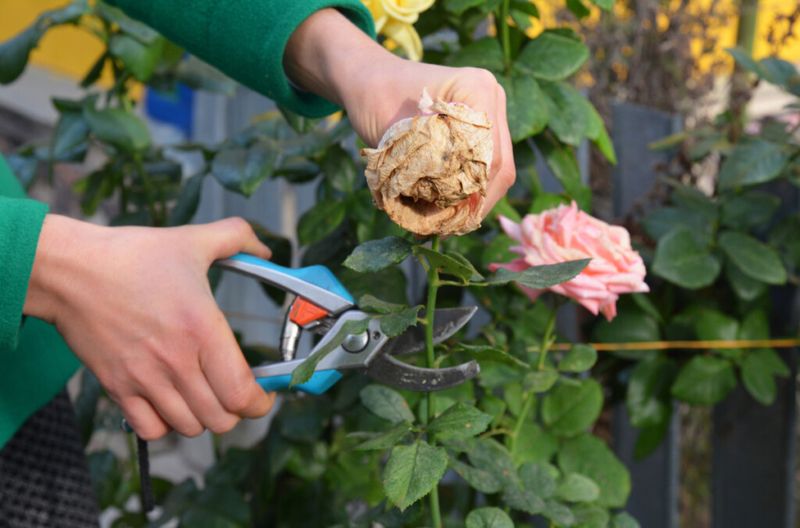
Fading blooms tucked into a mixed flower border can quietly signal to a plant that its work for the season is nearly finished.
When flowers are allowed to go to seed, many annuals and some perennials begin shifting their energy toward seed production rather than pushing out new buds.
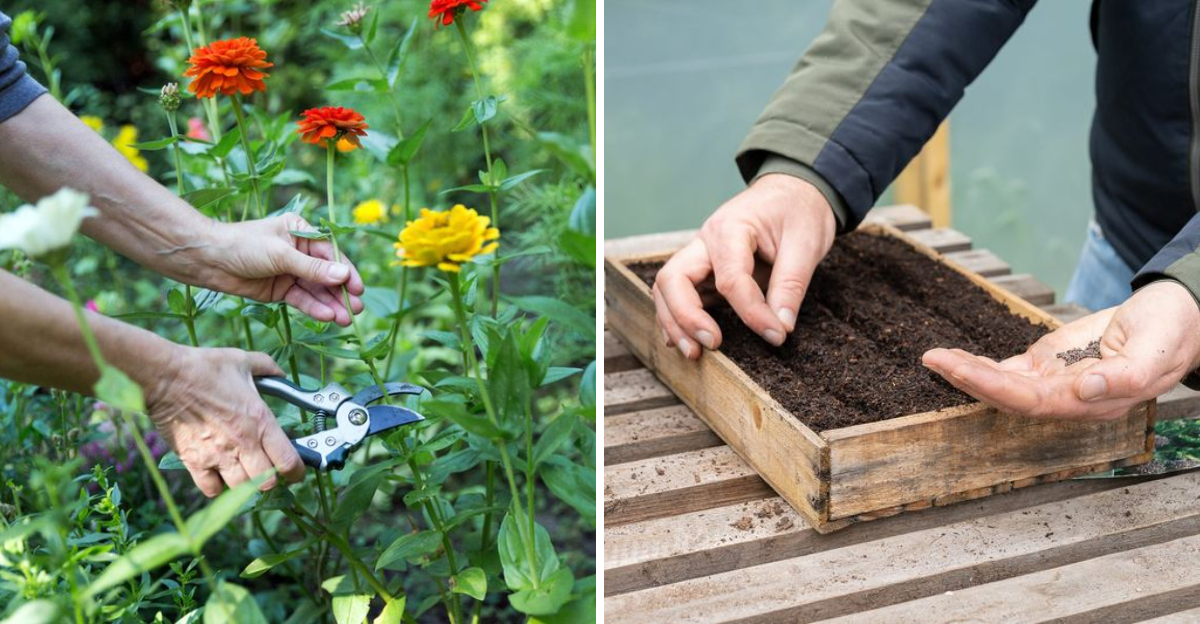
Deadheading, or removing those spent flower heads, encourages plants to keep blooming rather than wrapping up early.
July is one of the most important months to stay on top of deadheading in a Pittsburgh garden because the window between peak summer bloom and fall can feel short.
Zinnias, coneflowers, marigolds, black-eyed Susans, and many annual salvias all respond well to regular removal of finished flowers.
A quick pass through the garden every few days with a pair of clean snips can make a noticeable difference in how long color lasts in a border.
Philadelphia homeowners deadhead too, of course, but Pittsburgh gardeners have an extra reason to be consistent about it in July.
Because the growing season in western Pennsylvania can wrap up a bit earlier than in southeastern parts of the state, keeping plants blooming through July and August matters for making the most of the season.
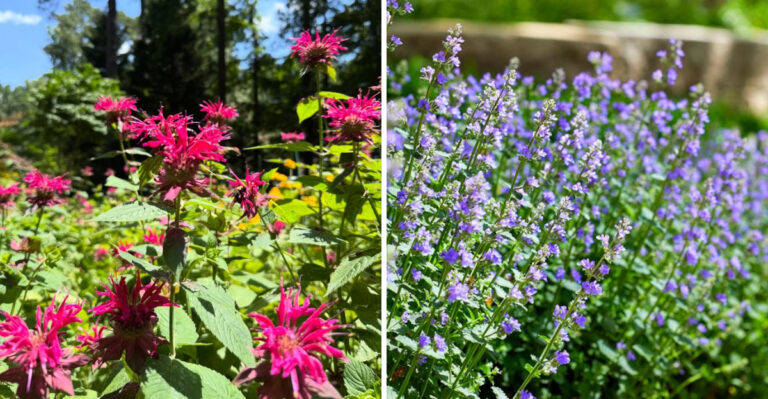
Pennsylvania pollinator gardens especially benefit from ongoing blooms that support bees and butterflies during the height of summer activity. Removing spent flowers regularly is one of the simpler July tasks that pays off with weeks of extended color.
6. Pick Flowers Before Summer Storms
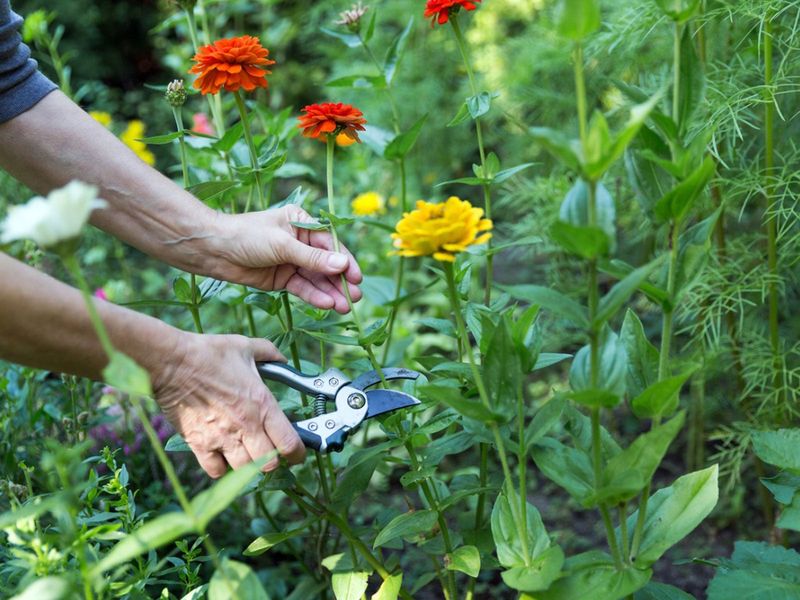
Cut flowers before a storm rolls through a Pittsburgh neighborhood, and you save them from the wind and heavy rain that can flatten stems and bruise petals in minutes.
July in western Pennsylvania brings some energetic afternoon thunderstorms that can roll in quickly off the Ohio River valley, giving gardeners very little time to react once the sky starts darkening.
Harvesting flowers ahead of a storm is both practical and rewarding.
Flowers cut just before their peak tend to last longer in a vase than blooms picked after they have fully opened.
Morning is usually the best time to cut, when stems are fully hydrated from overnight, but cutting the afternoon before a forecasted storm is a smart alternative.
Zinnias, dahlias, lisianthus, and sunflowers all hold up well as cut flowers and can be brought inside to enjoy rather than left outside to weather the storm.
Pittsburgh gardeners who grow cottage gardens, cutting gardens, or pollinator beds have a real advantage when they pay attention to the forecast and harvest proactively.
Philadelphia homeowners may deal with summer storms too, but Pittsburgh’s location and local weather patterns can bring especially fast-moving July systems.
Pennsylvania gardeners who get comfortable with pre-storm harvesting find that their garden beds also recover more easily afterward, since fewer broken or bent stems are left behind.
Keeping a simple pair of garden snips and a bucket of water near the back door makes the habit easy to build.
7. Keep Scouting Japanese Beetles Through July
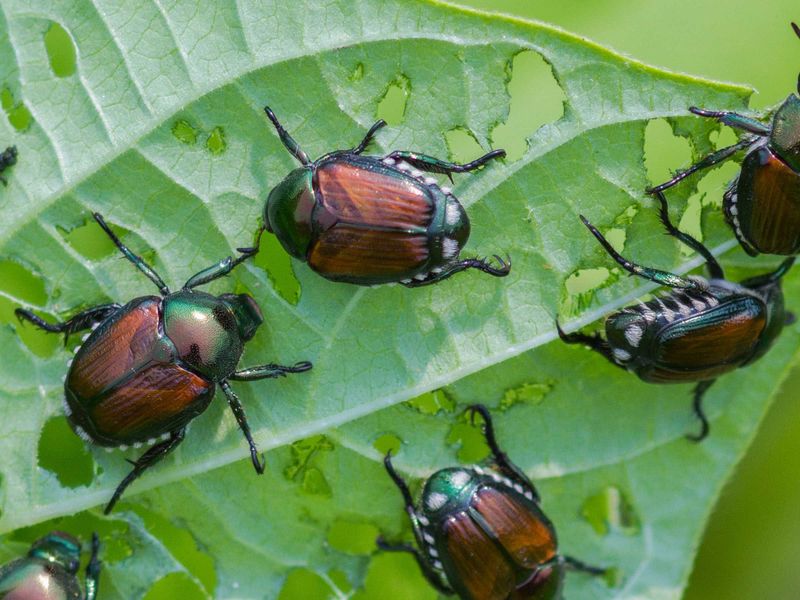
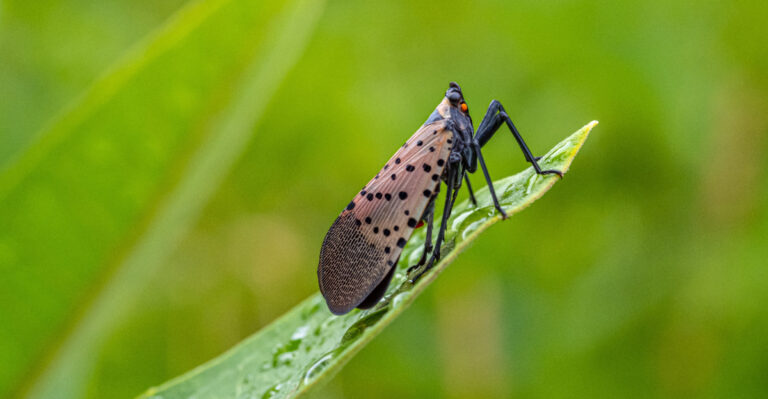
Japanese beetles on roses are one of those July sights that Pittsburgh gardeners learn to recognize quickly.
These metallic green and copper insects tend to peak in western Pennsylvania during July, feeding in groups on roses, grapes, lindens, and many vegetable plants.
Catching them early and checking plants regularly through the month can help limit the amount of feeding damage that accumulates.
Hand-picking is one of the most practical approaches for home gardeners dealing with Japanese beetles on a manageable scale.
Dropping them into a bucket of soapy water in the early morning, when the beetles are slower and easier to catch, is a commonly recommended method.
Checking plants every couple of days rather than waiting until damage becomes severe gives gardeners a better chance of staying ahead of the population on their property.
Japanese beetles are widespread across Pennsylvania, and Philadelphia homeowners deal with them just as much as Pittsburgh-area gardeners do.
That said, timing and population pressure can vary slightly in western Pennsylvania depending on local conditions and how the spring season unfolded in that part of the state.
Monitoring roses, bean plants, and ornamental grapes closely through July gives a clearer picture of what is happening in a specific yard.
Pennsylvania gardening resources suggest avoiding Japanese beetle traps near the plants you are trying to protect, since traps can attract more beetles to the area than would otherwise show up.
Consistent scouting through the full month of July gives Pittsburgh gardens a better chance of finishing the summer with less cumulative leaf and flower damage.
8. Adjust Direct Sowing For Pittsburgh Timing
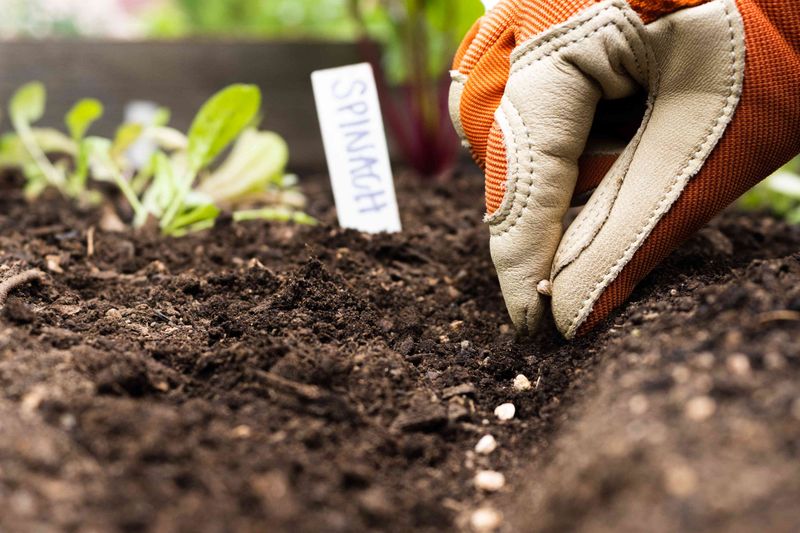
Empty vegetable bed spaces after early crops finish can feel like a small puzzle in a Pittsburgh July garden. Pulling out bolted lettuce or finished pea plants leaves open soil that could be working toward a fall harvest if the timing lines up.
Direct sowing certain crops in July is a reasonable option for western Pennsylvania gardeners, but the window for each vegetable is narrower than it might appear on a general Pennsylvania planting guide.
Philadelphia planting calendars can be a useful starting point, but they are built around southeastern Pennsylvania’s longer growing season and later first frost expectations.
Pittsburgh gardeners working from those guides without adjusting for western Pennsylvania frost timing may end up sowing too late for some crops to reach maturity before the season shifts.
Checking a locally calibrated planting tool or university extension resource for Pittsburgh-area direct sow dates gives a more reliable timeline.
Beans, summer squash, and some fast-maturing greens can still go in during early July in many Pittsburgh gardens, while crops like carrots and beets may need to go in very soon to have enough time before frost.
Soil preparation matters just as much as timing, since compacted or dry soil can slow germination even when conditions seem right.
Pennsylvania gardeners who take a few minutes in July to map out which open beds could support a fall crop often find they get a second wave of fresh vegetables without a lot of extra effort.