What Indiana Gardeners Can Do Now To Cut Fall Cleanup Work Significantly
August still owns the thermometer, but your garden already knows what’s coming. Indiana summers stretch long and lazy. Then autumn flips the switch overnight.
Leaves start dumping. Frost warnings creep in. Your backyard turns into a longer to-do list than you expected.
Here’s the secret nobody tells you: the work you skip now becomes the work you’re sighing over in November. Headlamp on. Fingers cold. Wondering why you waited. But flip that script.
A handful of smart moves this month, while the soil’s still warm and your energy isn’t tucked under a hoodie, can significantly lighten your fall cleanup.
Indiana gardeners who plan ahead spend October sipping cider instead of wrestling wheelbarrows.
Crisp air. Pumpkin spice everywhere. And a yard that’s already squared away. That’s not luck. That’s timing. And timing starts today, not the week the first leaf hits the ground.
1. Pull Weeds Now Before They Set Seed
One weed today equals a hundred weeds next spring. That’s simply how weed seed production works.
Weeds like pigweed, crabgrass, and lamb’s quarters can release thousands of seeds per plant. Pulling them before seed heads form stops that spread cold.
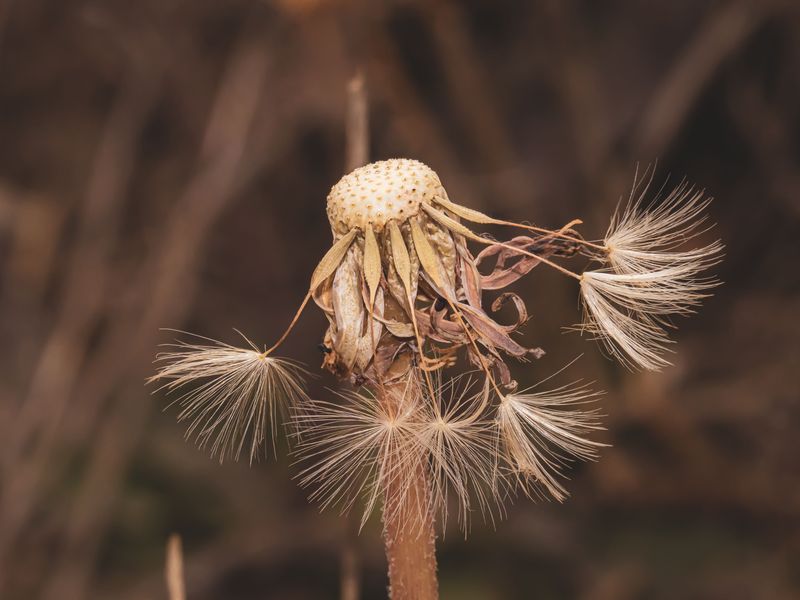
Walk your beds right now with a bucket and gloves. Look for anything with a flower forming or a feathery top ready to burst.
Indiana summers give weeds a long runway to mature. A hot July and warm August mean many weeds are already racing toward seed production faster than you think.
The soil is usually soft after summer rain, making hand-pulling easy and satisfying. Grab low near the root so the whole plant comes out cleanly.
Do not toss seeding weeds into your compost pile. Seeds can remain viable through composting and will hitchhike back into your beds next season.
Bag them up or let them dry in the sun on a hard surface first. Once fully dried and no longer viable, most are safe to compost or trash.
Cutting down on fall cleanup work starts with stopping problems before they multiply. Even fifteen minutes a day makes a noticeable dent. Tackle one bed at a time so the job never feels overwhelming.
2. Label Perennials So Fall Division Is Easier
Nothing is more frustrating than staring at a dormant clump in October and having no idea what it is. Perennials look completely different once they stop blooming.
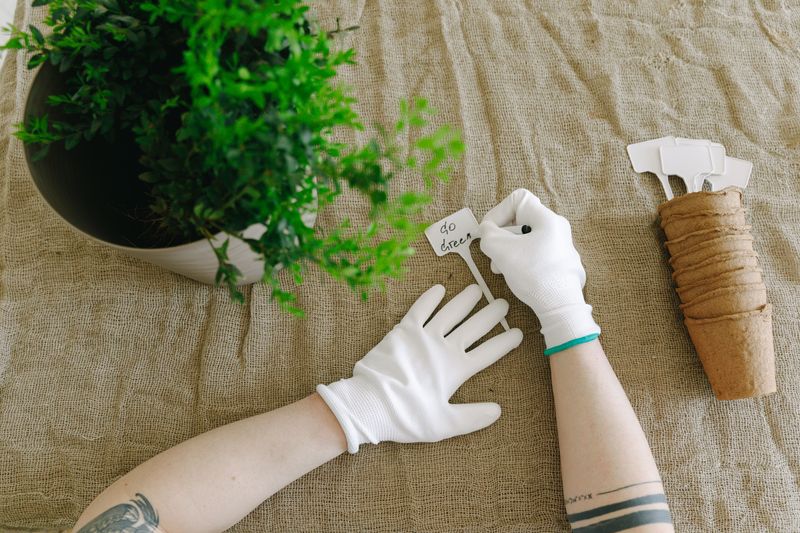
Right now, while everything is lush and identifiable, grab some waterproof plant markers. Write the name clearly and press it firmly into the soil near the base of each plant.
This single step makes fall division dramatically faster and less stressful. You will know exactly what you are splitting, where it goes, and how large the divisions should be.
Indiana gardeners deal with a wide range of perennials: coneflowers, hostas, black-eyed Susans, and daylilies all benefit from occasional division. Keeping them labeled keeps your garden organized all year long.
Metal or plastic stakes with pencil or permanent marker work well for most seasons. Avoid paper tags, which disintegrate quickly in rain and humidity.
Your Indiana Garden Changes Every Week. Your Plan Should Too.
Gardening in Indiana changes quickly throughout the season. Every Friday you’ll receive a simple weekly plan showing exactly what to plant, prune, fertilize, harvest, and protect so you never miss the right timing.
Some gardeners also photograph each plant next to its label for a digital backup. That photo record becomes a treasure when planning fall changes or sharing divisions with neighbors.
Labeling takes about ten minutes per bed but saves hours of guesswork later. Think of each marker as a tiny investment with a solid seasonal payoff.
Fall division rejuvenates tired perennials and multiplies your plant supply for free. But none of that happens smoothly if you cannot tell your rudbeckia from your echinacea come September.
3. Compost Spent Crops As Summer Harvests Wind Down
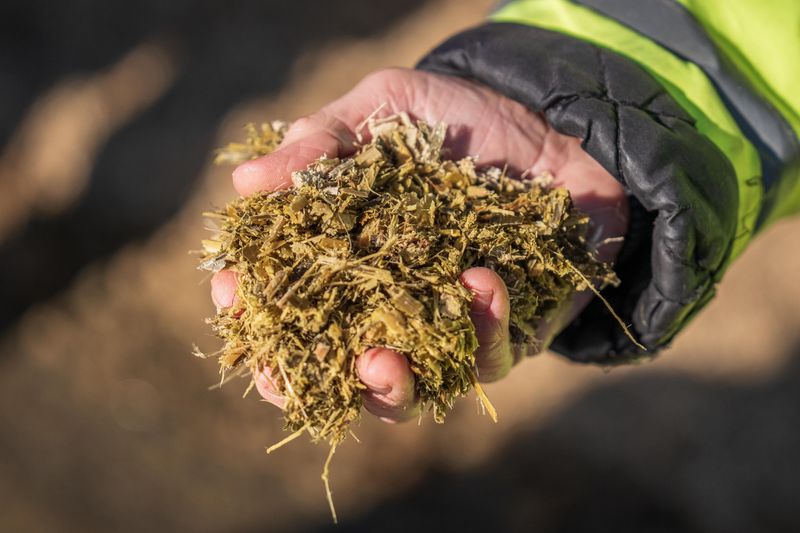
Your tomato plants will not fruit forever, and that is actually great news for your compost pile. Clearing spent crops now keeps disease from lingering in the soil all winter.
Once a plant stops producing well, pull it and chop it into smaller pieces before adding it to the bin. Smaller pieces break down faster and heat up the pile more efficiently.
Avoid composting anything with signs of blight, powdery mildew, or pest damage. Those problems can persist through the composting process and re-infect next season’s beds.
Healthy spent vines, leaves, and stems from beans, cucumbers, and squash are all fair game. Mix them with dry brown material like straw or shredded cardboard to keep the pile balanced.
Indiana summers create ideal composting conditions because of the heat and humidity. A well-managed pile can break down spent crops into usable compost by early fall.
That finished compost goes right back onto your beds as a top dressing before frost. You feed the soil and lighten your fall cleanup at the same time.
Start a second pile if your main bin is already full. Rotating between two bins keeps the process moving without overwhelming your space.
Clear beds also give you a clean slate for fall crops like kale, spinach, or garlic. Getting ahead of the harvest cleanup now creates breathing room for those exciting new plantings.
4. Trim Back Overgrown Foliage To Prevent Disease Spread
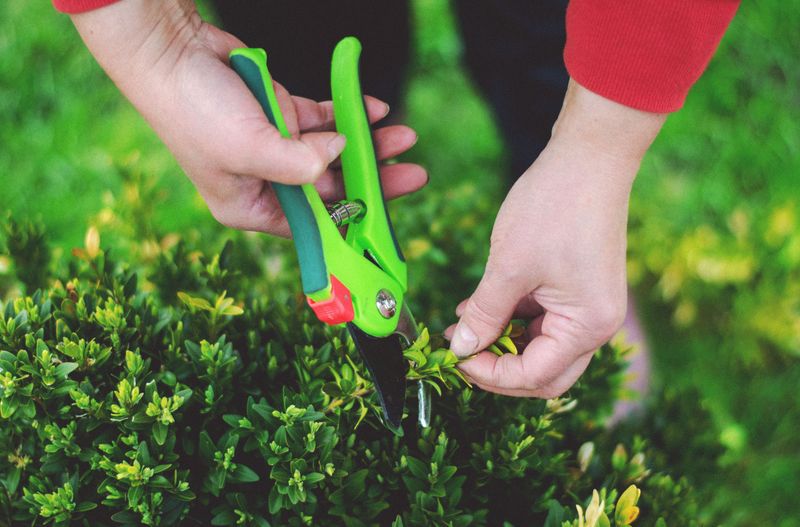
Overgrown plants touching each other create ideal conditions for disease to spread. Poor air circulation is one of the top reasons fungal disease spreads so quickly in Indiana gardens.
Grab your pruning shears and start thinning out any foliage that looks crowded, yellowed, or suspiciously spotty. You do not need to go overboard, just open up space for air to move.
Focus on the inner stems of bushy perennials and shrubs first. Removing some of the oldest growth can improve airflow, though the right amount varies by plant type.
Powdery mildew, leaf spot, and rust are all common summer diseases in the Midwest. Catching them early and trimming affected foliage stops the spread before it becomes harder to manage.
Always clean your shears between plants with a quick wipe of rubbing alcohol. Skipping that step can transfer disease from one plant to the next without you even realizing it.
Bag diseased trimmings and send them to the trash rather than the compost pile. Healthy trimmings can go into compost, but sick plant material needs to leave the property entirely.
Trimming now also reduces the sheer volume of plant debris you will deal with come October. Less leftover material means a lighter, shorter fall cleanup session overall.
Your plants will look tidier immediately after a good trim. That visual reward alone makes grabbing the shears feel completely worth the effort.
5. Photograph Garden Beds To Plan Fall Changes
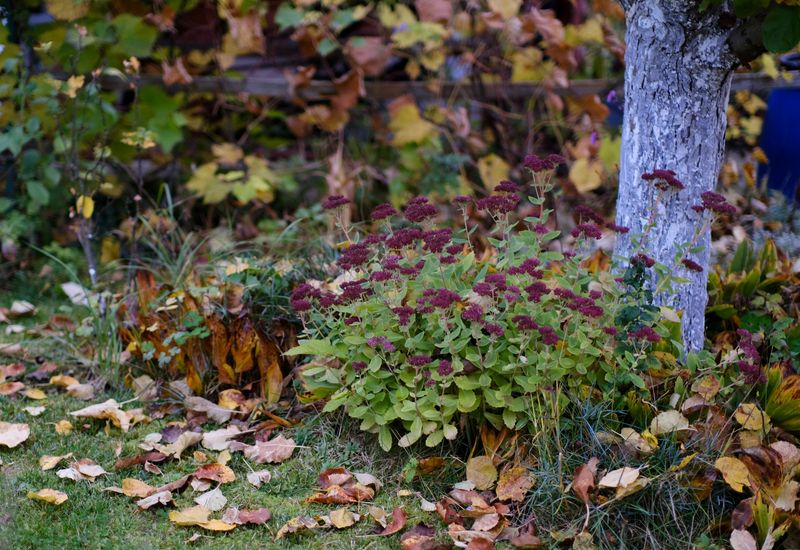
Memory is unreliable when it comes to garden planning. Photographs are not. Snapping pictures of your beds right now captures exactly what is blooming, what is struggling, and what needs to move.
Walk every bed with your phone on a bright morning when colors pop and shadows are soft. Take wide shots of the whole bed and close-ups of individual plants you want to remember.
Note which spots look bare, which plants are overcrowded, and where colors clash in ways you did not intend. Those observations become your fall planting to-do list without any guesswork.
Indiana gardens shift dramatically between summer and fall. A photo taken in July tells you things that a bare October bed simply cannot communicate on its own.
Create a dedicated folder on your phone or a simple digital album labeled by season and year. Future you will appreciate having this record when planning next spring’s layout.
Some gardeners pair photos with quick voice memos noting what they want to change. That combination creates a clear, easy-to-follow reference for fall and winter planning.
Cutting down on fall cleanup sometimes means working smarter before the season even changes. Knowing your plan in advance removes the paralysis that hits when you are staring at a frost-damaged bed.
Good documentation also helps you track which plants thrived and which quietly gave up. That knowledge helps guide better choices in future seasons.
6. Sharpen Tools Ahead Of The Fall Workload

Dull tools make every garden job twice as hard and twice as long. A sharp spade slices through soil like butter, a dull one just bends your back and your patience.
Pull out your spades, hoes, pruners, and loppers right now and give each blade a good inspection. Look for nicks, rust spots, or edges that have gone completely flat from a season of heavy use.
A flat metal file is all you need for most garden tools. Hold the blade steady and file in one direction along the beveled edge until you see a clean, shiny line forming.
Pruning shears and loppers need a sharpening stone or a specialized pruner sharpener for the best results. Even a basic pass with the right tool makes a noticeable difference in cutting performance.
After sharpening, wipe metal surfaces with a lightly oiled rag to prevent rust from forming during humid summer storage. That small step extends the life of your tools by years.
Check wooden handles for cracks or splinters while you are at it. A little linseed oil rubbed into a dry handle keeps it from splitting under fall workload pressure.
Sharp tools reduce the physical effort of every task from digging bulb holes to cutting back perennials. Less effort per task adds up to a noticeably lighter fall cleanup overall.
Prepping your equipment now means no delays when the busy season hits. Show up ready, and the work goes noticeably faster.
7. Mulch Bare Soil To Suppress Autumn Weeds
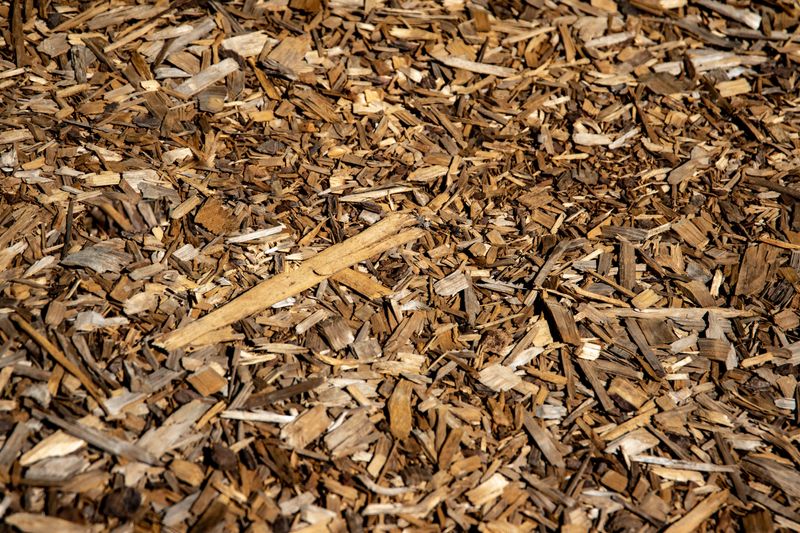
Bare soil creates ideal conditions for weeds to take hold. Covering exposed ground now cuts off the light and space that autumn weed seeds need to sprout.
A two-to-three inch layer of wood chip mulch or shredded leaves is enough to do the job well. Anything thinner lets light sneak through; anything thicker can smother plant roots and trap excess moisture.
Focus first on newly cleared beds where you just pulled spent crops or summer annuals. Those freshly exposed spots are prime real estate for fast-germinating fall weeds like chickweed and hairy bittercress.
Indiana falls bring plenty of rain that washes exposed soil into low spots and pathways. Mulch holds everything in place and keeps your bed edges looking clean and intentional through the season.
Organic mulches also break down slowly over winter, adding nutrients back into the soil by spring. That natural amendment process means less fertilizing work when planting season rolls back around.
Keep mulch a few inches away from plant stems and tree trunks to prevent rot. The goal is to cover the soil, not smother the crowns of your perennials.
Cutting down on fall cleanup often comes down to preventing new problems before they start. Mulching is one of the most efficient prevention tools in any gardener’s seasonal toolkit.
Spread it now while the weather is still pleasant and the work feels enjoyable. Your beds will look noticeably different come October, in a good way.
8. Order Fall Bulbs Early For Timely Planting
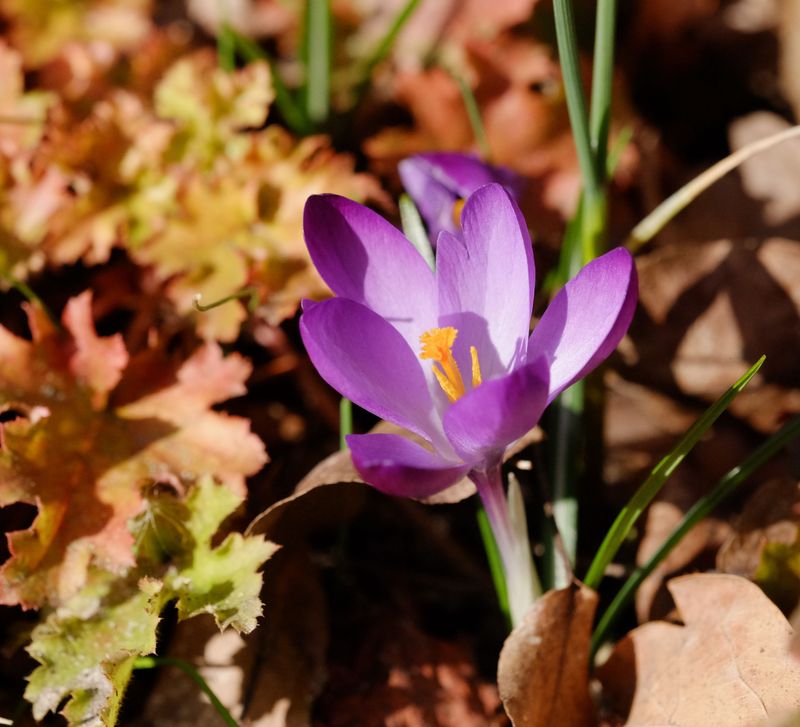
Fall bulbs often sell out early in the season, and the best varieties go first. Ordering early in summer improves your odds of getting exactly what you want instead of whatever is left on the shelf.
Tulips, daffodils, alliums, and crocuses are all planted in fall for a stunning spring payoff. Indiana’s cold winters give them the chill period they need to bloom reliably and beautifully.
Browse catalogs or reputable online suppliers now while selection is at its peak. Look for bulbs rated for zones 5 and 6, which cover most of the state reliably.
Ordering early also gives you time to plan placement before the bulbs arrive. Use those garden bed photographs you just took to identify exactly where spring color is needed most.
Most suppliers ship bulbs at the right planting time for your region automatically. That means your order arrives ready to go right when soil temperatures drop to the ideal planting range.
Buying in bulk often comes with a discount that makes early ordering even more appealing. Ordering bulbs early in bulk can sometimes cost less than buying the same quantity later at a local nursery.
Storing bulbs properly until planting time matters if they arrive early. Keep them in a cool, dry, dark spot with good airflow, a mesh bag in a basement works perfectly.
Cutting down on fall cleanup means being ready when the season calls. Bulbs in hand and a plan on paper make fall planting a pleasure instead of a scramble.