Sow These Flowers In Pennsylvania In July For Color Before Fall
Most Pennsylvania gardeners treat July as a month to maintain what’s already growing rather than start something new. The season feels well underway, and direct sowing flowers in the middle of summer doesn’t exactly sound like a winning strategy.
But here’s what a lot of gardeners miss. July is actually one of the best months to sow certain flowers if your goal is fresh color heading into fall.
The timing works out beautifully. Flowers sown in July have enough warm weeks ahead to establish, grow, and hit their stride right as the summer season begins to wind down.
Instead of a garden that peaks in June and slowly fades, you get a second wave of color that carries you all the way into October and sometimes beyond. The key is knowing which flowers are worth sowing now and which ones need more time than the season allows.
1. Zinnias
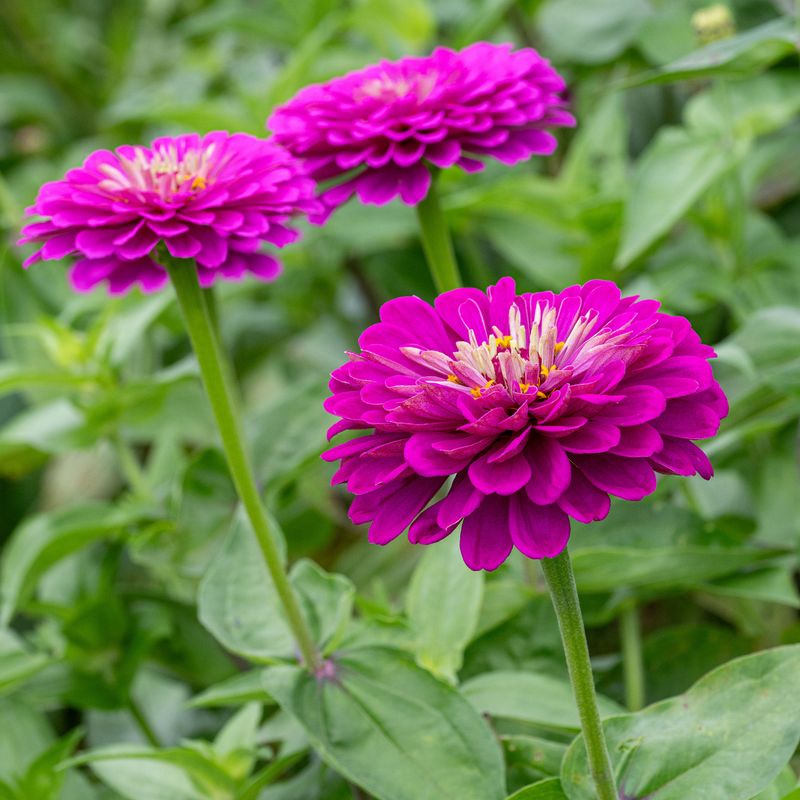
Few flowers bring as much punch to a summer garden as zinnias do. They are bold, fast-growing, and almost impossible to dislike.
Sowing them in early July still gives Pennsylvania gardeners a solid window to enjoy weeks of vivid color before the season ends.
The secret to success with July-sown zinnias is choosing the right variety. Look for shorter or early-blooming types rather than giant varieties that need more time to mature.
Some popular compact options include Zinnia Profusion and Zahara series, which tend to bloom faster and handle summer heat well.
Getting the seeds to sprout is straightforward. Keep the soil consistently moist during germination, which usually happens within five to ten days.
Plant them in a sunny spot because zinnias need at least six to eight hours of direct sunlight each day to perform their best.
Once the flowers start appearing, deadheading makes a big difference. Removing spent blooms encourages the plant to push out new flowers instead of putting energy into seed production.
This simple habit keeps your zinnia patch looking fresh and colorful for much longer. Zinnias also attract butterflies, which is a wonderful bonus in late summer.
They are resistant to drought once established, making them a low-maintenance choice for busy gardeners.
Direct sow the seeds about a quarter inch deep in loose, well-draining soil, and give each plant enough space so air can circulate freely around the leaves. Crowding zinnias can lead to powdery mildew, which weakens the plant over time.
A little spacing goes a long way toward keeping them healthy and blooming right up until frost.
2. French Marigolds
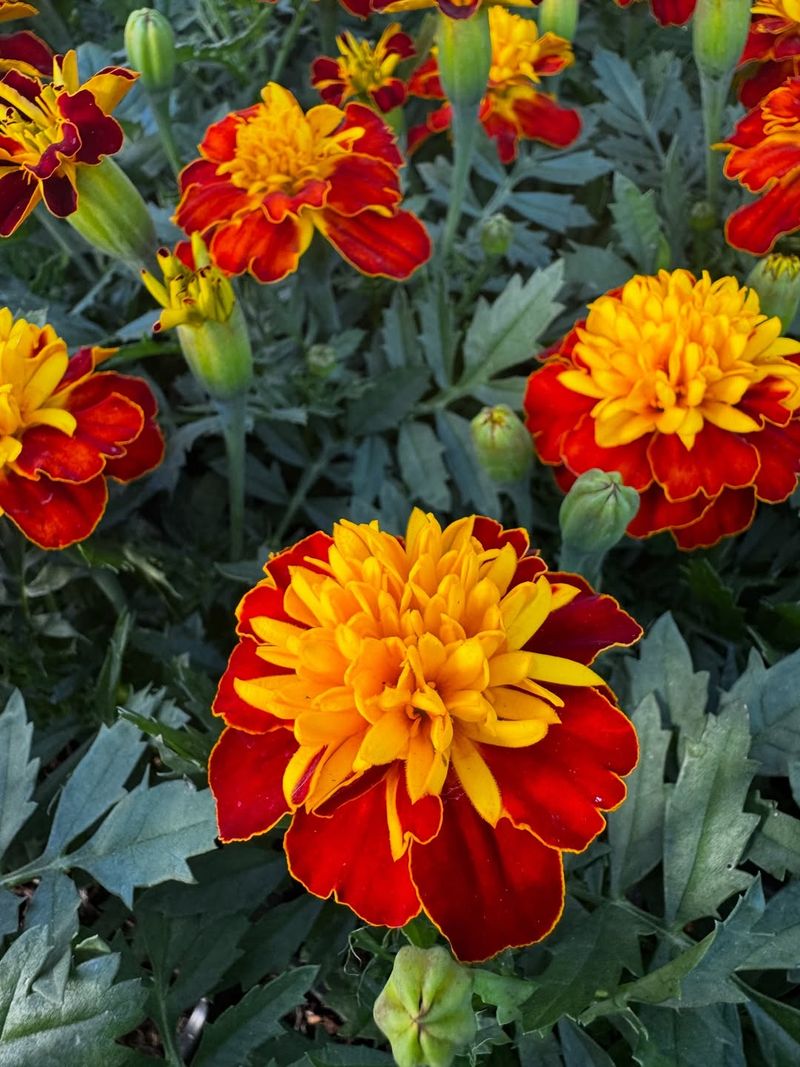
There is something wonderfully cheerful about French marigolds. They are small, sturdy, and never seem to stop producing flowers.
If you have gaps in your garden beds or bare spots along a walkway, these compact bloomers are exactly what you need to fill the space with life and color before fall arrives.
French marigolds grow quickly from seed and usually begin flowering within about six to eight weeks. That timeline works perfectly for a July sowing in Pennsylvania. You can expect blooms well into September and even October if the weather stays mild.
Your Pennsylvania Garden Changes Every Week. Your Plan Should Too.
Gardening in Pennsylvania changes quickly throughout the season. Every Friday you’ll receive a simple weekly plan showing exactly what to plant, prune, fertilize, harvest, and protect so you never miss the right timing.
One of the best things about French marigolds is how versatile they are. They work beautifully as border edging, in containers, tucked between vegetable plants, or clustered together in a flower bed.
Their compact size, usually under twelve inches tall, makes them easy to place almost anywhere in the garden without worrying about them crowding out other plants.
Planting is simple. Sow seeds directly into the garden about an eighth of an inch deep in a sunny location.
French marigolds prefer well-draining soil and do not need rich fertilizer to thrive. In fact, too much fertilizer can cause more leafy growth and fewer flowers, so keep feeding light.
A fun fact worth knowing is that marigolds have long been used as companion plants in vegetable gardens because their scent can help deter certain pests.
So beyond adding orange, yellow, and red color to your late summer landscape, they are quietly pulling double duty as garden helpers. Deadhead regularly to keep the blooms coming strong through the season.
3. Cosmos
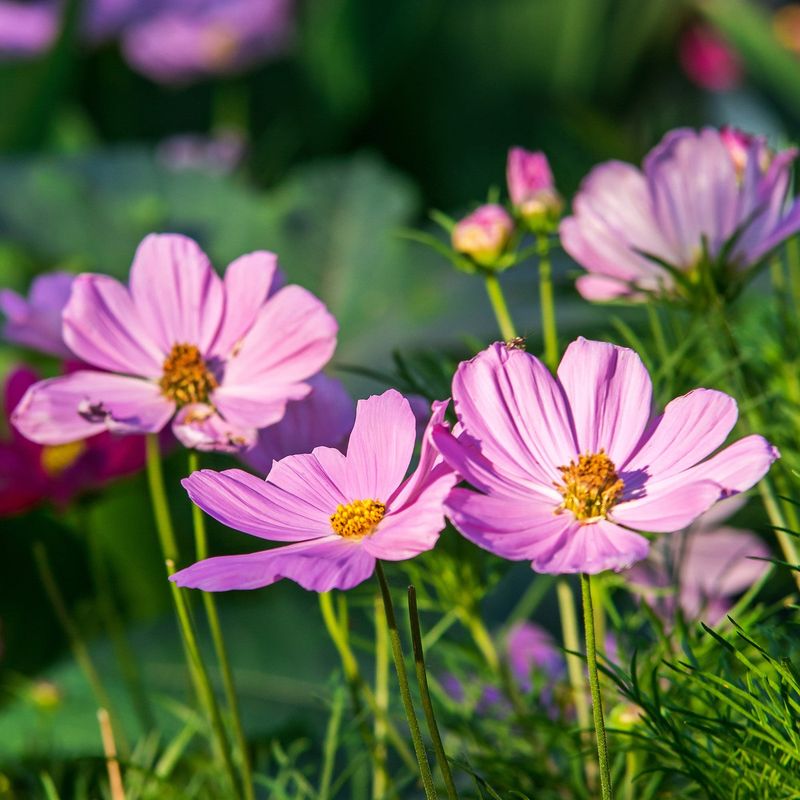
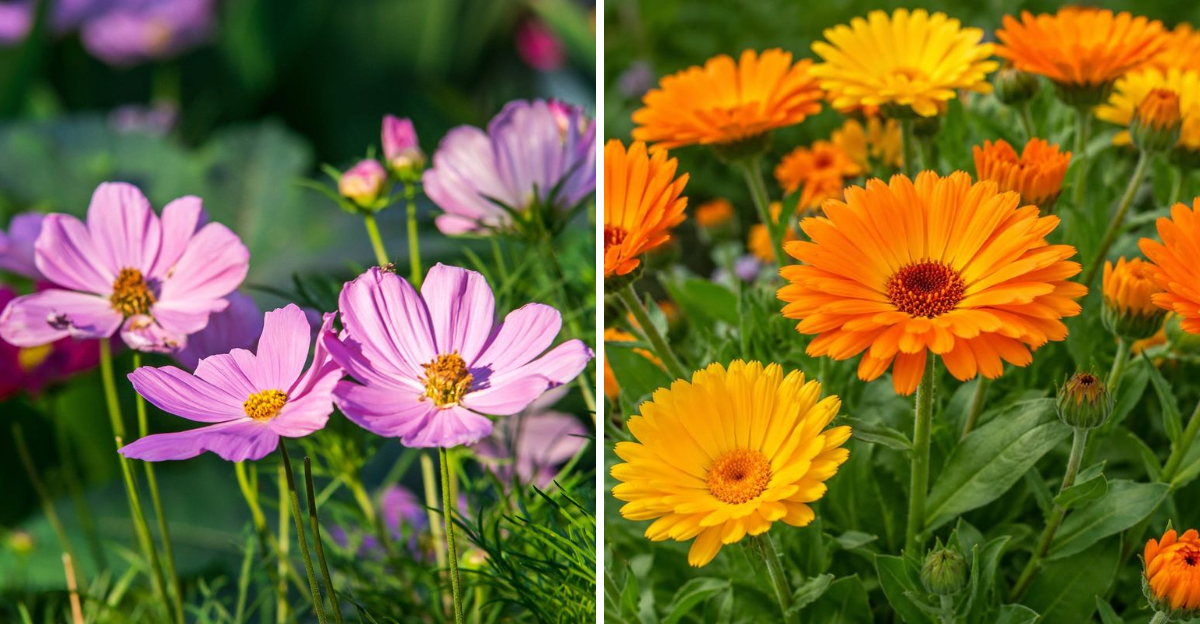
Cosmos have a kind of effortless beauty that makes them stand out in any garden. Their thin, feathery leaves and daisy-like blooms give them a soft, airy look that feels almost wild and carefree.
Even with a July sowing in Pennsylvania, cosmos can reward you with flowers before the growing season wraps up.
Speed is one of cosmos greatest strengths. Under good conditions, seeds can germinate in about seven days, and blooms may follow within six to eight weeks.
Choose an early-flowering variety like Cosmos Sonata or Sensation mix to give yourself the best shot at a generous late-summer display.
Sunlight is non-negotiable for cosmos. They need a full sun location, meaning at least six hours of direct light per day.
Poor lighting leads to tall, weak stems and very few flowers. On the bright side, cosmos actually prefer lean soil, so skip the heavy fertilizing.
Rich soil encourages lush foliage growth at the expense of blooms, which is the opposite of what you want.
Direct sow cosmos seeds about a quarter inch deep and thin seedlings to about twelve inches apart once they sprout. They do not transplant well, so starting them right where you want them to grow is the smartest approach.
Once they start blooming, cosmos are wonderfully low-maintenance. They are drought-tolerant, attract pollinators like bees and butterflies, and self-seed freely if you let some flowers go to seed.
Deadheading encourages more blooms, but even without it, cosmos tend to keep flowering generously. Their gentle swaying in a summer breeze is truly one of the garden’s most peaceful sights.
4. Dwarf Sunflowers
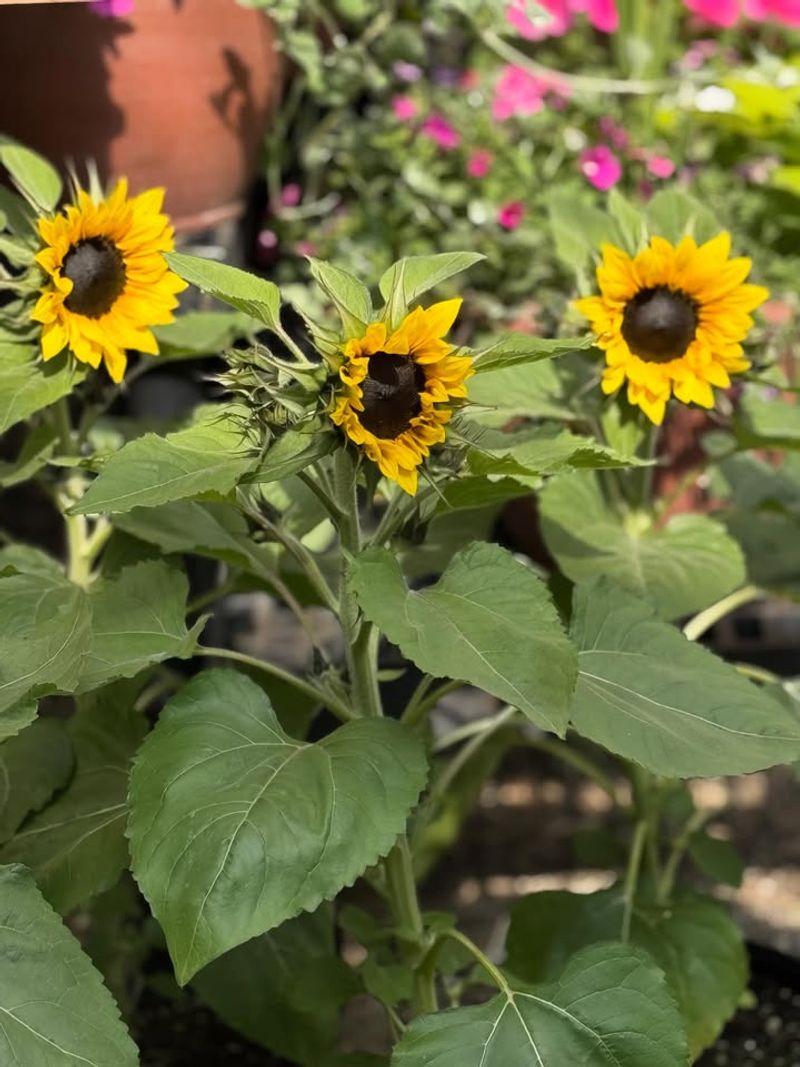
Sunflowers are one of summer’s most iconic plants, but the giant varieties that tower overhead are not the best choice for a July sowing in Pennsylvania. Dwarf and fast-maturing varieties, on the other hand, are a completely different story.
They can still bring that bold, sunny focal point to your garden before cooler fall weather settles in.
Look for varieties labeled as dwarf, compact, or early-blooming. Good options include Sunflower Teddy Bear, Music Box, or Sunspot.
These types typically reach only one to three feet tall and mature much faster than standard sunflowers, making them a realistic and rewarding choice for midsummer planting.
Sow seeds directly in a sunny garden spot about an inch deep and six to twelve inches apart, depending on the variety.
Sunflowers are not fussy about soil quality, but they do need excellent drainage and full sun to produce their best blooms. Waterlogged soil is one of the few things that can set them back significantly.
Water young seedlings regularly until they are established, then ease back a bit since sunflowers are naturally drought-tolerant once they get going. Avoid overhead watering on the leaves if possible, as wet foliage can encourage fungal issues.
Did you know that sunflowers are actually made up of hundreds of tiny individual flowers packed together into that familiar round head? Each of those small florets produces a seed.
Beyond their good looks, dwarf sunflowers attract bees, support pollinators, and bring a warm, golden energy to late summer beds and borders that no other flower quite matches. They are simply hard not to love.
5. Sweet Alyssum
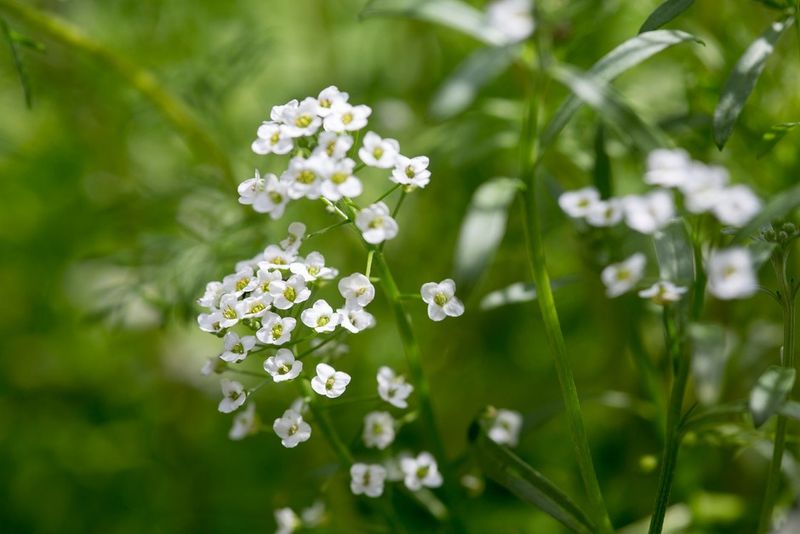
Sweet alyssum is one of those quiet overachievers that gardeners sometimes overlook in favor of showier plants. But once you grow it, you quickly realize how valuable it really is.
Low-growing, honey-scented, and surprisingly quick to bloom from seed, alyssum is a fantastic choice for filling borders, lining paths, or spilling over the edges of containers.
Sowing in July works well for alyssum in Pennsylvania because this little flower actually prefers cooler conditions. As August and September bring slightly lower temperatures, alyssum tends to perk up and bloom even more enthusiastically.
It can sometimes slow down during the hottest part of summer, but it bounces right back once the heat eases off.
To plant, scatter seeds lightly over the soil surface and press them gently down without covering them deeply. Alyssum seeds need light to germinate properly.
Keep the area moist until sprouts appear, which usually takes about five to ten days. Once established, alyssum is fairly easygoing and does not demand a lot of attention to keep performing.
Place it along the front edge of a flower bed, between stepping stones, or in a window box where it can trail slightly over the sides.
The tiny clusters of flowers come in white, purple, pink, and lavender shades and create a soft, carpet-like effect that looks beautiful paired with taller plants behind them.
Pollinators absolutely adore alyssum. Bees and beneficial insects flock to its small, nectar-rich blooms throughout the season.
Shearing plants back lightly midseason can refresh the growth and encourage a fresh flush of flowers heading into fall. It is a simple step that pays off with weeks of extra color.
6. Calendula
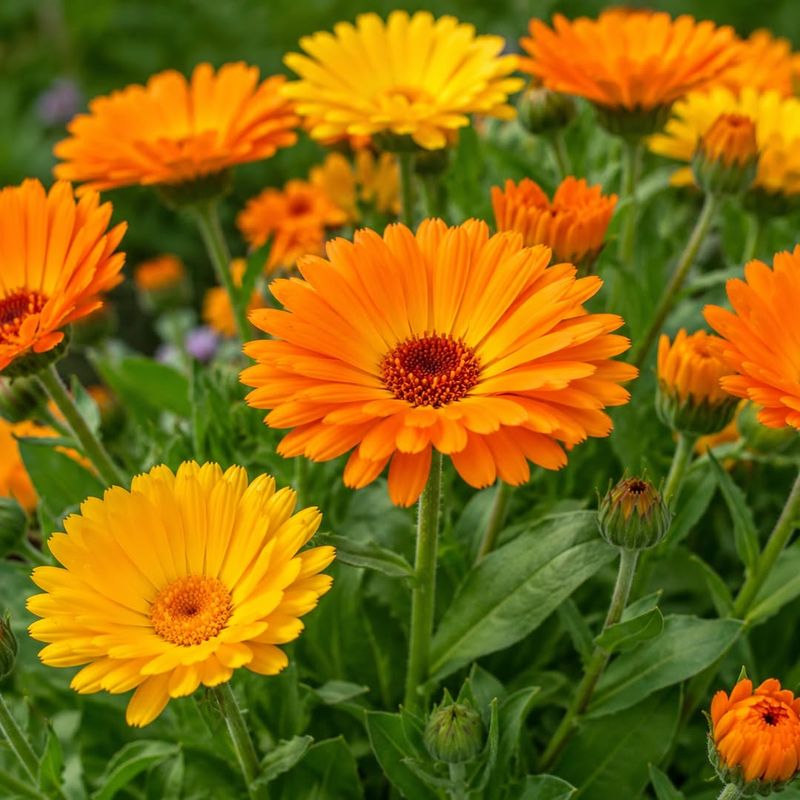
Calendula, often called pot marigold, has been a garden favorite for centuries. Unlike many warm-season annuals that fade as summer heat peaks, calendula actually prefers cooler conditions.
That makes a July sowing in Pennsylvania a smart strategy, setting the plant up to shine during the pleasant days of late summer and early fall.
The flowers are bold and cheerful, coming in shades of orange, yellow, cream, and gold. They have a daisy-like appearance with layers of petals that catch the sunlight beautifully.
Beyond their looks, calendula flowers are edible and have historically been used in teas, salves, and even as a natural fabric dye, which makes them one of the most interesting plants you can grow in a home garden.
Sow seeds directly into the garden about a quarter inch deep in a spot that receives full sun to partial shade. Calendula is not picky about soil quality, but it does appreciate good drainage.
Water consistently after planting until seedlings are established, then ease back since overwatering can cause problems with root health.
Germination typically takes about five to fifteen days, and blooms can follow within six to eight weeks. Deadheading spent flowers regularly encourages the plant to keep producing new blooms instead of going to seed too quickly.
One of the most rewarding things about growing calendula is how long it keeps flowering. As Pennsylvania temperatures drop in September and October, calendula holds on beautifully while many other annuals are already fading.
It is a tough, reliable, and genuinely beautiful flower that earns its place in any late-season garden without much fuss from the gardener.
7. Nasturtiums
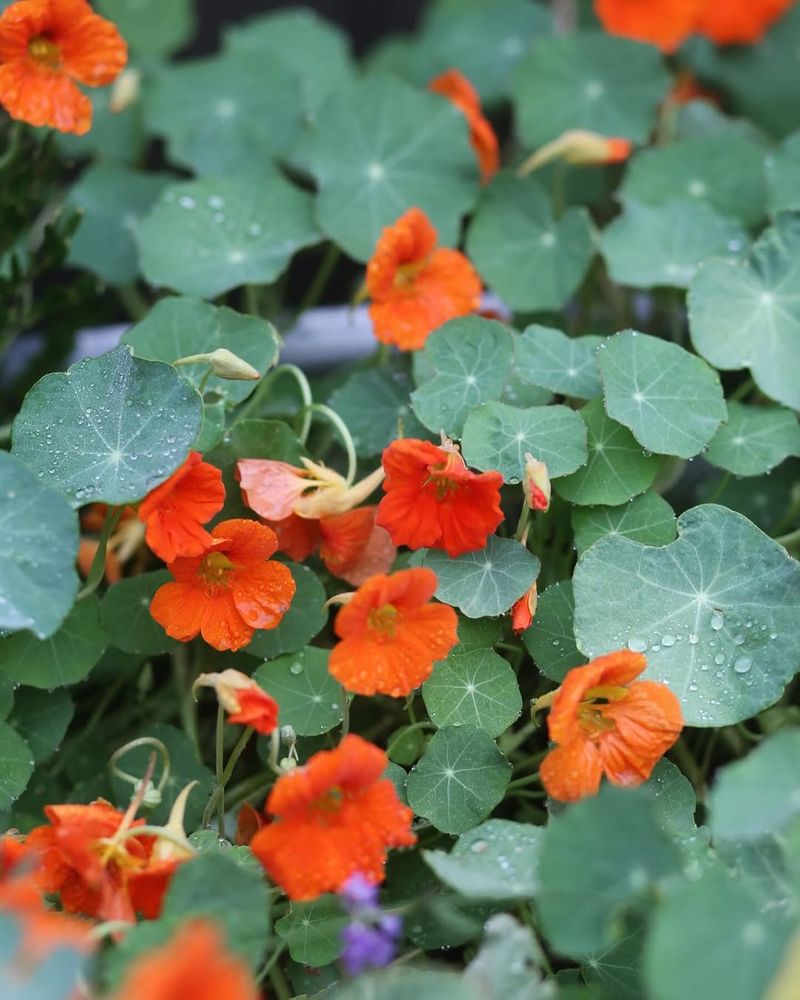
Nasturtiums are the kind of plant that makes gardening feel fun and rewarding, even for beginners. They are easy to grow, fast to bloom, and useful in so many different ways.
Direct-sowing nasturtiums in July gives Pennsylvania gardeners a reliable source of color that keeps going strong right up until the first hard frost arrives.
One of the most exciting things about nasturtiums is that the entire plant is edible. The flowers have a peppery, slightly sweet flavor that works wonderfully in salads or as a garnish.
The leaves are edible too, and even the seeds can be pickled and used similarly to capers. Growing nasturtiums means you are adding beauty and practicality to your garden at the same time.
Sow seeds directly where you want them to grow, about half an inch deep. Nasturtiums do not like being transplanted, so starting them in their permanent spot is the best approach.
They prefer average to poor soil and full sun to partial shade. Rich, fertile soil tends to produce more leaves than flowers, so resist the urge to over-fertilize these plants.
Choose from climbing varieties that can trail over fences or containers, or compact bush types that stay neat in a bed. Colors range from deep red and burnt orange to bright yellow and soft cream, giving you plenty of options to match your garden palette.
Nasturtiums are also known to attract aphids away from vegetable plants, acting as a kind of sacrificial trap crop.
Pair them alongside tomatoes, cucumbers, or beans, and they quietly help protect your food garden while looking absolutely gorgeous doing it. That combination of beauty and usefulness is hard to beat.