The Reasons Why Aloe Vera Belongs In Your Pennsylvania Bathroom
Most people think of aloe vera as a decorative plant or something you break open after a sunburn. It sits on a windowsill looking architectural and low maintenance, and that’s about as far as most people’s relationship with it goes.
But aloe vera has been earning its place in homes for thousands of years for reasons that go well beyond good looks and the occasional burn. Your Pennsylvania bathroom happens to be one of the best spots in your entire home to keep one.
The warm temperatures, the indirect light, and the regular humidity from showers and baths create conditions that aloe vera genuinely thrives in.
No fussing over watering schedules, no struggling through Pennsylvania’s dry winter months when indoor air gets particularly parched.
And what this plant actually offers once it’s settled in and healthy goes a lot further than most people realize.
1. It Handles Dry Indoor Air Better Than Many Houseplants
Pennsylvania winters are no joke. When the heat kicks on inside your home, the air gets dry fast.
Most leafy houseplants start to droop, brown, or drop leaves when the humidity drops too low. Aloe vera, on the other hand, barely notices.
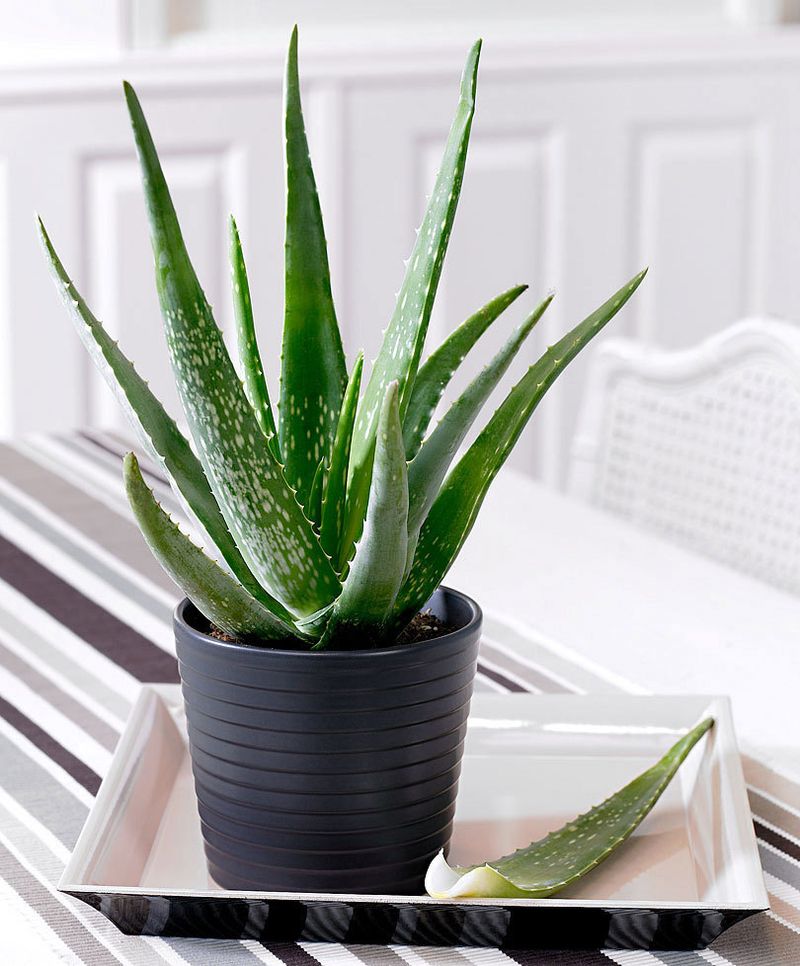
The secret is in those thick, fleshy leaves. Aloe stores a surprisingly large amount of water right inside its own tissue.
So when the air around it gets dry, the plant simply draws on its own reserves. It does not rely on the air for moisture the way other plants do. That is a huge advantage in a Pennsylvania home during the cold months.
Summer is not much better for most houseplants either. Central air-conditioning pulls moisture out of indoor air just like heating does.
Many tropical plants suffer during summer months indoors because of this. Aloe vera handles both seasons with ease.
You can skip a watering or two without guilt. In fact, overwatering is a much bigger problem for aloe than underwatering.
If you travel for work or simply forget to water for a couple of weeks, your aloe will likely be just fine waiting for you.
For Pennsylvania homeowners who want greenery in the bathroom but dread the constant upkeep of thirstier plants, aloe vera is a genuinely practical choice. It tolerates the dry spells that come with both winter heating and summer cooling.
It holds its own, season after season, without asking much in return. That kind of resilience is rare in a houseplant, and it makes aloe vera a smart pick for any bathroom in the state.
2. It Adds Greenery Without Needing Constant Care
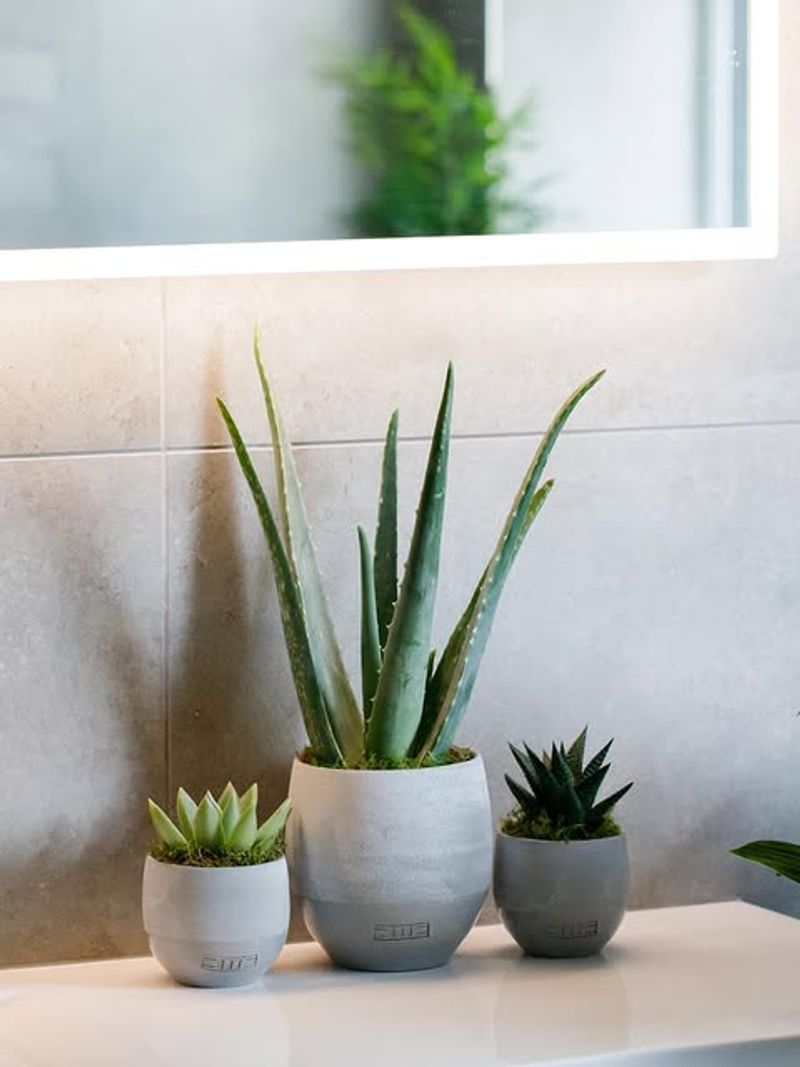
Not everyone has the time or energy to fuss over houseplants every single day. Life in Pennsylvania can get busy fast, especially during the school year, work seasons, and holiday stretches. That is exactly why aloe vera works so well for so many people.
Aloe vera is a succulent, which means it belongs to a group of plants built for survival in tough conditions. Succulents store water and nutrients efficiently, so they do not need frequent watering or rich soil to thrive.
Your Pennsylvania Garden Changes Every Week. Your Plan Should Too.
Gardening in Pennsylvania changes quickly throughout the season. Every Friday you’ll receive a simple weekly plan showing exactly what to plant, prune, fertilize, harvest, and protect so you never miss the right timing.
Once a week or even once every two weeks is often enough, depending on your bathroom conditions.
You also do not need to fertilize aloe very often. A light feeding once or twice a year during the growing season is usually plenty.
Compare that to some flowering bathroom plants that need weekly feeding and regular pruning just to look decent. Aloe asks for almost none of that.
Repotting is another low-effort task with aloe. You only need to move it to a slightly larger pot every couple of years as it grows.
Even then, the process is quick and straightforward. There is no complicated root system to untangle or special soil mix to prepare.
For busy homeowners, parents juggling school schedules, or anyone who just wants a plant that does not demand daily attention, aloe vera is a refreshing option. It stays green, stays upright, and stays healthy with minimal effort on your part.
Sometimes the best plant for your bathroom is simply the one that fits your real lifestyle, not your ideal one. Aloe vera fits both.
3. It Can Be Useful For Minor Skin Comfort
Here is something most people already know but often forget to act on: aloe vera gel has been used for thousands of years to soothe minor skin irritation.
Ancient Egyptians called it the plant of immortality. That reputation did not come from nowhere.
Having aloe vera in your bathroom puts that gel right where you need it most. After a long hot shower, your skin can feel tight or slightly irritated.
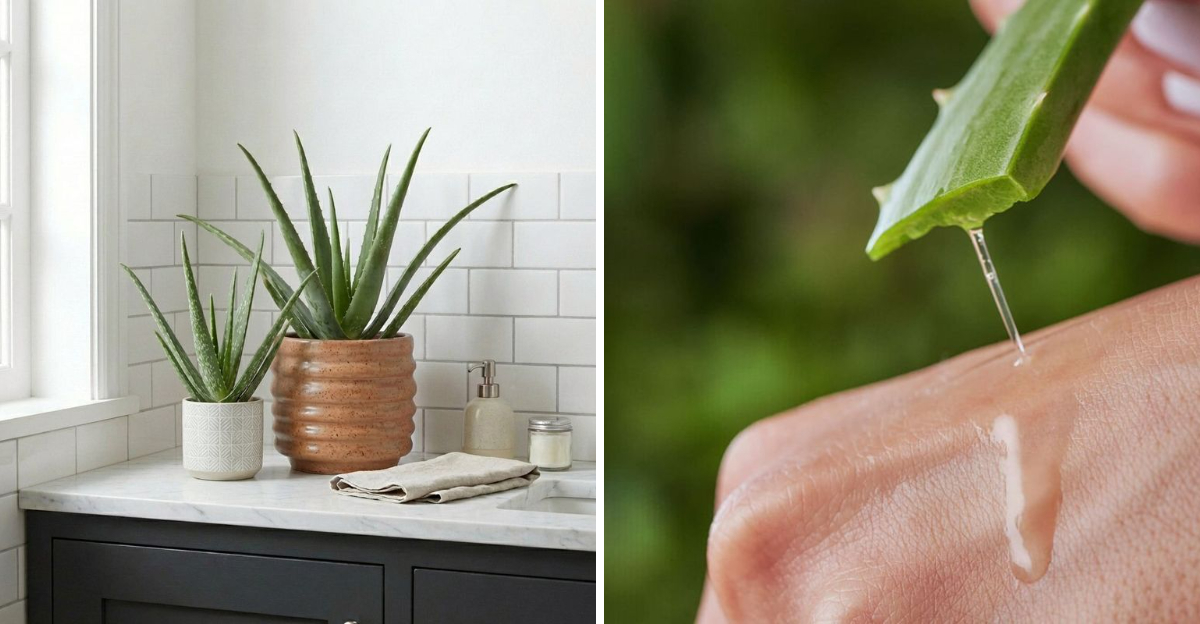
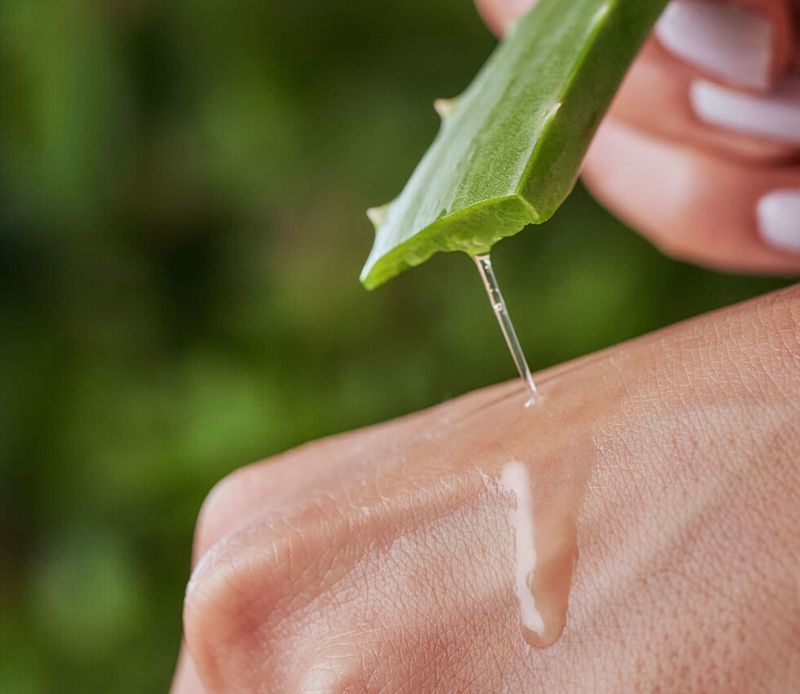
A small amount of fresh gel from a leaf can offer a quick, cooling sensation that many people find calming. It is especially handy after shaving, when skin can feel raw or sensitive.
Pennsylvania summers mean spending time outdoors, whether that is hiking in the Pocono Mountains, biking along the Schuylkill River Trail, or just gardening in your backyard.
After a day in the sun, stepping into your bathroom and snapping off a small aloe leaf feels like a natural, easy first step to caring for your skin.
Using the gel is simple. Just snap off one of the lower, outer leaves, slice it open lengthwise, and scoop or squeeze out the clear gel inside.
Apply it directly to the skin and let it absorb. No measuring, no mixing, no waiting for an online order to arrive.
Keep in mind that aloe is not a medical treatment, and it should not replace professional care for serious skin concerns.
But for everyday minor comfort after normal activities, having a fresh aloe plant within arm’s reach in your bathroom is genuinely convenient and surprisingly satisfying to use.
4. It Likes A Bright Bathroom Window
Sunlight matters a lot when it comes to keeping aloe vera healthy. Unlike some houseplants that can get by in low light or shaded corners, aloe vera genuinely needs bright light to do its best.
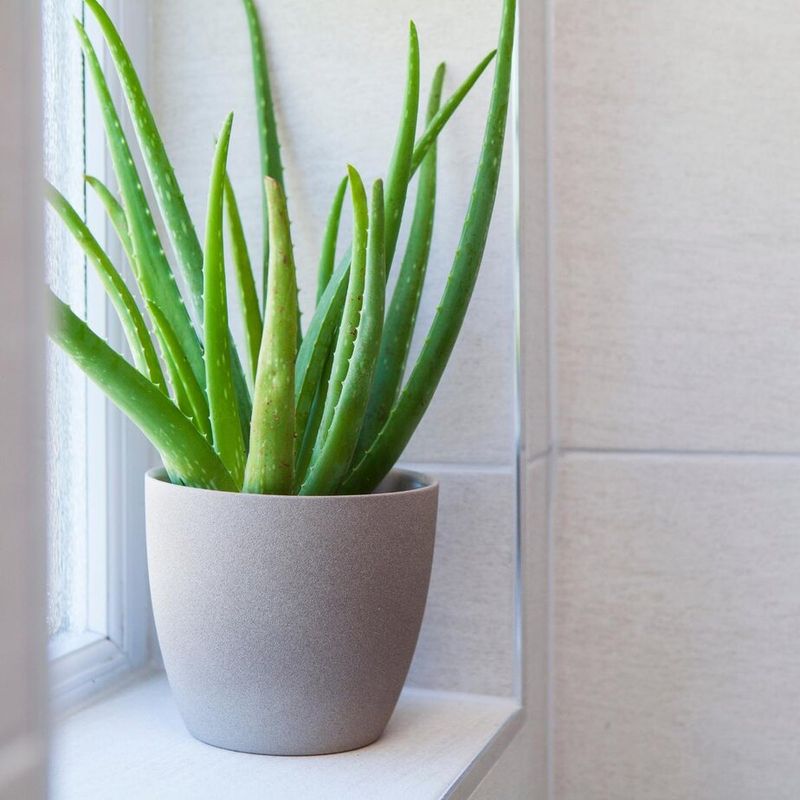
The good news is that many Pennsylvania bathrooms have exactly what aloe needs. A south- or east-facing bathroom window is ideal. These windows let in strong morning or midday light, which aloe vera loves.
During the spring and summer growing season, a sunny windowsill can give your plant the energy it needs to stay firm, green, and full. You may even notice new leaves pushing up from the center during these months.
Winter light in Pennsylvania is weaker and shorter, but aloe can manage if it is placed as close to the window as possible. A grow light is an easy fix if your bathroom does not get enough natural light during the colder months.
Small clip-on grow lights are affordable and work well for a single plant on a shelf or windowsill.
Frosted glass windows, which are common in bathrooms for privacy, still let in a good amount of diffused light. Aloe can handle this kind of indirect brightness without any problem. Just avoid placing it in a completely dark corner or too far from any light source.
One fun detail: when aloe vera gets enough light, its leaves sometimes take on a slightly reddish or bronze tint at the tips. This is a sign the plant is healthy and responding well to its environment. Think of it as the plant’s version of a healthy glow.
5. It Helps Create A Clean, Spa-Like Look
Walk into any high-end spa and you will almost always see some kind of greenery. There is a reason for that.
Plants soften a space. They add life and texture without making things feel cluttered. Aloe vera does this especially well because of its natural shape.
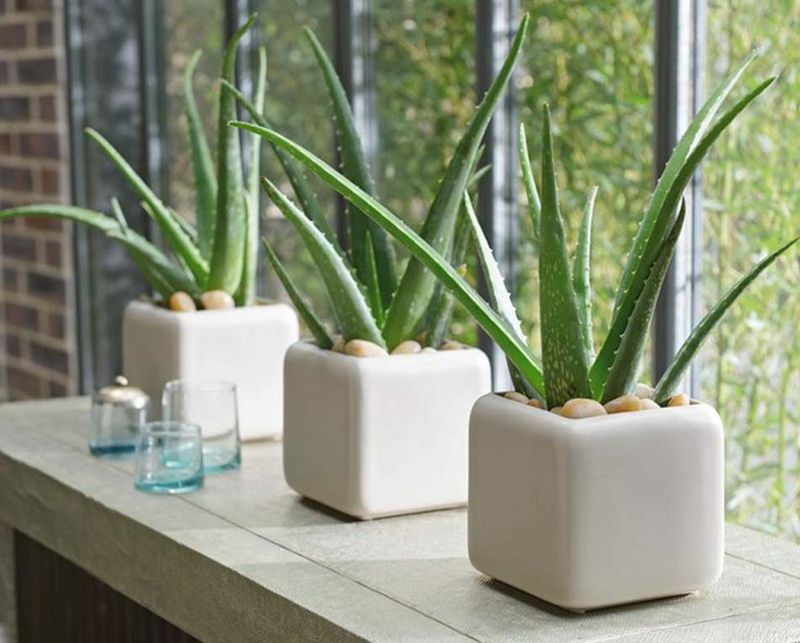
The upright, sword-like leaves of an aloe plant have a sculptural quality that works beautifully in modern, minimalist, or natural-style bathrooms. It does not sprawl across your counter or drop leaves on your floor.
It stays neat and compact, which makes it perfect for smaller Pennsylvania bathrooms where space is limited.
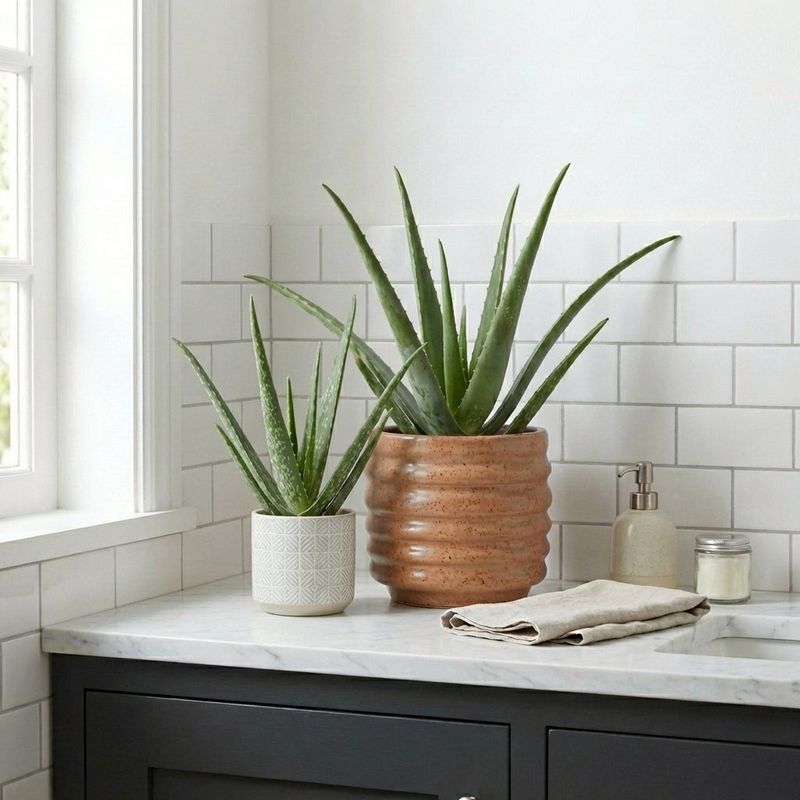
You can place aloe vera almost anywhere in a bathroom and it looks intentional. A white ceramic pot on the corner of a vanity, a terracotta planter on a floating shelf, or a simple clear pot on the windowsill all work well.
The plant itself becomes a quiet focal point without demanding too much attention. Color also plays a role here. The cool gray-green of aloe leaves pairs naturally with white tile, wood accents, and neutral tones that are popular in bathroom design right now.
It adds a touch of nature without clashing with your existing palette. Many Pennsylvania homeowners have started treating their bathrooms more like personal retreats, especially after spending more time at home in recent years.
Adding a single aloe vera plant is one of the simplest and most affordable ways to shift the feel of a bathroom from purely functional to genuinely calming.
Sometimes one plant is all it takes to make a space feel like somewhere you actually want to be.
6. It Teaches Better Plant-Care Habits
Aloe vera might be the most honest plant you will ever own. It does not hide what it needs. When it is happy, it stands tall and green. When something is wrong, usually overwatering, the leaves start to look soft or yellowed.
The plant gives you clear feedback, which makes it an excellent teacher. One of the most common mistakes new plant owners make is watering too often. Many people assume that more water equals more care.
Aloe vera quickly corrects that thinking. It thrives when the soil dries out completely between waterings.
If you water it every day, you will likely cause root problems within weeks. Learning to wait, to check the soil before reaching for the watering can, is a habit that will help you with every other plant you ever own.
Drainage is another lesson aloe teaches well. It absolutely needs a pot with holes at the bottom.
Standing water at the roots is the fastest way to cause problems. Choosing the right pot and the right well-draining soil mix are basic skills that transfer to nearly any other plant you might want to grow.
For kids or teenagers in Pennsylvania who are curious about plants, aloe vera is a fantastic starting point.
It is forgiving enough to survive beginner mistakes but clear enough in its signals to help young growers understand cause and effect. Parents can use it as a hands-on lesson in responsibility and observation.
Even experienced gardeners appreciate aloe for this reason. It is a reminder that restraint in plant care is often more effective than constant attention. Less really can be more.