Why Georgia Squirrels Keep Digging In Flower Pots During Summer
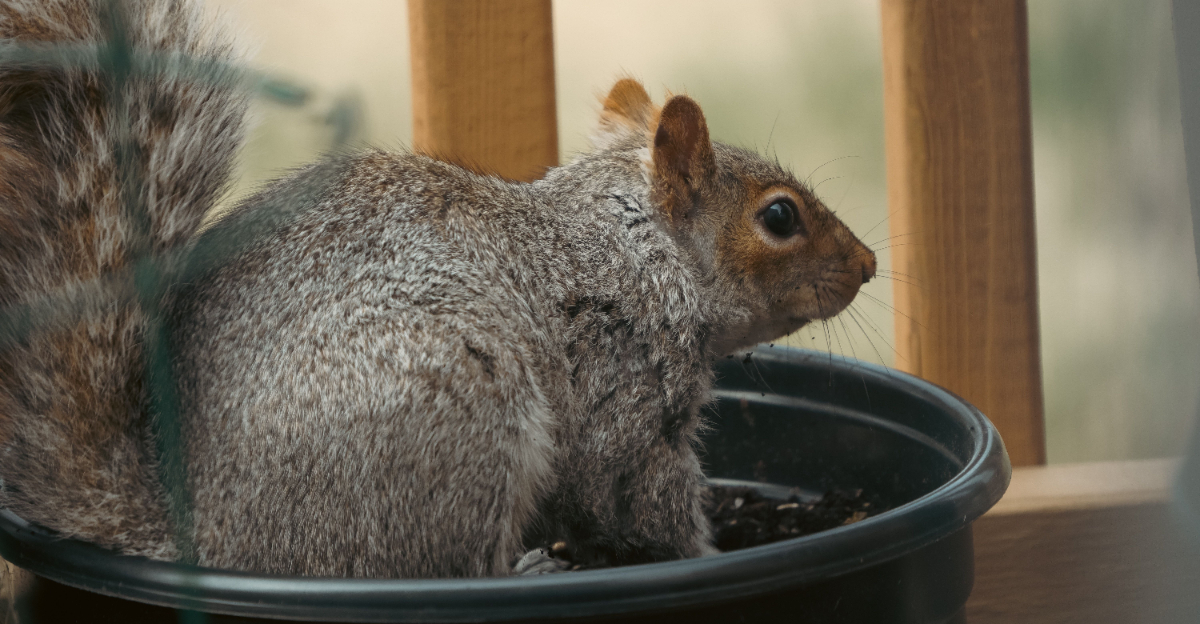
Nothing is more frustrating than fixing the same mess over and over, especially when you have no idea what is causing it.
One day the soil looks smooth, and the next it is scattered across the patio or spilling over the edge of the pot. That kind of surprise leaves many gardeners searching for an answer.
It can feel like all your hard work is being undone overnight. The strange part is that it often keeps happening in the very same containers.
There is usually a reason behind that pattern, even if it is not obvious at first.
Summer is when this problem becomes much more noticeable. Flower pots in Georgia often attract curious squirrels for reasons that are easy to overlook.
Once you understand what is drawing them in, those repeated digging sessions start making a lot more sense.
1. Fresh Potting Soil Is Easy To Dig
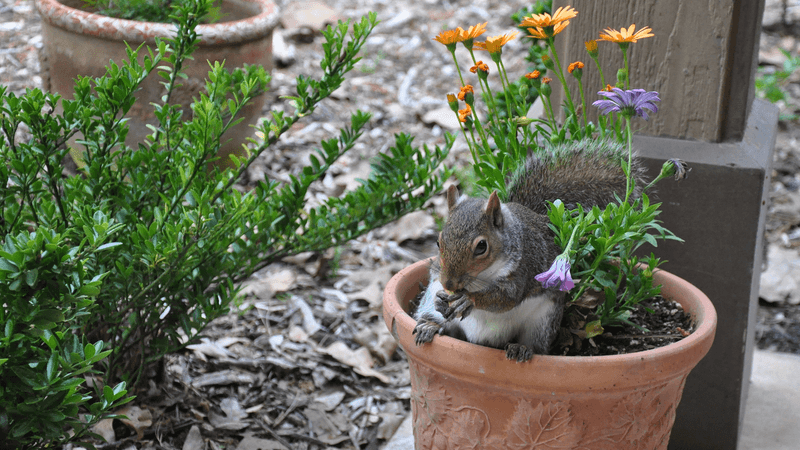
Soft soil is basically an open invitation to a squirrel. Fresh potting mix is loose, light, and easy to move around, which makes it far more appealing than hard ground outside.
Squirrels are natural diggers. Out in the yard, the ground gets compacted and dry during summer heat.
A flower pot filled with fresh mix feels completely different under their paws.
Potting soil often contains organic material like bark, perlite, and compost. That soft texture makes it simple to dig quickly and bury something without much effort.
Squirrels are not just randomly tossing soil around either. Most of the time, they are working with purpose, pressing down on a spot to check if something is already buried there.
One practical fix is to press the top layer of soil down firmly after planting. Firm soil takes more effort to dig and may discourage a squirrel from bothering with your pot.
You can also mix coarse sand into the top inch of soil. Sand makes the texture less inviting without hurting your plants.
It is a low-effort adjustment that can make a real difference.
Squirrels are creatures of habit. Once they find a pot that is easy to dig, they will likely return to it.
2. Moist Soil Makes Burying Food Easier
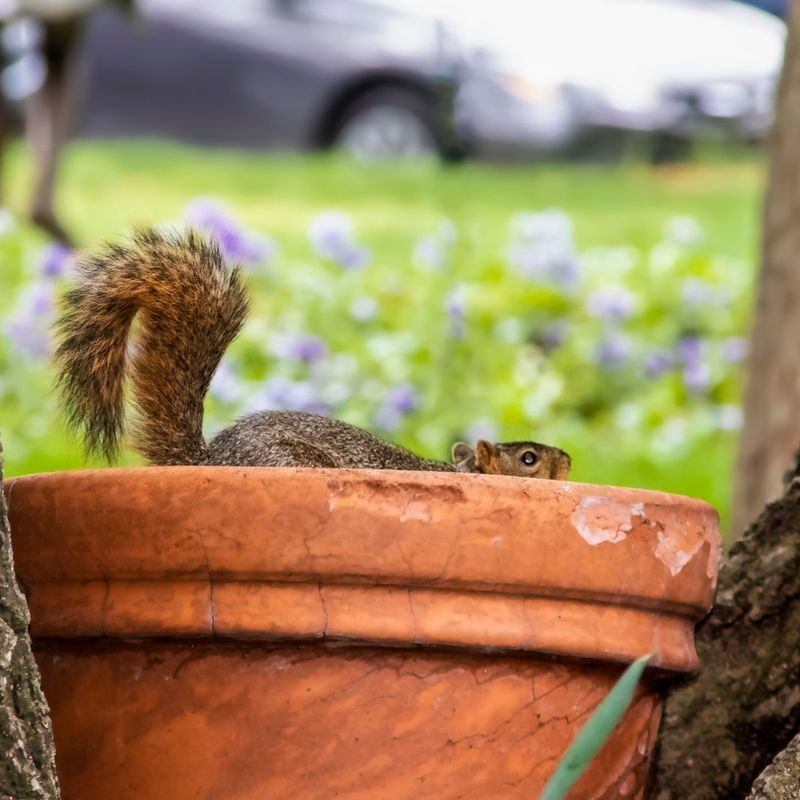
Watered plants are a squirrel magnet. Right after you water your flower pots, the soil becomes soft and workable, which is exactly what a squirrel is looking for when it wants to cache food.
Squirrels bury food as a survival strategy. They stash nuts, seeds, and other snacks in multiple locations so they can come back later when food is harder to find.
Moist soil lets them push food down easily and cover it back up without much struggle. Dry, cracked soil requires more effort, so squirrels tend to skip it when softer options are nearby.
Watering schedules can actually make the problem predictable. If you water every morning, squirrels may learn when your pots are freshly moistened and time their visits accordingly.
Switching to drip irrigation or watering at the base of plants can help. Less surface moisture means less surface appeal for a squirrel looking for a quick burial spot.
Your Georgia Garden Changes Every Week. Your Plan Should Too.
Gardening in Georgia changes quickly throughout the season. Every Friday you’ll receive a simple weekly plan showing exactly what to plant, prune, fertilize, harvest, and protect so you never miss the right timing.
Letting the top inch of soil dry out between waterings is worth trying. Most flowering plants tolerate slightly drier surface conditions just fine, and the squirrels may move on to easier targets.
Keep in mind that moist soil near a water source or shaded porch can stay workable longer.
3. Seeds And Bulbs Can Attract Squirrels
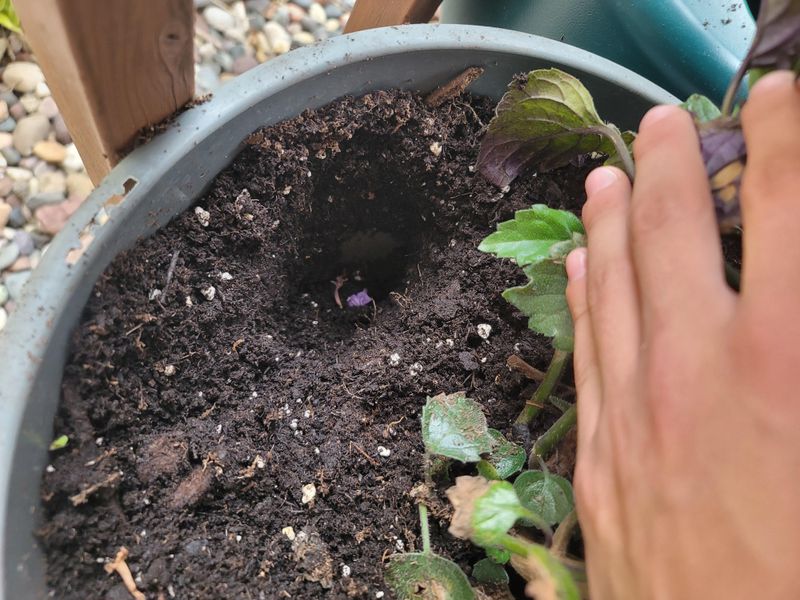
Squirrels have an impressive sense of smell. If you recently planted bulbs or seeds in your pots, there is a good chance a nearby squirrel already knows about it.
Flower bulbs smell like food to a squirrel. Tulip bulbs, crocus bulbs, and certain other varieties are genuinely edible to them, and they will dig for these without hesitation.
Seeds are even easier to detect. Freshly sown seeds sit close to the surface and give off a distinct scent that squirrels can pick up quickly, especially in warm weather when scents travel farther.
Summer heat intensifies soil odors. Pots sitting in direct sunlight can release stronger scent signals, which may draw squirrels in from surprisingly far away.
Planting bulbs deeper can sometimes reduce the chances of them being found. However, pots have limited depth, so this is not always a reliable solution on its own.
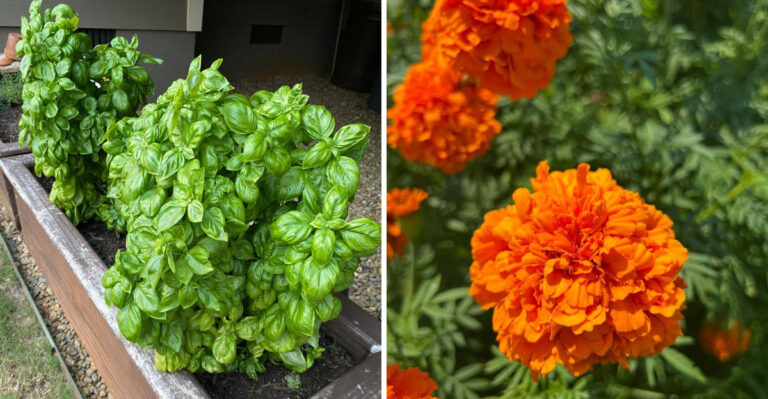
Mixing in bulbs or seeds that squirrels tend to avoid, like daffodils or marigolds, can act as a mild deterrent. Squirrels generally steer clear of daffodil bulbs because they are not palatable to them.
Covering freshly planted seeds with a thin layer of mulch or a physical barrier right after planting gives them a better chance of being left alone.
4. Cover Bare Soil With Pebbles
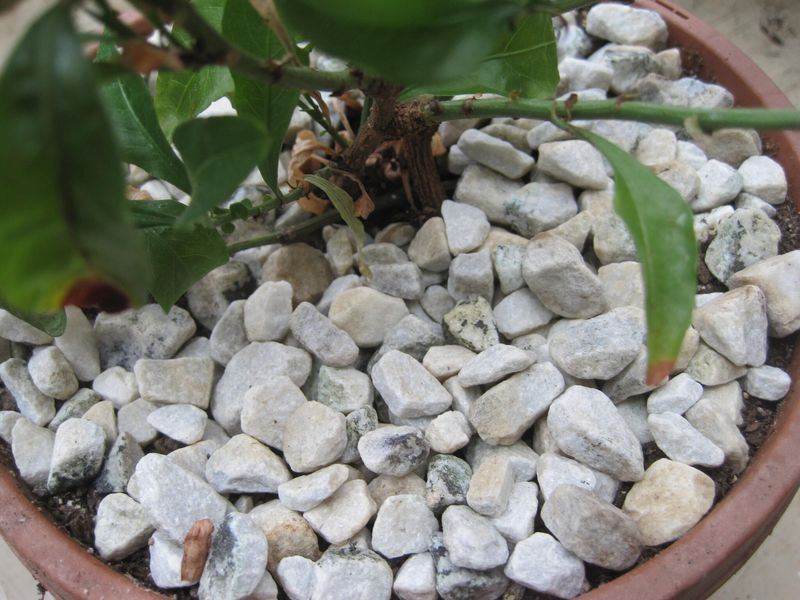
Bare soil is an easy target. Covering it with pebbles changes the entire situation for a squirrel trying to dig quickly between your plants.
River rocks and decorative pebbles create a physical layer that takes real effort to move. Squirrels prefer fast, easy digging spots, so a pot covered in stones becomes much less attractive.
Pebbles also help retain soil moisture and reduce weeds, so you get multiple benefits from one simple change. Gardeners who use this method often notice fewer digging incidents fairly quickly.
Flat stones work especially well because they overlap and leave fewer gaps. Smaller pebbles can still be nudged aside by a determined squirrel, but larger flat pieces are harder to shift with a paw.
You do not need to spend much money on this fix. Bag of river pebbles from a garden center is inexpensive and can cover several medium-sized pots.
Even gravel from a hardware store works reasonably well.
Leave just enough space around your plant stems so water can still reach the soil. Packing rocks too tightly right against the stem can hold excess moisture and cause issues for some plants.
Squirrels are persistent but practical. If a pot requires too much effort compared to the pot next door, they will often move on.
Making your pots slightly harder to access can be enough to redirect their attention elsewhere.
5. Place Pots Away From Easy Jumping Spots
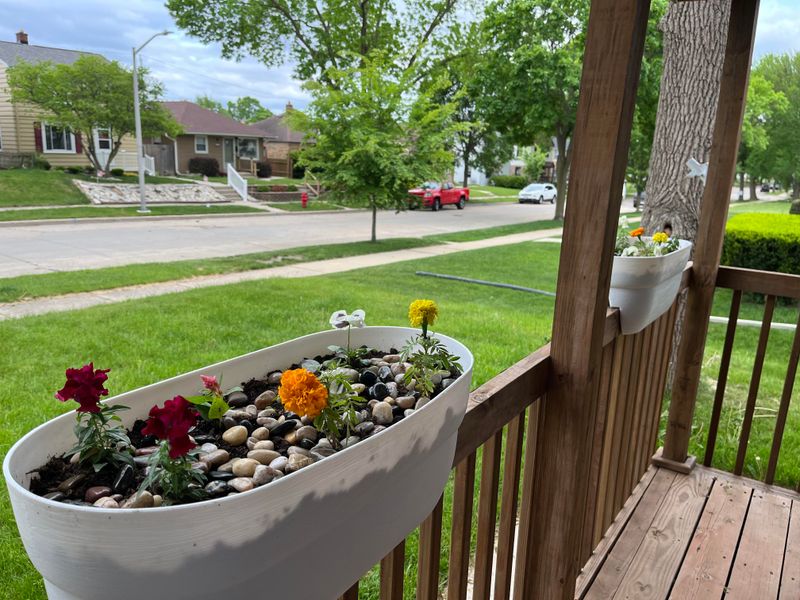
Squirrels are surprisingly good jumpers. They can leap several feet horizontally and use nearby objects as launching pads to reach pots that seem out of reach.
Fences, railings, tree branches, and outdoor furniture all serve as easy access points. If your pots sit close to any of these, squirrels can reach them with very little effort.
Moving pots even a few feet away from these launch points can reduce access significantly. Open space is harder for a squirrel to cross without feeling exposed, so location really does matter.
Raised stands placed in the middle of a patio, away from walls and railings, offer a reasonable level of protection. Squirrels prefer not to jump onto surfaces with no clear escape route nearby.
Window boxes mounted high on smooth walls are also harder to reach, depending on what surrounds them. Removing any nearby structure that acts as a step up makes access more difficult.
Trimming tree branches that hang near your porch or patio can help as well. Overhanging branches are one of the most common ways squirrels reach pots that homeowners assume are safe.
Repositioning pots is not a guaranteed fix, but combined with other methods, it adds another layer of difficulty.
6. Use Netting Until Digging Stops
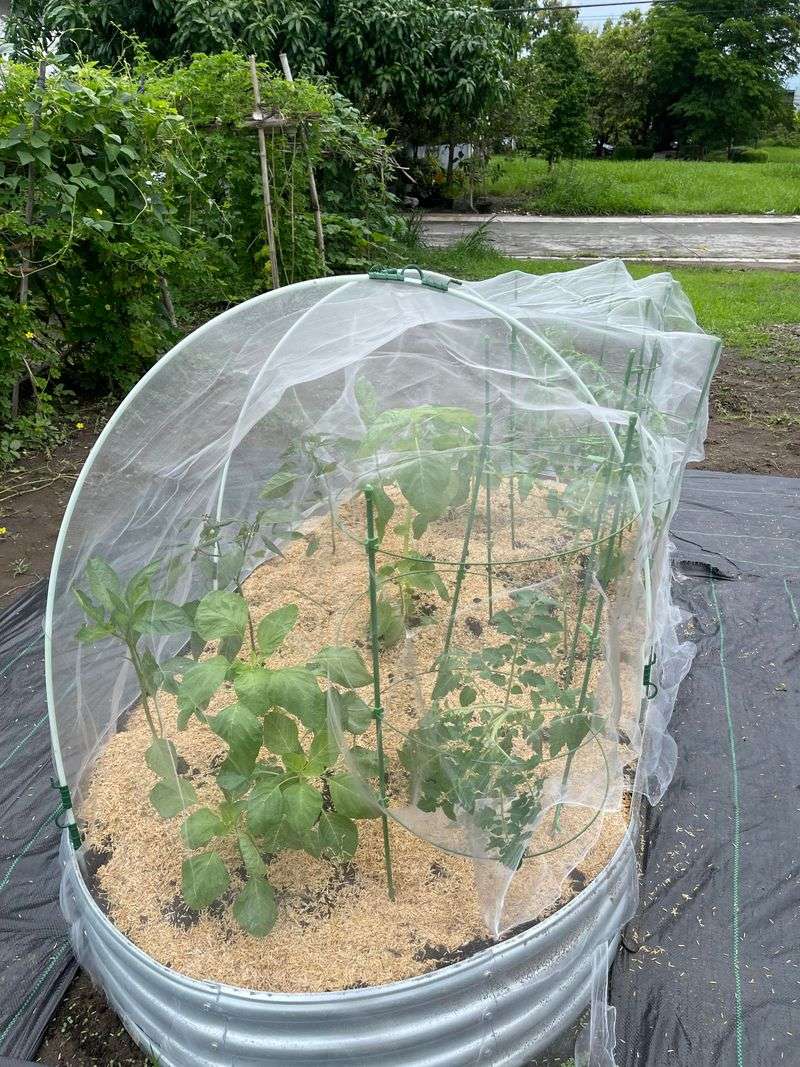
Netting is one of the most practical short-term solutions available. Lightweight garden mesh laid over the soil surface creates a barrier that squirrels find difficult and frustrating to work through.
Squirrels rely on quick, unobstructed digging. When netting gets in the way, many of them simply give up and move on rather than spending extra time fighting through it.
Hardware stores and garden centers carry rolls of bird netting and fine mesh that work well for this purpose. Cut a piece to fit the top of each pot and secure the edges with small stakes or rocks.
Leave a small opening around plant stems so they can continue growing without restriction. Most plants grow through or around netting without any real trouble over time.
Netting works best as a temporary measure during active digging periods.
Summer is when squirrels cache food most aggressively, so keeping netting in place through the hottest months can cover the peak problem window.
Check the netting periodically for damage or shifting. Wind and rain can loosen it, and a shifted edge gives squirrels an opening they will likely notice and take advantage of.
Once squirrels stop visiting a pot consistently, you can remove the netting. Reapply it if the digging starts back up.
7. Cover The Soil With Chicken Wire
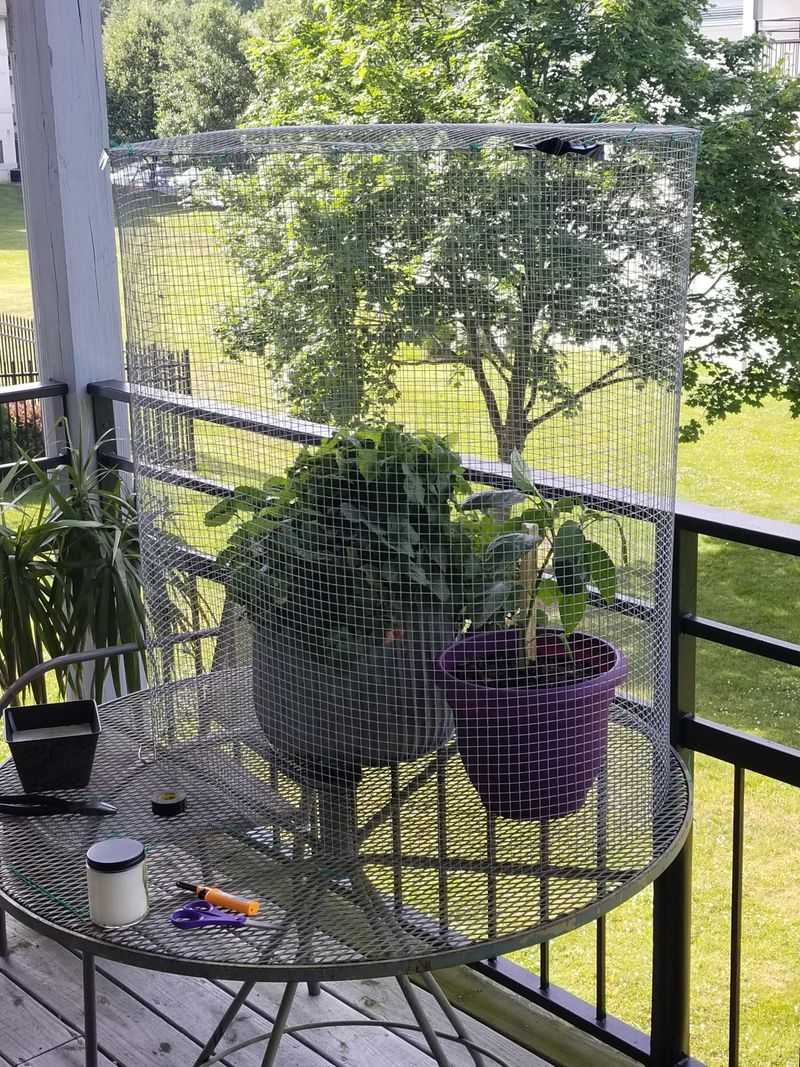
Chicken wire is a classic garden tool that works well in flower pots when squirrel digging becomes a repeated problem. Cut to fit the top of a pot, it creates a sturdy physical barrier that most squirrels cannot easily push aside.
Unlike netting, chicken wire holds its shape better over time. Wind and rain do not move it around as easily, which means you spend less time adjusting and repositioning it.
Use wire cutters to shape a circle or square that fits snugly inside the pot rim. Press it down flat against the soil and fold the edges slightly to hold it in place.
Plants can grow up through the openings without much interference.
The gauge of the wire matters. Finer mesh openings make it harder for squirrels to slip a paw through and get any real digging done.
Coarser mesh may allow partial access, especially for smaller squirrels.
Rust-resistant or plastic-coated chicken wire lasts longer in outdoor conditions. Plain steel wire can rust over a single summer season when exposed to regular watering and humidity.
Some gardeners cut the wire slightly larger than the pot opening and bend the excess down over the outer rim. That added tension keeps the wire snug and harder to dislodge from the top.