Plant These Texas Native Vines In July And They’ll Cover Your Fence Permanently By Next Summer
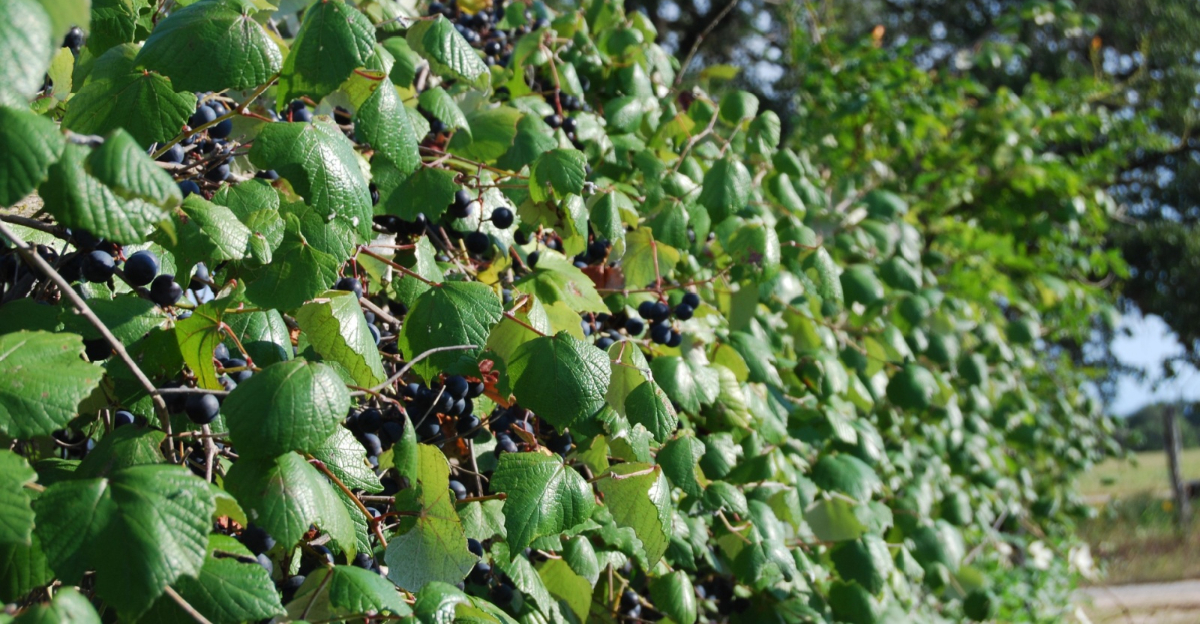
A bare fence baking under a Texas summer sun is one of those backyard situations that feels like a missed opportunity every single time you look at it.
The potential is right there, and the good news is that native vines are genuinely some of the most exciting, beautiful, and hardworking plants you can put to work on a plain fence line.
Crossvine, Coral Honeysuckle, Purple Passionflower, Trumpet Creeper: these are not your average, forgettable garden vines. They bring color, texture, wildlife habitat, and serious visual impact to spaces that were previously just a wall of hot wood or chain link.
A quick honest note though: planting in July takes extra care, thoughtful watering, and a little patience before you see dramatic coverage.
Every vine grows on its own timeline, especially when Texas summer heat is part of the equation.
1. Crossvine For A Fence Glow-Up
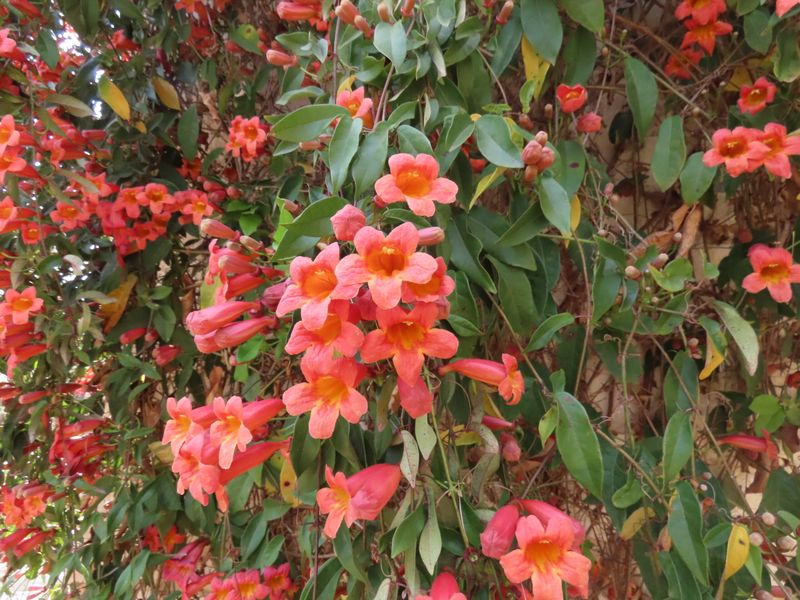
Orange and brick-red flowers climbing up a sun-baked fence in early spring is one of the most satisfying sights a gardener can wake up to.
Crossvine earns its reputation as a standout native vine because it produces clusters of trumpet-shaped blooms that hummingbirds absolutely love, and it does this before most other vines even wake up for the season.
Planting it in July means your vine will spend the hottest months putting energy into root development rather than flower production, which is actually a smart trade-off.
Crossvine is semi-evergreen in many parts of Texas, meaning it holds onto much of its foliage through mild winters and greens back up quickly in spring. It uses adhesive discs to grip wood, brick, wire, and chain-link fences without needing a lot of help from you.
On a sturdy fence or trellis, an established Crossvine can spread impressively wide over time.
When you plant in July, water deeply two to three times per week during the first month and keep a thick layer of mulch around the base to protect the roots from Texas heat. Avoid letting the soil dry out completely while the plant is still getting established.
Full sun to part shade works well, and the vine tends to bloom more heavily with more sunlight.
Give it a strong support structure and reasonable patience, and Crossvine can genuinely become one of the most rewarding plants on your fence line.
2. Coral Honeysuckle For Hummingbird Color
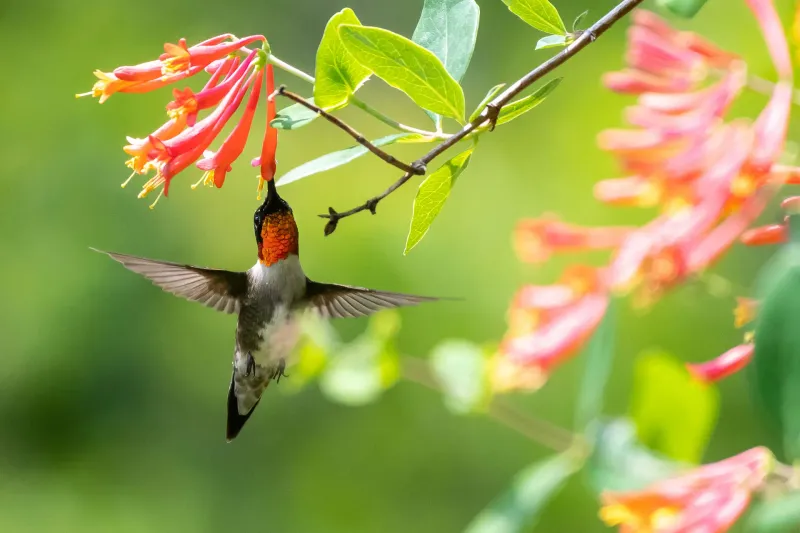
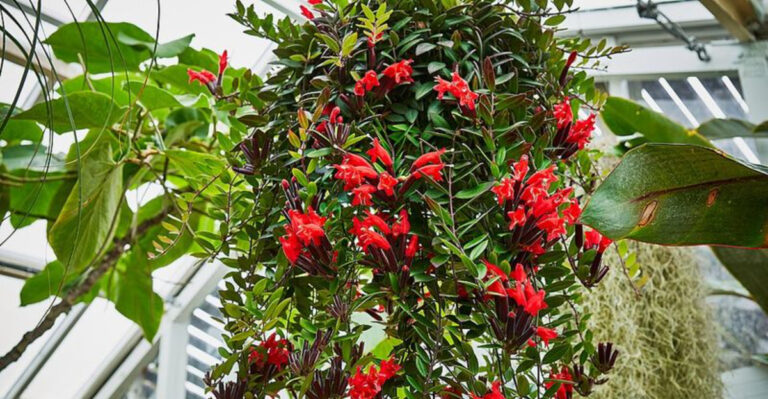
Watching a ruby-throated hummingbird hover inches from your patio screen while sipping from a Coral Honeysuckle bloom is the kind of moment that makes Texas gardening feel completely worth it.
Unlike its invasive cousin Japanese Honeysuckle, Coral Honeysuckle is a well-behaved native that brings color without taking over your entire yard.
The tubular red and coral flowers are practically custom-designed for hummingbirds, and butterflies visit them too.
Coral Honeysuckle grows well on wire fences, chain-link fences, wooden trellises, and arbors across many parts of Texas. It is semi-evergreen in warmer regions like the Gulf Coast and can drop its leaves in colder winters farther north.
Your Texas Garden Changes Every Week. Your Plan Should Too.
Gardening in Texas changes quickly throughout the season. Every Friday you’ll receive a simple weekly plan showing exactly what to plant, prune, fertilize, harvest, and protect so you never miss the right timing.
Planting in July gives it time to anchor roots before the cooler months arrive, but you will need to stay on top of watering since young vines planted in peak Texas summer heat need consistent moisture to avoid stress.
Mulch generously around the base and water deeply every few days during the establishment period. Coral Honeysuckle prefers full sun to partial shade, and more sun generally means more blooms.
It grows at a moderate pace, so do not expect full fence coverage by next summer as a certainty. Some plants establish quickly while others take a full growing season or two to really hit their stride.
The payoff of hummingbird visits and cheerful color makes it one of the most rewarding native vines you can add to a fence.
3. Carolina Jessamine For East Texas Greenery
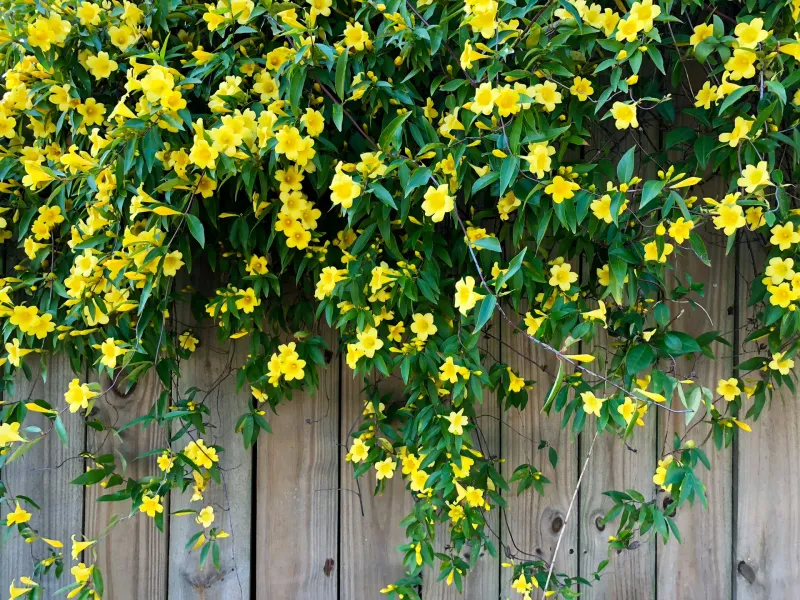
Few things signal the end of a long Texas winter quite like Carolina Jessamine bursting into bright yellow blooms along a fence or trellis in late winter and early spring.
This vine is best suited to East Texas and similar humid, woodland-edge environments where the soil holds a bit more moisture and the climate is a little less brutally dry than Central or West Texas.
Gardeners in other parts can certainly try it, but results vary more significantly outside its preferred range.
Carolina Jessamine is evergreen in mild winters, which makes it appealing for year-round fence coverage in areas where it thrives.
It twines naturally around wire fences, wooden supports, and chain-link, making it fairly easy to guide along a fence line without a lot of intervention.
The fragrant yellow flowers are a cheerful bonus, though it is worth knowing that all parts of the plant are toxic if eaten, so keep that in mind if you have pets or small children around.
July planting in East Texas requires careful attention to watering since the vine is getting established during a warm, often humid stretch of weather.
Deep watering every few days and a solid layer of mulch at the base will help protect the roots while they settle in.
Do not expect instant fence coverage from a July planting. Give it a full growing season to establish, and by the following spring you should start seeing real progress along your fence line.
4. Virginia Creeper For Fast Fence Cover
If speed is what you are after, Virginia Creeper is one of the fastest-growing native vines you can put on a Texas fence. It is not subtle about its ambitions.
Given decent moisture, some sun, and a surface to grip, Virginia Creeper will race along a fence line with impressive energy.
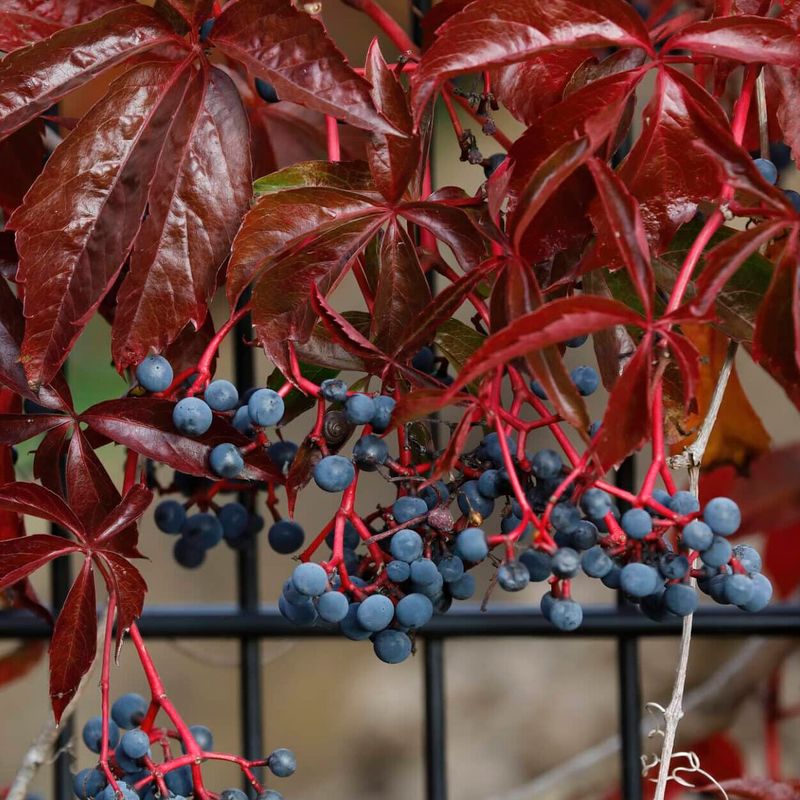
The large, five-leaflet leaves create a lush green wall in summer and then turn a stunning deep red in fall, giving your fence two totally different looks across the seasons.
Virginia Creeper attaches itself to surfaces using small adhesive pads at the tips of its tendrils, so it can grip wood, brick, stone, and chain-link without needing you to tie it up constantly.
It grows well in full sun to full shade, which makes it one of the more flexible native vines for Texas yards with mixed light conditions.
Birds love the small dark berries it produces in fall, adding another layer of wildlife value to your fence.
Planting in July means the vine will need extra attention during the hottest weeks. Water deeply and consistently, and use mulch to keep the soil from drying out too fast.
Virginia Creeper can grow aggressively once established, so keep an eye on it and prune it back from areas where you do not want it spreading.
On a long fence line where coverage is the main goal, this vine can make a real visual impact within one to two growing seasons, though full coverage depends heavily on your specific conditions.
5. Purple Passionflower For Wild Summer Blooms
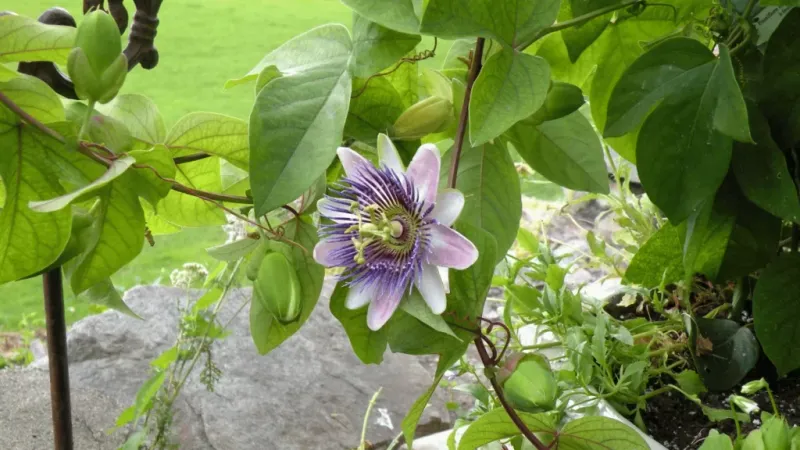
Passionflower tendrils grabbing onto a wire fence with that characteristic curling grip is one of the quirkiest and most charming sights in a Texas native garden.
Purple Passionflower produces some of the most exotic-looking blooms of any native vine in the state, with intricate lavender and purple flowers that look like they belong in a rainforest rather than a suburban Texas backyard.
The blooms appear throughout the warm season, which makes summer planting a reasonable window to catch some flowers before fall arrives.
Beyond the flowers, Purple Passionflower is the host plant for Gulf Fritillary and Zebra Longwing butterflies, meaning you are not just growing a vine but creating a habitat feature that supports the local butterfly population.
The vine grows vigorously during warm weather and can cover a wire fence section fairly quickly during peak summer growth.
However, it is largely deciduous and loses its top growth in winter across most of Texas, so it should be thought of as seasonal coverage rather than year-round privacy screening.
Water regularly during establishment and provide a fence, wire grid, or trellis for the tendrils to grab onto. Full sun encourages the most vigorous growth and the most blooms.
Purple Passionflower spreads by underground runners and can pop up in new spots around your yard over time, which is worth knowing before you plant it near tidy garden beds.
In the right spot with room to roam, it is a genuinely exciting and wildlife-friendly addition to any Texas fence.
6. Trumpet Creeper For Big, Bold Coverage
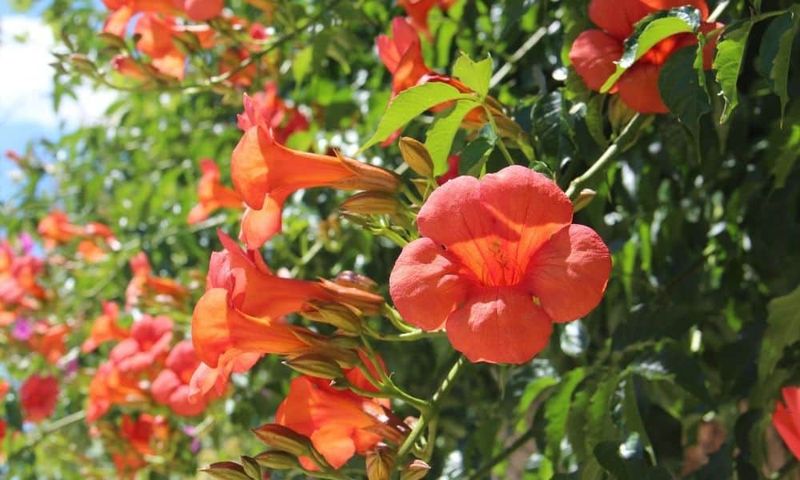
There is nothing shy about Trumpet Creeper.
This native vine goes big in every sense of the word, producing large, fiery orange-red trumpet flowers that hummingbirds flock to and a vine structure that can cover a substantial fence section, arbor, or large trellis with impressive density over time.
If you have a long stretch of fence and want serious coverage, Trumpet Creeper is worth considering seriously. Just know what you are signing up for before you plant it.
Trumpet Creeper is one of the more vigorous native vines in Texas, and it needs room, a strong support structure, and regular pruning to keep it from spreading beyond its intended space.
It can send up suckers from its roots and may spread into areas you did not plan for if left unchecked.
On a sturdy chain-link fence, a large arbor, or a rural fence line where it has space to grow freely, it can be genuinely spectacular.
Plant it in full sun for the best bloom production and fastest growth. During July planting, water consistently and mulch the base well to protect the roots from heat stress.
Trumpet Creeper is drought-tolerant once it is established, which makes it well-suited to the dry summers many parts of Texas experience. Expect the first season to focus mostly on root development, with more aggressive top growth following in the second year.
Prune it back each late winter to keep it manageable and encourage fresh, vigorous growth along your fence line the following season.
7. American Wisteria For Spring Drama
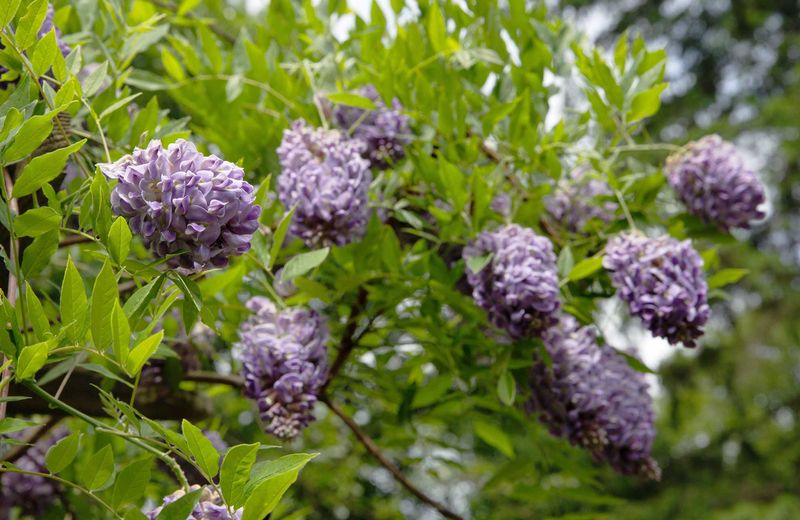
Spring in Texas hits differently when American Wisteria is in full bloom on a fence or arbor, with cascading clusters of purple flowers creating a scene that stops people in their tracks.
Unlike the invasive Asian wisterias that have caused problems in many landscapes, American Wisteria is a native species that can be used more responsibly in Texas gardens with the right setup and regular attention.
It is still a vigorous vine, but it is generally considered more manageable than its non-native relatives.
American Wisteria blooms in spring, typically putting on its best show in late March through May depending on your Texas location and the weather that year.
Planting in July means you are establishing the vine during a completely different season than its bloom time, which is fine.
The vine will spend the warm months building roots and putting out leafy growth, and if all goes well, you may see your first blooms the following spring. Bloom timing and quantity in the first year or two can be modest, so patience matters here.
Provide a very sturdy support structure because a mature American Wisteria can become quite heavy over time. Full sun brings the best bloom production, and deep, infrequent watering helps establish a strong root system during the Texas summer.
Mulch around the base to reduce moisture loss. Prune after blooming each spring to keep the vine shaped and to encourage it to focus its energy on the areas of the fence you actually want covered.
8. Mustang Grape For A Rustic Wall Of Green
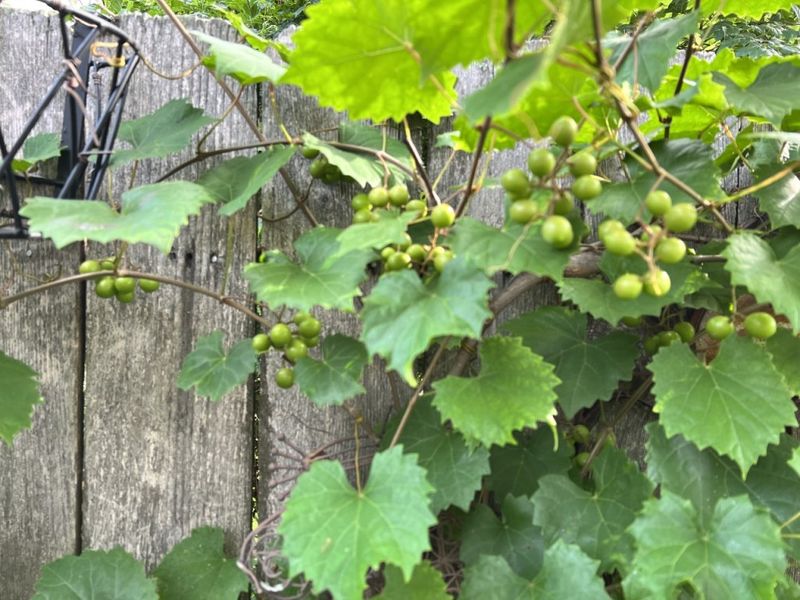
A rambling Mustang Grape vine rolling across a long rustic fence line has a certain wild Texas character that no imported ornamental can quite replicate.
Mustang Grape is a tough, deeply native Texas vine that has been growing across the state for centuries, thriving in rocky soils, clay, sandy ground, and everything in between.
If you have a large fence line on a rural property or a big backyard border where you want serious green mass without a lot of fuss, this is a vine worth knowing about.
The large, lobed leaves create dense shade and a thick visual screen during the growing season, and the small dark grapes that follow attract birds and other wildlife.
Mustang Grape is deciduous, so it will drop its leaves in winter and leave the fence more exposed during the cooler months.
That is an important consideration if year-round privacy is your main goal, since the coverage will be seasonal rather than permanent in the truest sense.
This vine is not ideal for small, tidy garden spaces because it grows large and needs room to spread without crowding out other plants. Plant it in full sun for the best growth and fruit production.
Water consistently during July establishment and mulch heavily around the base. Once Mustang Grape gets its roots settled into Texas soil, it tends to take off with minimal extra care.
Prune it back in late winter to keep the growth directed where you want it along your fence.