The Texas Yard Features That Bring Roaches Closer To Your House Every Night
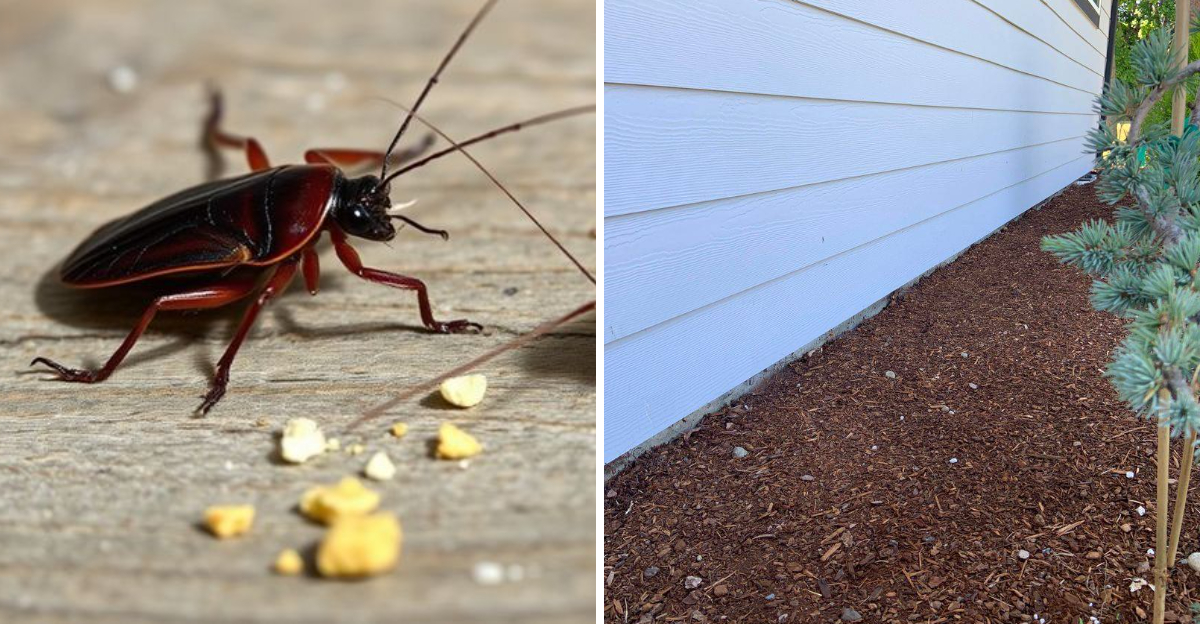
Roaches showing up inside a Texas home is one of the most unwelcome discoveries a homeowner can make. Most people respond by treating the inside of the house, and while that’s necessary, it misses a critical part of the problem.
Because before roaches ever get inside, they’ve already been spending time in your yard. And certain yard features are making that journey from outside to inside significantly easier and more likely.
Your yard might be inviting them closer every single night without you realizing it. Roaches are opportunistic and persistent, and they follow reliable signals toward food, moisture, and shelter.
Several common yard features create exactly those conditions right up against your home’s foundation, essentially bridging the gap between the outdoor roach population and your interior living spaces.
Understanding which yard features are working against you is the first step toward actually solving the problem at its source.
Here’s what’s drawing roaches toward your Texas home every night and what to do about it.
1. Thick Mulch Piled Against The Foundation
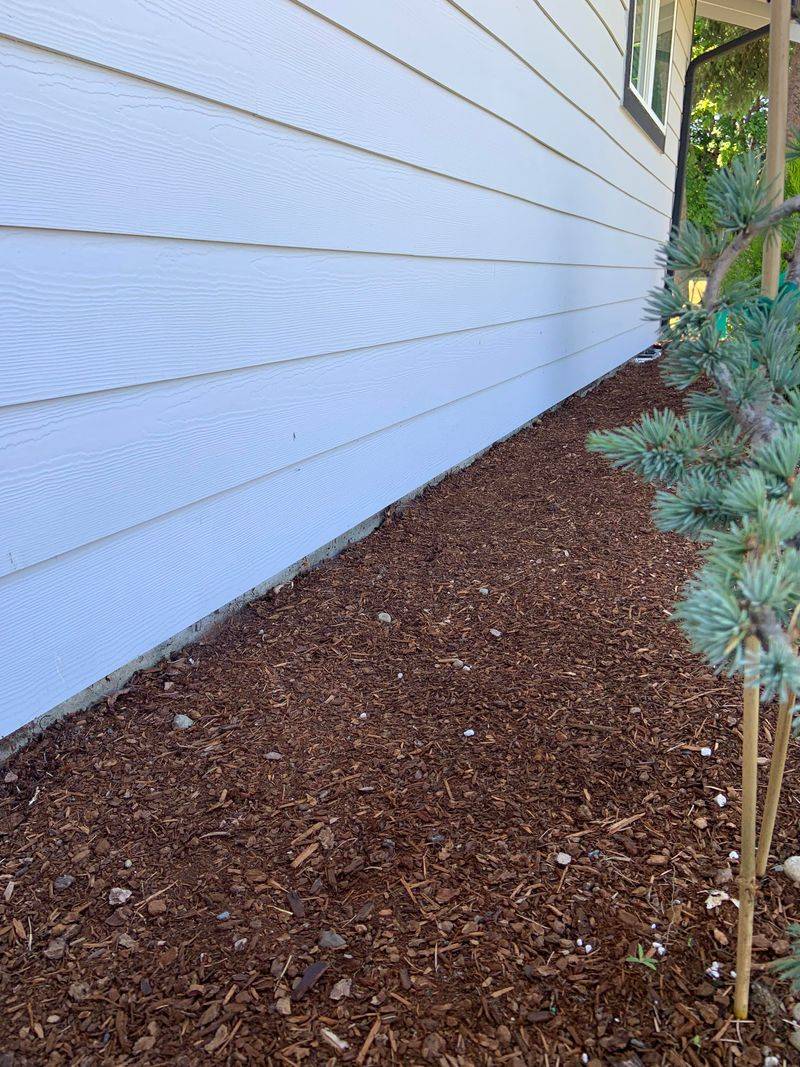
Most people add mulch to their garden beds to keep plants healthy, hold in moisture, and make the yard look neat. That is great for your plants, but when mulch gets piled thick and tight against your home’s foundation, it becomes a roach paradise.
Roaches love cool, dark, damp spaces, and a deep layer of mulch pressed right up against your house gives them all three.
In Texas, summer heat pushes roaches underground and into shaded areas during the day. Mulch that sits directly against brick, siding, or a concrete foundation traps moisture and stays cooler than the surrounding soil.
Roaches will burrow into that mulch, rest there through the heat of the day, and then creep toward your home once the sun goes down. It is a short trip from the mulch to a gap around a pipe or door frame.
Keeping mulch at least four to six inches away from your foundation can seriously reduce roach activity near your home. Avoid piling it against siding, vents, door thresholds, or window frames.
A thinner layer, around two to three inches deep, still benefits your plants without creating a roach hideout. Gravel or rubber mulch near the foundation is another option since these materials dry out faster and hold less organic matter.
Check your mulch regularly for signs of moisture buildup or clumping. If it smells musty or feels soggy after rain, rake it out and let it dry.
Keeping that zone dry and open makes your foundation far less appealing to roaches looking for a nighttime shelter close to your walls.
2. Leaky Hoses, Faucets, And Irrigation Lines

Water is the number one thing roaches cannot live without. They can go weeks without food, but they need moisture almost daily to survive.
That is why a slow drip from an outdoor faucet or a soggy patch of soil from a leaking irrigation line can turn your yard into a nightly roach gathering spot faster than almost anything else.
Your Texas Garden Changes Every Week. Your Plan Should Too.
Gardening in Texas changes quickly throughout the season. Every Friday you’ll receive a simple weekly plan showing exactly what to plant, prune, fertilize, harvest, and protect so you never miss the right timing.
Texas yards often run irrigation systems to keep grass and gardens alive through the brutal summer heat. When those lines develop small cracks or the emitters get clogged and overflow, water pools in the soil nearby.
Roaches detect that moisture from a surprising distance and move toward it instinctively. If that wet spot happens to be near your back door, a window well, or a foundation vent, roaches will not hesitate to explore what is on the other side.
Fixing leaks is one of the easiest and most effective steps you can take. Walk your yard after each irrigation cycle and look for soggy patches, puddles, or mud forming in unexpected places.
Check hose connections at spigots and replace worn washers. Empty plant saucers after watering so standing water does not linger near the house.
Also pay attention to areas where water drains off your roof or patio. Downspouts that dump water right next to the foundation create a consistently wet zone that roaches find irresistible.
Extend downspouts away from the house and use splash guards to direct water into the yard. Keeping the perimeter of your home as dry as possible is one of the smartest roach-prevention habits you can build.
3. Overgrown Shrubs Touching The House
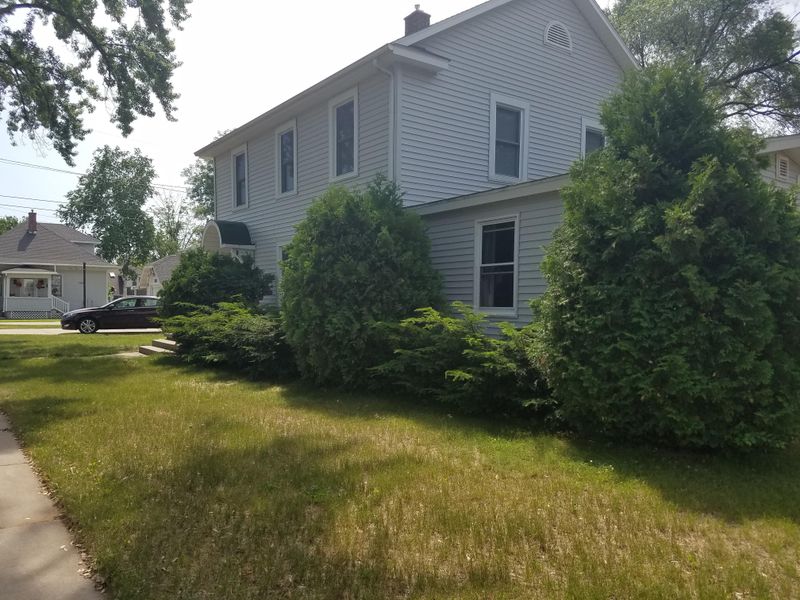
Picture a roach making its way toward your house at night. It wants cover, it wants shade, and it wants a path that keeps it hidden from predators.
Overgrown shrubs touching your exterior walls give it exactly that. Dense bushes pressed against your home create a shaded, humid microclimate that roaches find extremely comfortable, especially during Texas summers when open ground gets dangerously hot.
Shrubs that grow up against siding, brick, or stucco trap humidity against the wall surface. That moisture softens wood, promotes mold, and creates the kind of damp environment roaches actively seek out.
Beyond the moisture problem, the branches and leaves create a physical bridge from the yard to your windows, door frames, and wall gaps.
Roaches are excellent climbers, and a shrub touching your house is essentially a highway leading straight to potential entry points.
Trimming shrubs back so there is at least a foot of open space between the plant and your home makes a noticeable difference. Air circulation is the goal.
When air can move freely between your landscaping and your exterior walls, moisture evaporates faster and roaches have fewer reasons to hang around that zone.
While you are at it, check for debris that collects under dense shrubs. Dry leaves, fallen fruit, and rotting plant matter pile up in those shaded spots and add a food source on top of the shelter.
Clear out that organic buildup regularly. Keeping your landscaping tidy and pulled back from the house is one of the most overlooked but highly effective ways to reduce roach pressure around your home every single night.
4. Pet Food Or Birdseed Left Outside
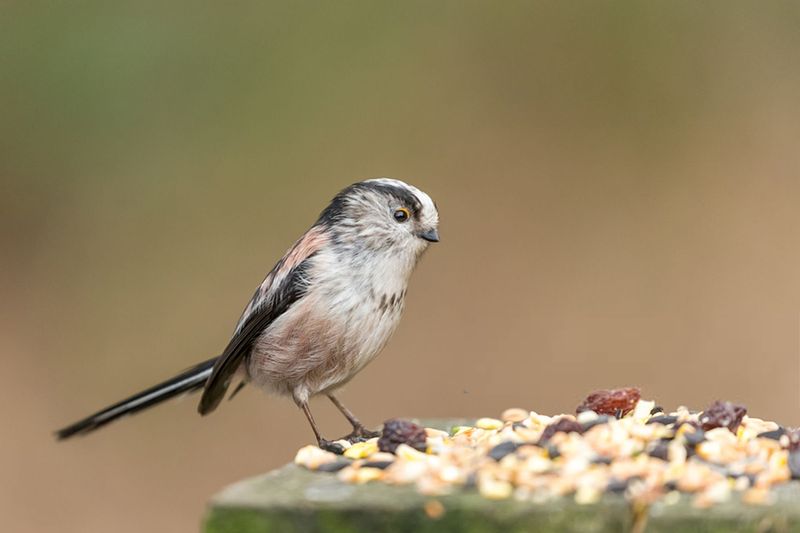
Roaches are not picky eaters. They will consume almost anything organic, and pet food left outside overnight is like putting out a buffet with a neon sign.
A half-eaten bowl of dry dog food sitting on the back porch can attract roaches from several yards away. The same goes for birdseed scattered on the ground or left in a feeder with an open tray below it.
In Texas, outdoor pets are common, and many families keep food and water bowls on patios or near back doors year-round. During the day, this is usually fine since heat and sunlight keep roach activity low.
But once the temperature drops at night, roaches become highly active and start foraging. Any food source sitting outside after dark becomes a target, and once roaches find that food near your door, they start looking for ways inside.
The simplest fix is to bring pet bowls in at night. If your pet eats outside, pick up any uneaten food before sunset and rinse the bowl so residue does not linger.
For birdseed, use feeders with catch trays that close or that you can remove in the evening. Sweep up any seed that falls to the ground, because even a thin layer of scattered seed is enough to keep roaches coming back.
Store all pet food and birdseed in sealed, hard-sided containers rather than open bags. Roaches can chew through thin plastic bags with ease.
A lidded metal or thick plastic bin keeps food secure and eliminates the smell that draws roaches in. Small habits like these go a long way toward breaking the nightly cycle of roaches visiting your yard.
5. Wood Piles, Leaf Litter, And Yard Debris
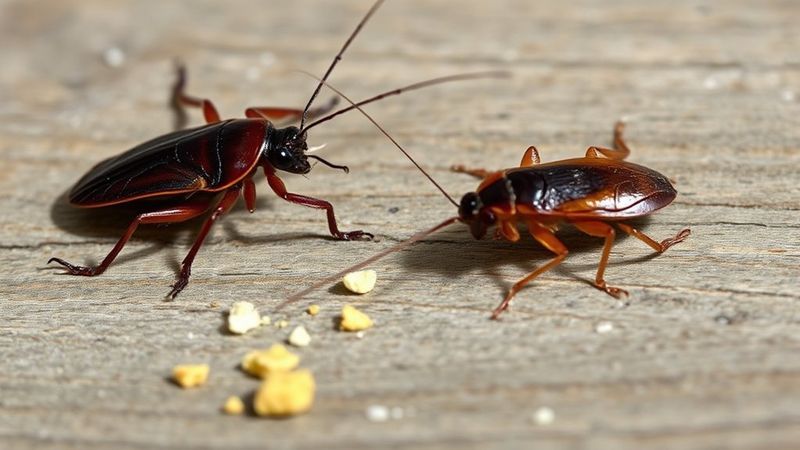
Walk around almost any Texas yard in the fall or winter and you will likely spot a stack of firewood near the back door, a pile of raked leaves waiting to be bagged, or a collection of old cardboard boxes sitting against the fence.
Each one of these things is a potential roach condo. Roaches need shelter from heat, cold, and predators, and cluttered yards give them plenty of options.
Stacked firewood is one of the worst offenders. Wood piles hold moisture, harbor beetles and other insects that roaches feed on, and create deep, dark crevices where roaches can nest safely.
When that wood pile sits within a few feet of your home, it acts as a staging area. Roaches move in, get comfortable, and then start exploring the walls and foundation nearby when night falls.
Leaf litter is another major contributor. Fallen leaves break down into a damp, spongy layer that roaches love to live under.
If leaves collect along your fence line, under shrubs, or against your patio edge, they create a roach-friendly habitat right next to your home. The same applies to old cardboard, rotting wood scraps, and forgotten garden equipment.
Move firewood at least 20 feet from the house and store it elevated off the ground on a rack. Bag and remove leaf litter regularly rather than letting it accumulate.
Clear out any debris that has built up along fences, under decks, or around garden beds. A clean, open yard gives roaches fewer places to settle in, which means fewer roaches making the short journey toward your walls and doors each night.
6. Trash Cans Sitting Too Close To Doors
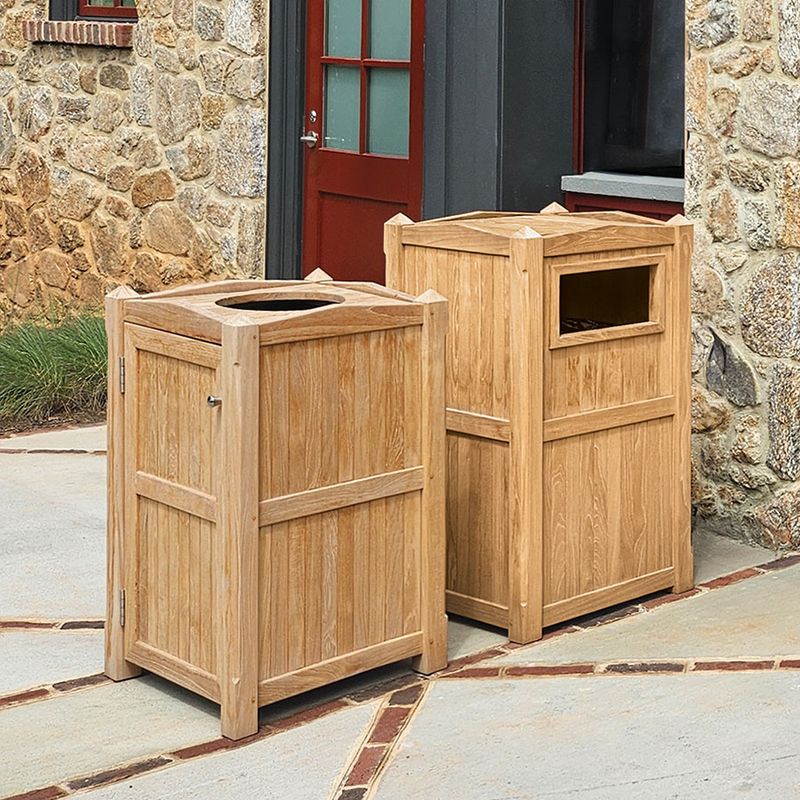
Garbage cans are one of the most reliable roach attractants in any yard, and their placement matters more than most homeowners realize.
When trash bins sit right next to your back door, garage entrance, or side gate, the smells coming from inside those cans create a direct trail that leads roaches straight to your entry points.
Every time the lid gets lifted or left slightly ajar, those odors carry into the night air and roaches follow them.
In Texas heat, food waste inside trash cans breaks down quickly and produces strong odors. Even a thin film of grease or juice residue on the inside of a bin is enough to bring roaches in close.
Recycling bins with uncleaned bottles and cans are just as bad. Roaches are drawn to the sugar residue inside soda bottles, juice cartons, and food containers that get tossed in without rinsing.
The fix starts with keeping lids tightly sealed at all times. If your bin lid does not close securely, consider replacing it or using a bungee cord to hold it shut.
Rinse your bins out periodically with a hose and a little dish soap to remove buildup and reduce odor. Doing this once or twice a month makes a real difference in how attractive your trash area is to roaches.
Relocating your bins away from entry doors is another easy win. Even moving them ten feet farther from the house can reduce the chance of roaches clustering near your doorway.
If possible, store bins in a closed shed or garage. Keeping that smelly, roach-drawing zone away from the places you enter and exit your home is one of the smartest moves you can make for long-term roach control.