How Oklahoma Homeowners Should Handle Storm-Damaged Trees Before Fall Storms Arrive
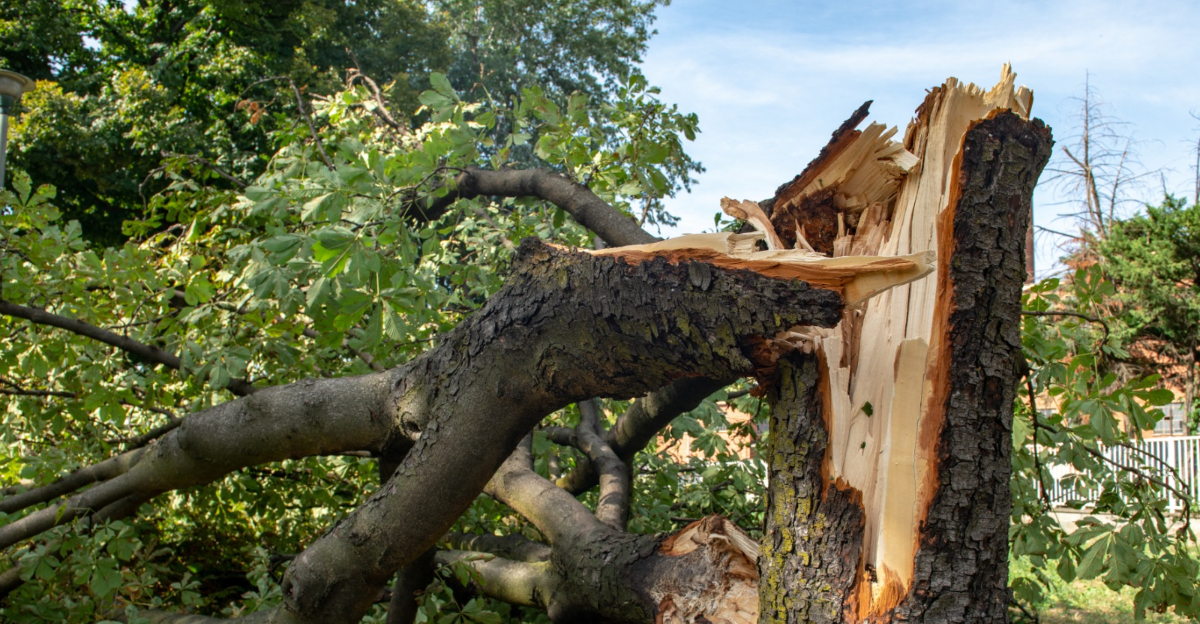
Oklahoma doesn’t do gentle weather warnings. One minute the sky is calm. The next it’s throwing sideways rain and gusts strong enough to snap a limb clean off. That’s the problem with trees.
They look sturdy until they’re not. By the time you notice the crack running up a branch, it’s usually too late to do anything but watch.
A single weak limb, hanging over your driveway or roofline, can turn an ordinary storm into an expensive mess. Cars get dented.
Shingles get torn loose. Sometimes worse happens too. The smart move isn’t waiting for the wind to make the decision for you. It’s walking your yard now, before storm season hits full stride.
That’s when you can spot the branches that won’t hold up during the next big blow. Oklahoma homeowners who get ahead of this save themselves more than money. They save themselves the 2 a.m. phone call nobody wants to make.
1. Inspect Trees For Cracked Or Hanging Limbs
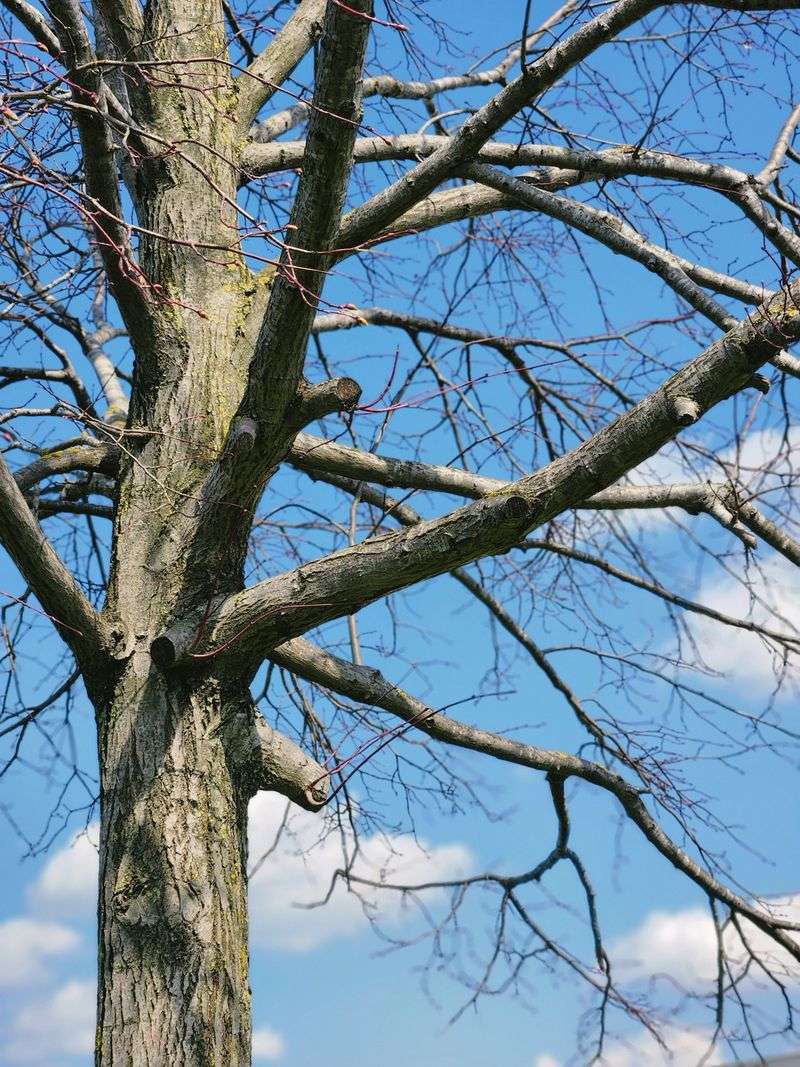
That branch above your roof is not just an eyesore. Cracked or hanging limbs are a priority safety concern before fall storm season arrives.
Walk your entire yard slowly and look up. Scan every major tree from trunk to tip for visible breaks, splits, or limbs hanging at odd angles.
Hanging branches, often called widow-makers, can drop without any wind at all. Gravity alone can bring them down on your car, fence, or roof.
Pay close attention after any recent storm. Wind and rain weaken connection points in ways that are not always obvious from the ground.
Bring binoculars if your trees are tall. Getting a closer look at upper canopy limbs can reveal cracks that are invisible to the naked eye from below.
Take your time and check every side of each tree. Some damage hides on the back or interior of a canopy where sunlight rarely reaches.
Cracked limbs often show discoloration, exposed wood, or bark that peels away at the break point. These are clear red flags that action is needed fast.
If you spot something suspicious but cannot tell how serious it is, take a photo and send it to a local tree professional.
Catching this early is how Oklahoma homeowners avoid storm-damaged trees turning into costly repair situations.
2. Clear Away Weak Branches Before Storms Arrive
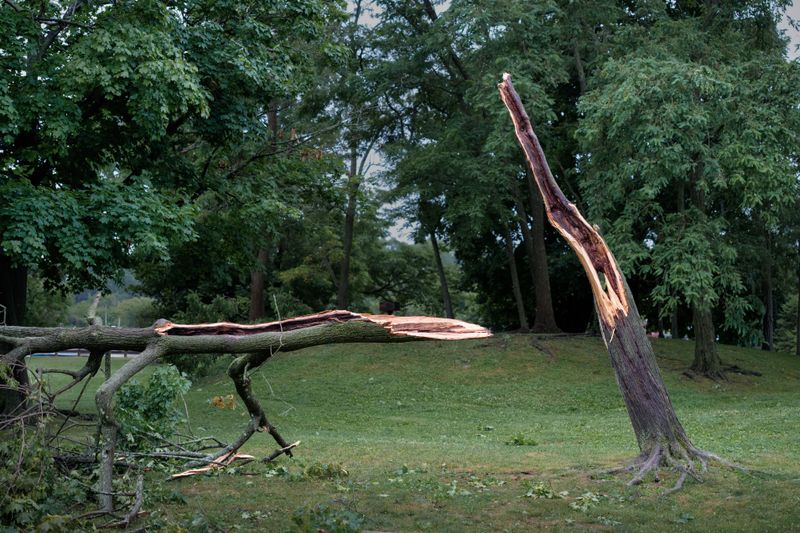
Weak branches are like loose teeth. They are going to come out eventually, and it is better to choose when that happens on your terms.
Proactive pruning is one of the most effective ways to protect your property before fall storms arrive. Removing compromised growth now reduces the risk of uncontrolled breakage during high winds.
Focus first on branches that are already partially split or show signs of decay. These are the ones most likely to fail under the added stress of rain and wind.
Use the right tools for the job. Hand pruners work well for small growth under an inch thick, while a pruning saw handles larger sections safely and cleanly.
Your Oklahoma Garden Changes Every Week. Your Plan Should Too.
Gardening in Oklahoma changes quickly throughout the season. Every Friday you’ll receive a simple weekly plan showing exactly what to plant, prune, fertilize, harvest, and protect so you never miss the right timing.
Always cut at the branch collar, which is the slightly raised ring where the limb meets the trunk. Cutting there helps the tree seal the wound faster and resist infection.
Avoid leaving stubs behind after a cut. Stubs invite pests and slow the natural healing process that keeps your tree structurally sound over time.
If a branch is too large or too high to reach safely from the ground, stop and call a professional. Working at height with a saw is a recipe for injury without the right training and gear.
Clearing weak branches now is one of the simplest steps Oklahoma homeowners can take to prevent storm-damaged trees from causing major property destruction this fall season.
3. Trim Thin Growth Near Rooflines And Power Lines
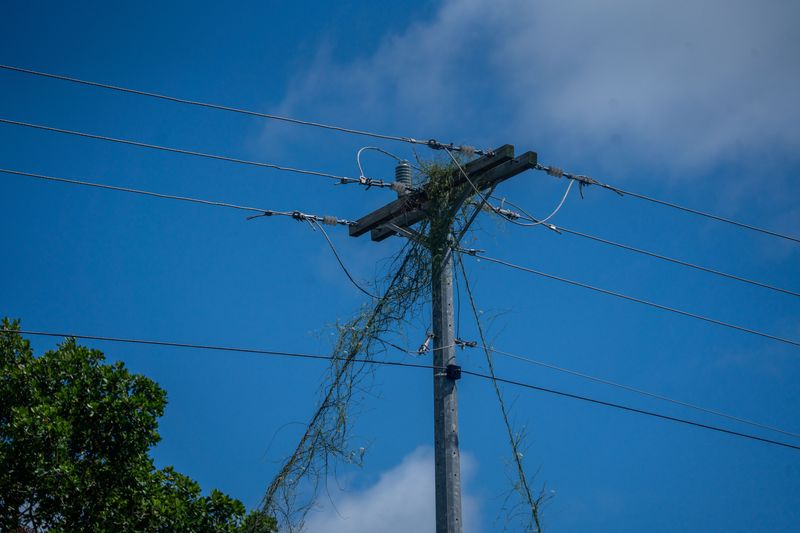
Thin branches near your roofline look harmless right now. But during a fall storm, those same branches can scrape shingles, clog gutters, and snap clean through a window screen.
Any branch within six feet of your roof deserves a hard look before storm season picks up. Growth that touches or hangs over your home creates a direct path for moisture and pests to enter.
Branches near power lines are a completely different level of concern. Oklahoma homeowners should never attempt to trim anything within ten feet of an active electrical line without professional help.
Contact your local utility company first if you notice encroaching growth near wires. Some providers offer free trimming services when their infrastructure is at risk from nearby vegetation.
For roofline trimming you can safely handle yourself, use a pole pruner to keep your feet on the ground. Extended reach tools let you cut accurately without climbing a ladder near an unstable tree.
Aim to create at least three feet of clearance (or more, depending on tree species and growth rate) between your roofline and the nearest branch. That buffer gives wind somewhere to go without forcing limbs directly into your home’s structure.
Thin growth also includes suckers and water sprouts, which are fast-growing vertical shoots that are structurally weak by nature. Removing them now prevents them from becoming airborne debris during a storm.
Protecting your home from storm-damaged trees starts with the branches closest to where you live and sleep every single night.
4. Check Trunks For Splits Or Exposed Wood
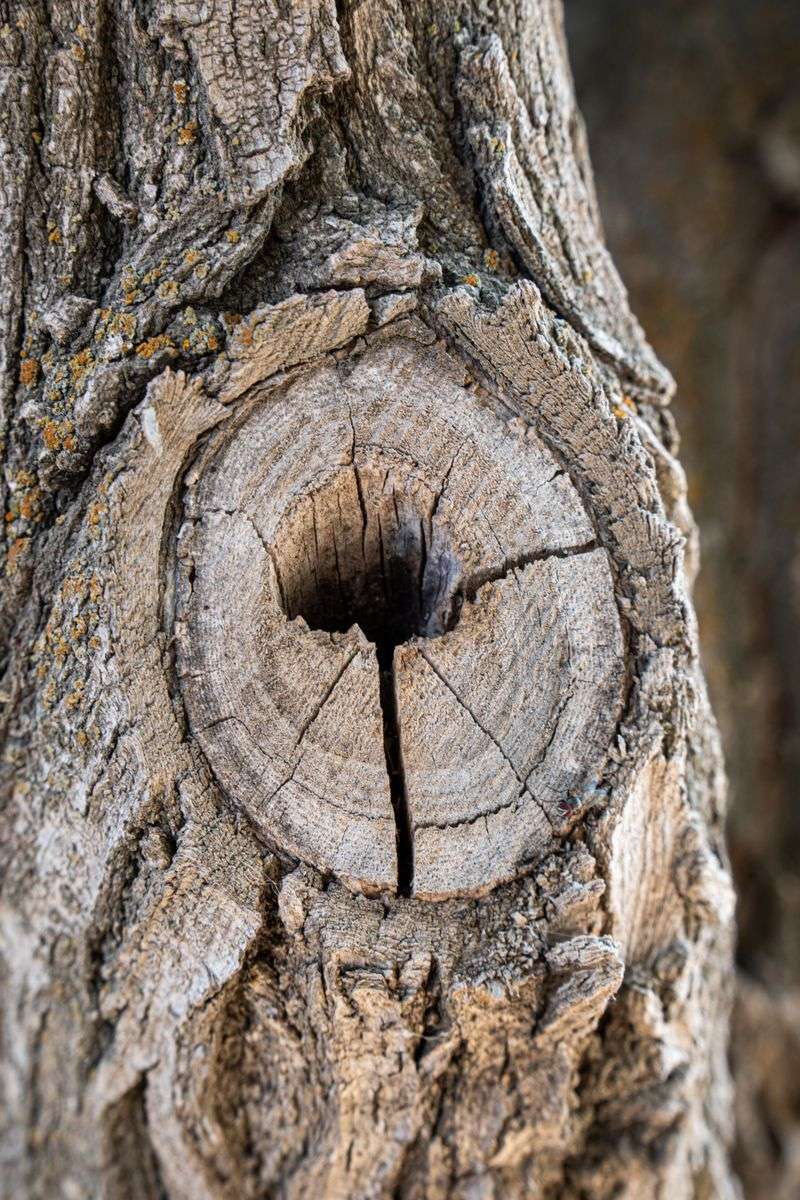
The trunk is the backbone of every tree on your property. When that backbone cracks, the entire structure becomes unpredictable in high winds.
Walk up close to each tree and examine the bark carefully from the base up to where the first major branches begin. Look for vertical cracks, deep furrows, or areas where bark has fallen away entirely.
Exposed wood is a serious warning sign. It means the tree has already lost its protective outer layer and is now vulnerable to moisture, fungal infection, and insect infestation.
Splits that run vertically along the trunk are especially concerning before fall storms roll in. These cracks can widen rapidly under the pressure of strong gusts or heavy rain saturation.
Press gently on any area that looks soft or spongy. Healthy wood feels firm and solid, while decay produces a hollow sound when you knock on it lightly with your knuckle.
Cankers, which are sunken, discolored patches on the bark, are another trunk warning sign worth noting. They indicate fungal activity that weakens structural integrity from the inside out over time.
A tree with multiple trunk issues is not always a lost cause, but it does need professional evaluation before another storm season hits your area. Waiting makes the situation worse, not better.
Oklahoma homeowners who catch trunk damage early have more options available to them, including bracing, treatment, or strategic removal before storm-damaged trees become a serious and expensive problem.
5. Clear Debris Piled Around Damaged Tree Bases
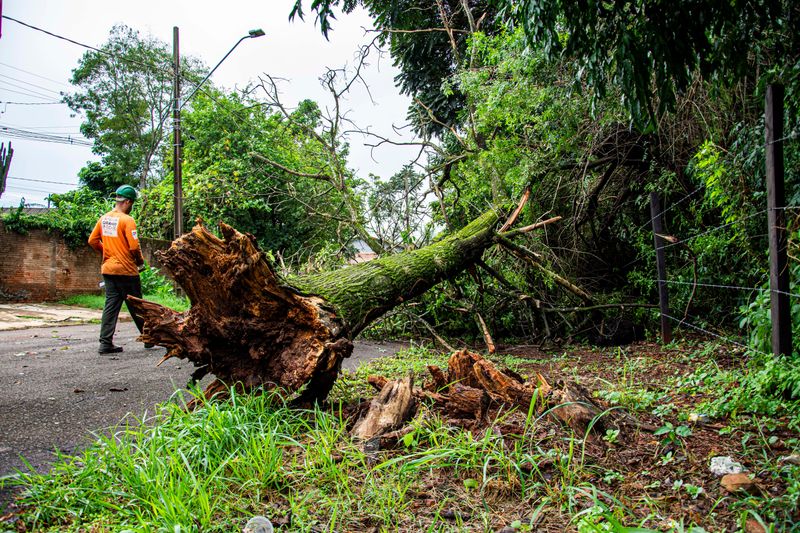
Piles of leaves, sticks, and old mulch sitting at the base of your trees might look natural. But that buildup is quietly working against the health of every tree it touches.
Debris packed tightly around a tree base traps moisture against the bark. Constant moisture contact invites rot, fungal growth, and the kind of slow structural decay that weakens trees from the bottom up.
Grab a rake and pull all organic material back at least twelve inches from the trunk. That simple act improves airflow and reduces the conditions that allow harmful organisms to thrive.
Also check for old storm debris that may have been pushed against the tree during previous weather events. Broken limb sections, shredded bark, and compressed leaf matter all contribute to a damp, damaging microenvironment.
While clearing, look at the root flare, which is the area where the trunk widens just above the soil line. The root flare should always be visible and never buried under mulch or debris.
If the root flare is buried, carefully remove material until it is exposed again. A buried flare can lead to girdling roots, which strangle the tree from below ground over several years.
Clearing debris is a low-cost, high-impact step that most homeowners overlook completely. It takes less than an hour per tree and meaningfully extends the lifespan of even heavily stressed specimens.
Healthy tree bases are the foundation for resilience against storm-damaged trees and unpredictable Oklahoma fall weather that arrives faster than anyone expects.
6. Schedule A Certified Arborist For Full Assessment
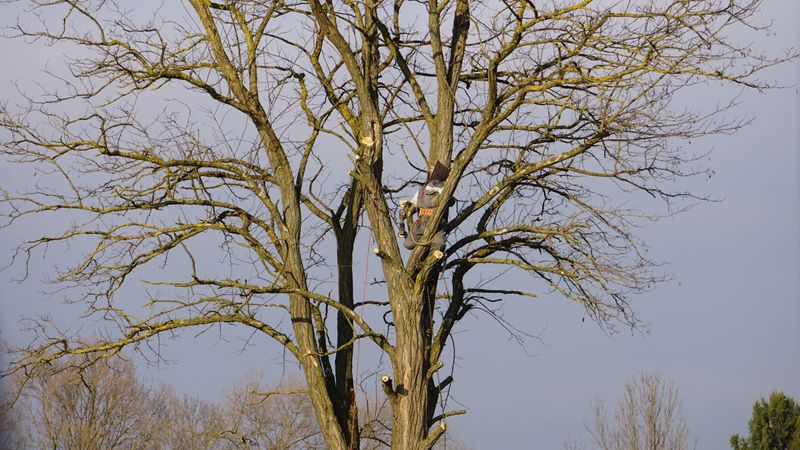
Some tree problems are simply beyond what a homeowner can diagnose alone. That is where a certified arborist becomes one of the most valuable professionals you can call this season.
An arborist is not just a tree trimmer with a better truck. These professionals are trained to identify structural weaknesses, disease patterns, and root problems that are invisible to untrained eyes.
The International Society of Arboriculture, or ISA, certifies arborists who meet rigorous standards of knowledge and field experience. Always ask to see credentials before hiring anyone to assess your trees.
During a full assessment, the arborist will inspect every major tree on your property from root zone to canopy. They will identify which trees are healthy, which need treatment, and which pose an immediate risk.
A written report from a certified professional is also incredibly useful if you ever need to file an insurance claim. Documentation from an expert carries far more weight than a homeowner’s own account.
Scheduling an assessment before fall storms arrive gives you time to act on recommendations without rushing.
Emergency tree work after a storm typically costs more, in most cases, than planned preventive care done in advance.
Ask your arborist specifically about any trees that lean toward your home, garage, or fence line. Lean combined with root damage is one of the highest-risk combinations a tree can present.
Oklahoma homeowners who invest in a professional assessment are far better prepared to protect their property from storm-damaged trees throughout the entire fall season ahead.
7. Cable Or Brace Limbs Showing Early Separation
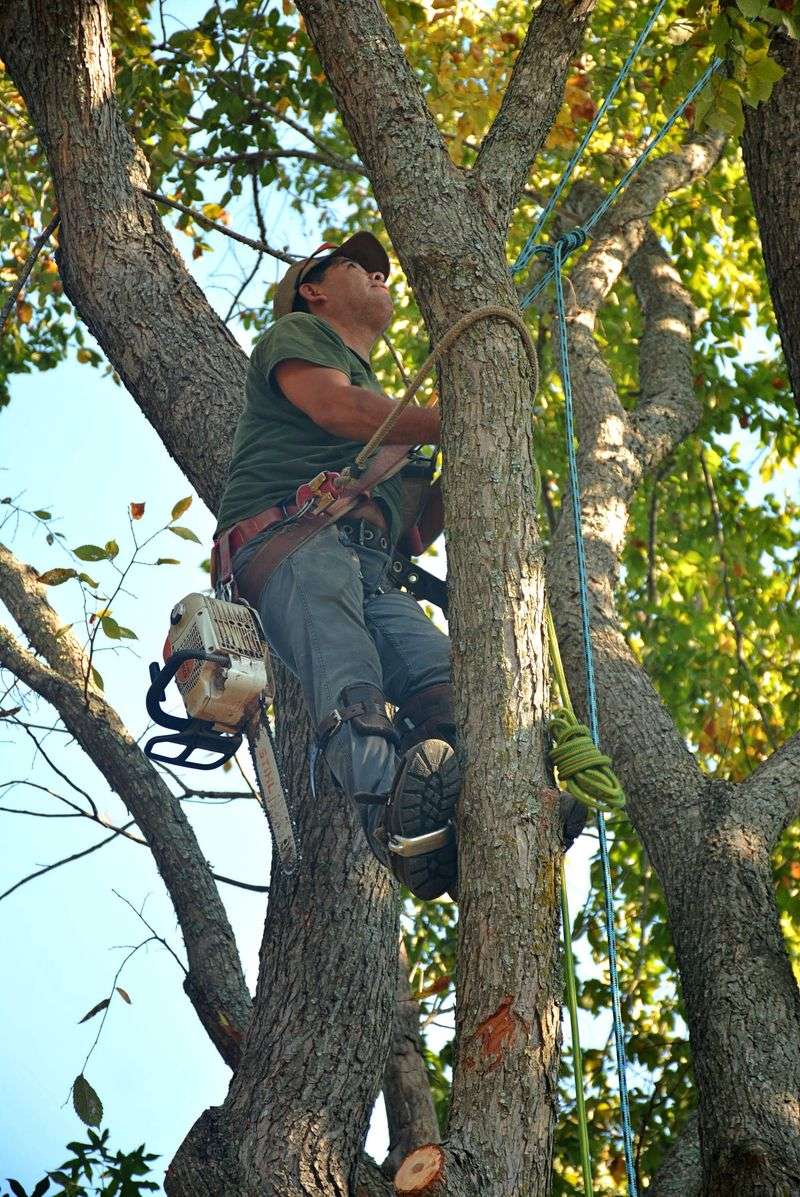
Not every struggling tree needs to come down. Sometimes a well-placed cable is all that stands between a healthy canopy and a catastrophic split during a fall storm.
Cabling and bracing are professional techniques used to support limbs or trunks that show early signs of separation. These methods reduce movement and stress on compromised connection points during high winds.
Co-dominant stems, which are two trunks growing from the same base, are among the most common candidates for cabling. When they lack a strong union, they tend to split apart under heavy load.
Steel cables are typically installed in the upper canopy to limit how far apart two stems can move. Braces, made of threaded steel rods, are placed lower in the trunk to hold splits together mechanically.
This is not a do-it-yourself project. Improper installation can shift stress to new weak points and create a more dangerous situation than the one you started with.
A certified arborist will assess whether cabling is appropriate based on the tree’s overall health, species, and the severity of the separation already underway. Not every tree is a good candidate.
When done correctly, cabling can extend the safe life of a beloved shade tree by many years. Homeowners often choose this option for mature trees with deep sentimental or property value.
Acting early on separation signs is how you keep storm-damaged trees from becoming a serious safety issue.
Oklahoma fall winds start pushing hard against every limb in your yard, and small issues don’t stay small for long.
8. Document Damage Now For Insurance Purposes
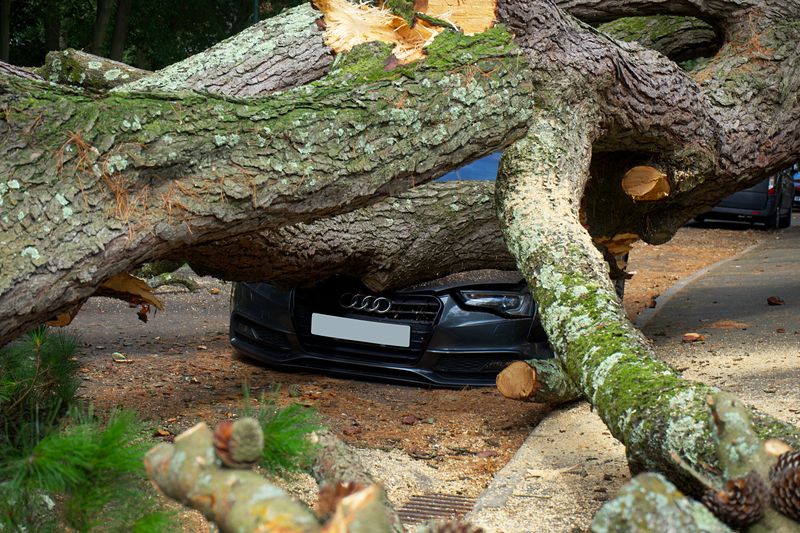
Your phone camera is one of the most powerful insurance tools you own right now. Most homeowners do not realize that documenting tree damage before a storm can make or break a future claim.
Walk your property today and photograph every tree showing visible damage, from hanging limbs to trunk cracks to root upheaval. Date-stamped photos create a clear before-and-after record that insurers take seriously.
Write down notes alongside your photos describing what you see and where each tree is located on your property. Simple details like compass direction and distance from your home add credibility to your documentation.
Contact your homeowner’s insurance provider and ask specifically what your policy covers regarding tree damage and removal. Policies vary widely, and many homeowners are surprised to learn what is and is not included.
Some policies cover removal only when a fallen tree damages a covered structure. Others include a separate allowance for debris removal even when no structure is involved in the incident.
Keep your documentation organized in a folder, either physical or digital, that also includes your policy number and agent contact information. Having everything in one place speeds up the claims process significantly.
If you have had any professional assessments done, include those reports in your file as well. An arborist’s written findings carry significant weight when an adjuster is evaluating your claim after a storm event.
Oklahoma homeowners who document storm-damaged trees thoroughly before fall storms arrive put themselves in a much stronger position when it is time to recover and rebuild.