The Tomato Mulch Mistake That Lets Disease Splash Onto Michigan Plants After Summer Storms
Mulch around tomatoes is one of those practices that feels unambiguously beneficial, and done correctly it absolutely is.
Done incorrectly in one specific and common way, it becomes the primary mechanism by which soilborne diseases reach the lower leaves and stems of Michigan tomato plants after every summer storm moves through.
The mistake is not about mulch type or depth in general terms. It is about one particular application habit that creates a pathway for disease-carrying soil particles to travel upward onto plant tissue during the impact and splash of heavy rain.
Michigan’s summer storm pattern, with intense short bursts rather than gentle steady rain, makes this pathway significantly more active than it would be in a climate with slower, softer precipitation events through the growing season.
1. Leaving Bare Soil Under Tomato Plants
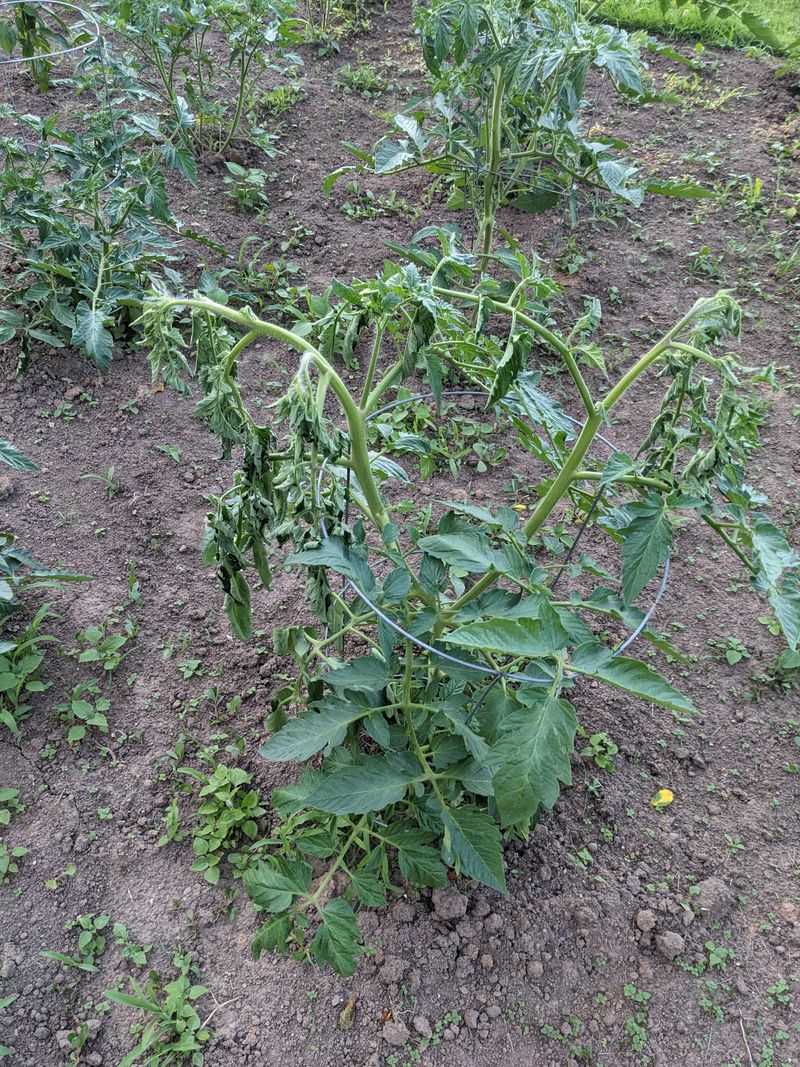
Picture this: a heavy summer storm rolls through Michigan, and rain hammers the ground around your tomato plants. Without any mulch in place, every raindrop hits the bare soil and sends tiny particles of dirt, bacteria, and old plant debris flying upward.
Those splashed droplets land directly on your lower tomato leaves, and that is exactly how many common leaf diseases get their start.
Soil naturally contains all kinds of organisms, some helpful and some harmful to plants. When rain carries those organisms up onto tomato foliage, warm humid air does the rest of the work.
Conditions like that allow fungal spores to settle in and spread quickly across the plant. Once leaf spots appear, they can move upward through the entire plant if nothing is done.
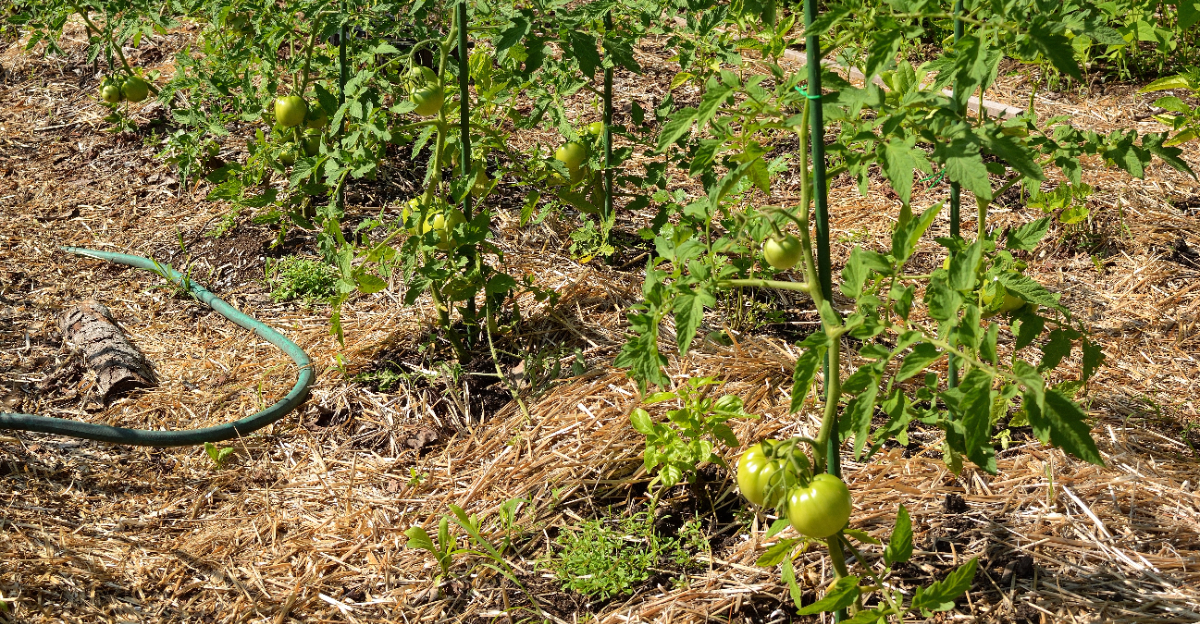
The good news is that covering the soil is one of the simplest and most effective things you can do. A solid layer of mulch acts like a shield, absorbing the force of raindrops before they ever reach the dirt.
Straw, shredded wood, or even newspaper covered with organic material all work well for this purpose. Michigan State University Extension gardening resources consistently recommend mulching tomato beds as a core disease prevention strategy.
Adding mulch early in the season, before storms arrive, gives your plants the best protection when the weather turns wet and unpredictable. Starting strong with covered soil sets a healthier foundation for the entire growing season.
2. Using Too Little Mulch To Block Splash
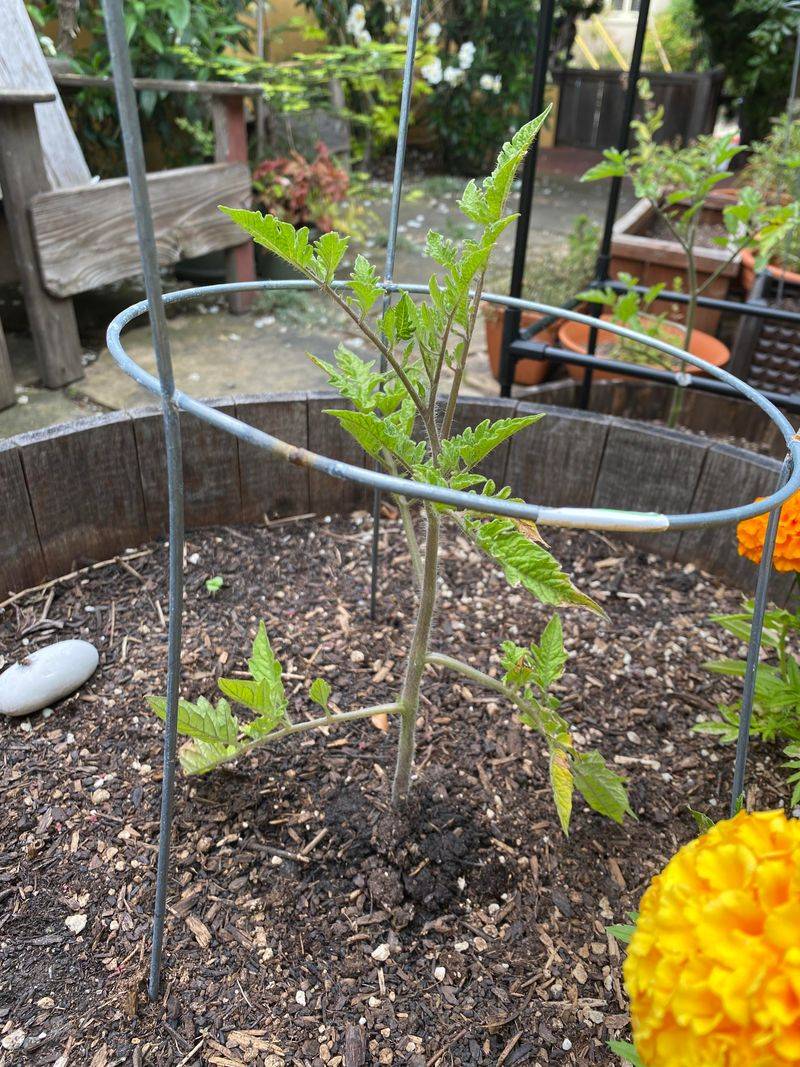
A thin sprinkle of mulch might look like enough coverage at first glance, but it rarely does the job when a real Michigan summer storm hits. Scattered pieces of straw or a light dusting of wood chips leave plenty of bare soil exposed between them.
Rain hits those open patches and still splashes muddy water right up onto the lower leaves, almost as if there were no mulch there at all.
For mulch to actually work as a splash barrier, it needs to form a real, continuous layer across the soil surface. Most experienced gardeners and university extension resources recommend applying mulch at a depth of two to three inches under tomato plants.
That thickness absorbs raindrop impact, slows water movement across the surface, and keeps soil from becoming a muddy splash zone during heavy downpours.
Your Michigan Garden Changes Every Week. Your Plan Should Too.
Gardening in Michigan changes quickly throughout the season. Every Friday you’ll receive a simple weekly plan showing exactly what to plant, prune, fertilize, harvest, and protect so you never miss the right timing.
Beyond disease prevention, a proper mulch layer also helps regulate soil moisture throughout the growing season.
Michigan summers can swing between heavy rain and dry spells, and a thick mulch layer smooths out those extremes by holding moisture in the ground longer.
That steadier soil moisture also reduces stress on tomato plants, which helps them stay stronger and more resistant to problems overall.
When you apply mulch, spread it generously and evenly, making sure you cover the full area under the plant canopy.
Check for thin spots after each storm and top off wherever the layer looks sparse. A little extra effort during mulch application pays off in a noticeably healthier garden all season long.
3. Letting Lower Leaves Touch The Soil
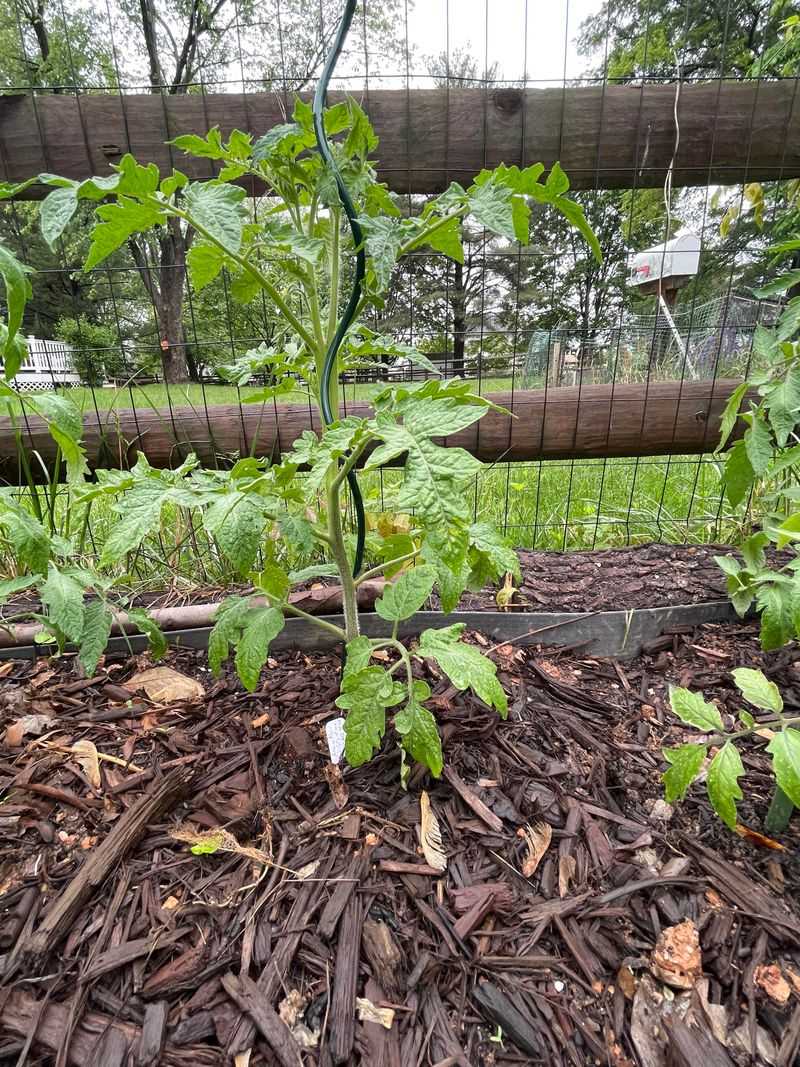
Tomato plants grow fast, and before you know it, the lower branches are drooping down and resting right on the soil or mulch surface. That direct contact creates a direct pathway for disease.
Moisture from the ground wicks up into the leaf tissue, and any fungal spores sitting in the soil or on old plant debris have an easy route onto the plant without even needing a raindrop to carry them.
Michigan State University plant pathology resources point out that Septoria leaf spot, one of the most common tomato diseases in the state, almost always shows up on the lowest leaves first.
The symptoms start as small, water-soaked spots that gradually develop dark edges and lighter centers.
From there, the disease can move upward through the plant if conditions stay wet and warm, which Michigan summers absolutely provide.
Keeping lower foliage off the ground is a straightforward fix that makes a big difference. Stake or cage your tomato plants early in the season so the main stem stays upright and branches do not sag toward the soil.
As the plant grows, check regularly for any leaves that are brushing the ground and prune them off carefully.
Removing the lowest few sets of leaves entirely, once the plant is established, is a widely recommended practice among vegetable gardeners.
It improves airflow near the base of the plant and removes the most vulnerable foliage before storms ever arrive. Clean pruning tools between plants to avoid accidentally spreading anything from one plant to another.
4. Piling Mulch Against The Tomato Stem
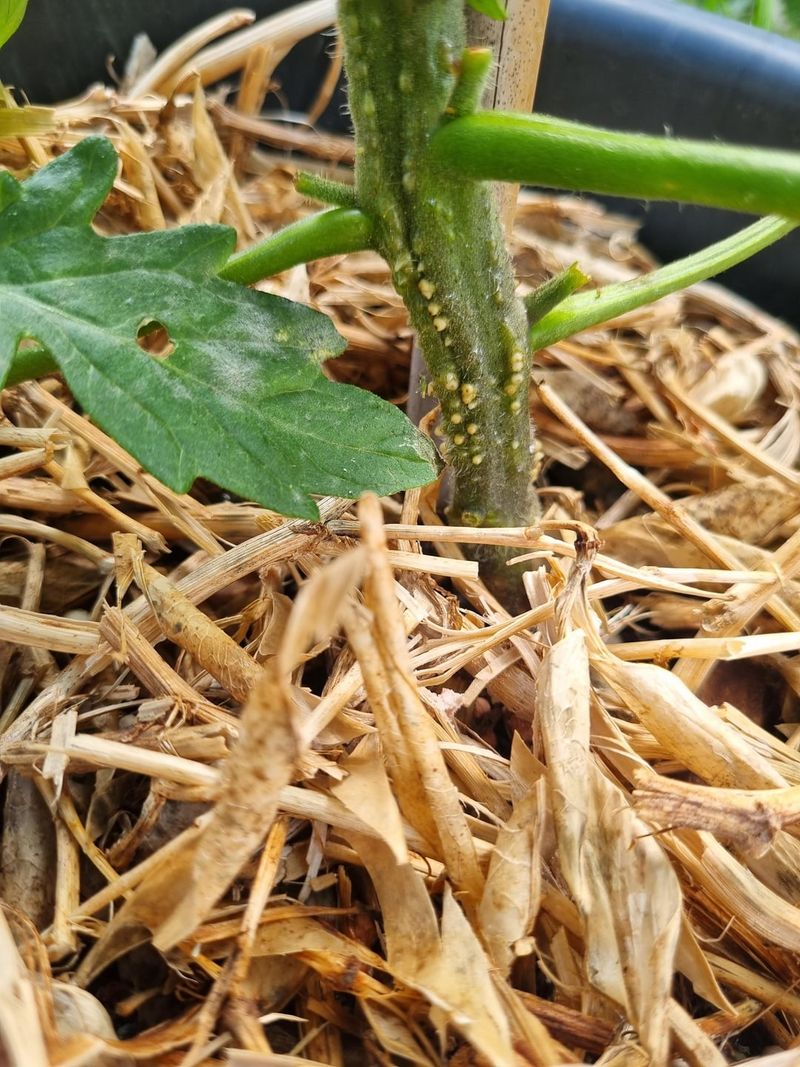
Mulch is genuinely one of the best tools a tomato gardener has, but there is a way to apply it that actually creates a new problem instead of solving one.
Packing mulch tightly right up against the tomato stem traps moisture against the base of the plant and keeps that area consistently damp.
Tomato stems are not designed to stay wet for long periods, and that ongoing dampness can lead to stem rot and other issues that weaken the plant from the ground up.
Think of it like wearing wet socks all day. The skin underneath gets soft and vulnerable to irritation.
The same idea applies to a tomato stem sitting in constant contact with moist, packed mulch.
Fungi and other harmful organisms thrive in dark, damp conditions, and a mulch pile pressed against the stem creates exactly that kind of environment right at the most critical part of the plant.
The correct approach is simple: apply mulch generously across the entire soil surface but leave a small gap of about two to three inches around the stem itself.
That open ring allows air to circulate around the base, helps the stem surface dry out between watering and rain events, and reduces the risk of moisture-related problems developing at the soil line.
Pull any mulch back that has shifted toward the stem after rain or wind.
It only takes a moment to check and adjust, and keeping that small gap in place throughout the season protects the plant’s most vulnerable entry point while still giving you all the splash-blocking benefits of a solid mulch layer.
5. Skipping Mulch Before Humid Weather Arrives
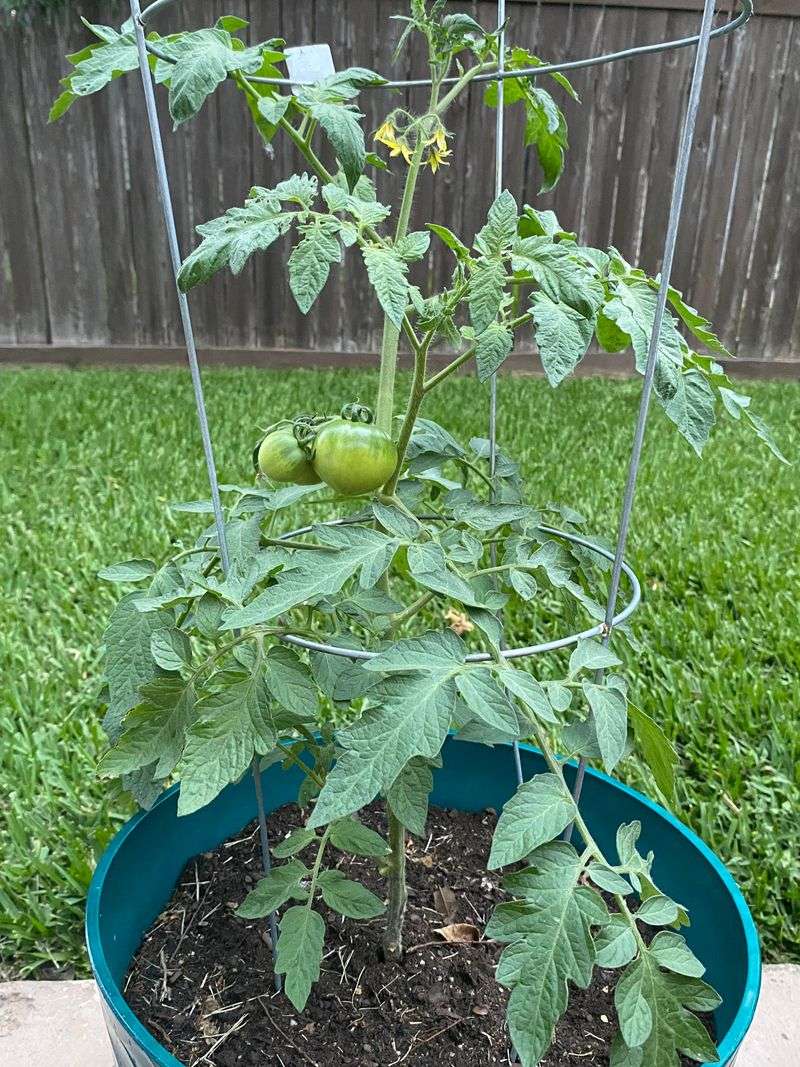
Waiting until you already see leaf spots on your tomato plants before adding mulch is a bit like putting on sunscreen after a sunburn. The damage has already begun, and now you are playing catch-up instead of preventing the problem in the first place.
Michigan summers can turn humid and stormy very quickly, and once those conditions arrive, leaf diseases can spread from plant to plant faster than most gardeners expect.
Warm temperatures combined with extended leaf wetness create ideal conditions for fungal diseases to take hold.
Research from Michigan State University Extension notes that early blight and Septoria leaf spot thrive in high humidity when temperatures stay between 60 and 80°F, which describes a classic Michigan July or August perfectly.
Every storm that passes through adds more moisture and more opportunity for spores to move around the garden.
Getting mulch down early, ideally right after transplanting your tomatoes or at the very start of the growing season, means your soil is protected before the first big storm ever hits. You do not need to wait for a sign of trouble to take action.
Treat mulching as a routine part of setting up your tomato bed, not as an emergency response. Pair that early mulch application with proper plant spacing to encourage airflow and lower leaf removal to reduce contact points.
Building these habits into your planting routine from the beginning takes very little extra time but creates a much stronger defense against the wet, humid conditions Michigan summers are famous for delivering.
6. Forgetting To Refresh Mulch After Heavy Rain
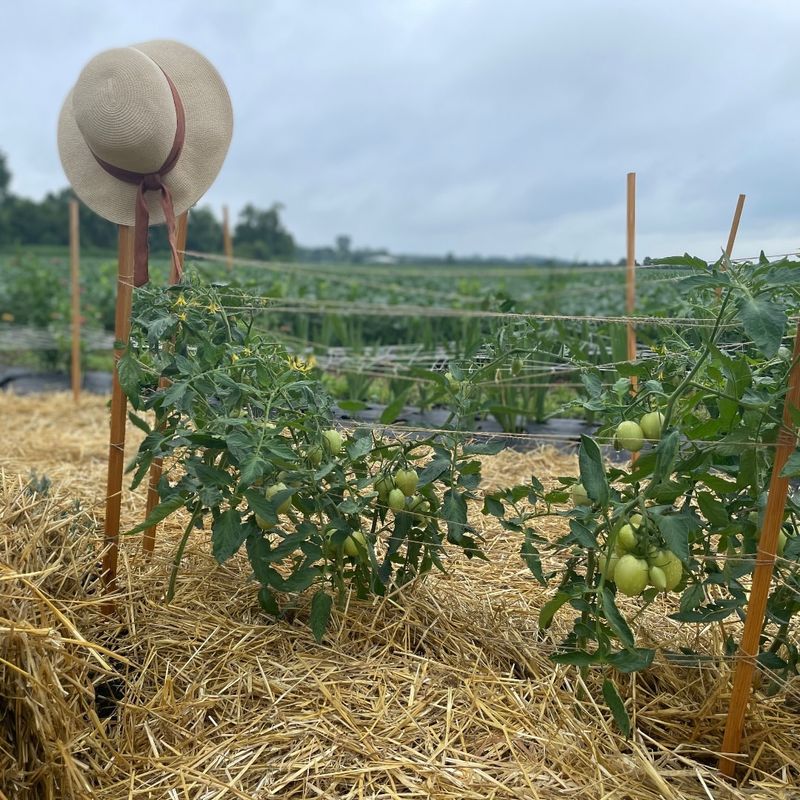
A strong summer storm in Michigan does not just bring rain and humidity. It also brings wind, and that combination can shift your carefully placed mulch layer significantly.
After a heavy downpour, it is very common to find mulch pushed to one side of the bed, clumped against the edges, or washed away from the area directly under the plant canopy.
What was a solid two-inch barrier before the storm may now be patchy and thin where the plants need coverage most.
Exposed soil after a storm is actually a double problem. First, the storm itself has already splashed that bare soil onto your lower leaves.
Second, the next time it rains or you water, the now-unprotected soil is ready to splash again. Each storm that passes without a mulch refresh adds another round of potential disease exposure to your plants.
Over a full Michigan summer with multiple storm cycles, that adds up quickly.
Building a quick post-storm garden check into your routine solves this easily. After a heavy rain, walk through your tomato bed and look for spots where the soil is showing through.
Use a rake or your hands to gently redistribute any mulch that has shifted, and add fresh material wherever the layer looks thin. Keep a bag or pile of mulch nearby during peak storm season so topping off is quick and convenient.
It takes only a few minutes after each major rain event, but maintaining that consistent coverage keeps your splash barrier working all season long without interruption.
7. The Takeaway For Michigan Tomato Beds
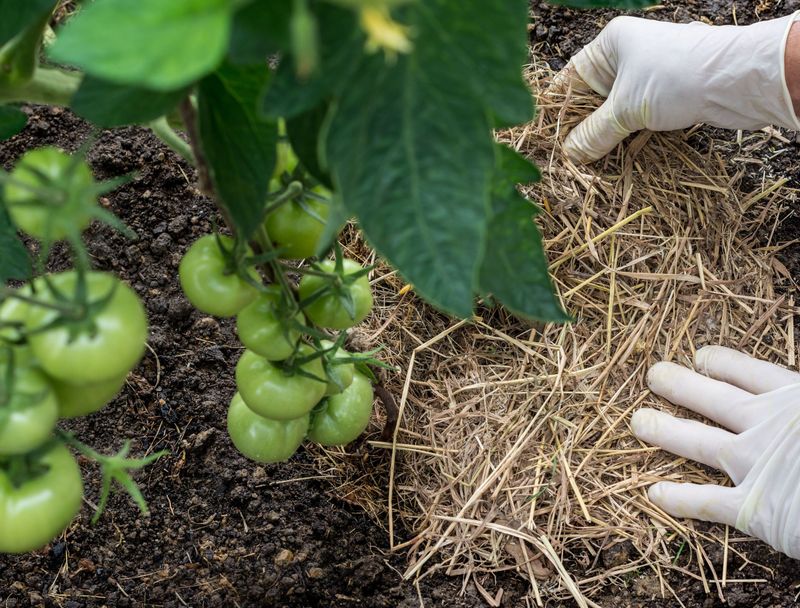
Protecting tomato plants from disease does not require expensive products or complicated techniques. The core strategy is straightforward: keep the soil covered, keep the leaves off the ground, and keep water away from the foliage.
When all three of those things are working together, you remove most of the conditions that allow splash-borne diseases to take hold after Michigan summer storms.
Start by applying a two to three inch layer of mulch across your entire tomato bed at the beginning of the season, and leave a small gap around each stem for airflow.
Prune off the lowest leaves as the plant grows and use stakes or cages to keep branches lifted off the soil.
Water at ground level using drip irrigation or a soaker hose rather than overhead sprinklers, and try to water in the morning so any moisture on leaves dries quickly during the day.
After every heavy rain, take a few minutes to walk through the garden and check whether mulch has shifted or thinned out. Refresh the layer wherever soil is showing through, especially under the lower canopy where splash risk is highest.
These small, consistent habits build a garden environment that is much less friendly to the fungal diseases that thrive in Michigan’s warm, humid summers.
Septoria leaf spot, early blight, and similar problems become far less likely when you take away the conditions they depend on.
A well-mulched, well-maintained tomato bed is one of the most satisfying things a Michigan gardener can tend, and the harvest at the end of the season makes every careful step absolutely worth it.