7 Simple Ways To Pinch Petunias For Bigger, Long-Lasting Blooms In North Carolina
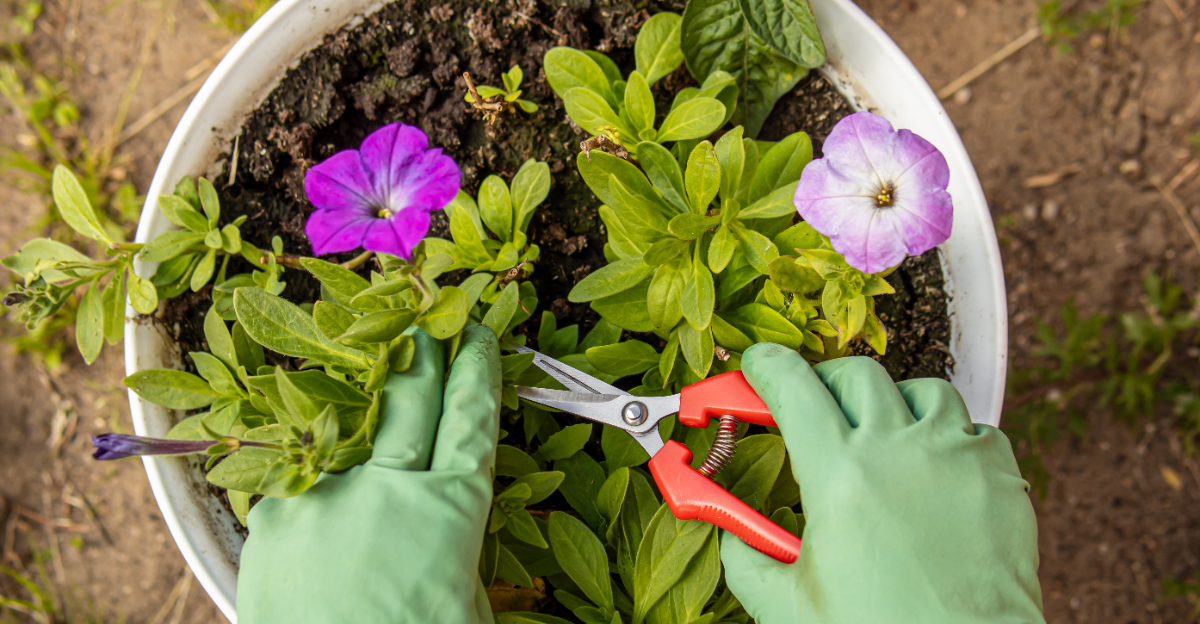
Petunias that looked spectacular in May and turned into leggy, sparse-flowering vines by July are not a variety problem or a soil problem. They are a pinching problem.
North Carolina’s heat accelerates petunia growth faster than cooler-climate gardening advice anticipates, which means the maintenance window for keeping them full and flowering requires more frequent attention here than most general guides suggest.
The seven pinching methods covered here range from the basic cut that restores shape to more targeted approaches that extend the bloom season through the humidity and heat of a North Carolina August.
Applied consistently, they keep petunias looking like the plants on the nursery tag rather than the exhausted survivors most gardeners end up with by midsummer.
1. Pinch Young Stem Tips Before Plants Get Leggy
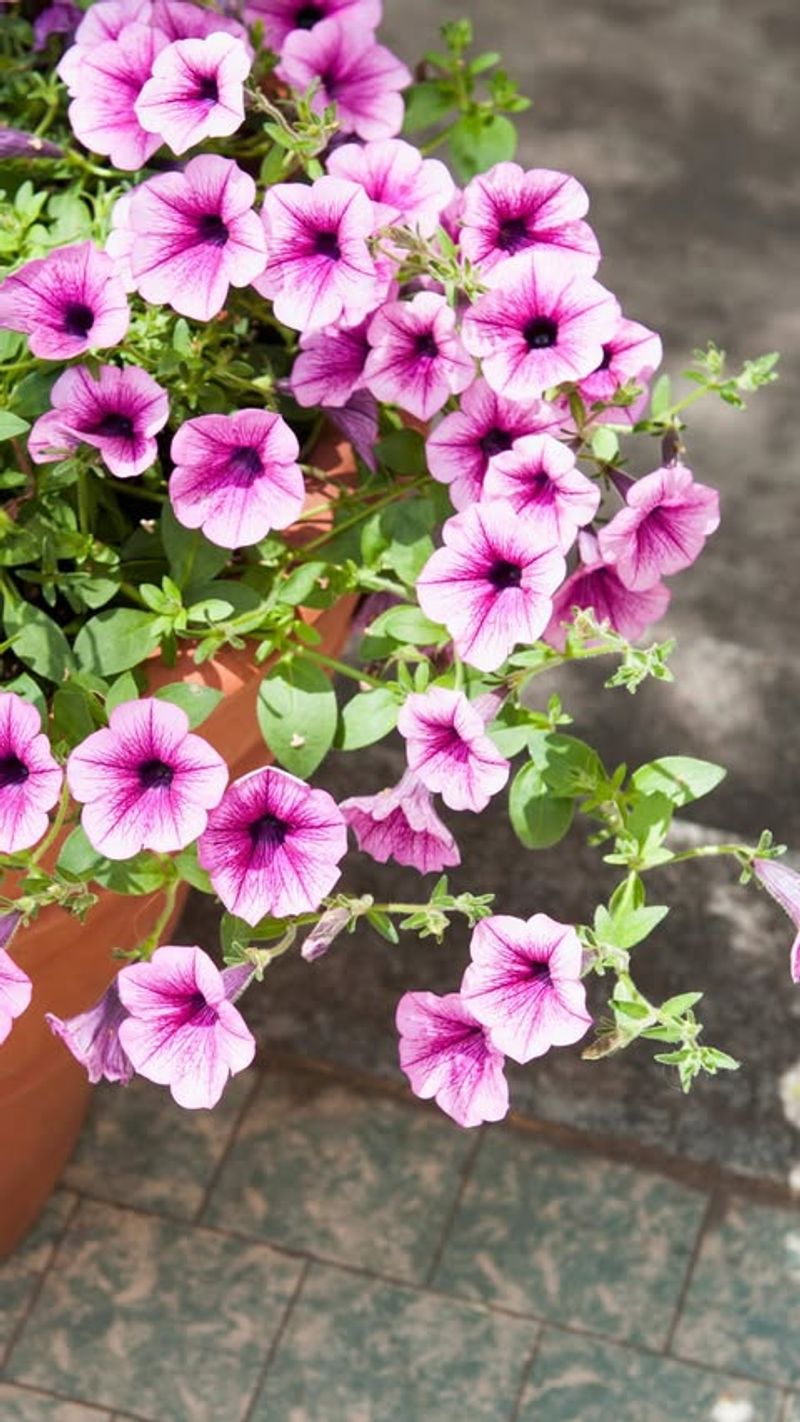
Catching petunias early makes all the difference. When plants are young and still settling into your garden bed or container, their natural instinct is to grow upward as fast as possible.
That single upward stem might look healthy at first, but it will eventually become thin and stretched out with very few blooms along the way.
Pinching the soft tip off a young stem is incredibly easy. You just use your thumb and index finger to snap off the top inch or two of the growing tip.
No scissors needed, no special tools required. That one small action sends a signal to the plant to start pushing energy outward into side branches instead of continuing to reach upward.
Those side branches each become new bloom sites. More branches mean more flowers, and that is exactly what every North Carolina gardener wants through the long, warm growing season.
Starting this habit early, before the plant ever gets leggy, gives you a head start on a fuller, more impressive plant shape.
Most gardeners in North Carolina start planting petunias in April or May, right after the last frost. That is the perfect window to begin pinching. Even if your transplants look small and a little fragile, they bounce back quickly.
Within a week or two of that first pinch, you will notice new growth branching out from the sides, and that is when you know the plant is building the kind of bushy structure that supports big, long-lasting blooms all season.
2. Pinch Long Stems Back Above Healthy Leaves
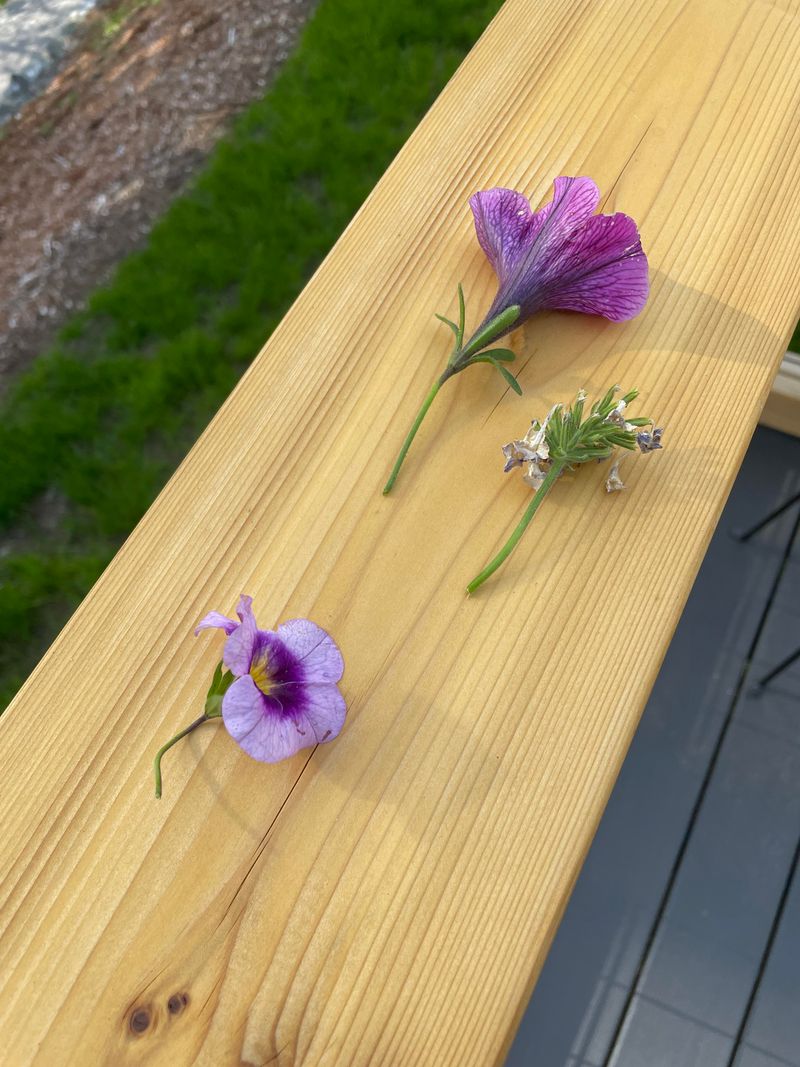
Sometimes petunias get away from you. One week they look fine, and the next they have sent out long, bare stems that barely have a leaf on them.
It happens fast, especially during the warm and humid North Carolina summer when plants grow quickly between rainy spells and sunny stretches.
NC State University Extension recommends pinching back leggy petunias to encourage healthier, more compact regrowth. The key is where you make that cut.
Always pinch or cut just above a healthy set of leaves. That leaf node is where the plant stores the energy it needs to push out fresh new stems and eventually new buds.
Cutting in the middle of a bare stem does not give the plant a strong starting point for recovery. But cutting just above a healthy node gives it exactly what it needs to bounce back quickly and with vigor.
Your North Carolina Garden Changes Every Week. Your Plan Should Too.
Gardening in North Carolina changes quickly throughout the season. Every Friday you’ll receive a simple weekly plan showing exactly what to plant, prune, fertilize, harvest, and protect so you never miss the right timing.
You will often see new side shoots forming within just a few days after a well-placed pinch.
This technique works especially well mid-summer in North Carolina when the heat causes a natural slowdown in blooming. Instead of waiting and hoping the plant fixes itself, take action with a good pinch above those healthy leaves.
Think of it like a reset button. The plant stops wasting energy on the long, thin stem above and redirects everything into fresh, compact new growth.
Within two to three weeks, you can expect a fresh flush of color that makes the whole planting look brand new and full of life again.
3. Remove Faded Flowers With The Small Green Base
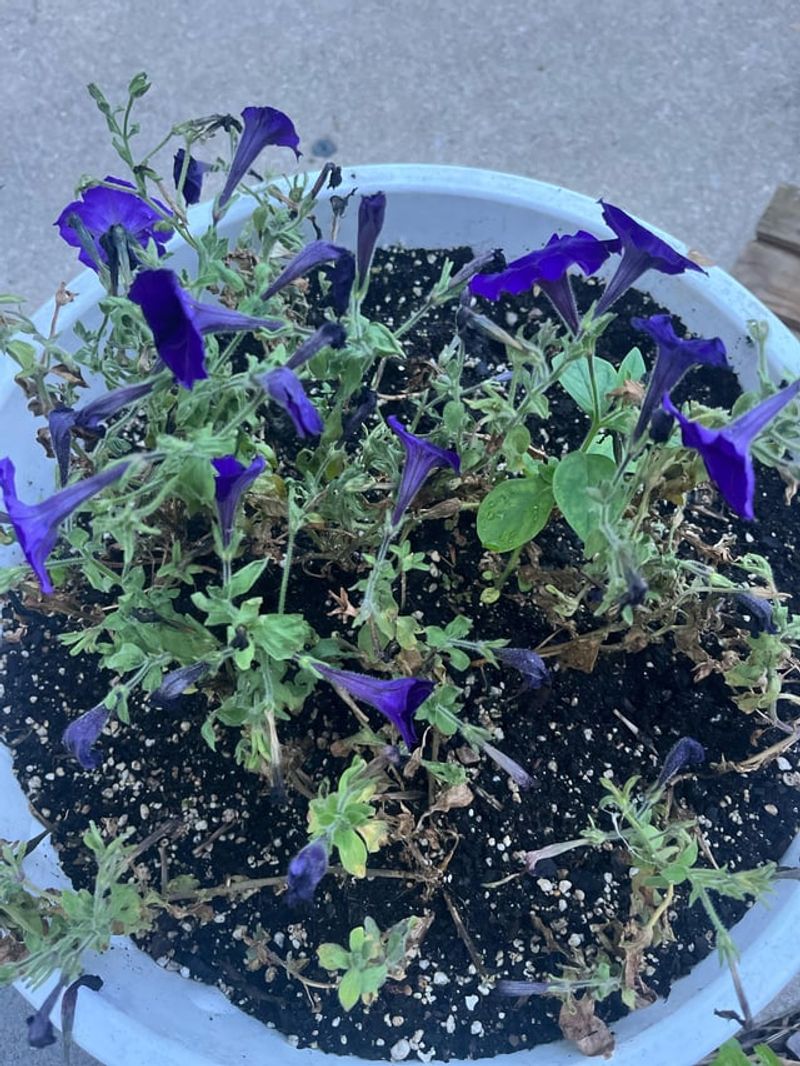
Most gardeners know to pull off faded petunia flowers, but there is a step many people skip that actually makes a big difference. When a bloom finishes, a small green base called the calyx and the beginning of a seed pod stays behind on the stem.
Leaving that behind is a missed opportunity to keep your plant blooming longer.
When a petunia starts forming seeds, it shifts its energy away from producing new flowers and focuses instead on completing that seed cycle. That is just what plants naturally do.
By removing the faded flower along with the small green base beneath it, you interrupt that cycle before it starts. The plant has no seed to finish, so it puts that energy right back into making more blooms.
This process is called deadheading, and it is one of the most effective ways to extend the flowering season well into fall for North Carolina gardeners.
It takes only a few minutes every few days and pays off with a noticeably fuller and more colorful display. You can use your fingers for a clean pinch or small garden scissors if you prefer.
Petunias in North Carolina can bloom from late spring all the way into October with the right care. Consistent deadheading is a big part of making that happen.
Walk through your garden every couple of days, check for any blooms that are fading or shriveling, and remove them along with that small green base.
It becomes a satisfying little routine, and the results show up fast in the form of fresh, vibrant new flowers across the entire plant.
4. Shape The Plant In Small Sections
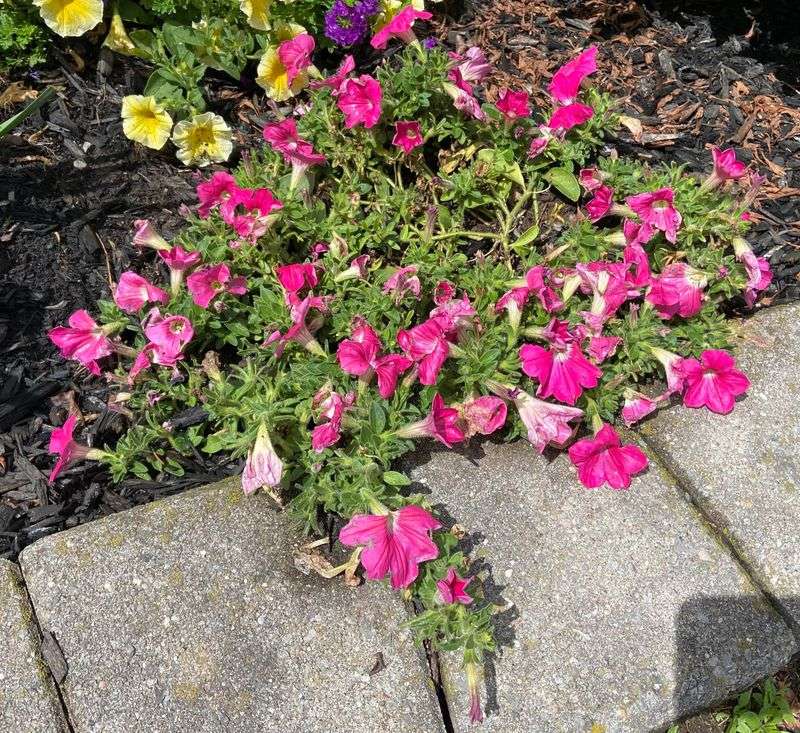
There is a temptation when you look at an overgrown petunia to just cut the whole thing back at once and start fresh.
That instinct makes sense, but in North Carolina’s intense summer heat, removing too much of the plant at one time can put it under serious stress. The better approach is to shape it gradually, working through a few long stems at a time.
Think of it as a slow refresh rather than a dramatic makeover. By trimming only a portion of the plant at each session, you always leave plenty of healthy leaves in place.
Those leaves are the plant’s engine. They absorb sunlight and keep photosynthesis going, which is what powers new growth and bloom production even while other parts of the plant are recovering from being cut back.
A good rhythm for North Carolina gardeners is to address a few stems every five to seven days during the hottest part of summer. Start with the longest and most stretched-out stems first.
After a week or so, move on to the next section. By the time you have worked through the whole plant, the first stems you trimmed will already be pushing out fresh new growth.
This gradual method also gives you more control over the overall shape of your planting. Petunias in beds and containers can look uneven and wild if left unchecked.
Shaping in small sections lets you guide the plant toward a rounder, fuller silhouette over time. The result is a planting that looks intentional, tidy, and full of healthy color even at the peak of the summer heat.
5. Pinch More Often In Hanging Baskets And Pots
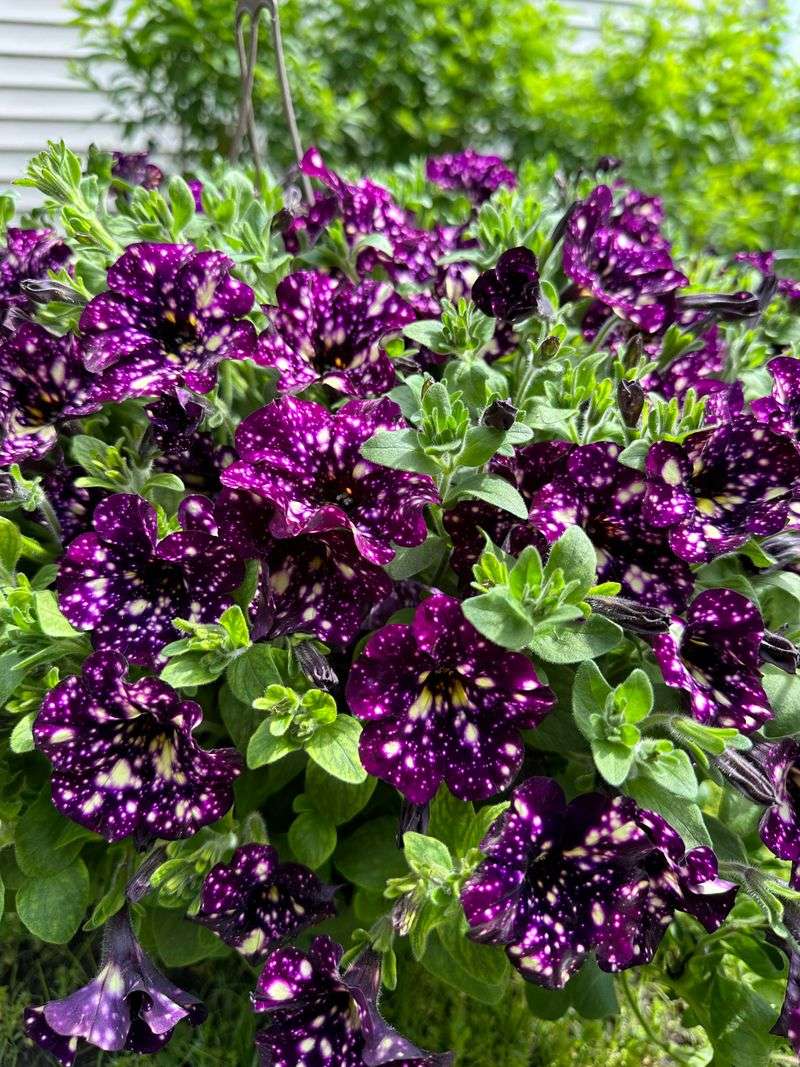
Hanging baskets and pots are some of the most popular ways to grow petunias in North Carolina, especially on porches and patios where color really pops.
But container-grown petunias have a tougher job than their in-ground counterparts, and they tend to need more frequent attention to stay looking their best.
Containers dry out much faster than garden beds, especially during the hot and breezy North Carolina summers. When roots run short on water, the plant pulls back on blooming and starts conserving energy.
Add in the fact that roots in a pot have limited space to expand, and you have conditions that can make stems go thin and straggly faster than you might expect.
Trailing varieties in hanging baskets are especially prone to sending out long, bare stems that swing in the breeze without a single blossom on them.
Pinching those stems back every week or so keeps the basket looking full and lush instead of sparse and overgrown.
It only takes a few minutes, and the difference it makes in the overall appearance of the basket is dramatic.
A good habit is to check your hanging baskets and pots every time you water, which in summer might be daily. While you are giving them a drink, take a quick look for any stems that have gotten too long or any faded blooms that need removing.
Combining watering and pinching into one routine saves time and keeps your containers in top shape.
Petunias in pots truly thrive when you stay consistent, and the reward is a season-long display of bold, cheerful color right where you can enjoy it most.
6. Pair Pinching With Full Sun And Good Drainage
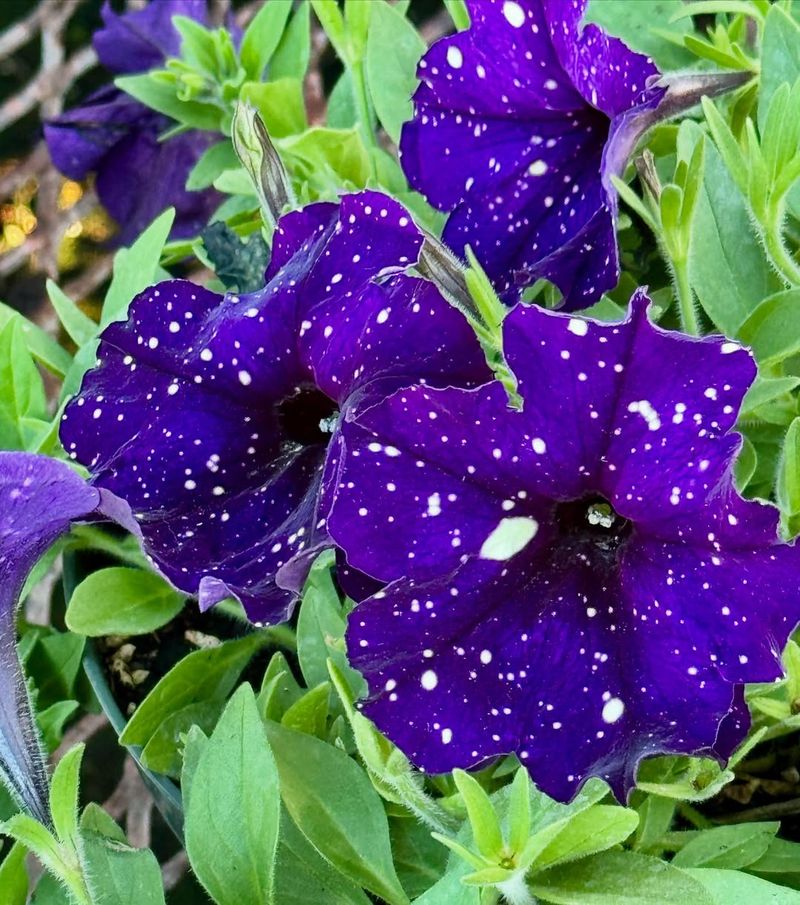
Pinching is a powerful tool, but it works best when your petunias are already set up in the right environment. Think of pinching as the finishing touch on a plant that is already thriving.
Without the right growing conditions underneath, even the most careful pinching routine will not produce the full, blooming results you are hoping for.
Petunias are sun-lovers through and through. They perform best with at least six hours of direct sunlight every day, and in North Carolina, there is plenty of that to go around from spring through fall.
Plants growing in too much shade tend to stretch toward the light, producing weak and floppy stems with fewer blooms. Even with regular pinching, a shaded petunia will never reach its full potential.
Good drainage is just as important. Petunias do not like sitting in soggy soil, and North Carolina can see stretches of heavy rainfall that leave garden beds waterlogged.
Roots that stay wet for too long become stressed and vulnerable, which slows the whole plant down and reduces flowering significantly. Raised beds, amended soil, or well-draining potting mix in containers all help prevent that problem.
When you pair consistent pinching with a sunny spot and well-drained soil, petunias respond with impressive vigor. The plant has everything it needs to recover quickly after each pinch and push out fresh blooms in record time.
North Carolina gardeners who get these basics right often find their petunias blooming strongly well into September and October, long after many other summer annuals have faded and slowed down for the season.
7. Feed Lightly After Pinching To Support New Growth
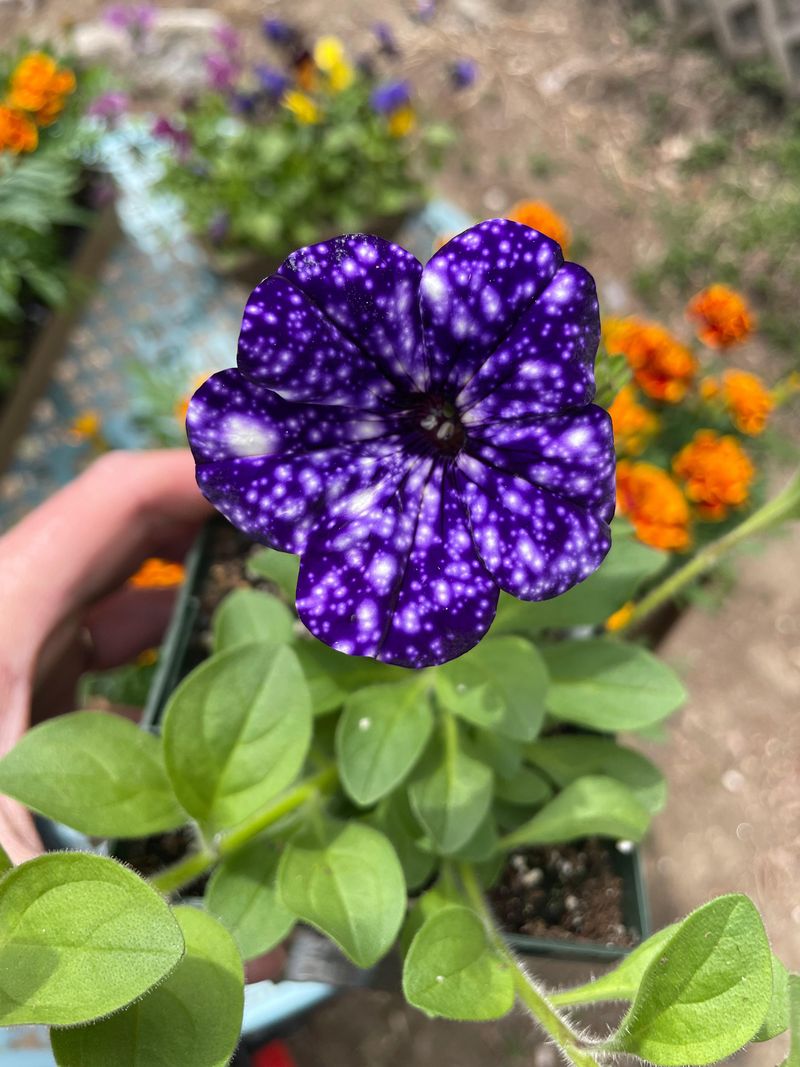
Right after a good pinch, your petunia is ready to grow. The plant has been redirected, the energy is building, and new shoots are about to emerge.
This is actually the perfect moment to give it a little boost with fertilizer, because the timing lines up with the plant’s natural push for new growth.
Petunias are considered heavy-blooming annuals, which means they put enormous energy into producing flowers all season long. That takes nutrients, and those nutrients need to be replenished regularly.
In garden beds, rainfall and soil biology help cycle nutrients naturally, but in containers and hanging baskets, water flushes nutrients out of the potting mix much faster than most people realize.
A balanced, water-soluble fertilizer applied every one to two weeks works well for most petunias in pots.
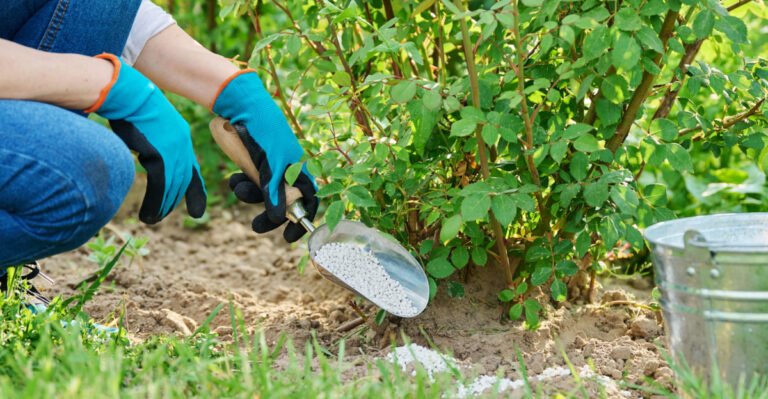
For in-ground plants, a slow-release granular fertilizer worked into the soil at the start of the season, with occasional liquid feeding mid-summer, is a solid approach.
Always read the label and follow the recommended rates. More fertilizer does not mean more flowers.
Overfeeding can actually push the plant to produce excessive leafy growth at the expense of blooms.
Steady, consistent feeding after each pinching session gives petunias exactly what they need without overwhelming them. You will notice the difference in how quickly new growth emerges and how vibrant the next flush of flowers looks.
North Carolina’s long growing season gives petunias plenty of time to reward good care, and combining regular pinching with smart, measured feeding is the most reliable way to keep those blooms coming from spring all the way through the warm days of early fall.