The Fragrant Porch Herb That May Make Your Pennsylvania Entry Less Appealing To Stink Bugs
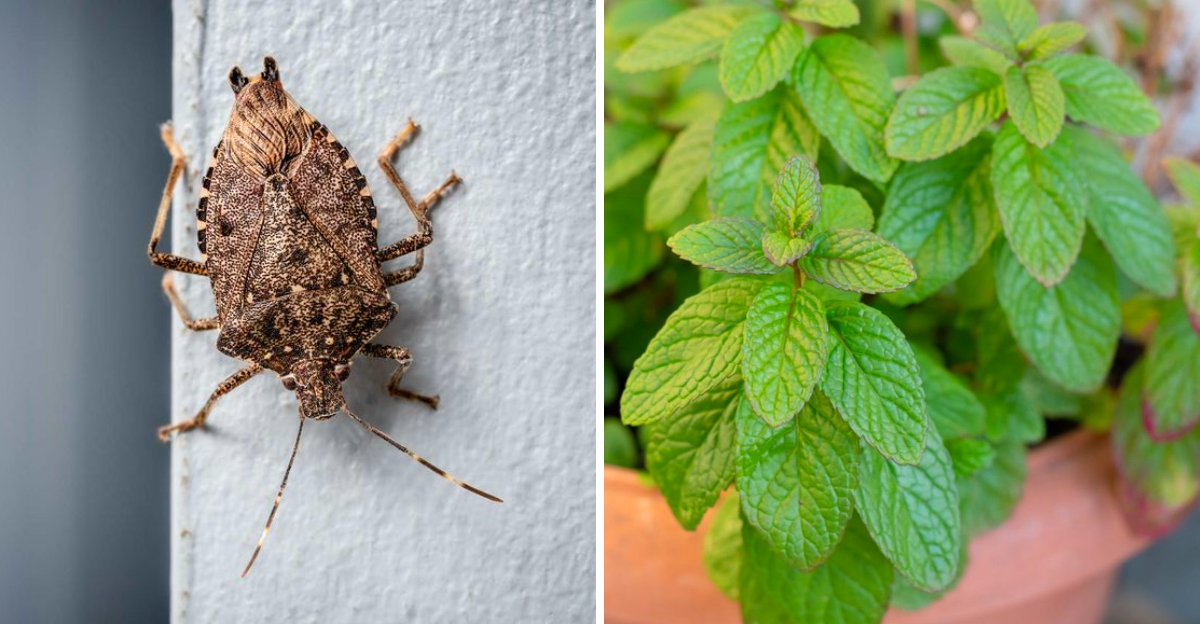
Every fall in Pennsylvania, the same unwelcome ritual begins.
Stink bugs start appearing near doors and windows with that particular brand of slow, determined confidence that makes them so aggravating, and every homeowner starts wondering what can actually be done about it.
Spearmint has been getting some attention as a porch herb worth growing for exactly this reason, and the interest is not completely without basis.
Research has shown that spearmint essential oil does have repellent activity against brown marmorated stink bugs in controlled settings.
The important word there is controlled.
A living potted plant on your porch releases a much milder concentration of aromatic compounds than anything used in a lab, so spearmint is better described as a fragrant and genuinely pleasant porch herb than a reliable stink bug barrier.
Sealing cracks and replacing worn door sweeps still do the heavy lifting here.
1. Strong Leaf Oils Create Spearmint’s Distinct Scent
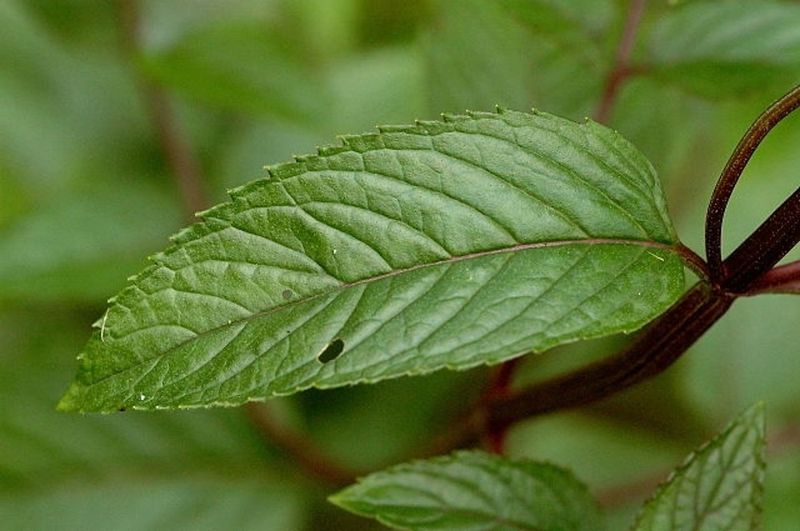
Brush your fingers lightly across a spearmint leaf near your front door and you will notice an immediate, cooling fragrance that feels both familiar and refreshing. That scent comes from volatile aromatic compounds stored in tiny glands on the surface of the leaves.
Carvone is the compound most closely associated with spearmint’s characteristic aroma, according to botanical sources, and it belongs to a group of chemicals that evaporate easily into surrounding air.
When foliage is touched, trimmed, or gently disturbed, those glands release a short burst of fragrance that is noticeably stronger than what drifts off an undisturbed plant.
Spearmint shares its genus with peppermint and dozens of other mint varieties, but its scent profile is softer and sweeter than the sharp menthol punch of peppermint.
That distinction matters because different mint species carry different chemical makeups, and not all of them have been studied equally against insects.
A healthy, well-maintained spearmint plant produces fresh growth continuously through the growing season, keeping those aromatic leaf glands active.
Stronger human-perceived fragrance after touching the plant does not automatically translate into stronger protection against stink bugs, so it is worth keeping realistic expectations about what a pleasant-smelling porch herb can and cannot accomplish.
2. Concentrated Spearmint Oil Has Shown Repellent Activity
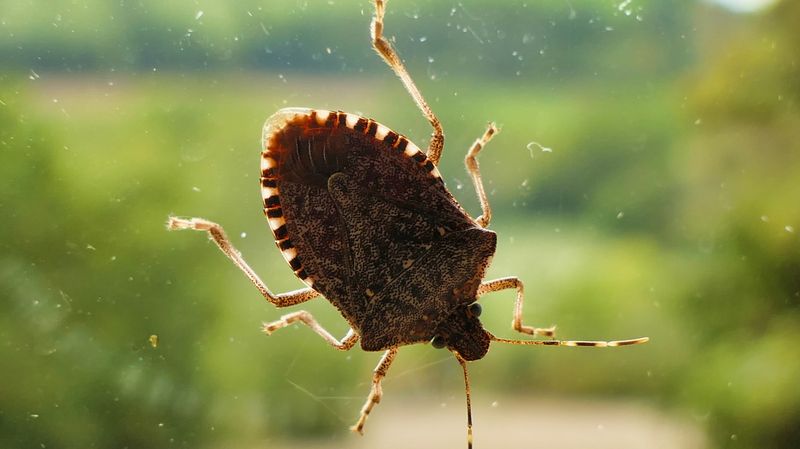
Controlled laboratory studies have evaluated plant-derived essential oils as possible spatial repellents for the brown marmorated stink bug, known scientifically as Halyomorpha halys.
Spearmint oil was among the essential oils that demonstrated repellent activity in some of that testing, which is the direct scientific basis for the connection between this herb and stink bug behavior.
Researchers typically use precise, measured concentrations of extracted oil in these experiments, not living plants.
The gap between laboratory conditions and a real Pennsylvania porch is significant.
Scientists can control temperature, airflow, and the exact amount of oil applied, creating a very different environment from an open entry with breezes, rain, and variable summer heat.
Separate field research has also found that essential oils did not provide significant brown marmorated stink bug control under tested outdoor conditions, reinforcing that lab repellency does not automatically carry over to practical home use.
Your Pennsylvania Garden Changes Every Week. Your Plan Should Too.
Gardening in Pennsylvania changes quickly throughout the season. Every Friday you’ll receive a simple weekly plan showing exactly what to plant, prune, fertilize, harvest, and protect so you never miss the right timing.
Spearmint oil should not be presented as a proven home treatment, and this article does not recommend applying concentrated oil to doors, siding, or surfaces without guidance from a current, appropriate extension or pesticide authority.
The research makes spearmint relevant to this conversation, but it does not confirm that a potted plant beside your door produces the same effect as a measured laboratory application.
3. Living Plants Release A Milder Amount Of Fragrance
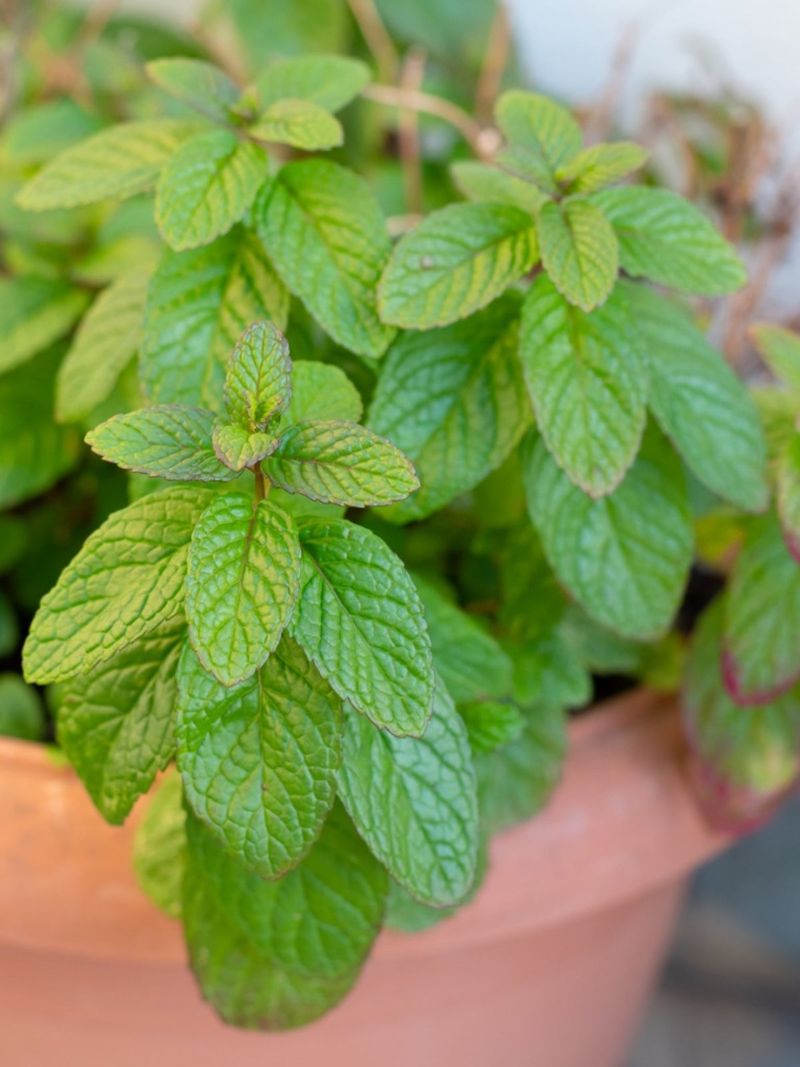
A potted spearmint plant on your porch contributes a steady, gentle fragrance to the area around your entry, especially when the air is calm and warm.
That ambient scent is genuinely pleasant and can make a porch feel more welcoming, but it is much milder and less concentrated than the extracted essential oil used in controlled research.
The difference matters because repellent activity in a lab study was produced with measured doses of oil, not the passive release from living foliage.
Outdoor conditions on a Pennsylvania porch can dilute that fragrance considerably.
Wind carries scent molecules away from the plant quickly, open porch designs allow aroma to disperse in multiple directions, and rainfall can temporarily wash aromatic compounds off leaf surfaces.
Distance from the entry also plays a role, since a plant placed several feet from a door releases scent into open air rather than concentrating it near a gap or crack where stink bugs might enter.
No reliable research has established a specific effective distance for living spearmint plants and brown marmorated stink bugs, so placing a container near your door is best treated as a plant-care and aesthetic decision.
A fragrant, healthy porch herb is a genuinely enjoyable addition to a Pennsylvania entry, even if its protective effect remains uncertain.
4. Regular Trimming Helps Keep Spearmint Fresh
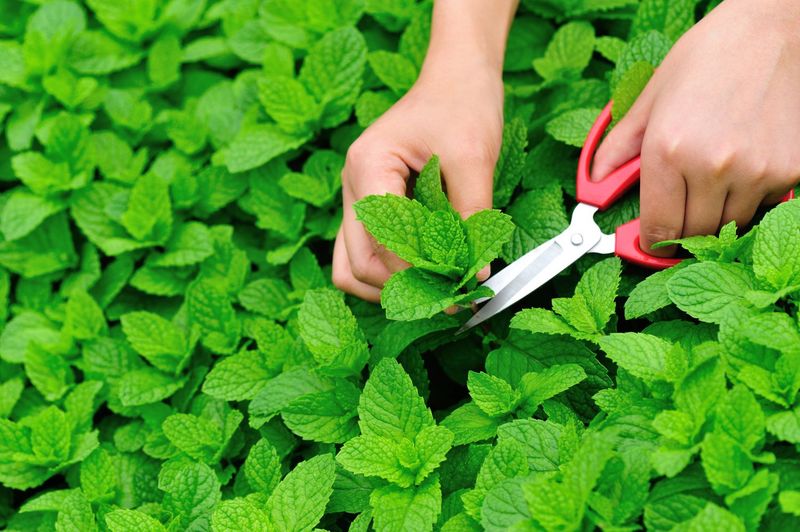
Selective harvesting and light trimming are among the best things you can do to keep a container spearmint plant looking full and producing fresh foliage throughout the growing season.
Making cuts just above a healthy leaf node encourages the plant to branch out rather than grow tall and leggy, which results in a denser, more attractive herb with more aromatic leaf surface.
Removing damaged, yellowing, or declining stems keeps the plant tidy and directs energy toward new growth.
Trimming may temporarily release a burst of fragrance as the leaf glands are disturbed, which can be a pleasant side effect of routine maintenance.
Avoid removing more than about one-third of the plant at a time, particularly if the spearmint is newly planted or showing signs of heat stress during a hot Pennsylvania summer.
Taking too much foliage at once can slow recovery and leave the plant looking sparse rather than lush.
Regular light trims throughout the season are more beneficial than infrequent heavy cuts. The goal is to maintain an attractive, productive porch herb that contributes fragrance and fresh leaves for culinary use if desired.
Trimming does not create lasting protection against stink bugs, but it does keep your plant in the kind of healthy condition that makes it a genuinely appealing part of your entry.
5. Steady Moisture Supports Healthy Leaf Growth
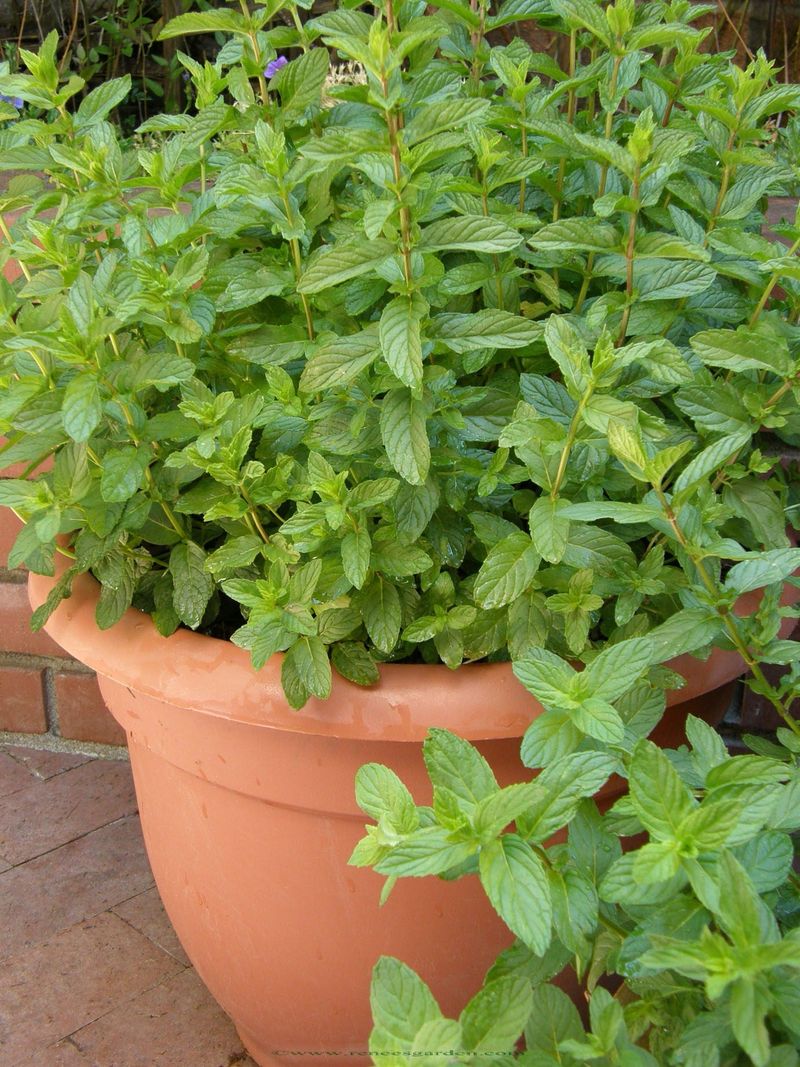
Container-grown spearmint generally does best when its potting mix stays moderately and consistently moist without sitting in standing water.
Checking the soil with a finger before reaching for the watering can is a more reliable approach than watering on a rigid schedule, because Pennsylvania porches can vary widely in sunlight exposure, wind, temperature, and pot material.
A glazed ceramic container in a shaded corner dries out much more slowly than an unglazed clay pot in full afternoon sun.
Drainage holes are important for container spearmint because prolonged waterlogging can stress roots and lead to poor leaf quality.
During July and August, when Pennsylvania temperatures can be intense, containers may need water more frequently than during the cooler weeks of spring or early fall.
Morning watering is generally a good habit because it gives foliage time to dry before evening, which can reduce the chance of moisture-related problems.
Spearmint appreciates morning sun or bright indirect light with some shelter from the most intense afternoon heat, though porch conditions differ from home to home.
Watching the leaves for signs of wilting or pale color helps you adjust placement and watering before the plant becomes stressed.
Healthy, well-watered foliage stays fragrant and visually appealing through the growing season, making it a more rewarding porch companion overall.
6. Containers Help Keep Spearmint Manageable
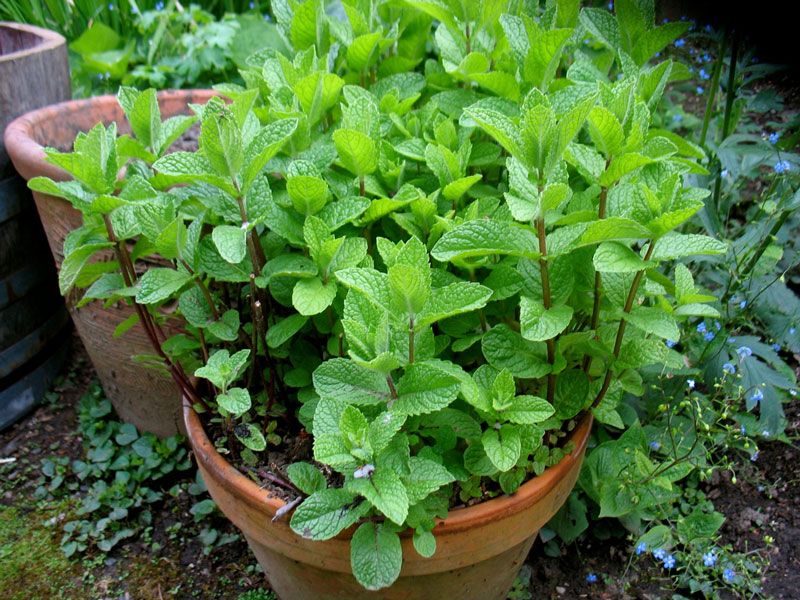
Anyone who has planted spearmint directly in garden soil has probably discovered how enthusiastically it spreads.
The plant sends out vigorous above-ground runners and underground stems that can colonize a garden bed surprisingly quickly, which makes a container one of the most practical choices for porch growing.
A pot keeps spearmint within a defined space, making it much easier to manage alongside other porch plants or near a doorway.
Choosing a container with drainage holes and enough interior room for root development gives the plant a comfortable home without restricting it too tightly.
A larger pot tends to hold moisture more evenly than a very small one, though how quickly the soil dries still depends on weather, pot material, and sun exposure.
Trailing stems can occasionally root if they stay in prolonged contact with nearby soil, so keeping the container slightly elevated or away from garden beds can help prevent unexpected spreading.
Spearmint is not native to Pennsylvania and originates from the Mediterranean region, where it has been cultivated for centuries as a culinary and aromatic herb.
Treating it as a seasonal container plant rather than a permanent landscape addition suits Pennsylvania’s climate and keeps it from becoming a maintenance challenge.
A well-chosen pot makes spearmint a tidy, fragrant, and flexible addition to any porch setup.
7. Other Fragrant Plants May Add More Porch Scent
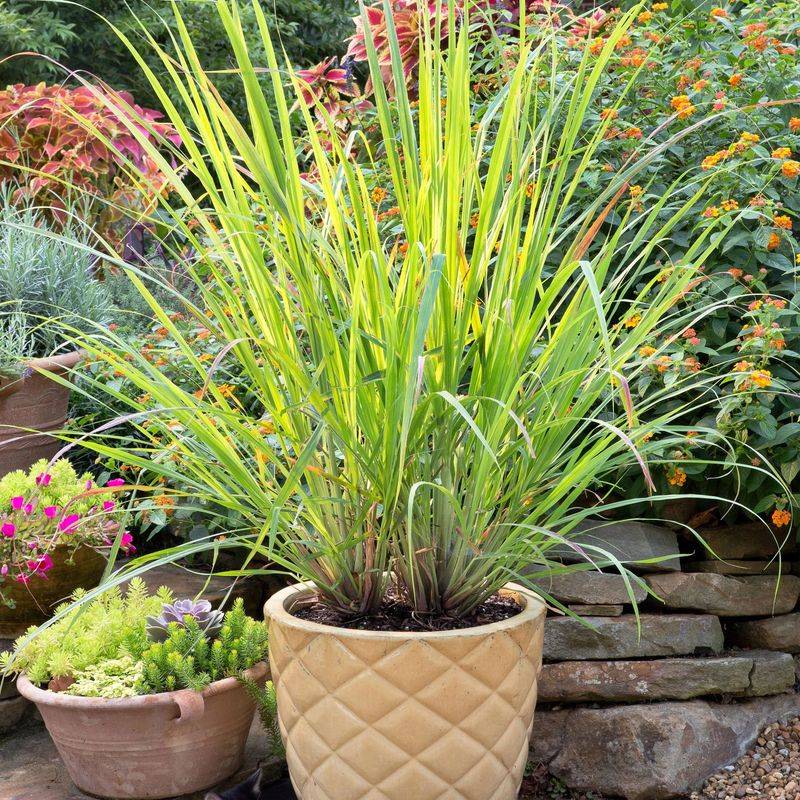
Lemongrass, rosemary, and scented geranium are among the fragrant plants that sometimes appear alongside spearmint in conversations about aromatic porch herbs.
Lemongrass oil, clove oil, and ylang-ylang oil have also shown activity against brown marmorated stink bugs in controlled essential-oil research, but that finding does not mean growing those plants on your porch will produce a reliable repellent effect.
A clove tree or ylang-ylang plant would not be a realistic Pennsylvania container recommendation regardless of what their extracted oils have demonstrated in a lab.
Lemongrass can be grown seasonally as a container plant in Pennsylvania and adds a pleasant citrusy fragrance to a porch space. Rosemary contributes a strong, resinous scent and can perform well in containers with good drainage and adequate sun.
Neither plant should be described as a dependable stink bug barrier based solely on essential-oil research findings, and the same careful wording that applies to spearmint applies to these plants as well.
Choosing additional porch plants based on their light requirements, container performance, visual appeal, fragrance, or culinary usefulness is a more practical approach than expecting a collection of scented herbs to create proven insect protection.
A thoughtfully arranged group of fragrant containers can make a Pennsylvania porch genuinely inviting without overpromising on pest management.
8. Lower Lighting May Make The Entry Less Attractive
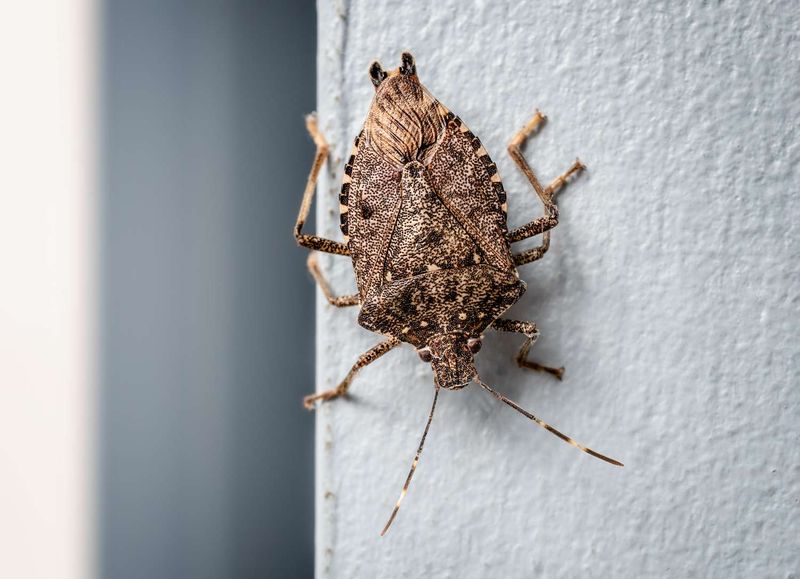
Outdoor lighting near an entry can be one factor in why brown marmorated stink bugs gather around buildings, particularly during late summer and fall evenings in Pennsylvania.
Research has examined light as part of stink bug trapping and attraction, and pest management resources generally suggest that reducing unnecessary entry lighting when practical may be a sensible step.
Turning off porch lights when they are not needed and choosing fixtures that direct light downward rather than outward can limit how much illumination spills into surrounding air.
Keeping doors closed when lights are on is a straightforward habit that reduces the chance of stink bugs slipping inside during the brief moments an entry is open.
Checking that door and window screens are intact and properly fitted adds another layer of protection that does not rely on lighting changes alone.
These steps complement each other rather than replacing one another.
Changing a bulb or adjusting a fixture will not guarantee that stink bugs avoid your entry entirely, because light is only one part of what draws these insects toward structures.
All electrical advice here is intentionally basic, and any fixture modifications beyond simple bulb changes should be handled by someone with appropriate experience.
Thoughtful lighting choices are a reasonable and low-cost part of a broader entry-management approach for Pennsylvania homeowners.
9. Sealed Gaps Provide More Reliable Protection
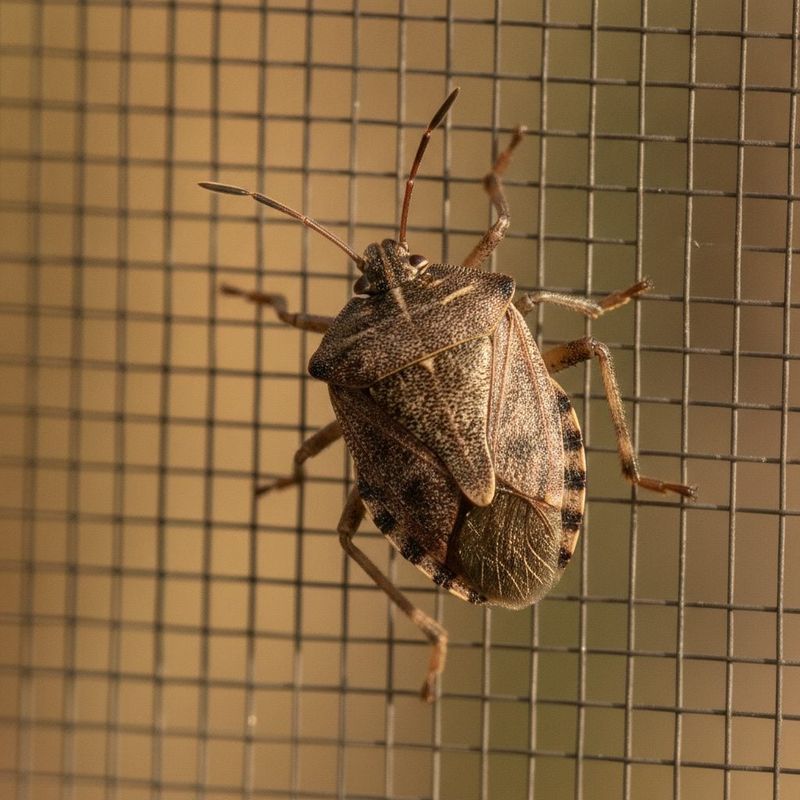
Physical exclusion is the most dependable home strategy for reducing brown marmorated stink bug entry, according to Penn State Extension guidance, and it starts with a careful inspection of your entry.
Weather stripping around door frames, functional door sweeps along the bottom of exterior doors, and intact window and door screens form the basic layer of protection that keeps stink bugs from finding easy access points.
Small gaps around frames, siding, pipes, and utility openings are common entry points that are easy to overlook but worth addressing before fall activity increases.
Brown marmorated stink bugs are invasive insects that seek sheltered overwintering sites and can squeeze through surprisingly small openings.
Inspecting entries in late summer gives homeowners time to make repairs before stink bug pressure typically builds in Pennsylvania, though seasonal timing can vary by location and year.
Checking vents and screening them where appropriate adds another layer that screens and sweeps alone cannot cover.
Spearmint can be a genuinely pleasant part of a porch setup, contributing fragrance and a fresh, culinary herb near your entry.
A layered approach that combines a healthy container herb, reduced unnecessary lighting, intact screens, a working door sweep, and sealed gaps is more effective than relying on any single strategy.
No single element provides complete protection, but combining these steps gives Pennsylvania homeowners a practical and well-rounded plan for a more comfortable entry season.