How Native And Encore Azaleas Compare When It Comes To Georgia Landscapes
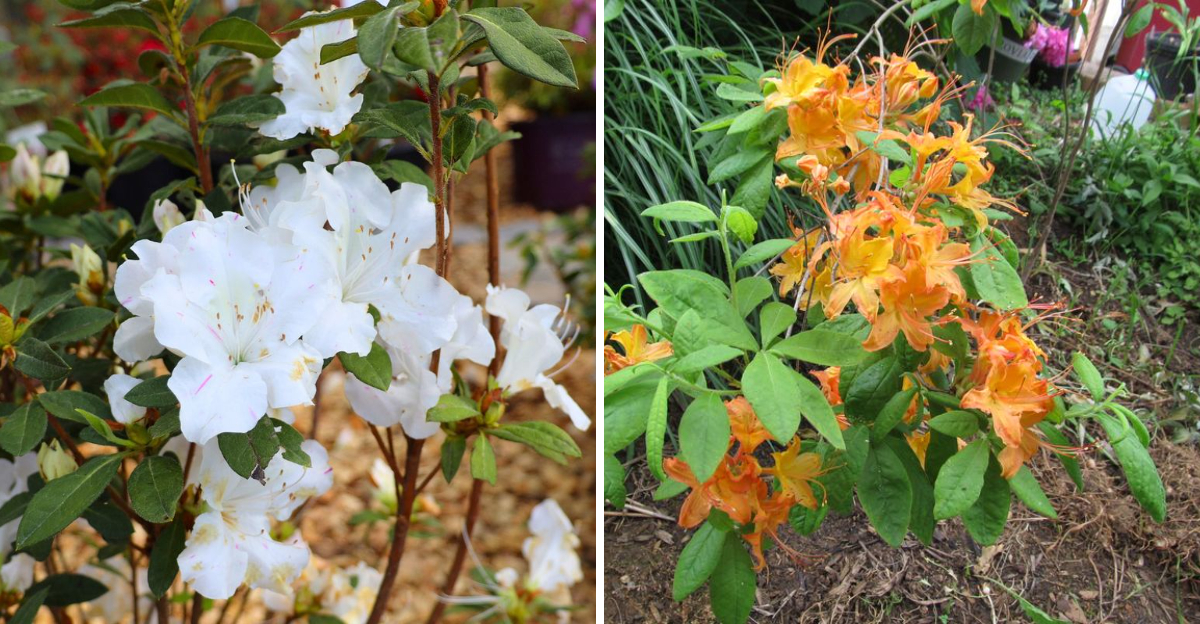
Picking an azalea is not as simple as choosing the flower color you like best. Two plants may look similar at first, yet they can perform very differently once they are growing in your yard.
That is why it helps to know what sets each type apart before you start planting. A better choice now can save you from disappointment later.
Native and Encore azaleas both have plenty to offer, but they are not designed for the same purpose. One is known for supporting local wildlife and blending into natural settings.
The other is popular for producing flowers beyond spring with the right care.
In Georgia, both can be excellent additions, but the best option depends on your landscape, growing conditions, and what you want your garden to do.
Looking at the differences first makes it much easier to choose the right azalea for your space.
1. Encore Azaleas Bloom Beyond Spring
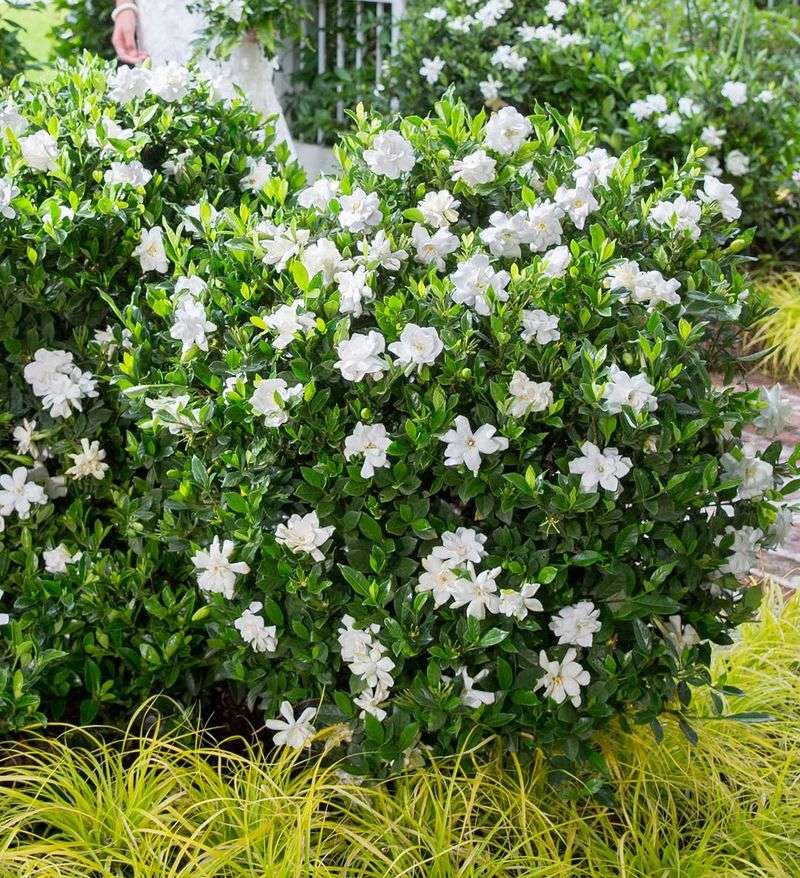
Spring blooms are great, but watching your yard go quiet from June through October gets old fast. Encore Azaleas were developed specifically to solve that problem.
Most traditional azaleas, including many native species, bloom once in spring and then hold their foliage quietly for the rest of the year.
Encore Azaleas push out a second flush in summer and another round in fall, sometimes stretching color into November depending on temperatures.
That extended bloom window is one of the biggest reasons Encore Azaleas became so popular across the Southeast. Gardeners who wanted color without constantly replanting annuals found them genuinely useful.
Native azaleas do bloom at different times depending on species. Flame azalea blooms in late spring.
Piedmont azalea arrives earlier. Plum-leaf azalea flowers in summer.
Planting several species can create a longer season, but it requires more planning and more space than most residential yards allow.
Encore Azaleas give you extended color in a single compact plant. For smaller yards or foundation beds, that efficiency matters.
You get consistent seasonal interest without managing multiple plant species or waiting years for a collection to mature.
Neither approach is strictly better. It depends entirely on what you want your yard to do.
2. Mature Plants Reach Different Sizes
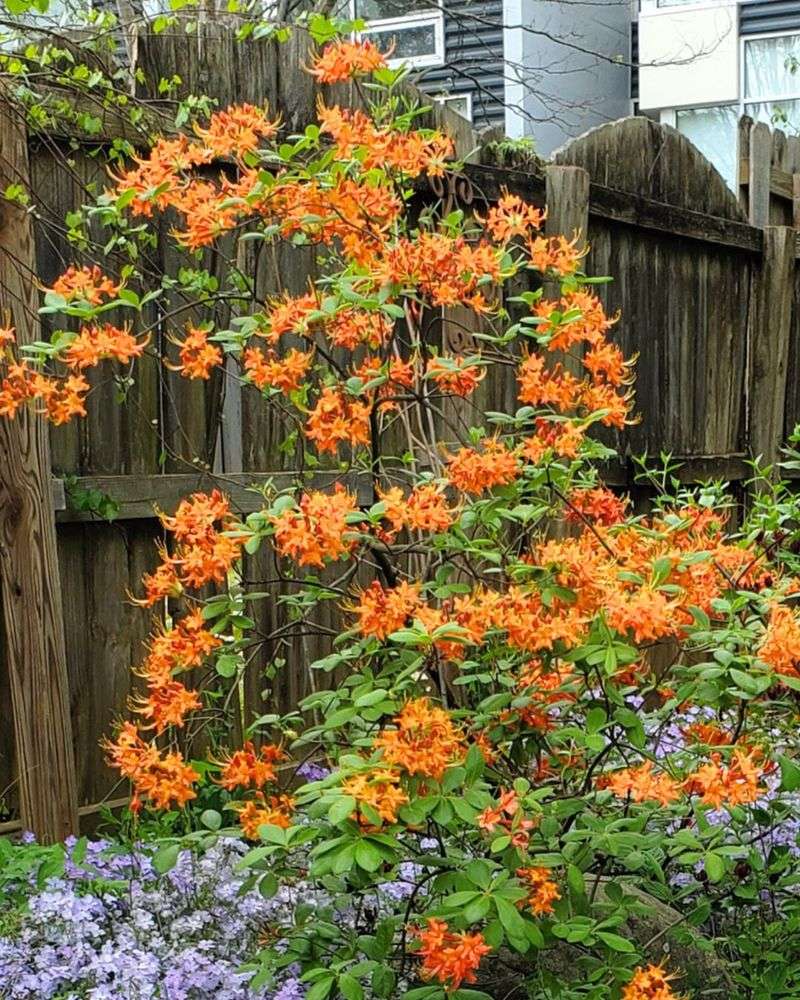
Size is one of the most practical things to understand before you plant anything. Native azaleas and Encore Azaleas land in very different size ranges at maturity.
Many native azalea species grow quite large over time. Florida flame azalea can reach 10 feet or more.
Piedmont azalea typically settles between 6 and 8 feet tall. These are not small shrubs, and they need room to spread naturally without heavy pruning.
Encore Azaleas stay much more compact. Most varieties top out between 2 and 5 feet depending on the cultivar.
Autumn Coral and Autumn Twist stay on the smaller end. Autumn Royalty and Autumn Empress push toward the larger range but still fit neatly into foundation beds and borders.
Compact size makes Encore Azaleas easier to manage in typical residential settings. Foundation plantings, pathway borders, and container gardens all work well with their predictable growth habit.
Native azaleas need space to reach their potential. Crowding them against a house or fence often leads to poor airflow, reduced blooming, and a scraggly appearance over time.
Your Georgia Garden Changes Every Week. Your Plan Should Too.
Gardening in Georgia changes quickly throughout the season. Every Friday you’ll receive a simple weekly plan showing exactly what to plant, prune, fertilize, harvest, and protect so you never miss the right timing.
They perform best when given room to grow into their natural shape.
Before purchasing either type, measure your available space honestly. A plant that outgrows its spot creates more work than it saves.
3. Growth Habits Differ Between Native And Encore Azaleas
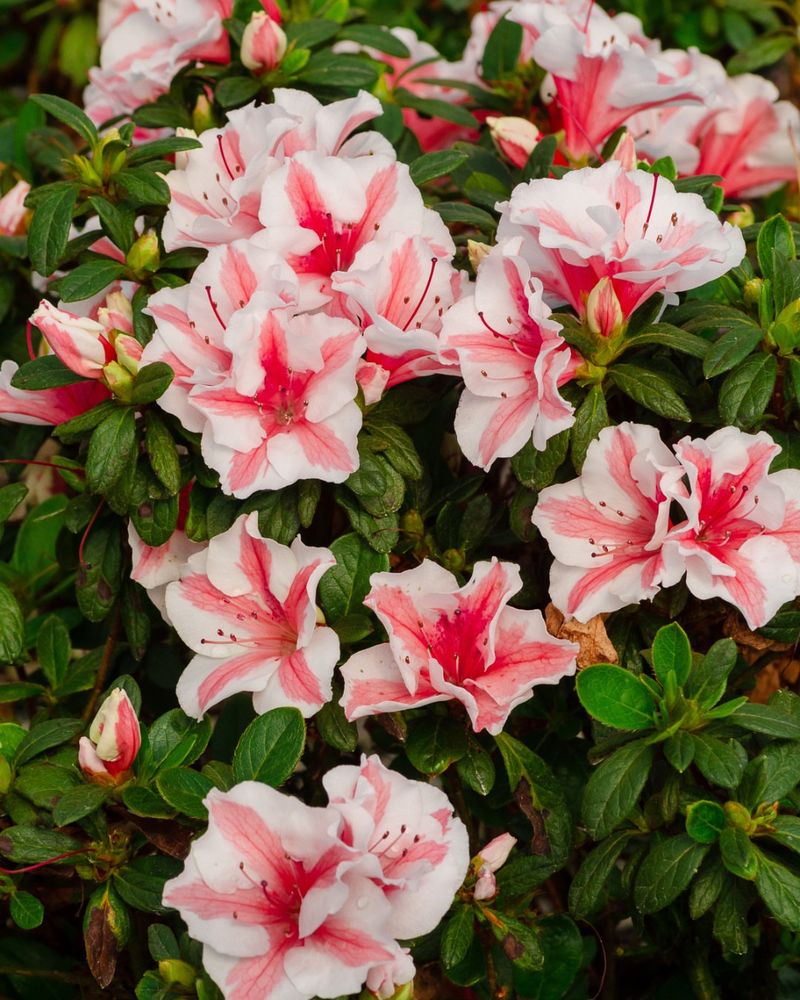
Growth habit shapes how a plant looks and how much maintenance it demands. Native and Encore Azaleas grow in noticeably different ways, and that affects how they fit into a landscape.
Native azaleas tend to grow with an open, loose structure. Branches spread outward and upward in irregular patterns.
Older plants develop a layered, naturalistic silhouette that works beautifully in informal or woodland-style gardens. Trying to force them into a tight, formal shape usually backfires.
Encore Azaleas grow in a denser, more rounded form. New growth fills in consistently, giving them a tidy appearance without heavy intervention.
That compact habit suits formal beds, symmetrical plantings, and manicured landscapes where a uniform look matters.
Root systems also differ. Native azaleas develop shallow, fibrous roots that spread wide.
Disturbing soil around them after planting can set them back significantly. Encore Azaleas are similarly shallow-rooted but tend to recover from transplanting and soil disturbance more readily.
Mulching matters for both types, but especially for natives. A 2 to 3 inch layer of pine bark or pine straw helps maintain soil moisture and moderate temperature swings without smothering shallow roots.
Understanding how each plant naturally wants to grow makes maintenance much simpler. Fighting a plant’s natural habit creates constant work.
4. Pruning Requirements Change By Variety
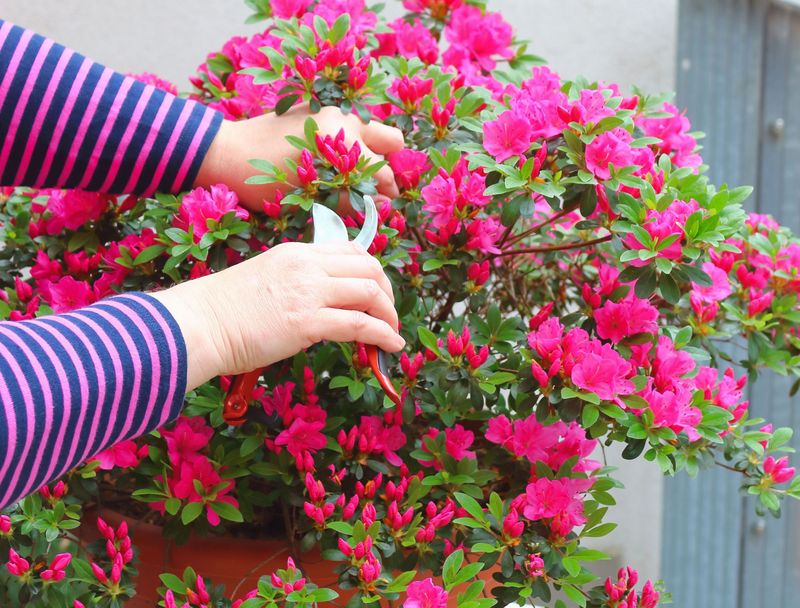
Pruning azaleas at the wrong time can wipe out an entire season of blooms. Native azaleas and Encore Azaleas follow different schedules, and mixing them up is an easy mistake.
Native azaleas set their flower buds shortly after their spring bloom ends. Pruning after midsummer removes those buds and means no flowers the following spring.
If you need to shape a native azalea, do it right after blooming ends, ideally within four to six weeks.
Encore Azaleas are more complicated because they bloom multiple times. Light shaping after the spring flush encourages stronger summer and fall blooming.
Heavy pruning in late summer removes developing buds and reduces fall color significantly.
Most Encore Azaleas need minimal pruning if planted in a space that fits their mature size. Selective removal of crossing or crowded branches once a year is usually enough to keep them tidy and blooming well.
Native azaleas rarely need heavy pruning if given adequate space. Aside from removing damaged branches now and then, they usually need very little pruning.
Aggressive cutting tends to stress them more than it helps, especially on established plants.
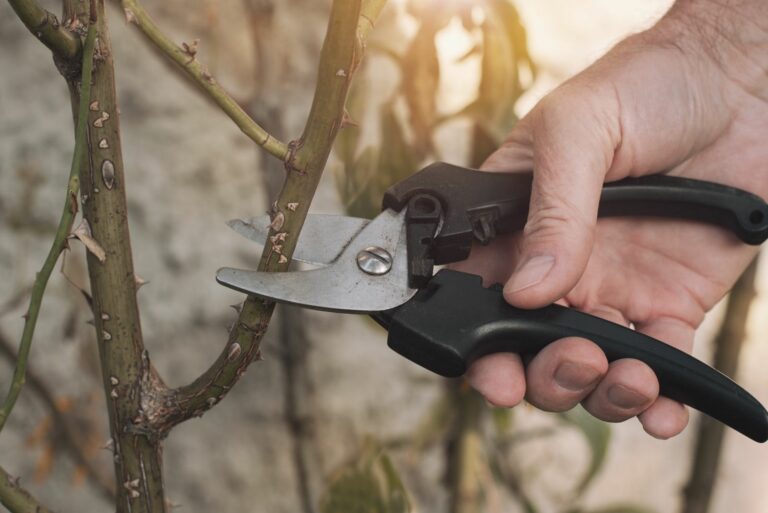
A sharp, clean pair of bypass pruners makes a real difference. Dull blades crush stems rather than cutting cleanly, which opens the plant to disease.
5. Native Azaleas Support More Pollinators
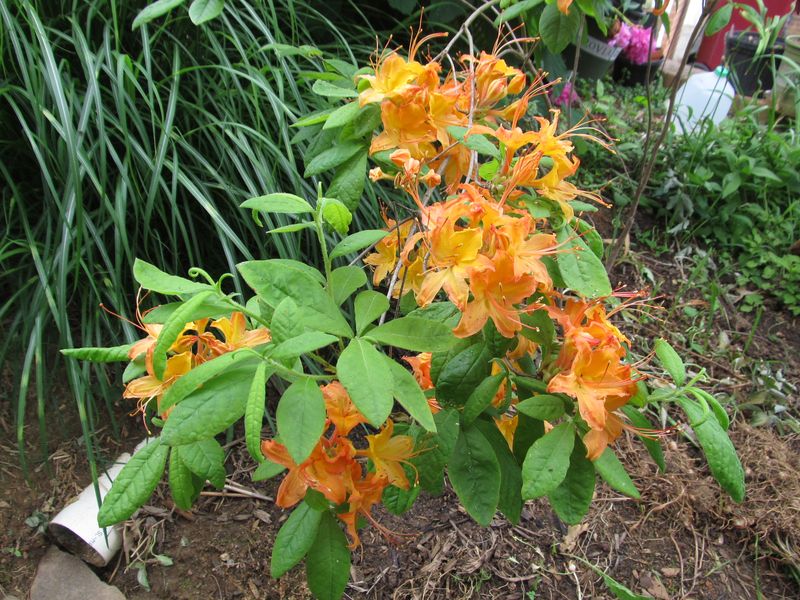
Few plants pull pollinators in quite like a native azalea in full bloom. Bumblebees, hummingbirds, and native moths all depend on these flowers in ways that most hybrid plants simply cannot match.
Native azaleas produce long, tubular blooms packed with nectar. Hummingbirds find them especially useful during spring migration.
Several native bee species have evolved alongside these plants, making them a reliable food source that hybrids often cannot replace.
Encore Azaleas do attract some pollinators, mostly honeybees and a few butterfly species. Their blooms are shorter and more densely packed, which limits access for long-tongued insects like certain native bees and sphinx moths.
That difference means fewer native insects can use Encore Azaleas as an effective food source, while native azaleas remain accessible to a much wider range of pollinators.
Georgia has a surprisingly rich population of native bee species. Planting even one or two native azaleas can make a measurable difference in how many beneficial insects visit your garden each season.
If supporting wildlife is a priority, native azaleas carry a clear advantage here. Encore Azaleas are beautiful and useful, but they were bred for bloom performance rather than ecological function.
6. Fall Color Is More Common On Native Azaleas
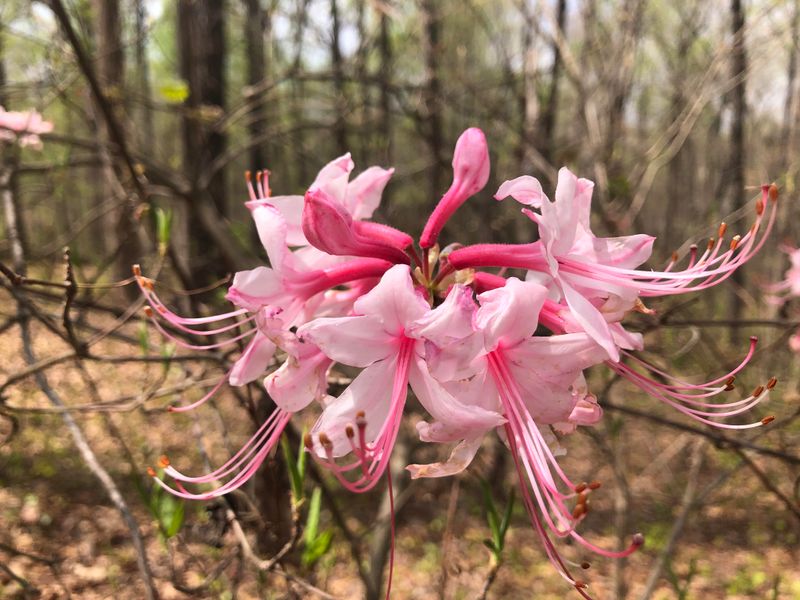
Most people plant azaleas for spring flowers and stop thinking about them after that. Native azaleas have something extra to offer that often gets overlooked entirely.
Several native azalea species produce genuine fall foliage color before dropping their leaves. Flame azalea turns shades of orange and red in autumn.
Piedmont azalea often develops yellow tones. Plumleaf azalea can push deep burgundy hues.
That seasonal shift adds real visual interest during a time when many landscapes look tired and washed out.
Encore Azaleas are evergreen, which means they hold their leaves through winter. Evergreen foliage has its own appeal, especially in mixed beds where you want year-round structure and green coverage.
But they do not produce the warm fall color that deciduous native species offer.
Choosing between evergreen and deciduous azaleas often comes down to what you want your yard to look like in November and December. Evergreen plants provide structure and coverage.
Deciduous plants offer seasonal change and a more naturalistic rhythm.
Many experienced gardeners in the Southeast plant both types deliberately. Encore Azaleas carry the beds through fall with blooms and evergreen foliage.
Native azaleas contribute spring flowers, pollinator support, and autumn color. Together they cover more seasonal bases than either type handles alone.
Fall color on native azaleas is not guaranteed every year.
7. Sun Tolerance Varies Between Both Types
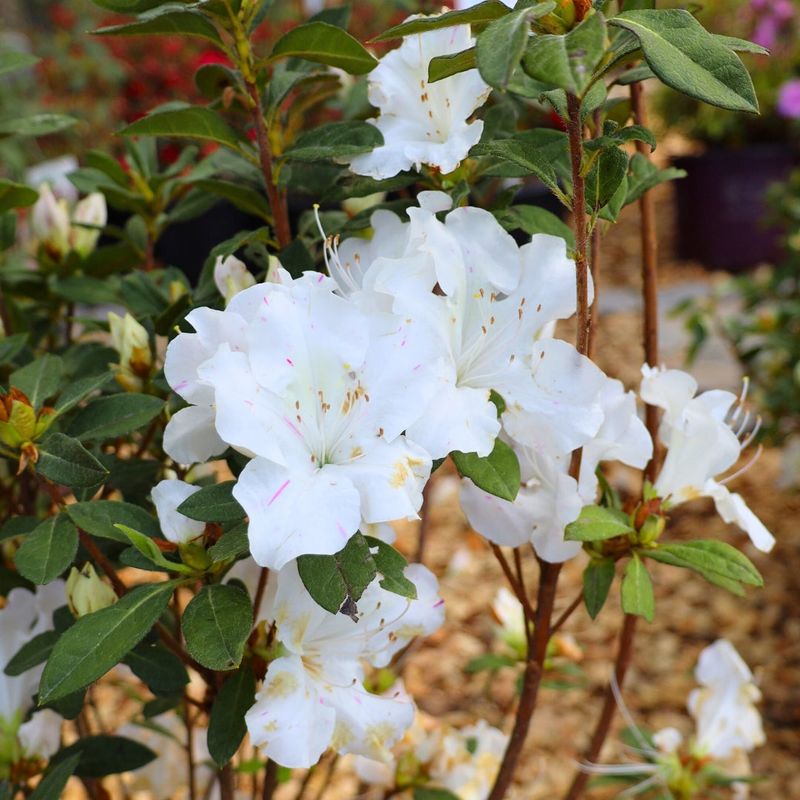
Light conditions in your yard should drive a lot of your plant choices. Native azaleas and Encore Azaleas handle sun exposure quite differently, and getting this wrong causes real problems.
Native azaleas are woodland plants by nature. Most species prefer dappled shade or filtered light under tall pines or hardwoods.
Plumleaf azalea tolerates more sun than most, but even it performs better with some afternoon shade in hot climates. Intense afternoon sun can scorch leaves and reduce blooming.
Encore Azaleas were bred with sun tolerance in mind. Most varieties handle four to six hours of direct sunlight well, and some perform acceptably in even more.
That flexibility makes them practical for open foundation beds, sunny borders, and spots where tree canopy is limited.
In Georgia, afternoon sun in July and August is intense enough to stress many plants. Encore Azaleas generally hold up better in those exposed spots than native species, provided they receive consistent moisture during peak heat.
Shade gardeners have an easier time with native azaleas. Under established trees with good organic soil, native species often need minimal intervention once they settle in.
Encore Azaleas in heavy shade tend to bloom less and stretch toward available light.
Walk your yard at different times of day before planting. Note where shade falls and where sun lingers.