The Specific Texas Garden Signs Scorpions Are Establishing A Population On Your Property Before You Ever See One
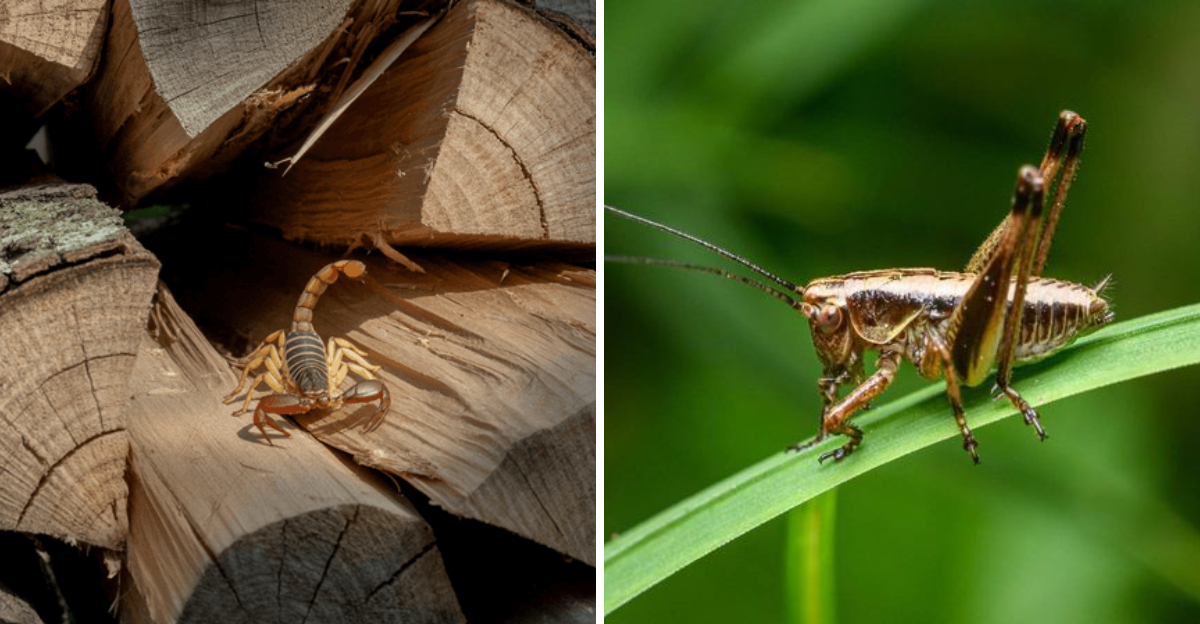
Most Texas homeowners don’t think about scorpions until they see one. That encounter, usually at night and usually in a spot that makes the heart rate spike, is when the questions start.
How many are there? How long have they been here? And why this yard? By that point, the scorpions have almost certainly been present for a while.
Scorpions don’t just appear. They establish gradually, moving into a property when conditions suit them and quietly building a presence long before most homeowners have any idea they’re there.
The first visible scorpion is rarely the only one, and it’s almost never the first one to arrive. But your garden will tell you they’re there before you ever see one, if you know what to look for.
There are specific, observable signs that a scorpion population is getting comfortable on your property, and catching those signs early gives you a real advantage in dealing with the situation before it becomes a more serious problem.
1. You Have Rock Borders, Pavers, Or Landscape Stone With Gaps Underneath
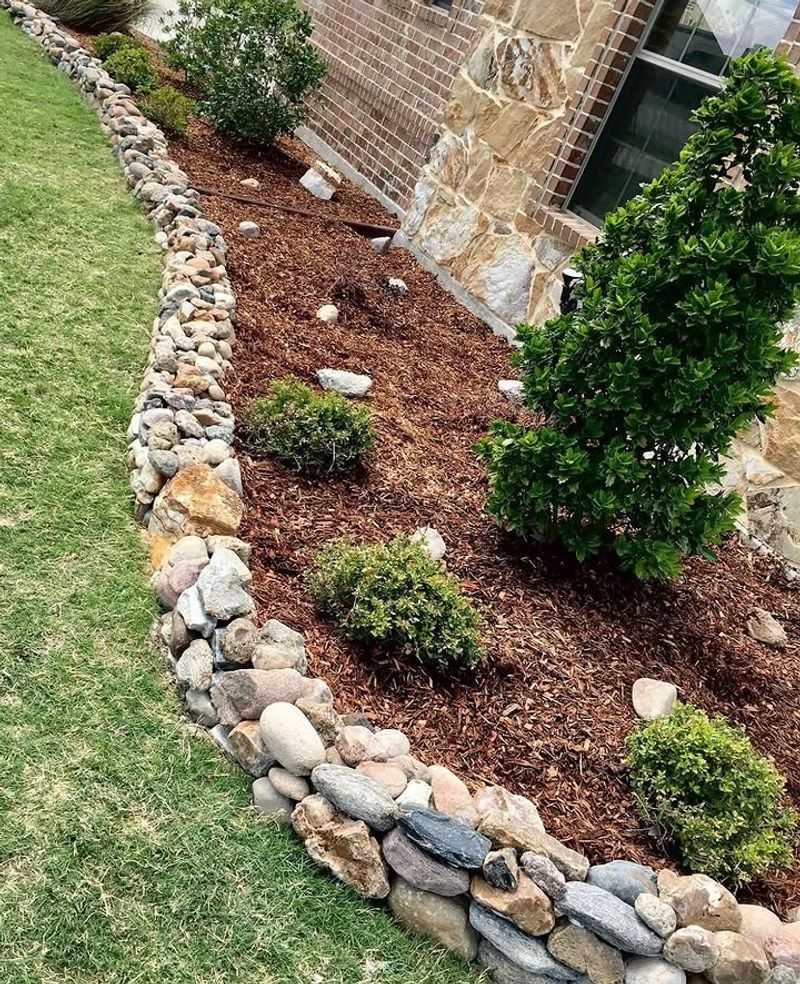
Rock borders and decorative pavers can make a yard look sharp and well-designed, but they also create the perfect underground world for scorpions to move right in.
Scorpions are cold-blooded, so they spend their days tucked underneath cool, dark surfaces and only emerge when temperatures drop at night.
If your garden has loose stone edging, stacked rocks, cracked pavers, or any kind of dry gap running along the underside of hardscape, you may already be offering exactly what they need.
The gaps do not have to be large. Scorpions can squeeze through openings as thin as a credit card, which means even small cracks between pavers or beneath decorative boulders are more than enough space.
Stacked flat stones are especially problematic because each layer creates a new hiding spot, essentially building a multi-story scorpion apartment complex right in your garden bed.
One thing to pay attention to is whether your stone borders sit directly on bare soil with no barrier underneath. Bare soil beneath rocks stays cooler and moister than the surface above, which is exactly the microclimate scorpions prefer.
Regularly moving and inspecting your landscape stones is one of the best early detection habits you can build. Use a long tool to flip rocks rather than your bare hands.
If you spot shed exoskeletons, tiny claw marks in soft soil, or any scorpion at all, that is your signal to act quickly.
Consider sealing gaps between pavers with polymeric sand and reducing the number of loose stacked stones near your home’s foundation to make your yard far less welcoming to these nighttime hunters.
2. Firewood, Lumber, Or Yard Debris Is Sitting Near The House
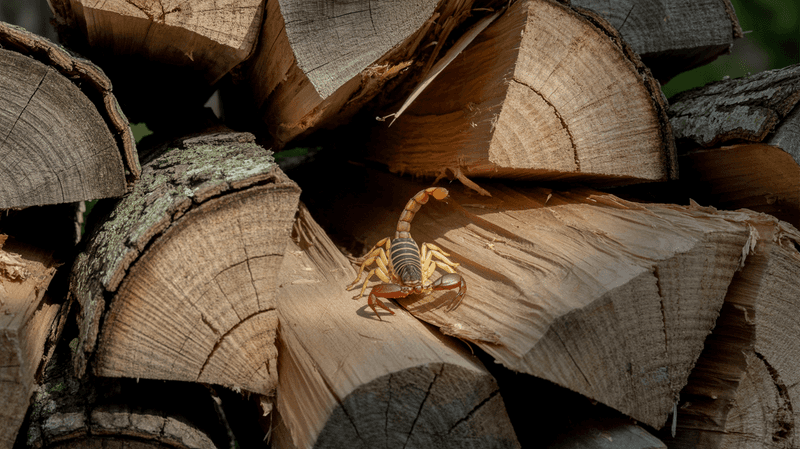
There is something almost irresistible about a good firewood stack sitting close to the back door for easy access on cool evenings. But that convenient pile of logs, old boards, or leftover lumber is one of the most common scorpion magnets found in Texas yards.
Your Texas Garden Changes Every Week. Your Plan Should Too.
Gardening in Texas changes quickly throughout the season. Every Friday you’ll receive a simple weekly plan showing exactly what to plant, prune, fertilize, harvest, and protect so you never miss the right timing.
Wood piles create cool, protected hiding places that stay shaded throughout the hottest parts of the day, and scorpions absolutely take advantage of that.
Fallen limbs, scrap wood from a recent project, old fence boards leaning against a wall, and even thick layers of dry leaves all qualify as scorpion-friendly cover.
The closer these materials sit to your house, the higher the chance that scorpions will eventually make the short journey from the wood pile to your garage, laundry room, or attic.
In Texas, this is one of the clearest signs that a property already has daytime scorpion cover established and ready for use.
Relocating your firewood stack at least 20 to 30 feet away from the home is one of the smartest moves you can make. Store wood off the ground on a raised rack so air can circulate underneath and moisture does not build up.
Before bringing any firewood inside, shake each piece and inspect it carefully. Scorpions grip tightly and will ride a log straight into your living room without any hesitation.
Also, clear out old boards, rotting stumps, and leaf piles from along your fence lines and foundation regularly.
Keeping yard debris cleaned up removes the daytime shelter scorpions depend on, making your property significantly less appealing to a settling population.
3. Your Mulch Beds Stay Damp After Dark
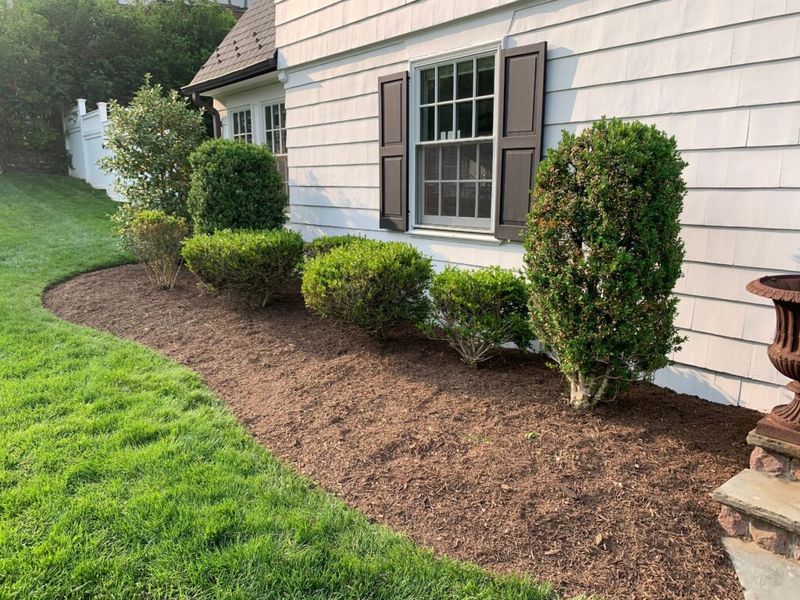
Walk outside an hour after sunset on a warm Texas evening and press your hand into your mulch beds. If the mulch still feels wet or even just cool and damp, your garden may be offering scorpions something they actively seek out during dry stretches: moisture.
Scorpions are surprisingly sensitive to dehydration, and during Texas summers when heat is relentless, they gravitate toward any area that holds water or stays humid after dark.
Damp mulch near the foundation is a particularly risky combination. The moisture keeps the area comfortable, the mulch provides cover, and the foundation wall offers warmth and potential entry points all at once.
Leaky drip irrigation lines, overwatering habits, plant saucers left full of standing water, hose drips, and shaded soil that never fully dries out all contribute to this problem.
Even a small amount of consistent moisture can make a garden bed significantly more attractive than the dry surrounding landscape.
Adjusting your irrigation schedule so that watering happens in the early morning rather than the evening is a simple but powerful fix. Morning watering gives the soil and mulch time to dry out before nightfall, removing the damp conditions scorpions look for.
Pull mulch back slightly from the foundation wall to create a dry buffer zone of a few inches. Consider switching to gravel or rock mulch near the house since it drains quickly and does not hold moisture the way organic mulch does.
Checking for leaky irrigation heads and fixing drips promptly also removes hidden water sources that you might not even realize are there but scorpions will find every time.
4. You’re Seeing More Crickets, Roaches, Beetles, Or Spiders
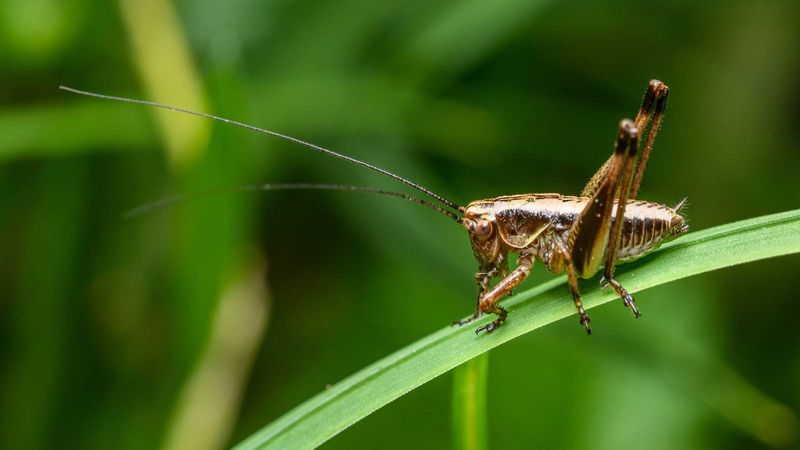
Pay close attention to what else is showing up in your yard at night, because where the food goes, scorpions follow. Scorpions are active predators that feed on crickets, roaches, beetles, spiders, and other small arthropods.
A garden buzzing with nighttime insect activity is essentially an all-you-can-eat buffet that can attract and support a growing scorpion population without you ever realizing what is happening.
Outdoor lighting is a major factor here. Lights left on at night draw moths, beetles, and other insects, which in turn attract the predators that hunt them.
If you have noticed a rise in cricket noise near your foundation, roaches running along your fence line, or clusters of beetles gathering around your porch light, those are not just annoying nuisances.
They are food sources that could be feeding a scorpion population that is already quietly established in your yard.
Switching outdoor lights to yellow or amber bulbs is one of the easiest changes you can make. These wavelengths attract far fewer insects than standard white or blue-toned lights.
Reducing indoor light that leaks outside through windows and doors also helps. Beyond lighting, addressing the root causes of insect buildup matters just as much.
Fix moisture issues, remove decaying organic material, and keep garbage cans sealed tightly. Treating for common insects like crickets and roaches with an appropriate perimeter spray can reduce the food supply that supports scorpions.
When prey becomes scarce, scorpions are far less motivated to stick around and set up a long-term home base in your garden. Fewer insects genuinely means fewer scorpions over time.
5. There Are Cracks, Gaps, Or Openings Around The Foundation
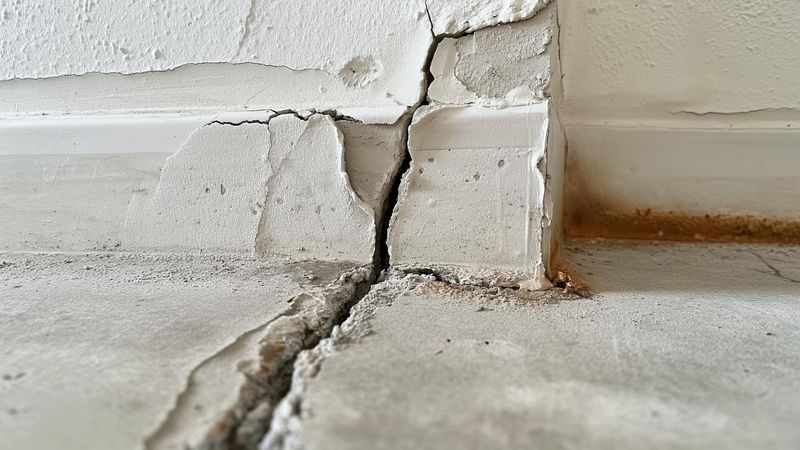
Your home’s foundation is supposed to be a solid barrier between the outside world and your living space, but foundations have a lot more openings than most people realize.
Weep holes, utility line entry points, gaps around pipes, open vents, cracks along the base of the wall, and poorly sealed door frames are all potential entry routes for scorpions.
What starts as an outdoor population can transition into an indoor problem surprisingly fast once scorpions discover these access points.
Striped bark scorpions, the species most commonly found across Texas, are agile climbers and can scale brick, stucco, and rough siding without much trouble at all.
They do not need a large gap to squeeze through, and they often follow moisture or insect activity right through the smallest cracks.
Weep holes, which are small openings intentionally left in brick walls for drainage, are a particularly well-known entry point that many homeowners never think to address.
Doing a thorough inspection of your foundation at least twice a year is a habit worth building. Walk the full perimeter of your home and look for any gap wider than a few millimeters.
Use weather-resistant caulk to seal cracks and gaps around utility lines and pipes. Install fine mesh screens over weep holes and vents to block entry without stopping drainage or airflow.
Check door sweeps on all exterior doors, including garage doors, and replace any that have worn thin or no longer make full contact with the floor. A well-sealed foundation does not just block scorpions.
It also keeps out roaches, spiders, and other unwanted visitors that come with Texas outdoor living.
6. Your Yard Has Dry, Sheltered Edges That Rarely Get Disturbed
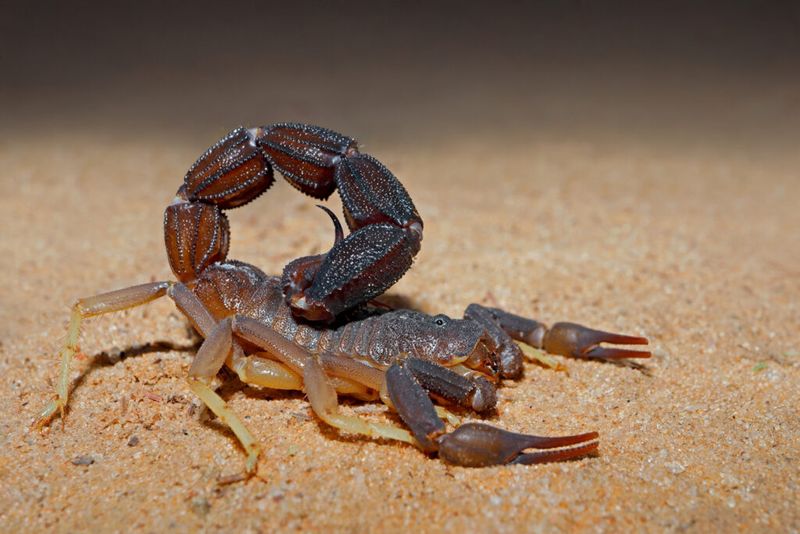
Every yard has those forgotten corners where nothing much happens for weeks or even months at a time.
Maybe it is the narrow strip of ground running behind the shed, the cluster of terracotta pots that never get moved, the shadowy stretch along the back fence line, or the rocky patch under the deck where the lawnmower never reaches.
These quiet, undisturbed zones are prime scorpion territory, and they often go unnoticed until a scorpion shows up somewhere it definitely should not be.
Scorpions thrive in places where they can hide safely during the day and hunt freely at night without being disturbed. Rarely touched areas give them that security.
In rocky or brushy Texas landscapes, these zones are especially common because the terrain naturally creates the kind of rough, sheltered edges scorpions prefer.
Leaf litter, loose gravel, stacked pots, old equipment, and overgrown shrubs all add to the problem by creating layers of cover that are almost never moved or cleaned out.
Making a habit of disturbing these quiet corners on a regular schedule is one of the most underrated prevention strategies around. Move pots, clear leaf piles, rake gravel, and trim back overgrown shrubs along fence lines at least once a month.
Store outdoor equipment off the ground when possible and avoid letting clutter accumulate in corners near the house.
Creating a tidy, open yard with fewer hiding spots does not eliminate scorpions entirely, but it removes the sheltered edges they depend on for daytime safety. A yard that gets regularly disturbed is a yard that scorpions find much harder to call home.