The Only Porch Plant You Need In Texas To Make Flies Find Your Yard Less Attractive
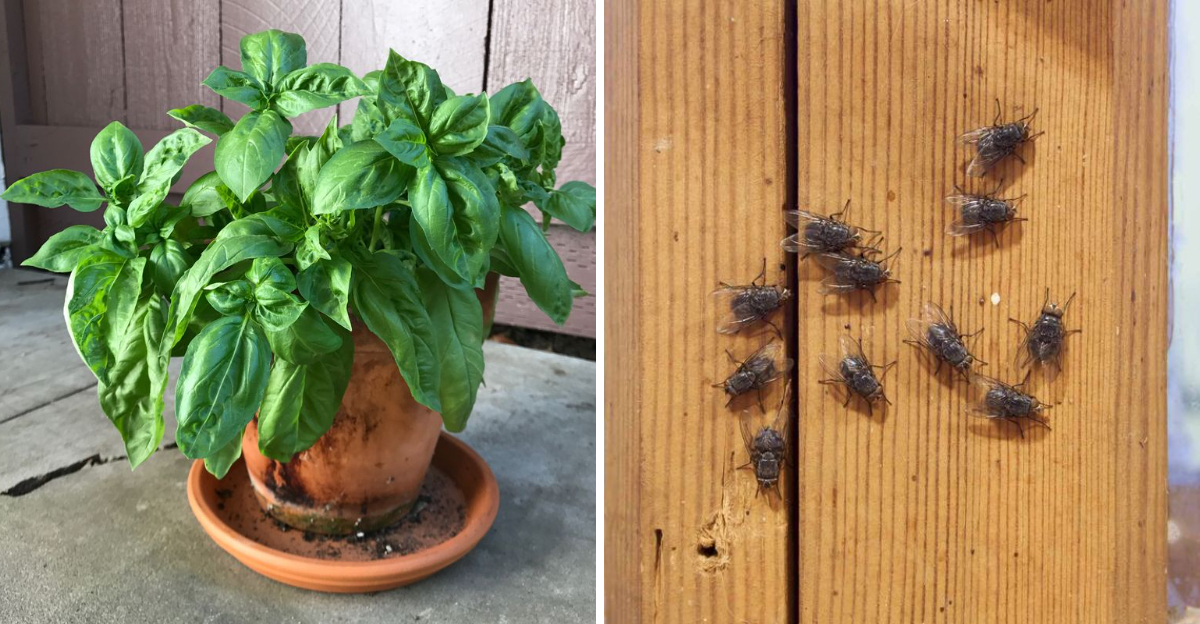
Flies on a Texas porch are a warm weather constant that most people just accept as part of being outside. They land on food, hover around drinks, and seem completely unbothered by waving hands, fans, or most of the products designed to deter them.
Chemical sprays help, but they’re not exactly what you want drifting over your outdoor dining table on a summer evening. There’s a better way, and it grows in a pot.
One particular porch plant produces natural compounds that flies genuinely cannot stand. Position it in the right spot and it creates an invisible buffer that makes your outdoor space significantly less attractive to them all summer long.
No sprays, no sticky traps, no loud zappers. Just a plant doing what it naturally does. It thrives in the Texas heat, looks great on a porch or near an entryway, and asks almost nothing of you in return.
One plant, in the right spot, can genuinely change how much you enjoy your Texas porch this summer.
This Texas Porch Plant Makes Flies Find Your Yard Less Attractive
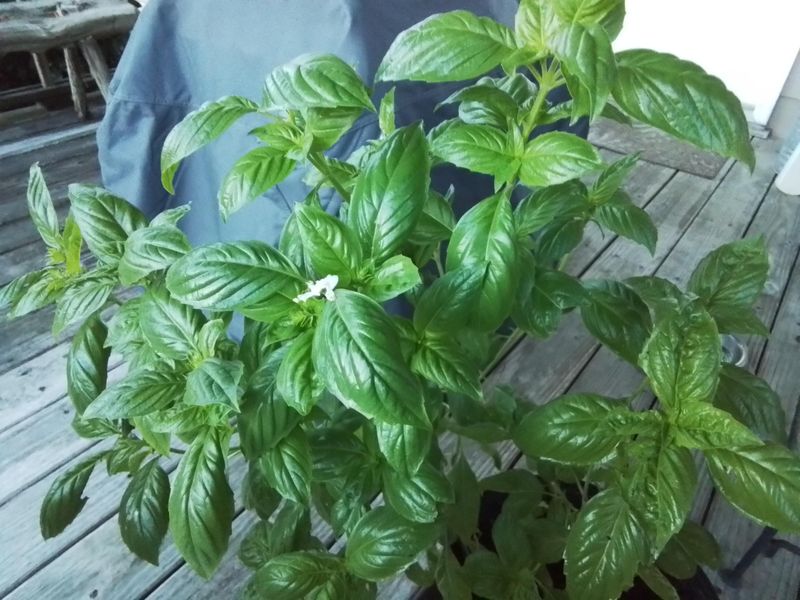
Walk out to your porch on a warm Texas evening, brush your fingers across a pot of basil, and you will immediately understand why flies want nothing to do with it.
That sharp, herbal smell that people love in the kitchen is the same smell that makes flies turn around and head somewhere else.
Basil has been used for centuries in gardens and kitchens, and its reputation as a fly-discouraging plant has made it a favorite for outdoor spaces across the South.
Placing a pot of basil near your porch seating area, outdoor dining table, or front entry can help make those spots feel less attractive to flies. The scent works best up close, so positioning the plant where people actually sit and eat gives you the most benefit.
Flies rely heavily on their sense of smell to find food and resting spots, and basil’s strong fragrance interferes with that process.
Beyond the fly-discouraging benefits, basil is also a genuinely useful plant to have around. You can snip fresh leaves for pasta, pizza, salads, or homemade sauces anytime you want.
Growing basil on a Texas porch is practical, affordable, and surprisingly satisfying. Most garden centers and grocery stores sell starter plants for just a few dollars, making it one of the easiest upgrades you can make to your outdoor space.
You get a functional kitchen herb and a natural way to make your porch feel more comfortable at the same time. That combination is hard to beat, especially during the long Texas summer when flies are at their most active and porch time is at its most precious.
Why Flies Gather Around Texas Porches
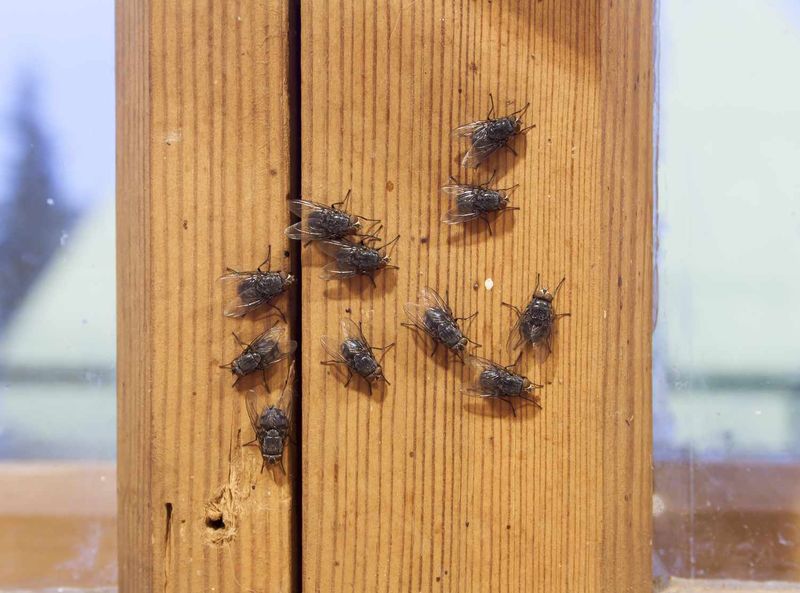
Flies are not random. They show up where the conditions are right, and Texas porches often give them exactly what they are looking for.
Food scraps, sticky drink spills, uncovered trash bins, pet waste, compost piles, and dirty grill grates are all major draws for flies.
Your Texas Garden Changes Every Week. Your Plan Should Too.
Gardening in Texas changes quickly throughout the season. Every Friday you’ll receive a simple weekly plan showing exactly what to plant, prune, fertilize, harvest, and protect so you never miss the right timing.
The warm Texas climate makes things worse because heat speeds up the breakdown of organic material, which creates stronger smells that attract flies from a distance.
Sugary drinks left out on a porch table can bring flies in within minutes. Pet food bowls sitting outside, even partially empty ones, are another common problem.
Recycling bins with unwashed bottles and cans also tend to pull flies in, especially during summer. If a grill has old grease buildup, that smell carries far and signals a food source to nearby flies.
Understanding why flies gather is the first step toward making your porch less welcoming to them.
Basil can definitely help discourage flies in the immediate area around the plant, but it works best when your porch is already reasonably clean and not loaded with easy food sources.
Think of basil as a helpful layer of protection rather than a fix for a fly-attracting environment. If trash bins are overflowing and pet waste is sitting in the yard, no plant is going to solve that problem on its own.
Cleaning up those attractants first gives basil a much better chance to do what it does well. A tidy porch combined with a healthy basil plant is a genuinely effective combination for making flies feel less welcome in your outdoor space.
How Basil Helps Make Flies Less Welcome
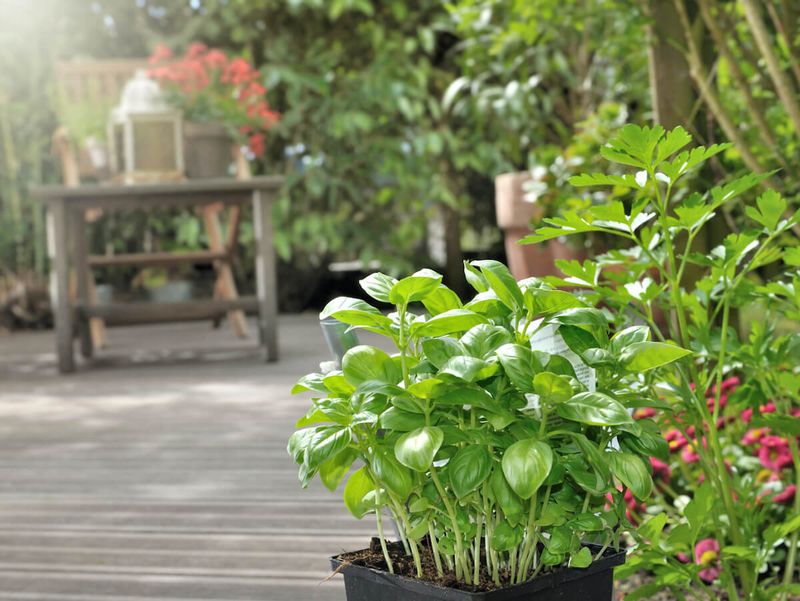
Basil contains natural compounds called volatile oils, and those oils are what give the plant its powerful scent. The main ones include linalool and eugenol, which are found in many insect-discouraging products as well.
When flies detect these compounds in the air, they tend to move away from the source rather than toward it. That is the simple science behind why basil has earned its reputation as a fly-discouraging porch plant.
One easy trick to get more scent from your basil is to gently brush or rub the leaves with your fingers every so often. This releases more of the plant’s oils into the air and strengthens the effect in the area right around the pot.
You do not need to bruise the leaves heavily or strip them off the plant. A light touch is enough to get a fresh burst of that herbal fragrance going, especially before outdoor meals or gatherings.
Keeping expectations realistic matters here. Basil is not going to create an invisible force field around your entire yard that stops every fly from entering.
The scent radius is relatively small, meaning the plant is most effective within a few feet of where it is sitting. Flies farther away in the yard may not be affected at all.
What basil does well is make the immediate area around it, like a dining table, a chair grouping, or a porch entry, feel less inviting to flies that are already nearby.
Used as part of a broader approach to porch cleanliness and fly prevention, basil earns its spot as a genuinely useful and pleasant addition to any Texas outdoor space.
How To Grow Basil In A Texas Porch Pot
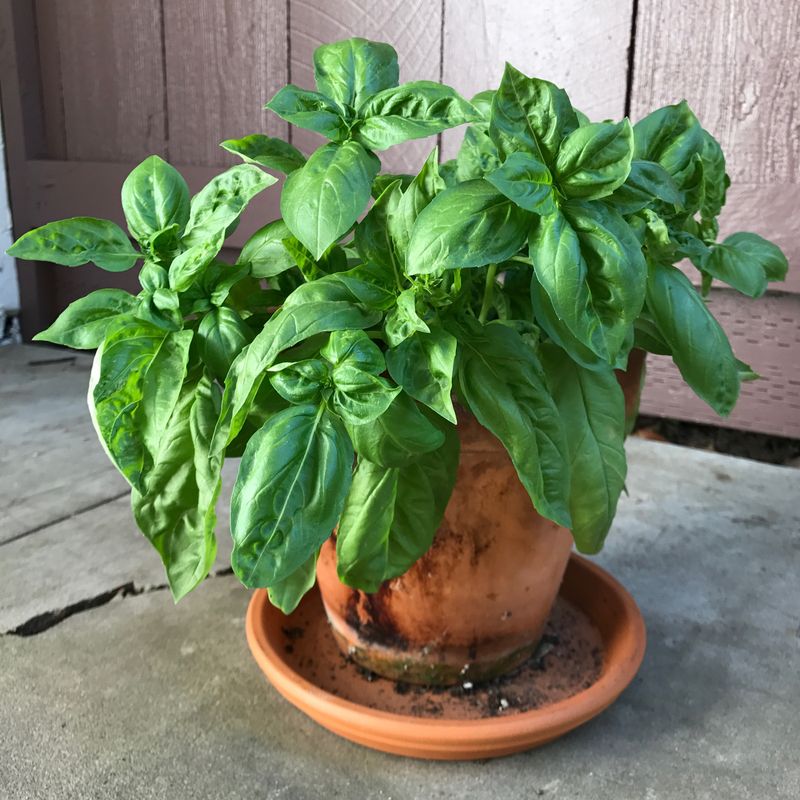
Growing basil in a container on a Texas porch is genuinely beginner-friendly, but the Texas heat does require a little extra attention. Start with a pot that has drainage holes at the bottom.
Basil roots do not like sitting in water, and a soggy pot will cause the plant to struggle quickly. A medium-sized terracotta or plastic container works well, and filling it with a good quality potting mix gives the roots the loose, well-draining soil they need to stay healthy.
Sunlight is important for basil, but Texas summers can be brutal. Morning sun is ideal because it gives the plant the light it needs without exposing it to the harshest afternoon heat.
If your porch gets full sun all day, consider moving the pot to a spot with some afternoon shade during the hottest months.
Basil that gets too much intense heat may start to wilt, turn yellow, or bolt quickly, meaning it sends up flower stalks and loses some of its strong leaf flavor and scent.
Watering consistently is the key to keeping a porch basil plant full and fragrant all season long. Check the soil every day or two by pressing a finger about an inch into the potting mix.
When it feels dry at that depth, it is time to water. Pour slowly until water drains from the bottom of the pot, then let the soil dry out slightly before watering again.
Pinching off flower buds as they appear will keep the plant focused on producing those fragrant leaves rather than going to seed. With a little regular attention, a porch basil pot can thrive in Texas from spring through early fall.
Where To Place Basil For The Best Effect
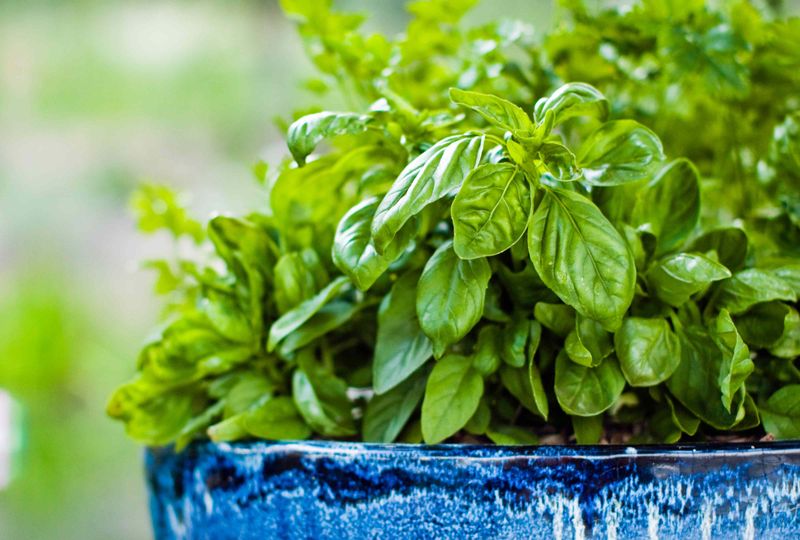
Placement makes a real difference when it comes to getting the most out of your basil plant. Putting it in a back corner of the yard where nobody sits will not do much for your porch experience.
The goal is to position basil where people actually spend time outdoors so the scent is present in the areas that matter most.
Near an outdoor dining table is one of the best spots because that is where food smells tend to concentrate and where flies are most likely to show up.
Porch steps and kitchen doors are also smart locations. Flies often enter homes through doors that get opened frequently, and having a basil pot right next to the door creates a fragrant barrier at that entry point.
Grill areas are another worthwhile placement since grilling smells attract flies quickly, and having basil nearby can help counteract some of that attraction. Patio seating clusters benefit from basil too, especially when guests are gathered and drinks or snacks are being shared.
Using several pots instead of just one will noticeably increase the effect. A single small plant in one corner of a large porch will have limited reach.
Grouping two or three pots together, or spreading them across different activity zones on the porch, creates a broader scent presence that covers more ground. Larger, fuller plants also release more fragrance than small or sparse ones, so keeping your basil well-watered and regularly pinched will help it stay bushy and aromatic all season.
Strategic placement combined with healthy plants gives you the best possible result from this simple and affordable porch upgrade.
What Else Actually Keeps Flies Away
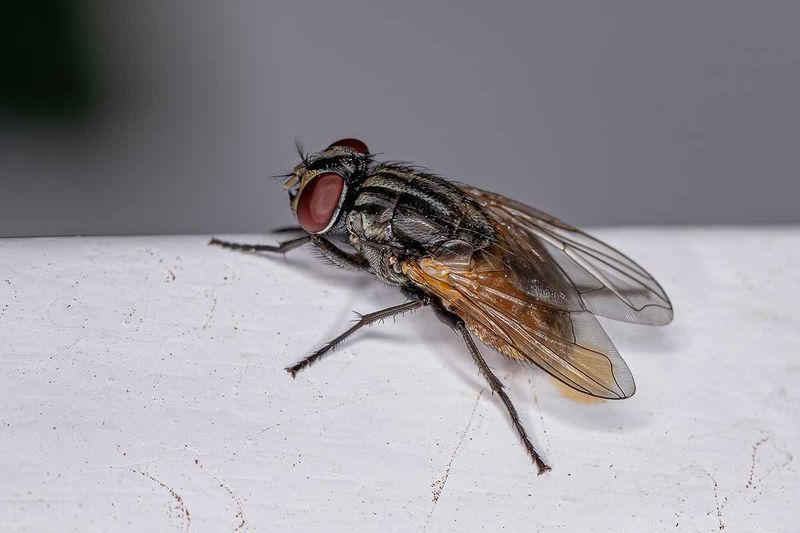
Basil is a genuinely helpful porch plant, but it works best as part of a broader fly-prevention routine rather than a standalone solution. The most effective thing you can do is remove the conditions that attract flies in the first place.
Cover food whenever it is sitting outside, even for short periods. Flies can find exposed food within minutes, especially on warm Texas days when smells travel fast through the air.
Trash bins are one of the biggest fly attractors around any home. Keep lids on bins at all times, and rinse them out regularly to remove residue that builds up inside.
Recycling containers deserve the same attention. Rinsing bottles, cans, and cartons before tossing them in the bin removes the sugary or savory residue that flies find irresistible.
Pet waste in the yard should be picked up daily because it is one of the strongest fly attractants there is, and letting it accumulate creates a serious fly problem that no plant can fix.
Wipe up spills on outdoor tables and porch surfaces quickly. Even a small splash of a sugary drink can bring flies in fast.
If you grill regularly, clean the grate and drip tray after each use to remove grease buildup. Fruit that has fallen from trees or compost scraps left uncovered should also be dealt with promptly.
Combining these simple habits with a healthy pot of basil on your porch gives you a practical, layered approach to making your outdoor space less attractive to flies.
Basil adds a pleasant herbal scent and a helpful layer of discouragement, and that is exactly the kind of low-effort upgrade every Texas porch deserves.