Stop Fertilizing These Plants Before August In New Jersey, Here’s Why
Your plants might already be faltering, and you don’t even know it yet. New Jersey summers convince you that more fertilizer always means more growth.
Late feeding pushes your plants toward trouble instead of strength. Trees you planted years ago can weaken under sudden winter stress.
Shrubs you trimmed all summer soften fast once frost creeps in. Flowers you nurtured for months can fade at the wrong moment. Lawns you mowed every week thin out when protection matters most.
Gardeners across New Jersey repeat your same mistake without ever noticing the setback. Timing controls your results far more than quantity ever will.
Nothing about your mistake feels obvious until the cold arrives. Understanding your cutoff moment changes how your plants endure winter.
Every plant in your yard depends on a decision you haven’t made yet. You cannot ignore this timing if you truly want your plants thriving again next spring.
1. Roses Need Time To Harden Off Before Frost
Roses are sensitive plants, and they respond quickly to poor timing. Push them with fertilizer too late, and they will respond with soft, weak stems that cannot handle cold weather.
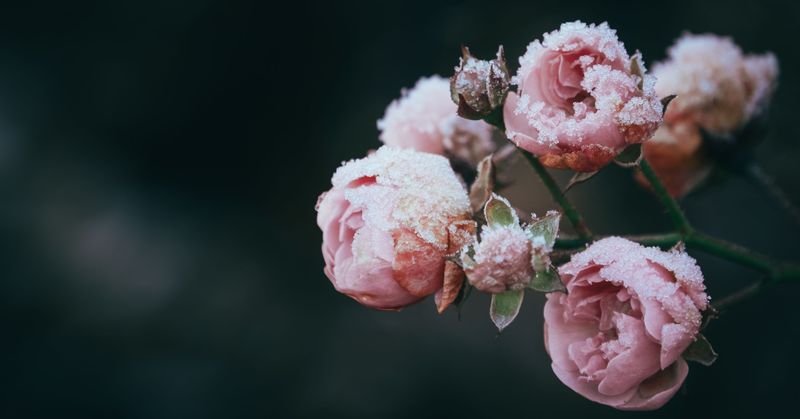
When you fertilize roses after midsummer, the plant rushes to produce new shoots. Those shoots are tender and packed with moisture, making them extremely vulnerable to frost damage.
Frost arrives quickly, and any soft new growth on your rose bush can be damaged within a single cold night.
Hardening off is the natural process where a plant toughens up its tissue before temperatures drop. Roses generally need several weeks to do this properly before the first frost hits.
In most parts of New Jersey, the first frost can arrive as early as mid-October. That means your roses need to start slowing down by late August at the absolute latest.
Stopping fertilizer before August gives the plant a clear signal: winter is coming, time to slow down. The rose stops chasing new growth and starts storing energy in its roots and canes instead.
Healthy, hardened canes are what make it through winter and come back blooming in spring. Soft, fertilizer-pushed canes often split, rot, or die back completely after a hard freeze.
Think of it like asking someone to sprint right before bed. The body needs wind-down time, and so do your roses. Give them that gift before August arrives.
2. Trees And Shrubs Risk Tender New Growth Freezing
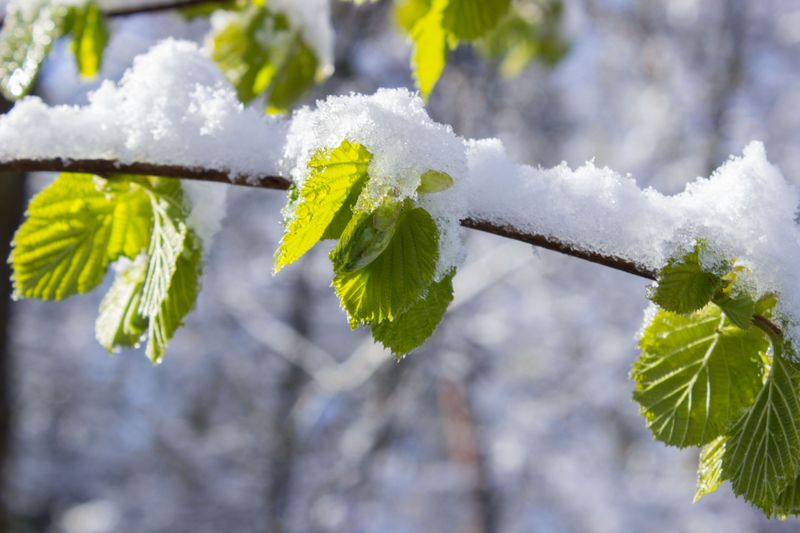
Picture your favorite oak or maple pushing out bright, lime-green leaves in September. It looks beautiful, but it is actually a warning sign something went wrong.
Late fertilizer applications push trees and shrubs into a growth spurt at exactly the wrong time. That new growth cannot harden before temperatures plunge.
Woody plants need to enter a state called dormancy before winter. Dormancy is basically a deep sleep that protects the plant from cold temperatures and drying winds.
Nitrogen-heavy fertilizers send the opposite message. They tell the plant to wake up, grow fast, and produce as much green tissue as possible.
Your New Jersey Garden Changes Every Week. Your Plan Should Too.
Gardening in New Jersey changes quickly throughout the season. Every Friday you’ll receive a simple weekly plan showing exactly what to plant, prune, fertilize, harvest, and protect so you never miss the right timing.
When frost hits tender branch tips, the damage can be severe. You may notice blackened shoot tips, split bark, or entire branches that never leaf out the following spring.
Young trees are especially at risk because their root systems are still developing. A late growth push can drain stored energy reserves right before they are needed most.
Established shrubs like boxwood, arborvitae, and viburnum can also weaken when pushed too hard in late summer. Their outer branches may look scorched or brown after a hard freeze.
Stopping fertilizer before August lets trees and shrubs wind down naturally. They shift energy from leaves to roots and begin building the cold-weather armor they need to thrive. Healthy dormancy now means strong, vigorous growth next spring.
3. Hydrangeas Stop Blooming Well With Late Fertilizer
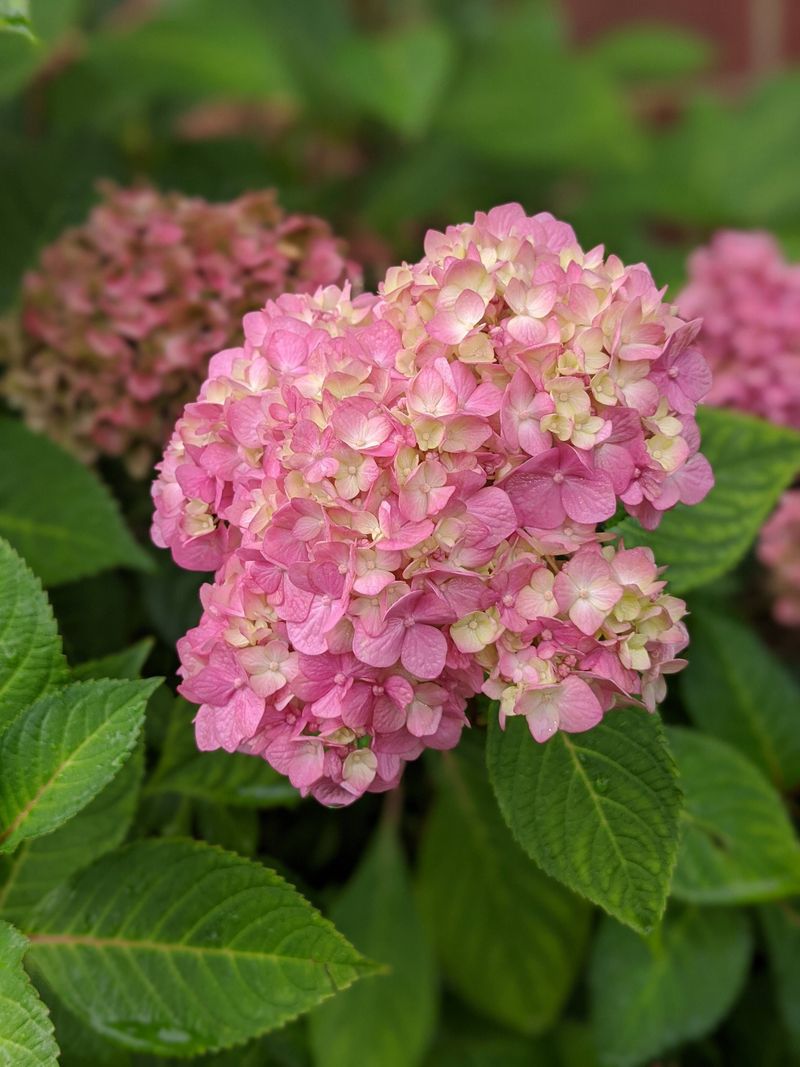
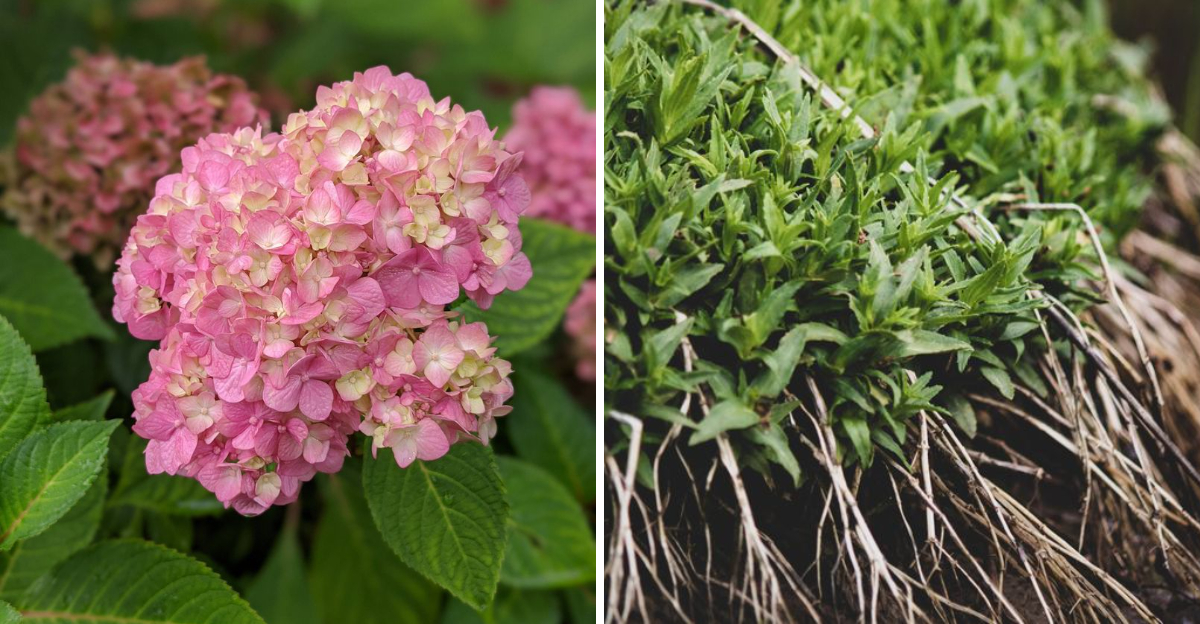
Hydrangeas are the showstoppers of any summer garden, with those big, fluffy flower heads that make everyone stop and stare. But fertilize them too late, and those blooms become a distant memory next season.
Late-season nitrogen pushes hydrangeas to produce leafy green growth instead of flower buds. The plant gets confused and spends its energy on foliage when it should be preparing to bloom.
Most hydrangea varieties set their flower buds in late summer and fall. Disrupting that process with a nitrogen boost means fewer flowers, or sometimes none at all, the following year.
Bigleaf hydrangeas, which are common across the Garden State, are especially sensitive to this timing issue. They bloom on old wood, meaning the buds that form now are the flowers you see next summer.
Knock those buds off with a late growth surge and you significantly reduce next year’s blooms. That is a frustrating outcome after months of careful watering and pruning.
Panicle and smooth hydrangeas are a bit more forgiving since they bloom on new wood. But even these varieties benefit from slowing down before cold weather arrives.
The best approach is to give hydrangeas a light, balanced feeding in spring and let them coast through the rest of the season. They do not need constant food to look gorgeous.
Stopping fertilizer before August lets the plant focus on bud development and root strengthening. Your patience now pays off in plenty of spectacular blooms next summer.
4. Perennials Redirect Energy To Roots Not Leaves
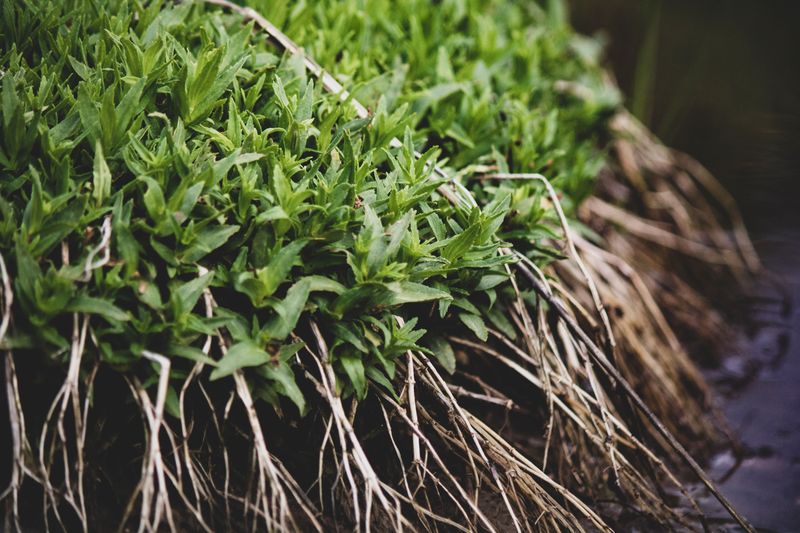
Late summer is when perennials start doing something really smart: they pull their energy downward. Instead of pushing out new leaves, they store carbohydrates deep in their root systems to prepare for winter.
Fertilizing perennials after midsummer interrupts this critical process. The nitrogen signals the plant to keep growing upward instead of storing energy below ground.
When a perennial cannot store enough energy in its roots, it enters winter in a weakened state. Come spring, it may emerge slowly, look sparse, or fail to return at all.
Plants like coneflowers, black-eyed Susans, and hostas all follow this natural energy-shifting pattern. Respecting that pattern is one of the most important things a gardener can do in late summer.
Nitrogen-fed perennials also produce soft, lush foliage late in the season. That soft growth is a magnet for aphids, spider mites, and other insects looking for an easy meal before fall.
Root energy storage is not just about getting through winter. It is also what fuels the vigorous spring growth that makes perennials so rewarding year after year.
Think of the roots as a savings account. Every bit of energy the plant stores now is a deposit it will spend generously next April and May.
Stopping fertilizer before August means the plant can make those deposits without interruption. A well-stocked root system is your best guarantee of a thriving perennial garden season after season.
5. Lawns Become More Prone To Disease
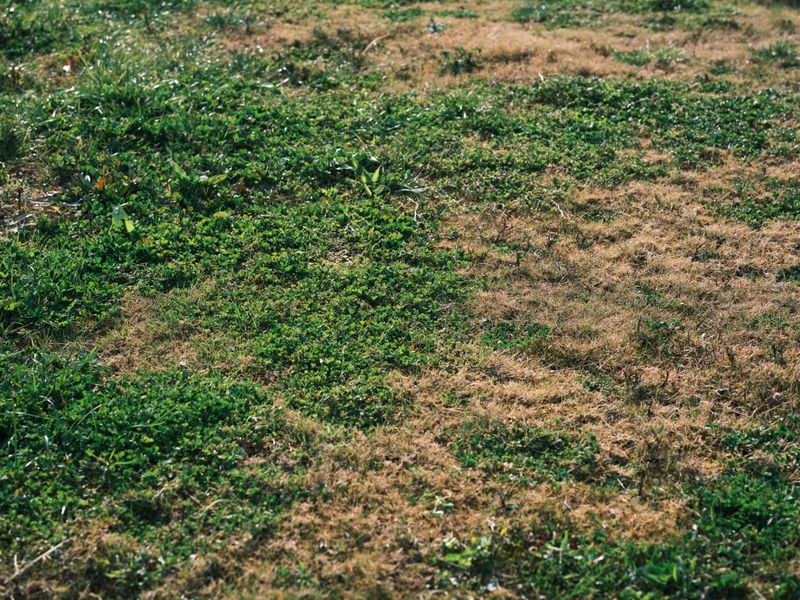
A lush, green lawn feels like the ultimate summer achievement. But push it with fertilizer too late in the season, and you might spend fall managing a difficult lawn disease problem.
Late nitrogen applications force grass to produce soft, watery blade tissue. That kind of tissue is a perfect breeding ground for fungal diseases like brown patch and dollar spot.
Brown patch is a lawn disease that thrives in warm, humid conditions in the region. It spreads fast in warm, humid conditions and can turn a beautiful lawn into a patchy mess within days.
Fertilizing in late summer creates exactly the conditions fungal pathogens love most. Thick, lush growth traps moisture and heat close to the soil surface, giving disease a head start.
Cool-season grasses like tall fescue and Kentucky bluegrass are especially common in New Jersey lawns. These grasses go through a natural slowdown in late summer and do not need extra food during that period.
Feeding them anyway is like forcing someone to eat a huge meal right before a nap. The excess just sits there, causing problems instead of helping.
Lawn disease treatments can cost significant time and money. Prevention is far easier and cheaper than trying to restore a lawn that has already been affected by fungal infection.
The smarter play is to wait until early September for your final lawn feeding. That timing supports recovery without triggering the disease-prone soft growth that late summer fertilizing creates.
6. Late Growth Attracts More Pests In Fall
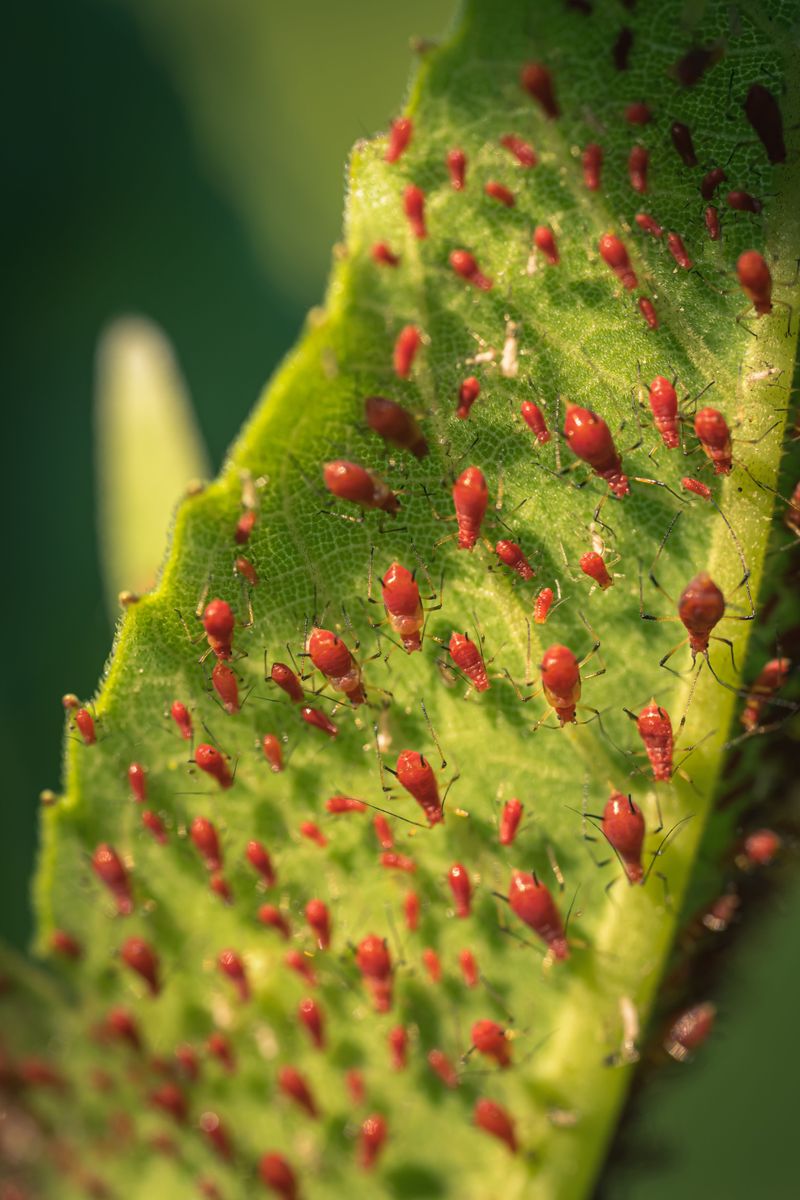
Bugs are opportunists, and they know a soft target when they see one. Fresh, fertilizer-fueled growth in late summer becomes an easy target for fall pests.
Aphids, whiteflies, and spider mites all ramp up their activity as summer winds down. They are looking for tender, nitrogen-rich plant tissue to feed on before temperatures drop.
When you fertilize plants after midsummer, you create conditions that attract these insects. The lush, soft growth you create is exactly what they prefer to target.
Japanese beetles and stink bugs also become more problematic in late summer. Both pests are drawn to plants that are actively growing and full of nutrients.
A single aphid infestation can spread to nearby plants quickly if left untreated. Once established, these colonies are stubborn and often require repeated treatment to control effectively.
Soft new growth is also easier for insects to pierce and feed on. Hardened plant tissue is much more resistant to pest damage, which is another reason late feeding backfires.
Stopping fertilizer before August lets plants toughen up naturally. Harder tissue means fewer entry points for pests and less overall damage to deal with heading into fall.
Gardens that skip the late feeding tend to need far less pesticide use in September and October. That is better for your plants, your wallet, and the beneficial insects that help your garden thrive.
7. Bulbs Planted Now Don’t Need Extra Nitrogen
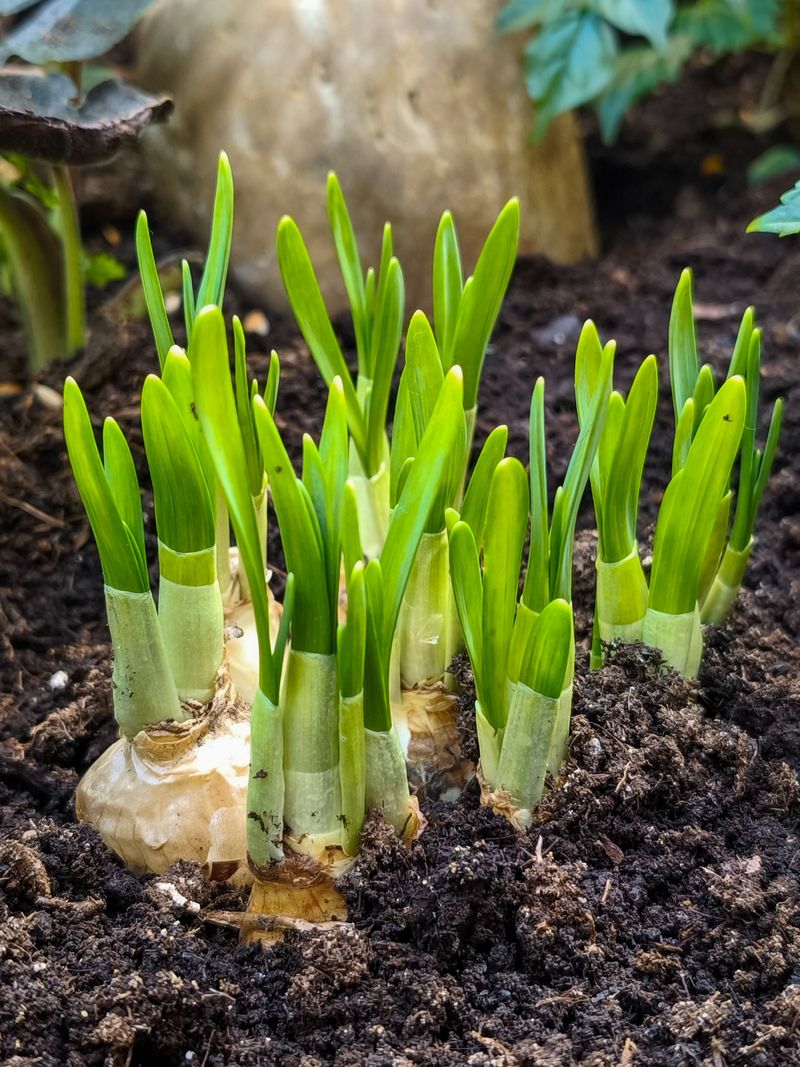
Fall bulb planting season is one of the most exciting times in the garden calendar. TTulips, daffodils, and hyacinths all go into the ground in fall, and they are largely self-sufficient.
Many gardeners make the mistake of adding nitrogen fertilizer when planting fall bulbs. That is actually counterproductive and can cause more harm than good.
Bulbs already contain everything they need to root successfully and get through winter. The bulb itself is a self-contained source of stored energy and nutrients.
Adding nitrogen encourages leafy top growth before the ground freezes. That premature growth is fragile, gets hit by frost, and often weakens the bulb heading into winter.
What bulbs actually benefit from is phosphorus, which supports strong root development. A low-nitrogen bulb fertilizer or bone meal applied at planting time is far more appropriate than a general-purpose feed.
Nitrogen is the nutrient most commonly found in standard fertilizers, and it is the one bulbs least need in the fall. Applying it anyway is a bit like giving someone caffeine right before bedtime.
The roots need to anchor deeply before the ground freezes solid. That anchoring process happens best when the plant is not being pushed to produce green growth at the same time.
Skipping nitrogen when planting fall bulbs means stronger roots, better cold tolerance, and more impressive blooms come spring. Let the bulb do what it was designed to do naturally.
8. Evergreens Lose Winter Hardiness With Continued Feeding
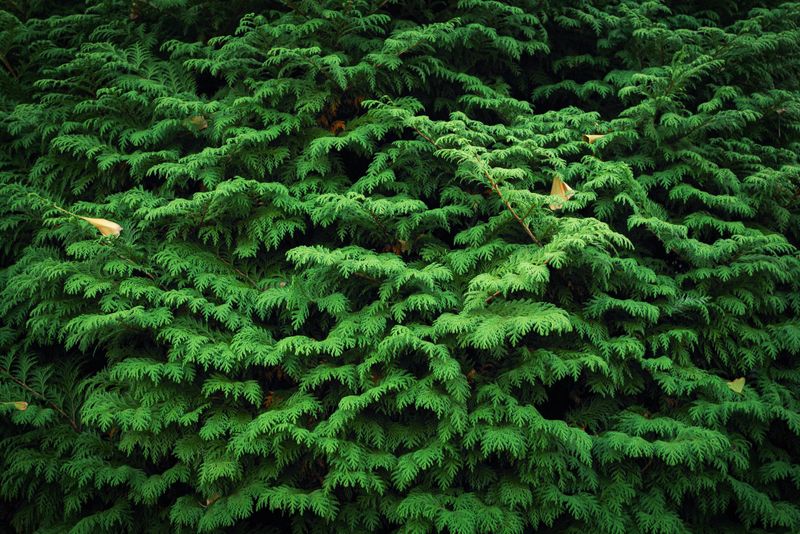
Evergreens look tough year-round, and that toughness is real. But it is not automatic; it has to be built through a careful seasonal slowdown that late fertilizing can completely undermine.
Arborvitae, hollies, junipers, and boxwoods are among the most common evergreens in the region. All of them follow a natural late-season hardening process that prepares their foliage for winter cold and wind.
Feeding these plants with nitrogen after midsummer triggers new, soft growth at the branch tips. That growth looks fresh and green, but it has not had time to develop the waxy coating that protects needles and leaves from freezing temperatures.
Without that protective coating, evergreen foliage is vulnerable to winter burn. Winter burn appears as brown, crispy tips on branches and can make a once-beautiful shrub look ragged and stressed.
Evergreens also lose moisture through their foliage all winter long, even when the ground is frozen. Tender new growth loses moisture even faster, which compounds the stress during cold months.
The hardening process involves cell wall thickening and the production of antifreeze-like compounds inside plant tissue. Nitrogen fertilizer short-circuits this process by keeping the plant in active growth mode.
Stopping fertilizer before August lets evergreens complete their natural toughening cycle. By the time frost arrives, their foliage is ready to handle whatever winter throws at them.
Protecting your evergreens now means less winter damage, less spring cleanup, and a landscape that looks polished and healthy all year long. That is a trade worth making every single time.