These Fragrant Michigan Garden Plants Are Less Likely To End Up On A Deer’s Menu
Michigan deer are confident, well-fed, and completely unbothered by a gardener’s carefully laid plans. They move through flower beds like they are browsing a menu, sample whatever looks good, and leave before sunrise without a trace of guilt.
The good news is that deer rely heavily on scent when deciding what to eat, and strongly aromatic plants tend to get skipped in favor of something less assertive.
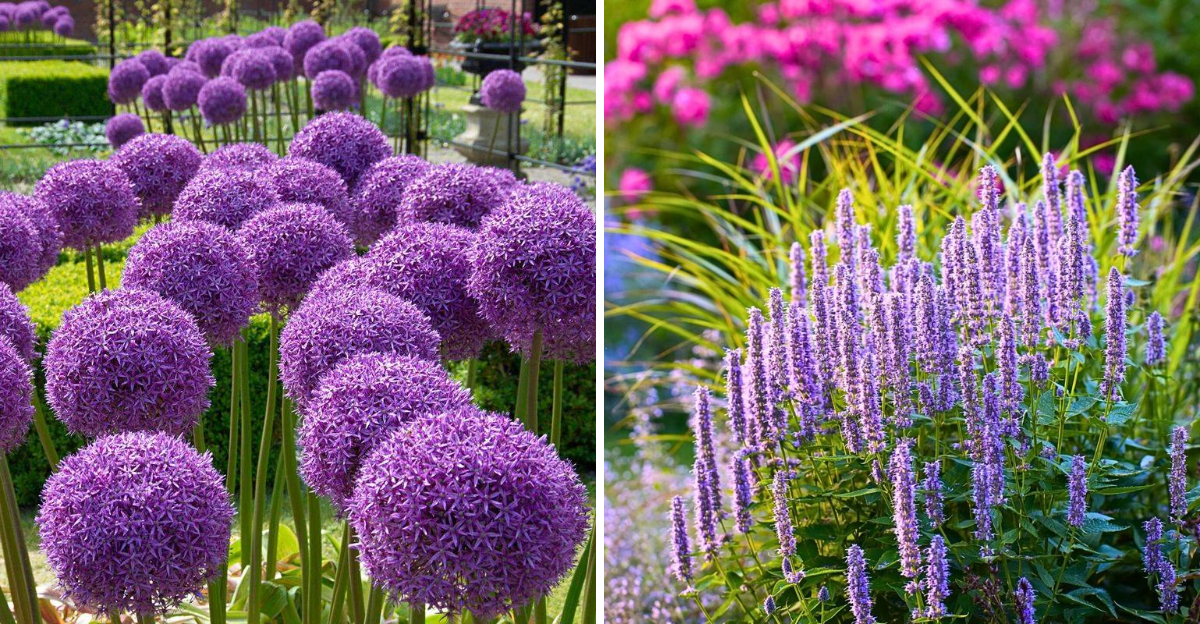
Anise hyssop, catmint, lavender, bee balm, mountain mint, ornamental allium, and salvia all bring real fragrance, texture, and color to a Michigan garden while sitting much lower on the deer preference list than most traditional favorites.
No plant is completely off the menu when deer are hungry enough, but building a garden around strong scents is one of the smartest defensive moves available.
1. Anise Hyssop Adds Licorice Scent
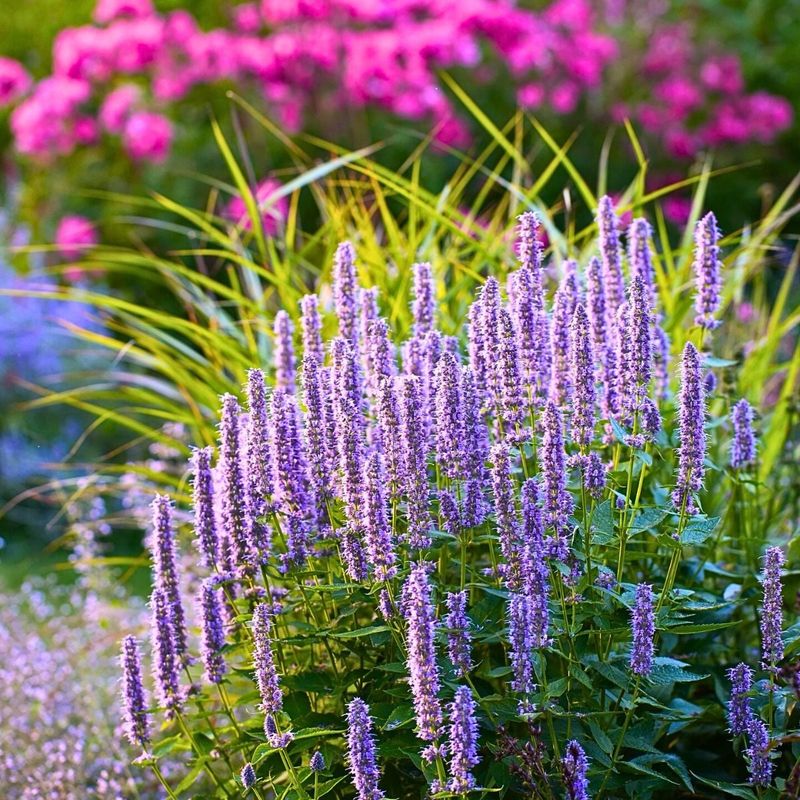
Walking past a patch of anise hyssop on a warm afternoon, you catch a sweet licorice scent that is surprisingly strong for a garden perennial. That fragrance comes from the aromatic leaves and flower spikes, which tend to put deer off from browsing too heavily.
Deer rely on smell when choosing what to eat, and plants with unusual or powerful scents are often passed over in favor of more familiar, milder-smelling vegetation.
Anise hyssop, known botanically as Agastache foeniculum, is a native prairie plant that thrives in sunny, well-drained spots across Michigan. It grows well in average to dry soils and handles heat without much complaint.
The tall purple flower spikes bloom from midsummer through early fall, attracting bees, butterflies, and hummingbirds to the garden in impressive numbers.
In a Michigan pollinator border or cottage-style garden, anise hyssop can reach two to four feet tall and fill in nicely without becoming aggressive. It may self-seed lightly, so deadheading after bloom can help manage spread if you prefer a tidier bed.
Gardeners in areas with moderate deer pressure often report that anise hyssop holds up better than many neighboring plants, though browsing can still happen when deer populations are especially high.
Pairing it with other aromatic perennials can help reinforce a scent barrier across the planting area.
2. Catmint Brings Fragrant Foliage
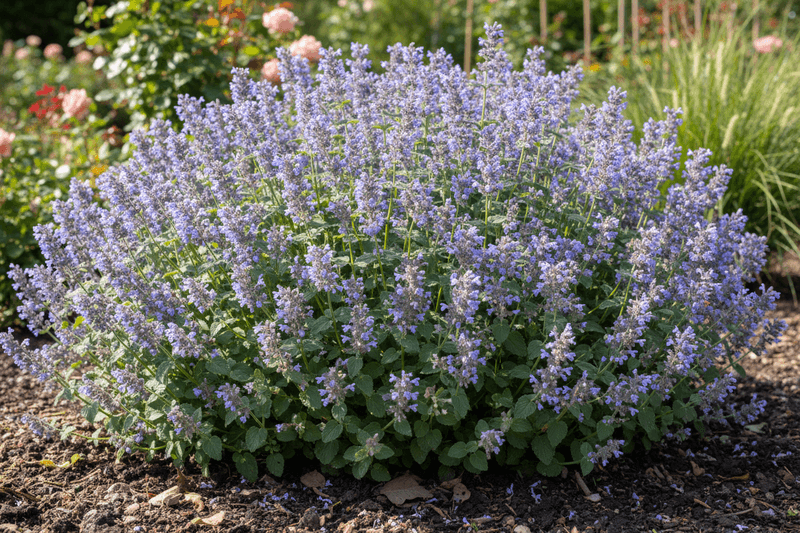
Few plants earn their place in a Michigan flower bed as reliably as catmint, a low-growing perennial with soft gray-green foliage that releases a sharp, herbal scent when brushed or disturbed.
That aromatic quality is exactly what makes it less appealing to deer, who tend to avoid plants with pungent or unfamiliar smells.
Catmint, which belongs to the genus Nepeta, is closely related to catnip but is generally considered more ornamental and better behaved in the garden.
In Michigan, catmint performs well in full sun and tolerates dry conditions once established, making it a practical choice for borders along driveways, sidewalks, and foundation plantings where soil can dry out quickly.
The lavender-blue flower spikes bloom heavily in late spring and early summer, then repeat if you shear the plant back by about a third after the first flush fades.
This second bloom often carries into fall, keeping the bed looking fresh well past midsummer.
Your Michigan Garden Changes Every Week. Your Plan Should Too.
Gardening in Michigan changes quickly throughout the season. Every Friday you’ll receive a simple weekly plan showing exactly what to plant, prune, fertilize, harvest, and protect so you never miss the right timing.
Catmint spreads gradually but rarely becomes invasive, which makes it easier to manage than some other aromatic herbs.
In neighborhoods across Michigan where deer browse garden edges regularly, catmint is frequently one of the plants left standing while less fragrant neighbors get nibbled.
It is worth noting that no plant is guaranteed safe when deer are hungry enough, but catmint holds up better than many options available to home gardeners.
3. Lavender Offers Strong Garden Scent
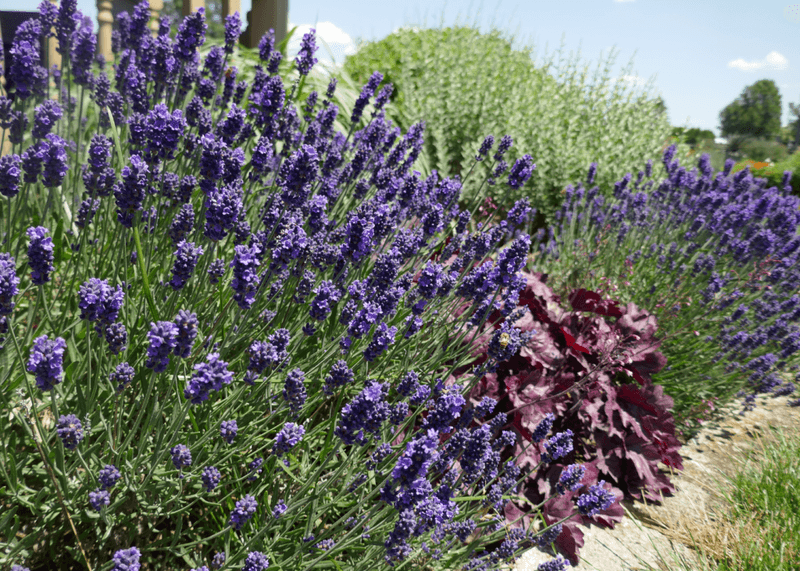
The sharp, medicinal fragrance of lavender is one of the most recognizable scents in any garden, and it happens to be one that deer tend to find unappealing.
Lavender contains aromatic oils concentrated in both the foliage and flowers, giving the entire plant a scent strong enough to discourage casual browsing.
For gardeners dealing with regular deer visits, lavender planted along sunny borders or near entry areas can be a practical and beautiful choice.
Growing lavender well in Michigan does require some attention to site conditions. The plant needs excellent drainage and full sun to thrive, and heavy clay soils can cause the roots to stay too wet through wet Michigan springs and winters.
Raised beds, amended sandy soils, or sloped planting areas tend to work better.
English lavender varieties like Hidcote and Munstead are among the more cold-hardy options for Michigan gardens, though even these may need some protection in the coldest northern areas of the state.
When lavender is established and thriving, it rewards gardeners with silvery foliage, fragrant purple flower spikes, and visits from bees and butterflies throughout summer.
Deer may occasionally investigate lavender, especially young plants that have not yet developed their full aromatic intensity, so it is reasonable to protect new transplants for the first season.
Over time, a well-sited lavender planting tends to be one of the more dependable low-browse options in residential landscapes.
4. Bee Balm Belongs To The Mint Family
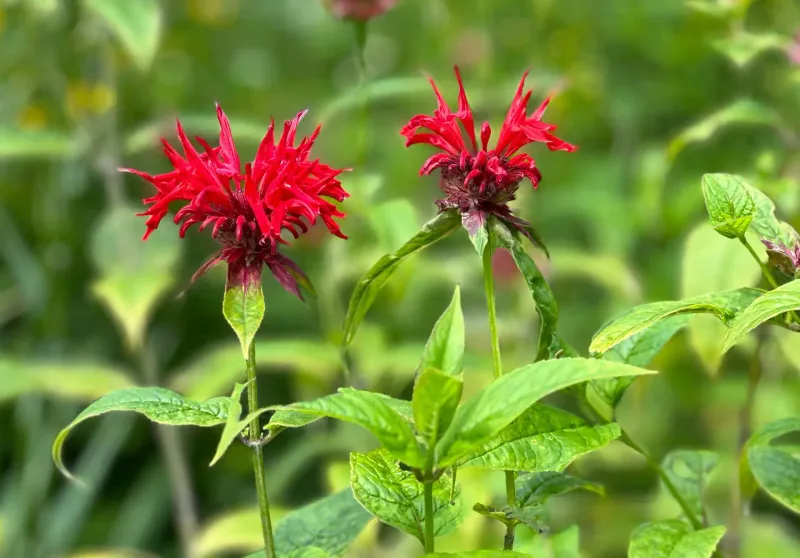
Bee balm is one of those Michigan native plants that pulls double duty, offering showy summer flowers while carrying a strong oregano-like scent through its leaves and stems.
Because it belongs to the mint family, bee balm shares the aromatic foliage that makes many plants in that group less attractive to deer.
The scent is especially noticeable when leaves are crushed or brushed, which can happen naturally as deer move through a garden bed.
Known botanically as Monarda, bee balm comes in red, pink, purple, and white varieties. The native red species, Monarda didyma, has a long history in Michigan woodlands and moist meadows.
It prefers moist, well-drained soil and partial to full sun, making it a good fit for rain garden edges, pollinator borders, and naturalistic cottage-style plantings.
Hummingbirds, bees, and butterflies visit the tubular flowers enthusiastically from midsummer through late summer.
One thing gardeners should know is that bee balm can spread fairly quickly by underground rhizomes, so dividing clumps every few years keeps it from overtaking neighboring plants.
Powdery mildew can also be a concern in humid summers, so choosing mildew-resistant varieties like Jacob Cline or Raspberry Wine is a practical move.
In yards where deer pressure is moderate, bee balm tends to hold up reasonably well, though hungry deer may sample it when other food sources are limited nearby.
5. Mountain Mint Smells Strongly Fresh
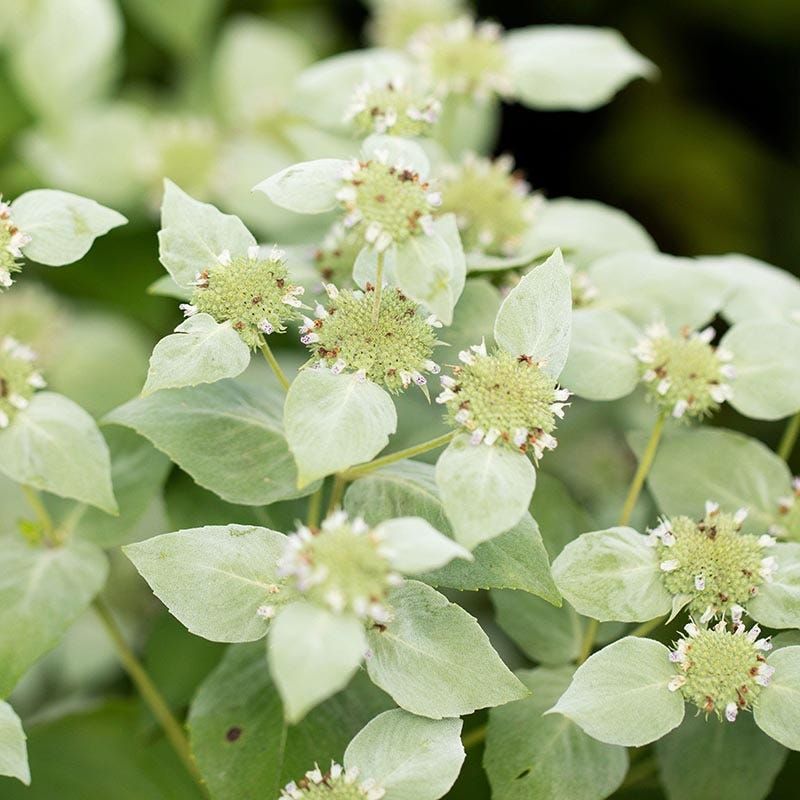
Crushing a single leaf of mountain mint releases a scent so clean and sharp it almost feels like opening a window on a cold morning.
That intense minty freshness is the defining quality of Pycnanthemum, a genus of native American plants that gardeners are beginning to appreciate more for both their ecological value and their tendency to be left alone by deer.
The strong aroma that makes mountain mint so memorable is likely part of why deer browse it less than many neighboring plants.
Mountain mint grows well across much of Michigan in sunny to lightly shaded spots with average, well-drained soil.
It is more tolerant of clay and variable moisture than true mint, and it does not spread as aggressively, though it will gradually expand into a tidy clump over several seasons.
The small white flowers, often dotted with purple, appear in midsummer and attract an impressive variety of native bees, wasps, and butterflies.
For pollinator gardens or naturalistic borders, mountain mint is a genuinely useful plant that earns its space. It tends to be overlooked at garden centers but is worth seeking out from native plant nurseries or specialty growers.
Gardeners who have tried it in deer-prone Michigan yards often comment that it remains largely unbrowsed even when plants nearby show clear signs of nibbling.
No plant handles every deer situation perfectly, but mountain mint is a strong candidate for fragrant, low-browse garden beds.
6. Ornamental Allium Has Onion Scent
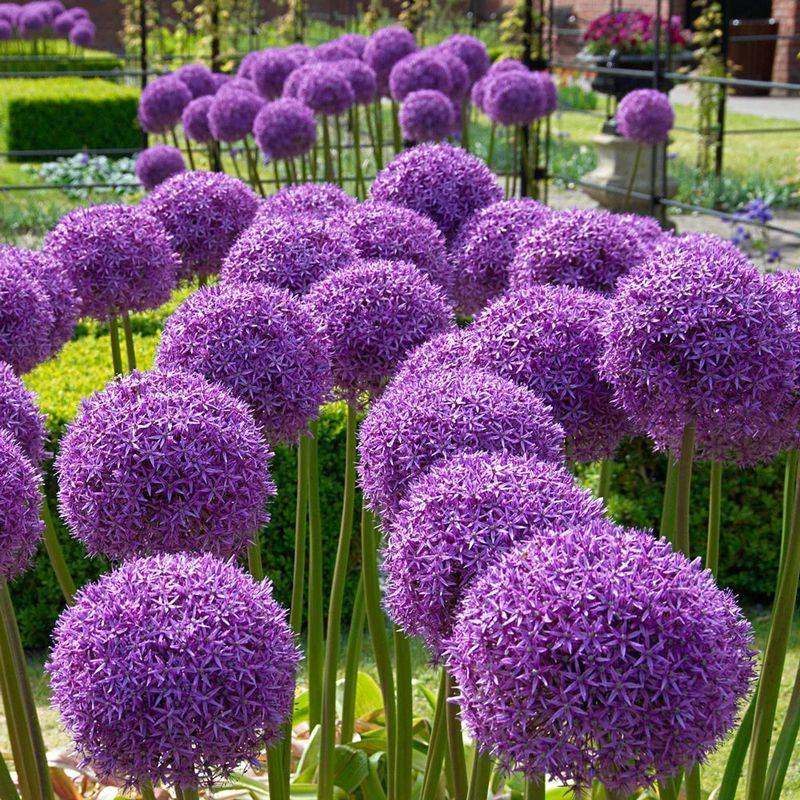
There is something almost theatrical about ornamental allium blooming in a Michigan garden bed, with its perfectly round purple globes rising on tall, slender stems above the surrounding perennials.
Beyond the visual drama, allium carries a distinct onion scent in its foliage and bulbs that most deer find unappealing.
The smell is not always obvious from a distance, but when the foliage is disturbed or the bulb is exposed, the sharp odor tends to discourage browsing.
Ornamental alliums are true members of the onion family, closely related to the garlic, chives, and onions grown in vegetable gardens.
Several species perform well in Michigan, including Allium giganteum, Allium christophii, and the smaller but reliable Allium caeruleum.
They prefer well-drained soil and full sun, and they bloom in late spring to early summer, bridging the gap between spring bulbs and summer perennials in the garden calendar.
Planting alliums among other perennials can help protect neighboring plants from browsing, since deer tend to avoid areas where the onion scent is present.
After the flowers fade, the seed heads remain attractive for weeks and can be left standing for winter interest or dried for arrangements.
In Michigan gardens with regular deer activity, alliums are often cited as reliable bloomers that come back year after year without significant browse damage.
Pairing them with catmint or salvia creates a fragrant, visually layered planting that deer tend to find less inviting overall.
7. Salvia Brings Aromatic Leaves
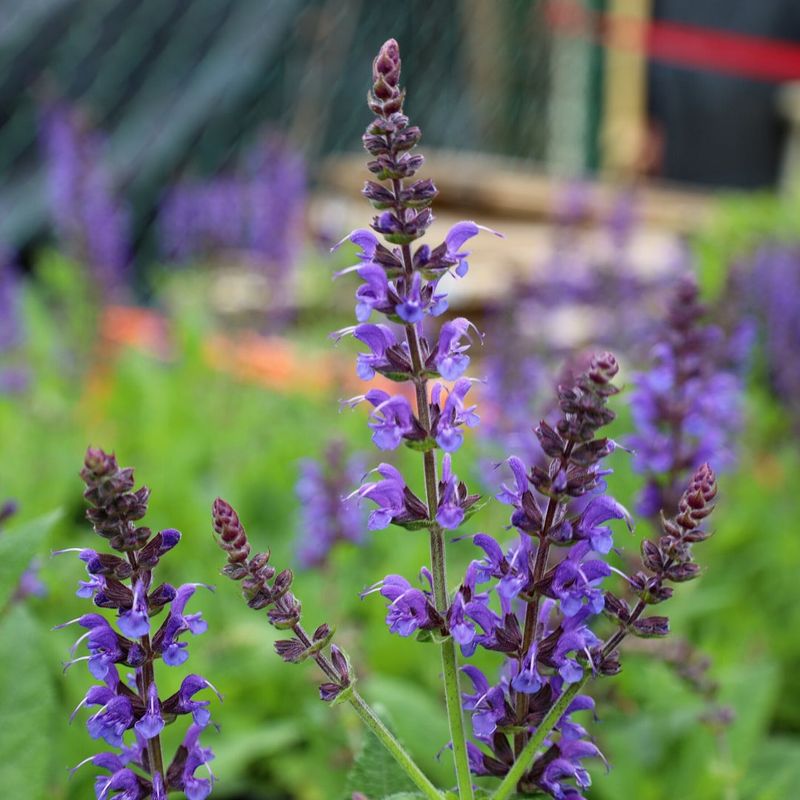
Gardeners who grow culinary sage in the herb bed already know how strongly the leaves smell when rubbed between the fingers, and ornamental salvias carry that same aromatic quality into the flower border.
The genus Salvia includes hundreds of species, and many of the perennial and annual types grown in Michigan gardens share the pungent, resinous foliage that deer tend to find unpleasant.
That combination of rough leaf texture and strong scent makes salvia one of the more practical choices for fragrant, lower-browse planting.
Hardy perennial salvias like Salvia nemorosa, commonly called woodland sage or meadow sage, thrive in Michigan’s full sun borders with average to dry, well-drained soil.
They produce upright spikes of purple, blue, or white flowers from late spring through early summer and often rebloom if cut back after the first flush.
The plants stay compact and tidy, rarely spreading aggressively, and they hold their fragrant foliage throughout the growing season even when not in bloom.
For gardeners who want color from late spring onward with minimal deer pressure, salvia pairs well with ornamental alliums, catmint, and lavender in a layered sunny border.
Annual salvias like Salvia farinacea also bring hummingbirds and bees to the garden through summer.
No salvia is fully deer-proof under high pressure, but in most residential landscapes, salvia tends to be one of the plants that deer pass over in favor of less aromatic options nearby.
8. Mint Works Best In Containers
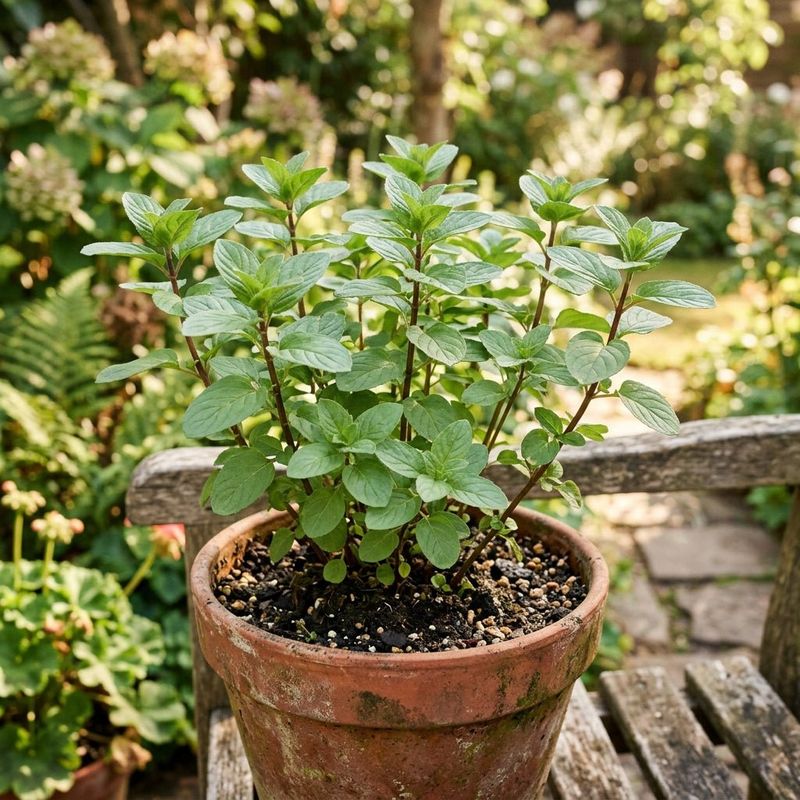
Anyone who has planted mint directly in the ground knows what can happen next.
Within a season or two, it can spread far beyond the original planting spot, threading underground runners through neighboring plants and popping up in unexpected corners of the garden.
Keeping mint in containers solves that problem neatly and still gives gardeners access to one of the most powerfully scented herbs available, one that deer tend to find very unappealing because of its strong menthol fragrance.
Spearmint, peppermint, chocolate mint, and apple mint are all popular options that grow easily in containers on Michigan patios, decks, and porch steps.
They need regular watering since containers dry out faster than garden beds, especially during hot summers, and they appreciate a sunny to partially shaded location.
Pinching back the growing tips regularly keeps the plants bushy and encourages fresh leaf production rather than early flowering.
Placing fragrant mint containers near garden entry points, along walkways, or beside other container plantings can help create a scented border effect that deer may find off-putting.
While no scent fully prevents deer from entering a yard, clustering aromatic plants near vulnerable areas of the garden is a strategy many gardeners find helpful over time.
Mint in containers is also easy to bring indoors before frost arrives, giving you fresh leaves for cooking, tea, and home use well into the Michigan fall season.