Why Nebraska Yards Are Struggling This July And What Homeowners Can Do About It
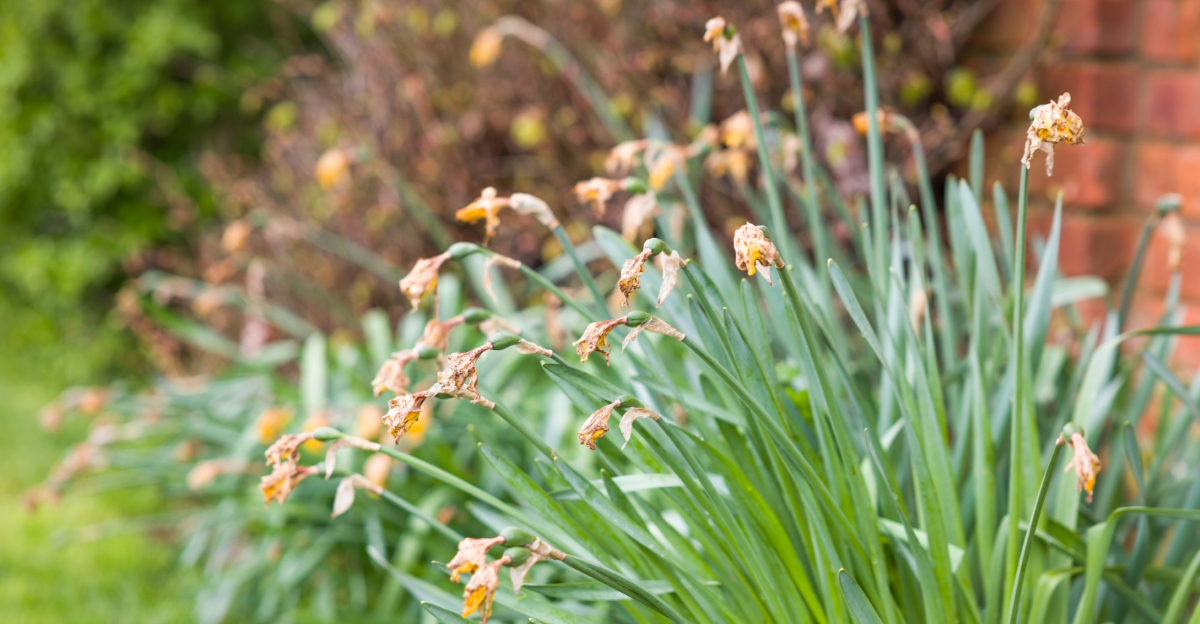
Heat like this exposes every weakness hiding in your lawn. Nebraska heat hits different when humidity drops and wind takes over.
Grass blades curl, roots strain, soil hardens into concrete. Watering schedules that worked in spring suddenly fail completely.
Crabgrass creeps in wherever weakness shows, sensing opportunity. Brown patches spread faster than most homeowners expect or understand.
Insects thrive while turf struggles, exploiting stressed roots and thinning blades. Summers here challenge lawns unprepared for sudden Nebraska extremes.
Fertilizer choices made several months ago now backfire under intense conditions. Mowing height matters more than most people realize right now.
Shade patterns shift, exposing weak spots you never noticed before. Every yard tells a different story depending on soil and drainage.
Neighbors comparing lawns rarely see the hidden damage underneath. Nothing about this situation is random, and nothing is beyond repair. You need answers now, because your yard deserves better right away.
Widespread Drought Has Drained Soil Moisture
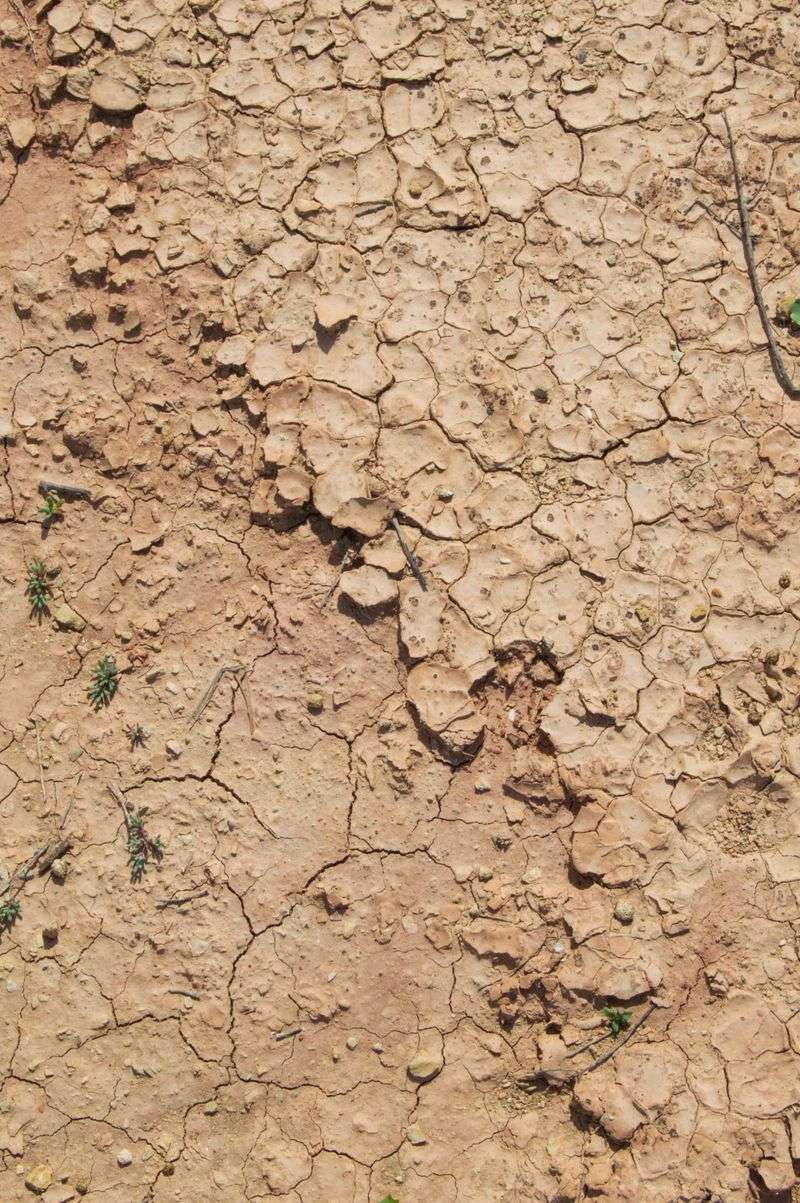
Dry soil can crack and split into visible lines. That is what drought does to a Nebraska yard in July, and it happens faster than most homeowners expect.
Soil moisture is the invisible backbone of a healthy lawn. When it disappears, roots lose their anchor and grass blades lose their supply line.
Nebraska counties can experience soil moisture deficits during dry summer stretches, depending on local rainfall patterns. Check your local drought monitor for current conditions in your area.
Compacted soil makes the problem worse. Water that does fall runs off instead of soaking in, leaving roots just as thirsty as before.
Checking soil moisture is simple. Push a screwdriver six inches into the ground. If it meets resistance before that, the soil is too dry.
Homeowners can break the cycle by watering deeply and slowly. A slow soak lets moisture reach the root zone instead of evaporating at the surface.
Drought stress shows up as a blue-gray tint before grass turns brown. Catching it at that stage gives you a real chance to recover.
The soil needs time and consistent moisture to rebuild its reserves. Skipping even one watering cycle during a drought can set recovery back by several days.
Patience matters here. A lawn that looks lifeless from drought is often just dormant, waiting for moisture to wake it back up.
Extreme Heat Is Stressing Roots Fast
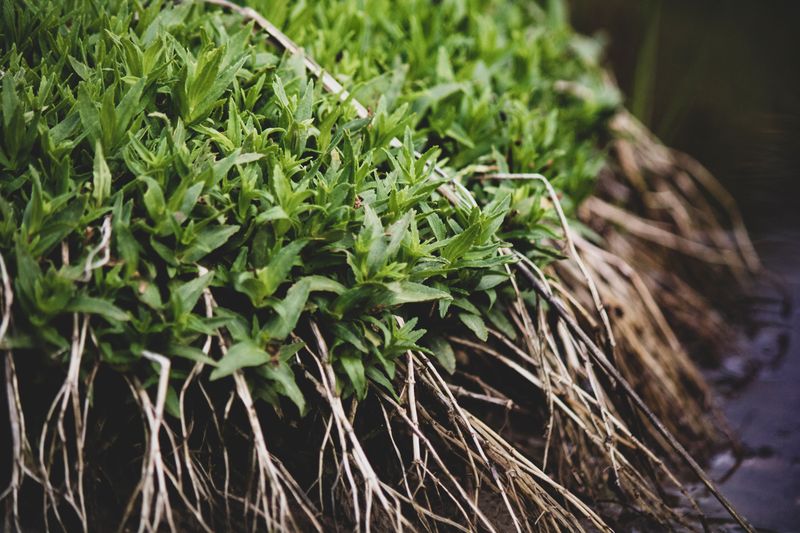
Roots do not like being baked. When soil temperatures climb past 85 degrees, grass roots slow down and eventually stop absorbing water and nutrients.
July heat in Nebraska is not just uncomfortable for people. It is genuinely damaging to the underground systems that keep lawns alive.
Turf roots are shallow by nature. That makes them the first victims when the top layer of soil turns into a hot plate.
Heat stress looks a lot like drought stress, which confuses many homeowners. The grass wilts, curls, and shifts toward a dull grayish-green before browning out.
One key difference is timing. Heat-stressed grass often bounces back slightly after sunset when temperatures drop, while severely drought-damaged grass stays limp around the clock.
Your Nebraska Garden Changes Every Week. Your Plan Should Too.
Gardening in Nebraska changes quickly throughout the season. Every Friday you’ll receive a simple weekly plan showing exactly what to plant, prune, fertilize, harvest, and protect so you never miss the right timing.
Mowing during peak heat is one of the worst things you can do right now. Cutting grass in 95-degree weather creates open wounds that dry out almost instantly.
Schedule mowing for early morning whenever possible. Cooler temperatures and higher humidity help the grass recover from the cut before the heat of the day arrives.
Avoid fertilizing during heat waves too. Nitrogen pushes new growth, and new growth is the most vulnerable tissue on a heat-stressed plant.
Roots need a break, not a push. Giving the lawn time to coast through the hottest stretch is often the smartest strategy a homeowner can choose.
Wildfires And Dry Air Add More Stress
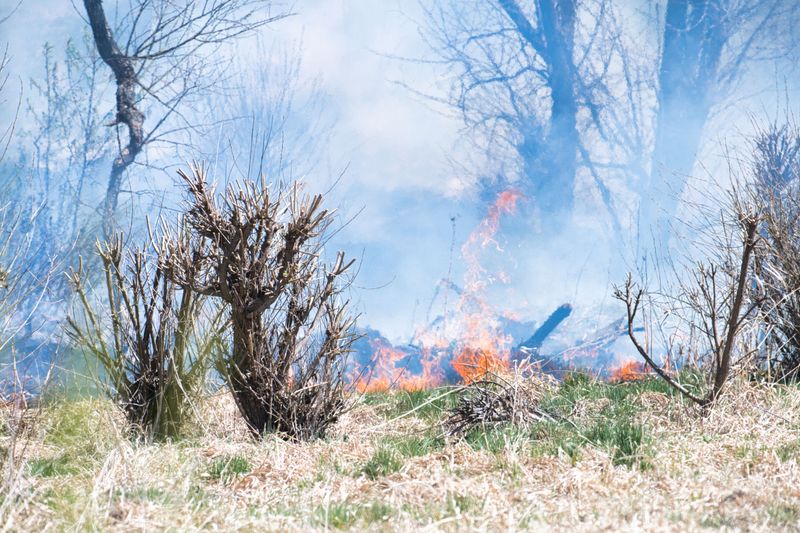
Smoke in the air is not just a sky problem when it happens. It changes the way plants breathe, and not in a good way.
Nebraska summers can bring wildfire smoke drifting in from the Plains, which can block sunlight and coat leaf surfaces with fine particles. Grass and trees may struggle to photosynthesize efficiently under those conditions.
Dry air compounds the issue. Low humidity pulls moisture out of grass blades faster than roots can replace it, even when the soil has some water left.
Nebraska sits in a zone where Great Plains winds already run dry in summer. Add smoke and heat together, and the air draws moisture from plants more aggressively.
Vapor pressure deficit is the technical term for this drying effect. In plain terms, it means the air pulls moisture directly from grass blades.
You cannot control smoke or wind, but you can adjust your watering schedule in response. Water in the early morning before winds pick up and humidity drops.
Rinsing off patio plants and garden beds with a light spray can help clear particle buildup. Lawn grass is harder to rinse, but deep watering still helps flush stress.
Watch for unusual yellowing that is not tied to dry patches. Smoke stress can show up unevenly, hitting some areas harder than others depending on airflow.
Nebraska yards are struggling this July partly because of factors beyond anyone’s fence line. Knowing that helps homeowners respond wisely instead of blaming themselves.
Cool-Season Lawns Weren’t Built For This Heat
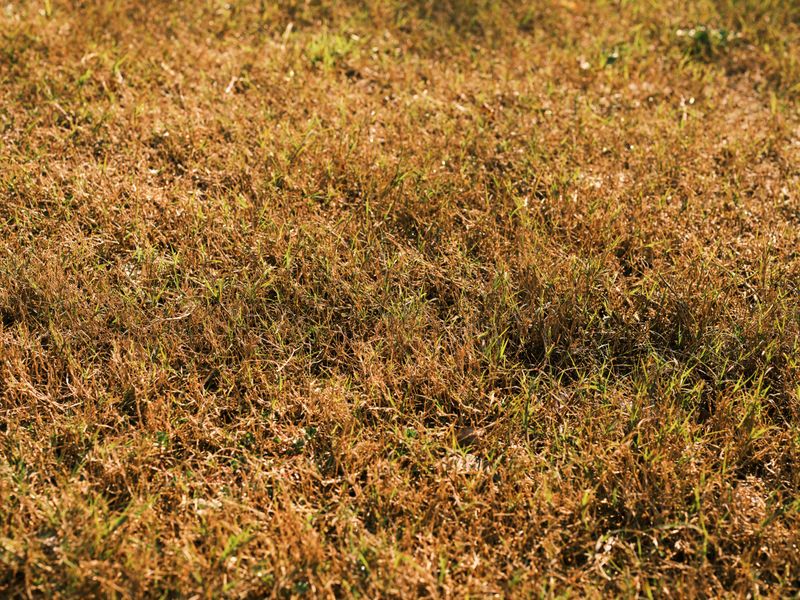
Kentucky bluegrass sounds fancy, but it has a serious weakness. It was designed for cool springs and falls, not intense Midwest summers.
Most Nebraska lawns are planted with cool-season grasses like bluegrass, tall fescue, or ryegrass. These varieties thrive when temperatures sit between 60 and 75 degrees.
When July pushes temps into the 90s, those grasses hit their limit fast. They go dormant as a protective strategy, turning brown to conserve energy.
Dormancy is not death. It is more like a deep nap. The grass pauses growth and protects its crown, waiting for cooler conditions to return.
The mistake many homeowners make is panicking and overwatering. Flooding a dormant lawn can actually cause more harm by promoting fungal disease in stressed tissue.
If your lawn has gone dormant, give it about one inch of water per week. That keeps the crowns alive without overwhelming the roots.
Do not try to force green growth with fertilizer right now. Pushing a cool-season grass out of dormancy mid-July puts it under added strain.
Warm-season grasses like zoysia or buffalograss handle Nebraska summers much better. Some homeowners are switching over sections of their yard to reduce summer headaches.
Understanding what type of grass you have changes everything about how you care for it. A little homework now saves a lot of frustration every July going forward.
Water Deeply But Less Often
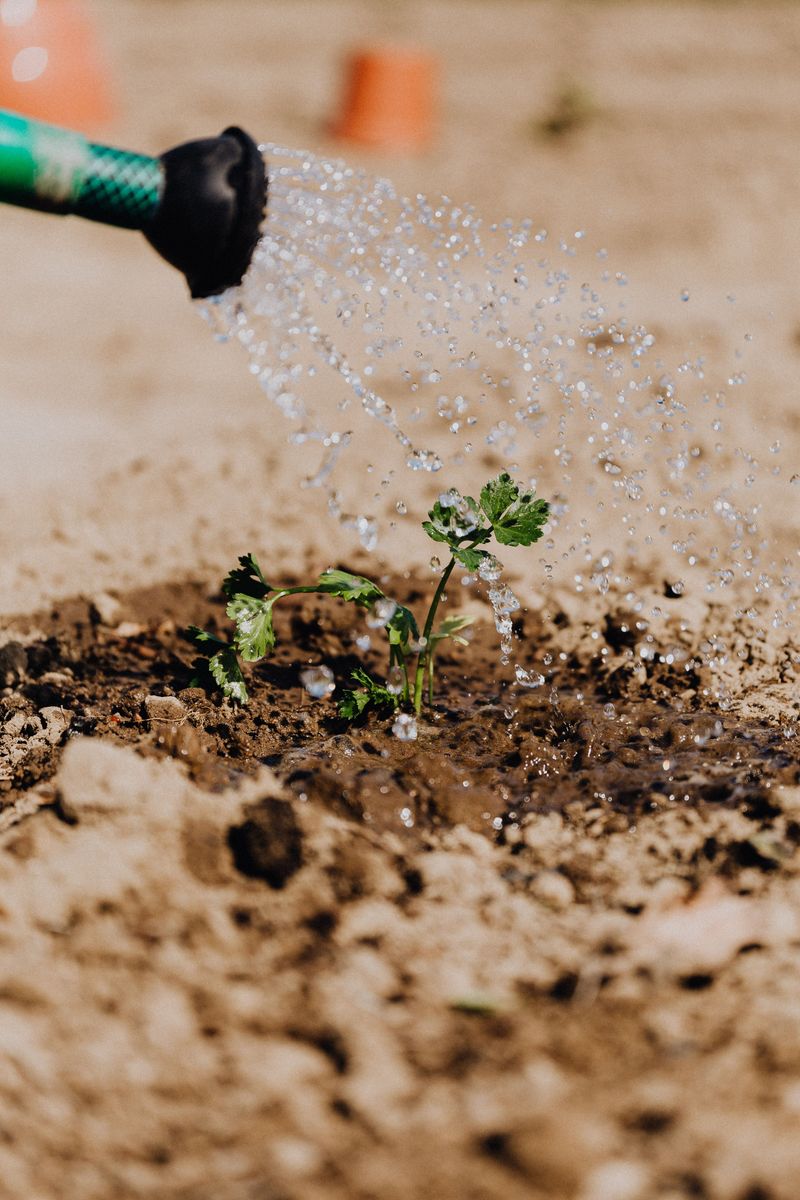
Shallow watering is one of the most common lawn mistakes in summer. It trains roots to stay near the surface, where heat and drought hit hardest.
Deep watering means soaking the soil to a depth of six inches or more. That encourages roots to grow downward, where soil stays cooler and holds moisture longer.
Most homeowners water too often and not long enough. A quick ten-minute sprinkle every day does far less good than a long, slow soak two or three times a week.
The goal is to let the top inch of soil dry out slightly between watering sessions. That drying period encourages roots to chase moisture deeper into the ground.
Early morning is the best time to water, generally before mid-morning. The sun is not yet intense, and water has time to soak in before evaporating.
Evening watering leaves moisture sitting on grass blades overnight. That creates a perfect environment for fungal disease, which is already a risk during humid July nights.
A simple tuna can placed in the lawn during watering helps measure output. When the can holds about an inch of water, you have hit your target for that session.
Smart irrigation controllers can adjust watering schedules based on local weather data. They are worth the investment for homeowners serious about keeping a lawn alive through summer.
Consistent deep watering is one of the most powerful tools available. Use it wisely, and your lawn will reward you when fall temperatures finally arrive.
Raise Mower Height To Protect Grass
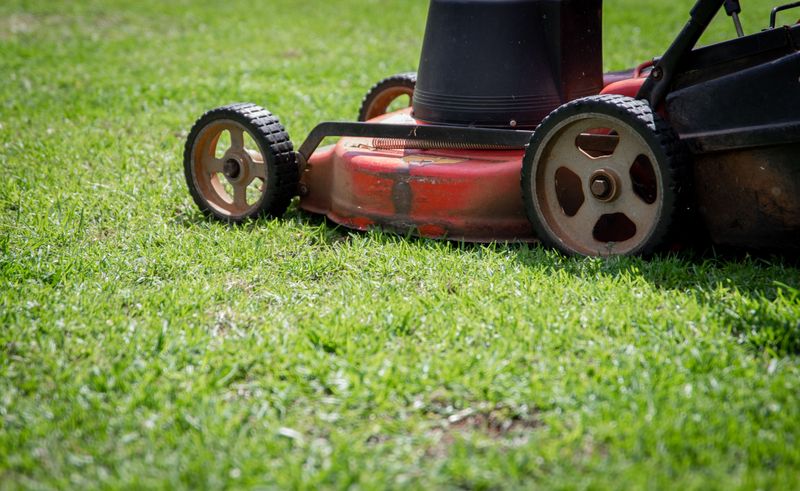
Cutting grass too short in July removes the protection grass needs against heat. It removes the very shade the plant needs to stay healthy.
Taller grass blades create a canopy that shades the soil below. That shade keeps soil temperatures lower, slows moisture evaporation, and protects shallow roots from baking.
Most lawn experts recommend raising your mower deck to at least three and a half to four inches during summer months. That extra height makes a measurable difference in stress tolerance.
Scalping a lawn in peak heat is one of the fastest ways to turn green grass brown. Short blades have less surface area for photosynthesis and less protection against heat.
The one-third rule is a good guide for summer mowing. Never cut off more than one-third of the blade height in a single mowing session.
If the lawn has grown tall during a rainy stretch and then you mow it short, the shock can trigger visible stress symptoms within a day or two. Go gradually instead.
Keeping mower blades sharp matters just as much as mower height. Dull blades tear grass instead of cutting it cleanly, leaving ragged edges that dry out faster.
Check blade sharpness at the start of each mowing season and again midway through summer. A clean cut heals faster and stays greener longer in the heat.
Raising the deck costs nothing and takes thirty seconds. It might be the single easiest change a homeowner can make for a healthier July lawn.
Prioritize Trees Over Lawn In Restrictions
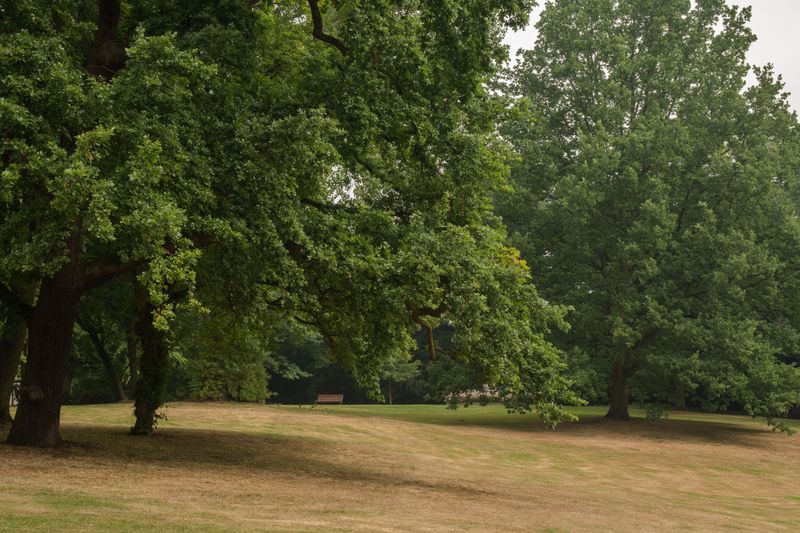
When water restrictions hit, most homeowners instinctively try to save the lawn. That is understandable, but it might be the wrong call.
Trees take decades to grow and cannot be replaced quickly. A lawn can be reseeded in fall, but a 30-year oak cannot be brought back once it is lost to drought.
During water restrictions, shift your focus to deep watering at the base of trees and large shrubs. Those plants represent far more long-term value than any patch of turf.
Tree roots extend well beyond the canopy edge, called the drip line. Watering only at the trunk base is not enough. Spread water out to where the roots actually grow.
A slow drip hose looped around the base and outer edge of a tree works well. Running it for several hours lets moisture penetrate deep without runoff.
Signs that a tree is drought-stressed include early leaf drop, curling leaves, and bark cracking. Catching those signs early gives you a window to intervene before permanent damage sets in.
Established trees generally need more water per inch of trunk diameter during drought. Consult a local arborist or extension office for guidance specific to your tree species and soil.
Younger trees planted in the last two to three years are especially vulnerable. Their root systems have not yet spread far enough to find water on their own.
Protecting your trees now protects your property value and your shade for years ahead. A brown lawn grows back, but a lost tree does not.
Mulch To Slow Moisture Loss
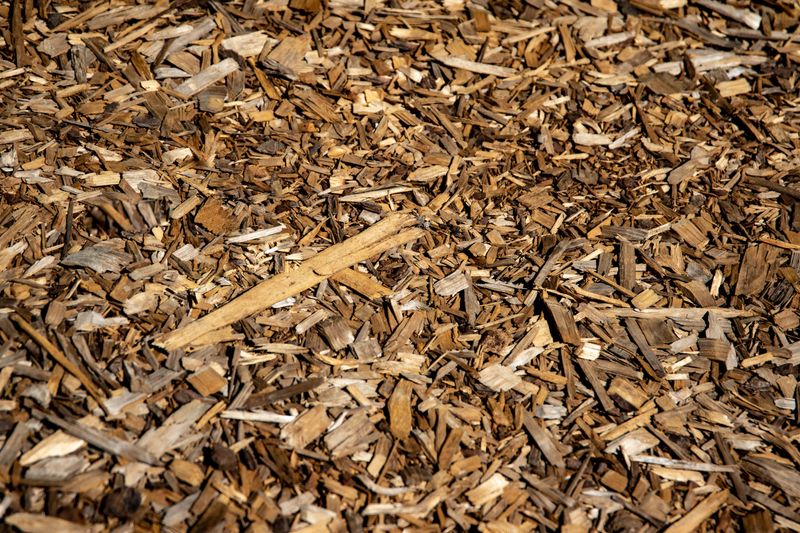
Bare soil loses moisture quickly under July heat. Without cover, the sun pulls water out of the ground at a significant rate.
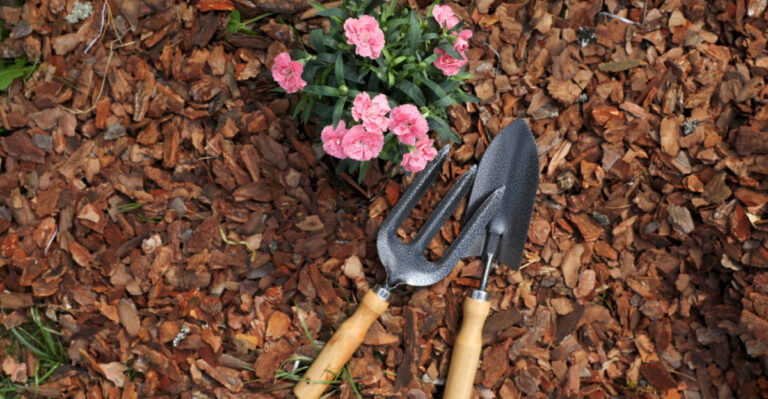
Mulch acts like a blanket over the soil, slowing evaporation and keeping root zones cooler. A two-to-three-inch layer can significantly reduce moisture loss from the soil.
Wood chips, shredded bark, and straw are all solid mulch options for Nebraska homeowners. Each one creates a barrier between the hot sun and the vulnerable soil below.
Applying mulch around trees, garden beds, and shrubs is one of the highest-return actions you can take this July. It works around the clock without any extra effort from you.
Keep mulch a few inches away from the base of tree trunks and plant stems. Piling it directly against stems traps moisture and can cause rot and disease over time.
Grass clippings can also serve as a light mulch layer on lawn areas. Leave clippings on the lawn after mowing to help retain some surface moisture between watering sessions.
In garden beds, a fresh mulch layer also suppresses weeds that compete with plants for water. Fewer weeds mean more moisture stays available for the plants you actually want.
Mulch breaks down over time and adds organic matter back into the soil. That improves soil structure and water retention for future seasons, creating a compounding benefit year after year.
Nebraska yards are struggling this July, but mulch is one of the simplest and most affordable fixes available to any homeowner willing to spend an afternoon outside.