What Yellowing Leaves Really Mean For Your Arizona Garden In July
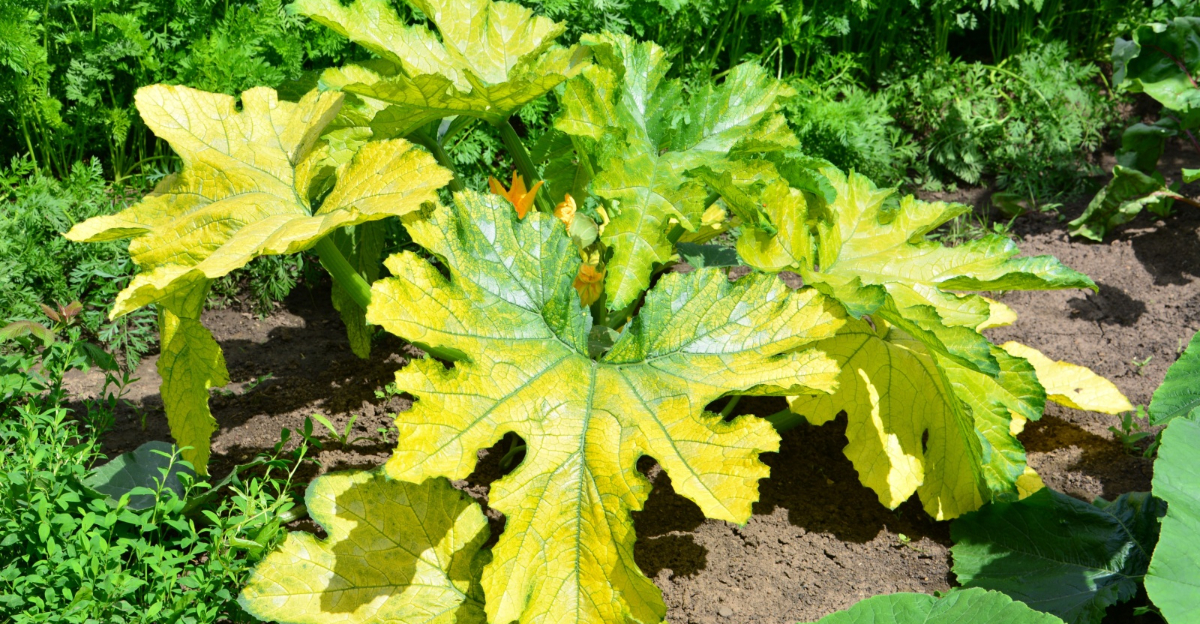
Yellow leaves in a July Arizona garden have a way of triggering immediate panic, and honestly that reaction is completely understandable. You walk outside, spot a plant that looked fine yesterday, and suddenly everything feels urgent.
But here’s the thing: yellow leaves are not a diagnosis. They’re a symptom, and in Arizona summer they can point to a surprisingly long list of very different causes.
Overwatering, underwatering, nutrient deficiencies, salt buildup, spider mites, or a vegetable that has simply run its course and is ready to call it a season.
Grabbing the hose or reaching for fertilizer before you know what’s actually going on can make things worse instead of better.
The real answer starts with slowing down, looking more carefully at the pattern, and asking a few simple questions before you do anything at all.
1. Yellow Leaves Can Mean The Plant Is Not Getting Enough Water
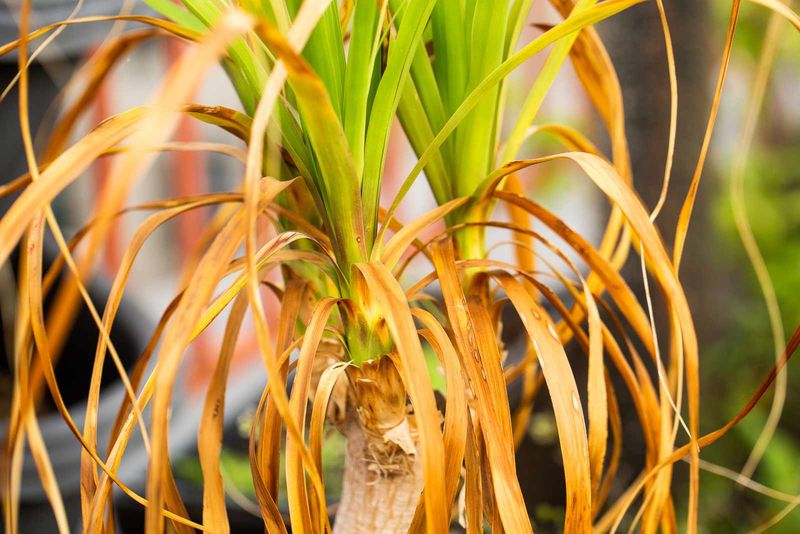
Standing over a garden bed in 110-degree Arizona heat, noticing that leaves have gone limp and yellow almost overnight is one of the most common July experiences for homeowners.
When a plant does not get enough water during Arizona’s brutal summer months, it starts to conserve energy by letting older or outer leaves fade and drop.
The yellowing often appears across the whole leaf rather than just the edges, and the soil nearby tends to feel dry and cracked when you press a finger a few inches down.
In July, low-desert heat can dry out soil much faster than most gardeners expect, sometimes within a day or two after watering.
Irrigation emitters can clog, timers can malfunction, or a new plant may simply need more water than its current schedule provides.
Checking soil moisture before assuming the cause is key, since watering a plant that is already struggling for other reasons will not solve the problem and may create new ones.
Look for leaves that droop before yellowing, wilting during the hottest part of the afternoon, and dry soil as clues that water stress is likely the issue.
Adjusting your irrigation schedule or checking emitter output can make a real difference in July.
2. It Can Also Mean The Plant Is Getting Too Much Water
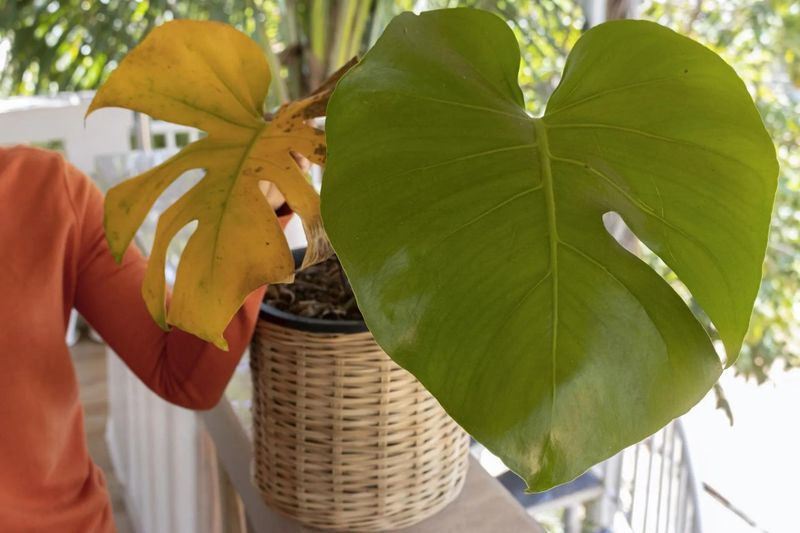
Soggy roots in a July garden bed might seem unlikely when temperatures are soaring, but overwatering is actually one of the most common reasons Arizona plants develop yellow leaves in summer.
When roots sit in waterlogged soil for too long, they lose their ability to absorb oxygen, and the plant begins to show stress through yellowing foliage.
The leaves often look soft, pale, or even slightly translucent rather than crisp and dry.
Many homeowners automatically increase watering when they see yellow leaves, which can make overwatering worse.
Clay-heavy soils common in many neighborhoods hold moisture longer than sandy soils, meaning a plant may still have wet roots even if the surface looks dry.
Raised beds and containers with poor drainage are especially prone to this problem during monsoon season, when summer rains add unexpected moisture on top of regular irrigation.
Your Arizona Garden Changes Every Week. Your Plan Should Too.
Gardening in Arizona changes quickly throughout the season. Every Friday you’ll receive a simple weekly plan showing exactly what to plant, prune, fertilize, harvest, and protect so you never miss the right timing.
Checking soil moisture a few inches below the surface before watering again is a simple but effective habit. If the soil feels damp or cool at that depth, the plant likely does not need more water yet.
Root rot from overwatering can be harder to reverse than drought stress, so erring toward less water when uncertain is often the wiser move in Arizona July gardens.
3. Nitrogen Deficiency Can Yellow Older Leaves First
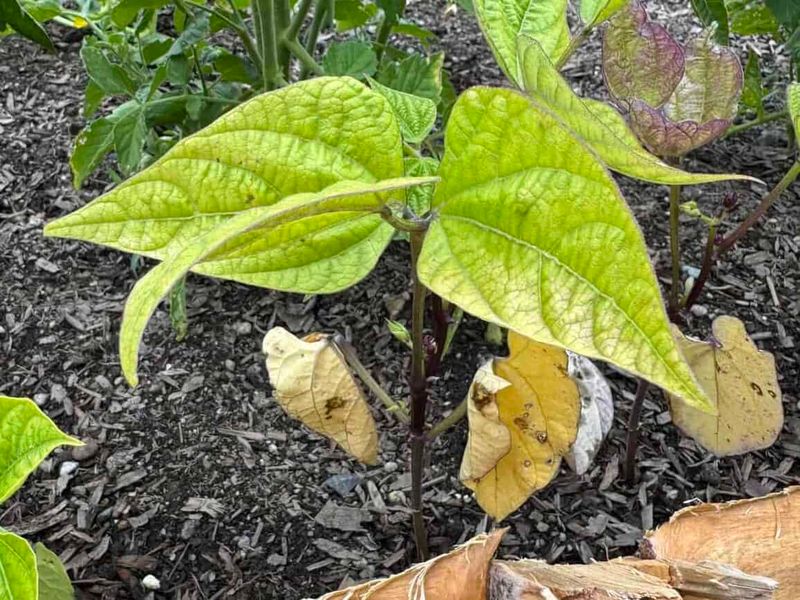
Older lower leaves fading to a uniform pale yellow while the newer top growth stays relatively green is a classic sign that a plant may not be getting enough nitrogen.
Nitrogen is a mobile nutrient, meaning the plant can pull it from older tissue and redirect it toward newer growth when supplies run low.
This pattern of yellowing from the bottom up is a helpful clue that separates nitrogen deficiency from several other causes.
In Arizona, high summer heat can affect how quickly nitrogen breaks down in the soil and how well roots can take it up. Frequent irrigation, which is necessary in July, can also flush nitrogen out of sandy or fast-draining soils over time.
Vegetable gardens, herb pots, and container plants tend to show nitrogen deficiency more quickly than established landscape plants because they have limited soil volume and higher nutrient demands during active growth.
Before adding fertilizer, it helps to consider whether recent heavy irrigation may have leached nutrients, or whether the plant is simply at a stage where lower leaves naturally fade.
A balanced slow-release fertilizer or a light application of compost can support nitrogen levels without overwhelming roots already stressed by summer heat.
Timing and amount both matter when fertilizing in Arizona’s July conditions.
4. Iron Chlorosis Can Leave Green Veins On Yellow Leaves
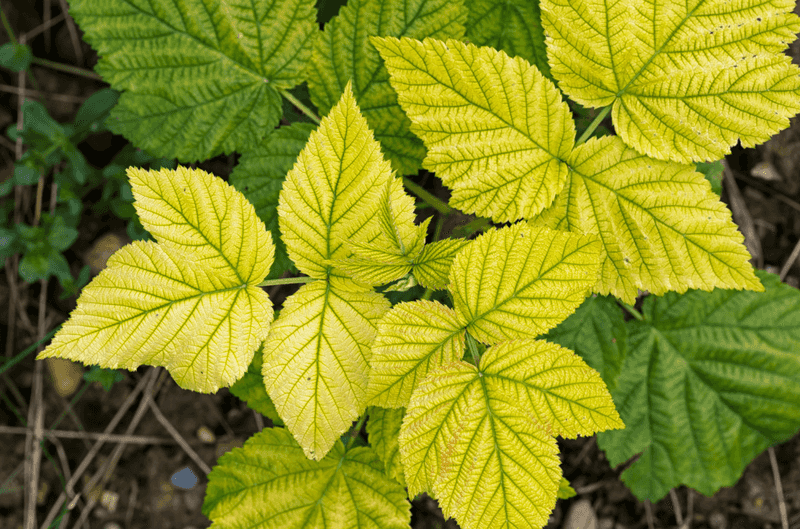
Pale yellow leaves with noticeably green veins still showing through are one of the more distinctive symptoms Arizona gardeners encounter, and it often points to iron chlorosis.
Unlike nitrogen deficiency, which yellows older leaves first, iron chlorosis tends to show up on newer, younger leaves near the top of the plant.
The contrast between the yellow background and the green veins can be quite striking once you know what to look for.
Arizona soils are naturally alkaline, and high soil pH is one of the main reasons iron becomes unavailable to plants even when it is physically present in the ground. When soil pH climbs above certain levels, iron locks up in a form that plant roots cannot easily absorb.
Citrus trees, gardenias, and many ornamental shrubs are especially prone to showing iron chlorosis symptoms in low-desert landscapes.
Treating iron chlorosis without addressing soil pH often brings only temporary improvement.
Chelated iron products can help in the short term, and acidifying soil amendments may help over time, but results can vary depending on the plant and soil conditions.
Overwatering can also make chlorosis worse by reducing root health and oxygen availability. Identifying the pattern of green veins on yellow leaves is the first step toward choosing the right response.
5. Salt Buildup Can Cause Yellow Or Brown Leaf Margins
A white or chalky crust forming on the surface of container soil or around irrigation emitters is a familiar sight in Arizona, and it often signals that salt buildup may be affecting nearby plants.
Arizona’s water supply naturally carries dissolved minerals, and when water evaporates quickly in July heat, those salts are left behind in the soil.
Over time, salt concentration around roots can pull moisture away from plant tissue and interfere with normal nutrient uptake.
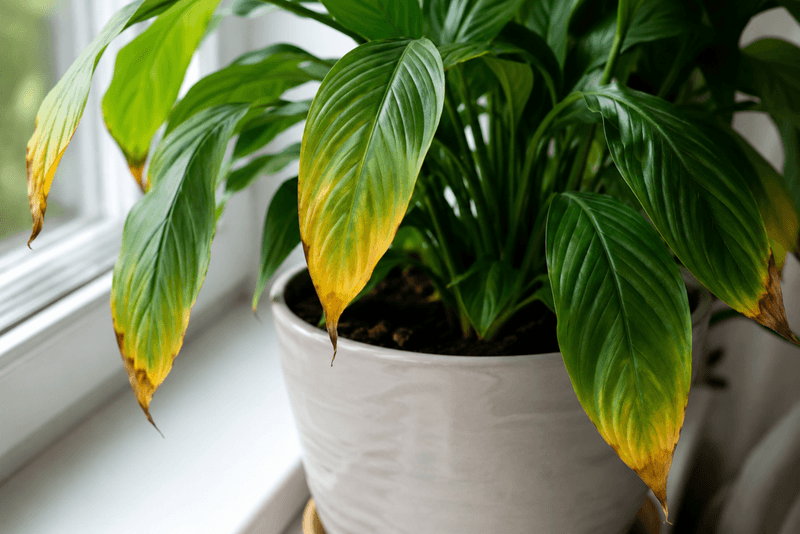
The leaf symptom that most often accompanies salt stress is yellowing or browning along the margins and tips of leaves rather than across the whole leaf surface.
This pattern can look similar to underwatering, which is why checking soil conditions and water quality history is useful before drawing conclusions.
Container plants and plants in small raised beds with limited drainage tend to accumulate salts faster than plants growing in open ground.
Deep, occasional watering that pushes water well beyond the root zone can help flush salts downward and away from roots. In containers, periodic flushing with extra water until it drains freely from the bottom is a practical step.
Switching to a lower-salt water source or collecting rainwater during monsoon season can also reduce salt stress in sensitive plants over time in Arizona home gardens.
6. Spider Mites Can Cause Yellowing During Hot Weather
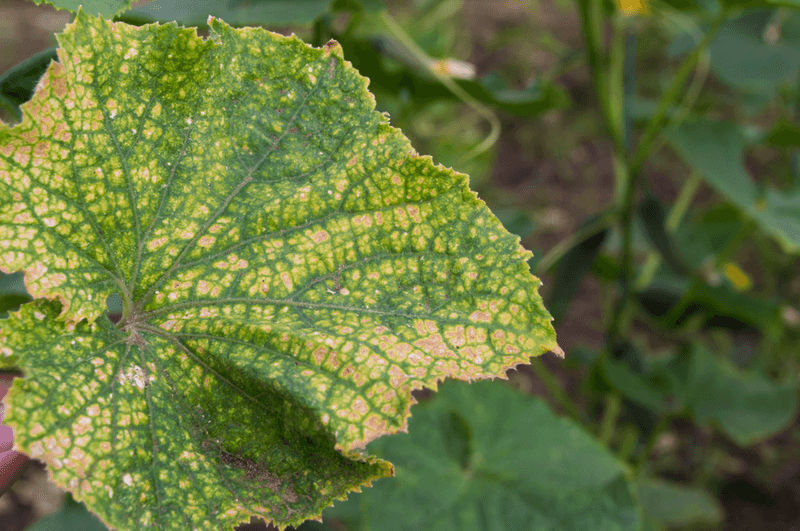
Tiny dots of pale yellow scattered across leaf surfaces, sometimes accompanied by fine webbing on the undersides of leaves, are a warning sign that spider mites may have moved into the garden.
These microscopic pests thrive in hot, dry conditions and can build up populations very quickly during Arizona’s July heat.
They feed by piercing leaf tissue and extracting plant fluids, which creates a characteristic stippled or bronzed appearance that gradually gives way to more widespread yellowing.
Spider mites are easy to overlook because of their small size, but a quick check on the undersides of leaves can reveal the webbing or tiny moving dots that confirm their presence.
Plants under heat or drought stress tend to be more vulnerable to mite infestations, which is one reason July in Arizona sees so many outbreaks.
Herbs, tomatoes, beans, and ornamental plants in hot, sheltered spots are common targets.
A strong spray of water directed at the undersides of leaves can dislodge mites and reduce their numbers without adding chemicals.
Keeping plants adequately watered and avoiding over-fertilization with nitrogen, which can encourage soft new growth that mites favor, are sensible preventive habits.
Checking plants regularly during July heat waves allows you to catch mite activity before it spreads across the garden.
7. Container Plants May Yellow Faster Than In-Ground Plants
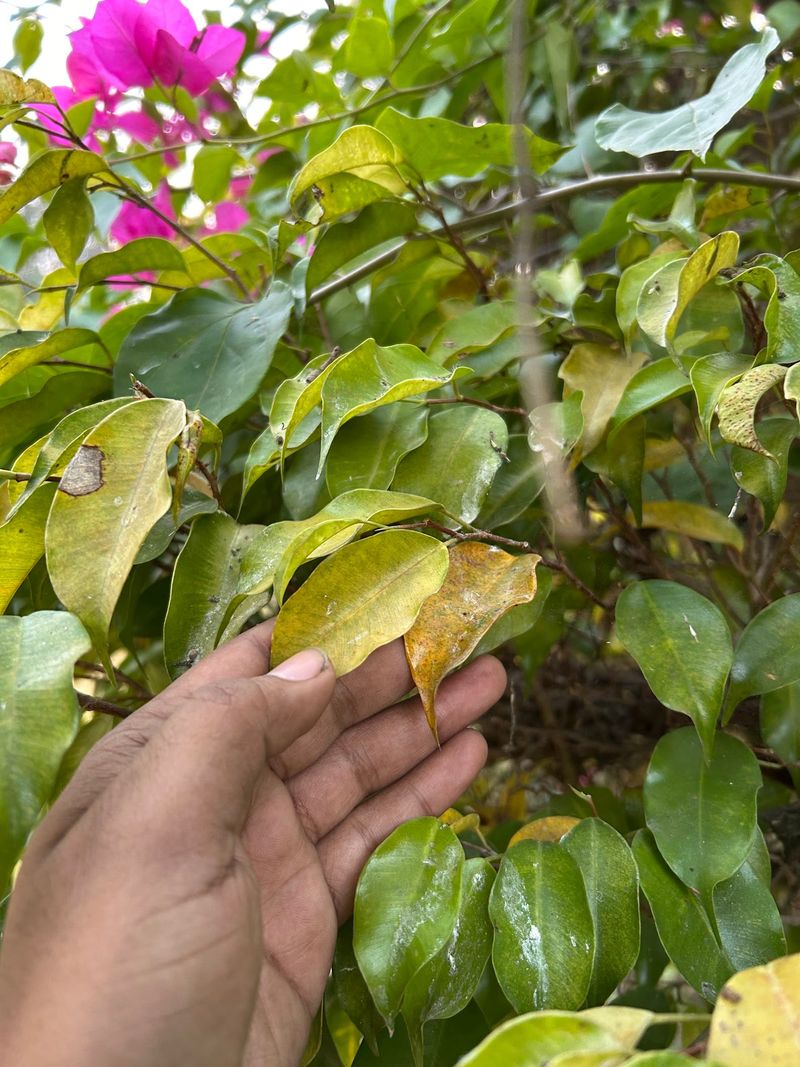
Patio herb pots and container vegetables sitting on a sun-baked Arizona deck can go from healthy to stressed in just a few days during July. Containers heat up much faster than in-ground soil, and small pots can dry out completely within hours on a hot afternoon.
This extreme fluctuation between wet and dry conditions stresses roots repeatedly, and the plant often responds by dropping or yellowing lower leaves as a way of managing its energy.
Beyond drying out quickly, containers also have limited soil volume, which means nutrients are used up faster and salts can concentrate more rapidly than in open garden beds.
A plant that looks fine in May may start showing yellow leaves by July simply because the container environment has become more demanding.
Root-bound plants, where roots have filled every inch of available soil, are especially prone to yellowing because they have almost no buffer against heat, drought, or nutrient depletion.
Moving containers to a spot that receives afternoon shade during Arizona’s hottest months can reduce stress significantly.
Watering more frequently, checking drainage holes for blockages, and refreshing potting mix with added compost each season are practical steps that help container plants cope with July conditions.
Larger containers generally hold moisture longer and buffer temperature swings better than small pots.
8. Some Yellowing Is A Normal Harvest Or Seasonal Signal
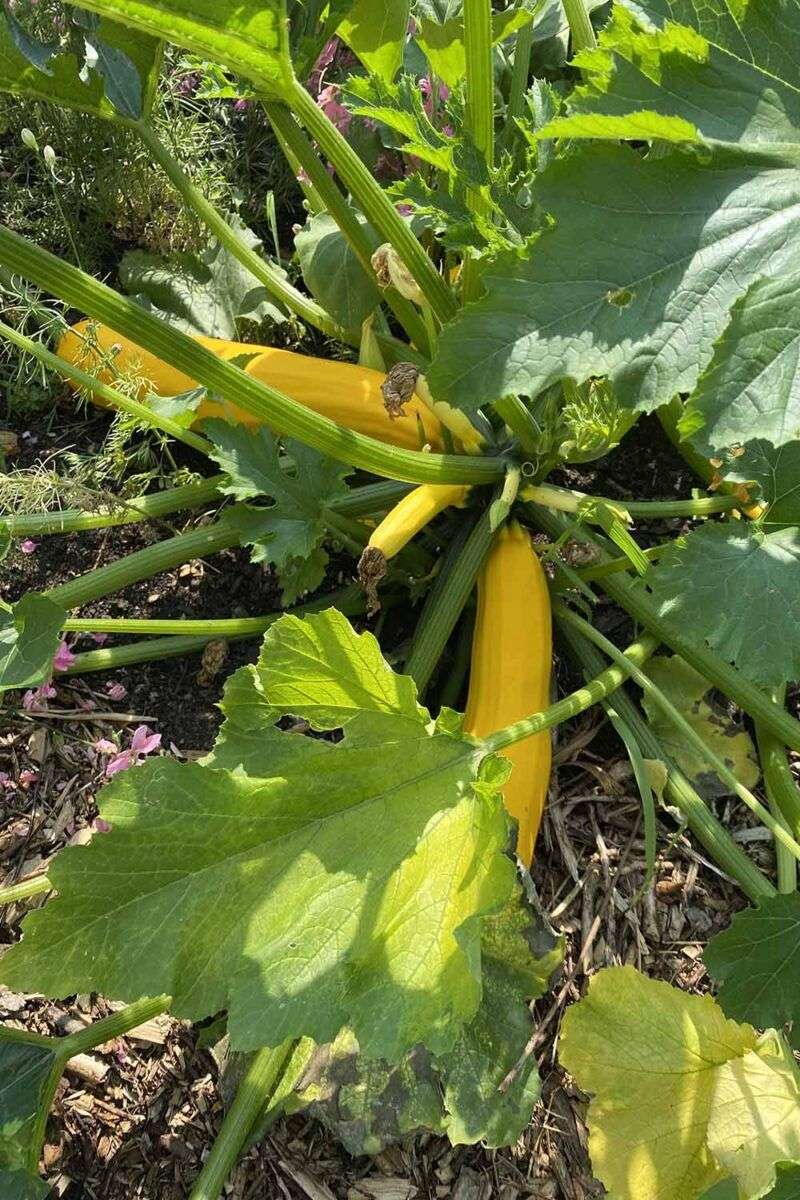
Not every yellow leaf in a July Arizona garden is a distress signal. Some plants naturally yellow and fade as they finish their productive cycle, and recognizing this can save gardeners from unnecessary worry or wasted effort.
Squash, cucumbers, and bush beans often begin to show widespread yellowing once they have set their main crop, as the plant shifts energy toward seed development rather than maintaining foliage.
This kind of yellowing is gradual and follows the natural arc of the plant’s life cycle.
Garlic and onions send a clear signal that they are ready to harvest when their tops begin to yellow and flop over in early summer.
Trying to correct this yellowing with extra water or fertilizer would actually be counterproductive, since the bulbs benefit from drying down before harvest.
Knowing the expected lifecycle of each plant in your garden helps separate normal senescence from a genuine problem that needs attention.
Perennial plants and shrubs in Arizona may also shed older interior leaves during summer as a natural way of reducing their water demand. This internal leaf drop is different from a pest or disease problem and typically does not require any action.
Observing whether the yellowing is spreading to new growth or staying confined to older, lower, or interior leaves helps clarify whether the plant is simply moving through its natural rhythm.
9. The Pattern Of Yellowing Matters More Than The Color Alone
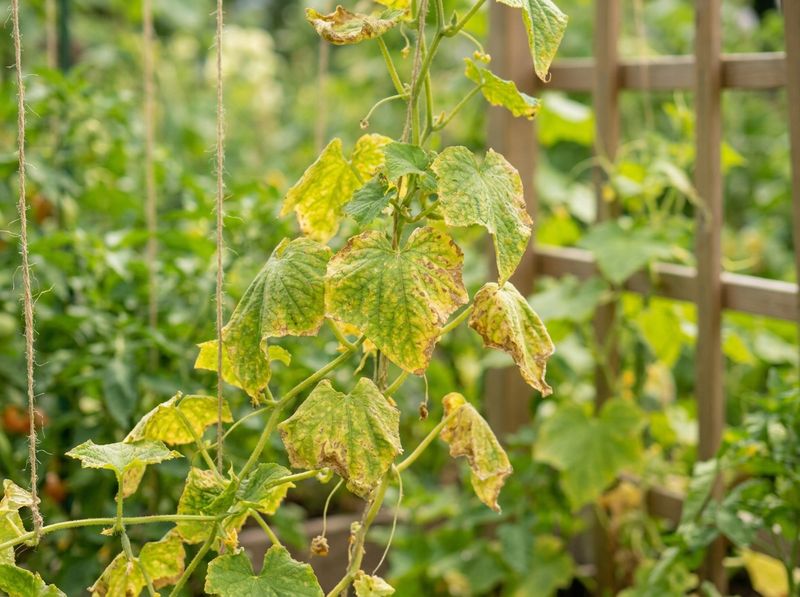
Reading a yellow leaf the same way every time is one of the most common mistakes Arizona gardeners make in July. The color itself is just the beginning of the diagnosis.
Where the yellowing appears on the plant, which leaves are affected first, and whether the whole leaf yellows or only certain parts of it are the details that actually point toward a cause.
Whole-leaf uniform yellowing starting at the bottom of the plant suggests something different than green-veined yellowing on new top growth.
Yellowing confined to leaf margins and tips often points toward salt stress or inconsistent watering, while stippled or mottled yellowing across the leaf surface raises the possibility of spider mite feeding.
Yellowing that spreads rapidly across all leaf ages at once can indicate a more systemic issue with roots, drainage, or soil conditions.
Taking a moment to observe the pattern before reacting gives you much more useful information than simply noting that leaves have changed color.
Keeping a simple mental checklist helps: which leaves are affected, what the soil moisture feels like, whether there is any webbing or crust on the soil, and whether the plant is near the end of its normal cycle.
In Arizona’s demanding July conditions, a thoughtful look before taking action often leads to better outcomes than reaching for water or fertilizer based on color alone.