9 Privacy Plants That Can Survive Oregon’s Wildest Weather Swings
Western Oregon has a lot going for it as a place to grow plants, but creating a reliable privacy screen here is a little more complicated than picking something at the nursery that looks tall and green. The weather has opinions.
Wet winters that keep soil saturated for months, summers that flip surprisingly dry, coastal winds that stress foliage, valley cold snaps that show up without much warning, and foothill properties that operate by their own entirely different set of rules.
A plant that looks perfect on paper can struggle badly if it was never a genuine match for your specific site conditions.
The good news is that western Oregon actually supports a strong range of screening plants when the selection is made thoughtfully.
Get the right plant into the right spot and a proper privacy hedge here can look genuinely spectacular year round.
1. Pacific Wax Myrtle Brings Fast-Growing Evergreen Privacy
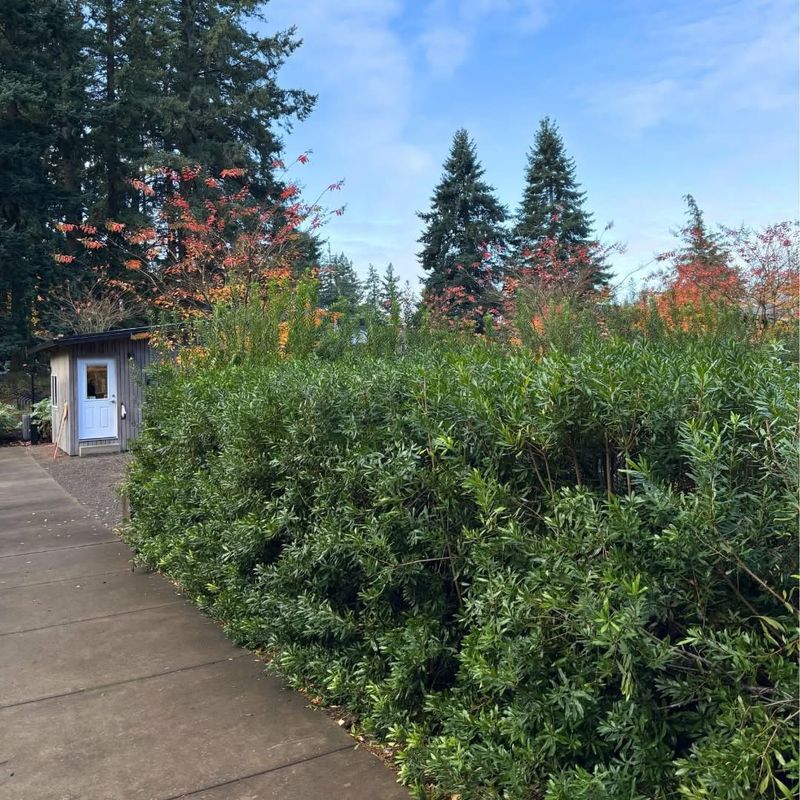
Few broadleaf evergreens feel as naturally at home along the western Oregon coast and through the Willamette Valley as Pacific wax myrtle.
Its dense, aromatic foliage makes it a practical choice for informal screening where a clipped formal hedge would feel out of place.
The plant can develop into a large shrub or small multi-stemmed tree, and gardeners who underestimate its mature spread sometimes find it crowding walkways, fences, or neighboring properties within a few years.
Soil moisture and drainage matter quite a bit with this plant. It tends to perform well in sites with consistent moisture but can struggle where drainage is persistently poor or where soils stay waterlogged for long stretches.
Inland locations with colder winters may not suit it as reliably as milder coastal or valley sites.
Spacing plants with their mature width in mind from the start saves a lot of corrective pruning later. A more natural, unpruned form is entirely workable for most informal screening situations.
During the first couple of summers after planting, consistent deep watering helps roots establish before the dry season sets in. Once settled, it generally handles western Oregon’s wet winters and moderately dry summers reasonably well when sited appropriately.
2. Tall Oregon Grape Adds Structure In Dry Summer Gardens
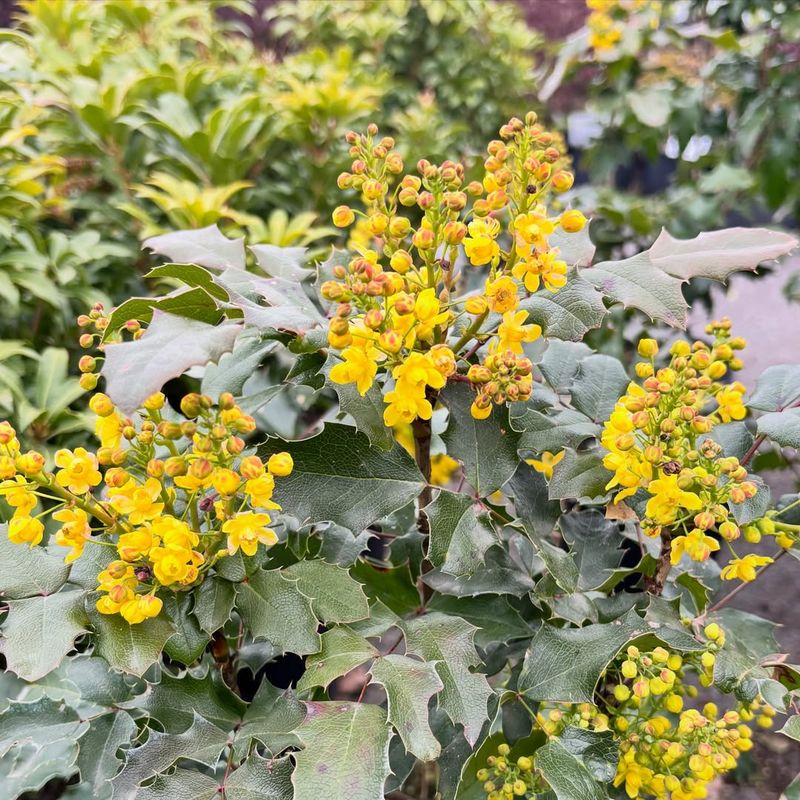
Walking past a mature stand of tall Oregon grape on a dry August afternoon, you get a clear sense of why this native shrub earns its reputation for summer resilience.
Once established in a suitable location, it can handle the dry stretch that follows western Oregon’s wet winters without constant irrigation.
Its bold, spiny leaflets give it a structural presence that stands out even when surrounding plants look worn by summer heat.
Yellow flower clusters in late winter or early spring add seasonal interest, followed by clusters of dark blue-purple fruit that birds find attractive.
Over time, the plant spreads by underground stems and can form a broad colony, which is worth considering before placing it near a defined border or a tight planting area.
Tall Oregon grape works better as part of an informal screen or layered native planting than as a dense conifer-style hedge.
Your Oregon Garden Changes Every Week. Your Plan Should Too.
Gardening in Oregon changes quickly throughout the season. Every Friday you’ll receive a simple weekly plan showing exactly what to plant, prune, fertilize, harvest, and protect so you never miss the right timing.
It may not create a solid visual barrier as quickly as a tightly planted row of evergreen conifers, and the foliage gaps between stems can leave a screen feeling open at first.
Pairing it with complementary shrubs helps fill those gaps while the colony develops over several seasons.
3. Bristly Manzanita Creates A Bold Screen For Sunny Slopes
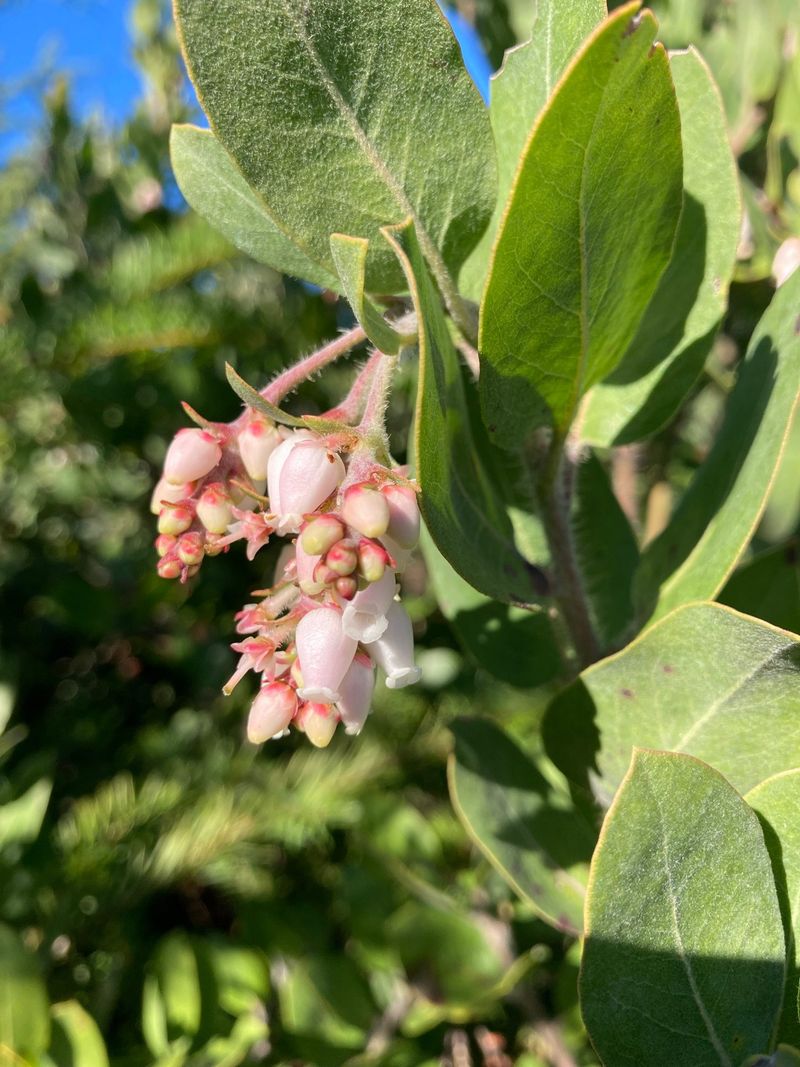
Sunny, south-facing slopes with fast-draining soil are where bristly manzanita genuinely earns its place in a western Oregon garden.
Its smooth, reddish-brown bark, small evergreen leaves, and twisted branching form give it a sculptural quality that few other screening shrubs can match.
Early in the season, small urn-shaped flowers appear and provide a welcome nectar source for native pollinators.
Site selection is especially critical with this plant. Heavy, poorly drained soil and frequent summer irrigation after establishment are two of the most common reasons manzanitas decline in residential landscapes.
Root disturbance and crowded planting conditions can also create problems, so giving each plant enough room from the start is worth the extra planning effort.
Bristly manzanita is not a plant to tuck into a shady corner or a low spot where water collects after winter rain.
Once established in a well-matched site, it can develop into a dense, informal screen that handles western Oregon’s dry summers with minimal supplemental water.
During the first growing season or two, moderate watering while roots develop is reasonable, but the goal should be transitioning the plant toward a drier routine as it matures.
Checking soil moisture rather than following a fixed schedule tends to produce better results.
4. Evergreen Huckleberry Softens Shady Corners With Year-Round Foliage
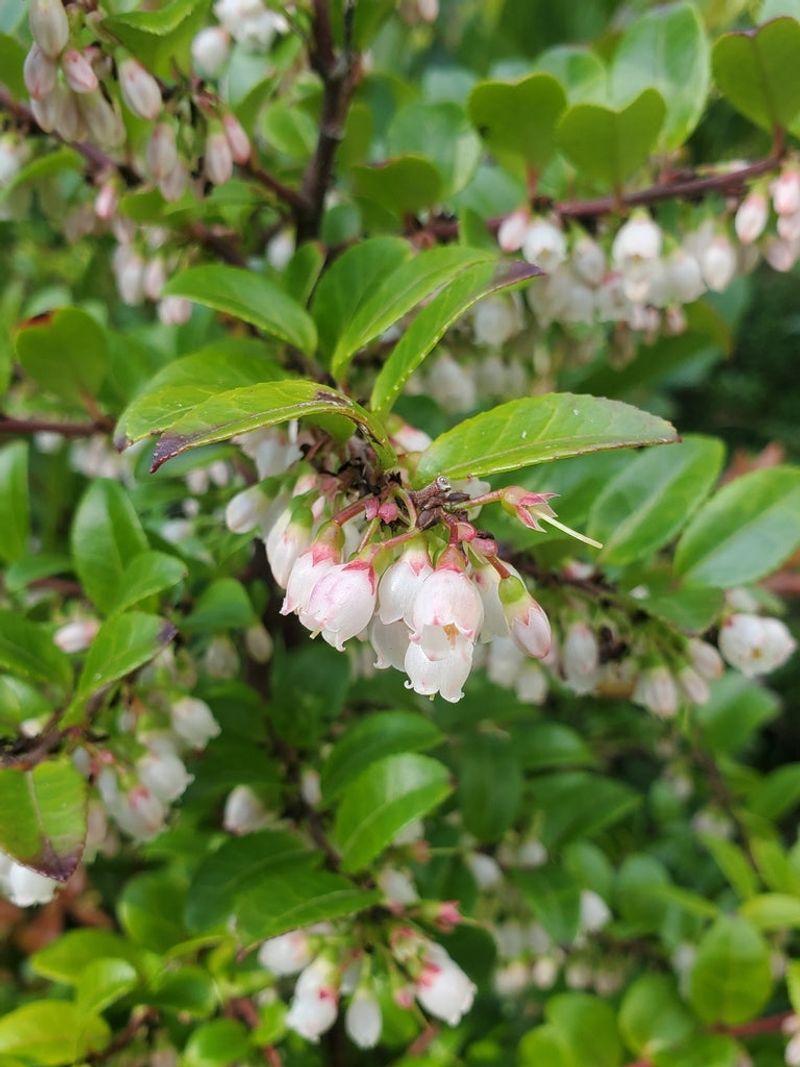
Shady corners and filtered-light spots beneath tall conifers can be tricky places to establish a privacy screen, but evergreen huckleberry handles those conditions better than most conventional hedge plants.
Its glossy, dark green foliage holds well through the year, giving shaded garden edges a polished, layered appearance even in the depths of a wet western Oregon winter.
Acidic, organic-rich soil with good moisture retention suits this plant well. It tends to establish and grow more slowly than some faster-moving shrubs, so expecting immediate screening from a newly planted row is likely to lead to frustration.
Pairing it with taller companion plants while it fills in can help manage that waiting period.
Small pinkish flowers appear in spring, followed by dark berries that are genuinely edible and popular with birds and wildlife. Evergreen huckleberry fits naturally into layered plantings beneath taller trees or alongside other compatible native shrubs.
Newly planted specimens need consistent moisture while roots develop, especially through their first dry summers.
Once established in a well-suited spot, they generally manage western Oregon’s seasonal moisture swings without heavy intervention, though checking soil conditions regularly remains a sensible habit regardless of how long the plant has been in the ground.
5. Blueblossom Ceanothus Delivers Color Along With Summer Privacy
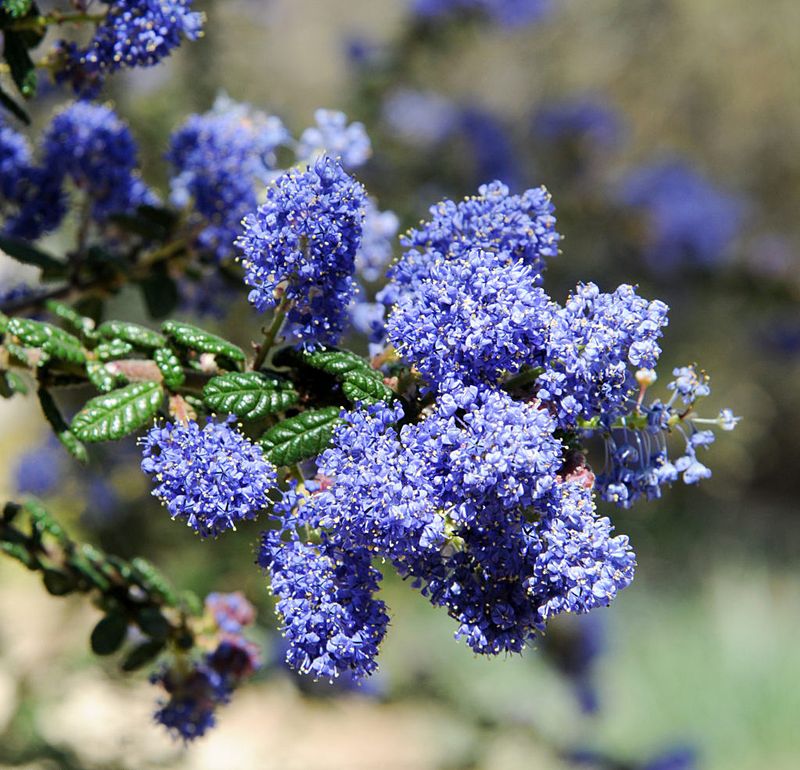
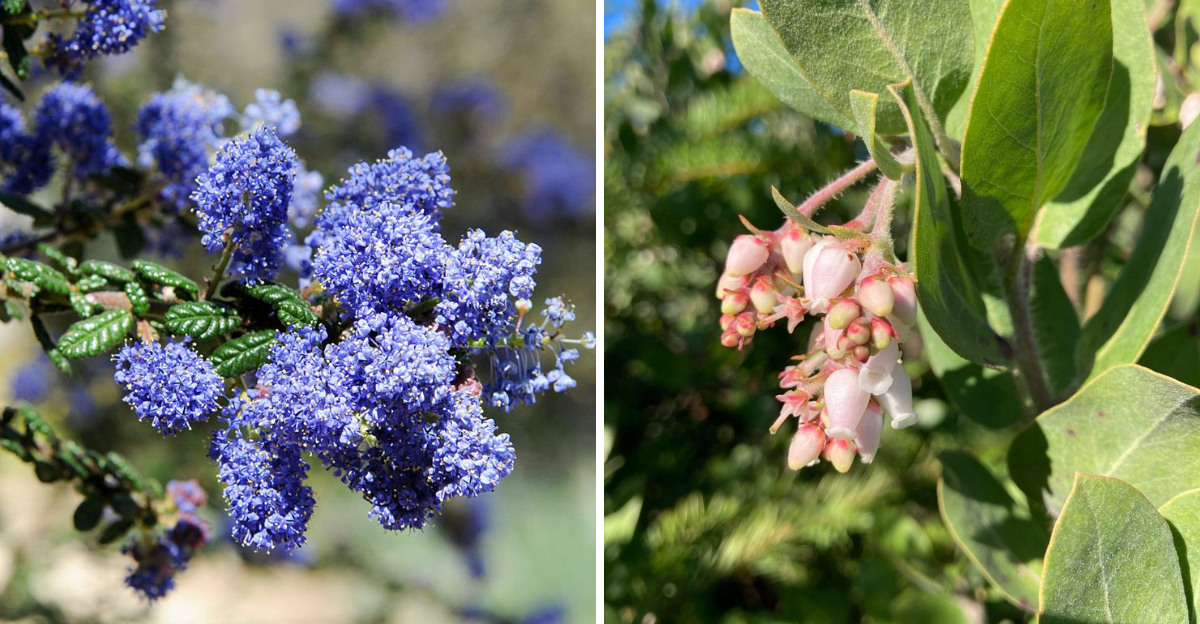
Few screening shrubs put on a spring show quite like blueblossom ceanothus, when dense clusters of vivid blue flowers cover the plant from top to bottom before most other garden shrubs have fully woken up.
Beyond the floral display, its evergreen foliage provides a reasonably solid screen through the rest of the year in suitable western Oregon locations.
The combination of color and coverage is genuinely hard to replicate with many other options.
Sun and well-drained soil are non-negotiable for this plant. In western Oregon sites where drainage is reliable and summer heat is moderate, established plants can handle dry summers with little or no supplemental irrigation.
Cold hardiness can vary among species and cultivars, and not every selection sold under the name ceanothus will perform equally well through a colder-than-average western winter.
Verifying the exact identity and regional suitability of a ceanothus before purchasing it is a practical step that saves disappointment later.
Mature size also varies considerably, so checking documented dimensions rather than relying on nursery pot size helps with spacing decisions.
Blueblossom ceanothus is not a universal hedge plant for every western property, but in the right site it can provide both seasonal color and useful year-round screening.
6. Coast Silk-Tassel Builds A Dense And Distinctive Living Wall
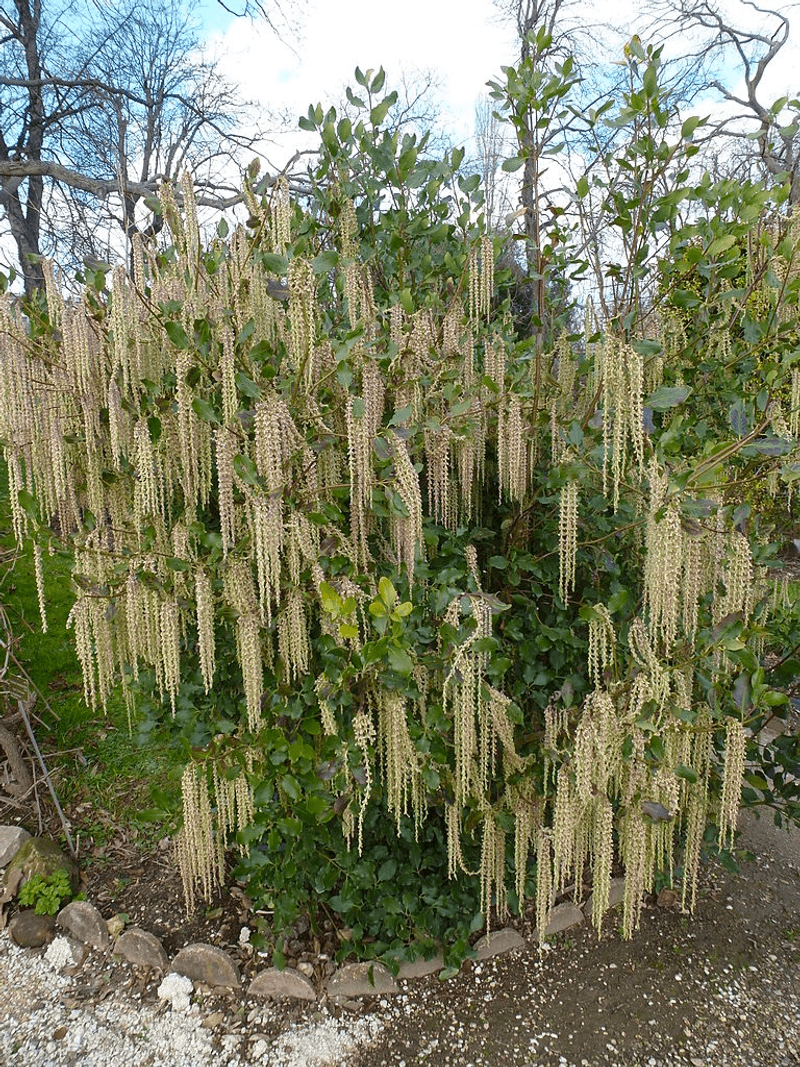
Long, silvery-green catkins dangling from dark evergreen branches in the middle of winter make coast silk-tassel one of the most visually distinctive screening plants available to western gardeners.
The hanging flower clusters can reach impressive lengths on mature plants, appearing when most of the garden looks quiet and grey.
That winter interest alone makes it worth considering for the right location.
Mild western conditions and coastal sites tend to suit coast silk-tassel better than colder inland or higher-elevation locations.
Mature plants can become quite substantial, so thinking through available space before planting prevents the kind of crowding that leads to difficult corrective pruning later.
Wind exposure, drainage quality, and cold vulnerability should all factor into the site decision.
Coast silk-tassel is not a one-size-fits-all hedge plant for every western Oregon property. In locations where conditions match its preferences, it can develop into a dense, distinctive living wall with genuine year-round presence.
Newly planted shrubs benefit from regular watering while roots establish, particularly through the first dry season or two.
Once settled, established plants generally manage seasonal moisture variation reasonably well, though site conditions ultimately determine how reliably they perform through western Oregon’s occasional cold snaps and unpredictable summer dry spells.
7. Pacific Rhododendron Turns Woodland Edges Into Natural Screens
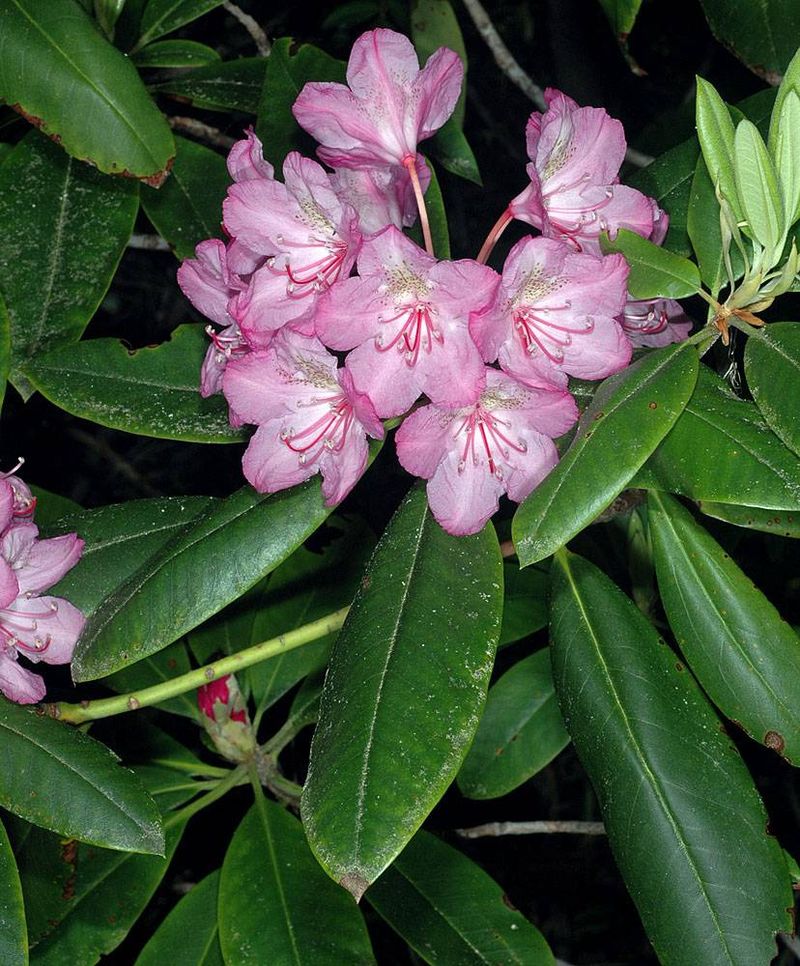
Along shaded woodland edges and beneath tall Douglas firs, Pacific rhododendron can grow into a broad, multi-stemmed shrub that contributes genuine privacy without looking out of place in the surrounding landscape.
Its large, leathery evergreen leaves hold their deep green color through western Oregon’s wet winters, and the pink to light purple flower clusters in late spring add a seasonal highlight that draws attention from across the yard.
Acidic, well-drained soil with good organic content suits Pacific rhododendron well. Continuously saturated soil is a serious concern, and planting in low spots where water pools after winter rain tends to create long-term problems with root health.
Shade or filtered light generally works better than full hot afternoon sun, especially in warmer inland valleys.
Pacific rhododendron is better suited to informal woodland screening and layered borders than to tightly clipped formal hedges. Expecting it to form a solid, uniform wall is likely to lead to disappointment.
As part of a mixed planting alongside compatible native shrubs and small trees, it can contribute height, texture, and year-round foliage to a layered privacy screen that looks natural rather than constructed.
Establishment watering through the first dry season or two gives roots the best chance to settle in before summer stress arrives.
8. Compact Western Redcedar Cultivars Fit Tighter Garden Spaces
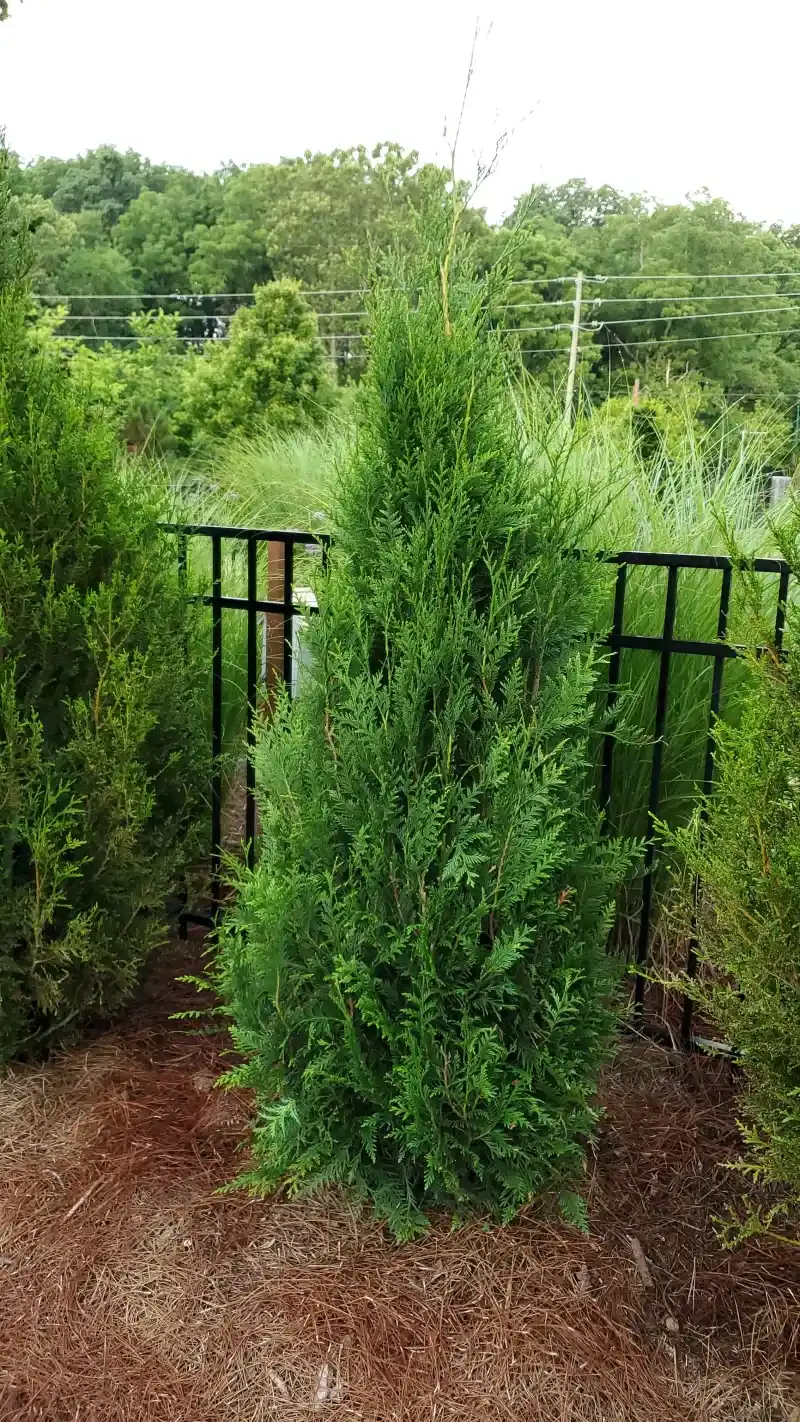
Western redcedar in its standard form can eventually become an enormous tree, reaching heights and spreads that make it completely impractical for most residential lots.
The species does appear on lists of privacy plants fairly often, but the relevant conversation for most homeowners involves verified compact cultivars with documented, more restrained growth habits rather than the species in its full form.
Even smaller selections need adequate room for both roots and foliage. Checking the documented mature height and width of a specific cultivar before purchasing it is an important step that prevents placement mistakes.
Planting compact selections too close to foundations, utility lines, or property boundaries can still create problems as years pass.
Western redcedar tends to perform better in sites with consistent soil moisture than on hot, dry, exposed slopes where summer drought stress can take a toll.
In western Oregon’s wetter zones and foothill locations with suitable soil, appropriate cultivars can develop into attractive, feathery evergreen screens with a distinctly Pacific Northwest character.
Newly planted specimens benefit from regular deep watering while roots develop.
Once established in a well-matched site, they generally handle western Oregon’s wet winters without difficulty, though ongoing attention to soil moisture during dry summers remains worthwhile, particularly in warmer inland locations.
9. Arborvitae Cultivars Shape Clean And Classic Evergreen Hedges
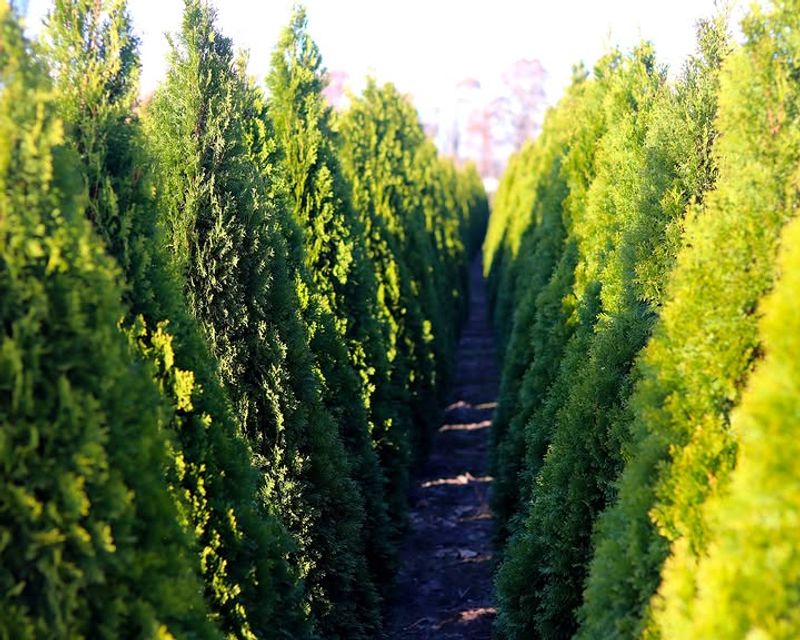
Arborvitae cultivars show up in western Oregon nurseries every spring for good reason.
Their dense, scale-like foliage and naturally upright growth habit make them one of the most recognizable choices for formal evergreen screens along property lines, driveways, and garden boundaries.
Many homeowners appreciate how quickly a young row begins to fill in and provide at least partial screening.
Choosing a cultivar based on its verified mature dimensions rather than its current nursery size is one of the most practical pieces of advice for anyone considering arborvitae.
Some cultivars that look tidy and manageable at purchase can reach heights and widths that surprise gardeners who did not check the details beforehand.
Summer drought stress, winter damage from heavy snow or ice loading, and poor drainage are all real concerns depending on the cultivar and the planting site.
Deer browsing can be a significant issue in some western Oregon locations, particularly in foothill and rural areas where deer pressure is consistent.
Not every arborvitae cultivar performs equally well in every western Oregon landscape, and the differences in cold tolerance, moisture needs, and mature size among available selections are worth researching before committing to a full hedge row.
Establishment watering during dry summers gives newly planted rows the best chance of developing strong, resilient root systems.