What It Really Means When A Gulf Coast Toad Shows Up In Your Texas Yard
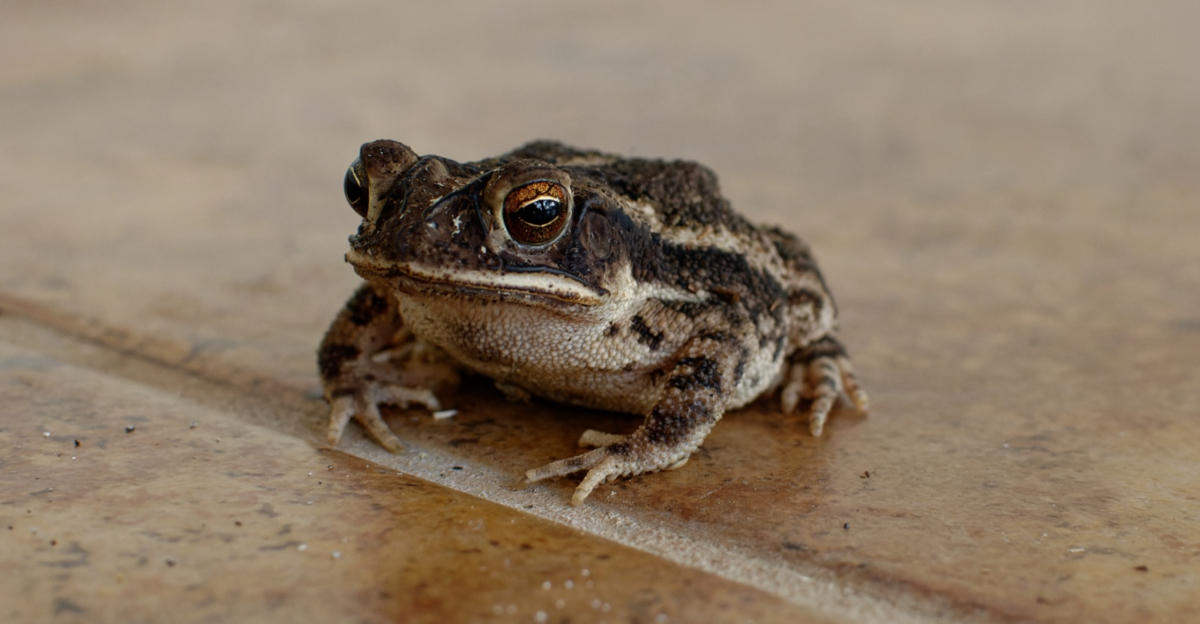
You step outside and something bumpy stares straight back at you. Blinking eyes track your every move near the porch light. Texas yards like yours keep drawing these thick skinned wanderers.
Gulf Coast toads never settle in your space without good reason. Your soil, shade, and insects just became appealing to them. Curiosity pulls you closer, and that instinct makes sense.
Caution follows fast, since their skin carries natural defenses. Startled or thrilled, you cannot overlook this new arrival. Backyards across Texas, yours included, are shifting into wildlife habitats.
Every bump on its back hints at something you’ll notice. Nothing in your yard stays the same after this visit. Understanding this creature changes how you manage your entire property.
Overlooking it means missing signals your own yard keeps sending. Even you might not realize how much this toad reveals. Turning away now costs you insight you truly deserve to keep.
Why Gulf Coast Toads Appear In Texas Yards
Something moved near your garden hose, and now you cannot stop thinking about it. Gulf Coast toads do not wander into yards by accident. They follow food, moisture, and shelter.
These toads thrive across the Gulf region because the climate matches their needs perfectly. Warm nights, humid air, and plenty of insects make a Texas backyard an ideal habitat.
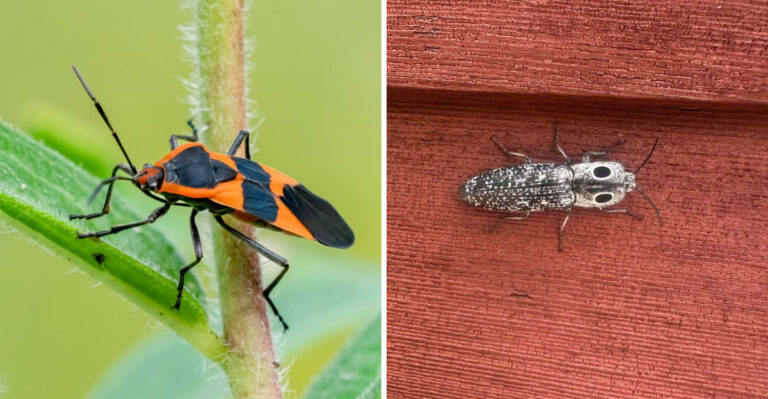
Your yard likely offers all three of those things in abundance. Outdoor lighting attracts moths and beetles, which attract hungry toads looking for an easy meal.
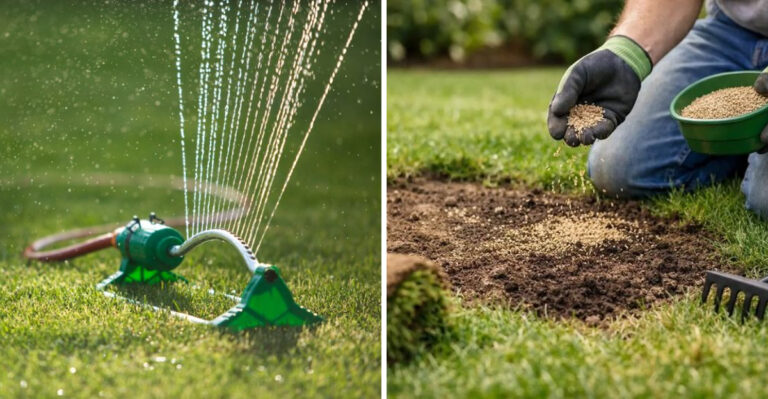
Standing water from sprinklers or rain creates the damp conditions they seek for hydration. Even a leaky faucet or a birdbath can be enough to draw them in.
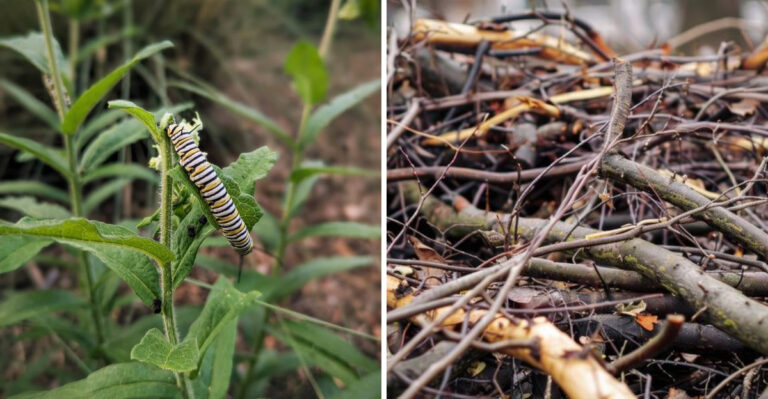
Leaf piles, mulch beds, and thick ground cover give them cozy hiding spots during the day. They are nocturnal hunters, so they rest when you are active and hunt when you are asleep.
Suburban neighborhoods have actually helped this species spread by creating fragmented but connected green spaces. Gardens, parks, and drainage ditches form a network toads navigate effectively.
Spotting one near your porch light is not a fluke. It is a calculated lifestyle choice on the toad’s part. Your yard passed their inspection, and they chose it for good reasons.
Physical Traits That Identify This Species
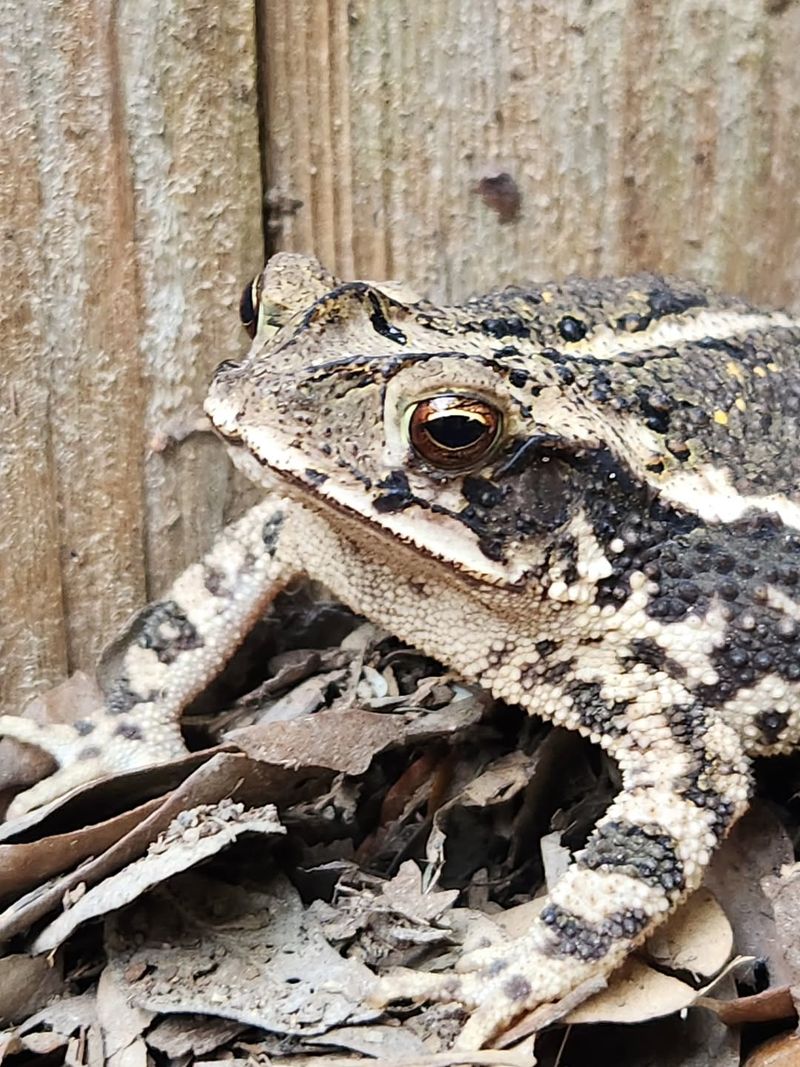
Not every toad in your yard is the same species, and the difference actually matters. The Gulf Coast toad has some very specific features that make it easy to identify once you know what to look for.
Look for a wide, flat head with two raised ridges running along the top. Those ridges, called cranial crests, are a signature trait of this particular species.
The body color ranges from light brown to grayish-tan, often with darker blotches scattered across the back. A pale or yellowish stripe sometimes runs down the center of the back.
Adult toads typically measure between two and four inches long, though some individuals grow even larger. Females tend to be larger than males, which is common across many toad species.
Your Texas Garden Changes Every Week. Your Plan Should Too.
Gardening in Texas changes quickly throughout the season. Every Friday you’ll receive a simple weekly plan showing exactly what to plant, prune, fertilize, harvest, and protect so you never miss the right timing.
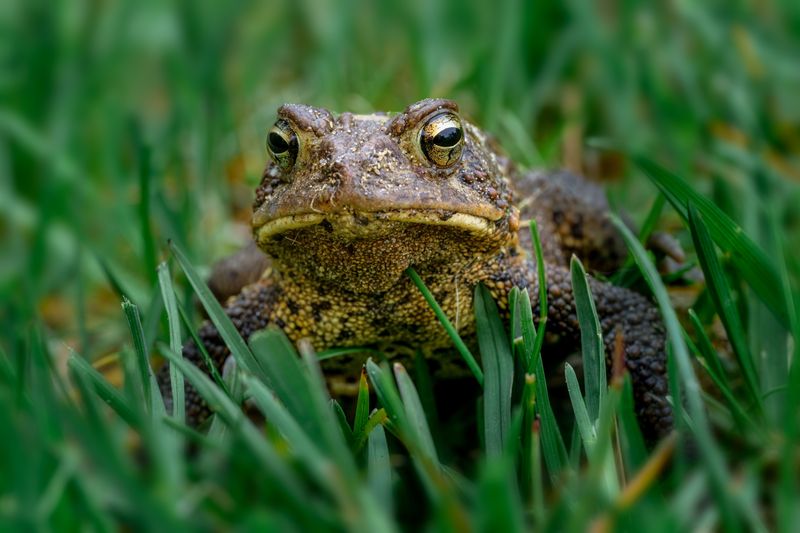
The skin is covered in bumps called warts, though these cannot give you warts. That is a myth worth busting right now. Each bump is part of the toad’s naturally rough, glandular skin texture.
Behind each eye sits a large, kidney-shaped gland called a parotoid gland. These glands produce a mild toxin used as a defense against predators.
The belly is cream-colored or white, often with small dark spots. Comparing the belly color and the crest shape together gives you the most reliable identification.
Once you spot those cranial crests and that flat head, you will never mistake this Gulf Coast toad for anything else again.
Safety Considerations For Pets And Children
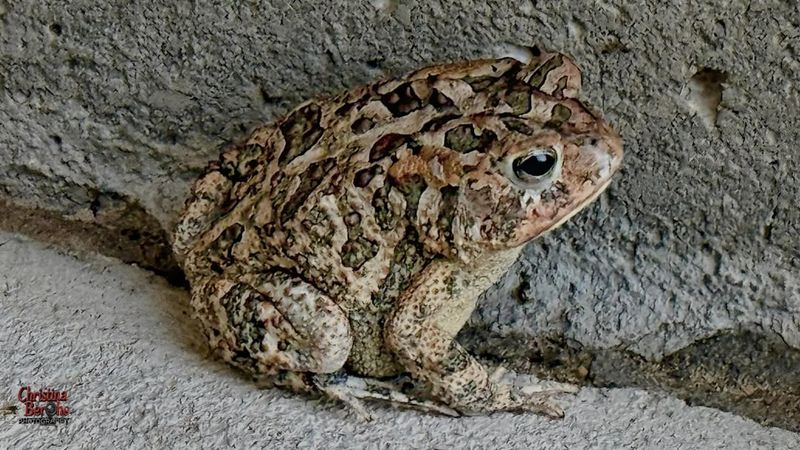
Your dog just sniffed something slimy, and now it is foaming at the mouth. That is a concerning moment for any pet owner.
Gulf Coast toads produce a mild toxin from their parotoid glands, and pets that mouth them can have a reaction.
The good news is that Gulf Coast toads are not as dangerous as the invasive cane toad, which causes severe symptoms. Still, the reaction can be uncomfortable and should be addressed quickly.
Dogs and cats may drool heavily, paw at their mouths, or appear disoriented after contact. Rinsing the mouth with water for several minutes usually helps reduce the irritation.
Call your vet if symptoms seem intense or do not improve quickly. Keeping a close eye on your pet for a couple of hours afterward is always a smart move.
Children should be taught not to handle toads without washing their hands thoroughly afterward. The toxin can irritate eyes and mucous membranes if transferred by touch.
Supervising young kids during outdoor evening play reduces the chance of an unexpected toad encounter. Most children are naturally curious, so turning it into a learning moment works better than a scare tactic.
Toads typically will not chase your pets or children. They usually freeze or hop away when startled.
Awareness and a few simple habits are all it takes to keep everyone safe and comfortable around these backyard guests.
Ecological Signals Behind Their Presence
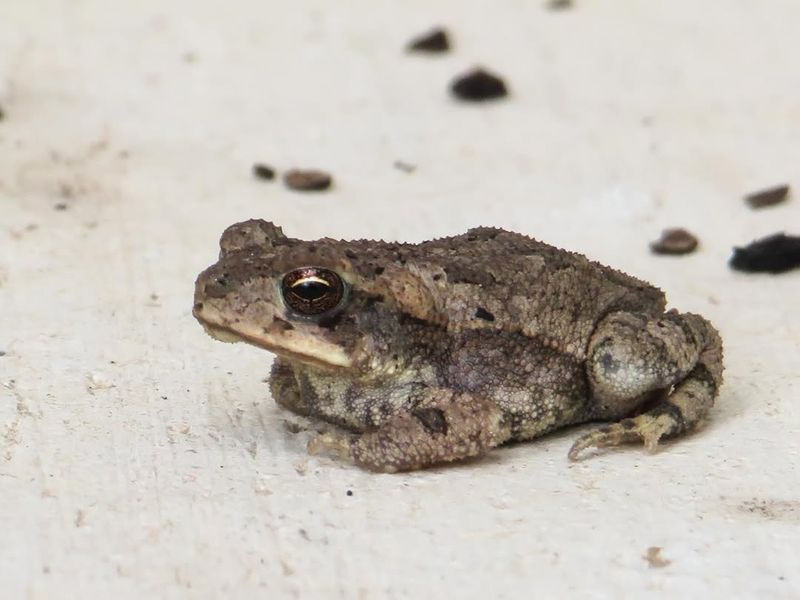
A toad in your yard is like a report card for your outdoor space, and it is mostly good news. Amphibians are bio-indicators, meaning their presence signals a relatively healthy local environment.
Gulf Coast toads need clean-enough water, sufficient insect populations, and safe ground cover to thrive. When they show up, it suggests your yard meets at least some of those ecological requirements.
Their appetite for insects tells you something important about your local food web. A thriving insect population supports birds, lizards, and other wildlife that depend on the same food source.
If toads are present, pesticide use in your immediate area is likely lower than in places where they are absent. Heavy chemical use tends to wipe out insect populations and directly harm amphibian skin.
The moisture levels in your yard also play a role in their arrival. Toads absorb water through their skin, so they gravitate toward yards with consistent ground moisture.
Healthy soil with good organic matter tends to support the bugs toads eat, creating a self-sustaining cycle. Composting, mulching, and reducing lawn chemicals can make your yard even more attractive to them.
Seeing a Gulf Coast toad is a quiet signal that your outdoor space supports life beyond just grass and flowers. That kind of biodiversity is something worth nurturing with intention and care.
Best Practices For Coexisting With Toads
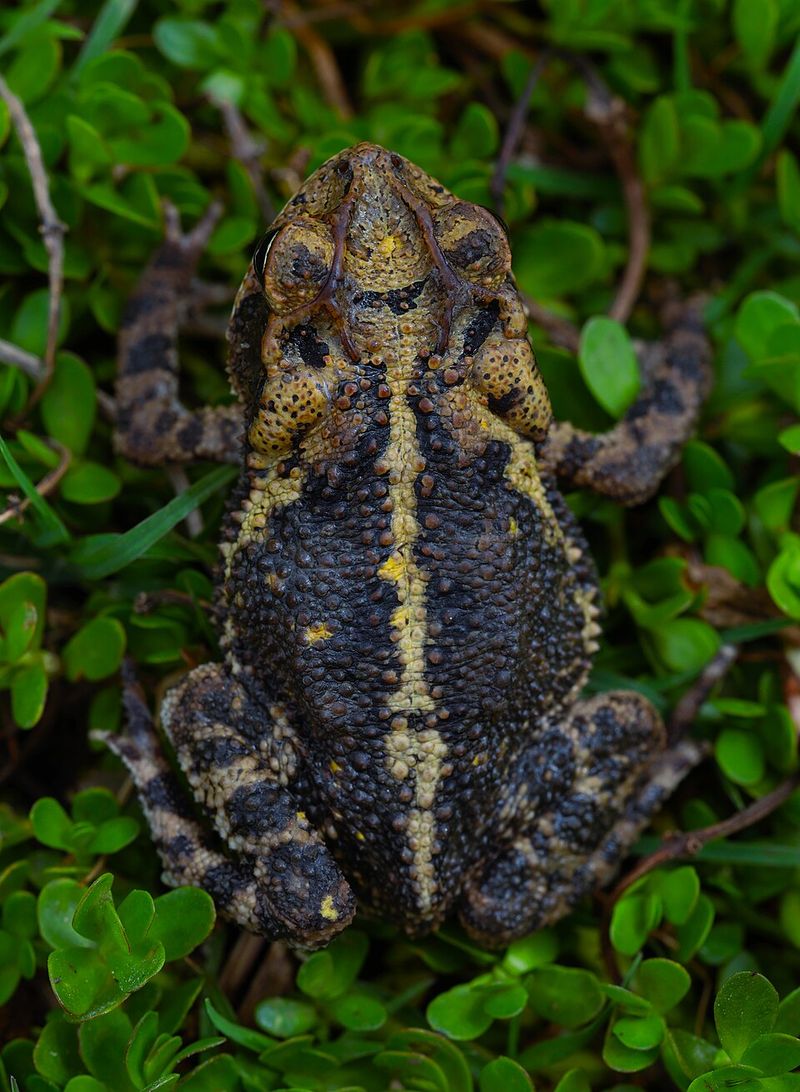
Sharing your yard with a toad is simple, but a few small habits make it easier for both of you. The goal is coexistence, not a full wildlife sanctuary overhaul.
Reduce outdoor chemical use wherever possible, including fertilizers and insecticides. These products absorb directly into toad skin and can cause serious harm over time.
Leave a shallow dish of clean water in a shaded corner of your yard. Toads do not drink through their mouths. They absorb moisture through their belly skin.
Avoid raking up every leaf pile or clearing all ground cover near garden beds. Those messy spots are exactly where toads shelter during the heat of the day.
If a toad wanders onto your porch or near your door, relocate it gently using a container. Scooping it up with a plastic cup and placing it in a garden bed works perfectly.
Keep your outdoor lighting pointed downward rather than outward when possible. Bright lights attract insects, which attract toads, which can create a crowded situation near entryways.
Check under garden equipment, hoses, and low furniture before moving them, toads hide in surprisingly flat spaces. A quick look before you grab anything saves the toad from an accidental injury.
Coexisting with a Gulf Coast toad takes almost no effort once you understand their habits, and the payoff in natural pest control is a practical benefit.
Environmental Significance Of This Backyard Visitor
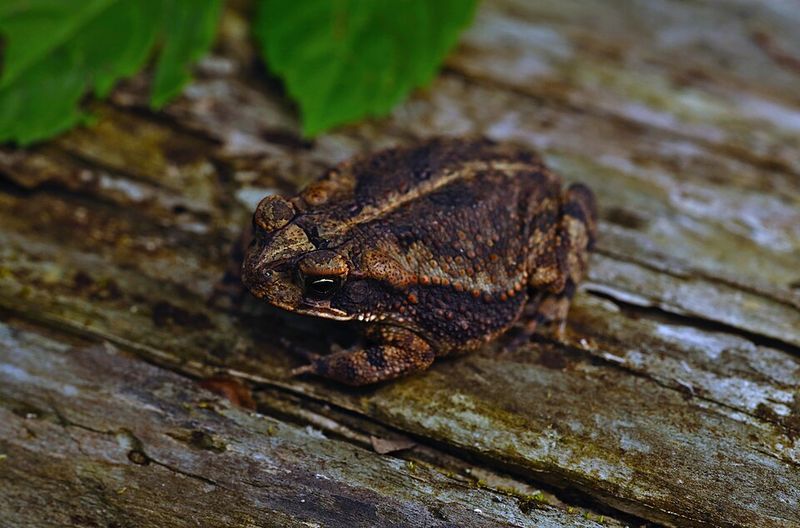
One toad eating bugs in your yard might not seem like a big deal, but scale that up across a neighborhood and the impact becomes remarkable.
Gulf Coast toads consume large numbers of insects per season, including mosquitoes, beetles, and plant-damaging pests.
That kind of natural pest management reduces the need for chemical sprays that can harm pollinators like bees and butterflies. A single toad contributes consistent pest control every night.
Amphibian populations globally have been declining due to habitat loss, pollution, and disease. Seeing one thrive in your yard means your local patch of green is an exception to that broader decline.
Toads also serve as prey for larger animals like snakes, herons, and raccoons. Supporting a toad population indirectly feeds the broader food web surrounding your home.
Their eggs and tadpoles support aquatic ecosystems in nearby ponds, ditches, and drainage areas. Even a small backyard pond can become a breeding site that contributes to local amphibian recovery.
Urban sprawl has fragmented natural habitats across the Gulf region, making private yards increasingly important for wildlife. Your garden, however small, can act as a corridor connecting isolated green spaces.
The Gulf Coast toad in your yard plays a role in something much larger than your garden bed. Protecting that relationship is one of the most meaningful things a homeowner can do.
When To Be Concerned About Toad Activity
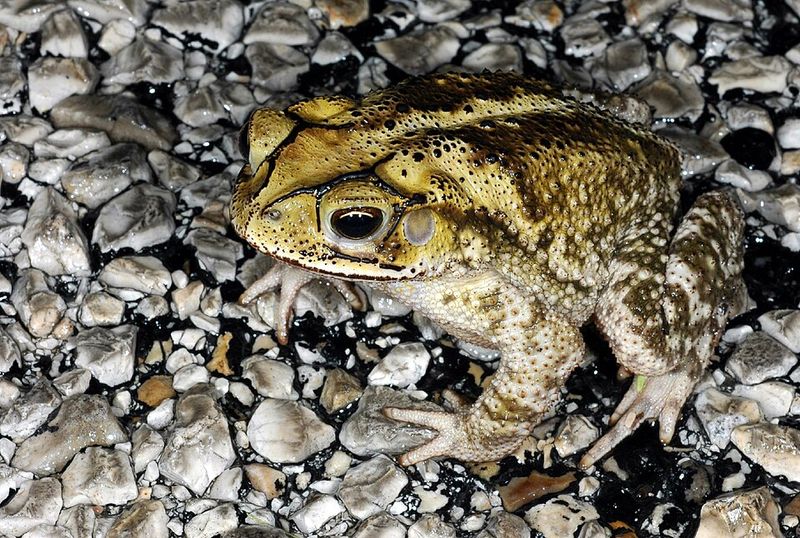
Twenty toads near your back door every night is a different conversation than one relaxed visitor. Knowing when normal toad activity crosses into something worth addressing keeps your Texas yard balanced and your household comfortable.
A sudden surge in toad numbers often points to a nearby breeding site, like a flooded area or a neglected water feature.
This is common in Texas neighborhoods with standing water nearby, and addressing that water source can naturally reduce the population over time.
Toads near pet food bowls or water dishes create an easy opportunity for curious pets to make contact. Moving food and water indoors at night reduces that risk without harming the toads.
If you notice toads entering your garage or crawl space, check for gaps around doors, pipes, and vents. Sealing those entry points keeps the toads outside where they belong.
Sick or disoriented toads sitting in the open during daylight hours can indicate a problem. Healthy toads hide during the day, so a lethargic daytime toad may need to be relocated away from foot traffic areas.
Never attempt to remove large numbers of toads using chemicals or traps without consulting a local wildlife extension office first. Indiscriminate removal can disrupt the local ecosystem in ways that create bigger pest problems.
The Gulf Coast toad is a welcome presence for most Texas homeowners, but a little monitoring still helps. A little awareness goes a long way toward keeping the relationship easy and mutually beneficial.