Why Michigan Is Facing Increasingly Dry Conditions This Month
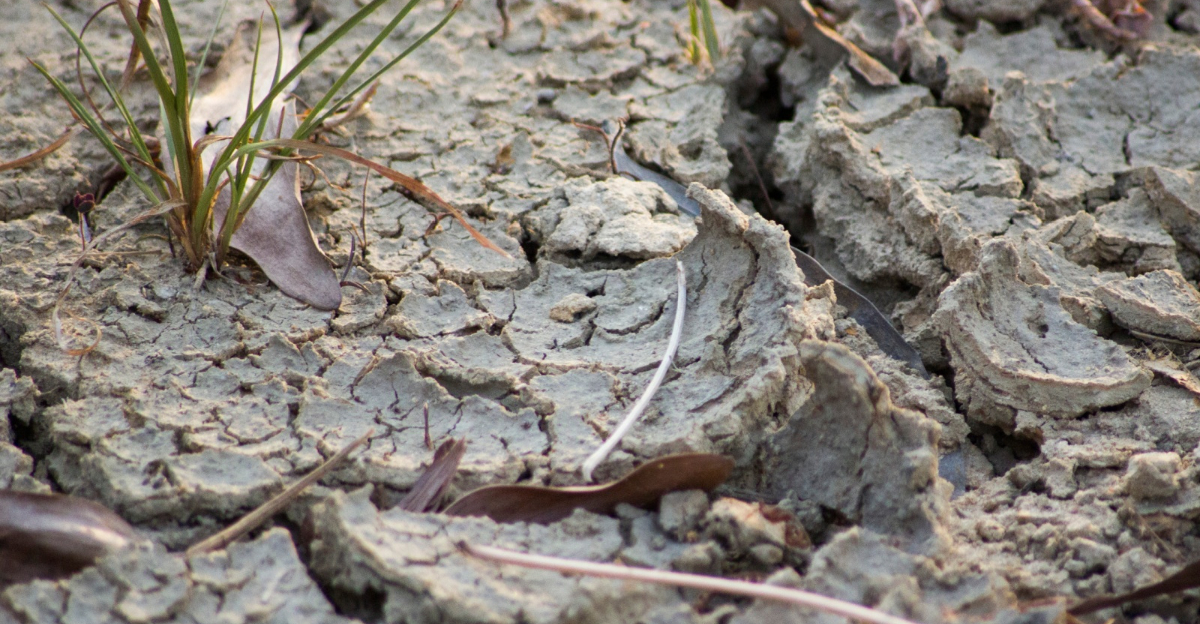
Water is receding beneath your feet, and nobody warned you. Rivers across Michigan are dropping to levels never recorded before. Farmers watch skies that offer no relief.
Snowpack that once fed streams has thinned to almost nothing. Heat keeps climbing while rainfall keeps fading behind it. Reservoirs near you are lowering faster than officials expected.
Crops are struggling, wells are low, and towns are uneasy. Every week brings a steady change across the region. Scientists are tracking patterns pointing toward a drier summer.
Michigan now faces decisions no resident wants to make. Groundwater levels are falling in counties that rarely see shortages. Wildfire risk is a serious and underappreciated consequence of prolonged dry conditions.
Officials are already discussing restrictions that could affect you. Soil moisture has fallen below thresholds not seen in decades.
Pressure is building, and something keeps pushing it forward. You need answers now, because these conditions show no sign of easing soon.
1. Rainfall Stays Below Average Statewide
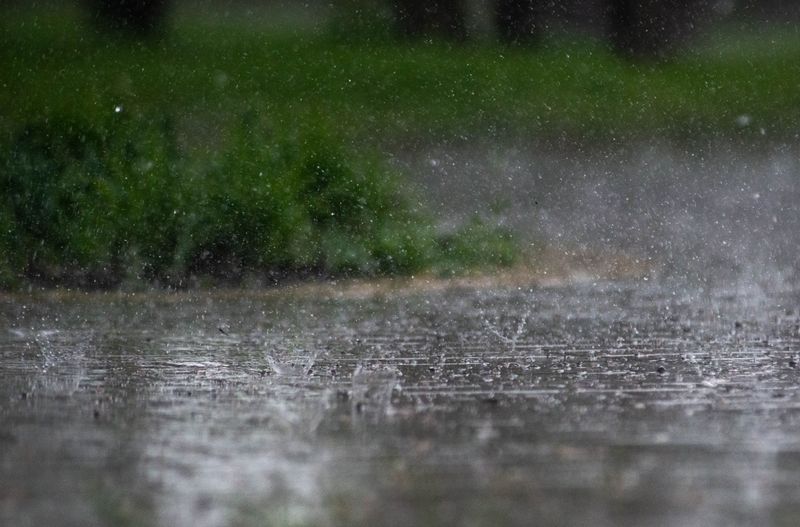
Across the state, rain gauges show a clear downward trend. Month after month, precipitation totals have fallen short of what Michigan normally expects this time of year.
Weather stations from the Upper Peninsula down to the Ohio border are recording deficits. Some areas are running notably below their seasonal average, and that gap has continued to widen in recent weeks.
Several counties in the Lower Peninsula have gone an extended stretch without meaningful rainfall.
When rain skips a region for weeks, the soil loses its ability to hold moisture. Plants start pulling water from deeper layers, and the ground becomes noticeably drier and firmer.
Streams that rely on steady groundwater flow are also starting to run lower. This shortage is not a one-week blip.
It reflects a persistent pattern that has been building since early spring. Farmers feel it first. Their fields dry out faster, irrigation costs climb, and crop stress sets in earlier than expected each growing cycle.
Homeowners notice it too, watching lawns turn yellow and gardens wilt despite regular watering efforts. The whole landscape starts to look thirsty and worn.
City parks and public spaces are showing the same strain as private yards. Meteorologists track this kind of deficit closely.
Even a few dry months in a row can push a region into a more serious dryness classification quickly.
Michigan’s dry conditions have continued to develop in recent weeks. Right now, the extended forecast is not offering much meaningful relief on the horizon.
2. Rising Temperatures Increase Soil Evaporation
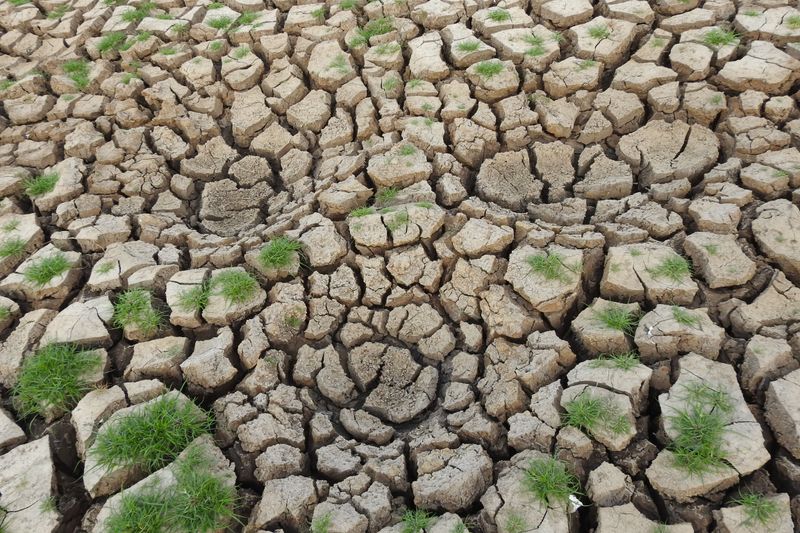
Heat does not just make people uncomfortable. It pulls moisture straight out of the ground at a startling rate. When temperatures climb above seasonal norms, evaporation accelerates fast.
The soil loses water before plant roots can even absorb it properly. This leaves crops and lawns competing for moisture that disappears before it can do any good.
Scientists call this process evapotranspiration. It combines water evaporating from soil and water released by plants into one combined moisture loss measurement.
Michigan has experienced a stretch of above-normal temperatures in recent weeks. That sustained heat is steadily reducing the landscape’s moisture reserves.
Your Michigan Garden Changes Every Week. Your Plan Should Too.
Gardening in Michigan changes quickly throughout the season. Every Friday you’ll receive a simple weekly plan showing exactly what to plant, prune, fertilize, harvest, and protect so you never miss the right timing.
Even brief cooldowns have not been enough to reverse the overall trend. Even areas that received some rain recently are struggling. The heat evaporates surface moisture within hours, leaving the ground nearly as dry as before.
A single afternoon of strong sun can undo days of light rainfall. Pavement and urban surfaces make things worse in cities.
They absorb heat and radiate it back outward, creating pockets of extreme warmth that speed up local evaporation rates.
Rural areas are not spared either. Open fields bake under direct sun without shade trees to slow moisture loss from exposed topsoil layers.
Nighttime temperatures have also stayed warmer than average this season. That means the soil never fully cools down, so evaporation continues even after sunset.
This around-the-clock moisture loss makes it harder for the ground to recover between dry stretches.
Higher heat is not just uncomfortable weather. It is a significant factor in moisture loss, often faster than a dry spell alone would cause.
3. Reduced Snowpack Limited Groundwater Recharge
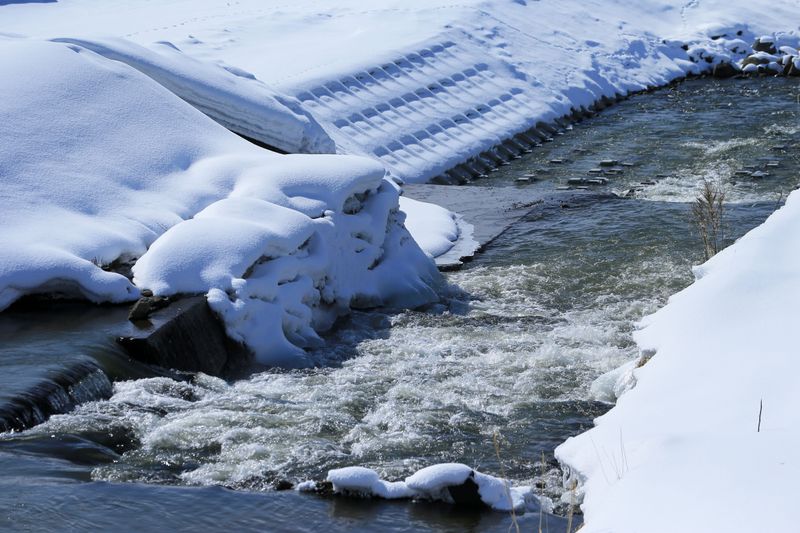
Winter snowpack is basically a slow-release water storage system. When spring arrives, melting snow soaks into the ground and refills aquifers and streams naturally.
This past winter, snowfall across much of the state trended below normal levels. Large sections of the Lower Peninsula barely saw consistent snow cover at all.
Without that deep, lasting snowpack, spring offered very little meltwater. Streams ran lower than expected, and groundwater levels failed to recover from the previous dry season.
Groundwater recharge is a process that takes time. It requires sustained moisture input over weeks, not just a few rainy days scattered across the calendar.
When snowpack is thin or absent, the recharge window essentially closes before it ever fully opens. Wells begin to run lower, and springs slow to a trickle earlier than normal.
Farmers who rely on well water for irrigation noticed lower pressure and reduced output earlier this spring. That is a direct result of poor recharge from the winter months.
Streams fed by groundwater also feel the impact. Reduced baseflow means rivers run shallower, water temperatures rise, and aquatic ecosystems come under increasing stress throughout the season.
A single low-snow winter might seem minor. But stacked on top of existing deficits, it becomes one more layer in a compounding moisture deficit that gets harder to reverse each passing month.
4. Dry Weeks Prevent Soil Rehydration
Soil is not just dirt. It is a living system that needs consistent moisture to function properly for plants and microorganisms alike.
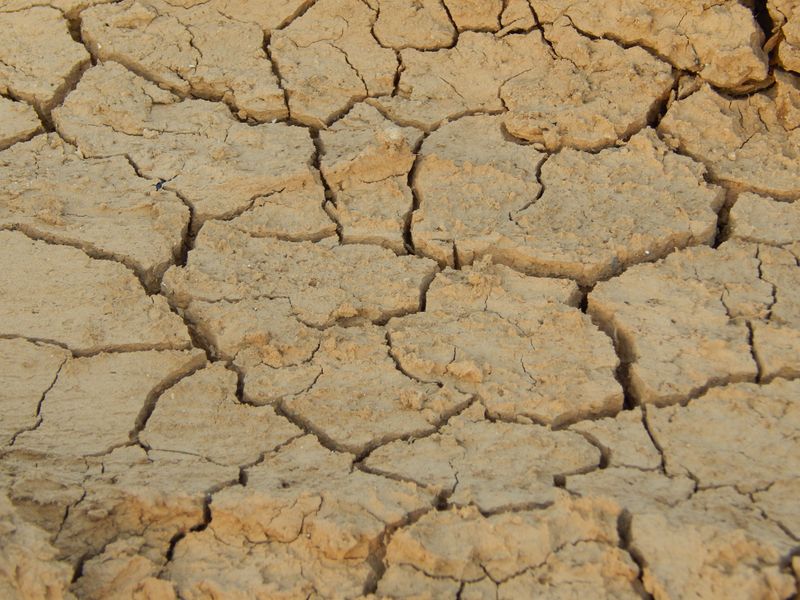
When dry weeks stack up one after another, soil loses its structure. It becomes hydrophobic, meaning it actually repels water instead of absorbing it when rain finally arrives.
This is a real and frustrating phenomenon. A quick rain shower after a long dry stretch often runs right off the surface instead of soaking in where it is needed.
Rehydrating deeply parched soil takes sustained, slow rainfall over multiple days. A single heavy storm rarely does the job and often causes runoff and erosion instead.
Michigan has had stretches this season where weeks passed without any significant precipitation. During those gaps, the soil profile dried out layer by layer from top to bottom.
Gardens and lawns show it quickly. Grass pulls away from the edges of sidewalks, and garden soil shrinks away from planter walls as the moisture leaves.
Agricultural fields tell the same story. Topsoil turns to fine powder, and root zones shrink as plants struggle to find any remaining moisture deep in the profile.
Each consecutive dry week makes recovery harder… it adds to an accumulating moisture deficit that takes longer to correct.
The longer the soil stays parched, the more water it will eventually take to restore it to a healthy, functional state again.
5. Irrigation Draws Heavily On Reserves
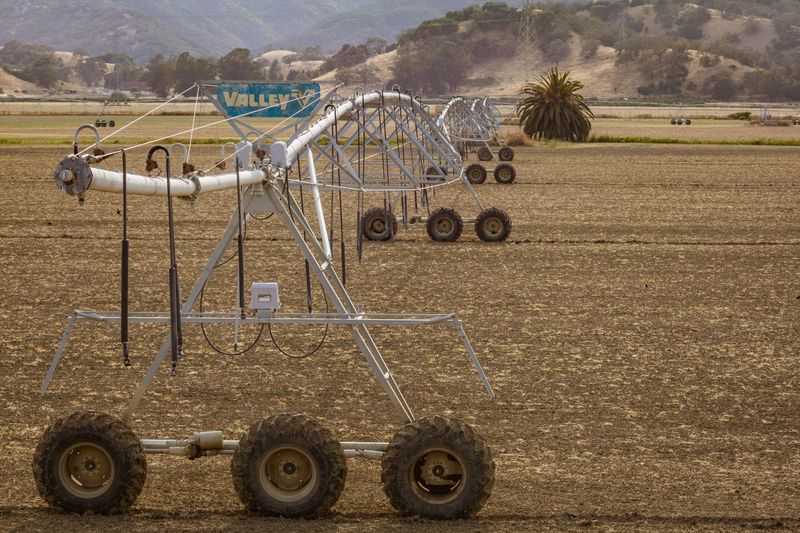
When natural rainfall fails, farmers turn on the irrigation systems. That choice is necessary, but it puts enormous pressure on already strained water supplies.
Michigan agriculture depends heavily on groundwater for irrigation. Wells pump from aquifers that are already running low after a poor recharge season this past winter.
Corn, soybeans, and specialty crops like blueberries and cherries all need consistent moisture. Without it, yields drop sharply and economic losses pile up fast for growers.
Irrigation demand spikes during heat waves. When temperatures rise and crops show stress signs, farmers increase pumping to compensate, pulling even more from limited reserves.
This creates a feedback loop that is hard to break. More pumping lowers groundwater levels, which forces deeper pumping, which drains reserves even faster than before.
Residential wells in rural areas are affected too. When nearby farms pump heavily, neighboring household wells can lose pressure or even run dry during peak demand periods.
Water managers across the state are watching usage data closely. Some regions are approaching levels that trigger conservation advisories or voluntary reduction requests from authorities.
Irrigation is not wasteful. It is essential for feeding people and sustaining farm economies. But under the current dry conditions, every gallon pumped is one less available for the next dry stretch ahead.
6. High-Pressure Systems Block Incoming Rain
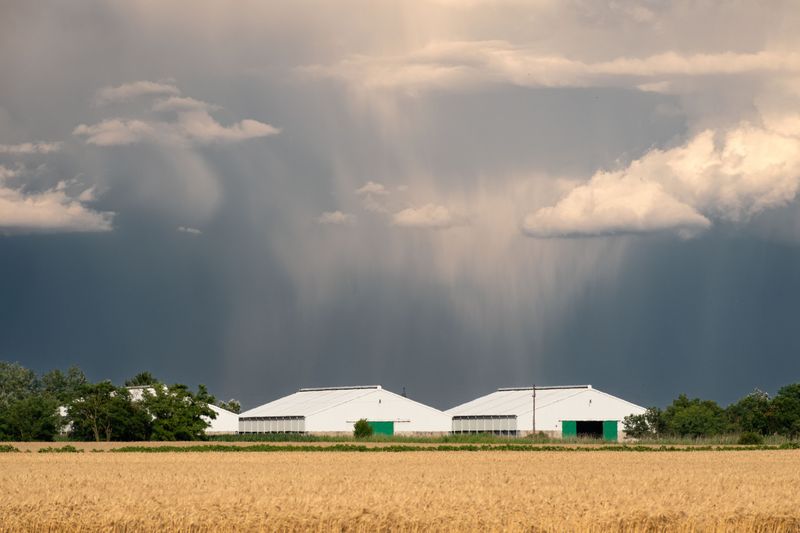
Not all drought causes are visible on the ground. Some of the biggest culprits are happening thousands of feet above our heads in the atmosphere.
High-pressure ridges have played a significant role in the weather pattern across the Great Lakes region this season. They push air downward, suppress cloud formation, and physically block storm systems from entering the area.
When one of these systems parks over the Midwest, it can stay for days or even weeks. Rain-bearing storms get shunted north or south, missing the state entirely.
Meteorologists call this a blocking pattern. It is one of the most frustrating weather setups because it is highly persistent and resistant to change once established.
Storm tracks that would normally bring moisture have repeatedly curved away from the state.
Residents watch radar and see storms forming nearby, only to watch them fizzle or shift direction before delivering any rain. That pattern repeats week after week.
The atmosphere essentially becomes a gatekeeper. Promising rain chances appear on the forecast, then shrink or disappear as the high-pressure system reasserts its control over the region.
Understanding this dynamic helps explain why dry spells linger even when surrounding states get rain. The atmosphere has locked Michigan into a holding pattern, and breaking free requires a significant shift in the large-scale weather setup.
7. Drying Vegetation Raises Wildfire Risk
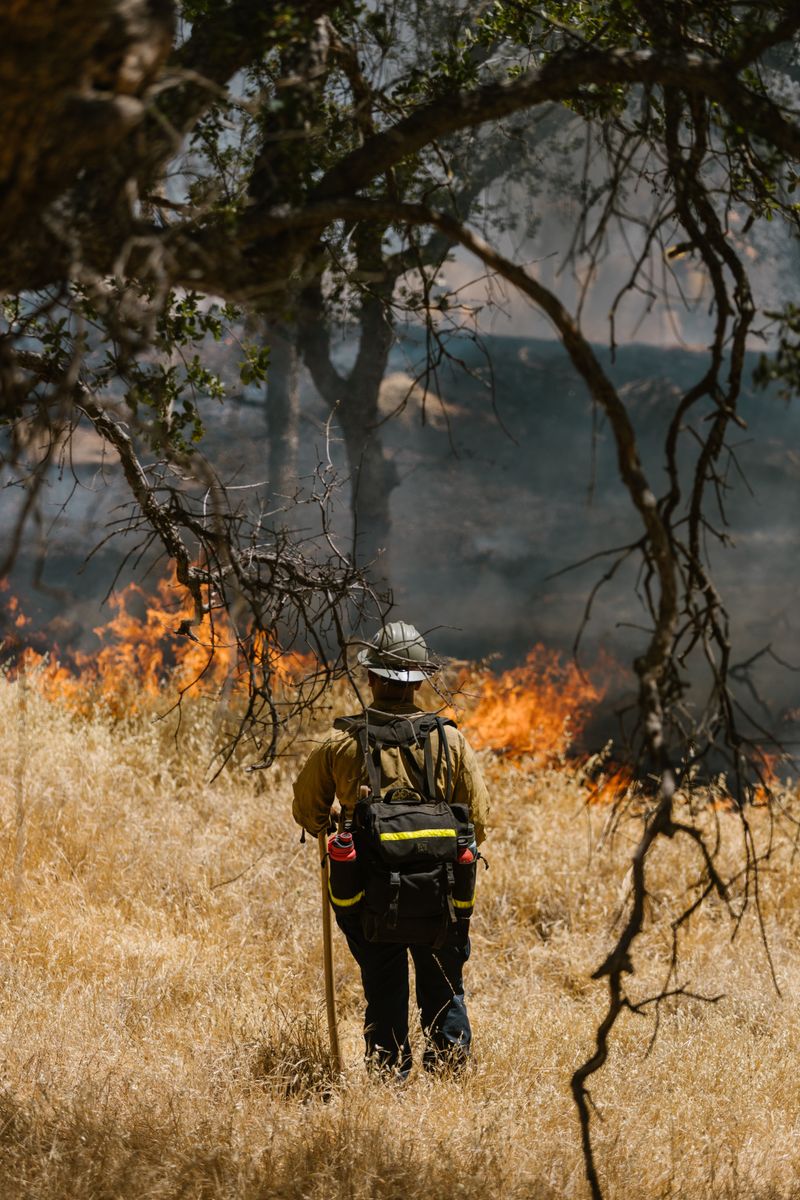
Green landscapes are not just pretty. They are also naturally fire-resistant when properly hydrated and healthy throughout the growing season.
When vegetation dries out from weeks of dry weather, that changes fast. Grasses, shrubs, and leaf litter become fuel instead of scenery, ready to ignite with a single spark.
Michigan may not be the first state people think of for wildfires. But the northern Lower Peninsula and Upper Peninsula have real wildfire history, especially during dry stretches. Prolonged dryness turns living plants into near-combustible material.
Fields that farmers have not yet harvested can ignite from equipment sparks. Roadsides with dry grass become fire hazards near passing vehicles or discarded cigarettes on hot days.
State and local fire agencies have already issued warnings this season. Burn bans have been put in place across several counties where conditions are especially dry and dangerous.
Campfire restrictions frustrate outdoor enthusiasts. But those rules exist for good reason when forest floors are covered in very dry forest floor debris.
Wildfire risk is a serious and underappreciated consequence of prolonged drought. Staying aware of current burn restrictions and fire danger ratings can protect both lives and the landscapes people love.
8. Reservoir Levels Reflect Ongoing Shortages
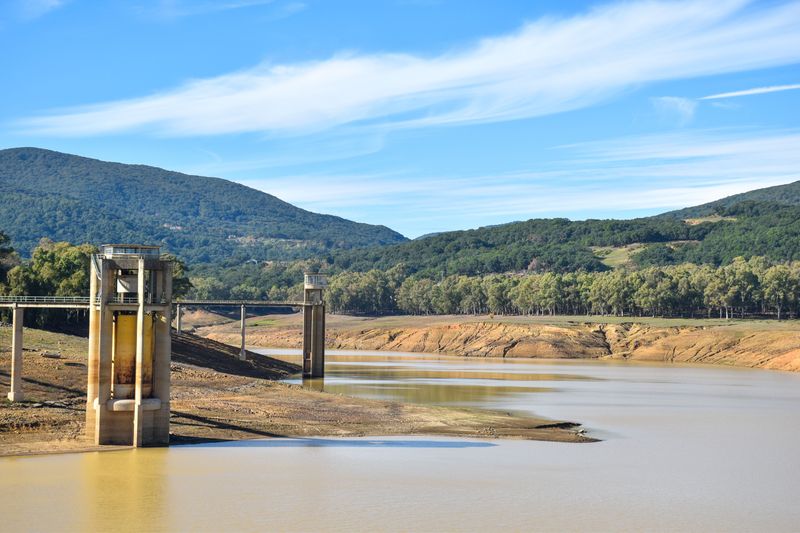
Reservoir levels directly affect water availability for downstream users. When the balance drops, everyone downstream feels the consequences in their daily lives.
Across the state, several managed reservoirs and inland lakes are sitting well below their normal seasonal levels. The bathtub ring of exposed shoreline tells the story clearly.
Low reservoir levels affect municipal water supplies first. Treatment plants have to draw from lower depths, which can affect water quality and increase treatment costs for residents.
Boat launches become unusable when water drops too far, and popular swimming spots shrink to muddy patches that disappoint summer visitors.
Fish and wildlife depend on stable water levels as well. Shallow, warm water holds less oxygen and stresses aquatic species that need cool, deep habitat to survive the season.
Recreation is affected too. Water managers are making difficult decisions about releases and conservation measures.
Balancing human needs against environmental flow requirements becomes a daily challenge during extended dry periods.
A number of Michigan communities have begun encouraging voluntary water conservation measures. Residents are being asked to reduce outdoor watering, limit car washing, and cut back on other non-essential water uses.
Reservoir levels are one of the clearest indicators of how dry conditions have become across the state. Watching those shorelines creep outward each week is a clear sign that the water situation demands attention and action now.