Florida Foundation Planting Mistakes That Create Perfect Roach Conditions Every Season
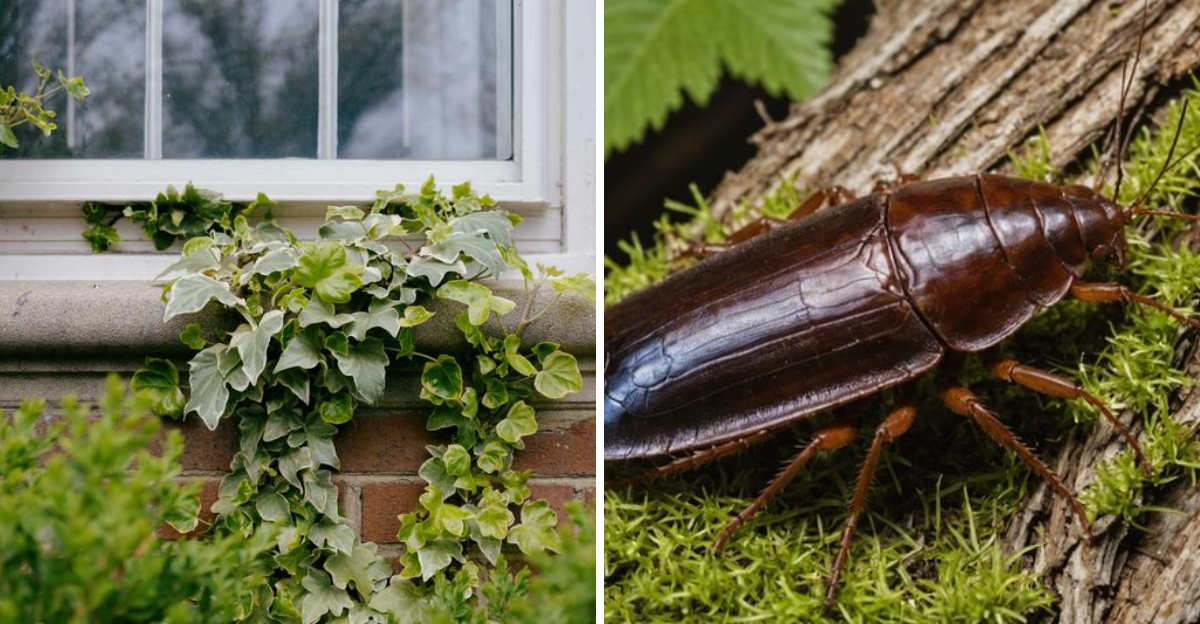
Foundation plantings in Florida rarely get chosen with roaches in mind. They get chosen for curb appeal, for height, for whatever the landscaper suggested or whatever was available and on sale.
The pest consequences of those choices never come up at the point of sale. They show up later.
Usually inside the house. Roaches follow conditions.
Certain foundation planting mistakes create exactly the moisture, cover, and pathway they are looking for. Season after season, the same choices produce the same results.
The homeowner keeps treating the inside of the house and wondering why nothing sticks. The mistakes are common.
Several of them look like responsible landscaping from the outside. That is exactly what makes them worth knowing before the next planting decision gets made anywhere near the foundation.
1. Planting Dense Shrubs Tight Against The Wall
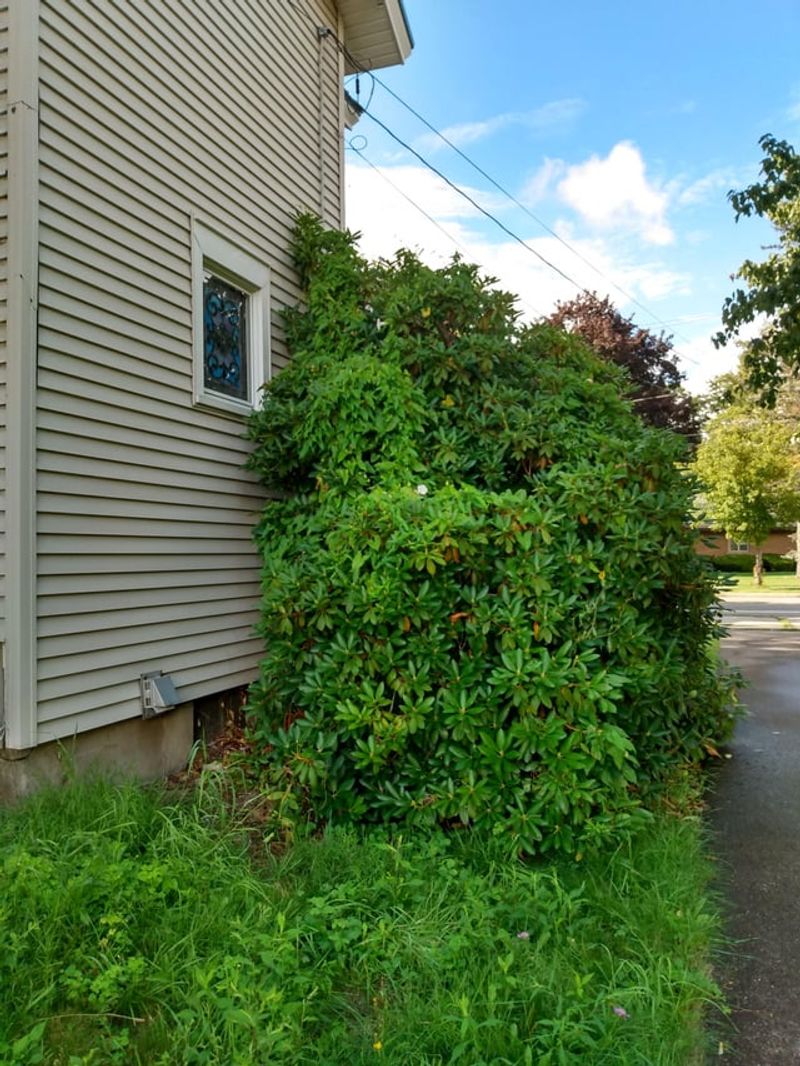
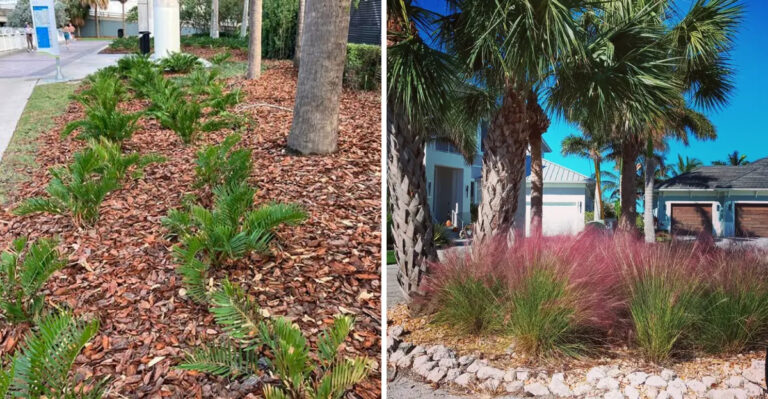
Walk the perimeter of most homes in warm-weather neighborhoods and you will spot the same scene. Hedges are pushed right up against the siding, blocking any view of what is happening at ground level.
Shrubs growing too close to the house create a narrow, shaded corridor that traps humidity and rarely dries out, even after a sunny afternoon.
That combination of shade, moisture, and undisturbed soil is exactly what makes the foundation edge feel sheltered rather than exposed.
Branches touching walls can also hold debris against siding, stucco, or brick. Leaf litter builds up in tight spaces where rakes cannot reach, and organic material slowly decomposes against the wall.
Hidden vents, weep holes, and small cracks become even harder to spot when a shrub is growing directly in front of them.
Shrubs are not the problem by themselves. The mistake is letting them grow right up to the structure without a gap.
A clearance of at least 12 to 18 inches between a mature plant and the wall gives you room for airflow, visual inspection, and basic cleaning. Choose plants based on their mature width, not their size at the nursery.
Regular light pruning keeps stems away from walls and lets sunlight reach the soil so the foundation edge dries faster after rain or irrigation.
2. Piling Mulch Too Deep Near The Foundation
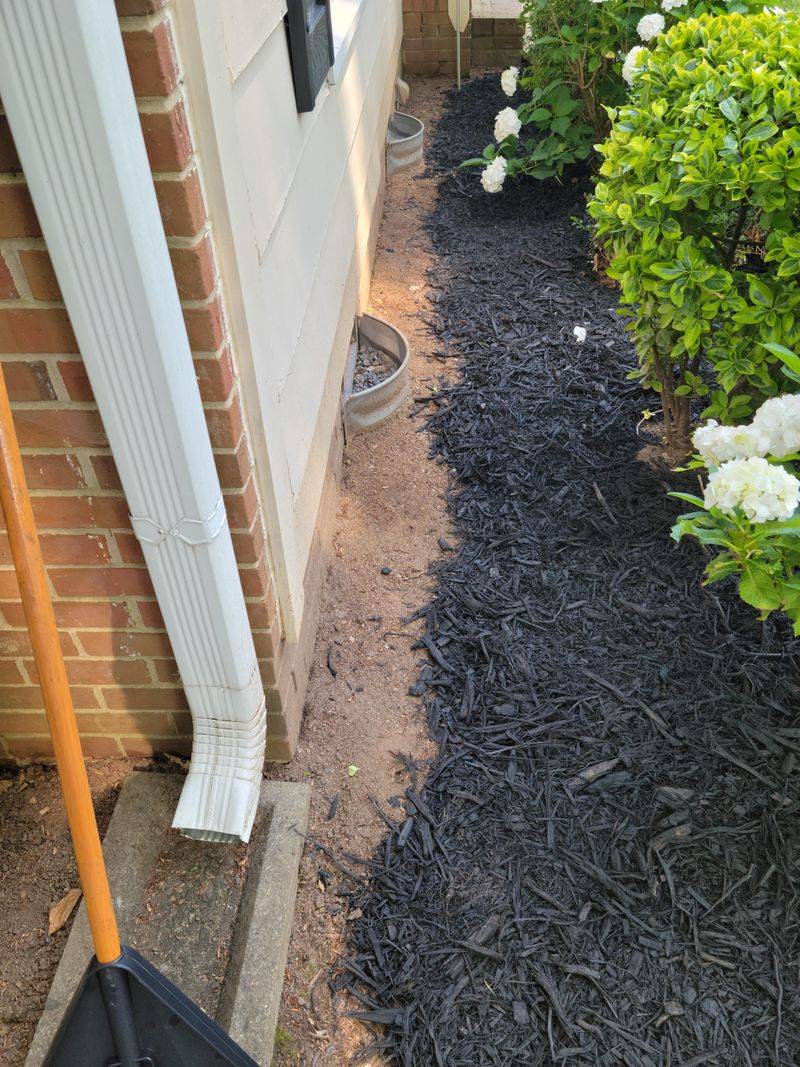
Mulch does a lot of good in a Florida landscape. It holds soil moisture, regulates temperature, and reduces weeds.
The problem shows up when mulch is layered too thick, especially right next to the house. A pile of organic mulch sitting four or more inches deep against a foundation can stay damp for days after a rainstorm.
That wet, dark pocket under the surface offers both shelter and organic material that roaches and other pests find useful.
Many Florida homeowners top off their beds every season without removing the old material first. Over time, layers compress and the total depth near the house grows far beyond what the plants actually need.
Mulch that touches siding, stucco, or wood trim can also hold moisture against those surfaces and create other maintenance headaches beyond pest activity.
Two to three inches of mulch is enough to get the benefits without creating a thick, damp mat. Pull mulch back at least six inches from the foundation wall so the base of the structure can breathe.
Your Florida Garden Changes Every Week. Your Plan Should Too.
Gardening in Florida changes quickly throughout the season. Every Friday you’ll receive a simple weekly plan showing exactly what to plant, prune, fertilize, harvest, and protect so you never miss the right timing.
If you are using organic mulch such as wood chips or shredded bark, check the depth near the house at least twice a year. Rake the existing layer before adding new material.
Keeping mulch moderate and pulled away from the wall is one of the simplest adjustments a homeowner can make to reduce pest-friendly conditions at the foundation edge.
3. Letting Leaf Litter Collect Behind Hedges
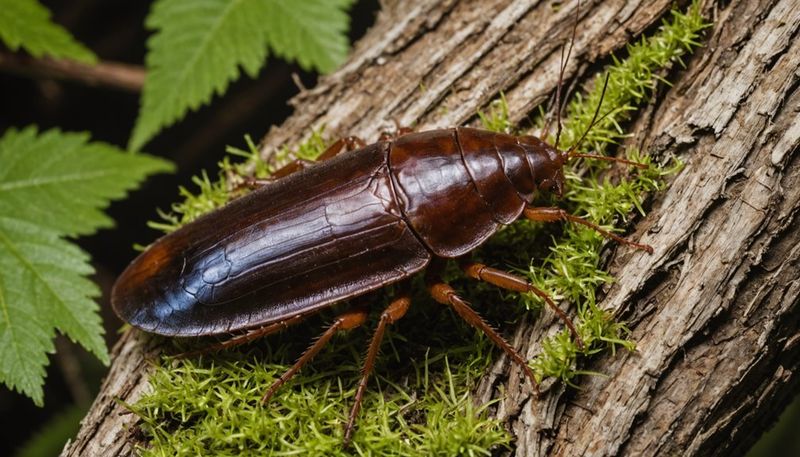
Behind most foundation hedges is a strip of ground that nobody ever sees. Visitors walk past the front of the shrubs and see trimmed greenery.
What they cannot see is the back side. Fallen leaves, spent blooms, broken twigs, and seed pods have been piling up there since the last time someone actually looked.
That hidden layer of decomposing organic material stays damp, stays dark, and rarely gets disturbed.
Leaf litter is a natural part of any landscape, and farther away from the house it can actually support beneficial insects and soil health. The concern is when that same organic cover builds up right against foundation walls, garage doors, vents, and door thresholds.
Roaches and other outdoor insects use leaf litter as cover, especially during dry spells when they need to stay hidden and retain moisture.
Getting behind foundation hedges for cleanup is not glamorous work, but it matters. A few times a year, pull back the branches and rake out what has collected along the wall.
Use a narrow rake or gloved hands in tight spots. Bag the debris and remove it from the property rather than piling it nearby.
Keeping the back side of a hedge clean does not require removing the shrubs. It just requires occasional attention to the part of the yard that does not get looked at often enough.
4. Watering Beds Until The Soil Stays Damp
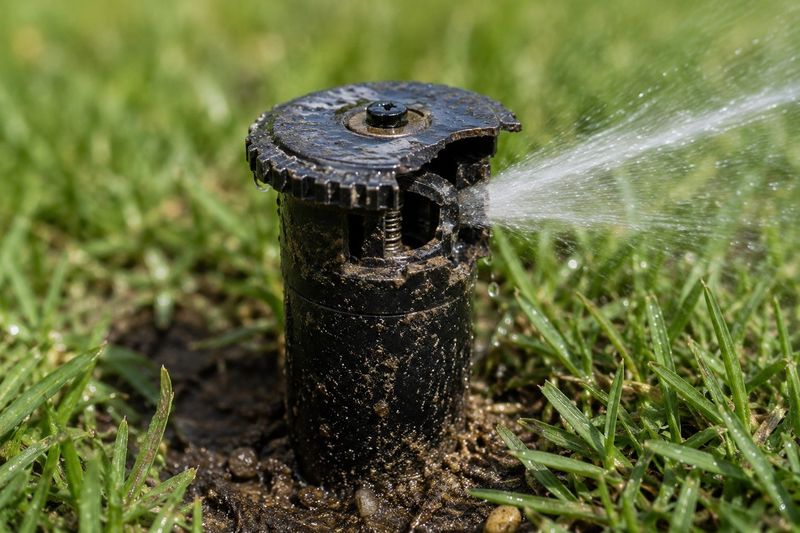
Irrigation is one of the biggest contributors to a damp foundation edge, and most Florida homeowners never connect the two.
Automatic sprinkler systems set to run daily, or zones that spray toward the house instead of away from it, can keep mulch and soil wet almost constantly.
Many landscape plants in established beds do not need that much water, especially during the rainy season when the ground is already saturated.
Soggy soil near the foundation is a layered problem. Wet conditions can stress plant roots, encourage fungal growth, and slow down the natural drying that keeps a foundation edge less hospitable.
When mulch stays wet and organic debris adds to the moisture, the space becomes much more sheltered than it needs to be.
Walk your irrigation zones while they are running and watch where the water actually lands. Heads that spray toward the wall should be adjusted to point outward.
Consider switching to drip irrigation for foundation beds, which delivers water directly to plant roots without soaking the surrounding soil or splashing the structure. Check soil moisture with your finger before watering.
If the top two inches are still damp, the bed does not need more water yet. Reducing irrigation frequency and fixing overspray toward the house are practical steps that improve plant health.
They also reduce the conditions that make foundation edges feel more sheltered to outdoor pests.
5. Leaving Pots And Clutter Beside The House
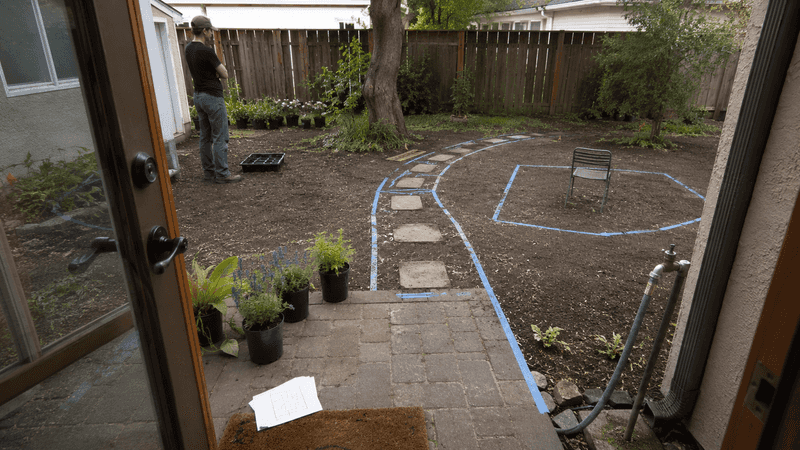
A side yard or back corner of the house can quietly become a storage zone without anyone really planning it that way. A few extra pots here, a bag of fertilizer there, some old pavers leaning against the wall, a bucket left upside down near the spigot.
None of those things seem like a big deal on their own, but together they create exactly the kind of cluttered, undisturbed environment that outdoor insects find useful.
Containers and saucers are worth special attention. Any pot or saucer sitting on the ground near the foundation can trap moisture underneath it.
Saucers that hold standing water become breeding spots for mosquitoes and provide a water source for other pests. Bags of soil, mulch, or compost sitting against the wall can also hold moisture and harbor insects inside the packaging itself.
Keeping the area beside the house tidy takes less effort than most people expect. Store pots upside down or stack them in a dry shed or garage when not in use.
Remove saucers from containers that sit near the foundation, or empty them after rain. Move stored materials away from the wall and off the ground when possible.
Lift objects occasionally to check what is underneath. A clean, uncluttered foundation perimeter is easier to inspect and easier to spray if treatment is ever needed.
It is also much less comfortable for pests looking for a quiet hiding spot.
6. Growing Vines That Hide Cracks And Gaps
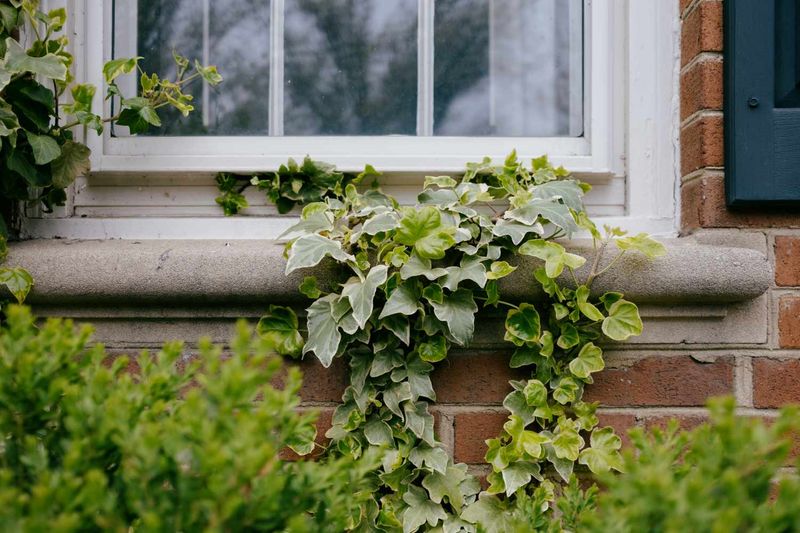
Vines climbing up a wall can look lush and tropical, which is part of why they are popular in warm-weather yards. The issue is what happens underneath all that coverage.
Vines that cling tightly to siding, stucco, or brick can hide cracks, weep holes, utility penetrations, damaged trim, and gaps around window frames. Those openings would otherwise be easy to spot and seal.
Once those entry points are covered, they often stay undetected for seasons at a time.
Beyond hiding access points, dense vine coverage can hold moisture against the surface of the wall. Leaves and stems trap debris, slow evaporation, and create dark contact zones where the vine attaches.
Some aggressive species can work their way into small gaps and actually widen them over time, creating new openings that did not exist before.
Vines are not automatically off the table in a well-maintained yard. The key is keeping them off the structure itself.
A trellis or support frame set six to twelve inches away from the wall lets a vine grow vertically without pressing against the house. Avoid invasive species that spread quickly and are difficult to manage.
Trim vine growth regularly so it does not reach vents, soffits, or rooflines. Inspect the wall behind any vine at least once a year.
Pull back growth to look for cracks, gaps, or damage that needs attention before pests or moisture find it first.
7. Ignoring Branches That Touch Siding And Vents
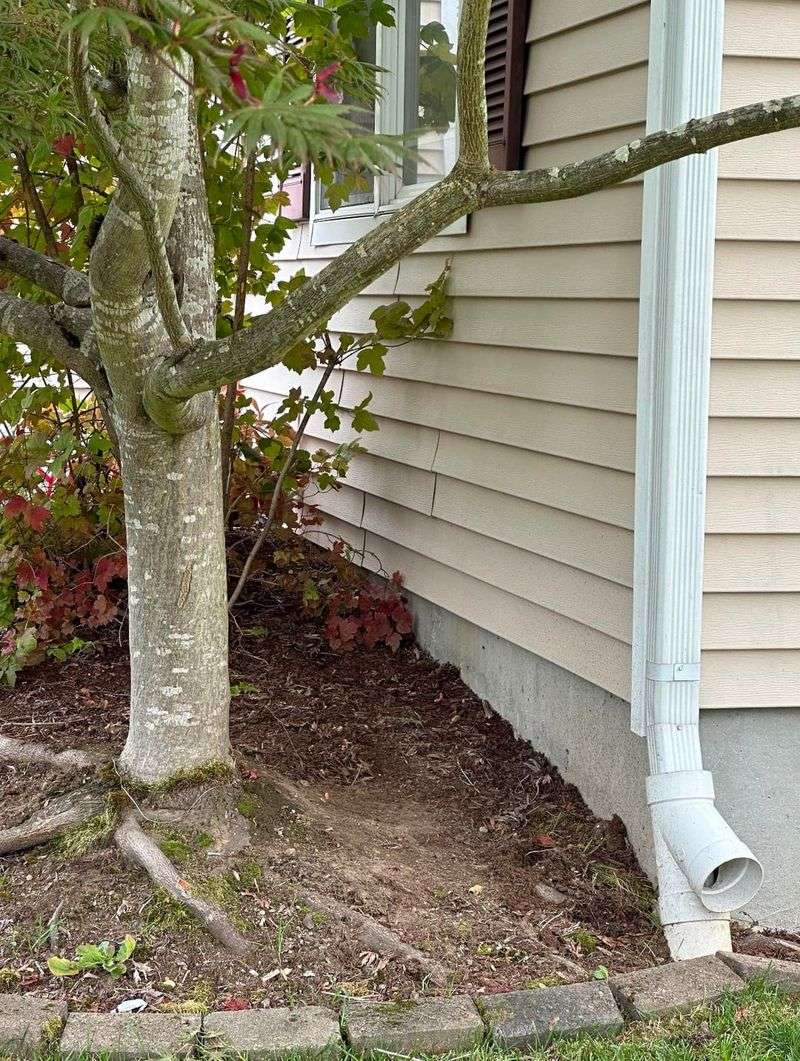
After a summer full of rain and heat, landscape plants in this state can put on a surprising amount of new growth. Shrubs that were nicely spaced in spring may be pressing against the wall by August.
Palm fronds, tree branches, and ornamental grass plumes can reach siding, vents, soffits, and even rooflines before most Florida homeowners notice. That contact matters more than it might seem.
Branches touching the house create a shaded, damp contact zone where the plant meets the structure. Moisture from the plant and debris from leaves or bark can collect at that point.
Vents covered or partially blocked by plant growth lose their ability to move air effectively. Any gap or crack near that contact point becomes harder to see and easier for insects to use without being noticed.
Routine trimming is the straightforward solution, and it does not have to be aggressive. A light pass with pruning shears a few times a year is usually enough to keep stems and fronds from reaching the wall.
Focus on anything touching or nearly touching siding, vents, windows, door frames, and rooflines. After major storms, walk the perimeter and check for branches that shifted or broke toward the house.
Good airflow and visibility along the foundation edge make inspection easier and give pests fewer undisturbed contact points to use as shelter or a path inside.
8. Forgetting That Clean Edges Matter All Year
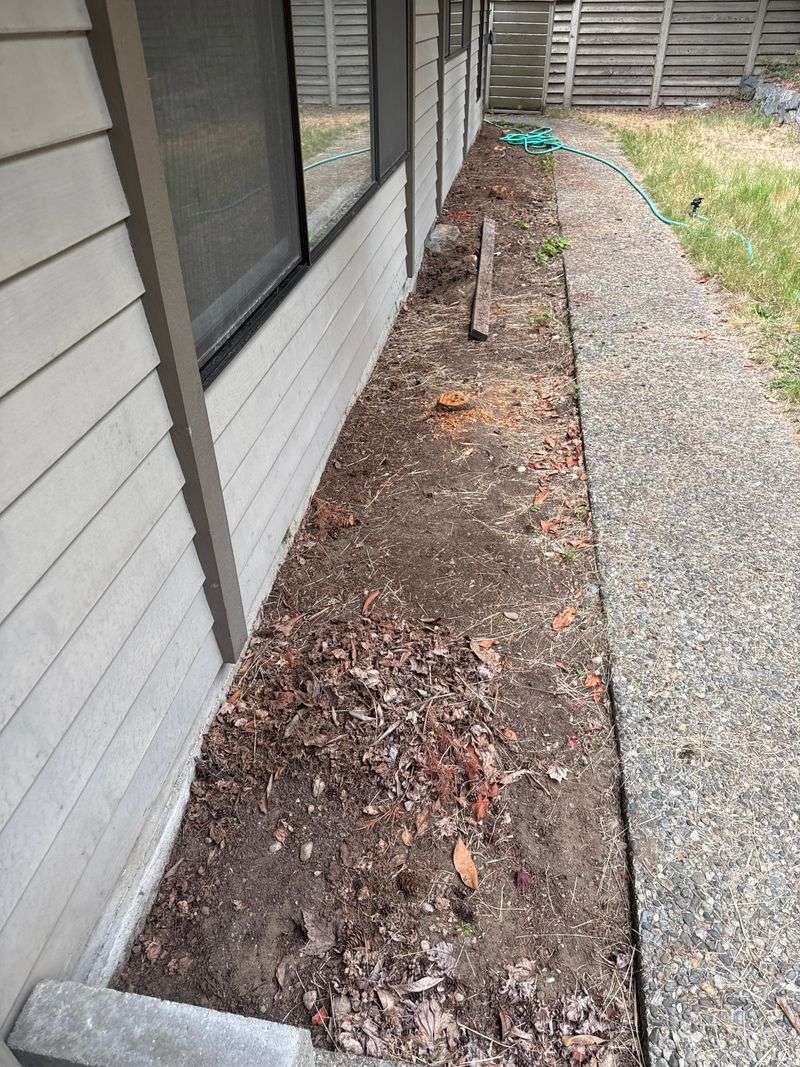
Roach-friendly conditions do not stay fixed. They shift with the seasons, and a foundation edge that looked clean in March can turn into a damp, debris-filled corridor by July if nothing is done in between.
Rainy months bring fast plant growth, mulch saturation, and leaf drop. Dry months bring roaches searching for moisture closer to the house.
Year-round attention to the foundation edge is what actually keeps the problem manageable.
A clean edge does not mean a bare, plain yard with no plants. It means the strip of ground next to the house stays dry enough to discourage pests and open enough to inspect.
It also stays maintained enough that debris, overgrowth, and clutter do not quietly accumulate.
Spacing plants correctly, keeping mulch moderate, trimming stems off walls, clearing leaf litter, adjusting irrigation, and moving clutter away from the structure all matter.
Together, they work as a system.
Sealing gaps, cracks, and entry points near the foundation is the final layer of that system. Check around pipe penetrations, utility lines, door sweeps, weep holes, and window frames at least once a year.
Use appropriate caulk or sealant on gaps that insects could use. For persistent indoor infestations, a licensed pest-management professional can assess what is happening and recommend targeted treatment.
Keeping the foundation edge clean, dry, and visible all year long is the most practical thing a Florida homeowner can do. It makes the yard less welcoming to outdoor roaches every season.