North Carolina Gardeners Who Do One Thing In July Get Way More Lantana Color Into Fall
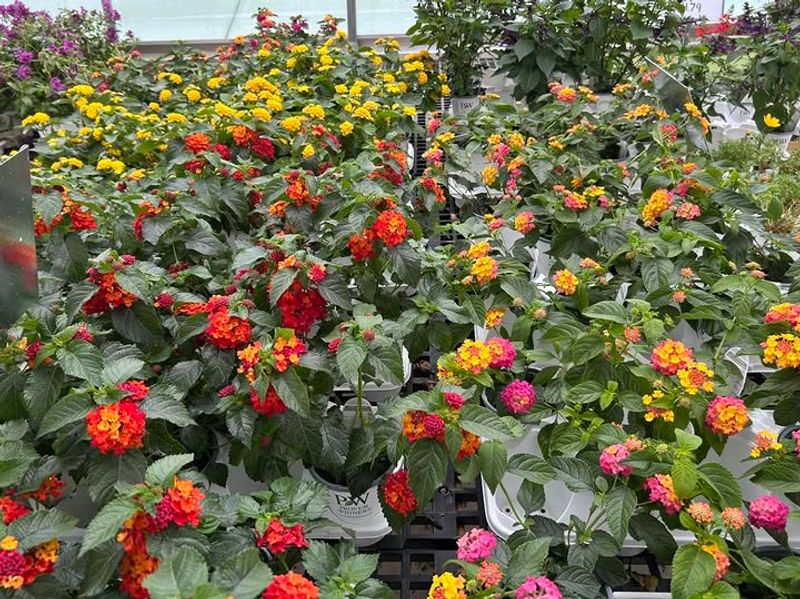
Pull a spent lantana cluster off the stem and you will find small developing fruits hiding right behind those faded petals. That is the part most North Carolina gardeners miss, and leaving it in place quietly steers the plant toward seed production instead of more flowers. A timely July check to remove those fading clusters and their developing fruits can help lantana keep blooming into fall, though how much it helps depends on your cultivar, your sunlight, and where in North Carolina you garden. This article walks through the whole process, honestly and without overpromising.
A Timely Summer Check Can Help
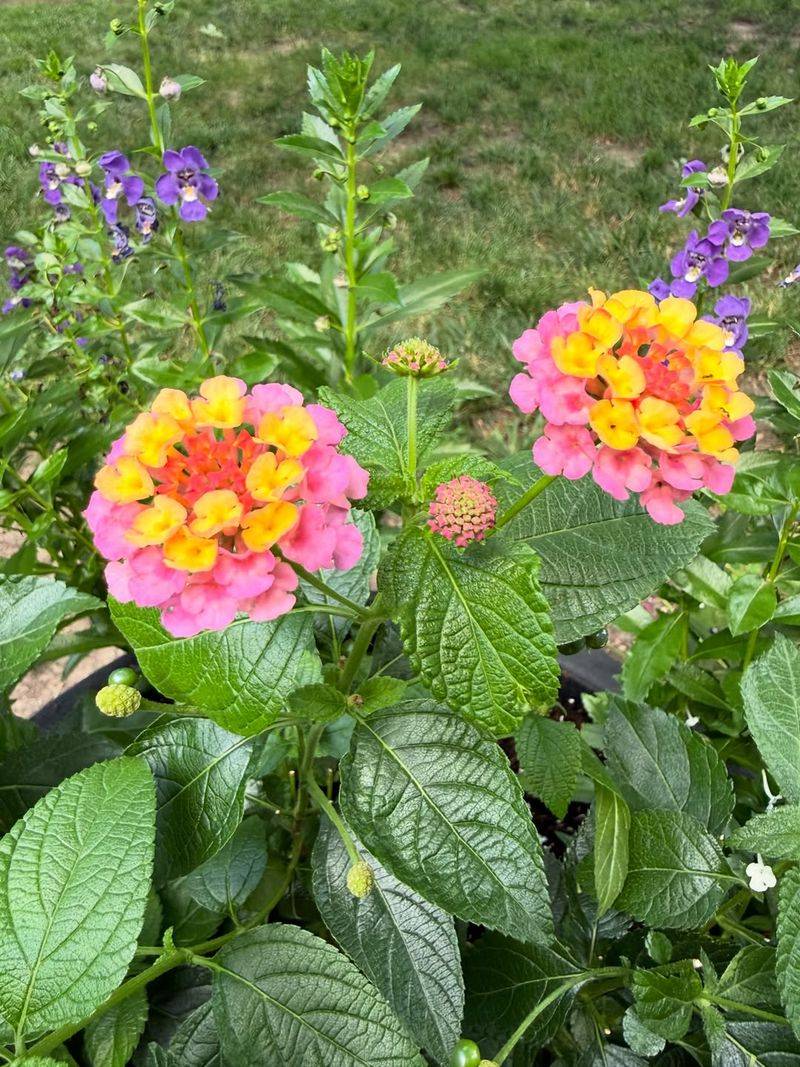
Most gardeners walk past lantana in July because it looks fine from a distance. The blooms are still showing color, the plant is holding its shape, and nothing seems wrong. But lean in close on a hot afternoon and you will find something worth acting on: flower clusters in various stages, some still bright, some fading at the edges, and some already developing small green fruits where the petals used to be.
That developing fruit is the signal. Lantana camara blooms from summer into fall under the right conditions, and UF/IFAS Extension guidance on dwarf lantana notes that pinching off spent blooms can speed rebloom. Removing those faded clusters before the ovaries or developing fruits mature may help redirect the plant toward another round of flowering rather than toward seed set. The key word is “may.” This is a useful maintenance habit, not a guaranteed formula for dramatically more color.
Results vary based on cultivar, how much direct sun the plant receives, moisture levels, and your region of North Carolina. NC State Extension’s plant profile for Lantana camara lists the bloom season as summer into fall, while also noting that performance differs by cultivar and whether the plant is growing as a perennial or an annual in your area. A Coastal Plain gardener and a mountain gardener are working with very different plants, even if both bought the same pot at the nursery.
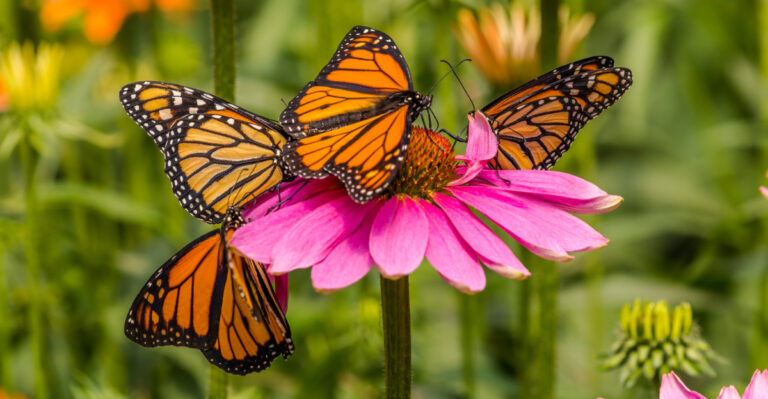
Lantana’s open flowers also provide nectar for adult butterflies, hummingbirds, and other pollinators. Keeping fresh flowers coming through late summer can help maintain that nectar resource when other plants have already finished. That is a real benefit, and a modest, honest one.
Remove The Fruit-Bearing Structures
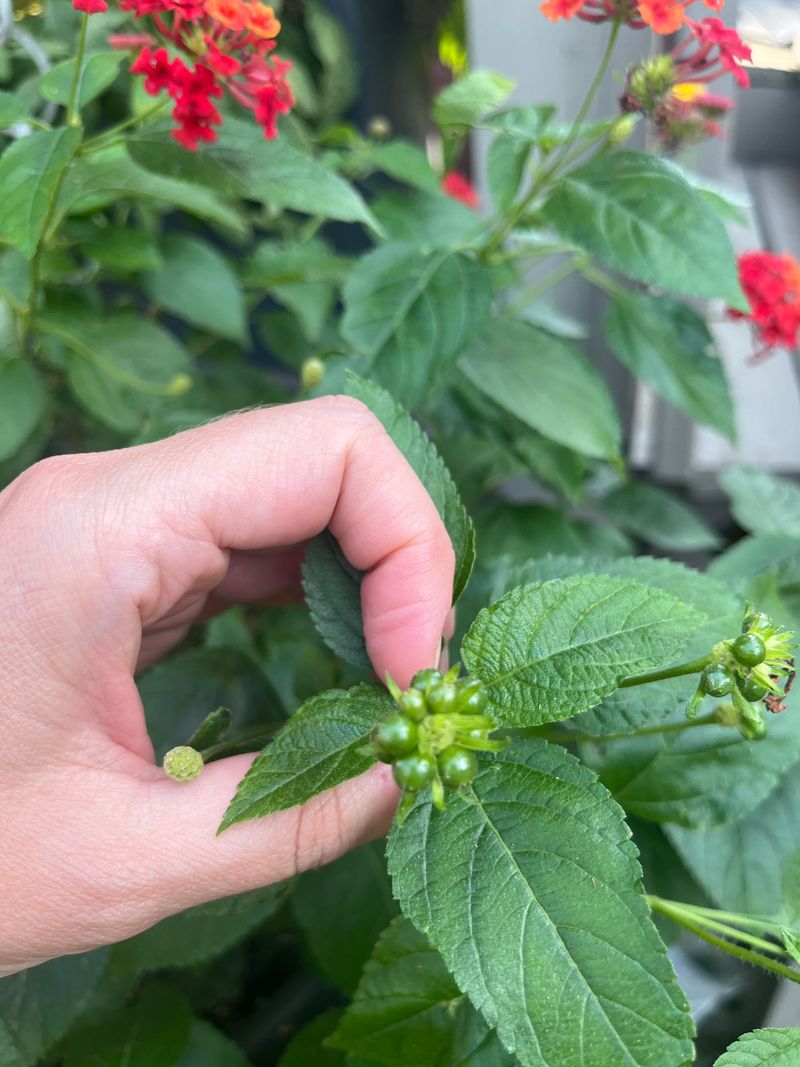
Here is where it gets tricky. A single lantana flower cluster is not just one flower, it is a tight dome of many small individual blooms packed together. As those blooms age, each one can develop its own small ovary, and a cluster that looks mostly spent may be quietly building a collection of developing fruits. Waiting until the whole cluster is brown and dry means those structures have had weeks to mature.
The NC State Extension Gardener Handbook glossary defines deadheading as removing spent flowers specifically to prolong blooming, and notes that the ovary must be removed for effective results. That detail matters. Pinching off just the dry petals while leaving the green fruit-bearing base behind does not accomplish much. You need to take the whole spent cluster and the short stem beneath it.
Your North Carolina Garden Changes Every Week. Your Plan Should Too.
Gardening in North Carolina changes quickly throughout the season. Every Friday you’ll receive a simple weekly plan showing exactly what to plant, prune, fertilize, harvest, and protect so you never miss the right timing.
The goal is to reduce the plant’s investment in seed formation so it may put energy toward producing the next round of buds. Extension guidance on lantana as a summer-to-fall bloomer supports this as a practical approach during the bloom season. July is a reasonable time to start because many plants are mid-cycle, with some clusters just past peak and new buds forming nearby.
This is not a July-only task, though. Penn State Extension’s deadheading guidance frames the practice as an ongoing response to what the plant is doing, not a single calendar event. Act when clusters fade, repeat as new ones fade, and the plant has a better chance of staying in flower longer into the season.
Cut Just Above A Healthy Leaf Pair
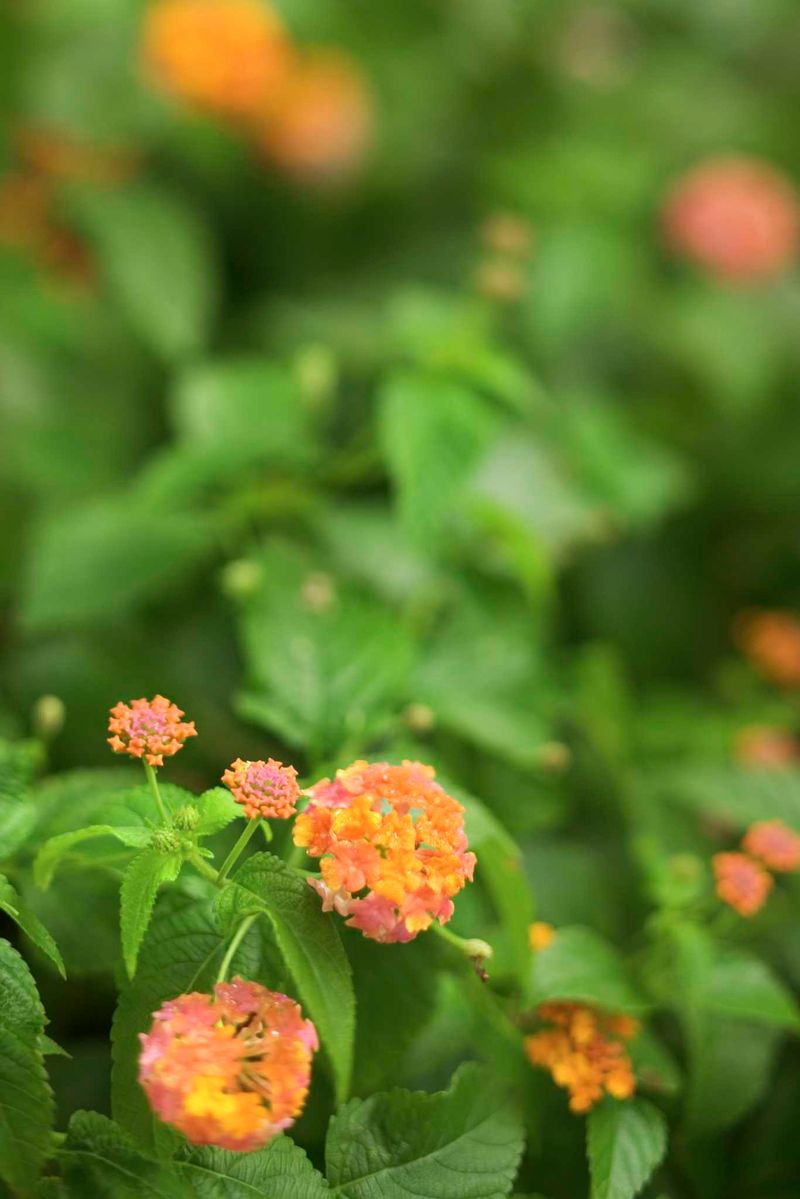
Before you cut anything, slow down and look at the whole stem. Lantana clusters do not always age at the same rate, and an older fading head may sit just inches from an unopened bud on the same stem. Cutting carelessly can remove tomorrow’s flowers along with today’s spent ones. Take 10 seconds to trace the stem before you reach for the pruners.
When you are ready, the cut is straightforward. Use clean hand pruners for thicker stems or simply pinch off soft new growth with your fingers. Find the short flower stalk that holds the spent cluster, follow it down to where a healthy pair of leaves attaches to the main stem, and make your cut just above that leaf pair. Penn State Extension recommends cutting just above the first full, healthy leaves below a spent flower, which keeps the plant tidy and leaves active growth in place to support the next flush.
Do not cut down into bare woody stems. That is a different task entirely, what gardeners call a rejuvenation cut, and it belongs in late winter or early spring, not in the middle of a hot North Carolina July. Removing large sections of healthy stems during summer heat can temporarily reduce flowering and stress the plant at the worst possible time.
Work cluster by cluster across the plant, removing spent heads and their developing fruits as you go. Stop when you have cleared the faded material without taking significant healthy foliage with it. The NC State Extension glossary’s definition of deadheading keeps this task squarely in the light-maintenance category, and that framing is exactly right. You are tidying, not restructuring.
Give The Plant The Conditions To Rebloom
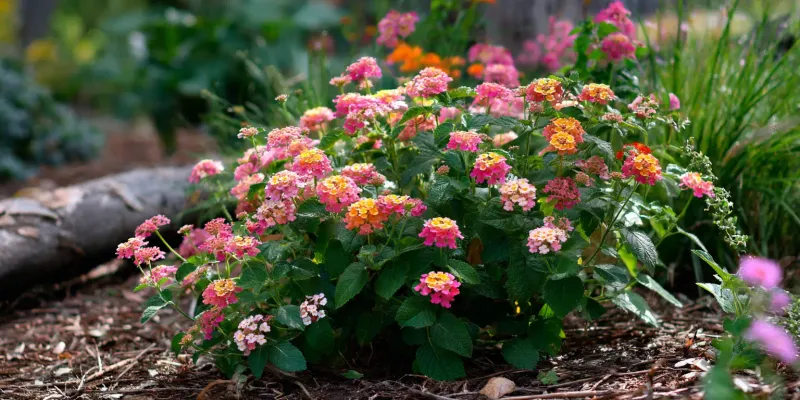
Deadheading cannot fix a lantana that is struggling because of where it is planted or how it is being watered. The practice is one layer of care, not a substitute for the basics. Get those basics right and the deadheading actually has something to work with.
Sun is the biggest factor. NC State Extension defines full sun as at least 6 hours of direct sunlight and lists that as lantana’s preferred exposure. A plant growing in 3 or 4 hours of dappled light under a pine tree is not going to reward your careful deadheading with a burst of fall color. Move it or accept limited results.
Water is more nuanced than most people expect. Lantana is genuinely drought-tolerant once it has been in the ground for a full season, but that tolerance does not extend to new plantings, container plants, or plants sitting through a prolonged dry stretch without any rain. Many Piedmont gardeners assume their established lantana can handle anything, then watch it stall during a dry August with no afternoon storms to break the heat. Check the soil a few inches down and water when it is dry, especially for anything planted within the last year or growing in a pot.
Fertilizer is a smaller piece of the puzzle than you might think. Lantana generally performs well in lean soil and does not need frequent feeding. Excess nitrogen can push lush green growth at the expense of flowers. Mississippi State Extension’s lantana guidance includes fertilizing as part of a full care program, but NC State’s plant profile emphasizes the plant’s tolerance of poor soil and drought.
If you fertilize at all, follow the product label and base the decision on your plant’s actual condition rather than a fixed schedule.
Expect Different Results Across North Carolina
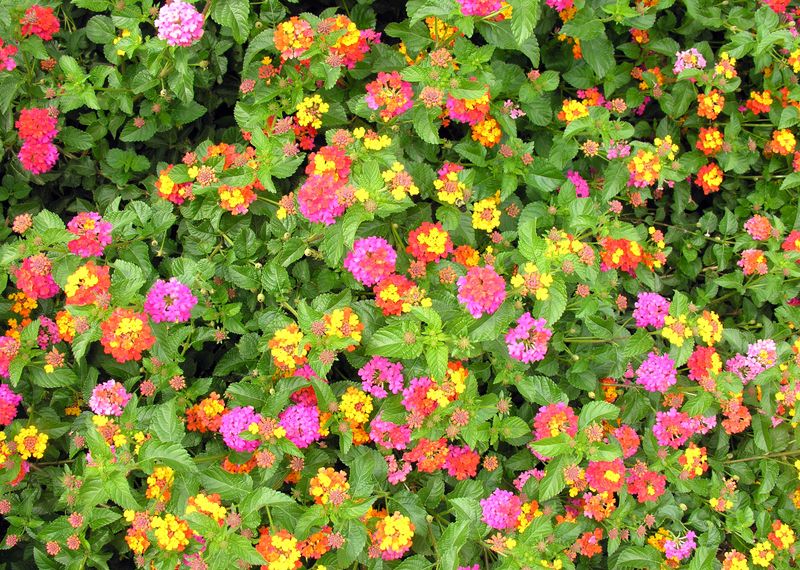
North Carolina is a wide state, and lantana behaves differently depending on where you are in it. A plant at the coast near Wilmington or Morehead City may survive the winter and return as a perennial, building a larger root system each year. That same cultivar planted in Boone or Brevard is almost certainly an annual, likely to die back after the first hard frost, which can arrive in the mountains as early as mid-October.
The Piedmont sits in between, and results there are genuinely variable. NC State Extension notes that some cultivars show better cold tolerance in parts of the Piedmont, with selections like ‘Miss Huff,’ ‘Ham and Eggs,’ and ‘Chapel Hill Yellow’ listed as frost-hardier options. Even so, winter dieback is possible in colder years, and a surprise cold snap in January can reset a plant that seemed well-established. Do not count on any specific cultivar to overwinter successfully in your yard until it has actually done it.
Cultivar also shapes how much deadheading you will actually need to do. Some modern selections are described as self-cleaning, meaning faded clusters tend to drop on their own without forming persistent fruit. A gardener growing one of those types may find that routine deadheading adds little. The practical test is to watch your own plant: if spent clusters hang on and you can see small green fruits developing behind them, deadheading is worth the effort.
If old heads fall away cleanly, you may need to do very little.
Check the label or the nursery tag for your specific cultivar, and consider whether your planting site is near a natural area where seed spread could matter. Local guidance on lantana’s weedy potential varies by region, so a quick check is worth the 2 minutes it takes.
Keep A Light Task From Becoming A Hard Cut
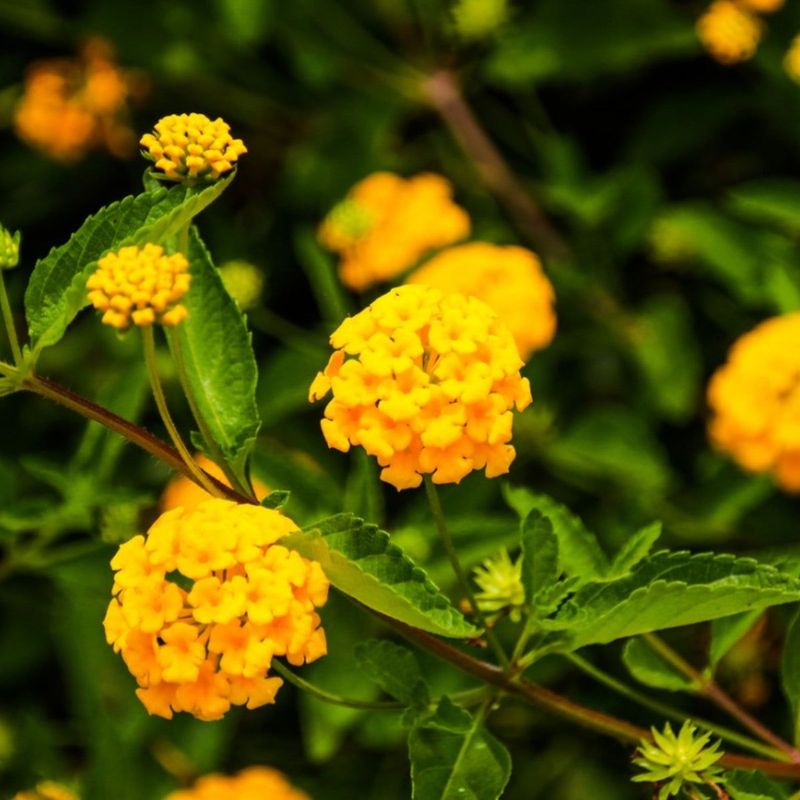
July heat in North Carolina is not the time to get aggressive with lantana. Temperatures regularly climb past 90 degrees in the Piedmont and Coastal Plain, and plants are already working hard just to manage that stress. Oklahoma State Extension’s summer horticulture guidance distinguishes light deadheading from heavier pruning and recommends keeping summer cuts minimal. Shearing the entire plant or cutting it back by a third or more removes healthy leaves and active growth, temporarily reducing the plant’s ability to flower and recover.
If an overgrown plant needs tidying, a light trim to shape it is reasonable. But a hard rejuvenation cut, taking the plant down to 4 to 6 inches, belongs in late winter or early spring when new growth is just starting. Do not let advice written for a different climate or a different season talk you into that cut in July.
While you are out there with the pruners, check the undersides of the leaves. Lantana is not pest-free. NC State Extension’s lantana lace bug publication describes pale stippling, leaf drop, and damaged buds as signs of lace bug feeding. Whiteflies and spider mites can also appear, particularly on plants that have been overwintered indoors.
None of these are inevitable statewide problems, but they are worth knowing about. For mild infestations, start with a strong spray of water directed at leaf undersides and remove badly damaged leaves. NC State’s plant profile cautions that systemic insecticides like imidacloprid can move into flowers and contaminate nectar, which matters on a plant actively visited by pollinators. Any pesticide you consider must be used according to its current label and in compliance with North Carolina requirements.
One more thing before you head back inside: lantana can cause contact irritation in sensitive individuals, and the plant is toxic to people and animals, with the leaves and unripe fruits posing the greatest risk. UGA Extension’s lace bug management guidance recommends careful handling around flowering plants. Wear gloves if your skin is sensitive, wash up after working with the plant, and keep clippings and unripe berries away from children, pets, and any grazing livestock.
Pair Lantana With Better Habitat Planning
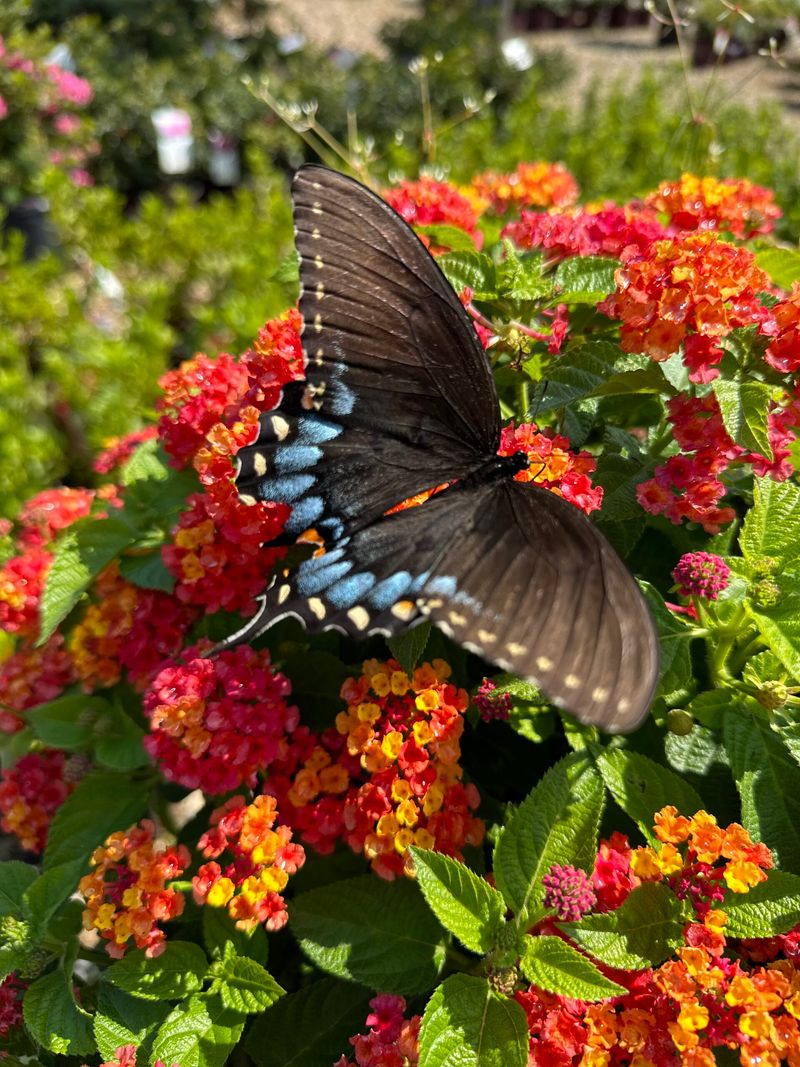
Lantana earns its place in a North Carolina pollinator garden by providing nectar for adult butterflies, bees, and hummingbirds from midsummer until frost. That is genuinely useful, especially in late August and September when many spring and early-summer plants have gone to seed and the landscape can feel sparse. Keeping fresh flowers coming through light deadheading may help maintain that nectar supply, though no measured study here establishes a specific increase in butterfly visits from the practice alone.
What lantana cannot do is replace native host plants. Monarch butterflies depend entirely on milkweed species to reproduce, and no amount of lantana nectar changes that. Pollinator Partnership’s educational materials make clear that host plants and nectar plants serve different roles in a pollinator’s life cycle. Lantana feeds adult butterflies passing through, but it does not support caterpillar development the way native plants do.
A more complete yard pairs lantana with regionally appropriate natives. Pollinator Partnership’s ecoregional planting guides can point you toward plants suited to your specific part of North Carolina. Joe Pye weed, goldenrod, native asters, and several milkweed species all bloom in late summer and fall, overlap with lantana’s season, and provide host-plant value that lantana simply does not offer. NC State Extension notes lantana’s value to butterflies and hummingbirds while also flagging that common lantana is nonnative and can grow aggressively in some climates.
Check your cultivar and your proximity to natural areas before planting it in large quantities.
The practical takeaway is quieter than the headline promises: give lantana full sun and appropriate water, remove fading clusters lightly when the plant is forming fruit, and let cultivar and weather determine how much fall color actually follows. A well-placed lantana in good conditions is a reliable late-season performer, and that is enough to make it worth growing.