Native North Carolina Flowers That Bring Cardinals To Your Yard Right Through The Seasons
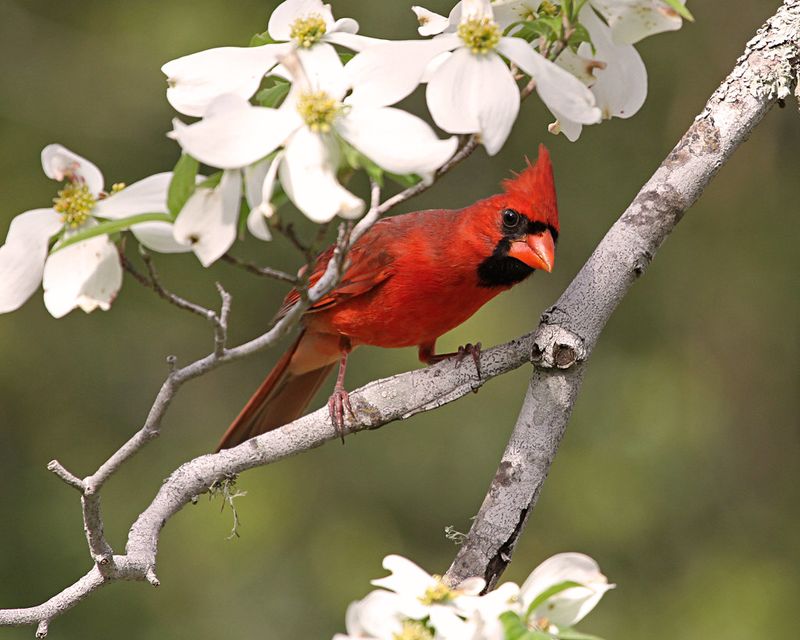
You pour your morning coffee, ease onto the back porch, and there he is. A male cardinal, red as a stoplight, perched on a stem you planted last spring. Most folks think you need a fancy feeder to pull cardinals into a North Carolina yard, but the real secret is native flowers that feed them seed by seed, season by season. Plant the right nine and you will have red visitors from the first warm days of April clear through a frosty November morning.
1. Purple Coneflower Feeds Cardinals All Fall
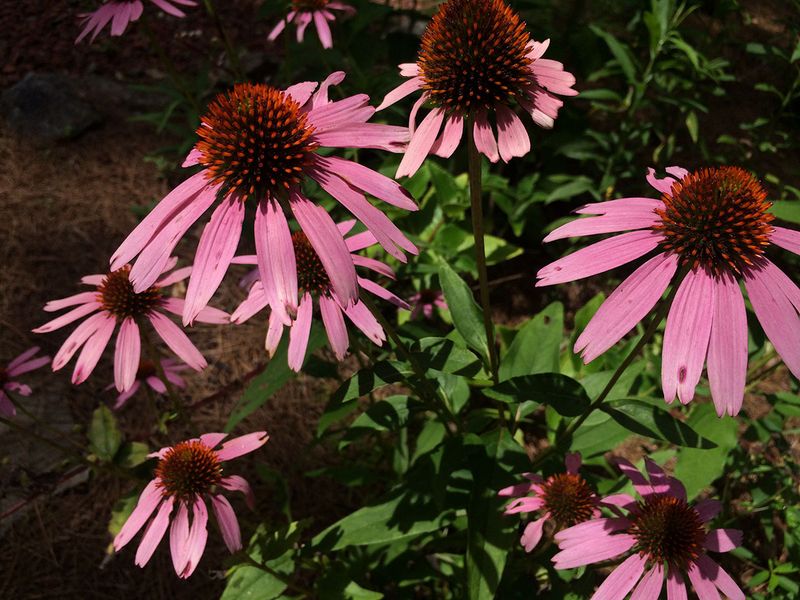
Late summer catches many Piedmont gardeners off guard. The purple petals fade, the flowers look spent, and the tidy neighbor itch says cut them down. But that brown seed head is exactly why the cardinals show up.
Purple coneflower (Echinacea purpurea) grows a spiky central cone packed with small seeds that cardinals crack open through October and November. Leave the stalks standing after bloom. That is the whole trick, and it costs you nothing but the urge to deadhead.
Plant it in full sun with at least 6 hours of light a day, spacing plants about 18 inches apart in that heavy red clay so common across the middle of the state. Coneflower does not mind the clay once it settles in, and it shrugs off our muggy summers and the surprise August dry spells.
Give a new plant a deep soak once a week the first summer, roughly a gallon per plant, then back off. Established clumps handle drought like they were born to it, because they genuinely were.
By the time the first cold snap rolls through, you will spot a cardinal balancing on a swaying stem, tugging seeds free. Skip the fall cleanup and let the plant do the work. Your reward is a splash of red against the gray November sky.
2. Black-Eyed Susan Turns Into A Seed Buffet
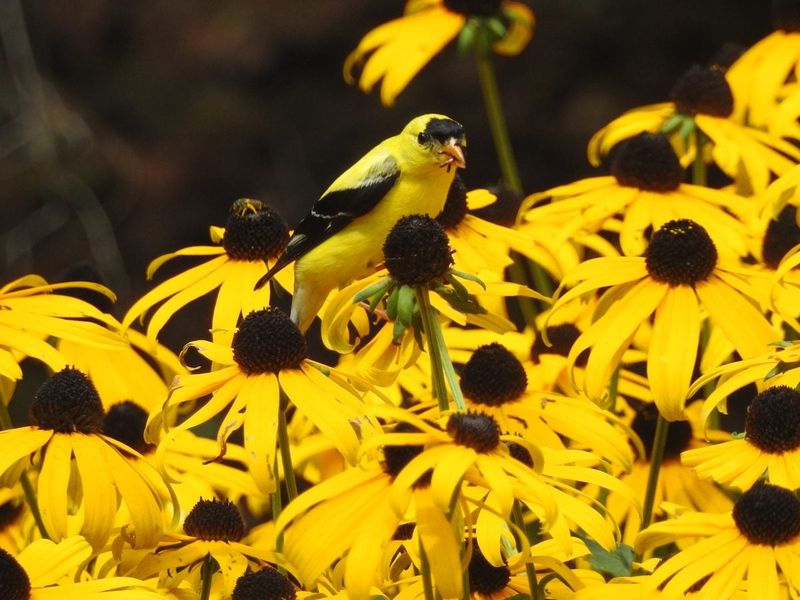
Cheerful yellow blooms grab your eye in July, but the payoff for cardinals comes later. Once those golden petals drop, the dark center dries into a seed-stuffed button that birds work over all through fall.
Black-eyed Susan (Rudbeckia hirta) is about as easy as North Carolina natives get. It seeds itself around, spreads into loose drifts, and asks almost nothing of you in return. Coastal Plain gardeners love it because it tolerates sandy soil that drains fast and dries out quick.
Set plants 12 to 18 inches apart in full sun. They bloom their first year from seed, which is rare and genuinely handy if you want color fast. A stand of them reads like a field even in a small backyard border.
Here is where it gets tricky. If you cut every stem down for winter neatness, you erase the buffet. Leave a good chunk standing and let the rest reseed.
Cardinals are not the only fans. Goldfinches crowd in too, so your yard turns into a small feeding station without a single bag of birdseed. Come a cold December afternoon, a cardinal picking at a Susan stalk is the kind of view you tag a friend over.
Your North Carolina Garden Changes Every Week. Your Plan Should Too.
Gardening in North Carolina changes quickly throughout the season. Every Friday you’ll receive a simple weekly plan showing exactly what to plant, prune, fertilize, harvest, and protect so you never miss the right timing.
3. Sunflowers Are A Cardinal Magnet On Purpose
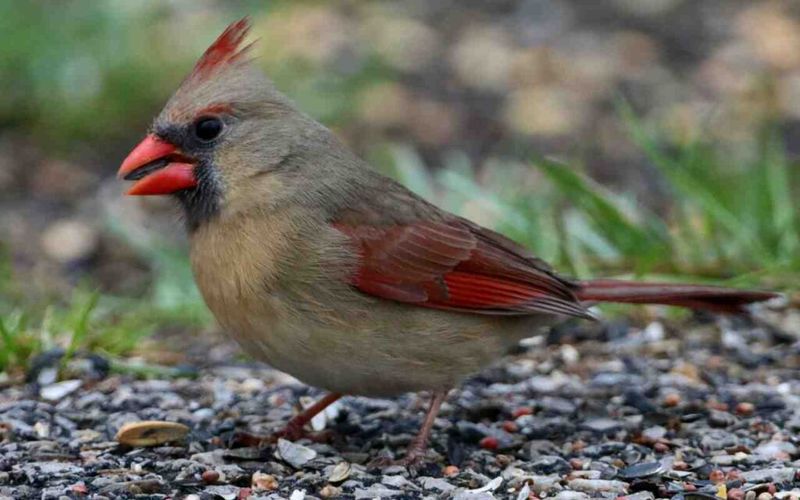
Ask any longtime North Carolina bird watcher what cardinals love and sunflower seed comes up first. Now imagine skipping the feeder and growing the seed on the stem instead.
Native perennial sunflowers like the woodland sunflower (Helianthus divaricatus) and the taller swamp sunflower fit our region far better than the giant grocery-store types. They come back year after year and burst into gold in late summer and fall, right when cardinals are fattening up.
Give them full sun and room to stretch, spacing clumps 2 to 3 feet apart since they can top 5 feet tall. They do fine in Piedmont clay and handle the humid heat that wilts fussier flowers.
A heads up worth passing along. Some native sunflowers spread by underground runners, so plant them where a little wandering is welcome, like a back fence line rather than a tight bed.
When the heads mature and droop, cardinals cling sideways and dig into the packed seed. You get the classic feeder scene playing out on a living plant. That first sighting of a cardinal riding a swaying sunflower head feels earned, because you grew the whole meal yourself.
4. Cardinal Flower Lives Up To Its Name
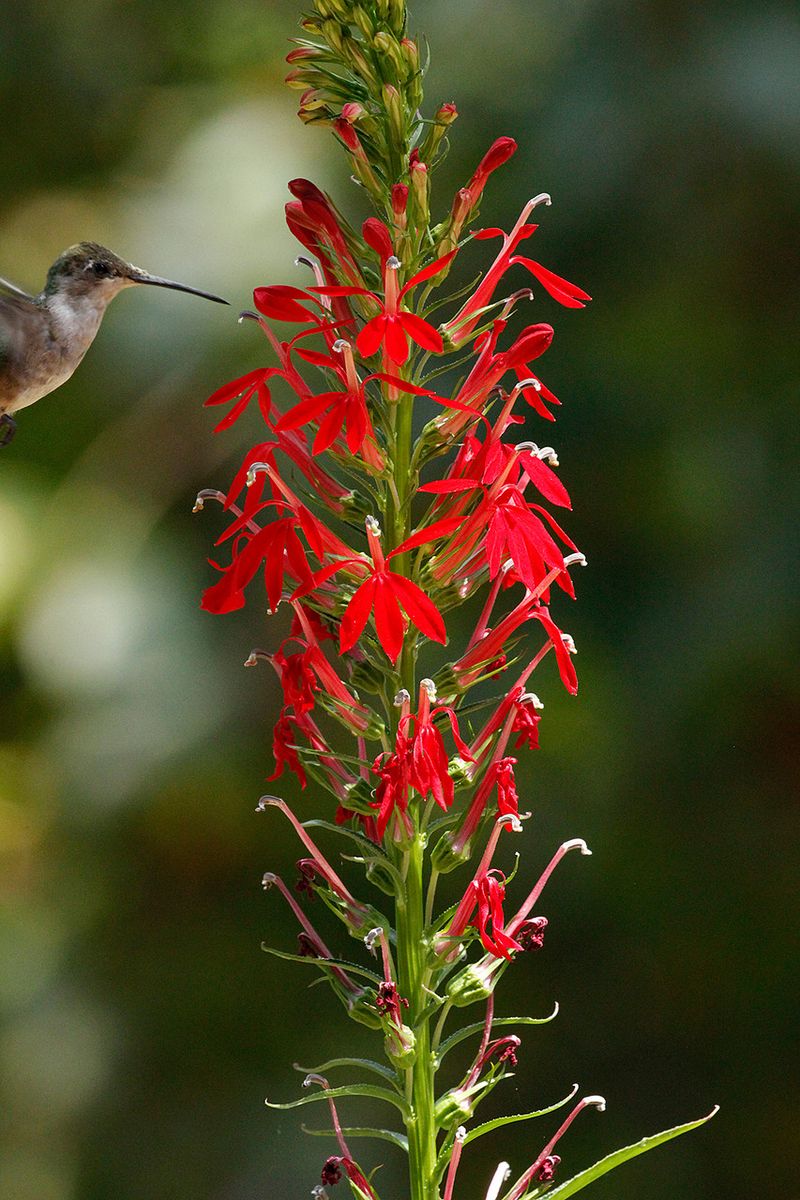
With a name like this one, you would expect a guaranteed cardinal, but the story has a twist. Cardinal flower (Lobelia cardinalis) got its name from the priest-red color of its spiky blooms, not from the bird.
Still, it earns a spot on any cardinal-friendly list. The flame-red spikes light up shady, damp corners in late summer, and while hummingbirds go wild for the nectar, the plant draws a steady parade of insects that cardinals snap up to feed their young.
Cardinals are seed eaters as adults, but their chicks need soft bugs, and a nectar plant this busy keeps the pantry stocked. It is one layer of a healthy yard, not a magic solution on its own.
Plant it in part shade in consistently moist soil, the kind you find along a rain garden edge or a low spot that stays wet. Space plants about 12 inches apart. Along creek-fed yards in the mountains and shaded Piedmont borders, it thrives where thirstier flowers sulk.
Keep the roots damp and it will reward you with 3-foot spires of red every August. NC State Extension lists it among the standout natives for wet, shady ground, so you are in good company planting it.
5. Bee Balm Pulls In The Bugs Cardinals Chase
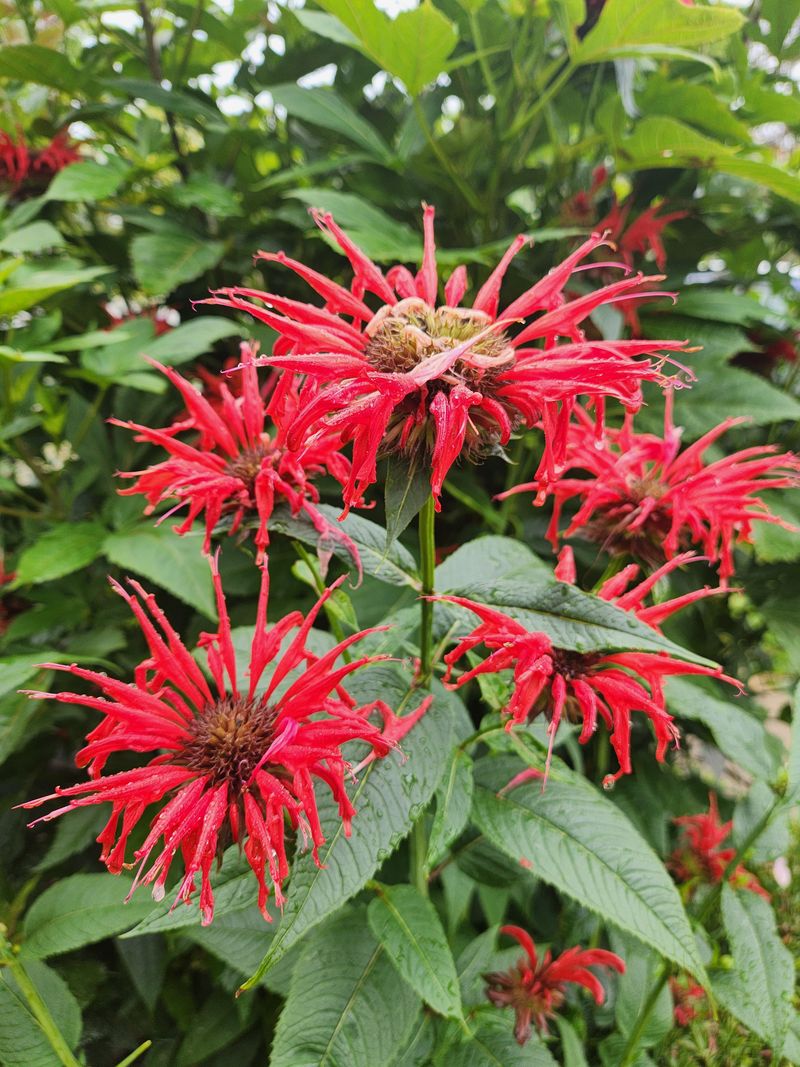
The scent hits you before the color does. Brush past bee balm on a July evening and the leaves smell like sweet mint tea, which is a clue to its old-timey use as a wild bergamot brew.
Bee balm (Monarda didyma and its cousin Monarda fistulosa) throws up shaggy red and lavender blooms that hum with pollinators. All that insect traffic matters to cardinals in nesting season, when parents hunt soft caterpillars and beetles to stuff hungry beaks.
Plant it in full sun to part shade, spacing clumps 18 to 24 inches apart for airflow. And airflow genuinely matters here. Bee balm is prone to powdery mildew in our sticky Piedmont summers, that white dusty film on the leaves, and crowding makes it worse.
Choose a mildew-resistant variety, thin the stems in spring, and you sidestep most of the trouble. Water at the base, not overhead.
Come fall, the dried seed heads add a little extra food, though the real gift is the summer bug factory feeding cardinal chicks. A yard humming with life in June is a yard raising the next batch of red visitors.
6. Aster Delivers Late Food Before Winter
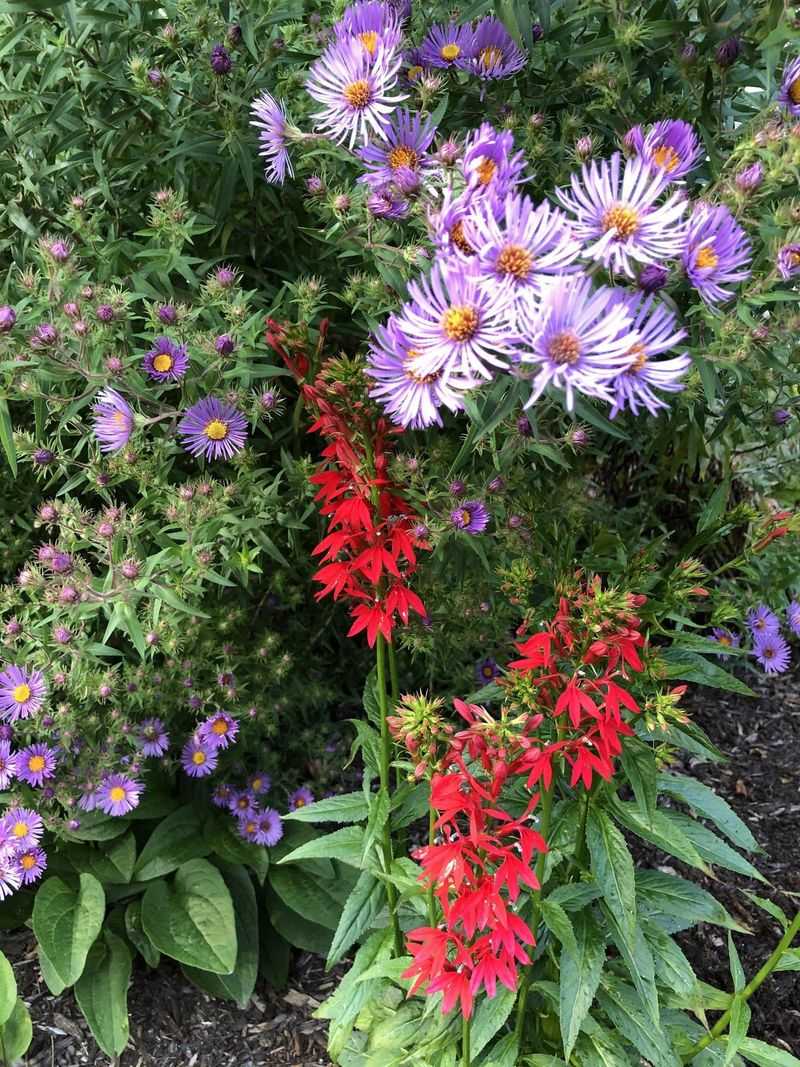
October arrives and most flowers have called it a season. Then the asters open, dotting the yard with purple and blue stars just as everything else winds down.
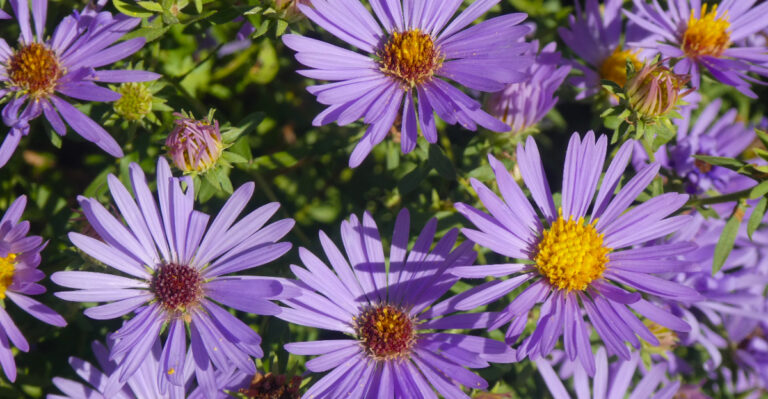
New England aster (Symphyotrichum novae-angliae) is the late-season hero cardinals need heading into a North Carolina winter. It blooms when little else does, feeding the last pollinators, then dries into seed that carries birds through the lean cold months.
Set plants in full sun to light shade, spacing them about 2 feet apart. They can flop if they get too tall, so pinch the stems back by a third in early June and you will get bushier, sturdier plants that stand up to autumn storms.
Leave the spent stalks standing after frost. The seeds and the hollow stems both matter, since some native bees tuck in to overwinter there too, and a cardinal will work the seed heads on a bright December morning.
Our first Piedmont frost usually lands late October into November, later down on the coast. Asters bridge that gap between summer bounty and bare winter, keeping your yard useful right when the cardinals need it most.
7. Joe Pye Weed Builds A Busy Bird Cafeteria
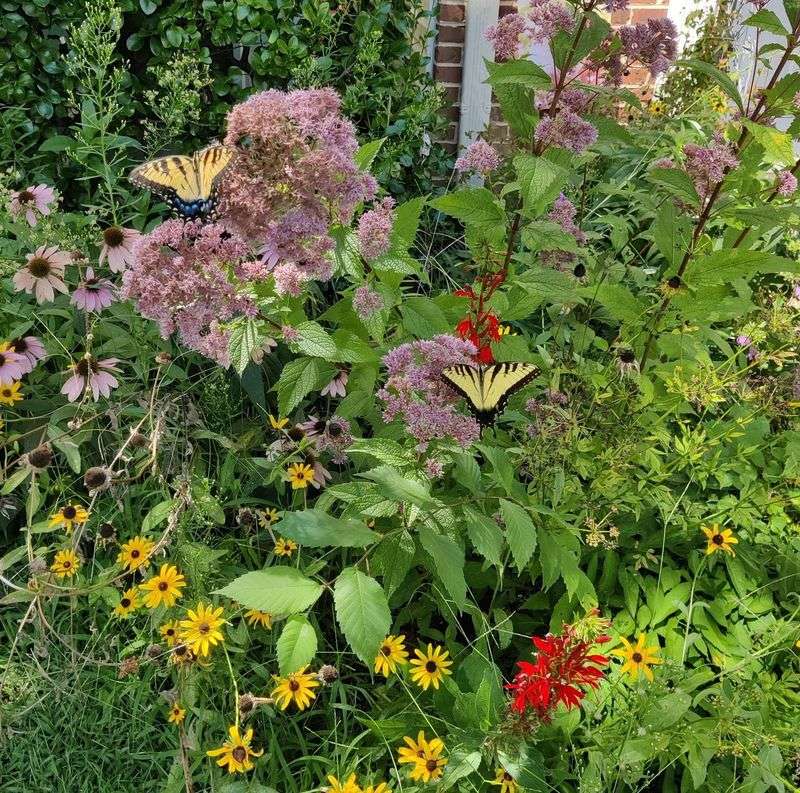
Do not let the word weed fool you. Joe Pye weed (Eutrochium purpureum) is a stately native that towers to 6 feet with dusty-rose flower clusters, and it turns a back corner into a wildlife hub.
Butterflies and bees mob those big mauve blooms in late summer, and monarchs passing through on their fall trip south stop to fuel up. That crowd of insects is a moving buffet, and cardinals raising a late brood work the edges for protein.
Give it moist soil and full sun to part shade, spacing plants 3 feet apart because it gets genuinely big. It shines in a low, damp spot where the ground stays wet, common along Coastal Plain ditches and mountain seeps.
Once the flowers fade, the fluffy seed heads hang on into winter and add cover and food. Leave them be.
Placed at the back of a border, Joe Pye weed anchors the whole planting and screens a fence in one shot. A tall stand alive with wings in September, with a cardinal darting through, is proof your yard has become a working ecosystem, not just a lawn.
8. Goldenrod Fires Up The Fall Insect Supply
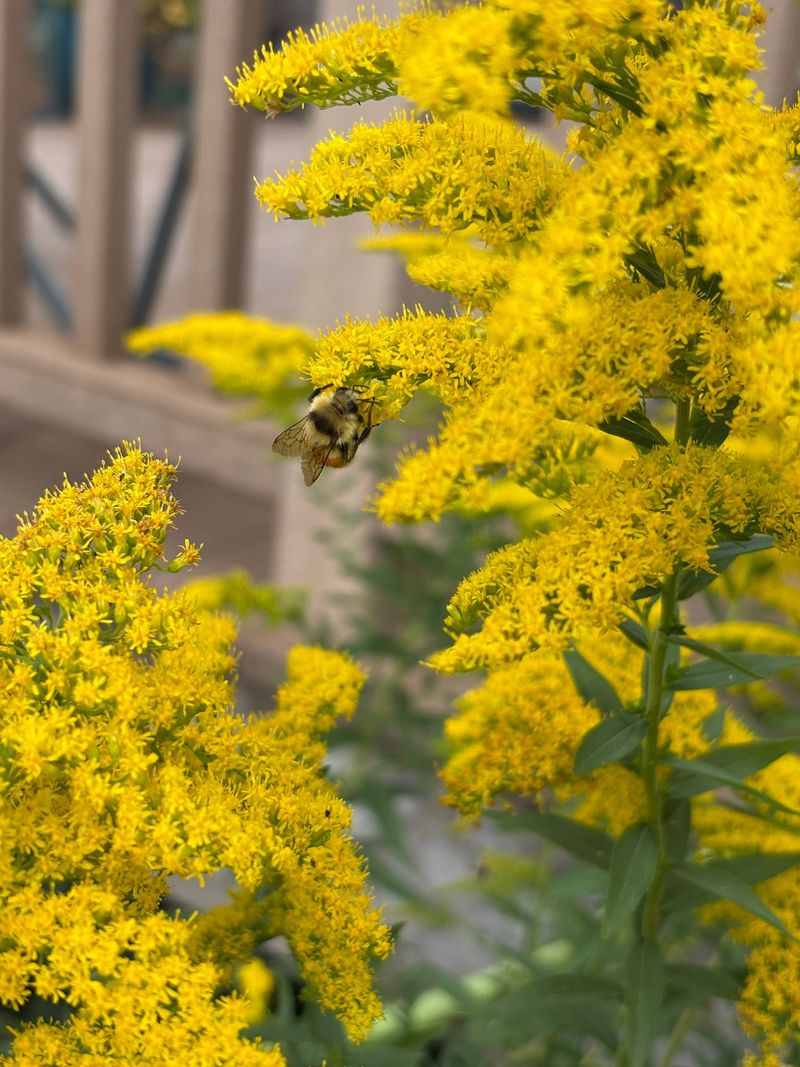
Goldenrod gets blamed for fall allergies, and that is a plain myth worth clearing up. The real culprit is ragweed blooming at the same time. Goldenrod pollen is heavy and sticky, carried by bugs, not your nose.
Goldenrod (Solidago species) explodes in golden plumes across North Carolina roadsides in September and October, and it is one of the most valuable insect plants a native yard can hold. All those beetles, bees, and wasps feed the whole food web, cardinals included.
Plant it in full sun in almost any soil, from Sandhills sand to Piedmont clay, spacing clumps 18 inches apart. Choose a clumping type like showy goldenrod rather than the aggressive spreaders, unless you want it marching across the bed.
It handles drought, heat, and neglect, which makes it a low-maintenance workhorse for busy folks. Water it in the first month, then let nature take over.
When the plumes go to seed, birds pick through them into winter. A blaze of gold in October, humming with life and dotted with red feathers, turns the tired end of the garden season into the best show of the year.
9. Switchgrass Gives Cardinals Cover And Seed
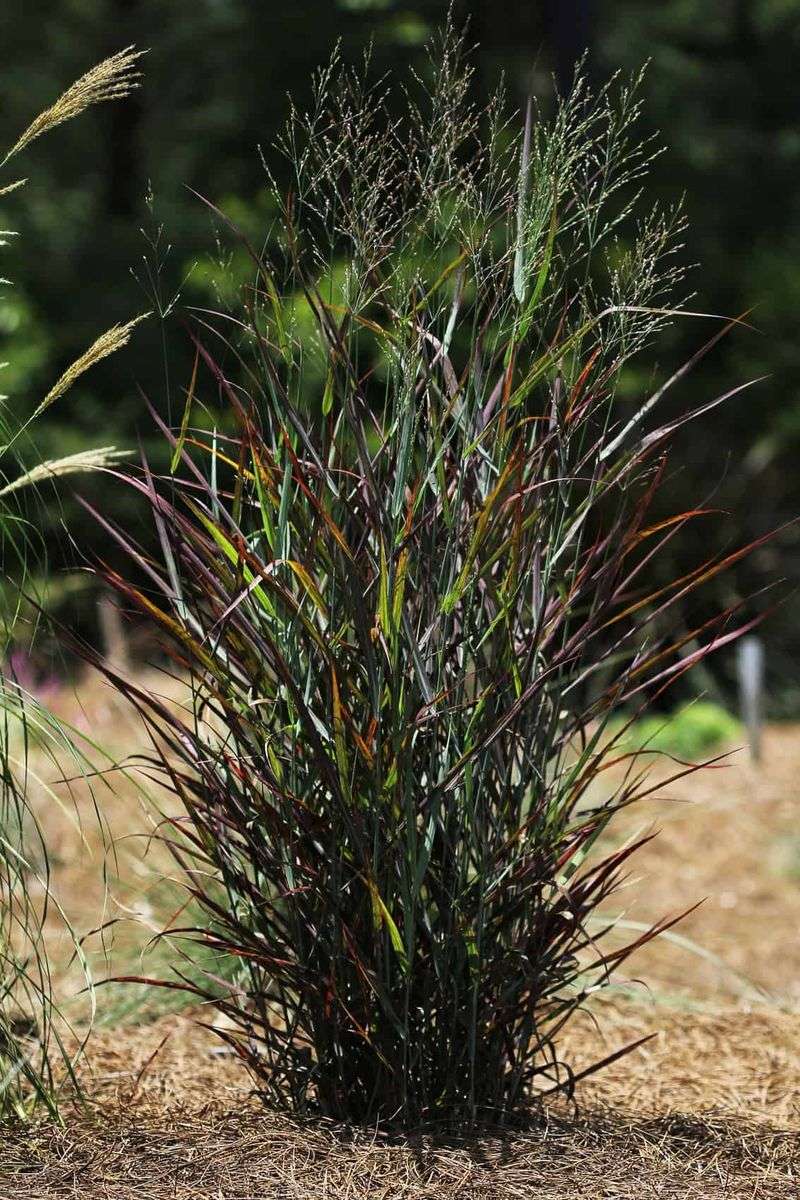
Not every cardinal draw is a flower, and this one proves the point. Switchgrass (Panicum virgatum) is a native grass that does double duty, offering both dinner and a hiding spot in the same clump.
Cardinals are shy birds that want cover close by before they trust an open yard. A stand of switchgrass gives them a safe launch pad, and its airy seed heads feed them straight through winter when other food runs thin.
Plant it in full sun, spacing clumps 2 to 3 feet apart. It grows 3 to 5 feet tall and turns a lovely reddish-gold in fall, then bleaches to tan and stands upright through snow and wind, holding its shape when floppier plants collapse.
It tolerates almost anything our state throws at it, from soggy clay to dry sand, and rides out hurricanes and drought alike. Cut it back to a few inches in late February, right before new growth pushes up.
Tuck a few clumps near your flower beds and you complete the picture. Food plus shelter is what turns an occasional cardinal visit into a family that sticks around, and that is the quiet win you built one plant at a time.