Why North Carolina Gardeners Keep Planting Fragrant Jasmine Right By Their Front Doors
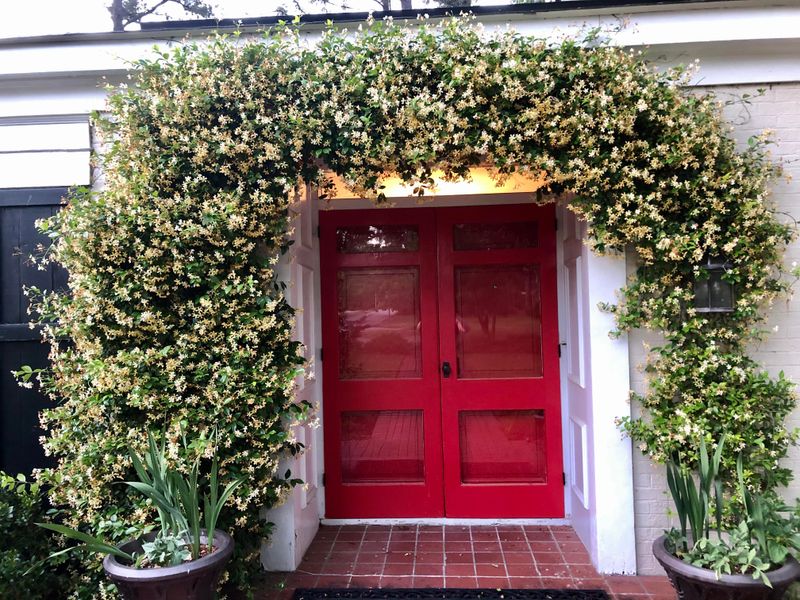
Walk up to the right front door in coastal or central North Carolina on a warm May evening, and something stops you before your hand reaches the bell. A sweet, almost honeyed scent drifts across the stoop, and it is coming from a glossy vine threaded through a trellis beside the door. That plant is star jasmine, and once you smell it at close range, it is hard to forget. Whether it belongs beside your front door depends on where you live in the state and how much support you can give it.
Star Jasmine Can Transform A Front-Door Arrival
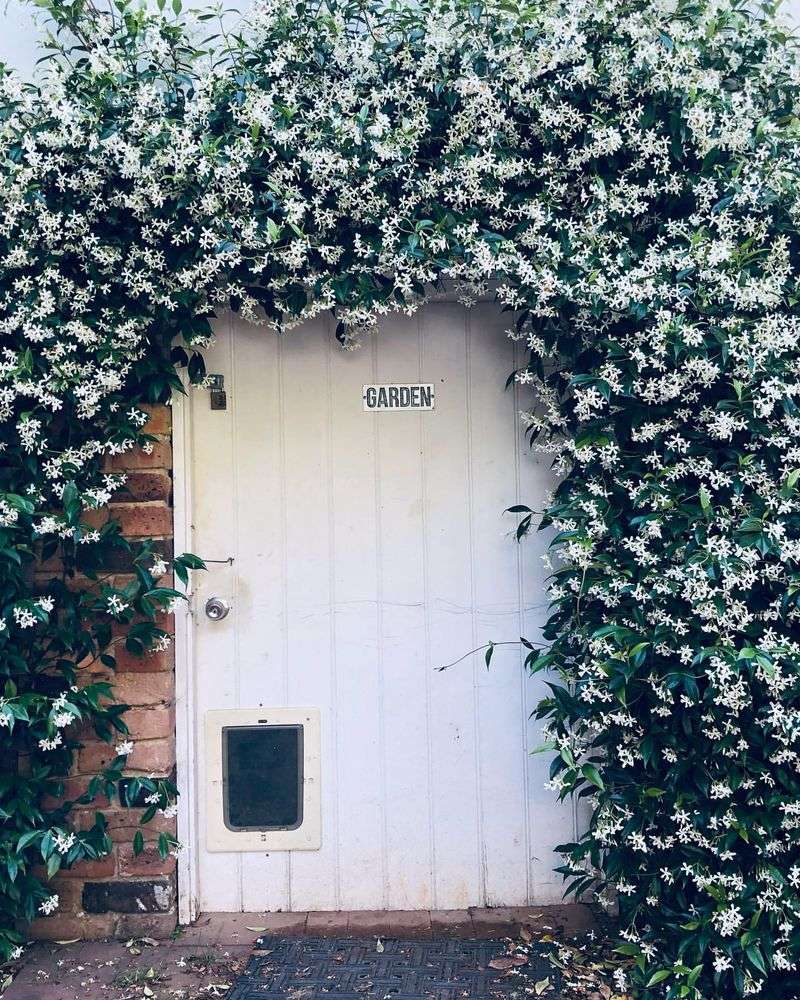
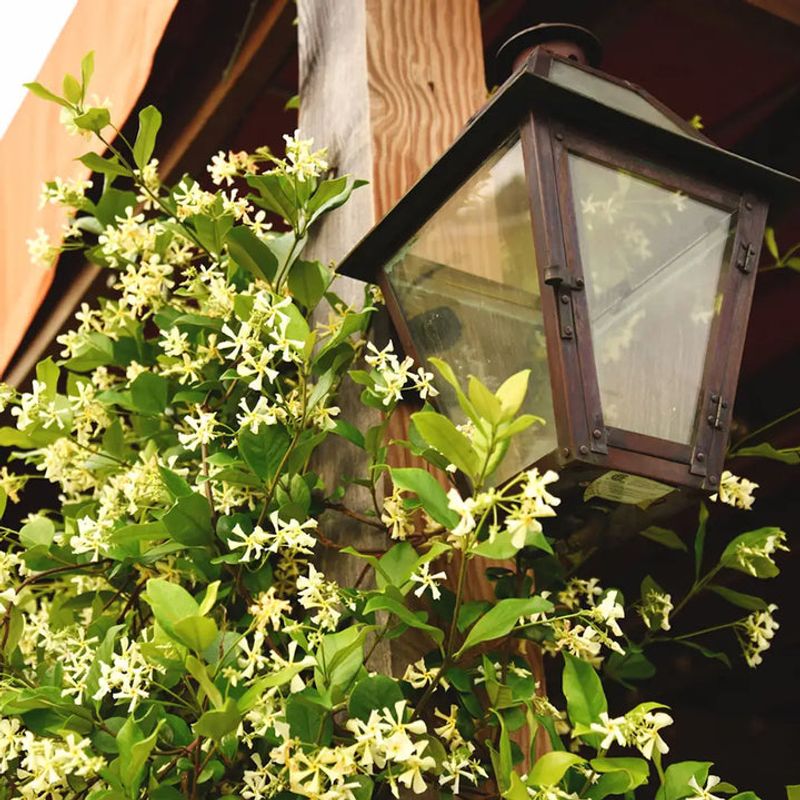
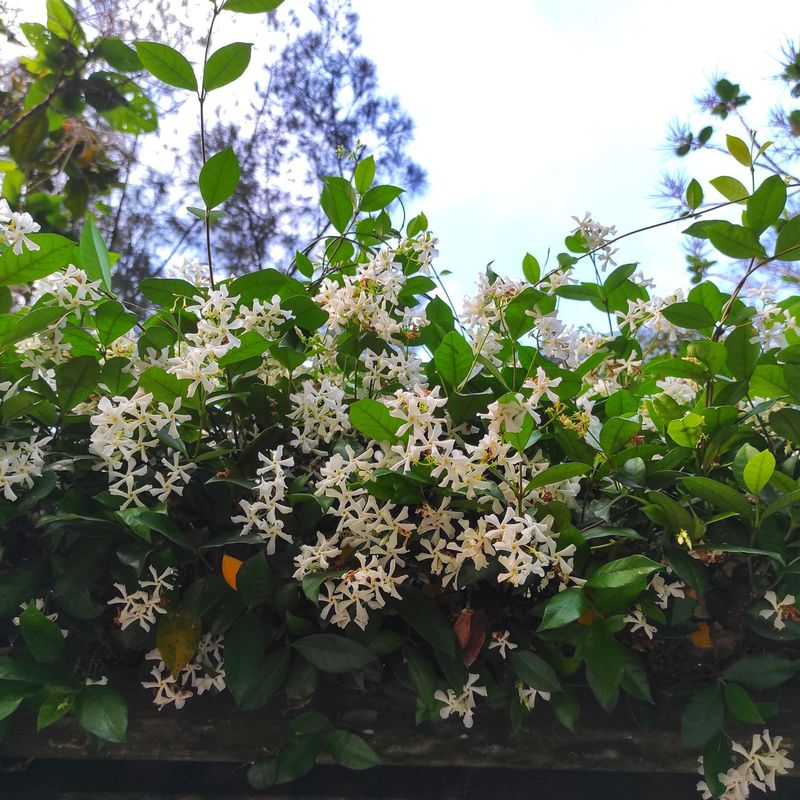
Creamy-white, star-shaped flowers and a scent strong enough to catch you mid-stride are the calling cards of Trachelospermum jasminoides, sold most often as star jasmine or Confederate jasmine. A lot of gardeners assume any plant called jasmine belongs to the genus Jasminum, but star jasmine is actually a member of the dogbane family, Apocynaceae, and it originates from Japan and China. Knowing the correct botanical name matters the moment you start comparing plants at a nursery or looking up safety information.
The flowers open in clusters, each one a small pinwheel of five petals, and the fragrance is intense enough that a single established vine can scent a wide porch. NC State Extension’s plant profile recommends it specifically for patios, walkways, porches, and entry areas, which makes a front-door placement genuinely well-suited to what the plant does best. Clemson Cooperative Extension echoes that recommendation, pointing to the plant’s value wherever people pass close enough to catch the scent.
The foliage earns its place even when the plant is not in bloom. Leaves are glossy and dark green, giving the vine a tidy, polished look against a trellis or fence. Given a sturdy support and the right climate, a mature vine can reach about 20 feet, so this is not a compact doorway shrub you plant and ignore. It rewards attention, but it gives back something most ornamental vines simply cannot: a fragrance that turns an ordinary entrance into a moment worth slowing down for.
Put The Fragrance Where People Pass
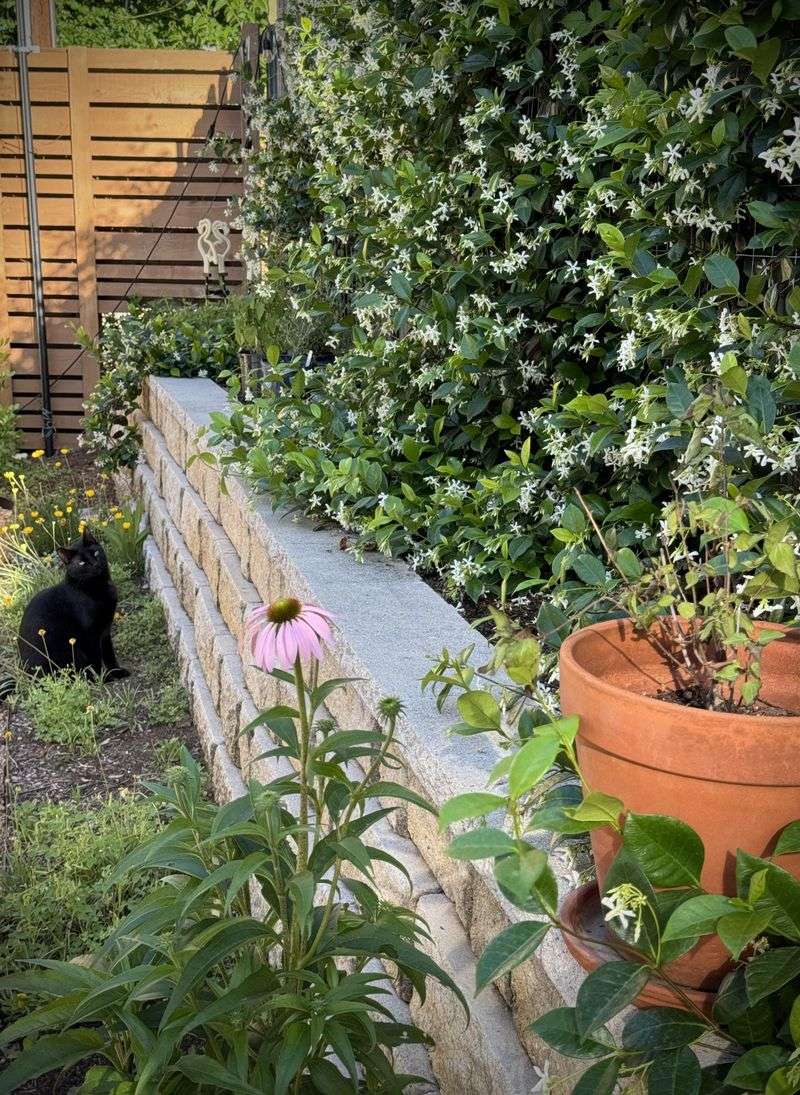
Fragrance is wasted on a plant tucked into a back corner of the yard where nobody lingers. The whole point of growing star jasmine near an entry is that people walk through its scent on the way in and the way out, every single time. A path from the driveway, a short sidewalk, or three steps up to a covered stoop all create that close-range encounter the plant is built for.
The flowering window runs primarily through late spring, with occasional blooms appearing into summer, so plan around May as the peak month in most of the Coastal Plain and Piedmont. NC State’s Confederate jasmine profile and Clemson Extension both confirm that the heaviest display is a late-spring event, not a continuous summer show. A few scattered flowers may follow into July, but count on the main bloom and treat anything after that as a bonus.
Your North Carolina Garden Changes Every Week. Your Plan Should Too.
Gardening in North Carolina changes quickly throughout the season. Every Friday you’ll receive a simple weekly plan showing exactly what to plant, prune, fertilize, harvest, and protect so you never miss the right timing.
Placing the vine within about 3 to 5 feet of the door or along the edge of a short walkway lets visitors catch the scent naturally without needing to lean in. A covered porch or a recessed entry can actually concentrate the fragrance, making the effect even stronger on still evenings. One thing the fragrance genuinely does not do is repel mosquitoes, ticks, or Japanese beetles. The scent is a sensory pleasure, not a pest-control strategy, and keeping those expectations realistic means you will not be disappointed when the first Japanese beetle shows up in July.
Check Your Region Before You Plant Permanently
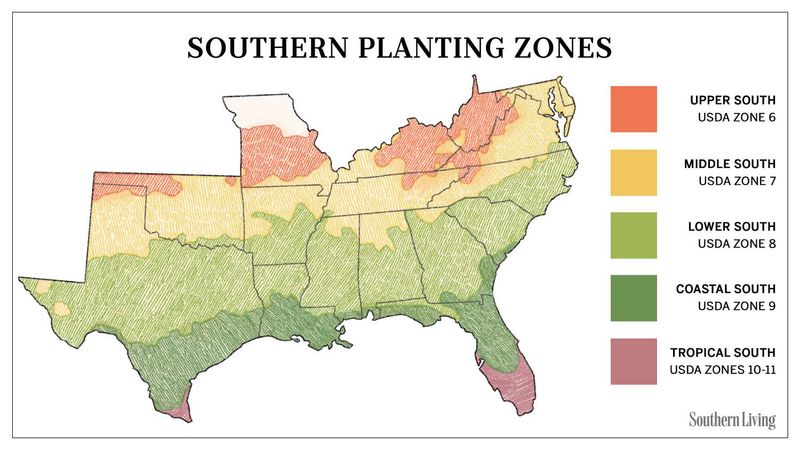
Before you buy a plant and dig a hole beside your front steps, the most important question is not what color the flowers are. The question is whether your corner of North Carolina stays warm enough for star jasmine to survive winter outdoors. NC State lists the plant for USDA Zones 8a through 10b, which covers the Coastal Plain and warmer parts of the Piedmont but leaves out most of the mountains and the colder Piedmont sites that dip into Zone 7b or below.
On the coast and in the lower Coastal Plain, where winter lows rarely fall below 15 degrees Fahrenheit, star jasmine has the best chance of staying evergreen and returning reliably each spring. Move inland to the Piedmont’s red-clay neighborhoods around Raleigh or Greensboro, and the picture gets more complicated. A mild winter may leave the vine looking fine, but a hard cold snap dropping to the single digits can cause bronzing, dieback, or outright plant loss. Clemson Extension describes Confederate jasmine as tender in the Piedmont under comparable Southeastern conditions, and that caution applies to North Carolina’s central counties as well.
For the Sandhills and protected Piedmont spots with a south-facing wall and good wind shelter, permanent outdoor planting may work, but go in with realistic expectations. In the mountains, where Zone 6 winters are the norm, growing star jasmine in a large container that can be moved to an unheated garage or cool basement during hard freezes is a smarter approach than planting it in the ground. NC State specifically lists container culture and indoor overwintering as valid options for colder climates, and that flexibility is worth knowing before you commit.
Build A Support That Matches The Vine
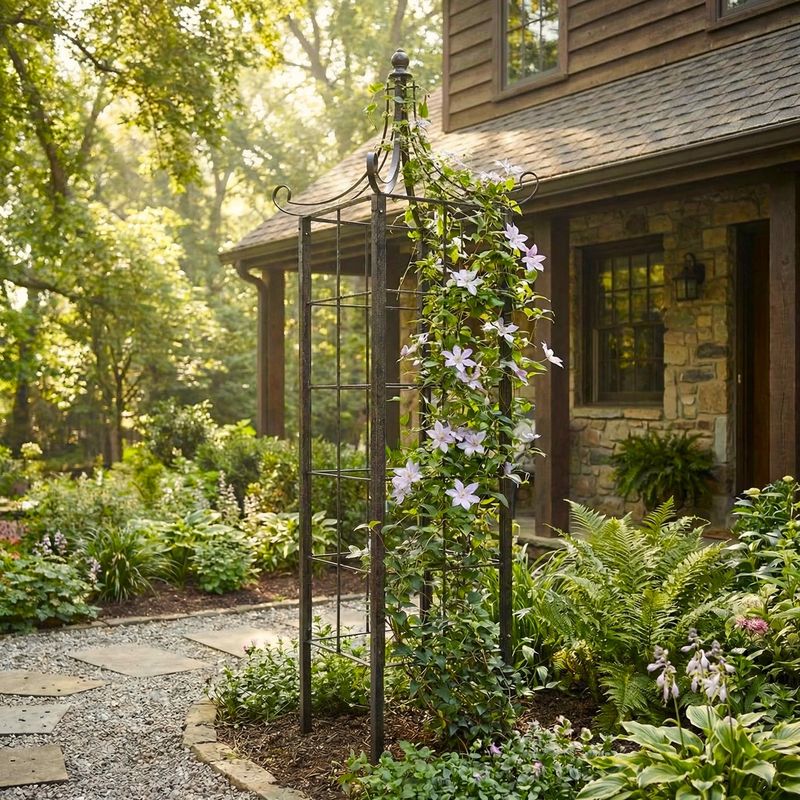
A vine that can push 20 feet in a favorable spot needs something real to hold onto. Star jasmine twines and scrambles rather than gripping surfaces with aerial rootlets the way English ivy does, so it will not climb a brick wall or painted siding by itself. Clemson Extension advises tying the stems to a fairly heavy support, and that is practical advice worth following from day one rather than after the vine has sprawled in all the wrong directions.
Good options for a front-door installation include a cedar or pressure-treated trellis mounted to the wall with standoffs that hold it at least 2 inches away from the siding, a freestanding arbor framing the entry, a sturdy fence panel beside the steps, or galvanized wire stretched horizontally between eye bolts. The support needs to handle the weight of a mature, fully leafed vine, especially after a summer rain. Lightweight plastic lattice tends to flex and fail under that load, so choose something with real structural integrity.
Planning the placement thoughtfully keeps the vine from becoming a maintenance headache. Keep it at least 3 feet from rooflines, gutters, and any electrical equipment. A vine that reaches a gutter will eventually explore inside it, and one that touches a soffit will work its way behind it over time. A commentary from a UGA Extension-affiliated source raises practical concerns about vines entering eaves and overwhelming structures, and while that outcome is not inevitable, it is avoidable with a support positioned to direct growth away from the house.
A 12-inch-wide trellis panel beside the door rather than directly against the siding gives you fragrance at the entry and keeps the vine in a lane you can actually manage.
Give It Sun, Shelter, And Drained Soil
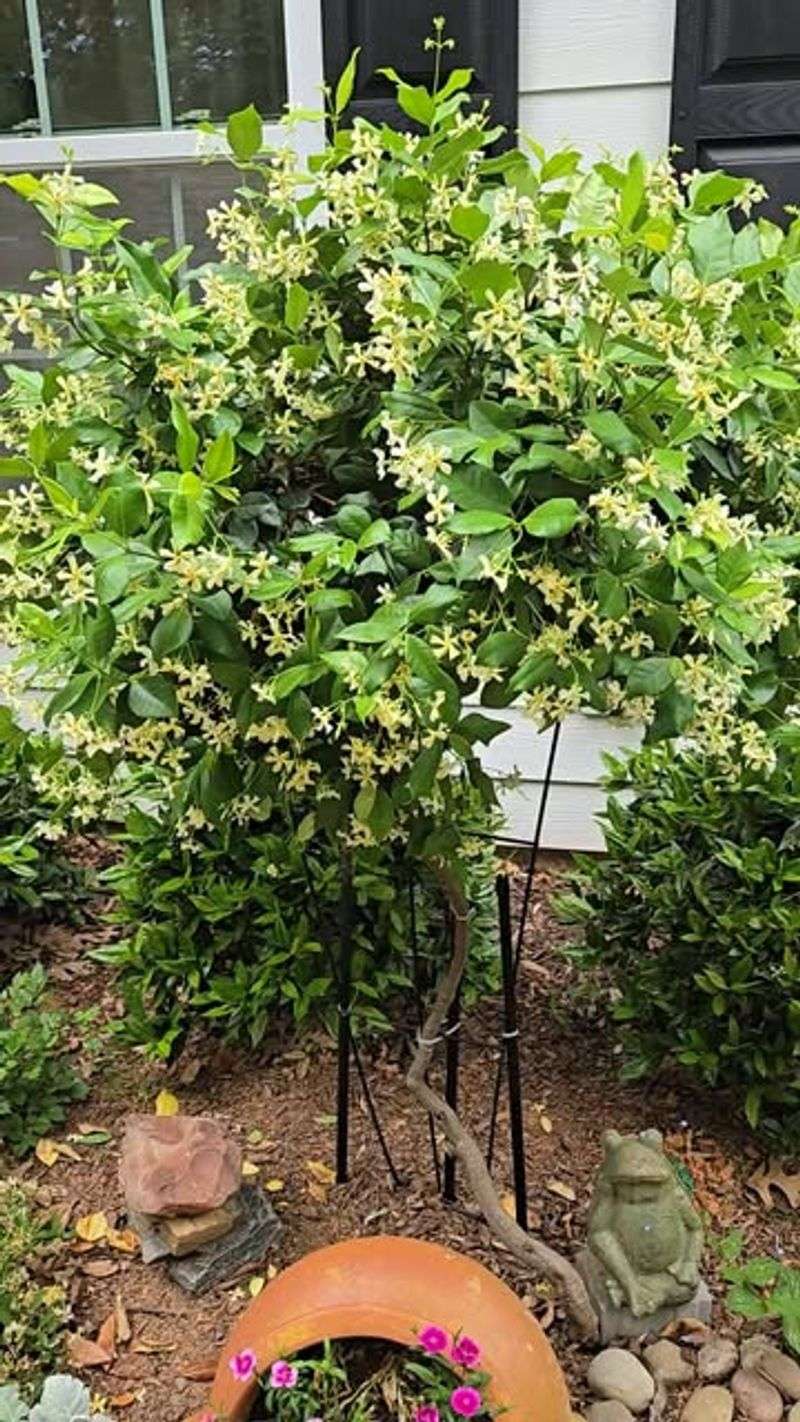
Sun and shelter are the two site conditions that most consistently separate a star jasmine that thrives from one that merely survives. Full sun produces the heaviest bloom, but partial shade works too, especially in the Sandhills and Coastal Plain where afternoon heat in July and August can be punishing. A south or southeast-facing entry with a wall behind it creates the kind of warmth and wind protection the plant genuinely appreciates, particularly in the Piedmont where winter cold comes with gusty northwest winds.
NC State’s star jasmine profile specifies a fertile, well-drained, sheltered, and sunny spot for best flowering, and the well-drained part is not negotiable. Piedmont red clay that holds water after a heavy summer storm is not ideal without amendment. Work compost into the planting area and consider raising the bed a few inches if your soil drains slowly. Sandy Coastal Plain soil drains fast but may need organic matter to hold moisture during dry stretches.
Water consistently for the first full growing season, which typically means checking soil moisture two to three times a week during the hot months and watering when the top inch of soil feels dry. Once roots are established, usually after 12 to 18 months, the plant becomes notably more drought-tolerant and needs far less attention between rains. Fertilizer is not automatically part of the routine. Apply a balanced spring fertilizer only if your soil tests low in fertility or if the leaves start turning yellowish, which can signal a nutrient shortage.
Routine heavy feeding is more likely to push leafy growth at the expense of flowers than to improve the plant.
Prune After The Main Bloom
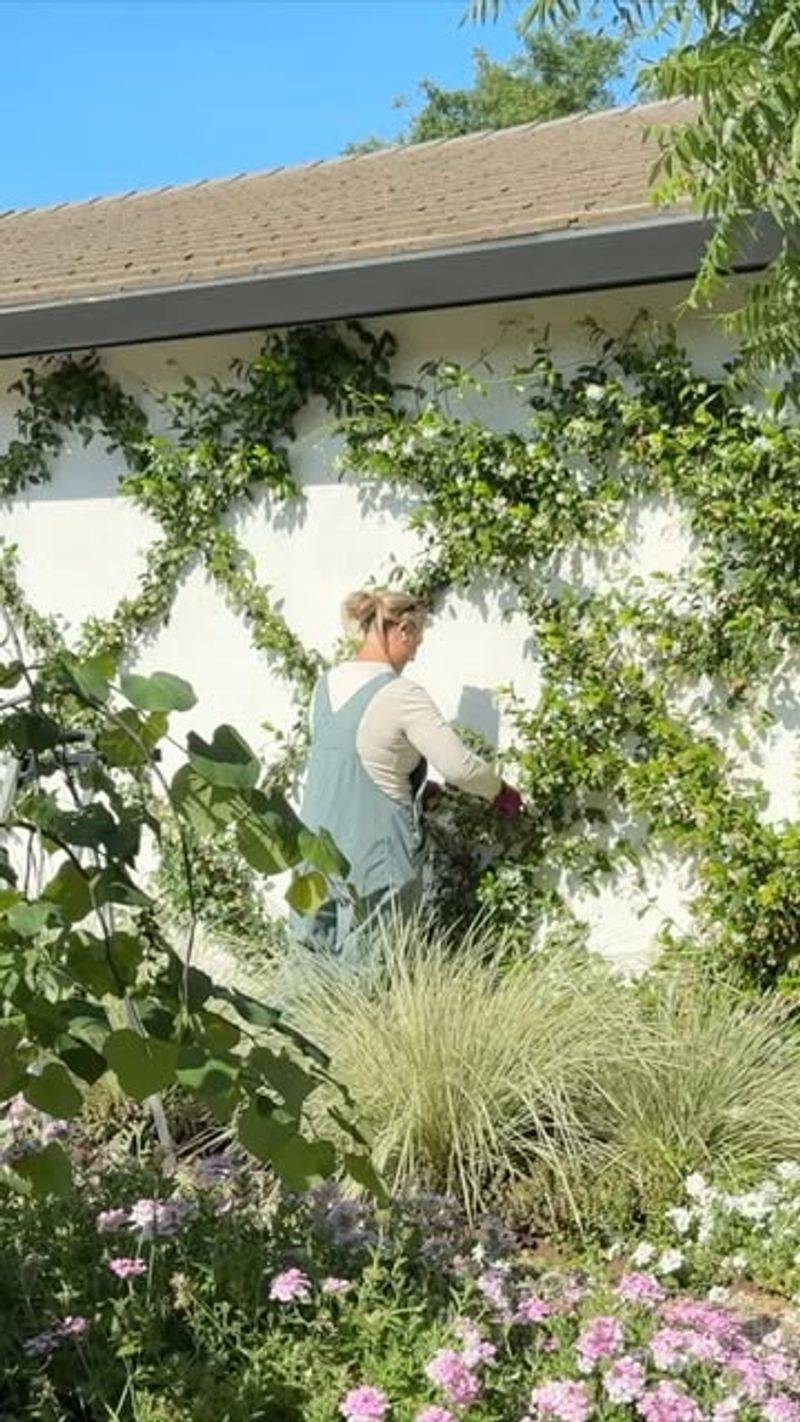
Right after the main flush of flowers fades in late spring, reach for the pruning shears. Cutting back the longest stems at that point does two things at once: it keeps the vine from swallowing the trellis and the doorway, and it removes spent growth without sacrificing next season’s flower buds, which form on new wood that develops through summer. Wait until fall to prune and you risk cutting off the growth that carries next year’s bloom.
If you want a lower, spreading form rather than a tall vine, tip-pinching throughout the growing season encourages lateral branching. Managed this way, Clemson Extension reports that star jasmine can spread to about 4 to 5 feet wide and stay roughly 1.5 to 2 feet tall, which works well as a low planting along a front walk rather than a climbing vine on a trellis. That is a genuinely different look from the tall, supported form, so decide early which direction you want to go.
Wear gloves every time you prune. The plant produces a sticky, milky sap when stems are cut, and it can irritate skin on contact, especially if you are working for an extended session. Wash your hands and forearms thoroughly after finishing, and wipe your pruning blades clean before putting them away. Japanese beetles may appear on the foliage in midsummer and chew irregular holes in the leaves.
Rabbits occasionally browse new growth close to the ground, particularly on young plants that have not yet developed woody stems. Neither pest is typically devastating, but keep an eye on the plant during its first couple of seasons when it is most vulnerable.
Handle Safety Questions With Caution
The safety picture for star jasmine is genuinely unclear, and the honest answer is to treat it with caution rather than confidence in either direction. NC State’s plant profile labels the whole plant as poisonous in its trait summary, while the same page displays non-toxic tags for cats, dogs, and horses. Those two pieces of information sit side by side without a clear explanation of their scope or basis, which means you cannot use that page alone to declare the plant definitively safe or definitively dangerous for your pets and children.
The practical response to that uncertainty is straightforward: prevent ingestion. Keep curious toddlers and pets from chewing on stems, leaves, or flowers, and do not leave pruned cuttings where animals can reach them. If a person or pet ingests any part of the plant, contact the American Association of Poison Control Centers at 1-800-222-1222 or reach your veterinarian promptly rather than waiting to see whether symptoms develop.
Knowing your plant by name matters especially here, because the yellow-flowered vine sometimes called Carolina jessamine, Gelsemium sempervirens, is a separate native species that looks nothing like star jasmine but is sometimes loosely grouped under the jasmine label. NC State gives Carolina jessamine a high-severity poison classification, making it one of the more seriously toxic ornamental vines in the state. Star jasmine has creamy-white flowers; Carolina jessamine has bright yellow ones. Confirm which plant you have before any safety conversation begins, and always use the botanical name when asking a nursery professional or extension agent for guidance.
Balance Fragrance With Native Habitat Goals
Bees do visit star jasmine flowers, and that is a genuine, if modest, benefit for a garden entry planting. What it does not mean is that a non-native Asian vine can stand in for native plants when supporting broader wildlife is the goal. NC State’s native-plant landscaping guidance recommends evaluating non-native plants carefully and prioritizing natives when wildlife support is the objective, because native insects and birds have co-evolved with local plant species in ways that a recently introduced ornamental simply cannot replicate.
NC State identifies several native vines worth considering when habitat value is the priority. Coral honeysuckle, Lonicera sempervirens, produces tubular red flowers that hummingbirds genuinely seek out. Native clematis species offer delicate blooms and feathery seed heads that extend interest into fall. Carolina jessamine blooms with bright yellow flowers in late winter and early spring, well before star jasmine opens, though its high-severity poison classification means it requires the same careful placement and ingestion-prevention measures as any seriously toxic plant.
None of these are casual substitutes for each other; they serve different purposes and carry different considerations.
As for invasive status, the NC State Extension Gardener Plant Toolbox’s guidance on invasive terminology reflects a careful standard, and the reviewed NC invasive-plant materials did not list Trachelospermum jasminoides among known invasive plants in North Carolina. That does not mean it is harmless everywhere or that monitoring is unnecessary. The practical decision rule looks like this: choose star jasmine for a sheltered, climate-appropriate entry where fragrance is the primary goal, then plant native vines somewhere else in the yard where supporting local wildlife actually counts. Both choices belong in a thoughtful North Carolina landscape, just not doing the same job.