The Invasive Tree Feeding Spotted Lanternfly Across North Carolina And The Native That Belongs There Instead
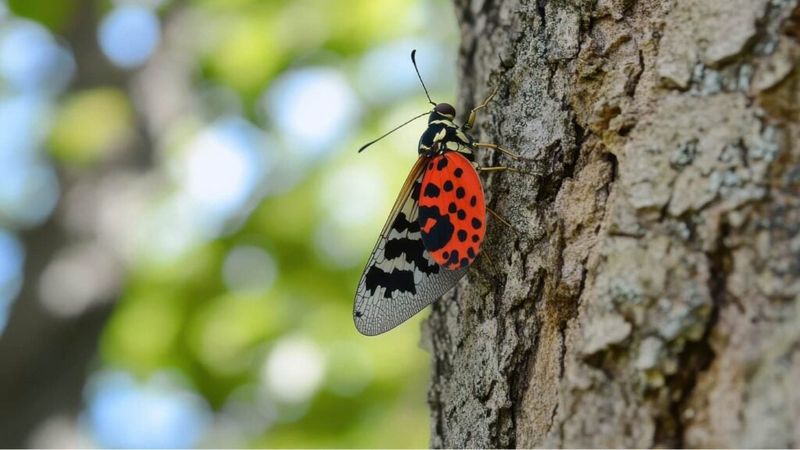
Somewhere along your fence line or at the edge of the driveway, there may be a fast-growing tree you never planted, and it is one of the main reasons spotted lanternfly is spreading through parts of North Carolina. That tree is tree-of-heaven, Ailanthus altissima, a widespread invasive that the insect strongly prefers during its late nymph and adult stages. Knowing how to identify it, manage it safely, and replace it with something that actually belongs here is the most practical thing a North Carolina homeowner can do right now. This article walks you through each step, honestly, without overpromising what any single action will accomplish.
Tree Of Heaven Is A Preferred Invasive Host
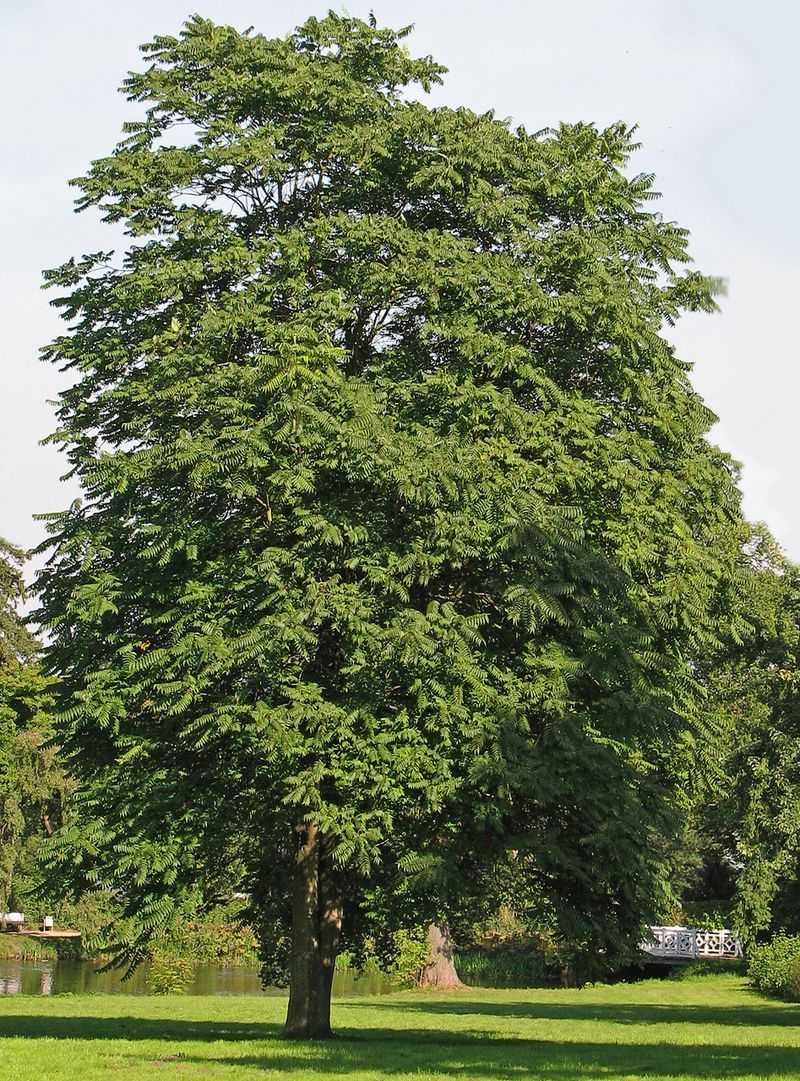
Ailanthus altissima goes by several names, including tree-of-heaven and paradise tree, but the nickname that fits best in a North Carolina yard is simply “the one you did not plant.” NC State Extension identifies it as one of the most prevalent invasive trees in the state, thriving in roadsides, fence lines, vacant lots, and any disturbed ground that gives it a crack of sunlight. It spreads two ways: by windblown winged seeds that a single female tree can produce by the thousands, and by underground root suckers that push up new stems even after the main trunk is gone.
That combination makes it stubborn in ways most homeowners do not expect. A colony that looks like a cluster of separate trees may actually share one root system, which is part of why managing it takes more than a chainsaw. The NC Forest Service lists it among the invasive plants displacing native species across the state, and its fast growth, often several feet per year in young trees, lets it outcompete slower native seedlings for light and space.
Spotted lanternfly, Lycorma delicatula, strongly prefers tree-of-heaven as a host, particularly during its late nymph and adult stages.
A February 10, 2026, NCDA&CS release confirmed established breeding populations in seven North Carolina counties, including Forsyth, Guilford, Rockingham, Caldwell, Davidson, Rowan, and Caswell, with activity noted along portions of the I-85 and I-285 corridors and in the Pelham area. The range is still changing, so that county count is a dated snapshot rather than the final picture.Tree-of-heaven is a preferred host, not the insect’s only host, and the article will return to that distinction. The goal here is to help you manage the invasive tree and understand spotted lanternfly, not to promise that one action solves both problems completely.
Why Lanternflies Prefer This Tree
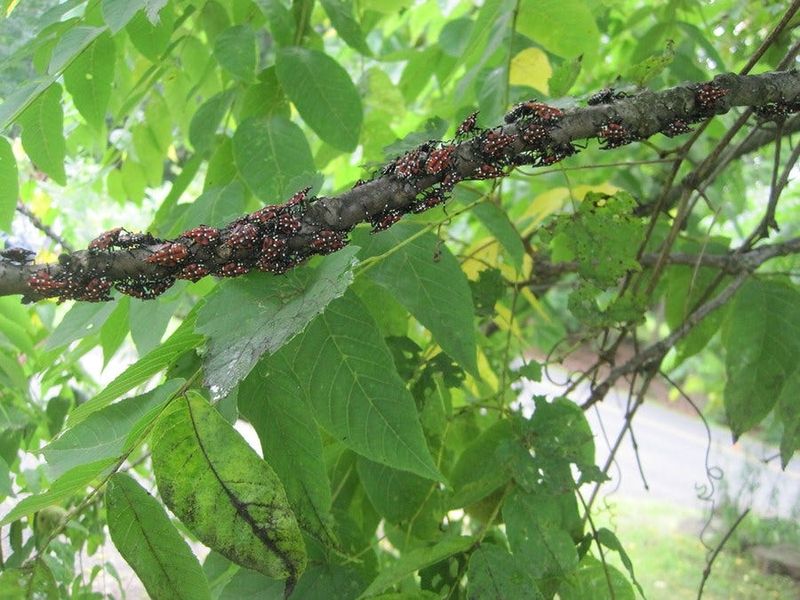
Spotted lanternfly does not feed randomly. During its late nymph stage and into adulthood, the insect gravitates toward tree-of-heaven with a preference that researchers have documented consistently. It uses piercing mouthparts to tap into the tree’s vascular tissue and feed on sugary plant sap, then excretes the excess as a sticky liquid called honeydew. If you have ever come back to a patio table under one of these trees and found everything coated in a tacky film, that is honeydew at work, and the sooty black mold that follows it grows on any surface where the liquid lands.
Your North Carolina Garden Changes Every Week. Your Plan Should Too.
Gardening in North Carolina changes quickly throughout the season. Every Friday you’ll receive a simple weekly plan showing exactly what to plant, prune, fertilize, harvest, and protect so you never miss the right timing.
Here is where it gets tricky. NC State Extension notes that spotted lanternfly feeds on more than 100 plant species, including grapes, apples, peaches, maples, walnuts, oaks, willows, and dogwoods. Removing tree-of-heaven eliminates one preferred host and stops honeydew from dripping on whatever sits beneath that specific tree, but the insect can move to other plants in your yard or your neighbor’s yard and keep feeding.
A peer-reviewed study found that spotted lanternfly can complete development and reproduce without access to tree-of-heaven, which means the insect does not need this one tree to sustain a population. Penn State Extension notes that the effect of preferred-host removal on overall spotted lanternfly numbers has not been specifically evaluated and is unlikely to consistently reduce populations on its own. Removing tree-of-heaven is still worthwhile, but the reason is that it is an invasive plant that does not belong here, not that cutting it down will make spotted lanternfly disappear from your property.
Several Clues Confirm The Tree
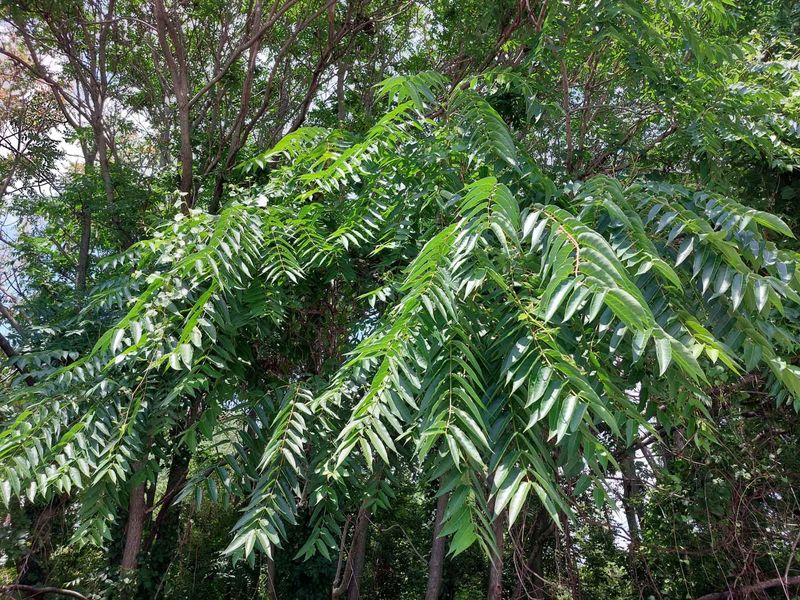
Before you remove anything, make sure you actually have tree-of-heaven. That sounds obvious, but black walnut, hickory, and several sumac species carry compound leaves that look similar at a glance, and pulling or treating the wrong tree is a real mistake that costs you a native plant and accomplishes nothing for spotted lanternfly management.
NC State Extension describes tree-of-heaven leaves as compound and often 1 to 4 feet long, with anywhere from 11 to 41 smooth-edged leaflets arranged along a central stem. The detail that sets it apart from lookalikes is a pair of small notches or glandular bumps near the base of each leaflet, on the underside near where the leaflet meets the stem. Run your finger along the leaflet base and you can feel them. Crush a leaf or snap a young twig and the smell is distinctive, described variously as rancid peanut butter or burnt rubber, and unpleasant enough that most people recognize it immediately.
Female trees produce large, airy clusters of winged seeds called samaras in late summer, each seed twisted inside a papery wing that lets the wind carry it a surprising distance.
Penn State Extension also points to the tree’s tendency to grow in dense colonies as a distinguishing habit, because the root system sends up suckers that create a patch rather than a single isolated specimen. Black walnut has leaflets with finely toothed edges and produces round green fruits. Hickory leaflets also have toothed edges and the bark has a distinctive shaggy or ridged texture.Sumac generally tops out much smaller and the leaflets are toothed as well.
If you are uncertain, photograph the leaf, the leaflet base, and the overall growth habit and send it to your county Cooperative Extension office before you do anything else, especially if the tree is near a utility line, a septic system, or a valued ornamental.
Why Cutting Alone Can Trigger More Growth
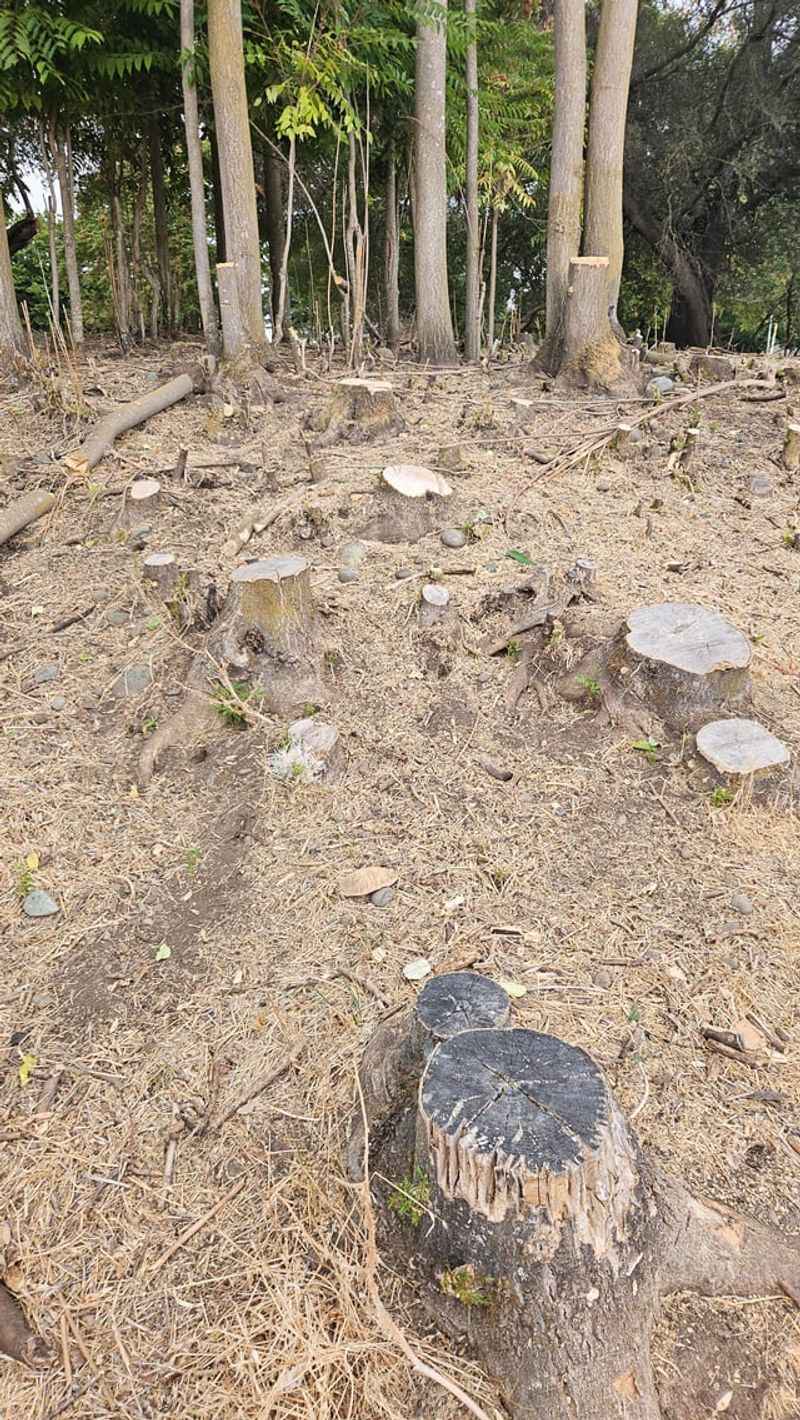
Many Piedmont homeowners cut a tree-of-heaven to the ground, feel good about it for about three weeks, and then watch a ring of bright green shoots push up from the stump and from the soil several feet in every direction. Cutting the trunk alone does not kill this tree, it can actually stimulate the root system to send up more growth than before, and that is a significant risk worth understanding before you pick up a saw.
For a small seedling that emerged this spring, hand-pulling while the soil is moist after a rain can work, but only if the entire root comes out. NC State Extension notes that root fragments left in the ground can produce new shoots, and established suckers often resist pulling entirely. If the seedling snaps off at the soil line, treat it like a cut stump and plan for regrowth.
For an established tree, the goal is to get a systemic herbicide into the root system rather than just removing the visible trunk. Penn State Extension explains that ordinary cut-stump treatment is not a reliable control method because it may address the stump but leave the root system capable of suckering. Basal-bark application or a hack-and-squirt method can move herbicide more effectively into the roots, but these techniques require the right product, accurate identification of the target plant, and careful attention to the current pesticide label. The EPA states that pesticide labels are legally enforceable documents, and using any product inconsistently with its label violates federal law.
Plan to monitor for regrowth through at least the following full growing season, because new suckers can emerge from root fragments even after a well-executed treatment. Penn State’s cut-stump guidance and your county Cooperative Extension office are both good resources for timing and method. For any tree near a power line, home foundation, septic system, stream bank, vegetable garden, or valuable ornamental, bring in a licensed professional rather than attempting the work yourself.
Downy Serviceberry Gives The Space Back
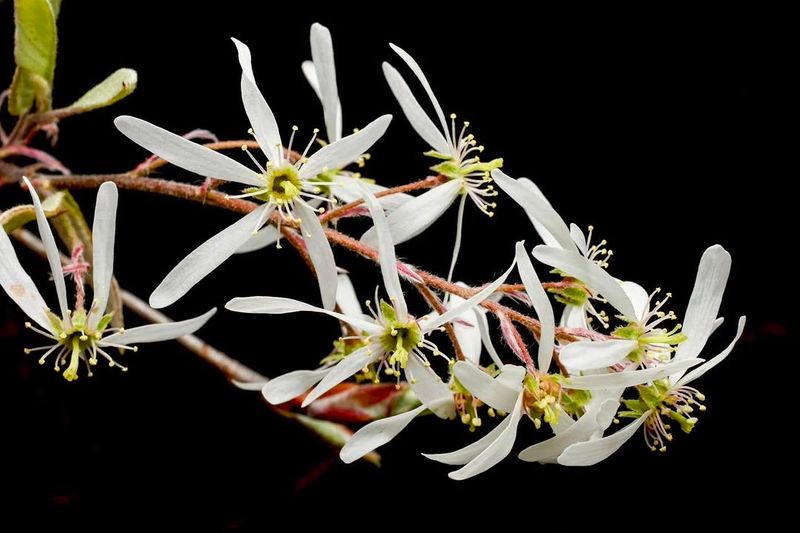
Once you have addressed confirmed tree-of-heaven and the root system is under control, the space it occupied is genuinely worth something. Filling it with a native plant restores habitat that the invasive had suppressed, and downy serviceberry, Amelanchier arborea, is one of the most useful choices available to North Carolina homeowners across most of the state.
NC State’s plant database lists downy serviceberry as native throughout North Carolina, with a mature height of roughly 15 to 25 feet depending on site conditions. It blooms in early spring, often before most other trees leaf out, which makes it one of the first reliable nectar sources for native bees emerging after winter. By early summer it produces small red-to-purple berries that birds and small mammals find quickly, sometimes within days of ripening, so you may get only a brief window to enjoy them yourself before the local wildlife beats you to it.
The tree grows in full sun to partial shade and does well in moist, well-drained clay, loam, or sandy soil, which covers a broad range of North Carolina yard conditions. It is not a one-for-one stand-in for tree-of-heaven. Tree-of-heaven can push 60 to 80 feet tall and does it fast, while serviceberry grows at a moderate pace and tops out at a fraction of that height. That difference is actually an advantage in most home landscapes, where a smaller, better-behaved tree fits under power lines, stays clear of roof overhangs, and does not overwhelm a modest yard.
Plant serviceberry because it belongs here and because your yard will genuinely be better for it, not because it will repel or prevent spotted lanternfly. The two goals are separate, and being honest about that makes the planting decision an easier one to feel good about long-term.
Choose The Native For Your Site
North Carolina stretches from the Blue Ridge Escarpment to the Outer Banks, and what works beautifully in an Asheville yard can struggle in a Wilmington one. Picking a native replacement by region, drainage, and mature size rather than by a single statewide recommendation gives your new tree a much better chance of thriving without extra irrigation or soil amendments.
Downy serviceberry handles the widest range of conditions. NC State lists it across the state in zones 4 to 8a, tolerating full sun to partial shade in moist, well-drained clay, loam, or sandy soil. It is a natural fit for mountain and Piedmont yards where the soil holds some moisture but does not stay wet. If your spot tends to stay soggy after rain, especially in the Coastal Plain, consider shadblow serviceberry, Amelanchier canadensis, which tolerates wetter conditions and is also native to North Carolina.
For a sunnier, drier site where you want something a bit taller, sassafras, Sassafras albidum, is listed for the Coastal Plain, Piedmont, and mountains. It grows larger than serviceberry, produces distinctive mitten-shaped or three-lobed leaves, and turns a vivid mix of orange and red in fall. Spicebush swallowtail butterflies use it as a larval host, which is a real wildlife bonus for a Piedmont or mountain yard.
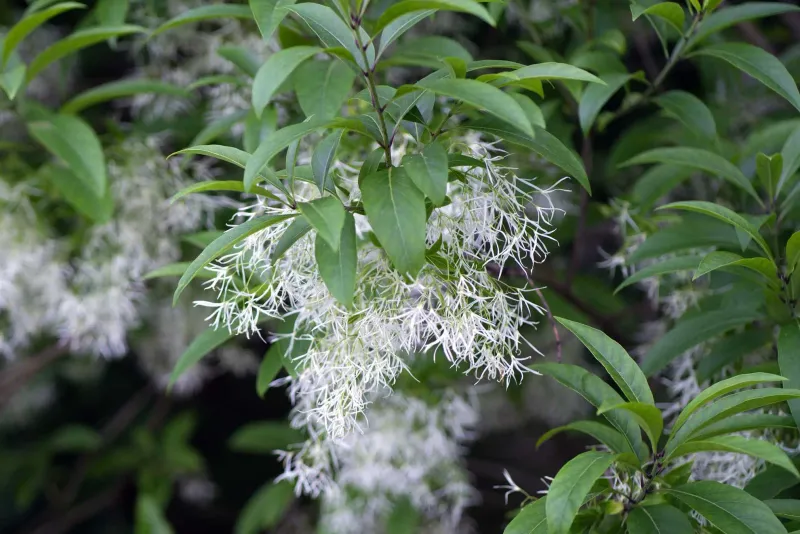
For a smaller space with limited room, American fringetree, Chionanthus virginicus, offers airy white spring flowers, blue-black fruit that birds eat readily, and a mature size of roughly 12 to 20 feet that fits under utility lines comfortably. Match the plant to the place, and the place will reward you.
What Else Actually Helps
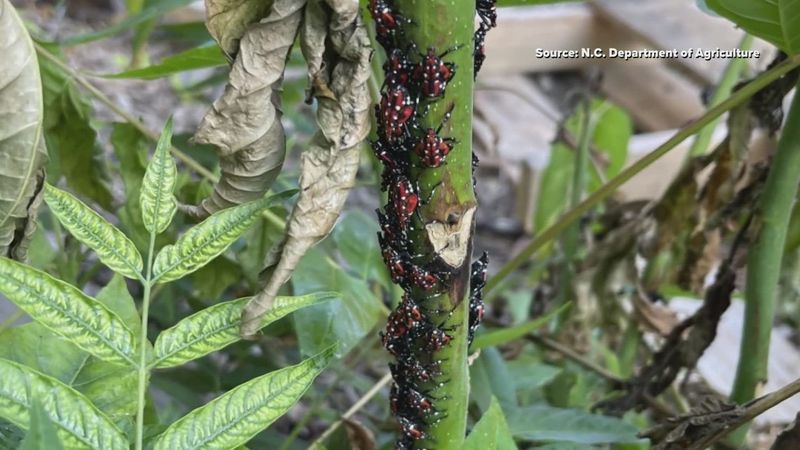
Addressing tree-of-heaven is one useful layer, not the whole plan. Spotted lanternfly has a predictable seasonal rhythm that gives you several other moments to act during the year, and knowing the timing makes each action more effective.
Egg masses appear from roughly September through May, laid as gray or brown mud-like patches about 1 inch long on tree bark, vehicles, outdoor furniture, grills, firewood, and other hard surfaces. USDA describes them as containing roughly 30 to 50 eggs each. Scraping them into a bag with hand sanitizer or rubbing alcohol and sealing it before disposal removes those eggs before they hatch. Early nymphs appear from late March through June, late nymphs from late May through July, and adults from July through December, giving you a window to monitor and respond at multiple points in the season.
If you spot a suspected lanternfly outside the seven confirmed counties, photograph it next to something that shows scale, like a coin or a ruler, and report it through NCDA&CS. Early detection in new areas genuinely matters because the confirmed range is still expanding as of February 2026, and each new county confirmation started with someone paying attention.
Traveling from an infested area? USDA guidance asks that you inspect and clean vehicles, trailers, outdoor furniture, equipment, and firewood before moving them. Spotted lanternfly does not bite or sting, but it hitchhikes well on anything with a flat surface. NC State Extension’s integrated pest management guidance also mentions carefully monitored sticky bands and traps as one layer of a broader management approach, used alongside identification, reporting, egg-mass removal, and host management rather than as a standalone fix.
A yard with one less invasive tree and one more native is a genuinely better yard, and that improvement holds whether spotted lanternfly ever reaches your neighborhood or not.