The Overlooked Sign Scorpions May Be Living In Your Arizona Yard
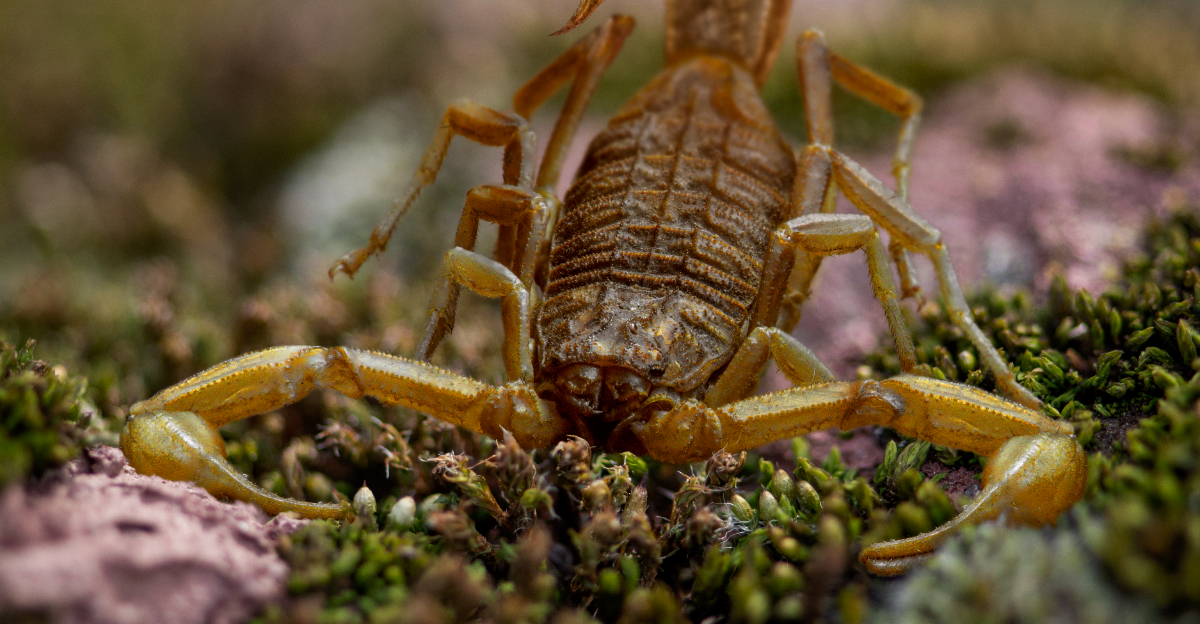
Finding a scorpion in your yard is unsettling, but the biggest clue may appear before you ever spot one. Look closer at the small changes around your outdoor space.
Don’t wait until a nighttime surprise tells you something is wrong. Scorpions often leave behind signs that are easy to overlook when you don’t know what to notice.
In Arizona, hot summer conditions can create the shelter and hunting opportunities they need.
Take a few minutes to check the areas they prefer and learn what attracts them. A simple inspection can help you understand your yard better.
Once you know the warning signs, you’ll feel more prepared and less caught off guard. Small details can reveal what is happening long before a scorpion makes an unexpected appearance near your home.
1. Scorpion Molts Reveal They Have Been Nearby
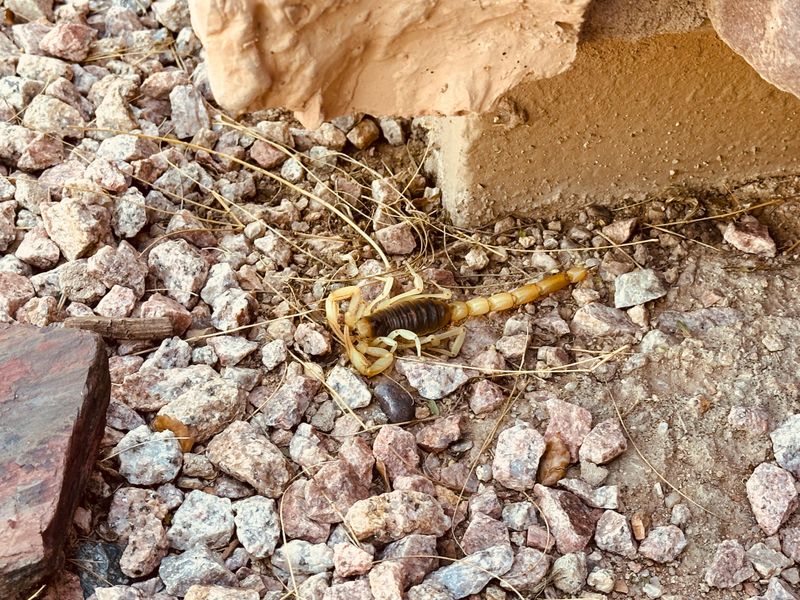
Finding a papery, hollow shell that looks like a tiny scorpion is not something most people expect in their backyard. That shell is a molt, and it means a scorpion has been living close by long enough to shed its exoskeleton.
Scorpions molt multiple times as they grow, leaving behind a nearly perfect replica of their body. These shells are translucent and fragile, often found tucked under rocks, logs, or potted plants.
Spotting one means a scorpion was comfortable enough in your yard to stay awhile.
Molts do not travel. Whatever dropped it was likely within a few feet of that spot.
Check the surrounding area carefully, especially any dark, sheltered spaces nearby.
Finding multiple small molts suggests juvenile scorpions have been using the area. That is worth taking seriously right away.
Grab a flashlight and inspect under every planter, stepping stone, and piece of outdoor furniture near where you found the molt. Write down the location and check back over several nights.
Scorpions tend to return to familiar spots, so consistent monitoring in that area gives you a clearer picture of how active they really are in your yard.
2. Rock Piles And Wood Stacks Provide Shelter
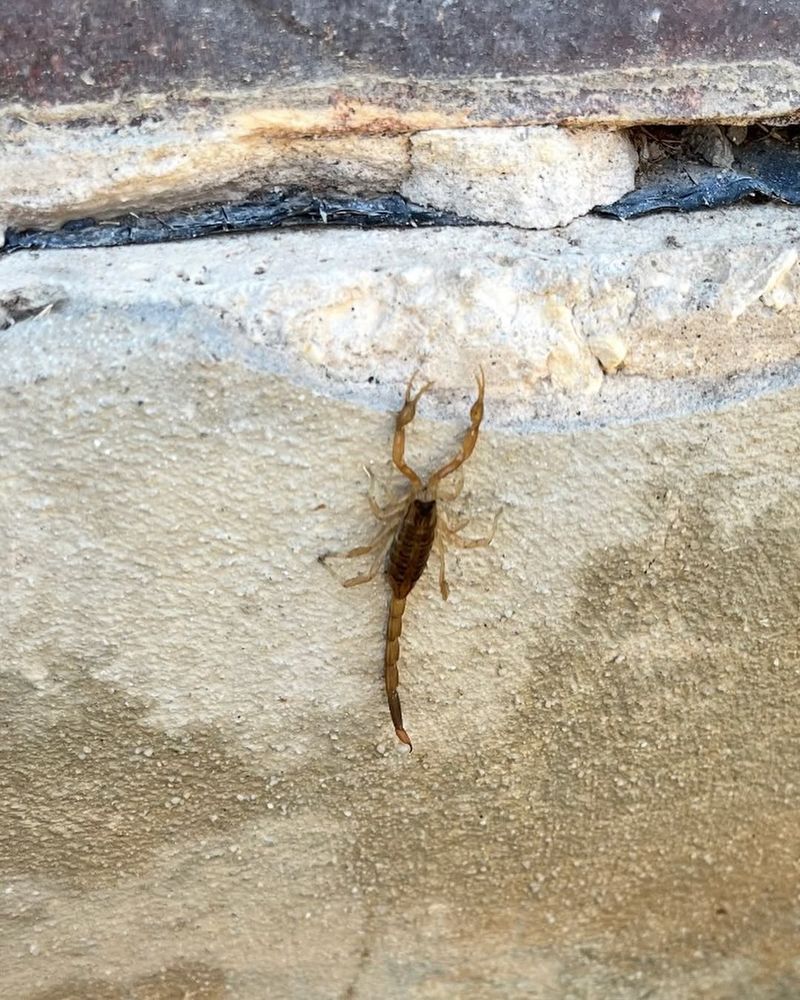
Scorpions are not picky, but they do have preferences. Tight, dark, and cool spaces are exactly what they look for during the heat of the day, and nothing checks those boxes quite like a wood pile or a rock stack sitting against your house.
Firewood stacked near the back door is one of the most common scorpion hiding spots that homeowners overlook. Scorpions wedge themselves between logs and wait out the daytime heat.
When you grab a piece of wood without checking first, that can end badly.
Rock piles create the same problem. Landscaping rocks, stepping stone stacks, and decorative boulders all trap cool air underneath.
Scorpions exploit that gap without hesitation.
Moving wood storage at least 20 feet from the house makes a real difference. Store it off the ground on a rack if possible, which reduces the number of hiding spots between logs.
Rock features in the yard are harder to remove, but you can reduce risk by keeping them away from the foundation and exterior walls. Inspect any rock pile regularly by lifting pieces and checking underneath with a UV flashlight at night.
Your Arizona Garden Changes Every Week. Your Plan Should Too.
Gardening in Arizona changes quickly throughout the season. Every Friday you’ll receive a simple weekly plan showing exactly what to plant, prune, fertilize, harvest, and protect so you never miss the right timing.
Scorpions glow under UV light, which makes nighttime inspections far more effective than daytime checks. Staying consistent with these inspections gives you an ongoing read on scorpion activity near your home.
3. Crickets And Roaches Attract Hungry Scorpions
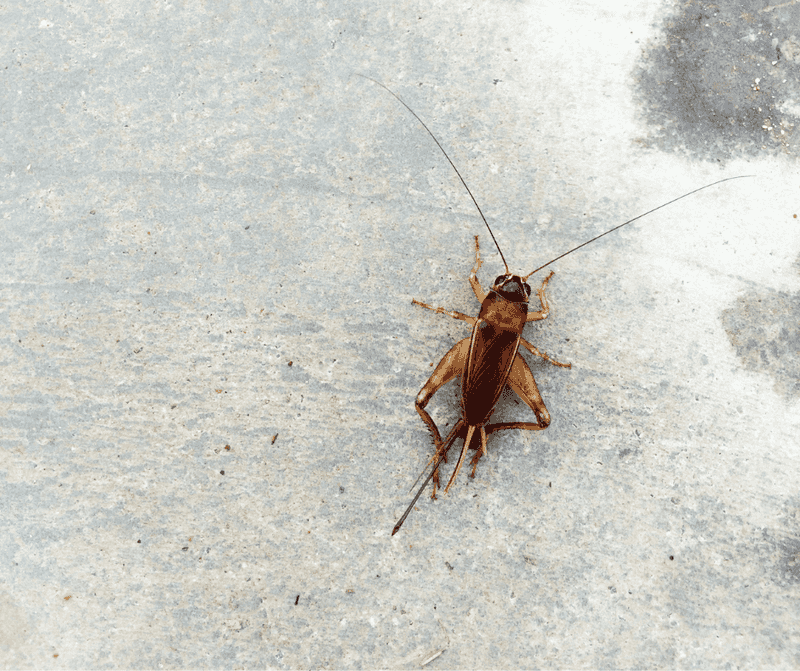
Scorpions follow food. If your yard has a healthy population of crickets, roaches, or other insects, you have essentially set out a buffet sign for every scorpion in the neighborhood.
Outdoor lighting is a major driver of insect activity. Bright white or yellow bulbs attract moths, beetles, and crickets in large numbers.
Where insects gather, scorpions are not far behind. Switching to warm-toned or amber LED bulbs reduces insect attraction significantly.
Moisture matters too. Leaky irrigation lines, standing water near the foundation, and overwatered soil create conditions where roaches and crickets thrive.
Fixing those moisture problems cuts down on the food supply scorpions depend on.
Rotting fruit that drops from trees is another overlooked source. Fallen citrus, figs, or dates draw roaches almost immediately.
Cleaning up fallen fruit regularly removes a key attractant from the equation.
Reducing the overall insect population in your yard takes time, but it is one of the most effective long-term strategies for discouraging scorpions. Start with the lighting, then address moisture, then focus on organic debris.
Each step removes one more reason for scorpions to set up camp near your home.
Pest control treatments targeting crickets and roaches can also help, especially during warmer months when insect activity peaks and scorpions become most active across desert regions.
4. Seal Gaps Around Doors And Foundation Walls
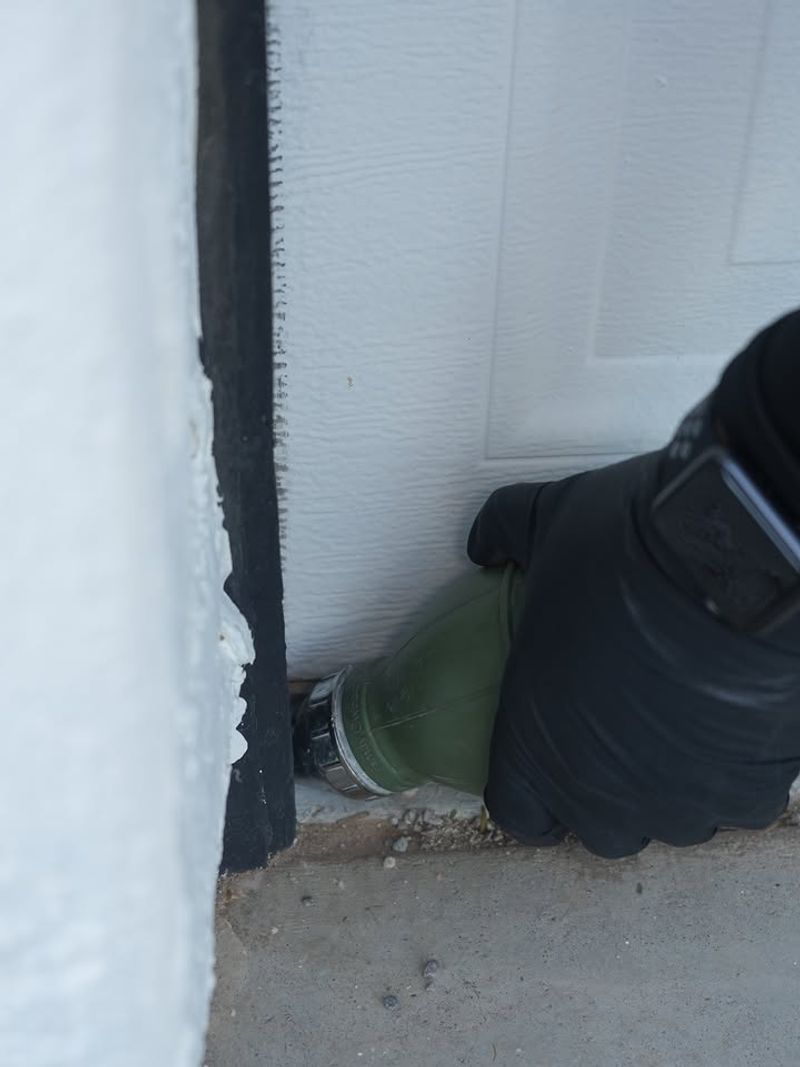
A scorpion can squeeze through a gap as thin as a credit card. That fact alone should make every homeowner look twice at their door frames, window seals, and foundation cracks.
Garage doors are among the biggest entry points. Many garage door sweeps wear out and leave gaps large enough for scorpions to slip under easily.
Replacing a worn sweep is a simple fix that pays off fast.
Check exterior doors next. Slide a piece of paper under each door when it is closed.
If it slides through without resistance, that gap is wide enough for a scorpion. Installing a tight-fitting door sweep solves the problem quickly.
Foundation cracks deserve attention too. Small cracks in stucco or concrete near ground level are common entry routes.
Sealing them with a quality exterior caulk or foam sealant closes off access points scorpions use regularly.
Pipe penetrations and utility line entries are easy to overlook. Where water lines, conduit, or cables enter the home through the wall, gaps often remain unsealed.
Use foam backer rod or weatherproof caulk to close those spaces.
Window weep holes on the exterior are also worth checking. Some scorpions enter through those tiny drainage openings.
Mesh weep hole covers are inexpensive and block entry without interfering with drainage.
5. Remove Yard Debris Close To The House
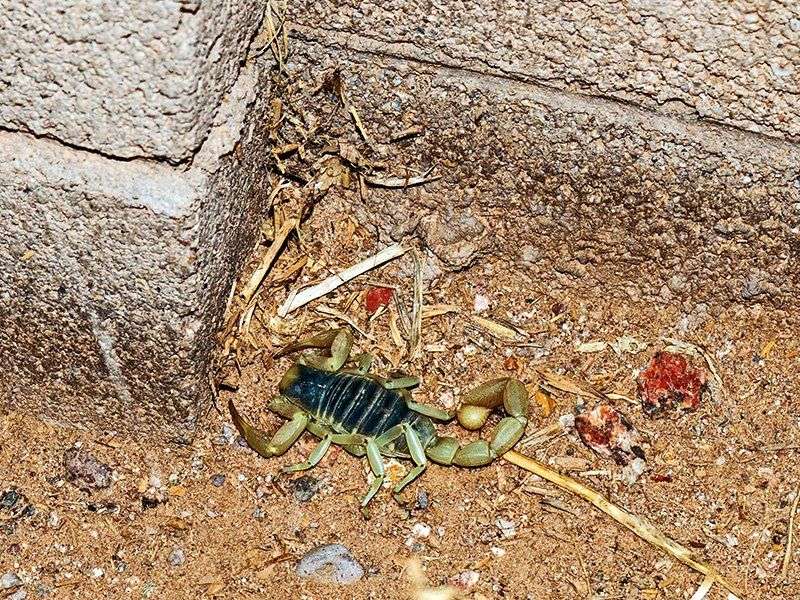
Yard clutter is scorpion real estate. Piles of dry leaves, old cardboard, fallen branches, and stacked pots sitting near the foundation create a ready-made habitat just steps from your back door.
Scorpions do not need much space. A flattened cardboard box leaning against the wall, a bundle of garden hoses left coiled on the ground, or a forgotten bag of soil can each become a hiding spot within days.
Dry leaf piles are especially problematic. Leaves trap moisture underneath and create a dark, insulated layer that scorpions find attractive.
Raking and bagging debris regularly, especially near the house, removes that habitat before scorpions settle in.
Broken terracotta pots, old lumber scraps, and unused landscaping materials left in the yard all serve the same purpose from a scorpion’s perspective. If it creates shade and a tight space, it works as shelter.
Keep a clear zone of at least three feet around your home’s foundation. Remove anything that does not need to be there.
Ground cover plants planted too close to the exterior wall also create dense, shaded zones that scorpions use for daytime hiding.
Pulling those plants back from the wall and keeping the ground near the foundation bare, or covered with coarse gravel, makes the area far less attractive.
6. Trim Plants Away From Exterior Walls
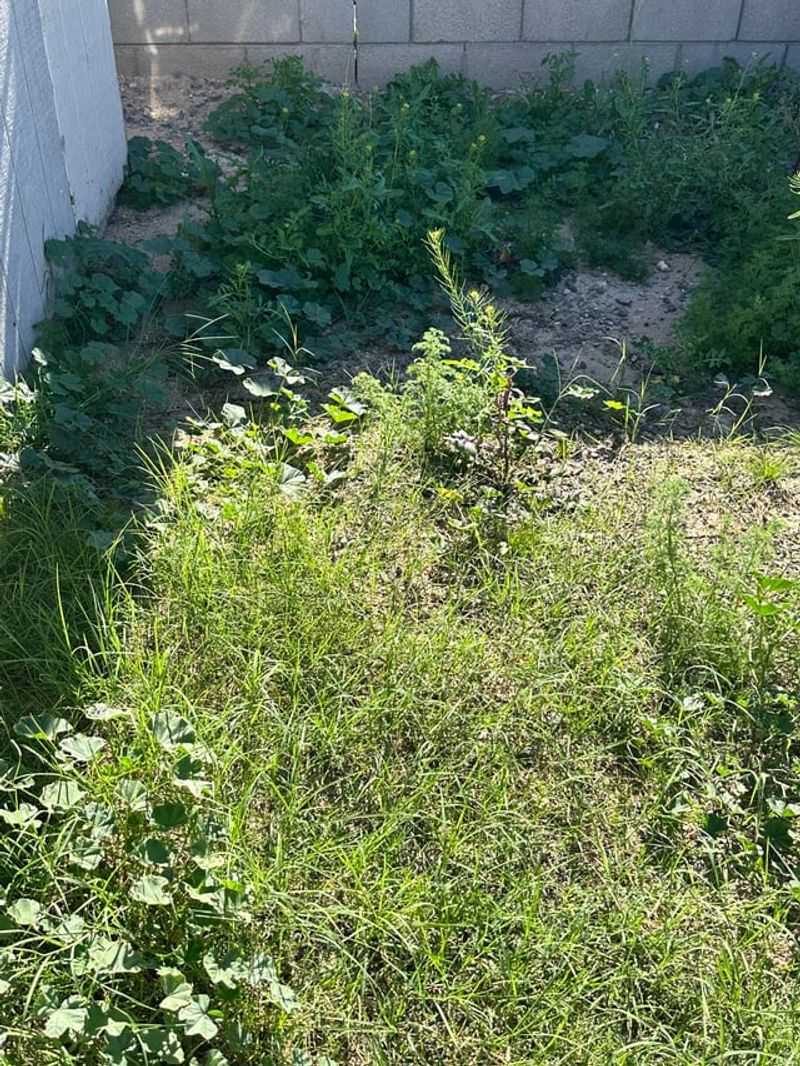
Overgrown plants touching your home’s exterior walls act like a scorpion highway. Branches, stems, and dense foliage pressed against the wall give scorpions a direct path from the ground to upper levels of your home.
Palm trees are a particular concern in desert landscapes. Skirts of old, dry fronds hanging around the trunk create dense, insulated hiding zones.
Scorpions nest in those fronds regularly, especially during cooler months. Removing old, dry fronds and keeping the trunk clear reduces that risk significantly.
Bougainvillea, oleander, and other dense shrubs planted close to the house create similar problems. Branches that touch the wall or overhang the roofline give scorpions easy access to eaves, attic vents, and upper wall gaps.
Trim all shrubs and plants so there is at least a foot of clear space between the foliage and the wall. Cut back any branches that touch or cross over the roofline.
Keeping that buffer zone clear limits the routes scorpions use to move from the yard onto the structure itself.
Ground cover plants like ice plant or trailing rosemary planted against the foundation create dense mats close to the soil. Scorpions hide in those mats easily.
Replacing dense ground covers near the foundation with coarse gravel or decomposed granite removes the shelter without eliminating all landscaping.
7. Use A UV Flashlight To Check For Scorpions At Night
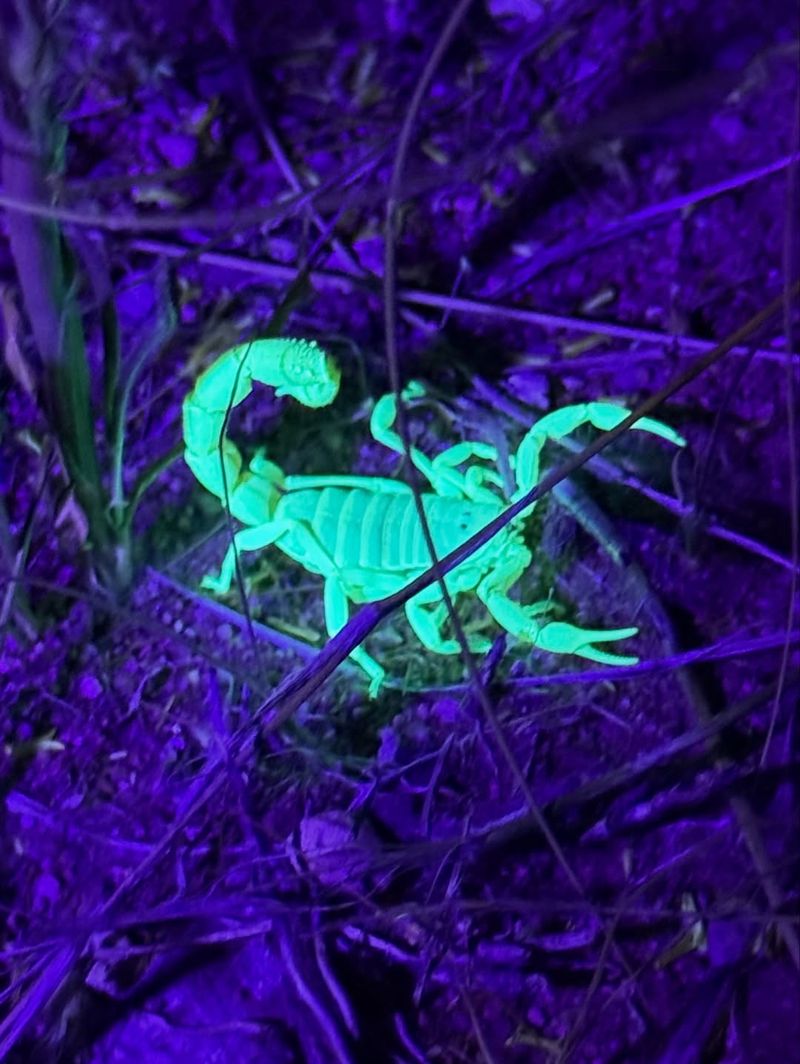
Under a UV blacklight, scorpions glow a bright blue-green color. That single fact makes a UV flashlight one of the most useful tools any homeowner in a scorpion-prone area can own.
Scorpions are nocturnal, so nighttime is when they are most active and easiest to spot. Walking your yard after dark with a UV flashlight reveals scorpions that would be completely invisible during the day.
Most people are surprised by how many show up on their first nighttime check.
Focus the beam along fence lines, near rock features, around the base of plants, and along the exterior walls of the house. Check under outdoor furniture, around pool equipment, and near any water source.
Scorpions tend to follow the same paths repeatedly, so noting where you spot them helps identify the most active zones.
UV flashlights are widely available and inexpensive. Look for one with a wavelength between 365 and 395 nanometers for the strongest scorpion glow.
Cheaper models sometimes produce a weaker effect, so reading reviews before buying helps.
Make nighttime checks a regular habit, especially from spring through early fall when scorpion activity is highest in warm desert climates. Going out two or three nights per week gives you a consistent read on population levels in your yard.