8 Ohio Fall Vegetables You Should Start Seeding In July For A Strong Harvest
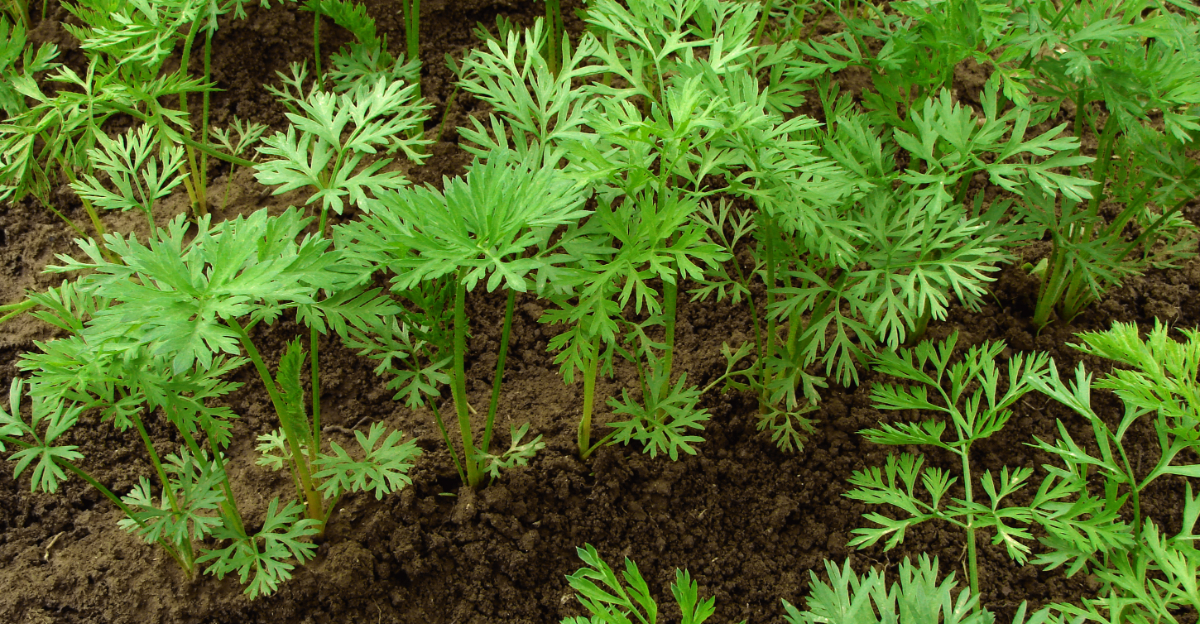
July feels like the wrong month to be thinking about fall vegetables in Ohio. The summer garden is in full swing, the heat is serious, and planting anything with fall in mind seems premature when August has not even arrived yet.
That instinct is costing gardeners a real harvest. Fall vegetables need more lead time in Ohio than most people account for.
Start too late and the plants that were supposed to carry the garden through October arrive underdeveloped and underpowered. They run out of season before they ever hit their stride.
July is the month that changes what fall looks like in a vegetable garden. The seeds that go in now have exactly enough time to build the root systems and plant size that a strong fall harvest depends on.
A few specific vegetables need to be in the ground before July ends. The fall harvest starts right now.
1. Seed Carrots Before July Heat Slips Away
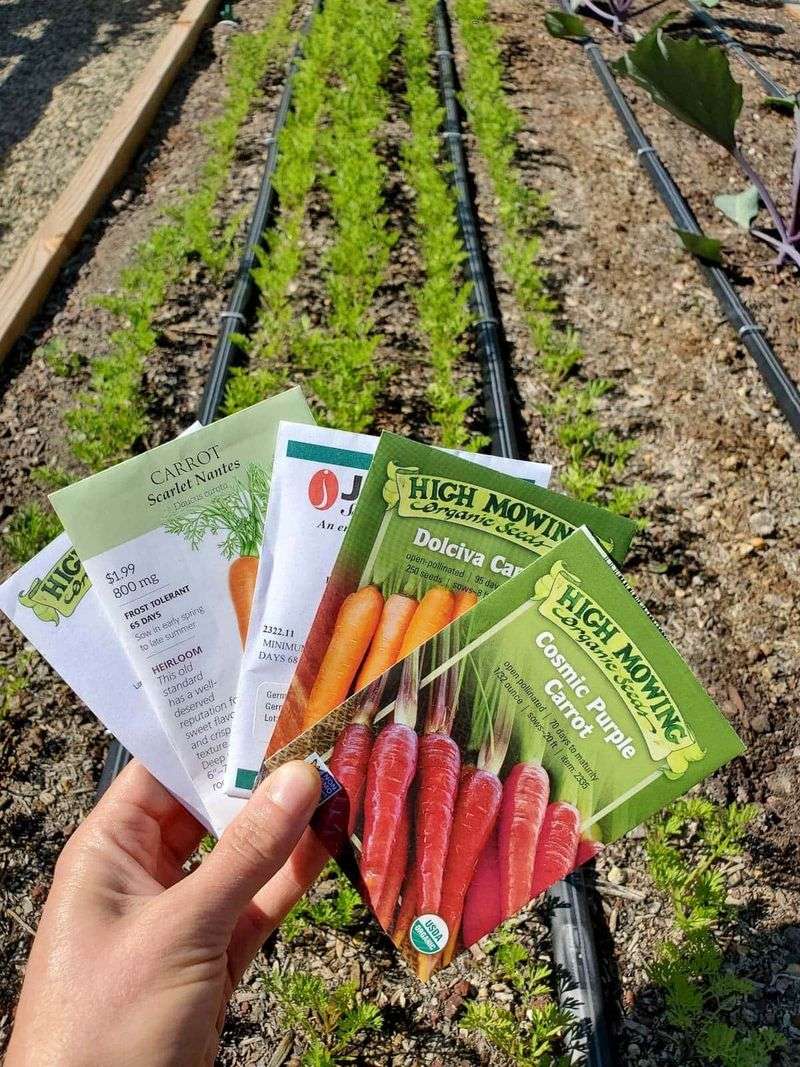
Picture a seedbed in late July, still warm from weeks of sun, with tiny carrot seedlings just beginning to push through the surface. Getting to that moment takes some patience, because carrot germination in hot, dry soil can be genuinely tricky.
Seeds need consistent moisture at the surface, and a drying crust can stop germination before it even begins.
OSU Extension vegetable gardening guidance notes that carrots do best when sown shallowly. Keep them no deeper than a quarter to half an inch and evenly moist until seedlings emerge.
A light covering of burlap or a thin layer of straw can help hold moisture without blocking light, though you should remove it as soon as sprouts appear. Thinning is important too.
Crowded seedlings produce twisted or stunted roots, so thin to about two to three inches apart once plants are established.
Check your seed packet carefully before sowing. Many standard carrot varieties need 70 to 80 days to reach full size.
If your local average first frost falls in mid-October, a late July sowing may not deliver full-size roots in time. Baby carrots or smaller specialty varieties with shorter maturity windows are often a more realistic goal for tight fall timelines.
Choosing a variety rated around 60 to 65 days gives you a better chance of a worthwhile harvest before cold sets in.
2. Sow Beets For Roots And Tender Greens
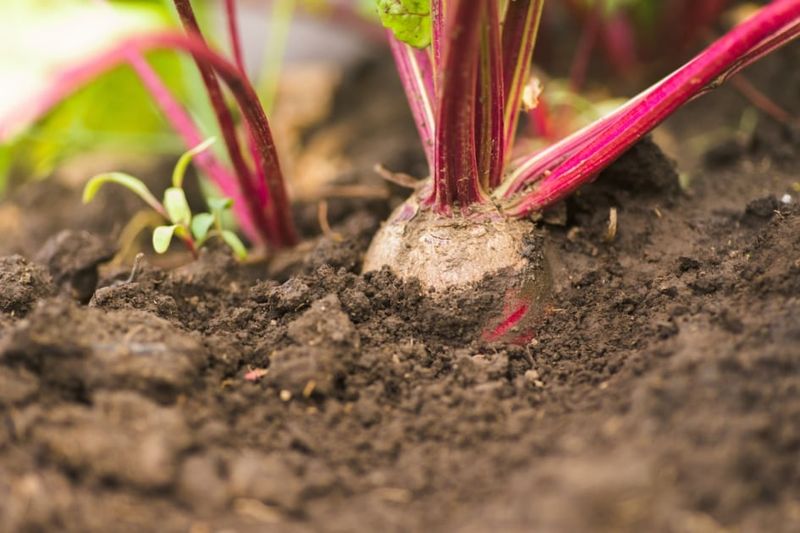
A smart thing about beets is that you get two crops from one planting. Young beet greens can be harvested well before the roots are ready, which gives you flexibility when the fall window feels uncertain.
If cold arrives sooner than expected, you still walk away with tender, flavorful leaves for salads and sautees.
Direct seeding beets in July works well when the soil stays moist. University extension sources point out that beet seeds are actually seed clusters, meaning several seedlings may sprout from one spot.
Thinning is essential. For full-size roots, thin plants to about three to four inches apart.
For baby roots or greens only, you can thin more loosely and harvest the thinnings as greens right away.
Your Ohio Garden Changes Every Week. Your Plan Should Too.
Gardening in Ohio changes quickly throughout the season. Every Friday you’ll receive a simple weekly plan showing exactly what to plant, prune, fertilize, harvest, and protect so you never miss the right timing.
Days to maturity for most beet varieties range from 50 to 70 days, depending on the cultivar. Baby beets can often be harvested a bit earlier than full-size roots.
Check your seed packet and count backward from your area’s expected first frost. In northern regions of the state, that window can be shorter, so choosing a faster variety is worth the extra research.
Keep the seedbed evenly moist during germination, since beets can struggle in hot, dry soil just like other root crops. Ohio raised beds with good drainage and consistent watering tend to produce better results than compacted garden rows.
3. Plant Turnips For A Fast Fall Payoff
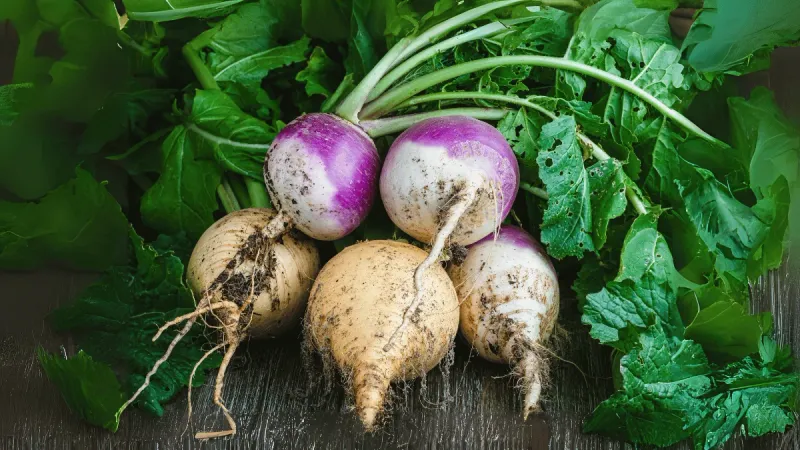
Few root crops offer as quick a return as turnips, which is exactly why they earn a spot in a July seeding plan. Some varieties are ready in as few as 35 to 45 days, and the greens are edible even earlier.
That speed gives turnips a real advantage when summer is winding down and frost is somewhere on the horizon.
Sow turnip seeds directly in the garden, about a half inch deep, in a spot that gets good sun. Thin seedlings to around four to six inches apart if you want roots to size up properly.
If you are mainly after greens, you can sow more densely and harvest young leaves without worrying as much about root development. Either way, consistent watering matters.
Uneven moisture can cause roots to crack or turn woody, which affects both flavor and texture.
Variety choice shapes your harvest significantly. Some turnips, like Purple Top White Globe, are grown primarily for roots.
Others are bred specifically for their greens. Read your seed packet and decide which harvest you are aiming for before you sow.
Fall-garden guidance from Ohio horticulture sources suggests that turnips grown in cooling fall temperatures often develop a sweeter, milder flavor. They are usually milder than those harvested in summer heat.
Young roots pulled before they get too large tend to have the best texture, so do not wait too long once roots begin to size up. Weather, spacing, and moisture all shape the final result.
4. Start Radishes For The Quickest Harvest
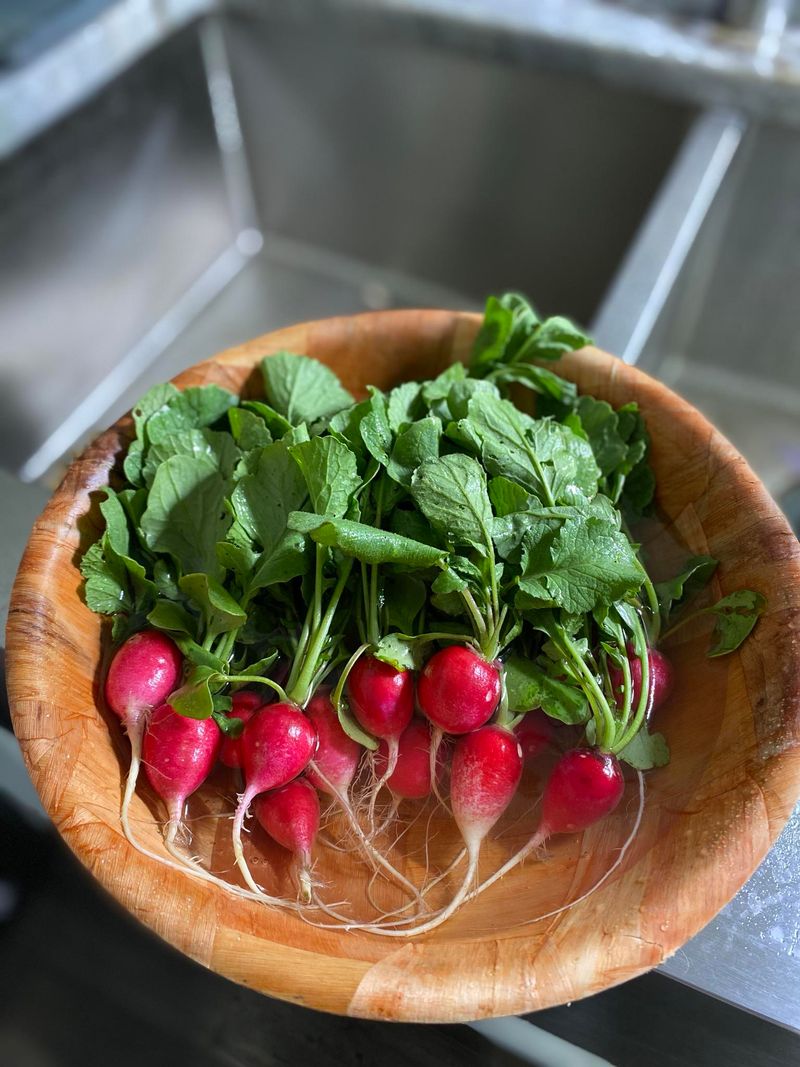
When speed is the goal, radishes are hard to beat. Many varieties go from seed to harvest in 25 to 30 days, making them one of the fastest crops you can sow in July for a fall return.
That quick turnaround also means you can sow small batches every week or two, spreading out your harvest instead of getting everything at once.
Hot, dry weather in July can affect quality, though. Radishes stressed by heat and inconsistent moisture tend to become pithy, overly spicy, or cracked.
Keeping the seedbed evenly moist from the moment you sow is one of the most useful things you can do. Thin seedlings to about two inches apart so each root has room to round out without crowding.
Overcrowding often leads to small, misshapen roots that are not worth harvesting.
Fall-garden guidance notes that radish quality often improves as temperatures cool in September and October. That means radishes sown in late July or early August may actually taste better than those you pulled in midsummer.
Harvest promptly once roots reach their expected size. Leaving them in the ground too long causes them to become woody and sharp-flavored.
Not all varieties mature at the same pace, so check the days to maturity on your specific packet. Daikon types, for example, take considerably longer than small round spring varieties.
Choosing a variety that fits your timeline makes a real difference in what ends up on your plate.
5. Try Leaf Lettuce In A Cooler Shaded Bed
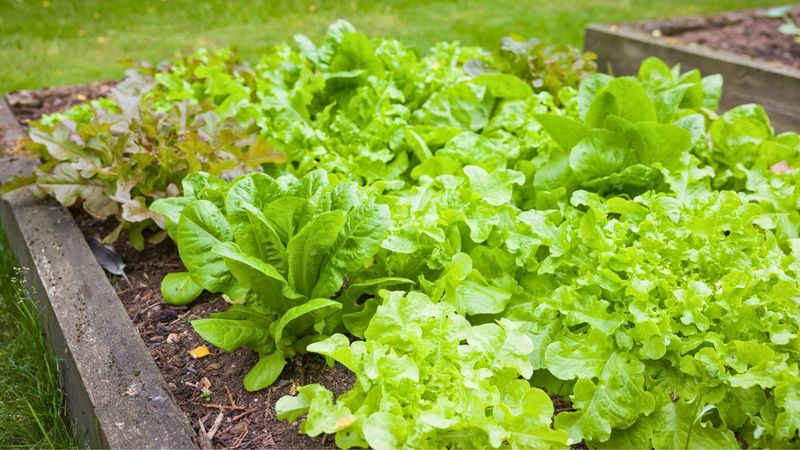
Tucking a row of leaf lettuce into an afternoon-shaded bed is one of the more satisfying moves a July gardener can make in Ohio.
Full heads of lettuce are a tough ask in the heat, but loose-leaf varieties are more forgiving and can be harvested as baby greens before they ever reach full size.
That flexibility makes them worth trying even when summer is still running strong.
Heat is the main obstacle. Lettuce seeds can struggle to germinate when soil temperatures climb above 80 degrees Fahrenheit.
University extension sources have noted this challenge in summer planting guidance. Choosing a spot that gets morning sun but shade in the hottest afternoon hours can help keep soil temperatures more manageable.
Keeping the seedbed consistently moist is equally important, since dry soil at the surface can stop germination entirely.
Sow in small successions rather than one large batch. If the first sowing fails in a heat wave, a second attempt a week or two later in slightly cooler conditions may do better.
Focus on fast-maturing leaf varieties rather than slow-heading types. Some loose-leaf lettuces can produce baby leaves in as few as 30 to 40 days, which fits well within a late-July to September window.
Do not expect a perfect crop from every July bed. Lettuce in summer heat is always a bit of a gamble, but a shaded, moist spot gives you a reasonable shot at fresh greens before fall fully arrives.
6. Sow Spinach For A Sweeter Fall Crop
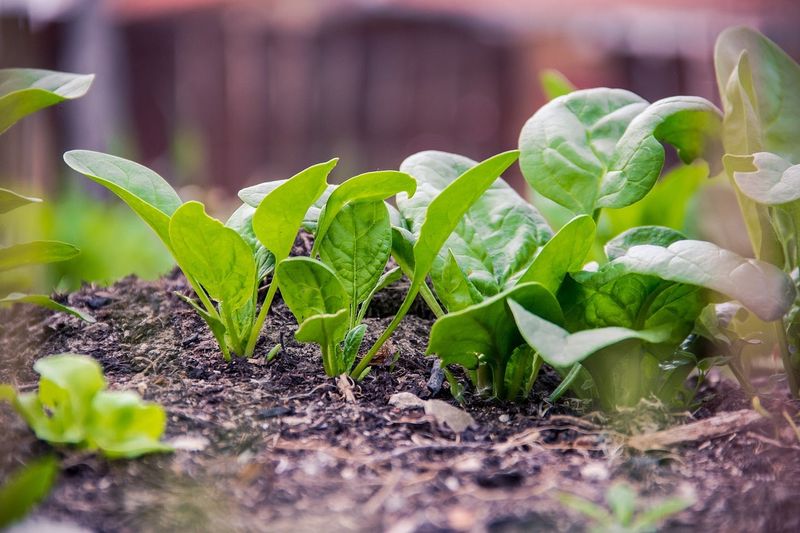
Cool weather genuinely transforms spinach. Leaves grown in autumn tend to be sweeter and more tender than those pushed through summer heat, which is reason enough to make room for a July sowing.
The tricky part is getting seeds to germinate when soil is still warm from weeks of summer sun.
Spinach germination can be unreliable when soil temperatures are high. Horticulture sources suggest that spinach germinates best when soil temperatures stay below 75 degrees Fahrenheit.
That can be difficult to achieve in a full-sun July bed. If a first sowing fails or stalls, do not give up.
Wait for a slightly cooler stretch of weather, water the bed well before sowing, and try again. Sowing in a spot with afternoon shade or using a light row cover can help moderate soil temperature in some situations.
Baby spinach leaves may be ready to harvest sooner than full-size mature leaves, which is helpful when the fall timeline feels tight. Check your seed packet for days to maturity and count backward from your expected first frost date.
In northern regions of the state, that window may be shorter than in southern or central areas. Keep the seedbed consistently moist from the day you sow.
Dry soil at the surface is one of the most common reasons spinach fails to germinate in summer. A patient approach, a moist seedbed, and realistic expectations give this cool-season green its best chance at a rewarding fall harvest.
7. Plant Kale For Cold Hardy Greens
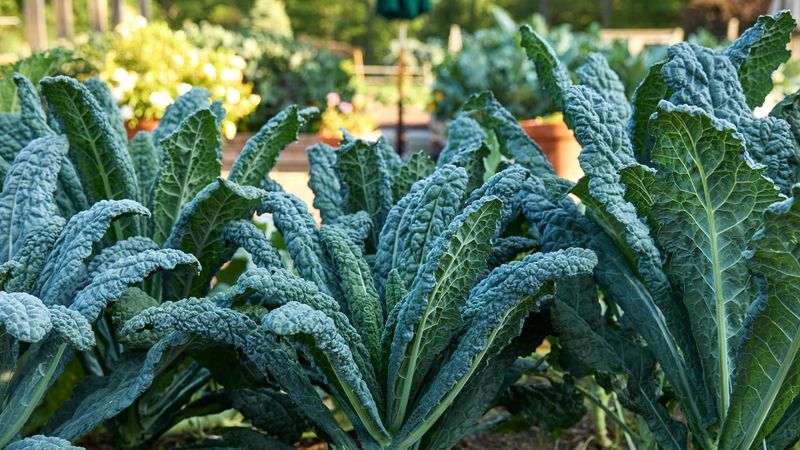
Kale has earned its reputation as a fall garden workhorse, and for good reason. Unlike many vegetables that fade as temperatures drop, kale often tastes better after a light frost in Ohio.
The cold converts some of its starches into sugars and mellows the flavor. Starting it from seed in July gives plants enough time to establish before short days and cold slow their growth.
Direct seeding kale in early to mid-July is generally recommended for a fall harvest in most parts of the state. Sow seeds about a quarter to half an inch deep and thin seedlings to around 12 to 18 inches apart once they are a few inches tall.
Young kale plants can struggle with heat stress, so consistent watering during the first few weeks after germination is especially important.
OSU Extension vegetable gardening guidance notes that kale is a cool-season crop that still needs adequate moisture and spacing to develop properly.
Do not assume kale is immune to problems. Young plants can attract cabbage worms and aphids, and a dry stretch in August can slow growth noticeably.
Harvest outer leaves once plants are well established, leaving the center growth point intact so the plant continues producing. Kale still needs enough time before cold and short days limit growth, so sowing early enough in July matters.
Varieties differ in days to maturity, so reading your seed packet before you sow is always the right first step. A well-timed July seeding can deliver fresh kale well into autumn.
8. Start Swiss Chard For A Long Fall Cut
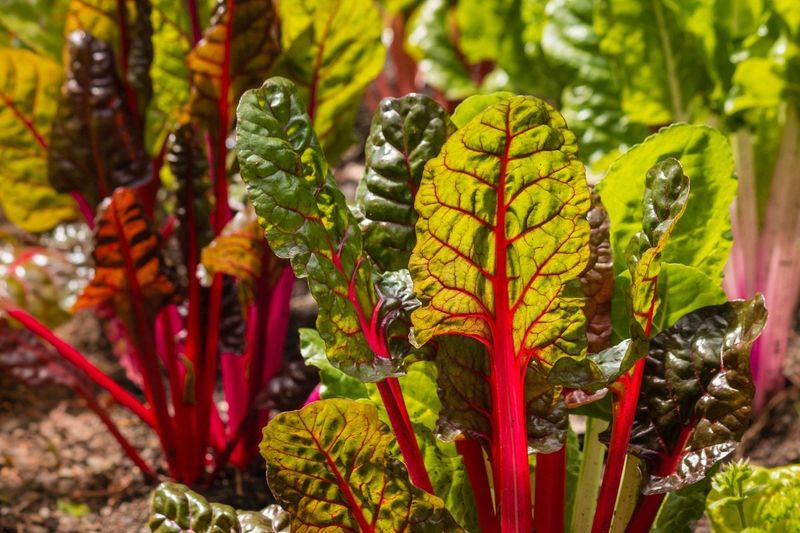
Swiss chard is the kind of crop that keeps giving once it gets going. Unlike a head of lettuce or a single root vegetable, chard produces leaf after leaf when you harvest the outer stems and leave the center growth point undisturbed.
That cut-and-come-again habit makes it a genuinely useful addition to a fall garden started in July.
Sow chard seeds about a half inch deep directly in the garden bed. Like beets, chard seeds are actually clusters that may produce multiple seedlings per spot.
That makes thinning to about six inches apart important for healthy plant development. Keep the seedbed evenly moist during germination, especially during hot July days when the surface can dry out quickly.
Young chard plants can show signs of heat stress in intense sun, so water consistently and check the soil daily during the first few weeks.
Most chard varieties mature in around 50 to 60 days, though baby leaves can be harvested earlier. Count backward from your local average first frost date and sow early enough in July to give plants a fair runway.
Chard holds up reasonably well in light frost, which can extend your harvest a bit beyond the first cold snap. Fall-garden guidance suggests that chard grown through cooling autumn temperatures often develops rich, flavorful stems and leaves.
July seeding works best when Ohio gardeners choose crops with realistic timing, keep the seedbed moist, and start planning for fall while summer is still in full swing.