Kale Is The Fall Vegetable Michigan Gardeners Should Start In August
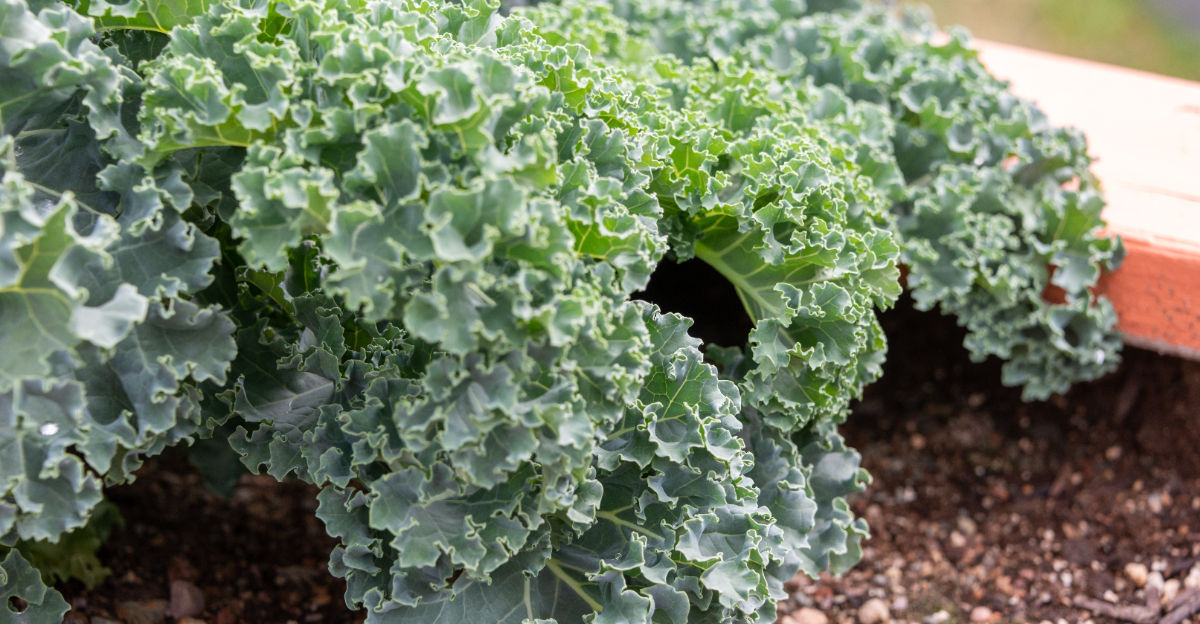
Michigan gardeners already sneak in a second season before Labor Day even shows up on the calendar. Kale is the crop that rewards this early move, since it actually prefers the cooler nights August starts to hint at.
Most backyard growers skip past kale, picturing it as another smoothie fad ingredient rather than a serious garden staple. That reputation sells it short.
Once temperatures dip, Midwest kale develops a deeper sweetness and a satisfying crunch that summer-grown greens rarely reach. Planting now means your leaves hit peak flavor right as frost starts creeping into the forecast.
Few vegetables reward patience the way kale does, turning a few August seeds into a harvest that keeps producing well past the point when most gardens have gone quiet.
August Planting Gives Kale Time To Mature Before Frost
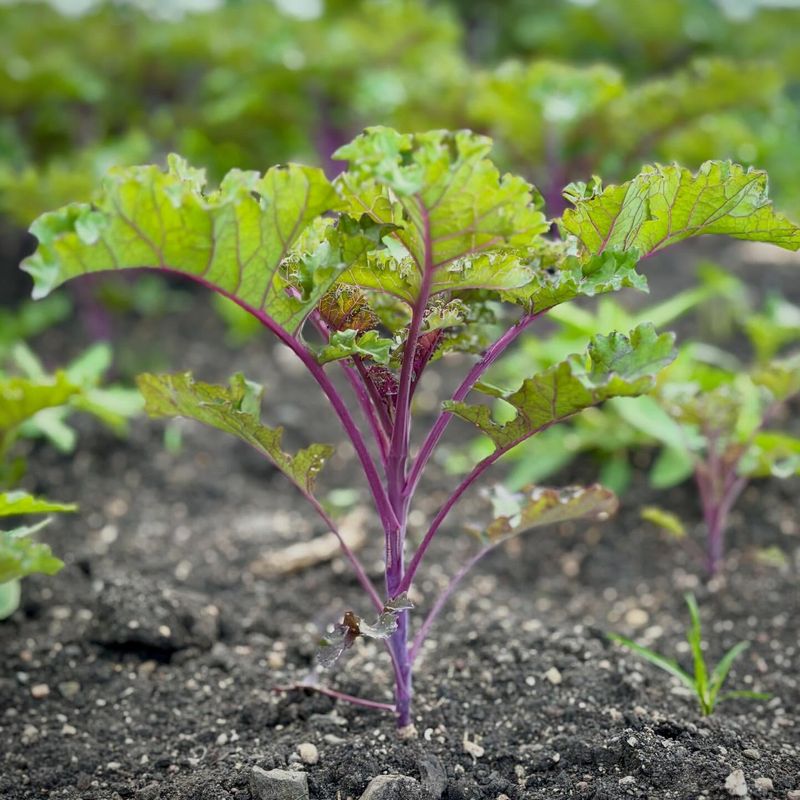
Mark your calendar now, because August is the sweet spot. Kale planted in early to mid-August has roughly 55 to 65 days before the first hard frost in most of Michigan’s growing regions, though northern areas may see frost sooner.
Most kale varieties need that full window to develop strong leaves and deep roots. Planting too late means you end up with small, underdeveloped plants that struggle before the season ends.
Starting seeds indoors around the first week of August gives you a jump on the process. Transplanting seedlings outdoors around week two or three keeps them on the perfect schedule.
Kale is the fall vegetable that actually benefits from a light frost, but it needs time to bulk up first. Think of August planting like setting the foundation before the weather does its job.
Direct sowing is also an option if you prefer to skip the transplanting step. Press seeds about a quarter inch into moist soil and keep them watered until germination kicks in, usually within five to seven days.
The key is not to wait until September, when cooler soil slows everything down. August soil is still warm enough to encourage fast, healthy germination without the stress of summer heat beating down on tender seedlings.
Gardeners who plant on time consistently report fuller harvests that stretch well into November. Getting the timing right makes a major difference in fall kale success, and August gives you a strong advantage.
Cool Fall Temperatures Actually Improve Kale Flavor
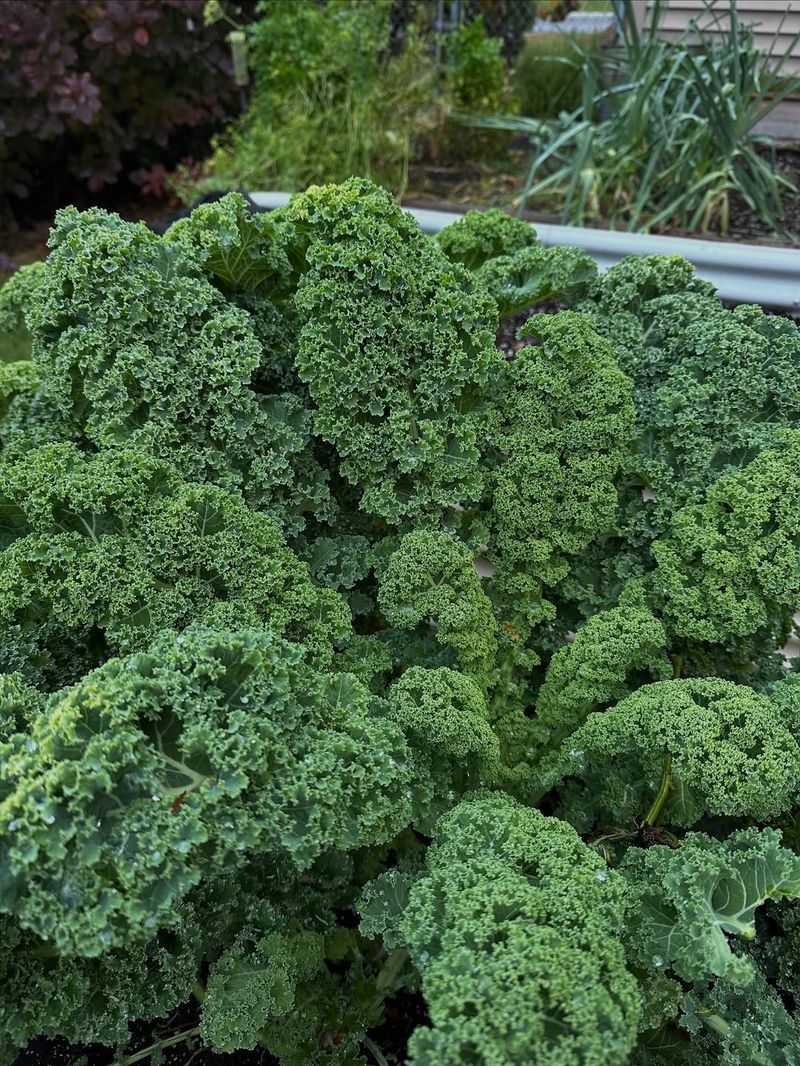
Here is something most people find surprising: frost makes kale taste better. When kale is exposed to frost, it converts its starches into natural sugars inside the leaves.
That process is called cold sweetening, and it transforms a slightly bitter green into something almost nutty and mild. Gardeners who harvest kale after the first frost often say it tastes noticeably different from what they expected.
Kale is the fall vegetable built for this exact kind of weather. Its thick, waxy leaves are designed to handle cold snaps that would flatten most other crops in your garden.
The flavor shift is real and noticeable, not just a gardening myth. Many home cooks say fall-grown kale tastes richer and more complex than summer-grown varieties.
Your Michigan Garden Changes Every Week. Your Plan Should Too.
Gardening in Michigan changes quickly throughout the season. Every Friday you’ll receive a simple weekly plan showing exactly what to plant, prune, fertilize, harvest, and protect so you never miss the right timing.
Lacinato kale, also called dinosaur kale, tends to sweeten especially well in cold conditions. Curly kale varieties also respond beautifully, developing a tenderness that makes them easier to eat raw in salads.
Waiting for that first frost before your big harvest is a smart move. Patience pays off in a big way when it comes to fall kale flavor.
Plan to harvest in the morning after a cold night for the best taste experience. The leaves will be crisp, slightly sweet, and packed with nutrients that make all that August planting effort feel completely worth it.
Preparing Michigan Soil For A Late Summer Kale Planting
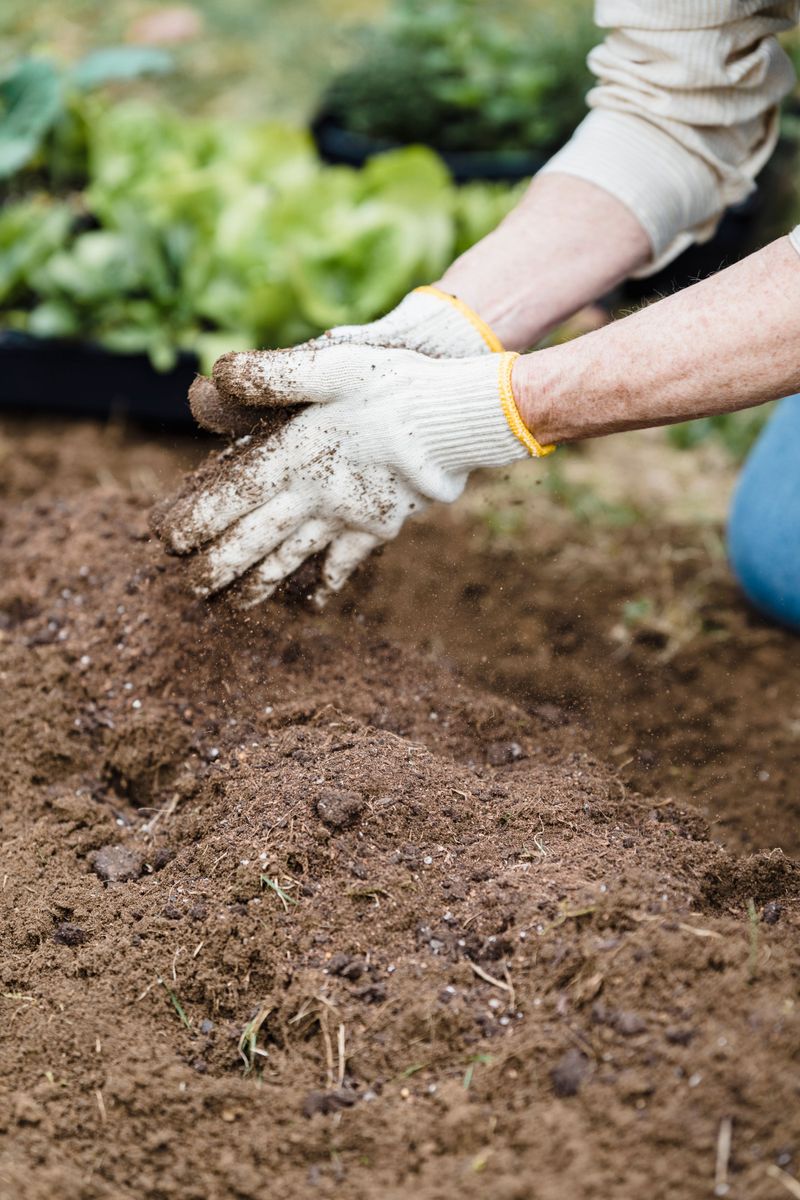
Good soil is where every great harvest begins. Michigan soil varies a lot by region, but most backyard gardens benefit from a boost of compost before a fall planting.
Work two to three inches of compost into the top six inches of your garden bed before you sow seeds or set transplants. This step improves drainage, adds nutrients, and creates the loose texture that kale roots love.
Kale prefers a soil pH between 6.0 and 7.0, which is slightly acidic to neutral. If you have not tested your soil recently, an inexpensive test kit from a local garden center can save you a lot of guesswork.
Raised beds warm up faster and drain better than in-ground plots, making them a popular choice for late summer planting in the Midwest. If you are working with clay-heavy soil, raised beds are worth the extra effort to set up.
Adding a balanced granular fertilizer with equal nitrogen, phosphorus, and potassium gives kale a strong nutritional foundation. Avoid high-nitrogen formulas alone, because too much nitrogen pushes leafy growth at the expense of root strength.
Water the bed thoroughly a day before planting so the soil is evenly moist but not soggy. Kale seeds and transplants both establish faster when they meet soil that is already hydrated and ready to support growth.
Healthy soil preparation in August sets up a harvest that lasts months into fall and beyond.
Spacing And Care Tips For Strong Kale Growth
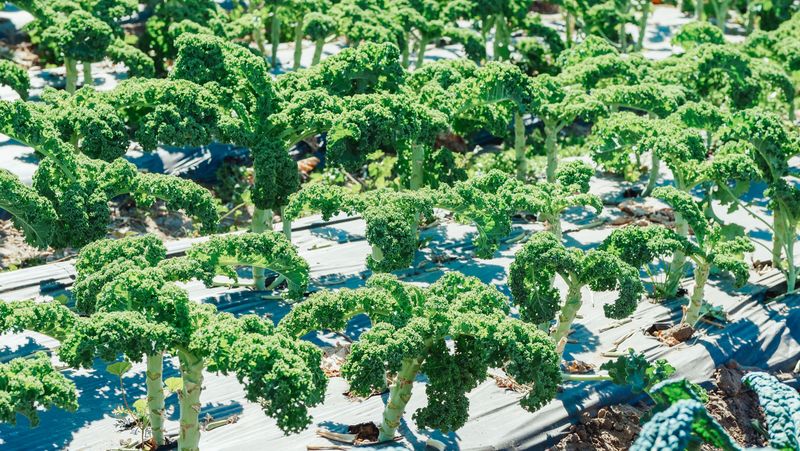
Crowded kale is unhappy kale, and unhappy kale does not produce the big, beautiful leaves you are hoping for. Spacing matters more than most first-time growers realize.
Plant each kale seedling or seed cluster about 18 inches apart in all directions. That distance gives each plant enough room to spread its leaves without competing for sunlight or nutrients.
Rows should be spaced about 24 inches apart if you are growing in traditional in-ground rows. This spacing also makes it easier to walk between plants when it is time to harvest or check for problems.
Kale is the fall vegetable that rewards consistent watering, especially in the weeks right after transplanting. Aim for about one inch of water per week, either from rain or your garden hose.
Mulching around the base of each plant helps retain soil moisture and keeps weeds from sneaking in. A two-inch layer of straw or shredded leaves works perfectly for a fall kale bed.
Side-dress plants with a light application of compost or balanced fertilizer about three weeks after transplanting. This mid-season feeding encourages steady leaf production without overwhelming the plants.
Check the soil moisture every few days during dry spells in late August and early September. Consistent care during those early weeks builds the strong root system that carries kale through the coldest parts of fall with far less stress.
Protecting Young Kale From Late Summer Pests
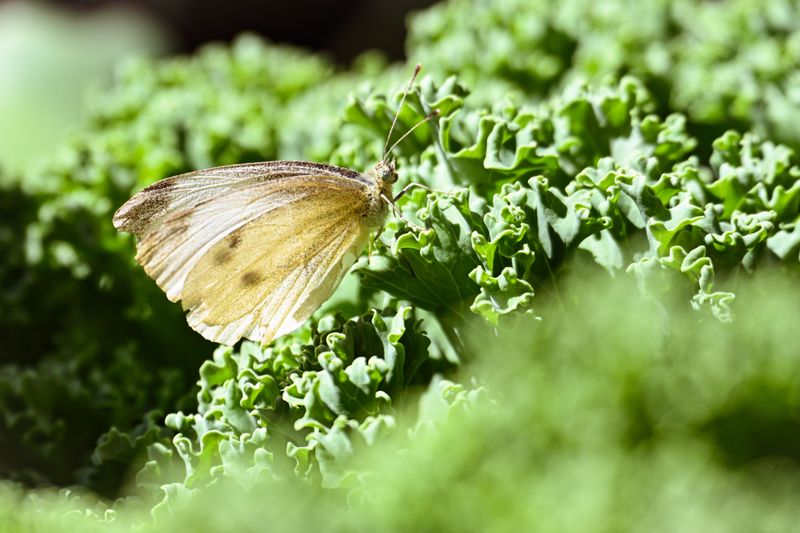
August gardens are full of hungry insects, and young kale is one of their favorite targets. Knowing what to watch for saves your crop before damage gets out of hand.
Cabbage worms and cabbage loopers are the biggest threats to fall kale. These small green caterpillars blend in with kale leaves and can chew through an entire plant in just a few days.
Check the undersides of leaves every two to three days during the first month of growth. Eggs appear as tiny yellow or white ovals, and catching them early makes removal much easier.
Row covers are one of the most effective tools for keeping pests off young plants. A lightweight floating row cover lets in sunlight and water while creating a physical barrier that insects cannot cross.
Bacillus thuringiensis, commonly sold as Bt spray, is a natural and highly effective treatment for caterpillar pests. It is safe for people, pets, and beneficial insects like bees when applied correctly.
Aphids can also appear on kale during warm late-summer days. A firm spray of water from a garden hose knocks most aphid colonies off leaves without any chemicals needed.
Flea beetles leave tiny round holes in leaves and are especially active in August heat. Covering young transplants with row cover immediately after planting stops flea beetles before they get a chance to cause real damage.
Extending Your Kale Harvest Into Late Fall And Winter
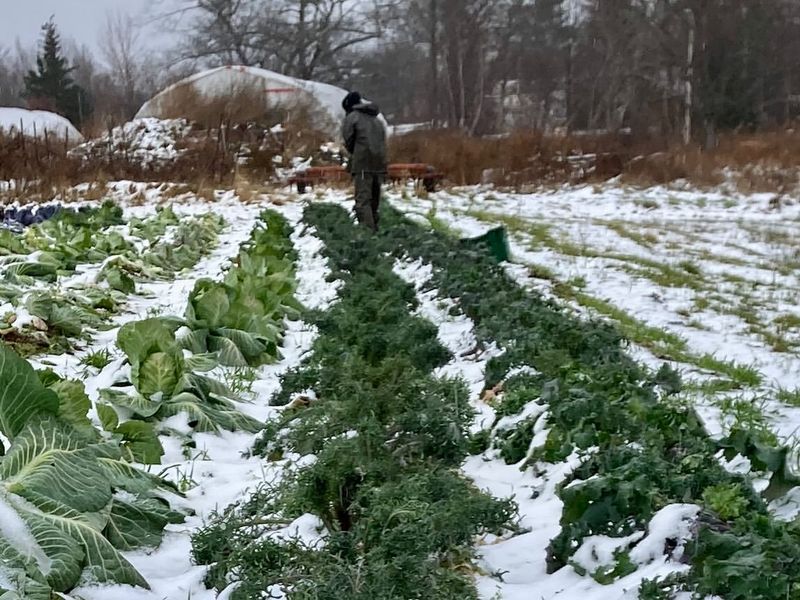
Most gardeners stop harvesting when the first snow falls, but kale does not have to end there. With a little protection, your fall kale plants can keep producing well into December and even January.
Cold frames are one of the easiest ways to extend your harvest season. A simple wooden frame topped with an old window or clear plastic sheeting traps enough heat to keep kale alive through hard freezes.
Kale handles temperatures down into the low 20s when properly hardened off, and even lower with cold frame or row cover protection. Plants that have been exposed to gradual cold develop a natural resilience that protects them through serious winter weather.
Row covers added in late October provide an extra layer of warmth without blocking needed light. Double-layering covers on nights below 20 degrees gives your plants even more protection without much extra effort.
Harvest outer leaves regularly throughout fall to encourage the plant to keep pushing new growth from the center. Consistent harvesting signals the plant to keep producing rather than going dormant.
Mulching the base of each plant heavily in November helps insulate the roots from freezing soil. A thick layer of straw or leaves acts like a blanket, keeping root temperatures stable even during harsh cold snaps.
Starting in August means your kale harvest can stretch across three full seasons, from summer sowing to winter picking.