Why Texas Gardeners Should Never Water Shallowly During A Hundred-Degree Heatwave
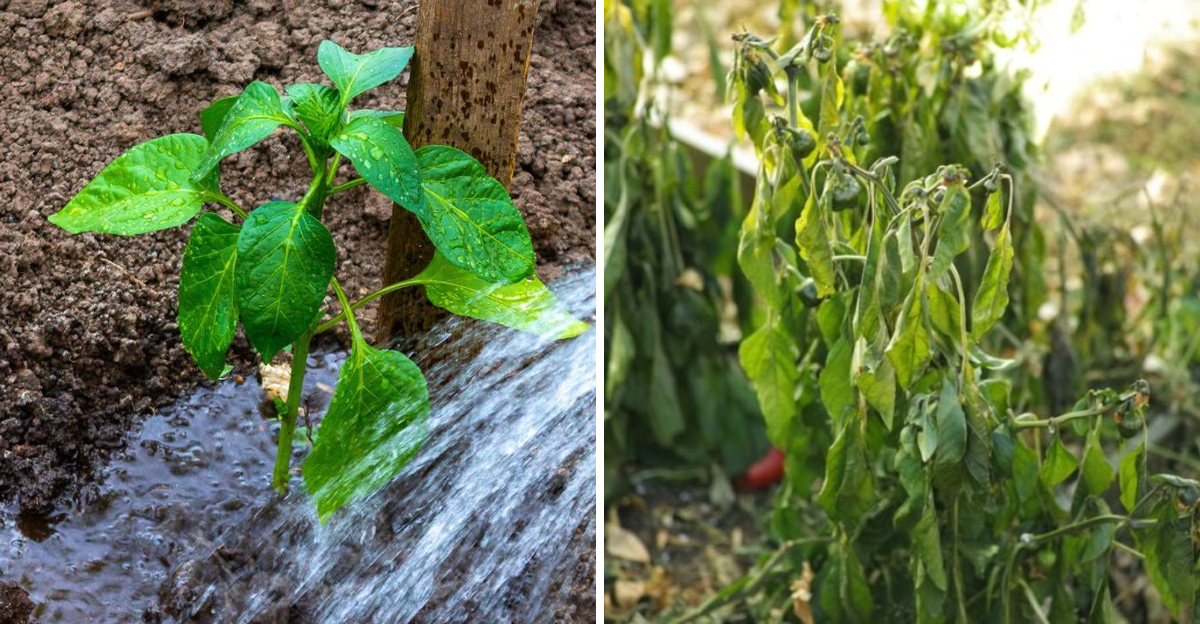
When temperatures hit one hundred degrees and your Texas garden is visibly struggling, the impulse to water immediately and often is completely natural. The plants look stressed, the soil looks dry, and doing something feels better than doing nothing.
But if that watering is shallow, frequent, and spread across the hottest parts of the day, you may be making the situation worse in ways that aren’t immediately obvious.
Shallow watering during a heatwave is one of the most common and most damaging mistakes Texas gardeners make.
It feels productive. Water is going on the plants, the soil looks dark and moist for a while, and the leaves may even perk up temporarily.
But what’s happening below the surface tells a different story. Shallow watering conditions roots to stay near the surface, exactly where soil temperatures spike fastest and moisture disappears in hours.
During a hundred degree heatwave, surface roots have almost no protection.
Understanding why deep, infrequent watering matters so much more during extreme heat changes the way you approach your whole garden through the hottest stretch of the Texas summer.
1. The Water Never Reaches Most Of The Active Root Zone
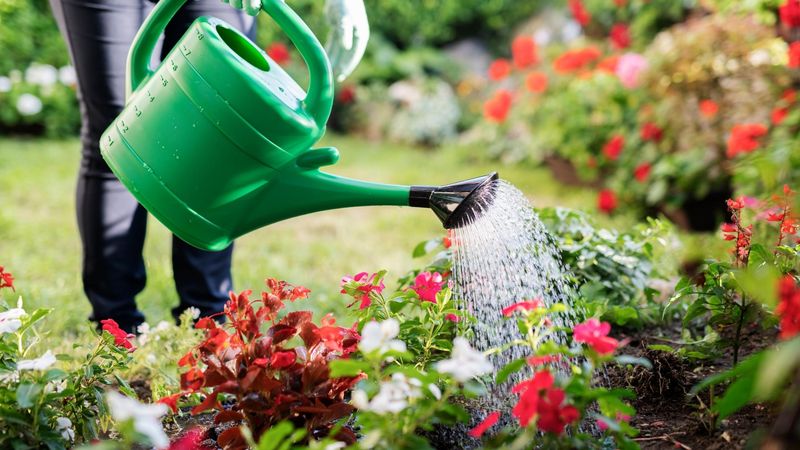
Most people picture plant roots sitting just beneath the soil surface, but that is not how it works.
The roots that actually pull in water and nutrients are often several inches underground. A quick sprinkle might darken the top inch of soil without doing much for the plant at all.
Texas A&M AgriLife Extension recommends wetting garden soil to a depth of about six inches during each watering session. That depth is where the active feeder roots live and where moisture does the most good.
Watering to that level gives roots real access to the hydration they need to keep the plant functioning in intense heat.
Think of it this way: pouring a small cup of water into a deep bucket barely covers the bottom. Your garden soil works the same way.
The surface gets wet while everything below stays bone dry, and the roots just keep reaching for moisture that never comes.
During a hundred-degree Texas heatwave, the stakes are even higher. Plants lose water fast through their leaves just to stay cool.
If the roots cannot replace that lost moisture quickly, the plant starts shutting down. Leaves curl, growth slows, and the whole plant begins to struggle.
A simple way to check your watering depth is to push a wooden dowel or a long screwdriver into the soil after watering. It should slide in easily through moist soil and stop when it hits dry ground.
If it stops at just an inch or two, your plants are not getting nearly enough water to survive a Texas summer heat event.
2. Repeated Light Watering Encourages Weak, Shallow Roots
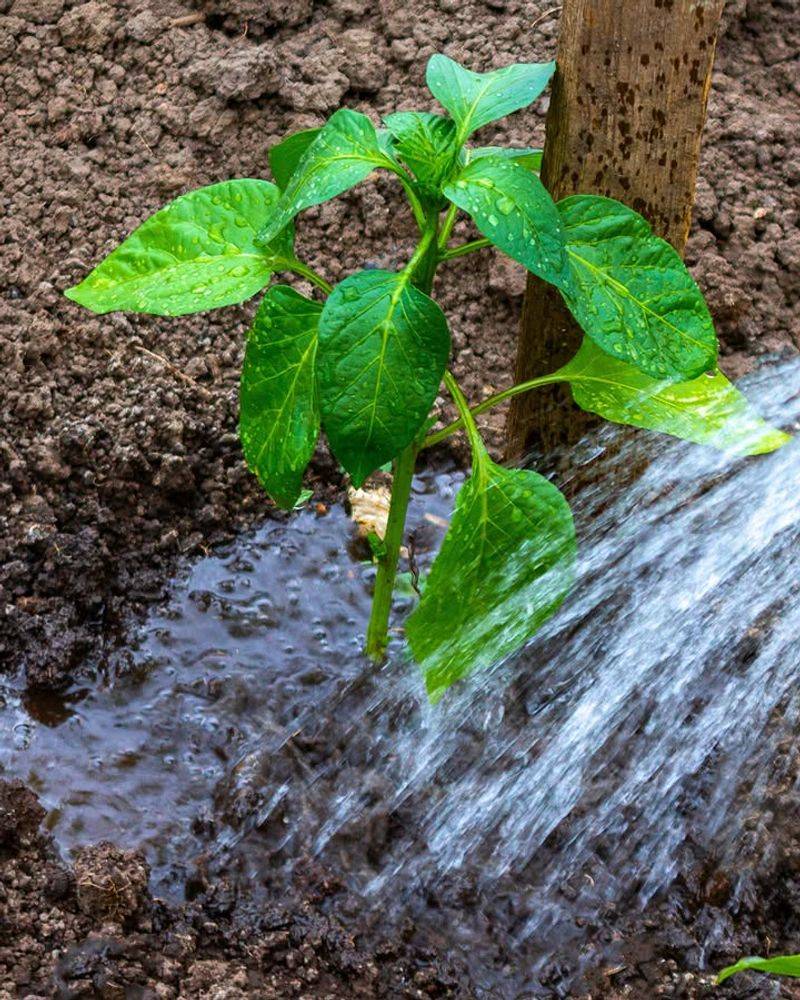
Roots follow water. That is one of the most reliable rules in gardening.
When moisture is always sitting near the surface, roots have no reason to grow downward. They stay up top, close to where the water is, and that creates a real problem when summer heat arrives.
Your Texas Garden Changes Every Week. Your Plan Should Too.
Gardening in Texas changes quickly throughout the season. Every Friday you’ll receive a simple weekly plan showing exactly what to plant, prune, fertilize, harvest, and protect so you never miss the right timing.
Shallow roots sit in the hottest, driest part of the soil. During a Texas heatwave, the top few inches of ground can heat up dramatically and dry out within hours of watering.
Roots living in that zone are constantly stressed, and the plant has almost no buffer against the heat.
Deep roots, on the other hand, tap into cooler and more consistently moist soil. Plants with strong, deep root systems can handle dry spells much better because they have access to moisture reserves that surface roots never reach.
Building those deep roots takes time and consistent deep watering habits. If you water lightly every day, you are training your plants to be dependent on that surface moisture.
The moment you miss a day or the heat spikes even higher, those shallow roots have nothing to pull from. The plant wilts fast and recovers slowly, if at all.
Switching to deep, less frequent watering sessions encourages roots to chase moisture downward. Watering deeply two or three times a week is usually far more effective than a daily light sprinkle.
Over time, your plants develop stronger, more resilient root systems that can handle the brutal Texas summer without falling apart at the first sign of drought stress.
3. Surface Moisture Disappears Rapidly In The Heat
Water on the soil surface does not stick around long when the temperature is above a hundred degrees.
Direct sunlight, scorching soil temperatures, and dry Texas wind team up to pull moisture out of the ground incredibly fast. What looked like a good watering session can vanish in less than an hour.
This is why timing and technique matter so much during a heatwave. Watering in the middle of the day means most of your water evaporates before roots ever get a chance to absorb it.
Texas A&M recommends watering early in the morning so moisture has time to soak into the soil before the heat peaks.
Evening watering can also work, but it comes with a catch. Wet foliage overnight can invite fungal problems, especially in humid parts of Texas.
Focusing water at the base of the plant rather than overhead keeps leaves dry and moves moisture directly toward the roots where it belongs.
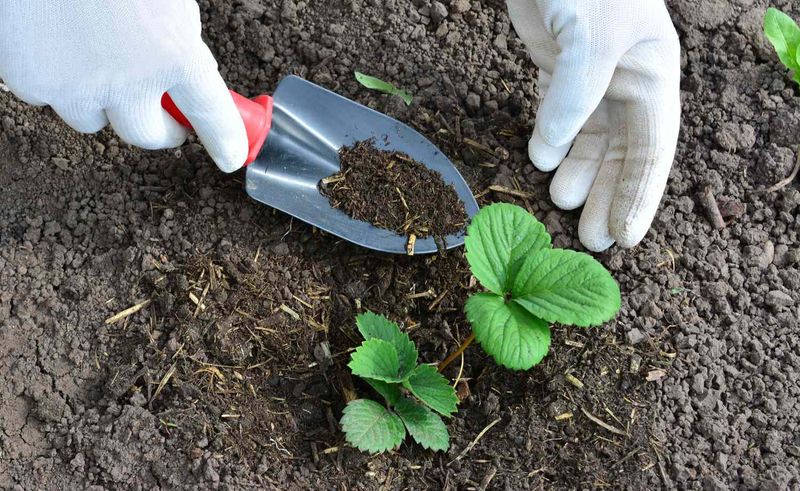
Mulch is one of the best tools a Texas gardener has during extreme heat. A two-to-four-inch layer of wood chips, straw, or shredded leaves acts like a blanket over the soil.
It slows evaporation dramatically, keeps the soil cooler, and helps moisture stay in the ground long enough for roots to actually use it.
Without mulch, bare soil heats up fast and loses water even faster. Pairing deep watering with a good layer of mulch is one of the most effective strategies for protecting your garden when the Texas summer feels relentless.
Small changes in how and when you water can make a big difference in how your plants hold up.
4. Plants Can Wilt Again Only Hours After Watering
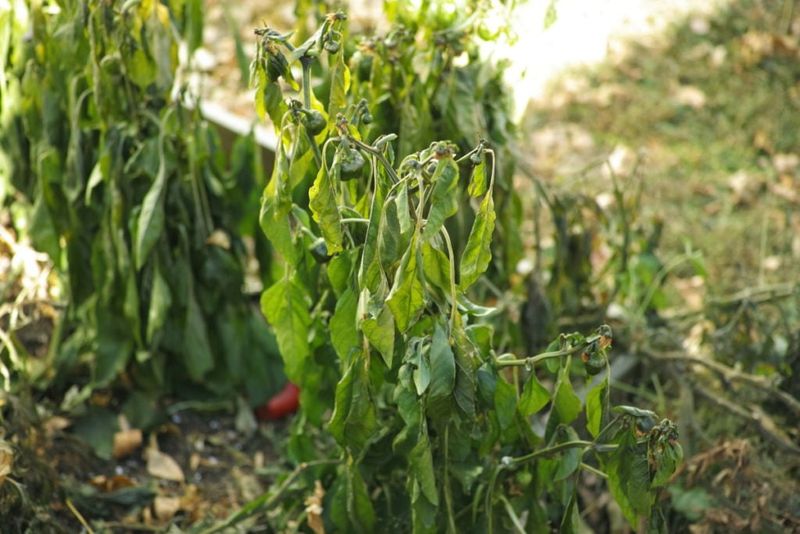
Ever watered your garden in the morning only to find drooping plants by early afternoon? That is not just frustrating.
It is a clear sign that the water you applied never made it deep enough to matter. Shallow watering gives plants a brief boost without solving the real problem underneath.
When only the surface gets wet, roots absorb that moisture quickly and the soil dries back out within hours. As the surface layer dries, the roots lose access to water again.
The plant goes right back into stress mode, reducing photosynthesis and slowing growth to try to conserve whatever moisture it has left.
Repeated cycles of brief relief followed by renewed stress wear plants down over a long, hot summer. Each stress episode takes a toll on the plant’s ability to produce fruit, maintain healthy leaves, and fight off pests and disease.
A tomato plant going through daily wilt-and-recover cycles is not going to give you much of a harvest.
Deep watering breaks that cycle. When moisture reaches six or more inches into the soil, it stays available to roots for a much longer stretch of time.
The plant stays hydrated through the hottest part of the day without needing you to run back out with the hose every few hours.
Checking the soil before watering is a smart habit. Stick your finger two inches into the soil near the base of the plant.
If it still feels cool and slightly moist, the plant likely has enough water for now. If it feels dry and warm, it is time for a thorough, deep watering session to recharge the root zone properly.
5. Constantly Damp Surface Soil Can Create New Problems
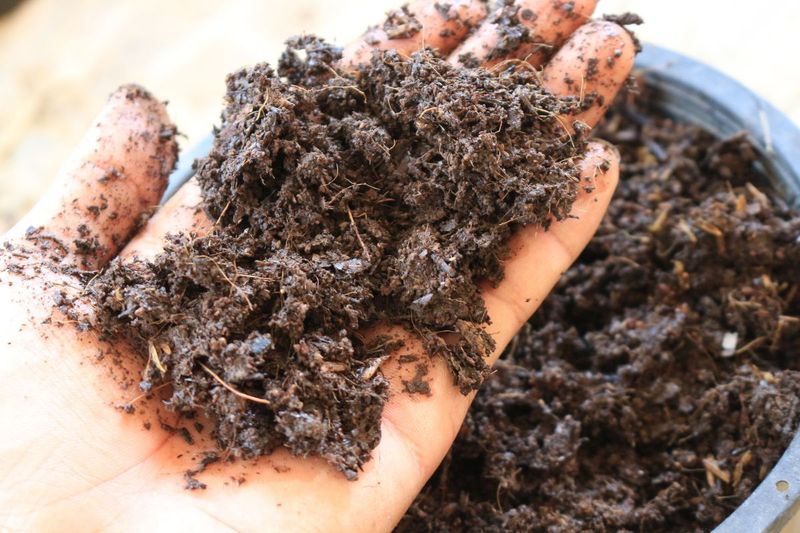
Frequent shallow watering does not just fail to help. It can actually create a whole new set of problems for your garden.
Keeping the soil surface consistently damp while the deeper root zone stays dry puts plants in a frustrating situation where moisture is present but mostly unreachable.
Wet soil surfaces and damp foliage are perfect conditions for fungal diseases. Powdery mildew, root rot, and leaf spot thrive in environments where moisture lingers on surfaces without draining properly.
Texas heat makes this worse because humidity near the soil can spike even when the air feels dry and blazing hot. Improper watering patterns are also linked to poor fruit quality and reduced garden yields.
Plants that are constantly stressed from inadequate deep moisture while dealing with surface wetness often produce smaller fruit, drop blossoms early, or develop problems like blossom end rot in tomatoes and peppers. It is a frustrating outcome after all that effort.
Drip irrigation is one of the best solutions for Texas gardeners dealing with extreme heat. Drip systems deliver water slowly and directly to the root zone without wetting the soil surface or plant foliage.
That slow delivery gives water time to soak downward rather than pooling or running off. Soaker hoses are another affordable option that works on the same principle. Laid along the base of your plants, they release water gradually into the soil where roots can use it most.
Both methods reduce the risk of disease, cut down on water waste, and give your plants the consistent deep moisture they need to stay healthy when Texas summer temperatures are at their worst.
6. Heat-Damaged Roots May Affect Plants Long After Summer Ends
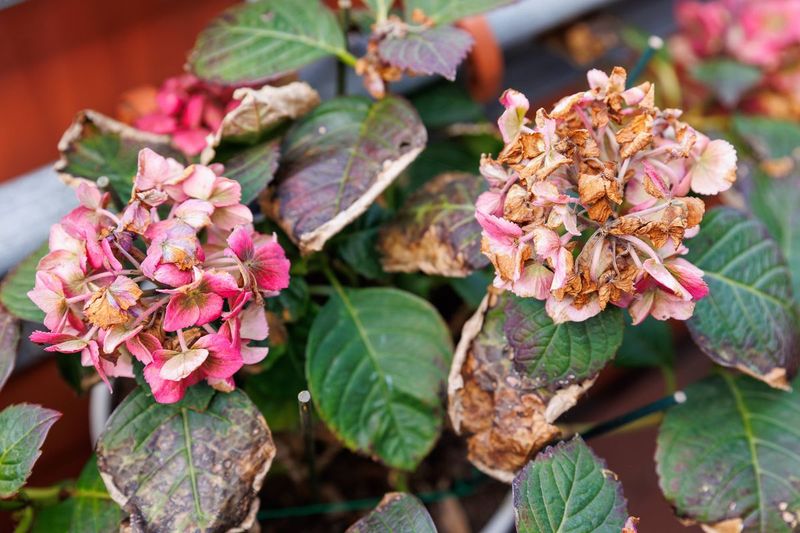
Most gardeners think about summer damage as something that ends when the heat breaks. But the effects of poor watering during a hundred-degree heatwave can linger well into fall and even the following spring.
Roots damaged by extreme drought stress take time to recover, and some never fully bounce back.
Fine feeder roots are the most vulnerable. These tiny hair-like roots are responsible for absorbing most of the water and nutrients a plant uses.
When the soil dries out severely and temperatures stay extreme for extended periods, those feeder roots can be lost. Without them, the plant struggles to take in what it needs even after conditions improve.
Trees are especially at risk for this kind of delayed damage. A large oak or pecan tree stressed during a Texas summer might not show obvious signs right away.
But weeks or months later, you might notice thinning leaves, early leaf drop, or branches that stop producing foliage. That delayed response is the tree dealing with root loss from earlier in the season.
Watering established trees deeply during a heatwave is just as important as watering vegetables and annuals.
Slow, deep watering around the drip line of the tree, which is the outer edge of the canopy, helps moisture reach the feeder roots that matter most. A single deep soak is far more valuable than multiple shallow passes.
Getting ahead of the problem before extreme heat arrives is always easier than trying to fix damage after the fact.
Setting up a consistent deep watering schedule at the start of summer gives your plants the best chance of staying healthy through the heat and recovering fully once cooler weather arrives.