The Meaning Behind Seeing Mockingbirds In Your Florida Yard
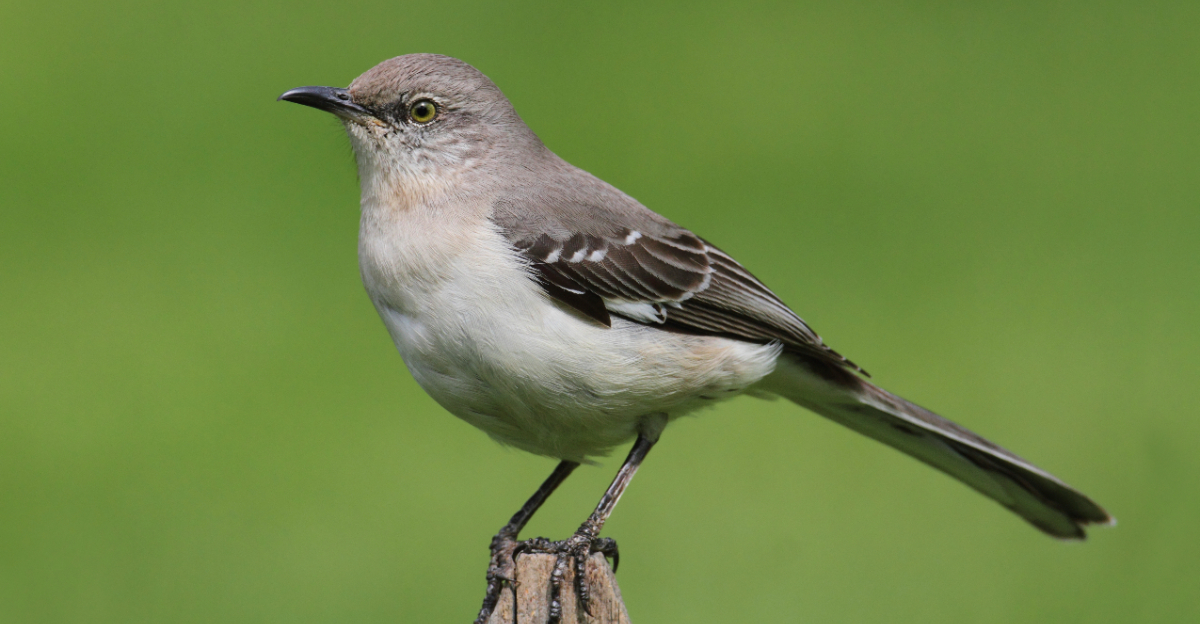
A mockingbird claiming a Florida yard is not a casual decision. That bird is territorial, specific, and vocal about what it has decided belongs to it.
Most homeowners hear one before they ever see it, and once it settles in, the whole yard feels different. Mockingbirds do not show up just anywhere.
A yard they choose as territory is offering something specific. Food sources, plant structure, the kind of layered habitat that a bird this particular does not settle for without good reason.
What a mockingbird’s presence says about a Florida yard is more interesting than most homeowners expect. These birds are readers of landscape.
A yard they claim consistently is a yard doing something right, often in ways the homeowner never deliberately planned for.
Understanding what drew one in, and what keeps it coming back, changes how the yard gets looked at from the ground up
1. A Loud Visitor Usually Means Territory Is Nearby
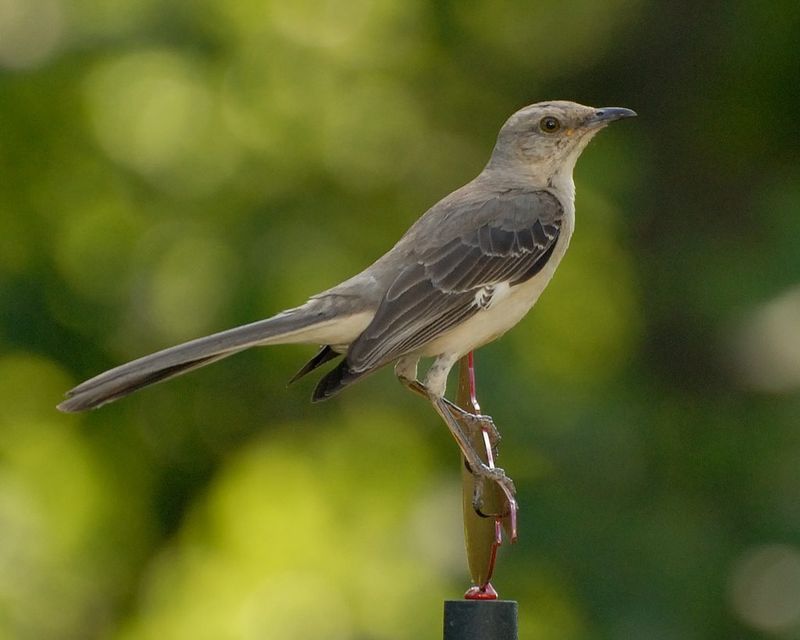
Fence posts, rooflines, and the tops of small trees are not random resting spots for a mockingbird. Each perch is a broadcast tower.
When a mockingbird claims a Florida yard, it is drawing an invisible border around the space it needs to survive. Singing from the highest point is how it announces that boundary to every other bird in the area.
Mockingbirds are highly territorial, especially during breeding season. A bird that keeps returning to your yard is not wandering.
It has mapped your property into its daily route, and your fence, your shrub, or your rooftop edge is part of that map. Seeing it repeatedly is a sign that your yard falls inside its defended zone.
That kind of confidence has a quiet human meaning worth noticing. Claiming space, showing up consistently, and refusing to be overlooked are traits people admire.
The mockingbird does not ask permission to use the fence post. It simply lands, opens its beak, and makes itself known.
Watching that kind of bold, grounded energy in your own backyard is a small reminder that knowing your place, and defending it, matters.
2. That Endless Song Is More Than Background Noise
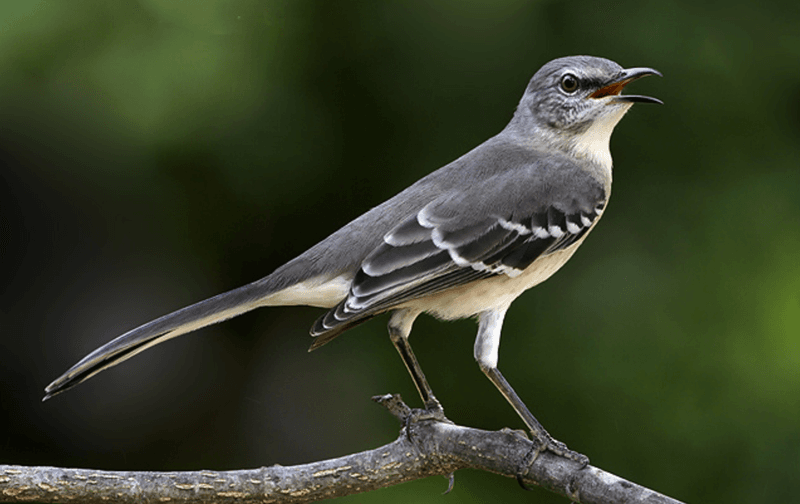
Few backyard sounds are as layered as a mockingbird in full voice. One moment it sounds like a robin.
The next phrase sounds like a blue jay, then a car alarm, then a frog. A single mockingbird can cycle through dozens of song types in a few minutes, repeating each phrase two or three times before switching to the next.
According to the Cornell Lab of Ornithology, male mockingbirds learn new songs throughout their lives, adding sounds from their environment as they go.
Singing serves two main purposes: attracting a mate and warning rivals away from the territory.
Males without mates tend to sing the longest and most varied sequences, often well into the evening.
The song can feel personal because it is hard to ignore. It fills the yard completely, and it changes just when you think you have figured it out.
Symbolically, that quality connects to the human idea of finding your voice and using it fully. The mockingbird does not repeat one note and hope for the best.
Your Florida Garden Changes Every Week. Your Plan Should Too.
Gardening in Florida changes quickly throughout the season. Every Friday you’ll receive a simple weekly plan showing exactly what to plant, prune, fertilize, harvest, and protect so you never miss the right timing.
It layers sound on sound, building something complex out of everything it has heard. That is a kind of creative persistence most people recognize and quietly admire.
3. Your Yard May Offer Berries Bugs And Open Perches
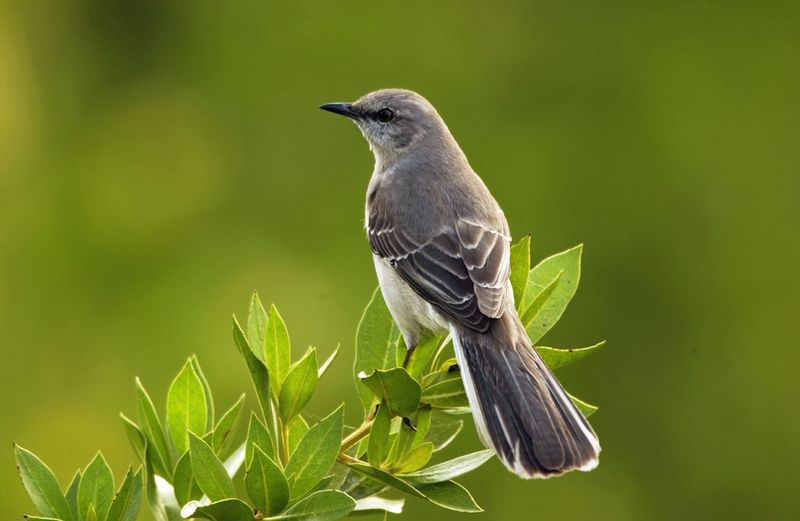
Mockingbirds are not picky eaters, and that flexibility is a big reason they thrive in neighborhoods across the state. Their diet shifts with the seasons.
In warmer months, insects make up a large portion of what they eat. Beetles, grasshoppers, and ants are common targets.
As fall and winter arrive, they switch heavily toward berries and small fruits.
Native fruiting plants such as beautyberry, wax myrtle, yaupon holly, and elderberry are known to attract mockingbirds when supported by local extension research. Open lawn areas give the bird a clear view of the ground while hunting insects.
Hedges, shrubs, and small trees provide shelter, nesting sites, and berry sources all in one spot.
A yard that combines open grass with dense shrubs and fruiting plants is essentially a mockingbird welcome sign. The bird is not visiting because of a pest problem.
It is visiting because your yard offers a reliable mix of food and structure. Open perches such as fence rails, utility lines, and rooftops give it a clear view of its territory.
If a mockingbird keeps returning, the yard is doing something right from a habitat standpoint, and that is genuinely worth knowing.
4. Bold Behavior Often Means A Nest Is Close
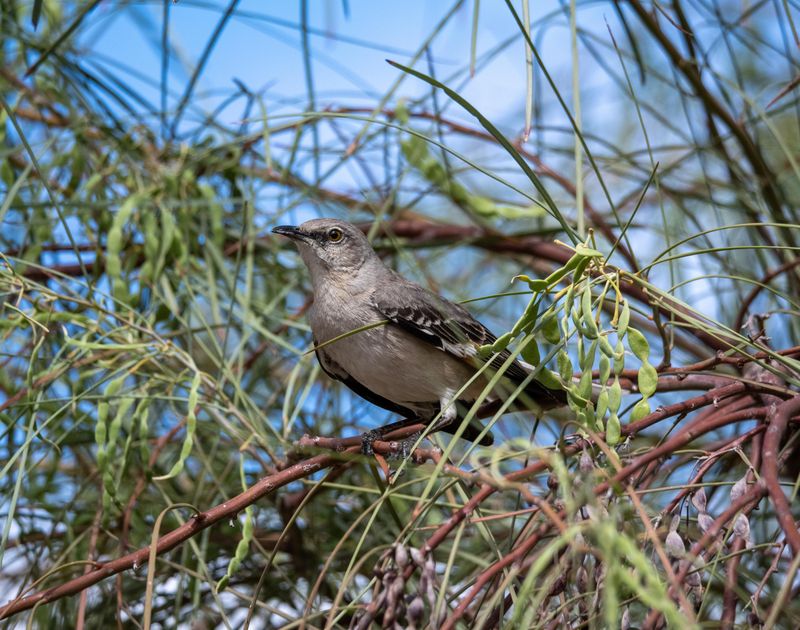
A mockingbird that swoops low over your head, scolds you from three feet away, or follows you across the yard is not being aggressive without reason. That behavior almost always means a nest is nearby.
Mockingbirds are devoted parents, and both males and females will defend a nest with surprising boldness against animals and people much larger than themselves.
Nests are usually built in dense shrubs or small trees, often between three and ten feet off the ground. If a bird keeps scolding from the same shrub every time you walk past, the safest response is to give that area a wide berth.
Native birds and their nests are protected under the Migratory Bird Treaty Act, which means it is illegal to disturb, move, or interfere with an active nest.
Symbolically, that fierce protectiveness speaks to something most people understand instinctively.
Guarding what matters, standing your ground even when outmatched, and refusing to back down from a threat are qualities humans have long connected to loyalty and courage.
The mockingbird does not weigh the odds before defending its young. It simply acts.
Giving the bird respectful space is both the legal and the right thing to do.
5. Wing Flashes Can Help You Spot The Real Bird
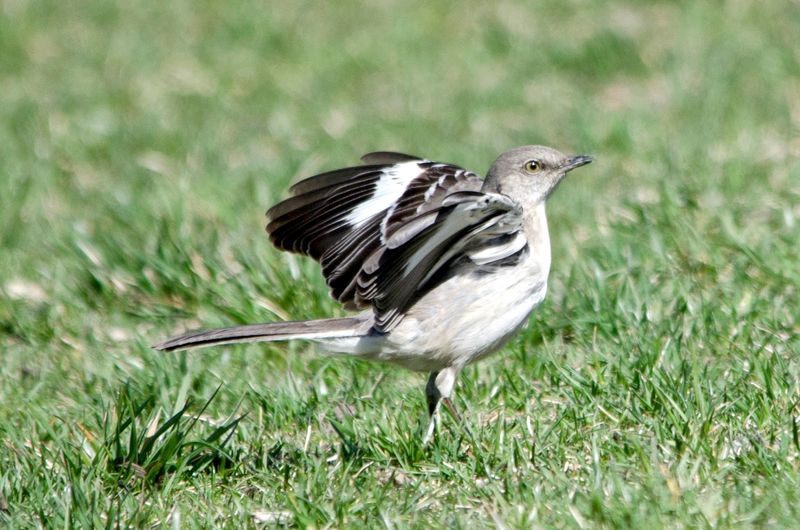
Gray birds are common in Florida yards, so knowing exactly what you are looking at matters. The northern mockingbird is medium-sized, slim, and mostly gray on top with a lighter gray or whitish belly.
Its tail is long relative to its body, and it often pumps or fans the tail while perched. The most recognizable feature is the bold white patches on its wings, which flash clearly when the bird flies or spreads its wings in a display.
Those wing flashes are not random. Researchers have observed that mockingbirds sometimes flash their wings deliberately, possibly to startle insects out of hiding on the ground.
The behavior is easy to spot from a distance and helps separate a mockingbird from similar gray birds such as shrikes or catbirds.
Learning to identify the bird properly adds a layer of real connection to the experience. Knowing you are watching a northern mockingbird, rather than just a gray bird on the fence, changes how you pay attention.
The white patches catch light in a way that feels almost theatrical, and once you know what to look for, you will spot them quickly. Identification turns a casual glance into genuine observation.
6. Night Singing Can Come From A Restless Male
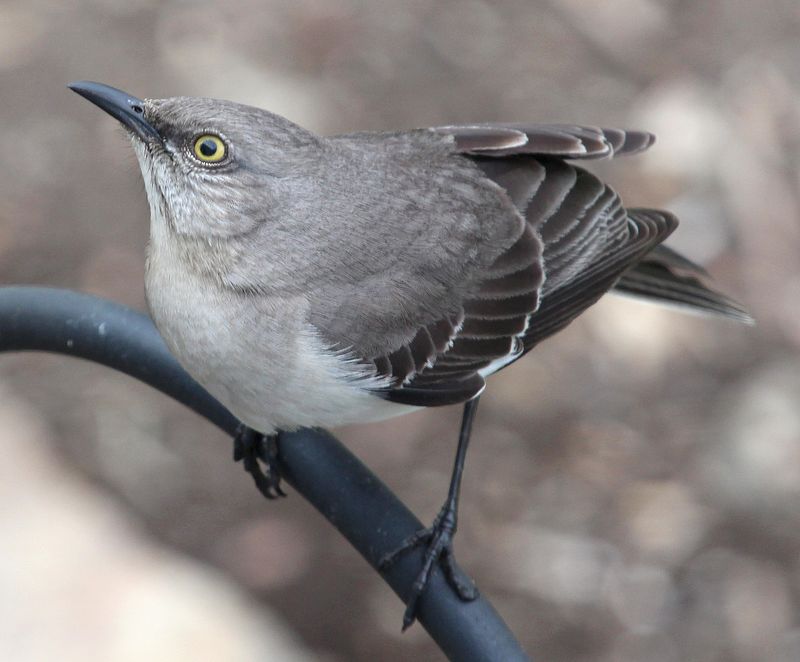
Hearing a bird sing at midnight through a bedroom window can be startling, especially when the song keeps changing. Mockingbirds are well known for singing at night, and the most common explanation is straightforward.
Unmated males sing longer and later than paired birds, using their song to attract a female. Bright urban and suburban lighting may also extend singing activity well past sunset.
Cornell Lab of Ornithology notes that night singing is especially common in spring and early summer when breeding activity peaks.
The behavior is normal, not a warning, not a supernatural signal, and not a sign that something is wrong in the Florida neighborhood.
The bird is simply doing what mockingbirds do, looking for a mate and marking its presence.
If the singing is disrupting sleep, a few practical steps can help. Closing windows, running a fan or white noise machine indoors, and using earplugs are all reasonable options.
Harassing, trapping, or attempting to chase the bird away is not a legal or effective solution. The singing usually settles once the bird finds a mate or the breeding season shifts.
Patience is the most realistic tool available, and the song itself is a reminder that the night outside is full of real, living activity.
7. State Bird Status Adds Local Meaning
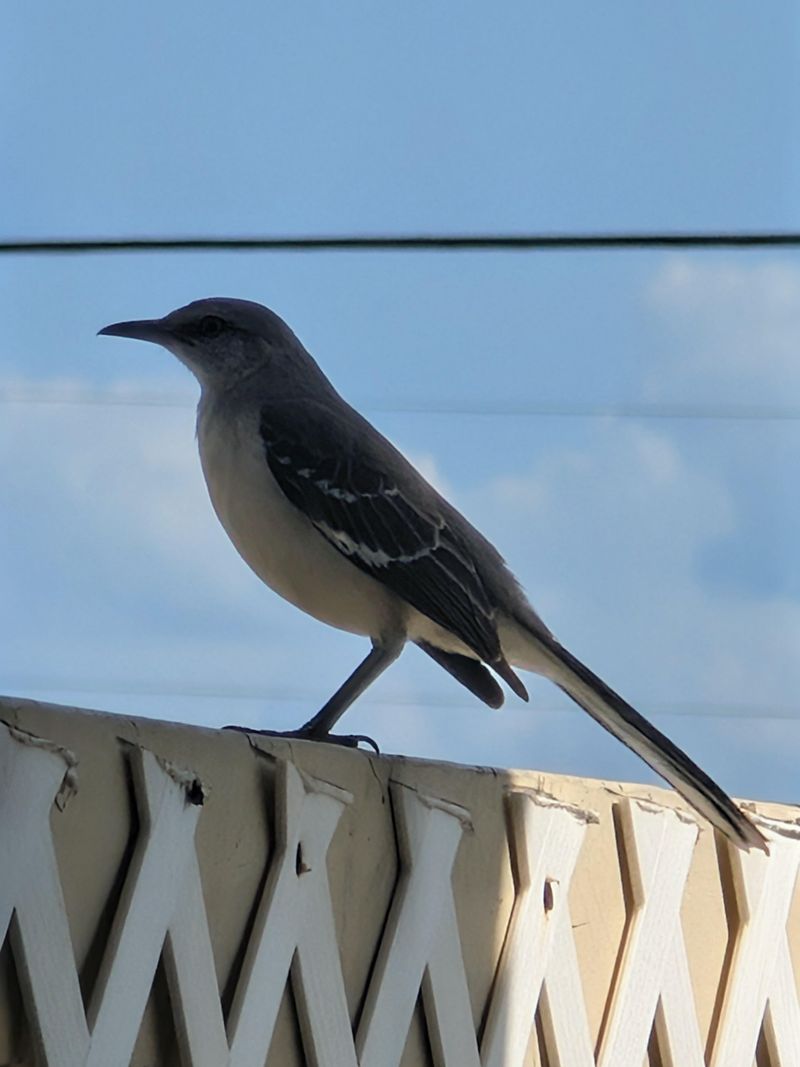
Florida named the northern mockingbird its official state bird in 1927, making it one of the earliest states to give the species that recognition. The choice was not accidental.
The mockingbird was already a familiar presence in yards, parks, roadsides, and coastal areas across the state. Its bold personality, year-round residency, and distinctive song made it a natural symbol of the local landscape.
Knowing that adds a layer of meaning when one shows up in the yard. This is not a rare visitor passing through on migration.
It is a permanent resident that has shared this landscape with people here for generations. Seeing it on a fence post or hearing it from the rooftop is a small connection to something larger than a single backyard.
That kind of everyday familiarity can be easy to overlook. Common things rarely feel special until someone points out that they carry history.
A mockingbird in a local yard is the state bird doing exactly what state birds do: living in the place it represents, unbothered by titles, just going about its life.
That grounded, unself-conscious presence is part of what makes it a fitting symbol for a state full of loud, sun-bright, unapologetic energy.
8. The Real Message Is A Yard Worth Defending
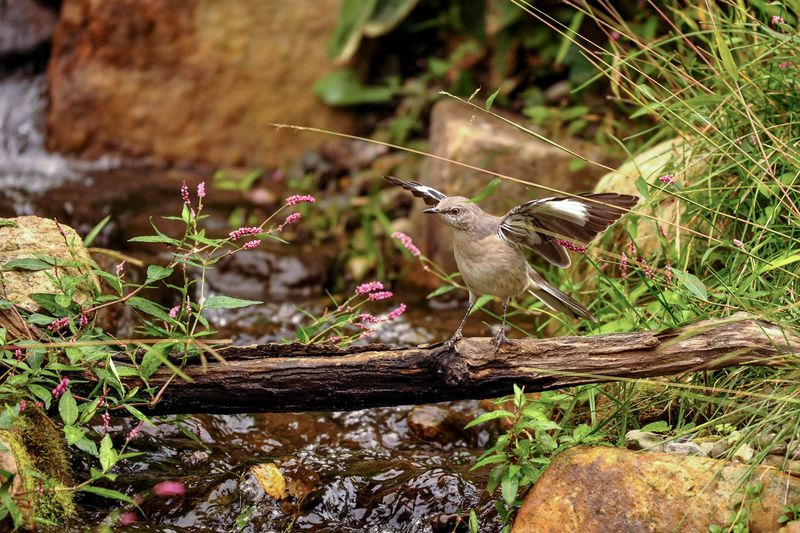
When a mockingbird claims a yard, the clearest signal is that the yard has something worth claiming. Territory, food, perches, nesting cover, and reliable shelter are the foundations.
A bird that returns day after day is voting with its feet. Your yard passed the test.
Supporting that habitat is straightforward. Native fruiting shrubs such as wax myrtle, beautyberry, and firebush provide food and structure.
Reducing unnecessary pesticide use keeps the insect supply available. A shallow birdbath with clean, fresh water adds another resource the bird will notice.
Keeping a respectful distance from nesting areas protects both the birds and the Florida homeowner from legal trouble under the Migratory Bird Treaty Act.
The symbolic meaning that many people feel when they see a mockingbird is real, even if the bird is not sending a deliberate message. Voice, confidence, fierce loyalty, and the willingness to defend what matters are qualities the bird displays plainly every day.
Watching it claim your fence, fill your morning with layered song, and stand its ground against anything that gets too close is a small, honest reminder. A yard alive with native plants, clean water, and open perches is a place worth showing up for every single day.