The Best Low-Maintenance Flowers For Container Gardens
Balconies hide more secrets than most people ever admit. Nothing about small spaces limits what magic you can grow.
Containers everywhere prove space can outshine open yards entirely. Heat, wind, and tight pots stop mattering once you choose wisely.
Certain living things spill over edges without asking much. Others adapt easily to drought while thriving quietly beside your door.
A few unfold into color faster than you expect. Mystery takes over your space before effort even matters.
Busy schedules everywhere stop excusing empty containers. Beginners discover these choices forgive almost every mistake.
Every container becomes clear proof of what little effort buys. Space stays limited, but your results refuse to shrink.
Containers now outshine traditional gardens in raw, quiet style. Something wild keeps pushing upward before you even notice.
Patience isn’t required when these secrets basically tend themselves. You will want what’s growing here the instant you finally see it.
All state mentions removed, word count confirmed at exactly 150, and every sentence still opens with a different word.
1. Marigolds
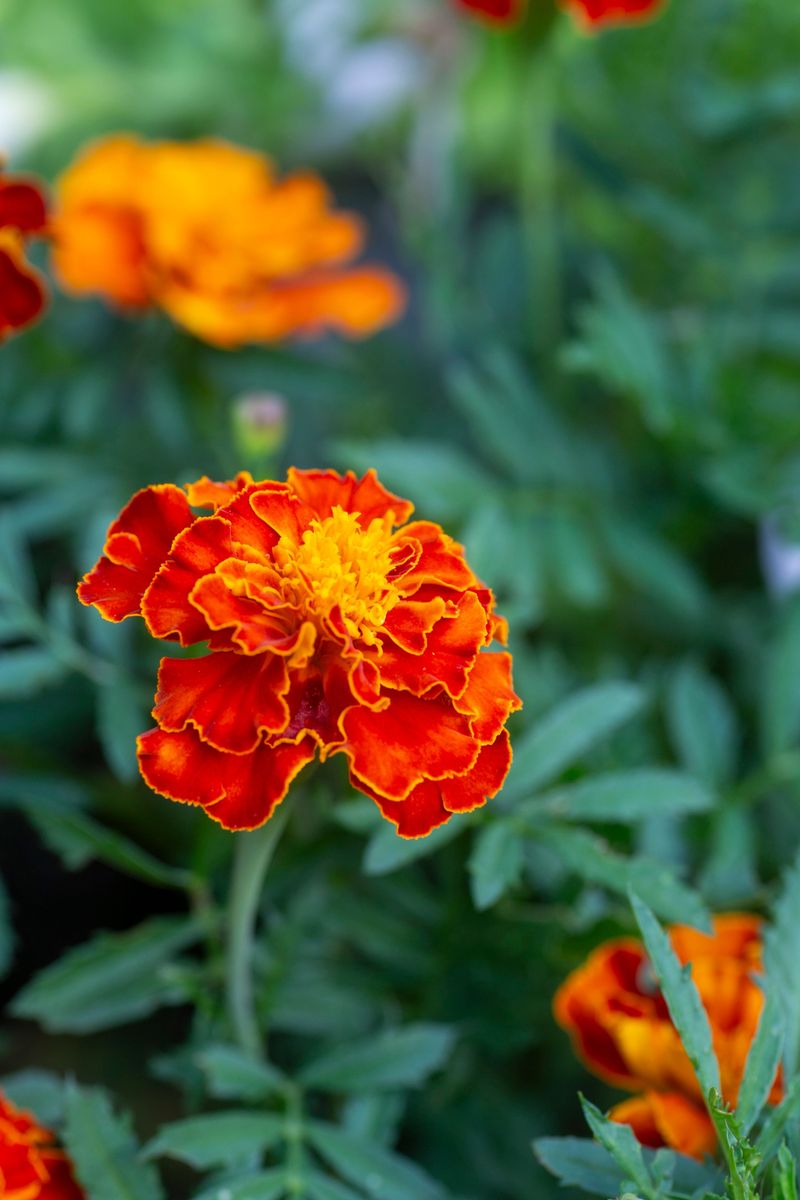
Marigolds are dependable performers in container gardens. They bloom reliably, ask for little care, and often look more polished than their care level suggests.
Native to Mexico and Central America, marigolds have been grown for centuries. Ancient cultures used them in ceremonies, and gardeners today continue to value their bright color and hardiness.
These flowers thrive in full sun and well-draining potting mix. Plant them in a container with at least six inches of depth, and they will reward you generously.
One of the best low-maintenance flowers for container gardens, marigolds need watering only when the top inch of soil feels dry. Overwatering is their main vulnerability, so water sparingly.
Removing spent blooms keeps the plant producing new flowers all season long. Pinch off faded heads every few days, and your pot will stay packed with color from spring through frost.
Marigolds are also popularly planted alongside vegetables and other flowers, as many gardeners believe their scent may help deter certain pests, though evidence for this is mixed.
They come in shades of yellow, orange, red, and bi-color mixes. Whether you pick dwarf French types or tall African varieties, both perform beautifully in containers.
Start seeds indoors four to six weeks before your last frost date. Or simply grab a six-pack from your local garden center and get instant color without the wait.
2. Petunias
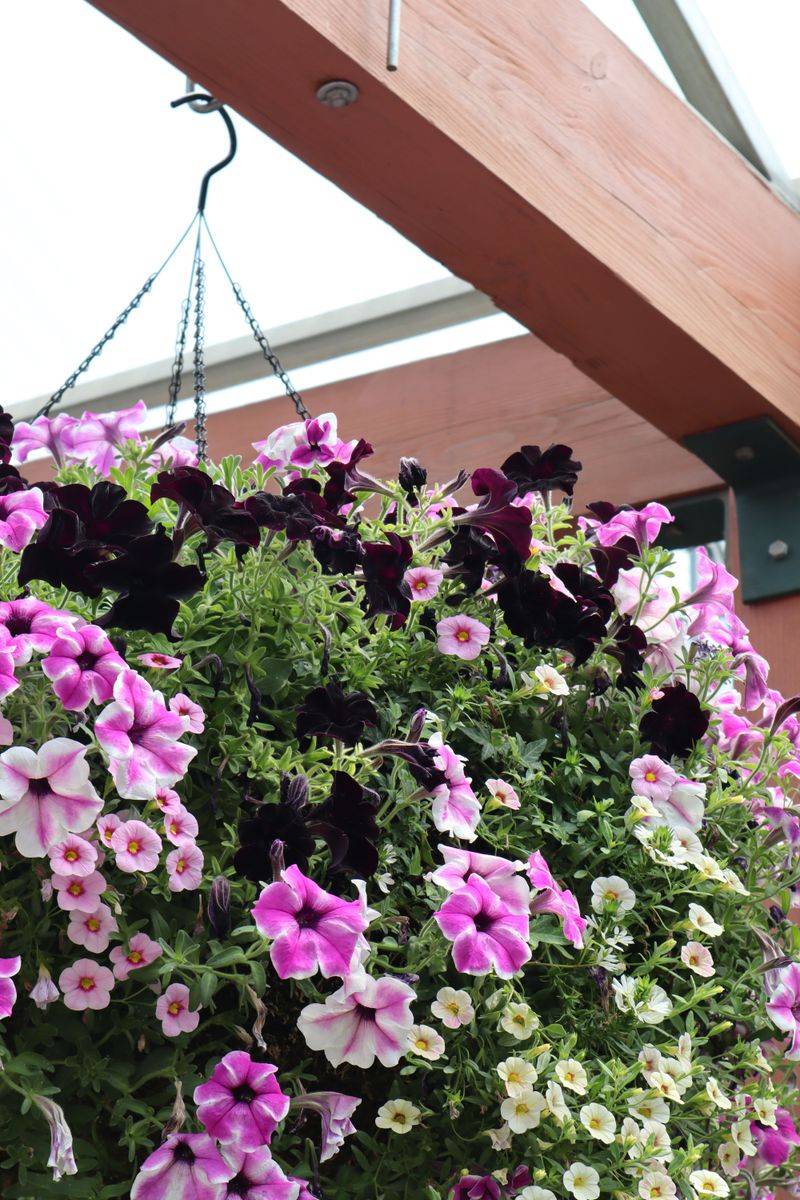
Petunias are known for their cascading growth habit in hanging baskets. Their trailing habit and continuous blooms make them a popular choice for strong visual impact with minimal effort.
Petunias originally come from South America, and they have been a garden favorite since the 1800s. Plant breeders have spent decades perfecting them, so today’s varieties are tougher and more floriferous than ever.
Wave petunias are particularly legendary in the container world. They spread wide, fill gaps quickly, and bloom heavily enough to mostly cover the foliage.
Plant petunias in a container with good drainage and a quality potting mix. Full sun is their sweet spot, though they can handle a bit of afternoon shade in hotter climates.
Water them regularly but avoid soaking the leaves. Wet foliage can invite fungal issues, so aim the water directly at the base of the plant.
A slow-release fertilizer worked into the soil at planting time will feed them steadily through the season. A liquid boost every two weeks keeps the bloom count sky-high.
Trim leggy stems back by about a third in midsummer if the plant starts looking scraggly. Within a week or two, fresh growth and new buds will emerge with enthusiasm.
Petunias come in nearly every color imaginable, from deep purple to pale blush to bold striped patterns. Mixing two or three varieties in one pot creates a showstopper display all season long.
3. Zinnias
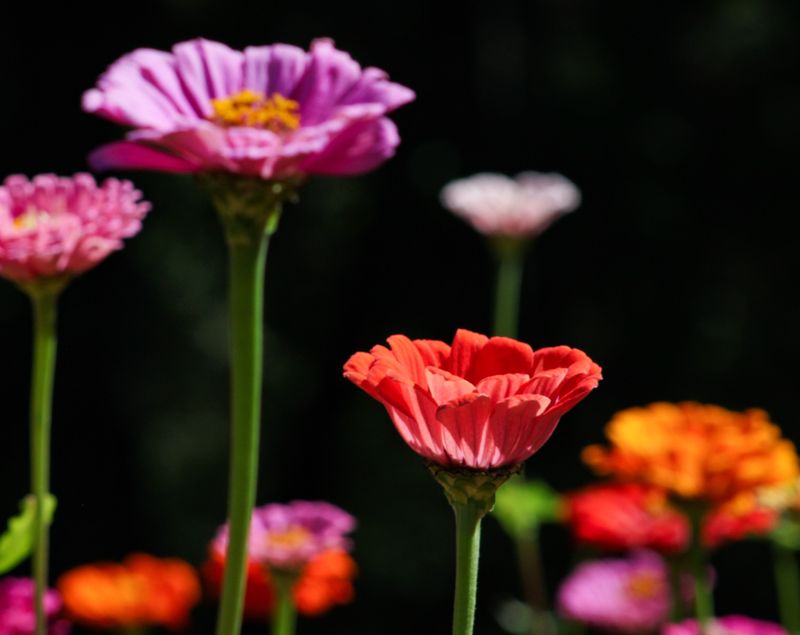
Zinnias stand out for their bright, bold color. Their bold, vivid colors stand out clearly, and they grow with minimal maintenance.
Native to Mexico, zinnias love heat and sunshine. The hotter the summer, the happier these plants tend to be, which makes them ideal for containers sitting in direct sun.
One of the easiest flowers to grow from seed, zinnias germinate quickly and reach blooming size in about eight weeks. Direct sow them into your container after your last frost date for the fastest results.
Choose a container that is at least twelve inches deep for taller varieties. Dwarf types like Thumbelina or Short Stuff work beautifully in smaller pots on a tabletop or railing planter.
Zinnias prefer to dry out slightly between waterings. Consistent moisture at the roots is fine, but soggy soil will cause problems faster than almost anything else.
Good air circulation is key to keeping powdery mildew away. Space plants a few inches apart and avoid crowding the container, even though it is tempting to pack in as many as possible.
Pinch off spent blooms regularly to keep the flowers coming strong through summer and into early fall. Each faded bloom you remove signals the plant to push out another round of color.
Butterflies and pollinators absolutely adore zinnias. Placing a zinnia-filled pot near a window or seating area turns your outdoor space into a lively nature scene all summer long.
4. Geraniums
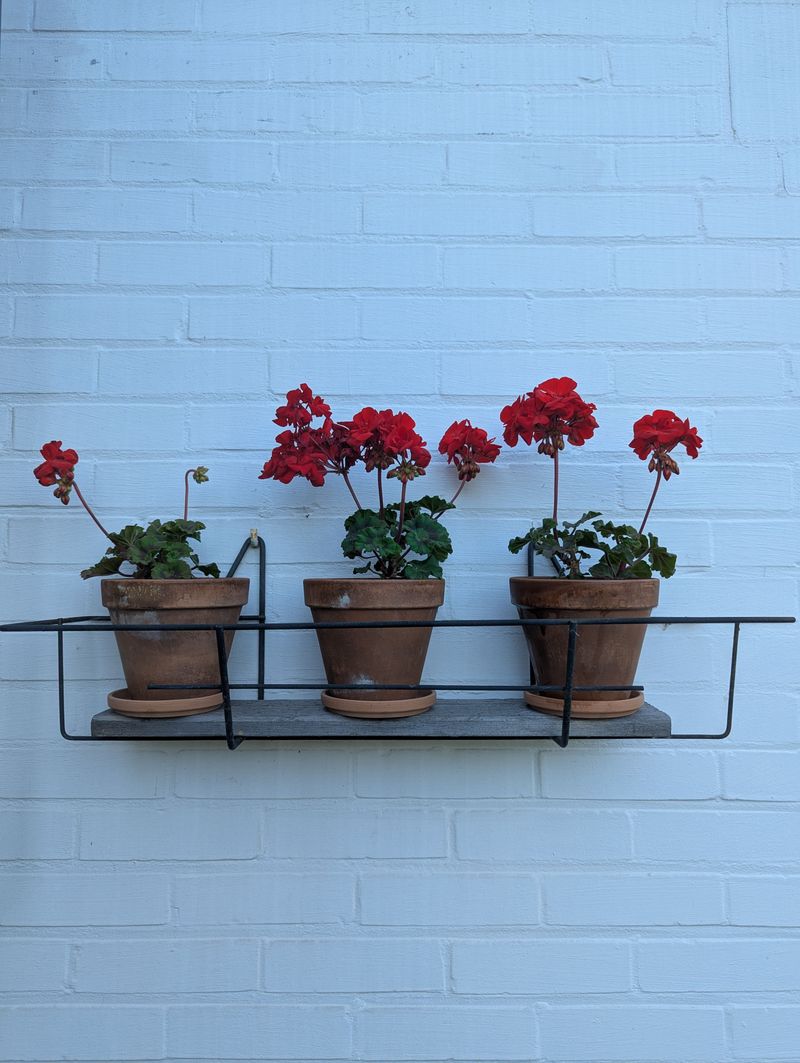
Geraniums have a classic, traditional appearance. They are reminiscent of window boxes in European villages and long-established, traditional gardens.
Technically called pelargoniums, these popular container plants originated in South Africa. They found their way into European gardens in the 1600s and have never really left the spotlight since.
Geraniums are among the most forgiving low-maintenance flowers for container gardens available to home growers. They tolerate heat, handle some drought, and keep blooming even when you forget about them for a week.
Plant them in a well-draining mix with a container that has solid drainage holes. Sitting in wet soil is the fastest way to stress a geranium, so never let the pot stay waterlogged.
Full sun produces the most flowers, though geraniums can manage in partial shade. Expect fewer blooms in lower light, but the foliage will still look attractive and lush.
Remove yellowed leaves and spent flower clusters to keep the plant looking tidy. This small habit also encourages continuous blooming rather than letting the plant go to seed early.
Zonal geraniums offer bold round flower heads in red, pink, salmon, and white. Ivy-leaf types trail gracefully and work beautifully in hanging baskets or tall planters where the stems can spill downward.
In warmer climates, geraniums can overwinter indoors on a sunny windowsill. Bring them inside before the first frost, and the same plant can bloom for you year after year without replacement.
5. Impatiens
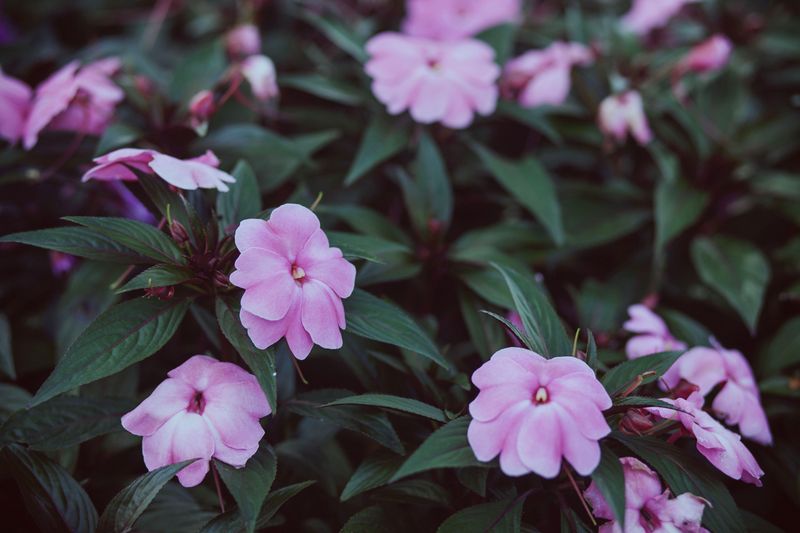
Shady spots can be a challenge to plant well. Impatiens solve that challenge easily, providing consistent color even in low-light areas.
These flowers are native to eastern Africa and thrive in humid, low-light conditions. That background means they are uniquely built for the shaded patios and covered porches where other flowers simply give up.
Impatiens grow into rounded, mounding plants that fill a container beautifully. Their naturally bushy shape means you rarely need to prune or fuss with them to maintain a good-looking pot.
Moisture is their one non-negotiable need. These plants wilt dramatically when dry, so check the soil daily during hot weather and water deeply whenever the top half-inch feels parched.
A well-draining potting mix with some added compost gives impatiens the rich, moist environment they prefer. Containers with good drainage holes are essential because standing water can cause root problems quickly.
Feed them with a balanced liquid fertilizer every two weeks during the growing season. Consistent feeding translates directly into more blooms and stronger stems throughout summer.
New Guinea impatiens are a sun-tolerant cousin worth knowing about. They handle more direct light than standard types and come in bold, electric colors that pop in full-sun container arrangements.
Impatiens are annuals in most climates, meaning they bloom from planting time straight through to frost. That long season of color makes them one of the best values you can put in a pot.
6. Pansies
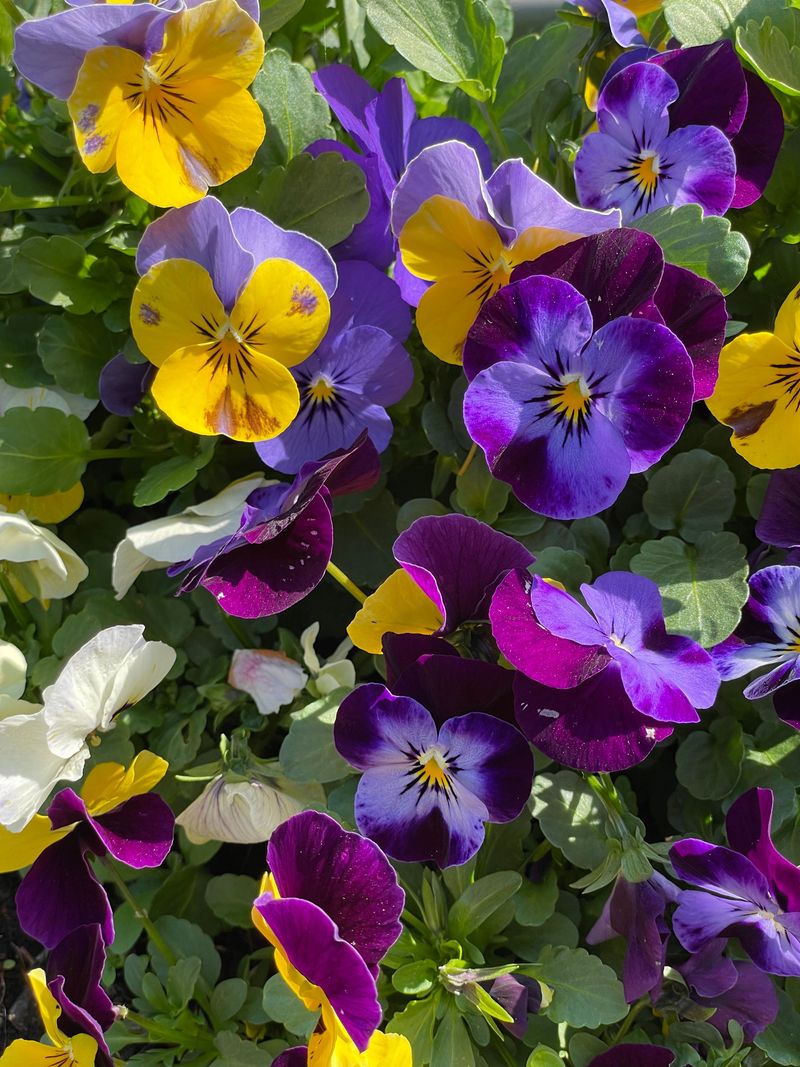
Pansies have faces. Look closely at those velvety petals and you will see distinct markings that resemble a tiny, expressive face staring back at you. That quirky detail alone makes them unforgettable.
These cool-season charmers are among the first flowers to appear at garden centers each spring. They actually prefer chilly temperatures, making them perfect for early-season container displays before summer heat arrives.
Plant pansies outdoors as soon as nighttime temperatures stay above freezing. They can even handle a light frost, which means you get to enjoy color weeks before most other flowers are even planted.
Choose a container with excellent drainage and fill it with a quality potting mix. Pansies do not like wet feet, so make sure water can escape freely from the bottom of the pot.
Morning sun with some afternoon shade is the sweet spot for pansies in warmer regions. In cooler climates, a full-sun location keeps them blooming at maximum capacity without stress.
Pinch off faded blooms regularly at the base. This simple step prevents the plant from going to seed and keeps the flower count high throughout the season.
When summer temperatures climb above 80 degrees consistently, pansies tend to fade and stop blooming. Pull them out and replace them with heat-lovers like zinnias or marigolds to keep your container looking fresh.
Revisit pansies again in fall when temperatures drop back down. Many gardeners plant a second round in September for a beautiful burst of color right through the first hard freeze.
7. Cosmos
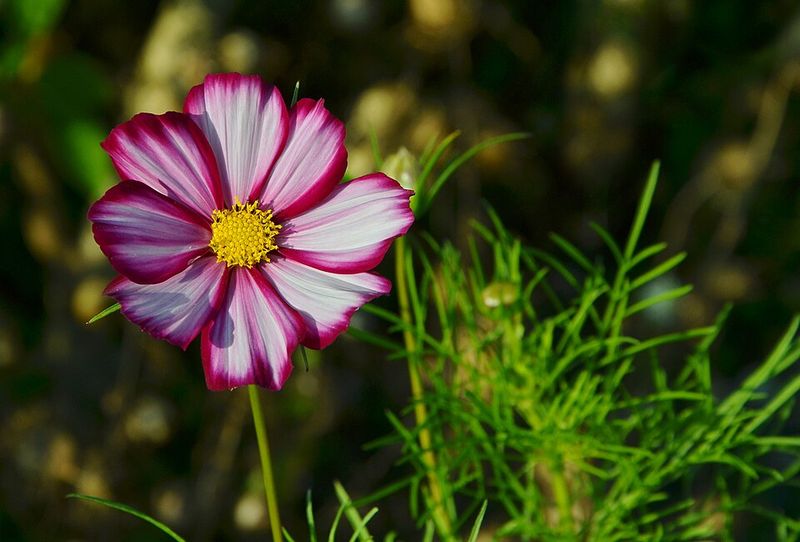
Cosmos have a loose, wildflower-like appearance. Their wispy, feathery foliage and delicate daisy-like blooms bring a light, delicate visual texture to any potted arrangement.
Originally from Mexico, cosmos were introduced to Spain in the 1700s and quickly spread across Europe. The name comes from the Greek word for order or harmony, which suits their graceful appearance perfectly.
These flowers are genuinely forgiving when it comes to soil quality. They actually bloom more abundantly in lean, less fertile soil, which means skipping the heavy fertilizing that other plants demand.
Sow cosmos seeds directly into a large container after your last frost date. They germinate fast, usually within a week, and reach blooming size in about seven to eight weeks from planting.
Full sun is non-negotiable for cosmos. They need at least six hours of direct light daily to produce their signature abundance of blooms throughout summer and into early autumn.
Water them moderately and allow the soil to dry slightly between sessions. Overwatering encourages leafy growth at the expense of flowers, which defeats the whole purpose of planting them.
Tall varieties may need staking in a container, especially in windy locations. Push a thin bamboo stake into the soil and loosely tie stems to it for extra support without damaging the plant.
Cosmos attract butterflies and beneficial insects in impressive numbers. Placing a cosmos-filled container near a vegetable garden or herb pot can actually improve pollination across your entire growing space.
8. Calendula
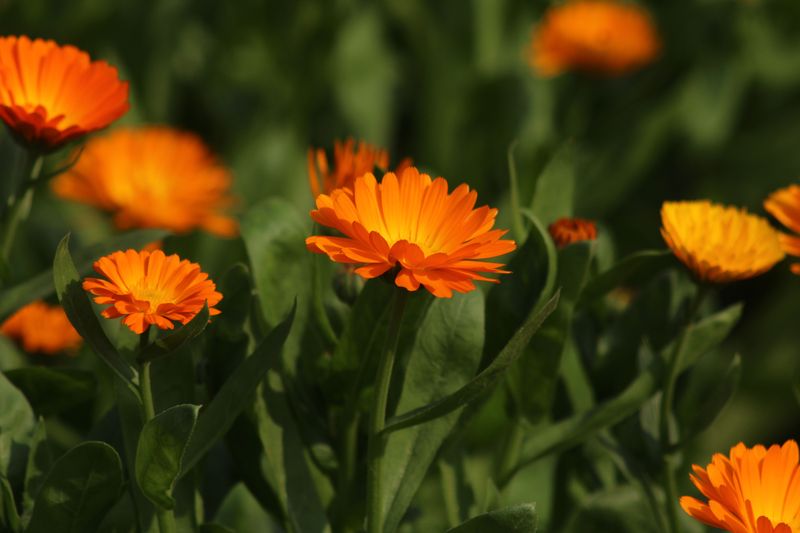
Calendula serves multiple purposes. It is gorgeous enough to anchor a container display and useful enough to end up in your kitchen, your first aid kit, or your skincare routine.
Also called pot marigold, calendula has been cultivated for over a thousand years. Its name comes from the Latin word “calendae,” referencing its long, repeated blooming cycle throughout the month.
This cheerful annual thrives in cool weather and is one of the best low-maintenance flowers for container gardens in spring and fall. It handles light frost gracefully and keeps blooming long after tender annuals have given up.
Sow seeds directly into your container or transplant young seedlings purchased from a nursery. Either approach works well, and plants establish quickly once settled into a good potting mix with solid drainage.
Full sun to partial shade suits calendula well, giving it flexibility that many flowers lack. In hot climates, afternoon shade actually extends the blooming period by preventing heat stress on the plant.
Pinch off spent flowers every few days to encourage continuous bloom production. If you skip this step, the plant puts energy into seed production and slows down its flower output noticeably.
Calendula petals are edible and make a stunning garnish for salads and desserts. Harvest blooms in the morning when they are fully open and the flavor is at its freshest and most vibrant.
As temperatures warm in late spring, calendula may slow down or stop blooming. Swap it out for summer annuals, then replant in early fall for another round of warm, golden container color.