These Common Summer Yard Habits Can Attract Rats To California Homes
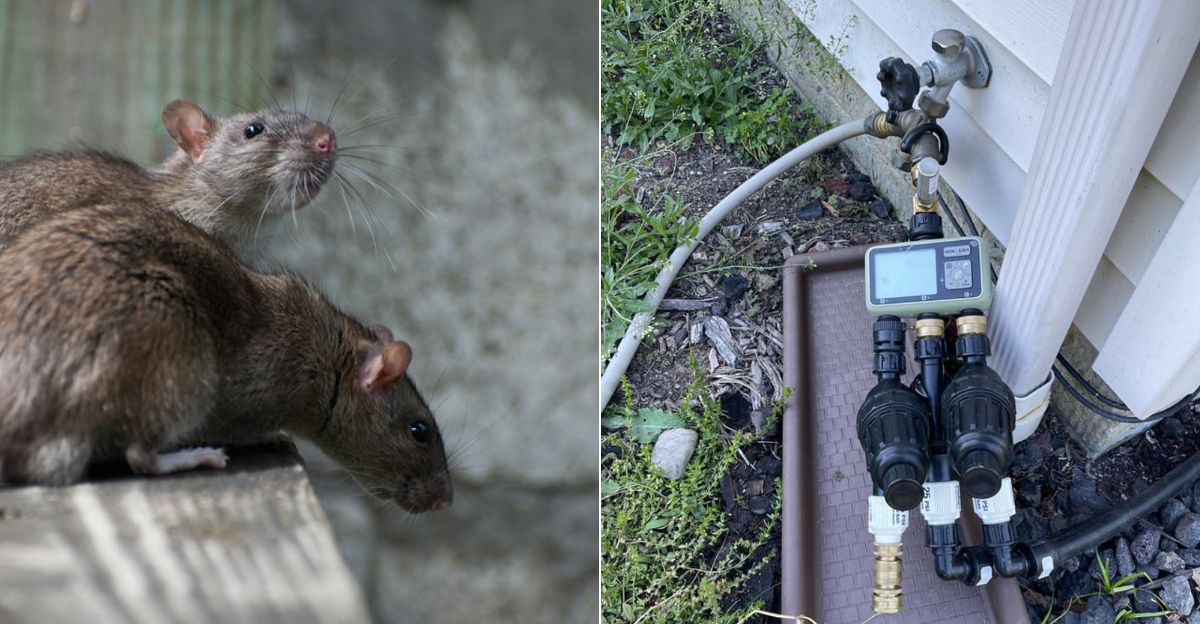
A California yard can look clean, calm, and completely harmless while quietly offering rats exactly what they want. The clues may sit in plain sight, tucked into routines that feel normal during hot summer weather.
That is what makes the problem so easy to miss. A small choice near the patio or garden can create a reliable source of food, water, or shelter without any obvious sign at first.
Meanwhile, rats take notes. Very rude notes. Warm nights also give them more chances to explore close to the house.
Once they find a comfortable route, they may return often and move closer to doors, vents, or garage walls.
The good news is that many of these habits are easy to change once they stand out. A few smart adjustments can make the yard far less appealing and help stop a minor nuisance before it turns into a much bigger household problem.
1. Leaving Grill Grease To Bake Overnight
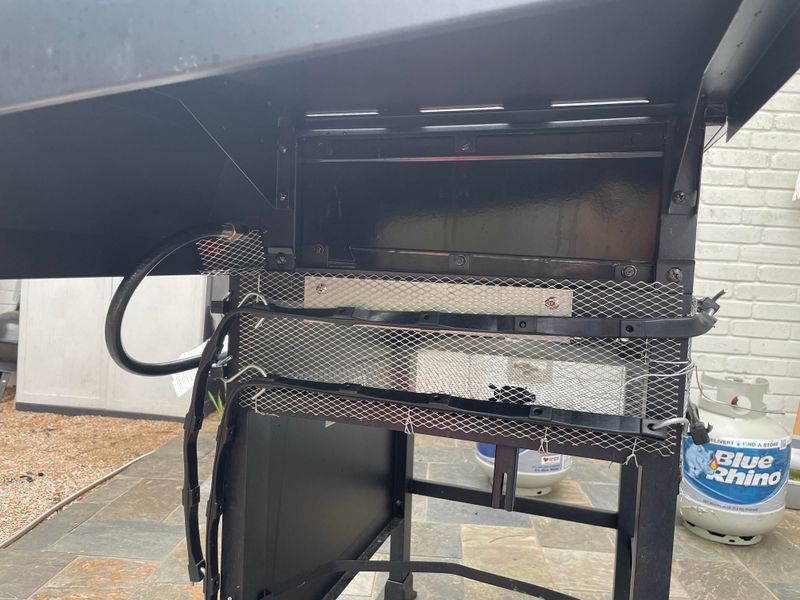
That leftover grease sitting in your grill after a California summer cookout smells amazing to a rat. Rats have an incredibly sharp sense of smell, and the scent of cooked meat and fat can travel a long distance.
Leaving a greasy grill outside overnight is basically ringing a dinner bell for every rodent in the neighborhood.
Grease drip trays are especially problematic. They collect rendered fat, meat drippings, and charred food bits that rats find irresistible.
Even if the grill lid is closed, rats can still smell what is inside. Some rodents are bold enough to climb up and investigate the grill directly.
After every cookout, take a few minutes to wipe down the grates with a grill brush. Remove and empty the drip tray, and wash it with dish soap.
If you cannot do a full cleaning right away, at least cover the grill tightly and bring the drip tray inside. Store your grill in a shed or garage when it is not in use.
A clean grill is not just better for cooking. It is also one of the easiest ways to stop attracting rodents to your outdoor space during the busy summer season.
2. Forgetting Crumbs Around Outdoor Dining Areas
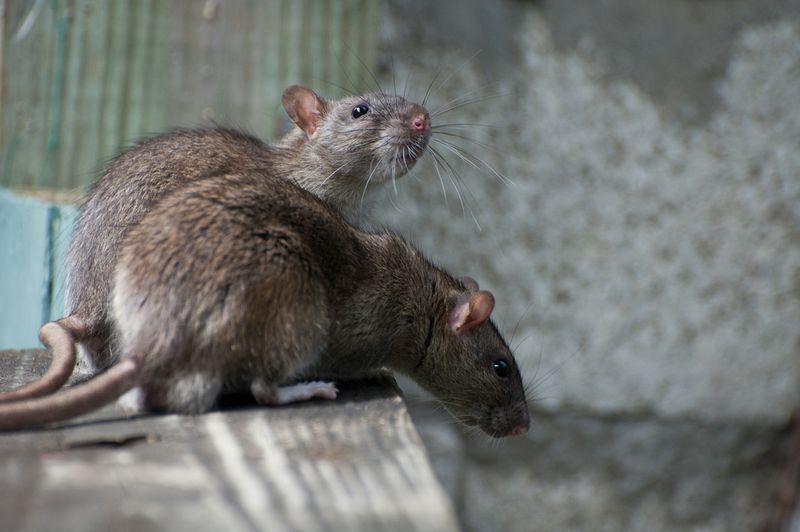
Outdoor meals are one of the best parts of summer. But when the plates are cleared and everyone heads inside, crumbs and food scraps often get left behind.
Those tiny bits of food are more than enough to attract rats looking for an easy meal after dark.
Rats are opportunistic feeders. They do not need a large amount of food to be interested.
Even a handful of chip crumbs, a few drops of salad dressing on a table, or a spilled drink on the patio can draw them in. Once they find a reliable food source, they will return night after night and may even start nesting nearby.
Make it a habit to sweep or hose down your patio after every outdoor meal. Wipe down tables and chairs, and shake out any tablecloths or seat cushions.
Your California Garden Changes Every Week. Your Plan Should Too.
Gardening in California changes quickly throughout the season. Every Friday you’ll receive a simple weekly plan showing exactly what to plant, prune, fertilize, harvest, and protect so you never miss the right timing.
Collect all trash and put it in a sealed bin right away. If you have kids who snack outside throughout the day, do a quick check of the yard in the evening.
Keeping outdoor dining areas clean does not take much time, but it sends a clear message to rats that your yard is not worth visiting. Consistency is what really makes the difference here.
3. Rinsing Coolers And Letting Sticky Water Sit
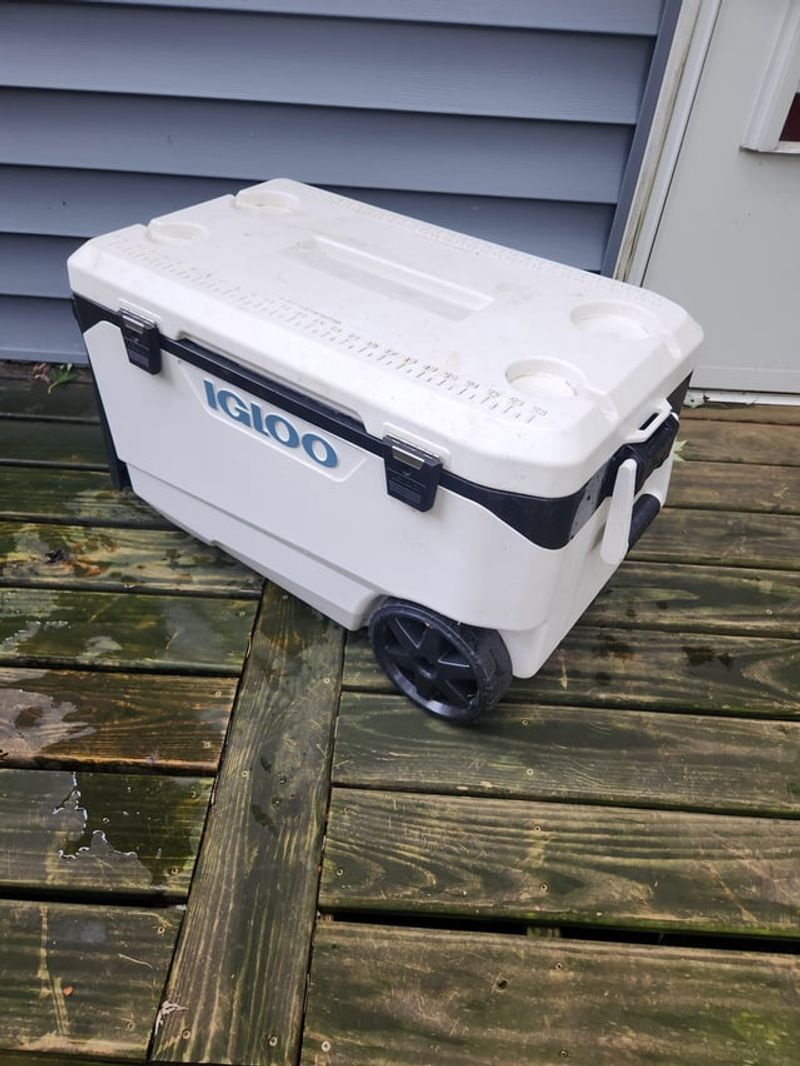
After a long day at the pool or a backyard party, it is tempting to just rinse out the cooler with a quick splash of water and leave it outside.
But that leftover liquid, mixed with juice, soda, or melted ice, creates a sugary, smelly puddle that rats find very appealing.
Standing water is already a problem in warm weather because it attracts all kinds of pests. When that water is sticky or sweet, it becomes even more of a draw.
Rats need water to survive, and they are always searching for reliable sources. A cooler left open with even a small amount of liquid inside can serve as a watering hole for rodents overnight.
The fix is simple but requires follow-through. After rinsing your cooler, prop it open and let it dry completely in the sun.
Once it is dry, store it upside down or in a closed shed or garage. Do not leave it sitting open on the patio for days at a time.
Also check for other containers in your yard that might be collecting water, like buckets, planters, or kids’ toys.
Eliminating standing water is one of the most effective ways to make your yard less inviting to rats all summer long.
4. Leaving Pool Toys And Towels In Damp Piles
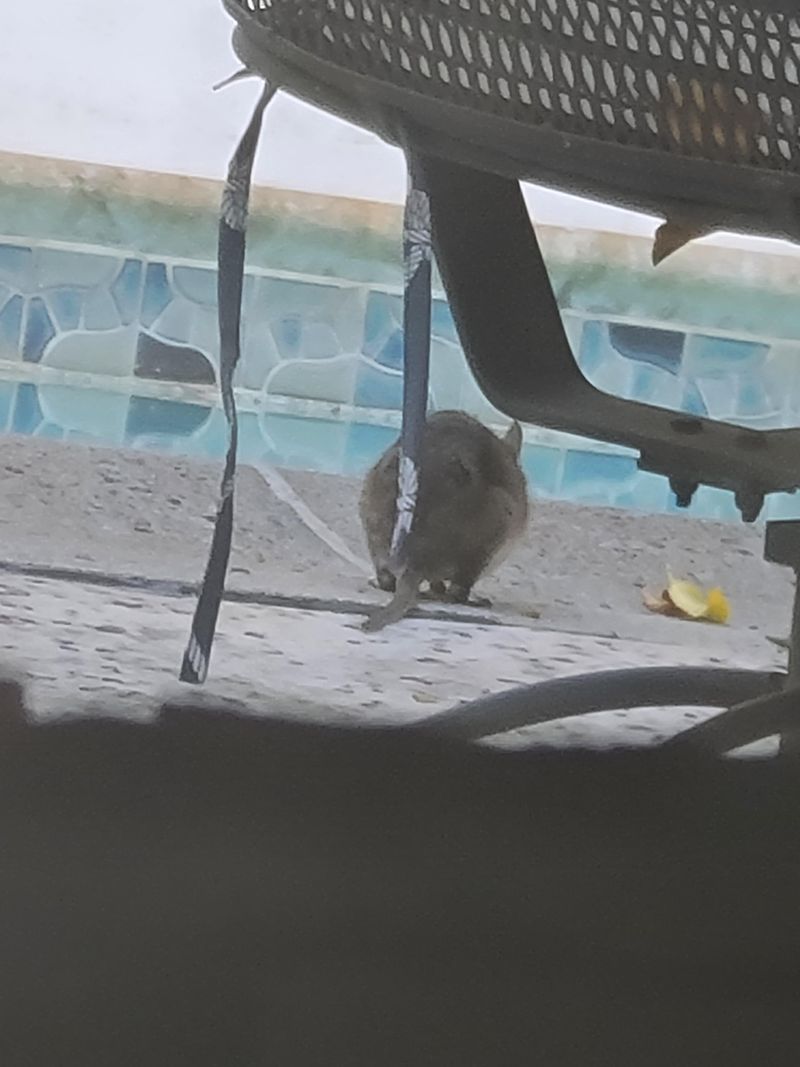
It might seem harmless to leave wet towels and pool floats piled up near the pool after a swim. But that soggy, shaded heap is exactly the kind of cozy hiding spot that rats love.
Damp materials hold warmth and moisture, making them attractive for nesting and sheltering.
Rats do not just look for food. They also look for safe places to rest, hide, and raise their young.
A pile of damp towels or deflated pool toys pushed into a corner of the yard offers shelter from predators and the hot sun. If the pile sits undisturbed for several days, a rat could start treating it like home.
After swimming, hang towels on a rack or fence to dry as quickly as possible. Rinse pool toys with fresh water and let them dry fully before storing them in a bin with a lid.
Avoid leaving items in piles against walls, fences, or under decks where rats already like to travel. The less clutter you have on the ground, the fewer hiding spots are available.
Keeping your pool area tidy is not just about appearances. It is a real and practical step toward making your yard less welcoming to unwanted guests this summer.
5. Keeping Dog Bowls Outside After Dark
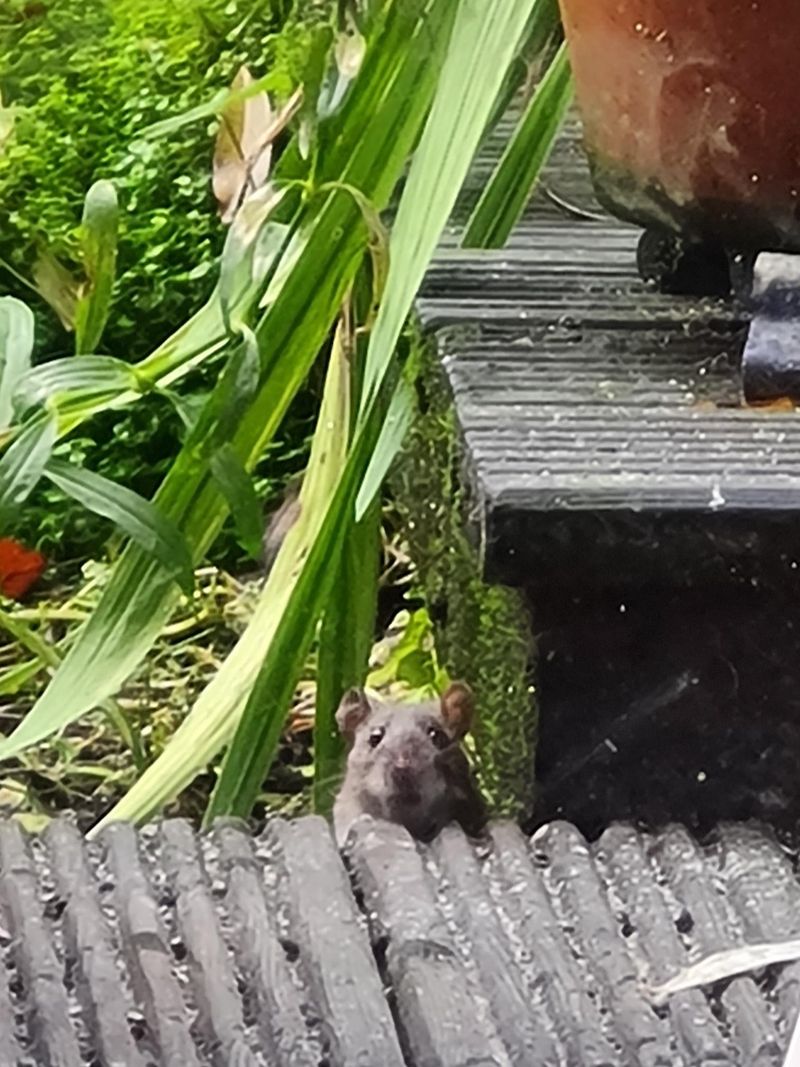
Millions of pet owners across California leave food and water bowls outside for their dogs around the clock. It seems convenient, but once the sun goes down, those bowls become a free buffet for rats.
Rodents are most active at night, and an unattended bowl of kibble is an easy, reliable food source.
Even the water bowl matters. Rats need fresh water regularly, especially during hot summer months.
A full water dish left outside overnight gives them exactly what they need without any effort. Over time, rats will start to associate your yard with food and water, and they will keep coming back.
The solution is easy to stick with once it becomes a routine. Bring both the food and water bowl inside before it gets dark.
If your dog needs access to water overnight, keep a bowl inside the house. Wash the outdoor bowls daily to remove scent trails that could attract rodents even when the bowls are empty.
Also, check around the feeding area for spilled kibble on the ground. A few scattered pieces of dog food might seem insignificant, but to a rat, it is more than enough reason to investigate your yard.
Small habits like this one add up to real protection over time.
6. Letting Drip Irrigation Leak Behind Planters
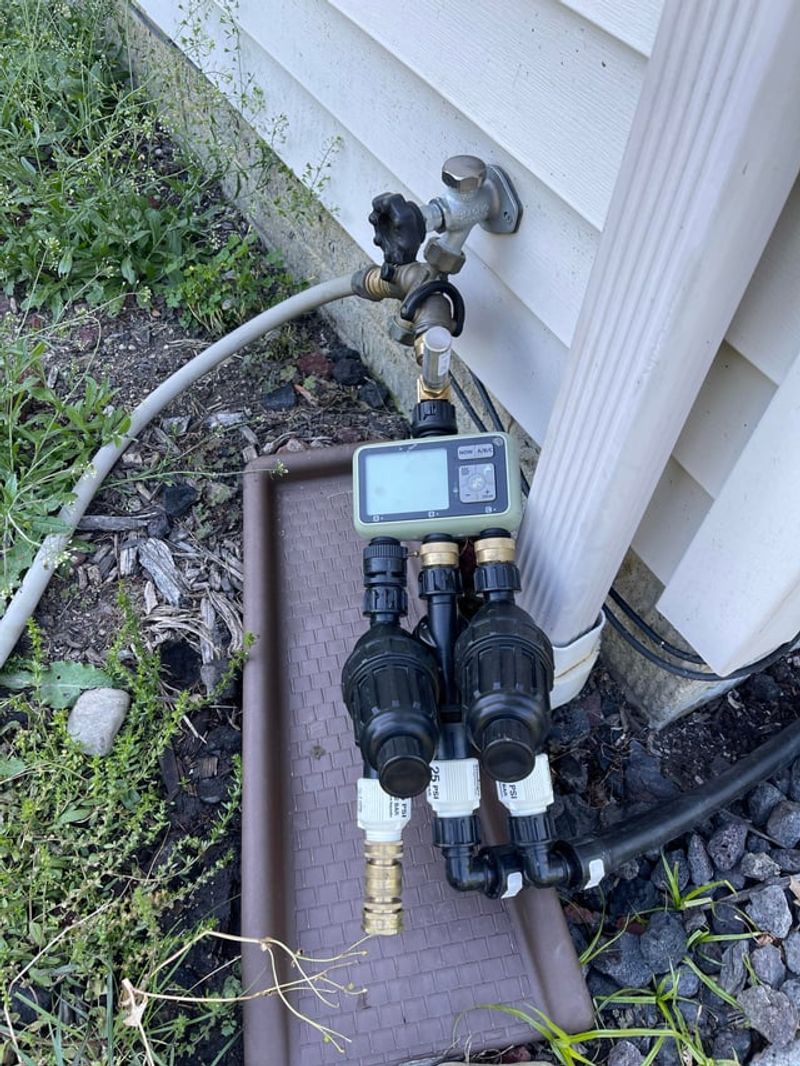
Drip irrigation is a smart way to water your California garden during the dry summer months.
But when lines start to leak or fittings come loose, water can pool in hidden spots behind planters or along fence lines.
That slow, steady drip creates a moist zone that rats find very appealing.
In northern regions and inland valleys where summers are especially hot, water becomes scarce for wildlife and pests alike. Rats are resourceful and will seek out any moisture they can find.
A leaking drip line behind a large planter creates a shaded, wet area that is almost invisible to homeowners but very obvious to a rat on the hunt for water.
Check your irrigation system at least once a week during the summer. Look for wet spots in the soil that should not be there, especially in areas that are hard to see.
Repair or replace any leaking emitters or connectors right away. Make sure water is only reaching the root zone of your plants, not pooling on the surface or running off into corners.
Moving planters occasionally to inspect the ground underneath is also a smart habit. Keeping moisture controlled and contained is one of the most overlooked but effective ways to reduce rat activity in your outdoor space.
7. Leaving Harvest Baskets On The Porch
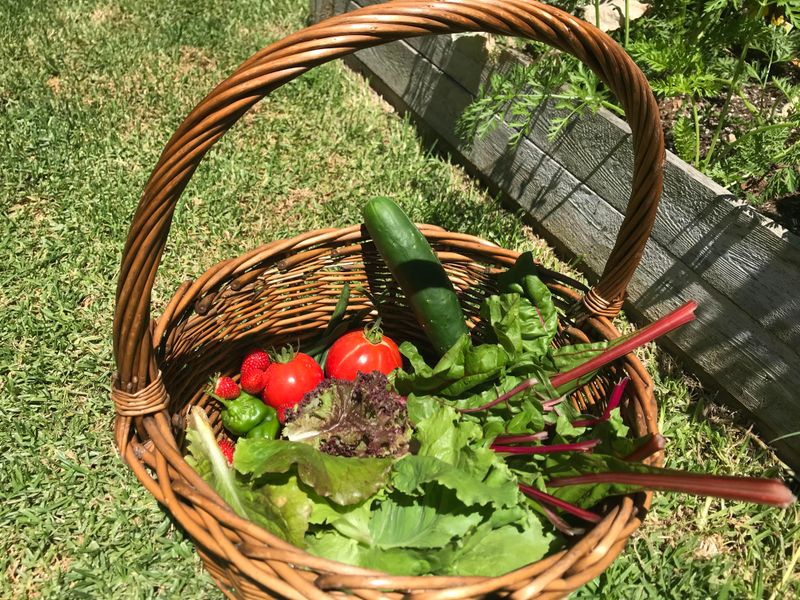
Home gardening has surged in popularity across California, and summer harvests are something to be proud of.
But leaving a basket full of ripe tomatoes, peaches, or squash on the porch overnight is like leaving a gift basket out for rats.
The smell of ripe and overripe produce travels far and wide.
Fruits and vegetables are among rats’ favorite foods. They are drawn to sweet, earthy smells and will not hesitate to nibble through a tomato or drag off a small piece of fruit.
If they find a reliable food source on your porch, they will start exploring closer to your home, which increases the risk of them finding a way inside.
Always bring your harvest inside as soon as you pick it. Store produce in sealed containers, the refrigerator, or a cool pantry.
If you have fruit trees in your yard, pick up any fallen fruit from the ground daily. Overripe or rotting fruit on the ground is especially attractive to rats because it is soft, sweet, and easy to eat.
Compost bins should also be sealed tightly if you are adding fruit scraps. Protecting your harvest is not just about keeping it fresh for your family.
It is also about not accidentally feeding the wildlife you do not want in your yard.
8. Storing Summer Snacks In The Garage
When the pantry gets full in summer, it is common to move extra snacks, drinks, and bulk food purchases out to the garage.
Cases of soda, bags of chips, boxes of granola bars, and bags of pet food often end up stacked on shelves or left in cardboard boxes.
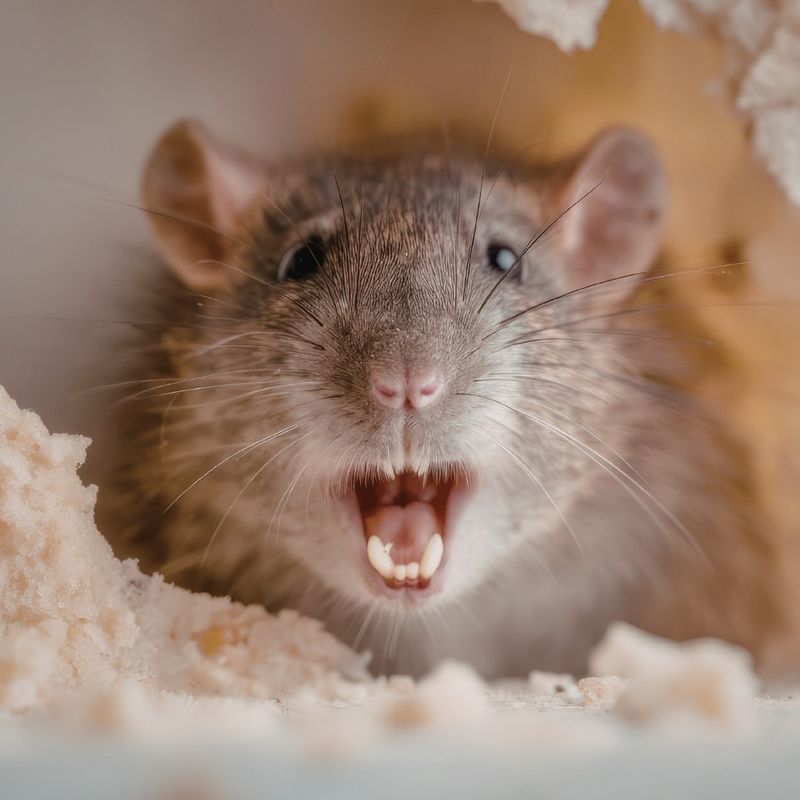
Unfortunately, the garage is one of the easiest places for rats to enter and explore.
Cardboard boxes offer almost no protection against rodents. Rats can chew through cardboard in seconds.
They can also smell food through plastic bags and thin packaging. A garage that smells like snacks is one that rats will work hard to access, especially if there are gaps around the garage door, pipes, or vents.
Move food out of the garage and into the house whenever possible. If you must store food in the garage, use hard plastic or metal containers with tight-fitting lids.
Avoid cardboard boxes entirely. Keep the garage floor clear and sweep up any crumbs or spills right away.
Check for gaps around the garage door and seal them with weather stripping. Look for small openings around pipes or utility lines and fill them with steel wool or caulk.
A well-organized, sealed garage is much less appealing to a rat than one full of easy snacks and hiding spots.