The July Feeding Mistake Burning Arizona Desert Plants
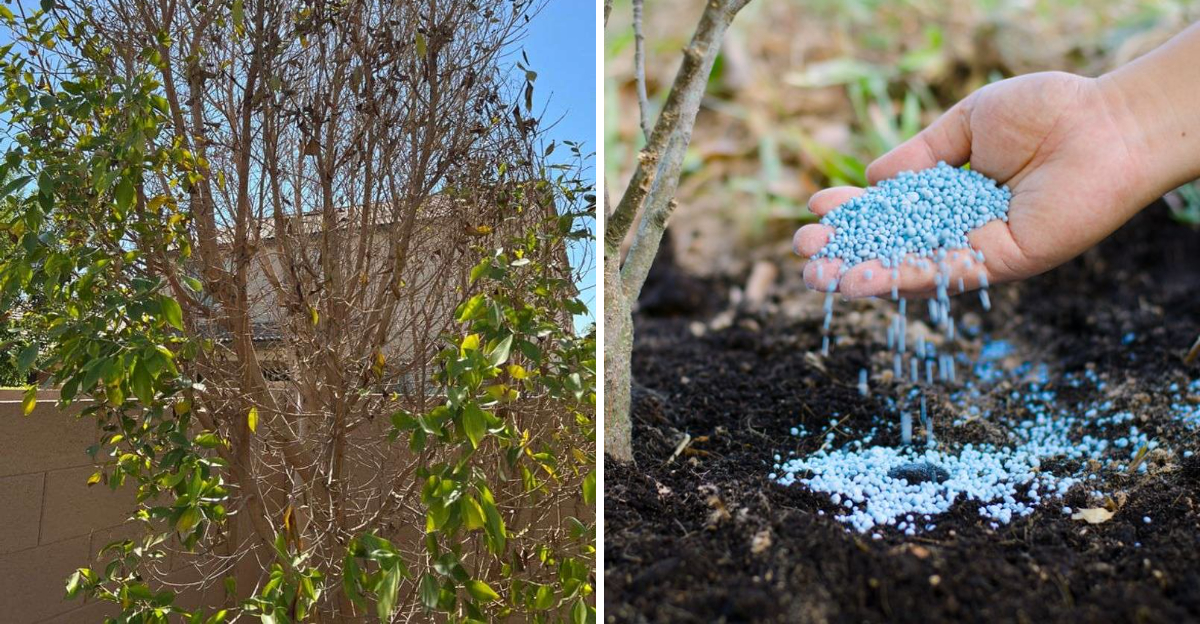
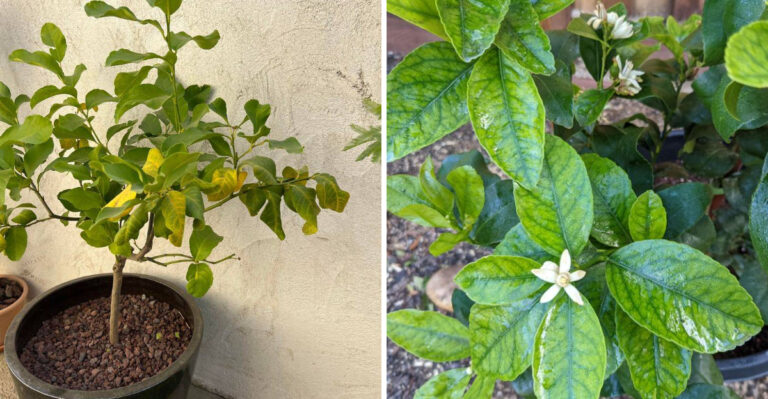
Reaching for fertilizer feels like the right move when desert plants lose their bright color. In Arizona that simple habit can create more stress during July than you expect.
Put the fertilizer aside before your next feeding because timing matters just as much as the product itself. Desert plants already work hard to handle intense heat and dry conditions every day.
Pushing fresh growth now often leaves them struggling when they should be conserving energy instead. Waiting a little longer gives roots a better chance to stay healthy through summer.
Learning why this common mistake happens can save your favorite plants from unnecessary stress before cooler weather returns again naturally.
Small changes today will help your landscape look stronger for many seasons ahead while avoiding problems that are completely preventable.
1. Fertilizing During Extreme Heat Can Burn Desert Plants
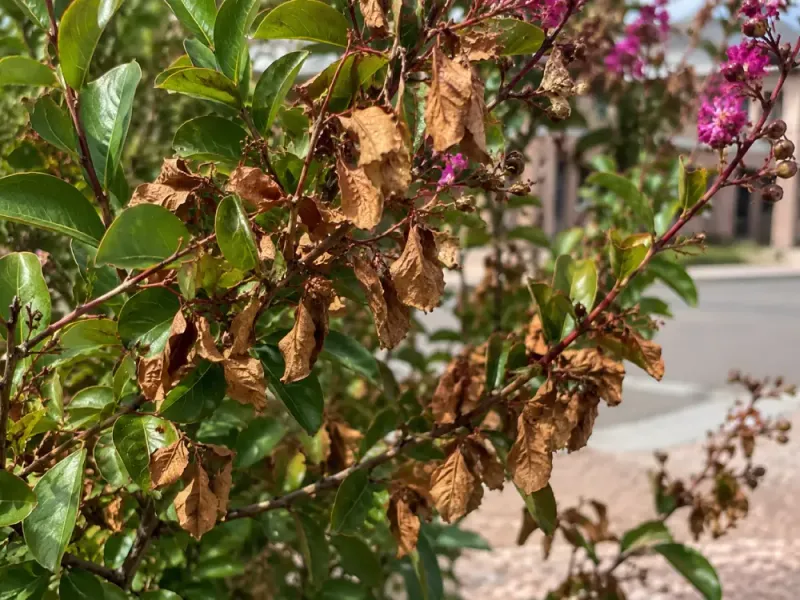
Fertilizer and extreme heat are a bad combination. Most gardeners do not realize that applying fertilizer during a heat wave puts plants under serious stress.
When soil temperatures climb past 90 degrees, roots slow down. They stop absorbing nutrients efficiently, and fertilizer salts start building up instead.
Salt buildup pulls moisture away from roots. That process is called osmotic stress, and it causes leaf tips to brown and curl.
Plants look like they got too little water, even when you have been watering regularly. It is confusing and frustrating.
Arizona summers are not a normal growing season for most plants. July heat regularly exceeds 110 degrees in many parts of the state.
Applying fertilizer during that window adds chemical stress on top of heat stress, and plants struggle to recover from both at once.
Root systems in baked soil are already working at reduced capacity. Adding concentrated nutrients at that point overwhelms them.
Granular fertilizers sitting on dry, hot soil can also release salts unevenly, creating hot spots that damage shallow roots near the surface.
Waiting until temperatures drop, typically in mid-September or early October, gives plants a much better chance. Fertilizing during cooler conditions means nutrients actually get absorbed.
2. Water The Soil Before Applying Fertilizer
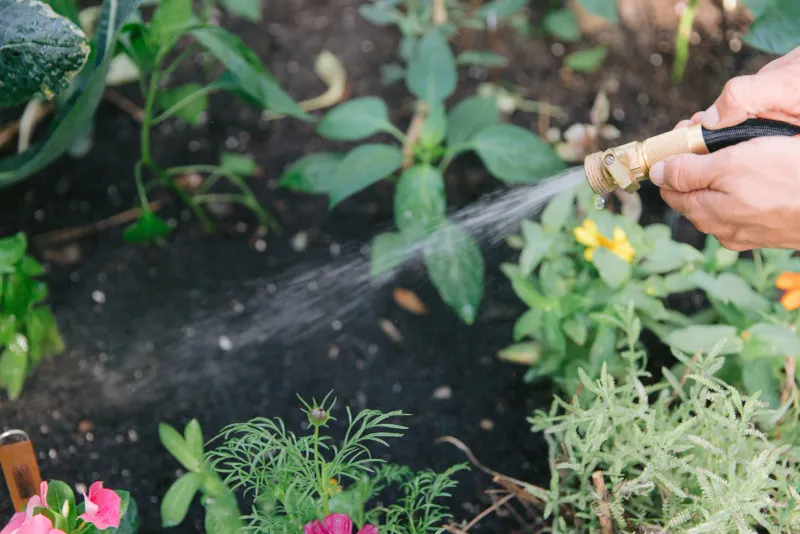
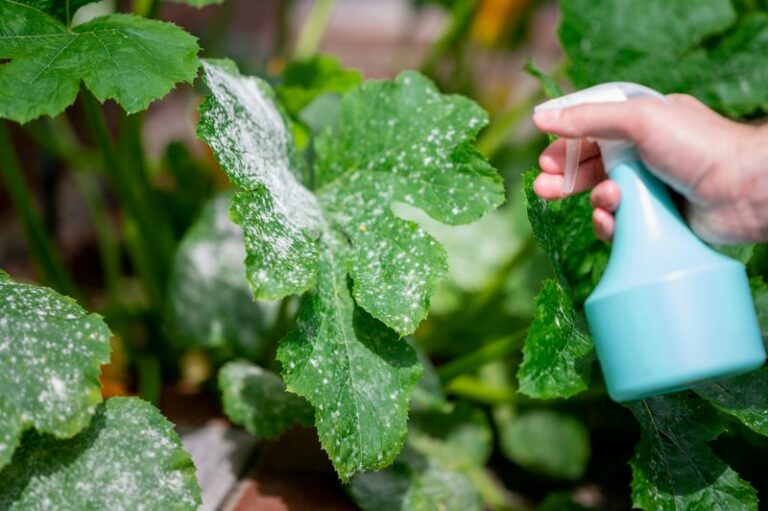
Dry soil and fertilizer are not friends. Applying any fertilizer to bone-dry ground is one of the fastest ways to stress a desert plant.
Moisture helps dilute fertilizer salts so roots can handle them without getting overwhelmed.
Before you spread anything, water the area thoroughly. Let the soil absorb that moisture for at least an hour.
You want it damp several inches down, not just wet on the surface. Surface moisture evaporates quickly in summer heat and does almost nothing to protect roots below.
Pre-watering also helps fertilizer move into the soil more evenly. Granules dissolve better when the ground is moist.
Liquid fertilizers dilute properly and spread without pooling or burning concentrated spots on the surface.
In desert regions, soil can be compacted and hard. Water sometimes runs off instead of soaking in.
If that happens in your yard, try watering in two shorter sessions with a gap in between. Give the soil time to absorb before adding more.
Your Arizona Garden Changes Every Week. Your Plan Should Too.
Gardening in Arizona changes quickly throughout the season. Every Friday you’ll receive a simple weekly plan showing exactly what to plant, prune, fertilize, harvest, and protect so you never miss the right timing.
After applying fertilizer to moist soil, water again lightly. That second watering pushes the product deeper and keeps salts from sitting on the root zone surface.
Skipping this step, especially in July heat, can leave fertilizer concentrated near the top where it causes the most damage.
3. Slow-Release Products Are Safer Than Quick-Release Formulas
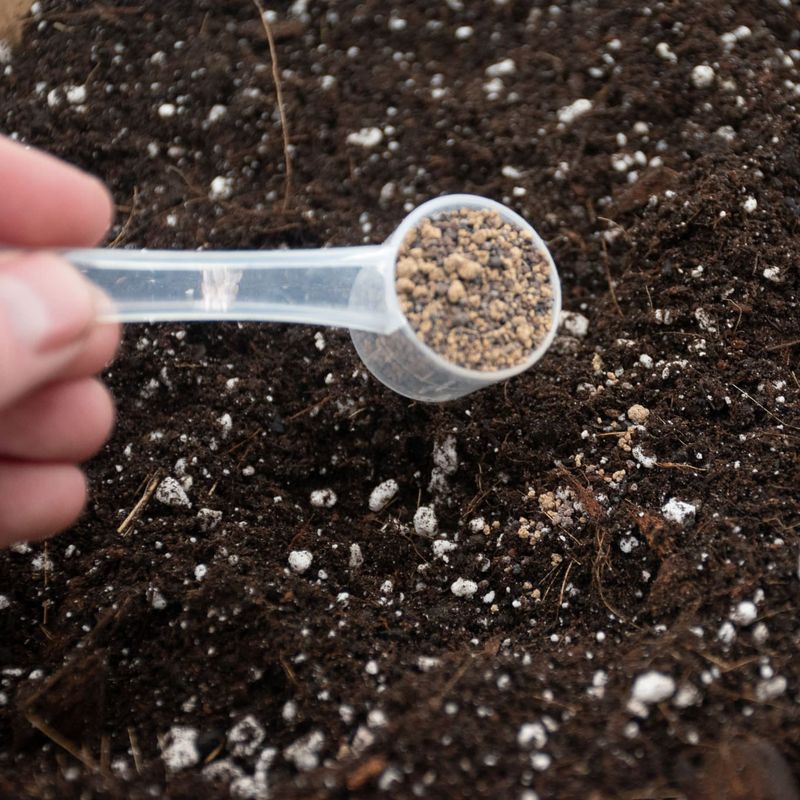
Quick-release fertilizers flood the soil with nutrients all at once. In cooler climates, that burst can be useful.
In summer desert conditions, it is often too much for stressed roots to handle. Salt levels spike fast, and plants suffer for it.
Slow-release formulas work differently. They break down gradually over weeks or months, depending on the product.
Nutrients enter the soil in smaller, steadier amounts. Roots get a manageable supply instead of an overwhelming rush.
Coated granules are a common slow-release option. The coating controls how fast the fertilizer dissolves.
Heat can speed up the breakdown of some coated products, so read labels carefully and choose one rated for high temperatures if you are gardening in a hot desert region.
Organic slow-release options like composted manure or worm castings are worth considering too. They release nutrients slowly as soil microbes break them down.
Microbial activity slows in extreme heat, which naturally limits how fast nutrients become available. That built-in buffer helps protect plants during hot stretches.
Even slow-release products carry some risk in peak summer heat. Using them in early morning, watering before and after application, and staying away from the base of the trunk all reduce potential problems.
If you are unsure which product to pick, look for a fertilizer labeled for desert or low-water plants.
4. Desert Natives Usually Need Very Little Feeding
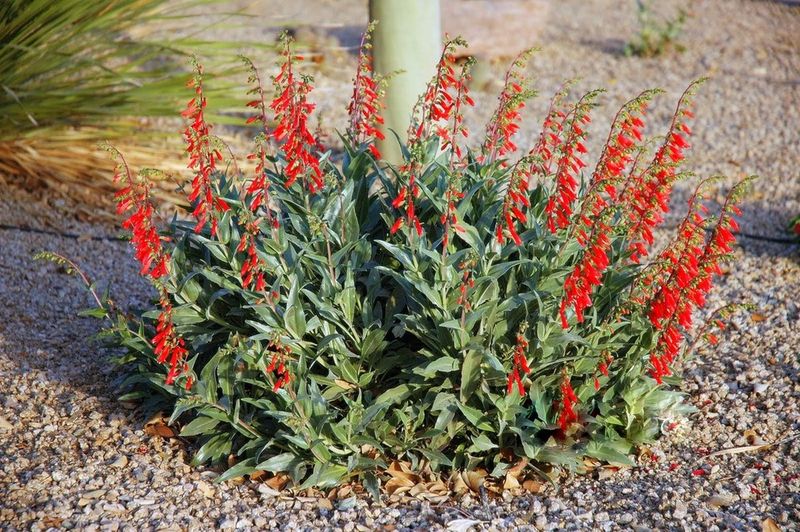
Native desert plants evolved in poor, rocky soil. Feeding them heavily can actually cause more problems than it solves.
Overfertilizing pushes fast, weak growth that is more vulnerable to heat and pests.
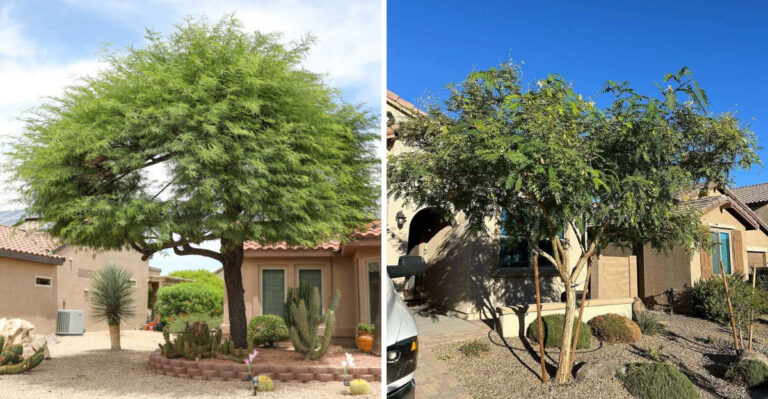
Saguaros, palo verde trees, brittlebush, and most other desert natives pull what they need from the existing soil. They are adapted to low-nutrient conditions.
Adding fertilizer regularly disrupts that natural balance and can cause nutrient toxicity in sensitive species.
Most established desert natives do fine with little to no supplemental feeding. Young plants in their first year or two might benefit from a light, balanced fertilizer in early spring, but even that is optional if the soil has decent organic matter.
Container plants are a different story. Nutrients wash out of pots faster than in-ground soil, so potted natives may need occasional light feeding.
Even then, use a diluted formula and apply it only during mild temperatures, not in peak summer heat.
Transplants and recently installed natives sometimes get extra fertilizer in the hope of speeding up establishment. That often backfires.
Roots need time to spread and anchor, and fertilizer pushes top growth instead of root development. Watering consistently matters far more during establishment than feeding.
Knowing which plants in your yard are true desert natives helps you make smarter decisions.
5. Skip Fertilizer When Plants Show Heat Stress
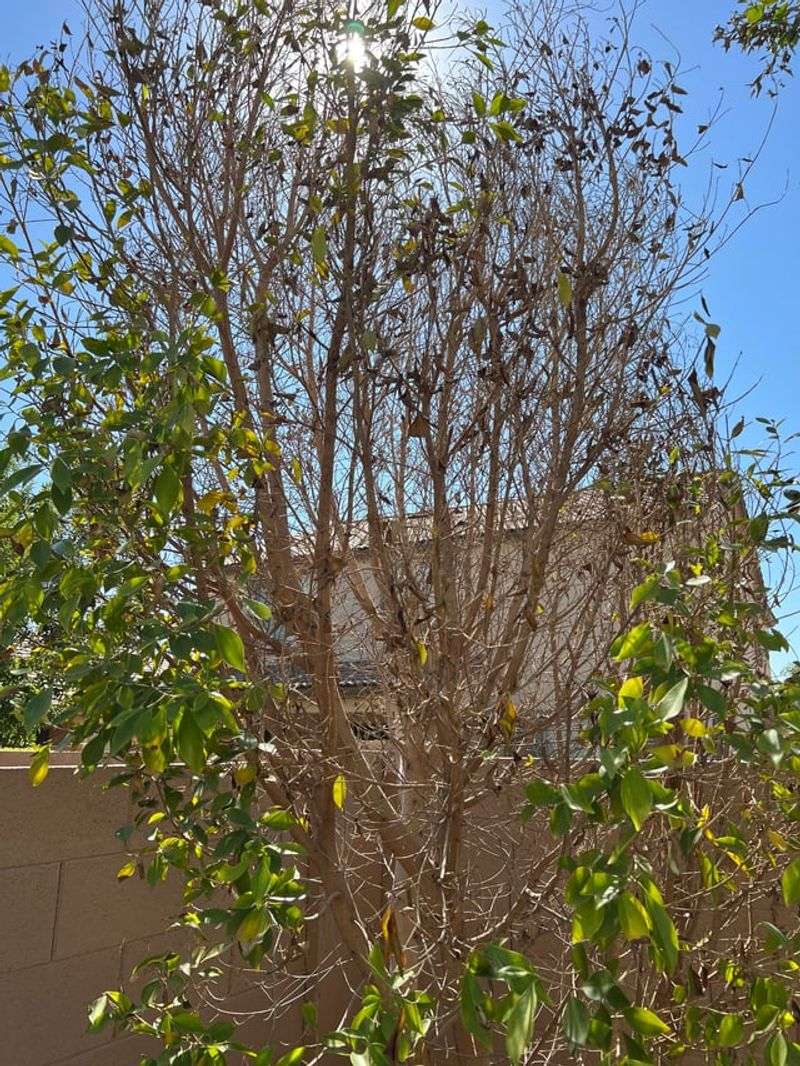
Wilting leaves, brown edges, and drooping stems are signs a plant is already struggling. Adding fertilizer to a stressed plant does not help it recover.
It adds more pressure to a system that is barely keeping up.
Heat stress slows nearly every biological process in a plant. Water movement through stems slows down.
Photosynthesis drops. Root activity decreases.
When all of that is happening at once, the plant has no capacity to process extra nutrients.
Fertilizer salts in stressed soil pull moisture away from roots through osmosis. A plant already short on water loses even more to that process.
Symptoms get worse quickly, and recovery becomes harder the longer the stress continues.
Identifying heat stress early matters. Check your plants in the morning before the day heats up.
If leaves that looked healthy at sunrise are already wilting, the plant is under serious thermal stress. Hold off on any fertilizer until conditions improve.
Recovery from heat stress usually starts with consistent deep watering. Shade cloth can help tender plants get through the worst afternoon hours.
Once the plant shows new, healthy growth, that is a signal the root system is functioning again and can handle light feeding.
Patience is genuinely useful here.
Pushing a stressed plant with fertilizer in hopes of speeding recovery tends to extend the problem rather than shorten it.
6. Healthy New Growth Signals The Right Time To Feed
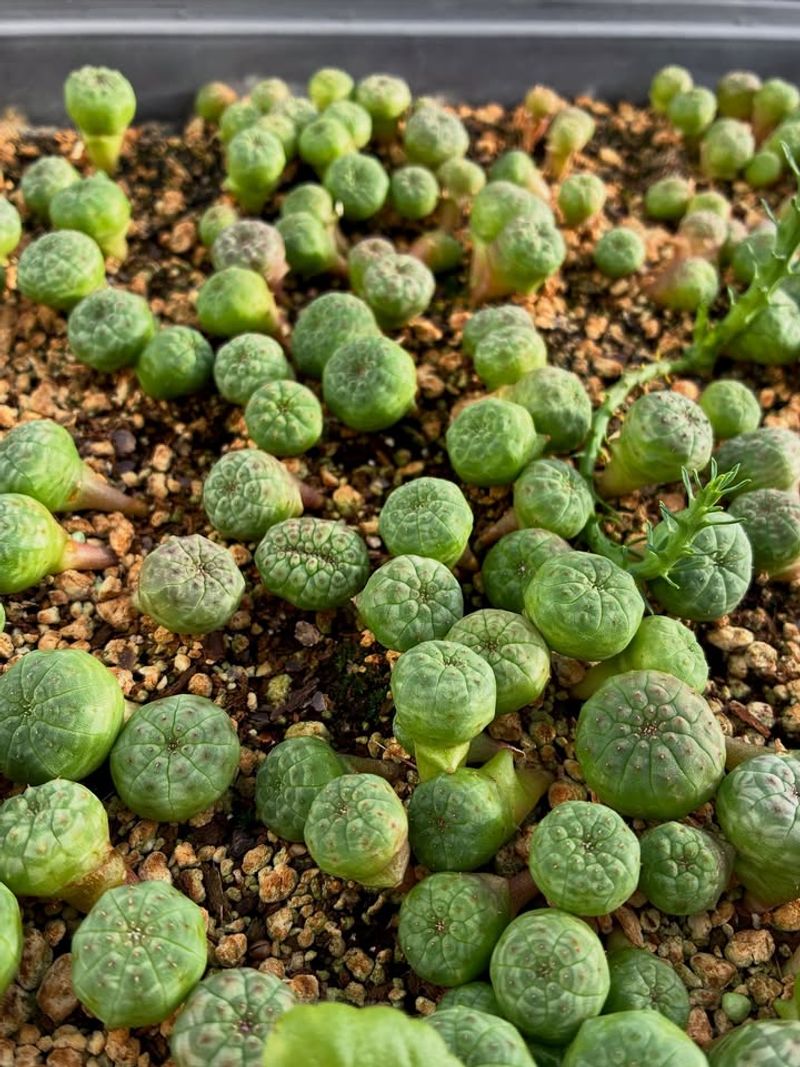
Fresh green growth is one of the clearest signs a plant is ready to receive nutrients. New leaves and tender stems mean the root system is active and moving water and energy through the plant.
That is the window when fertilizer actually gets used.
Watching for new growth helps you time feeding more accurately than following a calendar. In desert regions, that new growth often pauses during the hottest weeks of summer.
Plants shift into a kind of survival mode, conserving energy rather than expanding.
Growth typically resumes as temperatures begin to drop in late summer or early fall. Nights cool off first, and plants often respond with a flush of new leaves or stems.
Catching that moment is ideal for applying a light, balanced fertilizer.
Root activity mirrors what you see above ground. When new shoots appear, roots are actively exploring and absorbing.
Nutrients applied at that point get taken up efficiently instead of sitting in the soil and building up as salts.
Keep a simple habit of checking your plants every few days during late August and into September. Look at the tips of branches and the base of stems.
Tiny new buds or fresh leaf tips signal that the plant has shifted back into growth mode.
7. Spread Fertilizer Evenly Around The Drip Line
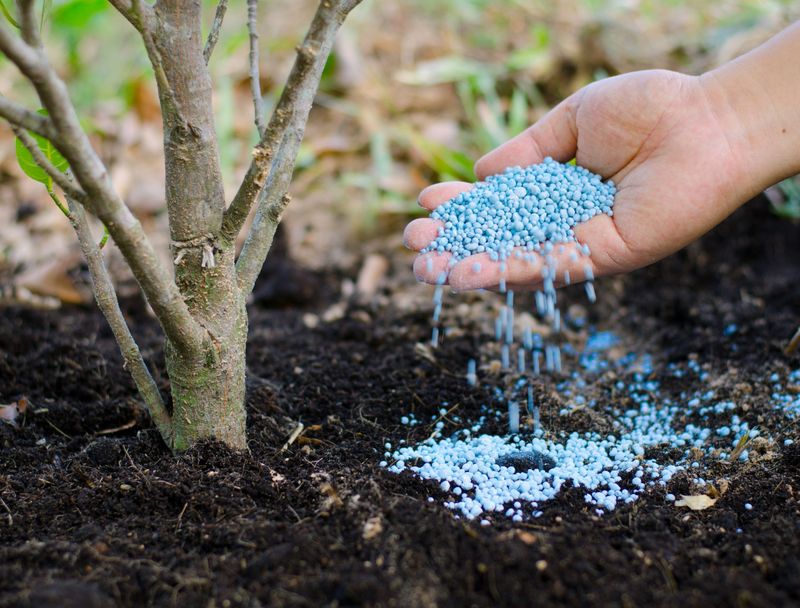
Where you put fertilizer matters as much as what you use. Piling it against the trunk or stem base is a common mistake that causes concentrated salt damage right where the plant is most vulnerable.
Roots do not sit directly under the trunk. Most active feeder roots spread outward toward the drip line, which is the outer edge of the plant canopy.
That is where water drips off leaves during rain and where roots are positioned to catch it.
Spreading fertilizer in a ring along that drip line puts nutrients right where roots can reach them. Avoid the area within six inches of the trunk on shrubs, and farther out on trees.
Keeping fertilizer away from the base reduces the risk of crown rot and stem damage.
Uneven application creates hot spots. If you dump fertilizer in one area, salts concentrate there and roots in that zone get stressed while the rest of the root system stays unfed.
Spreading evenly prevents that imbalance.
Use a measuring cup or small scoop to portion out granules before spreading. Walk slowly around the drip line and distribute the product in steady, overlapping passes.
Take your time rather than rushing through it.
After spreading, water the area well.