How To Replace Useless Florida Lawn With Plants That Actually Do Something In Summer
A Florida lawn in summer is working harder against its owner than for them. Water bills climb.
The grass struggles through heat and inconsistent rain. The end result is a surface that looks marginally acceptable on a good week and exhausted on every other one.
All of that effort for something that gives nothing back. Some Florida homeowners have stopped fighting that battle.
They pulled the lawn, or sections of it, and replaced it with plants that actually do something during the hardest months of the year. Feed pollinators, manage water, produce food, support wildlife.
Real functions that a turf grass surface never offered no matter how much went into keeping it alive. Summer is actually a useful time to start that transition.
Florida’s rainy season does the heavy lifting on irrigation, and certain plants establish faster in warm soil than they ever would in fall. The lawn is optional.
What replaces it does not have to be.
1. Swap Bare Turf For Shade That Cools Soil
Standing on a sun-baked patio in late July feels like standing next to an oven. Exposed turf in full sun heats the soil beneath it, and thin or bare grass patches make that problem worse.
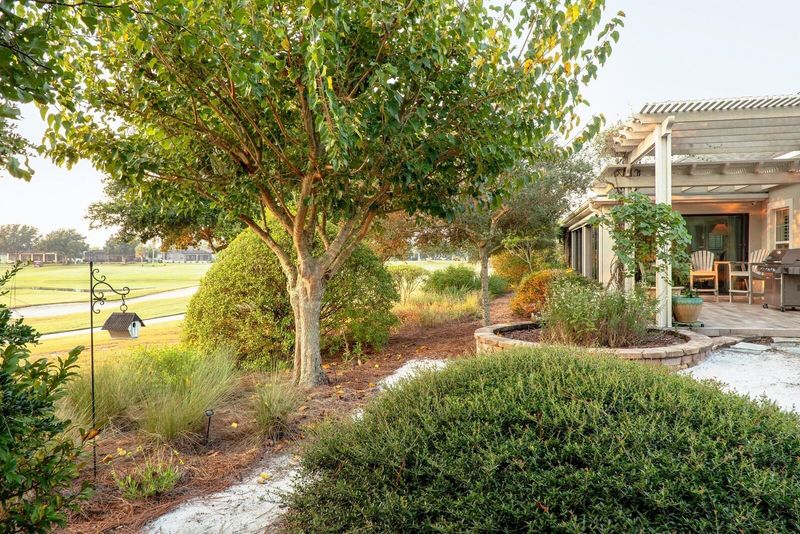
Replacing those areas with small trees or large shrubs can add real cooling value by shading soil. They can also reduce glare off driveways and protect west-facing walls from afternoon heat.
Canopy shade does not just make the yard feel cooler. It lowers surface temperatures on pavers and sidewalks, which helps nearby spaces feel more livable during summer afternoons.
UF/IFAS and Florida-Friendly Landscaping resources both emphasize choosing shade trees that fit the site. That means considering mature size, root spread, and distance from structures.
Good candidates for smaller spaces include native options like Walter’s viburnum, Simpson’s stopper, or East Palatka holly, depending on your region. Larger trees like live oak or Southern magnolia work beautifully in open areas with room to grow.
Always check the mature canopy spread and root zone before planting near foundations, sidewalks, power lines, or septic systems.
Layered plantings, meaning a mix of a small tree with understory shrubs and groundcovers beneath, can shade more ground than a single plant alone.
Map your sun angles before choosing a location, and consult your county extension office for regionally appropriate recommendations.
2. Use Groundcovers Where Mowers Waste Time
Some spots in a yard are just miserable to mow. Narrow strips along fences, shaded patches under large trees, steep slopes near retention edges, and awkward corners near mailboxes all demand effort.
They do not reward it. Groundcovers are often a better fit for these spaces.
They are not zero-maintenance, but they replace a recurring chore with a one-time planting investment.
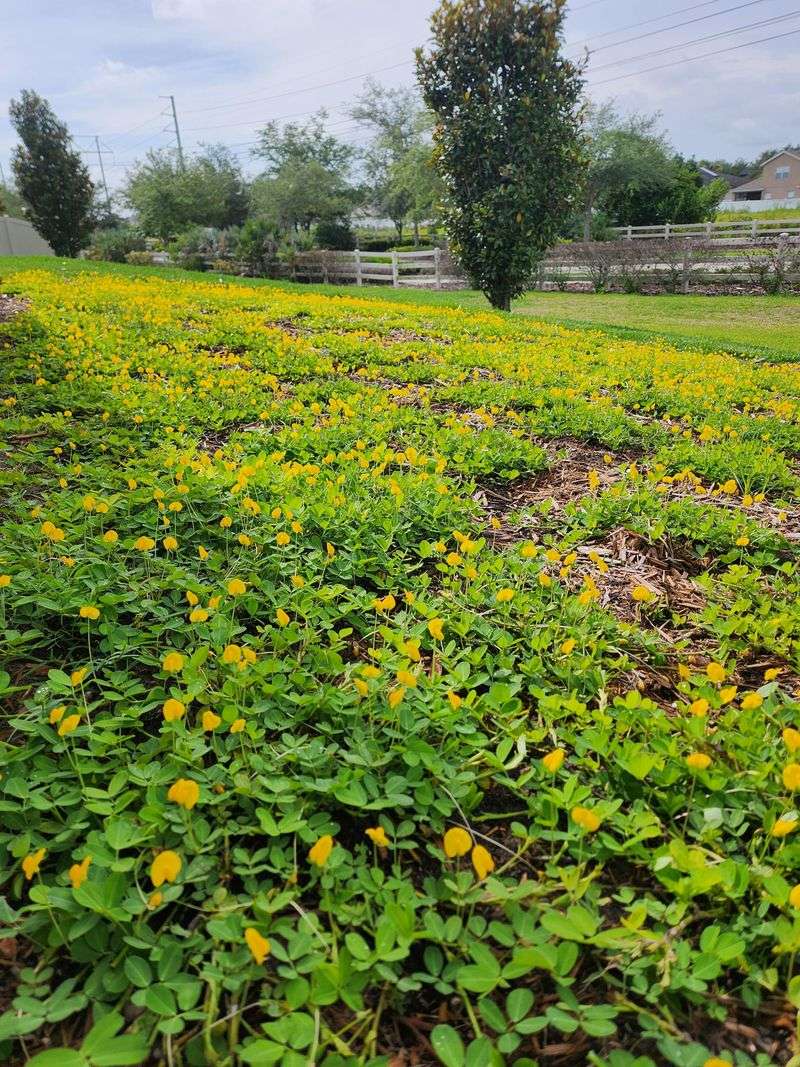
Perennial peanut is a popular Florida-Friendly option for sunny, well-drained areas. It spreads low, produces small yellow flowers, and handles heat well once established.
Sunshine mimosa works in similar spots and folds its leaves when touched, which makes it a fun conversation piece. Frogfruit and twinflower tolerate some foot traffic and attract small pollinators.
Your Florida Garden Changes Every Week. Your Plan Should Too.
Gardening in Florida changes quickly throughout the season. Every Friday you’ll receive a simple weekly plan showing exactly what to plant, prune, fertilize, harvest, and protect so you never miss the right timing.
In shadier spots, native sedges and coontie offer texture and structure without needing mowing.
No groundcover is truly maintenance-free. Every option listed here needs regular watering during the establishment period, which can last several months depending on the season and soil.
Weed control is critical in the first year because groundcovers spread slowly and weeds move fast. Edging along beds keeps groundcovers from creeping into areas you want to keep tidy.
Spacing plants correctly at the start avoids gaps that weeds exploit later. Check UF/IFAS extension publications for establishment guidance specific to your region before purchasing plants, since site conditions vary widely across the state.
3. Plant Flowers That Feed Summer Pollinators
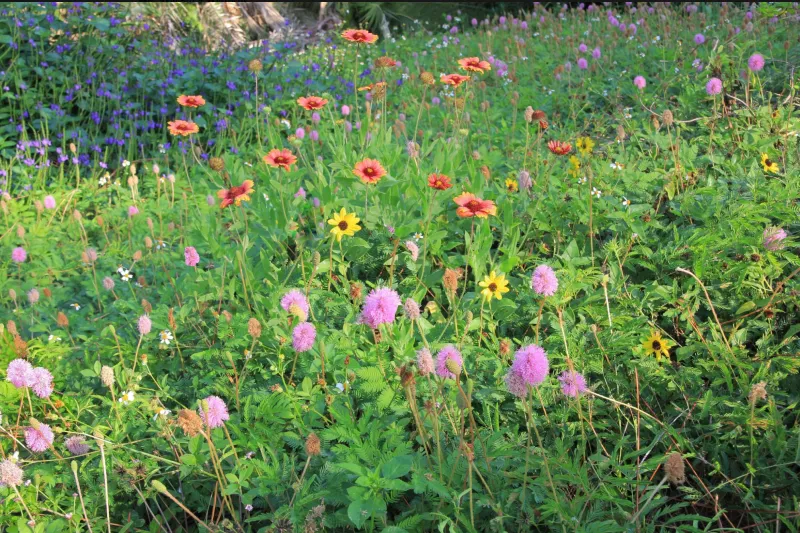
A patch of blooming firebush on a July afternoon is one of the most satisfying sights in a warm-weather yard. Hummingbirds hover at the orange-red tubes, zebra longwing butterflies pause on nearby stems, and bumblebees move steadily through the bed.
Replacing even a small section of unused turf with flowering plants brings that kind of activity to a yard that would otherwise just be grass.
Summer is an active season for pollinators in this state, and native flowering plants tend to support the widest variety of visitors. Nectar plants like firebush, blue porterweed, and scarlet sage provide fuel for adult butterflies, bees, and moths.
Host plants like passionvine for Gulf fritillaries or milkweed for monarchs serve a different purpose. They feed caterpillars and support the full life cycle of specific species.
A pollinator bed works best when it includes both types.
Pesticide use is one of the biggest threats to pollinator beds. Broad-spectrum insecticides used near flowering plants can harm the same insects you are trying to attract.
Spot-treat weeds carefully and avoid spraying during bloom times. UF/IFAS has published guidance on creating pollinator-friendly landscapes that balances pest management with habitat goals.
Start with a small bed in a sunny spot, choose plants appropriate for your soil and drainage, and expand once you see what thrives in your specific yard conditions.
4. Add Shrubs That Screen Heat And Noise
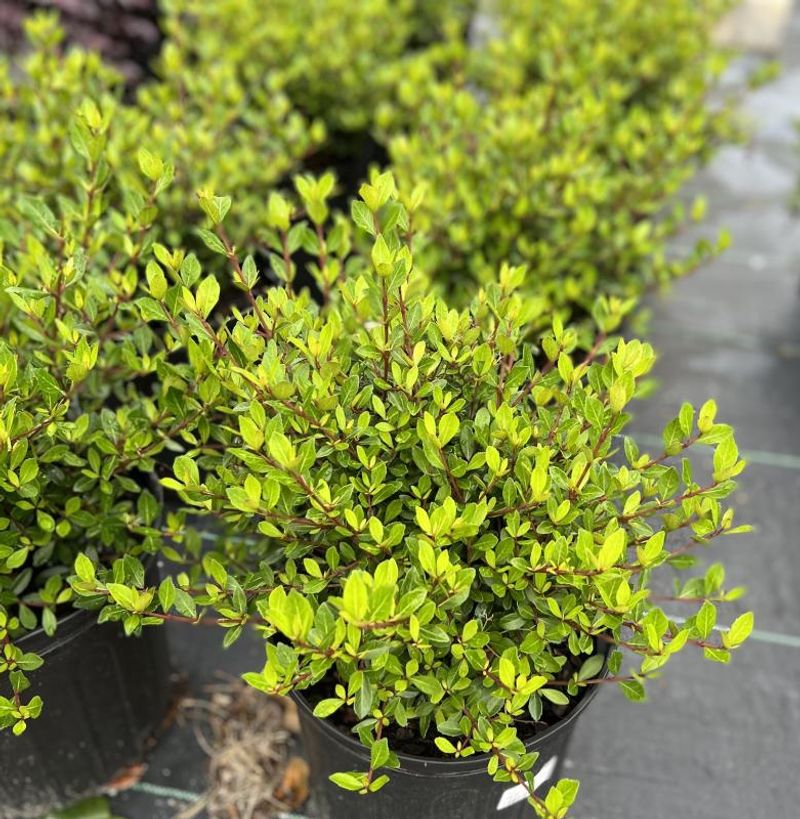
A row of well-chosen shrubs along a street-facing lawn does a lot more than look tidy. Shrubs absorb and deflect reflected heat from sidewalks and roads.
They soften glare, buffer the yard from passing traffic, and give birds a place to perch and nest during summer. Replacing a low-performing strip of turf with a layered shrub planting can noticeably change the feel of a front or side yard.
Layered planting means mixing shrubs of different heights rather than planting a single row of identical plants against a wall or fence.
A taller background shrub paired with a mid-height plant and a low groundcover in front creates depth, better airflow, and more visual interest.
Keeping shrubs away from walls, vents, and windows also reduces moisture buildup and makes maintenance easier.
Good shrub choices for screening in this region include beautyberry, Walter’s viburnum, wild coffee, and wax myrtle. Choose based on sun exposure and soil drainage.
Each one provides seasonal interest, wildlife value, and manageable mature sizes for residential yards. Shrubs do not soundproof a Florida yard or eliminate heat on their own, but they contribute meaningfully to comfort when placed thoughtfully.
Always check mature width and height before buying, and give each plant enough room to grow without crowding structures or sight lines at driveways and corners.
5. Choose Native Grasses For Movement And Habitat
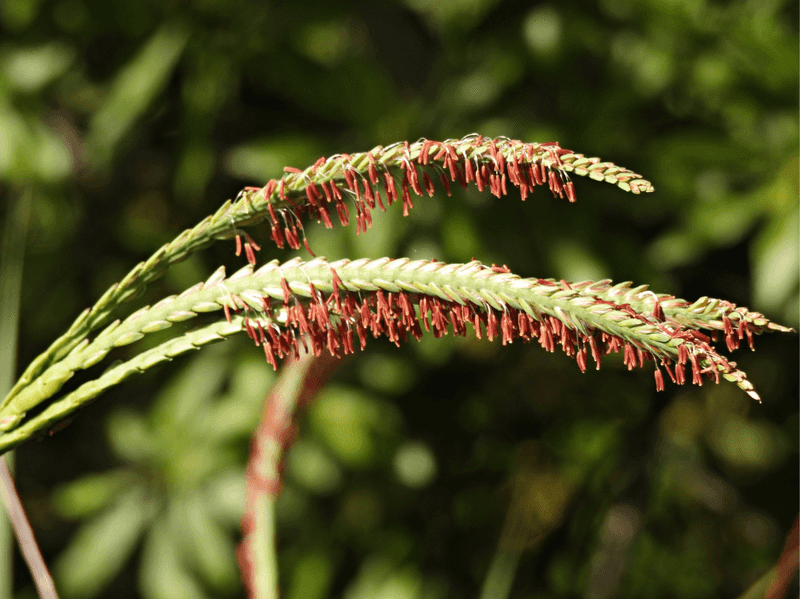
There is something genuinely satisfying about watching a clump of muhly grass sway in a late-afternoon breeze when everything else in the yard is standing still.
Florida native grasses bring movement, texture, and a naturalistic quality that traditional turf simply cannot offer.
Replacing a static, struggling lawn section with a grouping of native grasses gives the yard a layered, habitat-rich look that changes with the seasons.
Muhly grass is one of the most recognizable options in warm-weather landscapes, producing a cloud of pink to purplish flowers in fall that catch light beautifully.
Fakahatchee grass tolerates shade and wet conditions better than most ornamental grasses, making it useful in spots where other plants struggle.
Wiregrass is a historically important groundcover in longleaf pine ecosystems and works well in dry, open, sunny areas of the yard. Native sedges fill shady or moist niches where ornamental grasses would not thrive.
These plants are not substitutes for turf in areas that get regular foot traffic or need mowing. They require the right sun, drainage, and spacing to perform well.
Cutting them back at the right time of year, usually late winter before new growth begins, keeps them healthy and prevents a ragged look.
UF/IFAS extension resources provide region-specific guidance on spacing, establishment care, and appropriate placement for each species.
Start with a small grouping to see how each plant performs in your specific site conditions before committing to a large planting.
6. Replace Wet Trouble Spots With Thirstier Plants
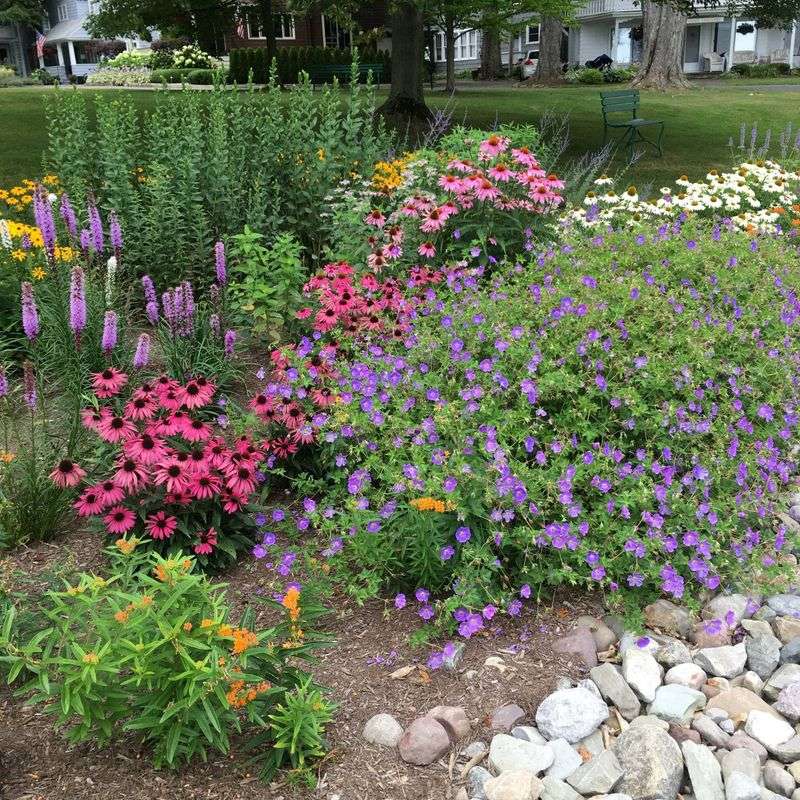
Every Florida yard seems to have that one spot. It might be the low corner that stays soggy after every storm.
It might be the area near the downspout where nothing grows right. Or it might be the patch that turns the lawn into a muddy mess by midsummer.
Turf in those spots often thins out, develops moss, or just looks miserable. Replacing it with plants that actually prefer moist or seasonally wet conditions turns a problem area into a productive one.
Rain garden concepts offer a useful framework here. A shallow, planted depression near a runoff source can slow water movement, allow it to soak in gradually, and support plants suited for wet-to-dry cycles.
Native options like blue flag iris, swamp sunflower, soft rush, pickerelweed, or cardinal flower can tolerate periodic flooding. They can also handle summer heat when placed in appropriate conditions.
Always check drainage first: standing water that does not drain within 24 to 48 hours may indicate a deeper soil or drainage issue that plants alone cannot fix.
Before digging in a low spot, locate underground utilities, irrigation lines, and septic system components.
Check with your water management district or county extension office about local rules for rain gardens or stormwater features near property lines or drainage easements.
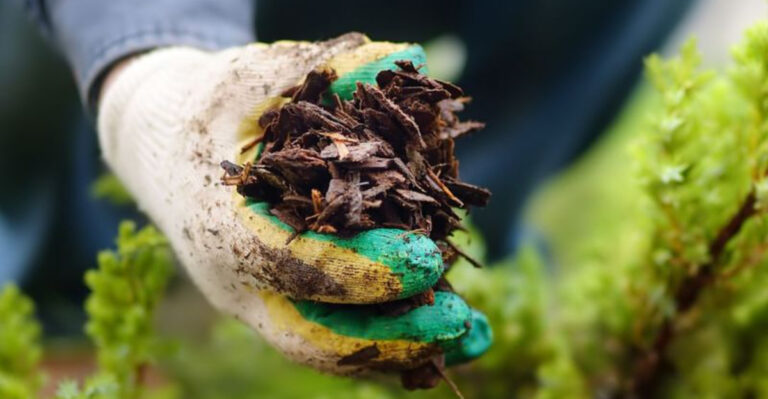
Mulch around new plantings to protect roots during dry spells between rain events. Wet-tolerant plants still need establishment watering and weed management during their first growing season, so plan for that time investment before you start.
7. Build Paths Before Foot Traffic Crushes Beds
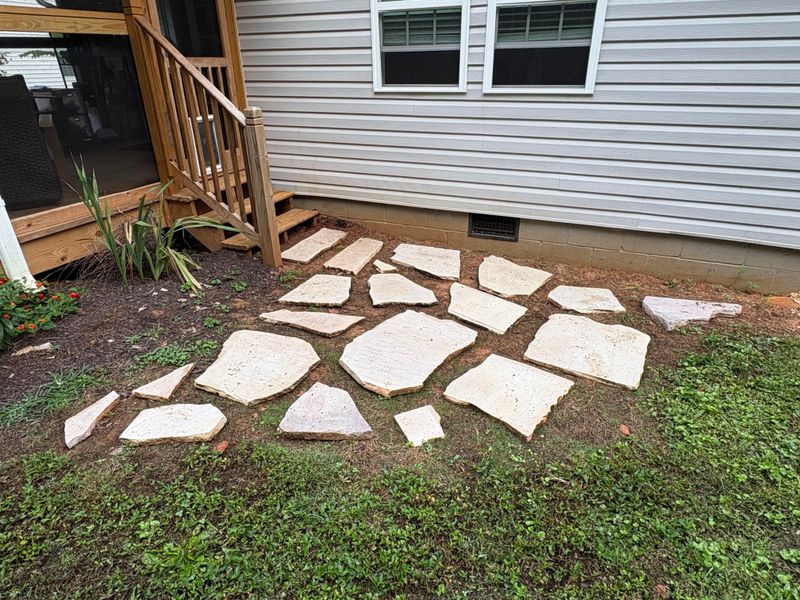
One of the most common reasons a lawn replacement fails has nothing to do with plant choice. It comes down to where people walk.
If there is no clear path through a replanted area, people will cut across it anyway. That compacts soil, snaps stems, and gradually wears a bare trail through the middle of a carefully planted bed.
Designing movement first, and planting around it second, is the step most homeowners skip.
Stepping stones work well in low-traffic areas where occasional foot access is needed, such as getting to a hose bib, a gate latch, or a side yard. Gravel or mulch paths handle moderate traffic and drain well in rainy conditions.
Pavers or compacted decomposed granite suit higher-use routes like the path from a back door to a trash bin or mailbox. Mower strips along bed edges keep plants contained and make edging faster.
Think through every regular walking route in the yard before you plant anything. Where do you walk to check the meter, reach the AC unit, or grab the hose?
Where do kids or pets cut corners? Mark those routes with spray paint or garden flags before laying out beds.
Path materials should be stable, non-slip, and weed-resistant when possible. Landscape fabric under gravel helps slow weed pressure, though it is not permanent.
Clear, well-defined paths protect your plants and make the whole replacement design feel intentional rather than accidental.
8. Keep Some Turf Where It Still Works
Smart lawn replacement is not about getting rid of every square foot of grass. Some turf areas genuinely earn their place.
These include the section where kids play catch, the patch where the dog runs laps, and the open gathering space for summer cookouts. They also include the gentle slope that holds soil in place near a drainage swale.
Removing turf from these spots would create more problems than it solves.
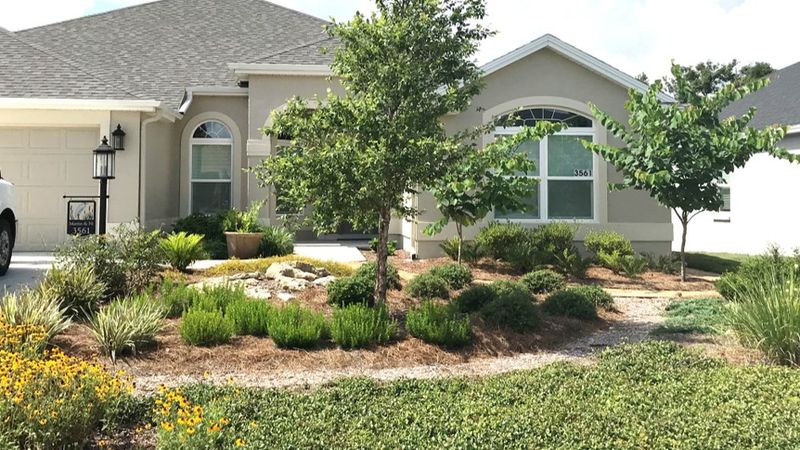
The goal is to identify the parts of the lawn that do nothing useful and swap those for plants with a real summer function. A mixed yard often performs better overall than a yard that is entirely one thing.
Keep turf in active zones and use groundcovers, shrubs, trees, flowers, and paths in lower-traffic areas. It is more resilient, more interesting to look at, and more adaptable to changing needs over time.
Start by walking the yard and honestly evaluating each turf section. Ask what it does in summer.
Does it get used? Does it hold soil?
Does it look and function well without excessive inputs? If the answer is yes, keep it.
If the answer is a long list of watering, mowing, patching, and frustration with no clear benefit, that is the section to replace. Match the replacement plant to the specific problem the spot creates.
That might be heat, erosion, poor drainage, difficult mowing, or lack of shade. Choose a plant proven to solve that problem in your site conditions.