More Barn Owls In Your Texas Garden, Less Rodents (Here’s How To Attract Them)
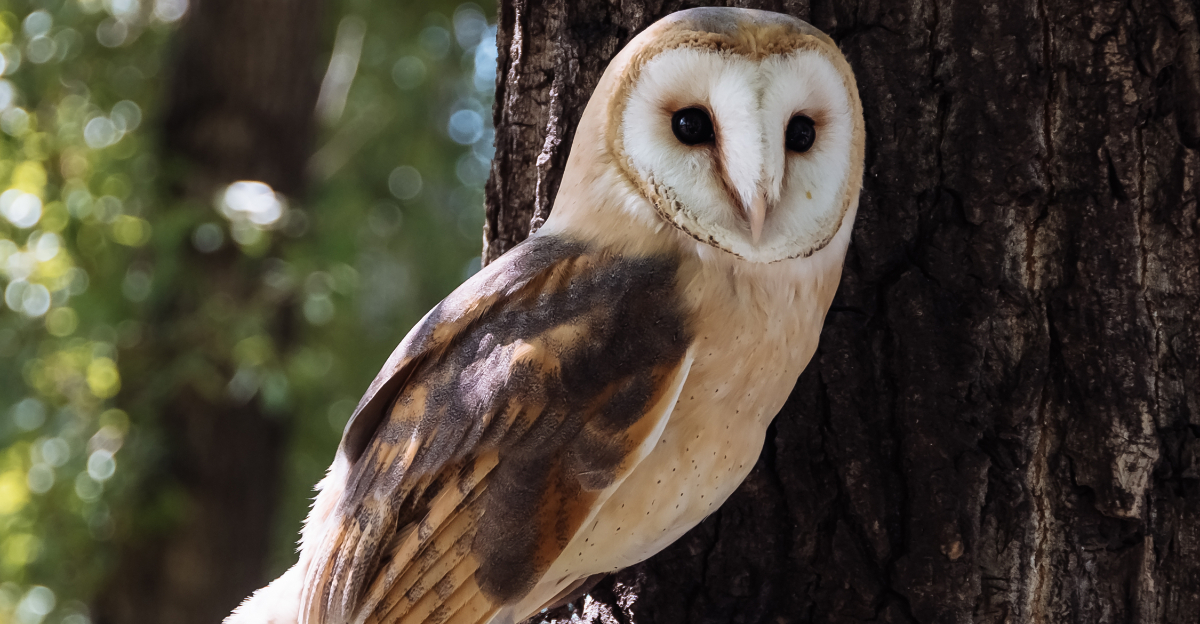
A barn owl can snatch a rodent from thirty feet away without making a sound. That kind of silent precision explains why Texas ranchers have quietly stopped buying traps and started building owl boxes instead.
One nesting pair works through hundreds, sometimes over a thousand, mice, rats, and voles across a single breeding season. They hunt every night, rain or shine, covering ground no bait station could reach.
Here’s the part most homeowners miss: these birds don’t need coaxing with food or fancy equipment. They need a safe, elevated box and a food source already living in your yard.
Texas backyards happen to check both boxes without much effort.
Barn Owls Provide Natural Rodent Control For Texas Yards
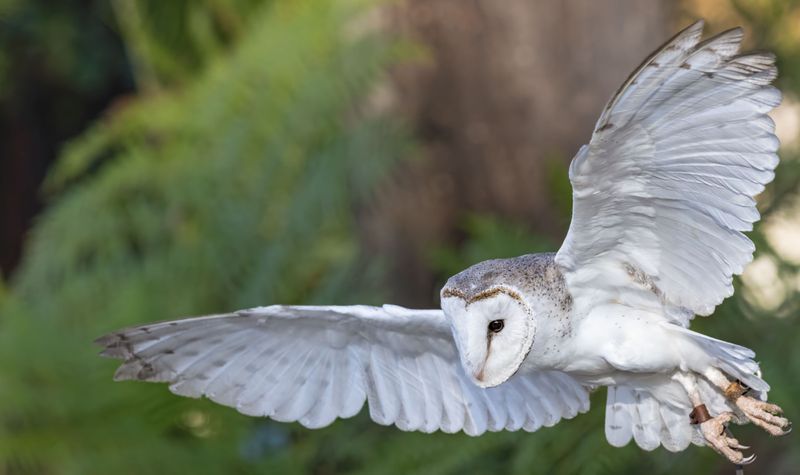
Silent wings slice through the night air. That ghostly white shape gliding low over your garden is not a ghost, it is a barn owl on the hunt.
Barn owls are among the most effective natural rodent controllers in North America. A single owl can consume three to five rodents every night.
For Texas homeowners, that adds up fast. One nesting pair, raising two clutches per year, can remove over a thousand mice from your property in one season.
There’s no trap to reset at 2 a.m., no bait station to restock. The owls handle it while you sleep, doing what they were born to do.
Attracting barn owls means fewer mice chewing through garden beds, gnawing wires, or raiding compost bins. Your vegetables stay safer, and your nerves stay calmer.
Texas is one of the best states for barn owl habitat. Wide open spaces, warm nights, and abundant prey make the Lone Star landscape genuinely ideal for these birds.
Unlike chemical rodenticides, barn owls leave no toxic runoff behind. Your soil, your pets, and your kids stay safer when owls handle pest control naturally.
Barn owls are also non-territorial toward humans. They hunt quietly, roost discreetly, and ask for almost nothing in return.
Setting up your yard for barn owls is a long-term investment. Once they find your property attractive, they return season after season with very little upkeep on your part.
Nesting Boxes Give Owls A Reason To Stay
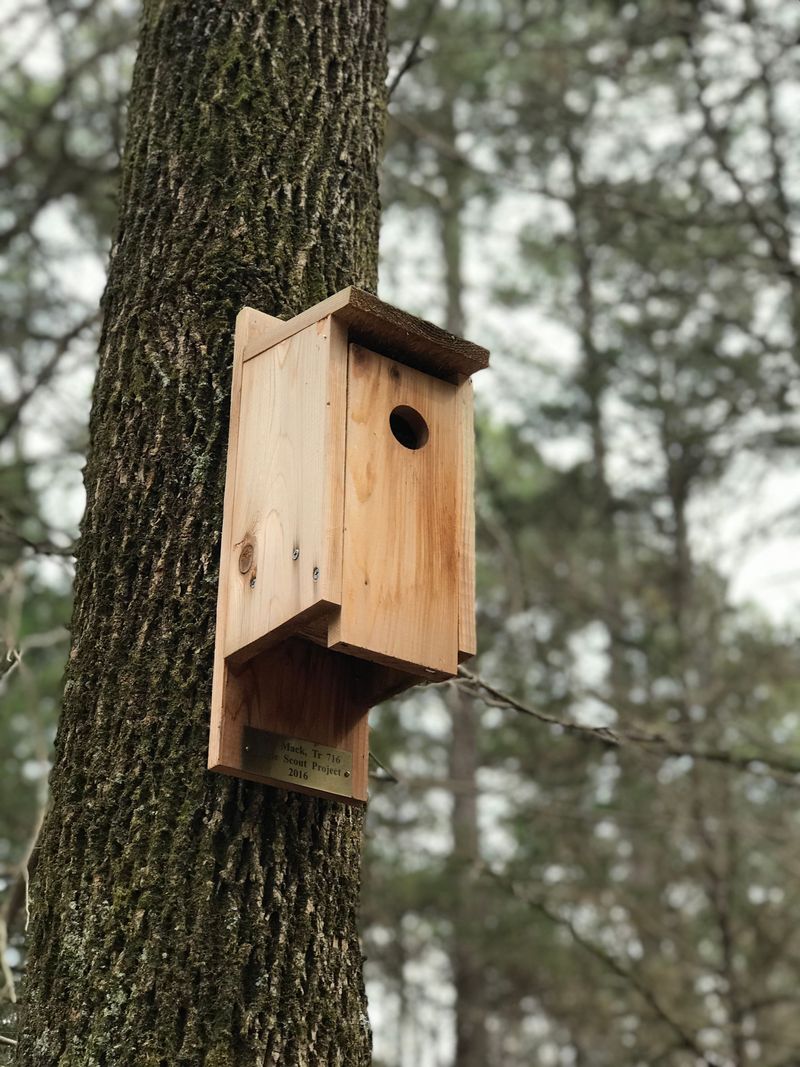
Barn owls won’t settle without a proper cavity to call home. As natural cavity nesters, they need a sheltered hollow to raise their young.
Natural cavities in old trees are disappearing fast across Texas suburbs. Putting up a nesting box is one of the most effective steps you can take to attract a nesting pair.
Barn owl boxes should be mounted at least twelve to fifteen feet off the ground. Height gives owls a safe launch point and keeps predators from reaching the entrance hole.
Face the box opening away from prevailing winds and direct afternoon sun. Texas summers are brutal, and overheating inside a box can cause nesting failure quickly.
The interior dimensions matter too. A box that is roughly eighteen inches wide, eighteen to twenty-four inches deep, and eighteen to twenty-four inches tall mimics a natural tree cavity well.
Your Texas Garden Changes Every Week. Your Plan Should Too.
Gardening in Texas changes quickly throughout the season. Every Friday you’ll receive a simple weekly plan showing exactly what to plant, prune, fertilize, harvest, and protect so you never miss the right timing.
Add a few inches of wood shavings inside the box. Barn owls do not build nests themselves, so a soft base layer gives eggs a stable resting spot.
Place the box near open hunting ground, like a meadow, pasture, or large lawn. Owls need clear flight paths to swoop low and catch prey efficiently.
Avoid mounting boxes near bright lights or busy roads. Noise and light pollution disrupt the owls’ natural hunting rhythms significantly.
Check your box annually in late winter, before nesting season begins. Clean out old pellets and debris so the space stays fresh and welcoming for returning birds.
Native Habitat Features Attract These Beneficial Predators
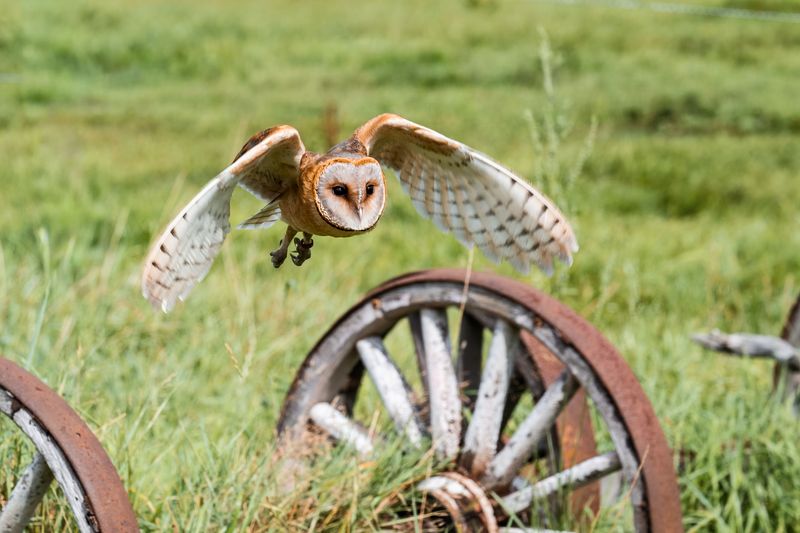
Your garden tells a story. Barn owls read that story before they ever land, scanning for signs that a yard offers good hunting.
Open grassy areas are critical. Barn owls hunt by flying low over short vegetation, listening for the rustle of small mammals beneath the grass.
Native grasses like buffalograss or sideoats grama create perfect hunting corridors. These low-growing grasses let owls fly close to the ground without obstruction.
Leaving some edges of your property slightly wilder also helps. A strip of unmowed grass along a fence line gives mice a habitat, which gives owls a reason to patrol.
Mature trees near open hunting ground provide roosting spots during daylight hours. Barn owls sleep tucked into dense foliage or old tree cavities, so preserving big shade trees matters.
Avoid over-manicuring every corner of your yard. A perfectly groomed suburban garden looks tidy but offers owls almost nothing to work with on a hunt.
Shrubs and brush piles near the garden perimeter attract insects, which attract small rodents. That chain reaction brings hunting owls straight to your property line.
Consider reducing or eliminating outdoor lighting near hunting areas. Barn owls rely on darkness and extraordinary hearing rather than vision to locate prey at night.
Creating layered habitat, tall trees, mid-level shrubs, and open ground, gives barn owls everything they need to roost, hunt, and eventually nest nearby.
Avoiding Pesticides Protects Owls From Secondary Poisoning
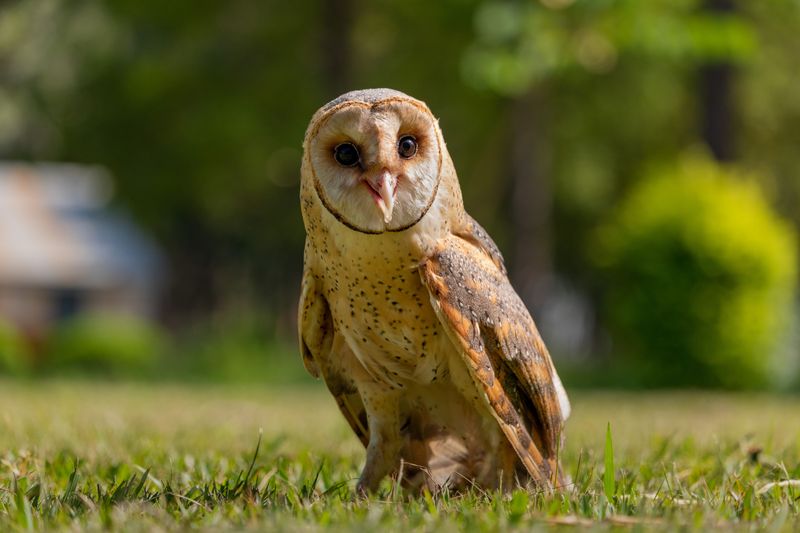
Here is something most gardeners never consider. When a mouse eats poison bait, that toxin does not disappear when the mouse does.
Barn owls eat dozens of poisoned rodents before symptoms appear. The accumulated toxins build up in the owl’s liver and bloodstream, weakening the bird over time.
Secondary poisoning is one of the leading threats to barn owl populations across the United States. Using rodenticides in your yard essentially poisons the very predators you want to attract.
Switching to snap traps instead of poison bait eliminates that risk completely. Snap traps remove rodents without leaving toxic residue inside the prey animals owls consume.
Herbicide use also deserves a second look. Many common lawn chemicals reduce insect populations, which shrinks the food chain that supports rodents and, in turn, the owls that hunt them.
Organic lawn care practices protect the entire ecosystem your garden depends on. Healthy soil supports insects, insects support small mammals, and small mammals support barn owls beautifully.
Check product labels before applying anything to your lawn or garden beds. Some fungicides and insecticides have documented effects on bird health even at low exposure levels.
Neighbors matter here too. If nearby properties use heavy rodenticides, owls hunting across those yards face the same poisoning risk regardless of your own choices.
Talking to neighbors about owl-friendly pest control can expand the safe hunting zone. A larger chemical-free area means more barn owls patrolling your entire neighborhood block.
Water Sources Make Your Garden More Appealing
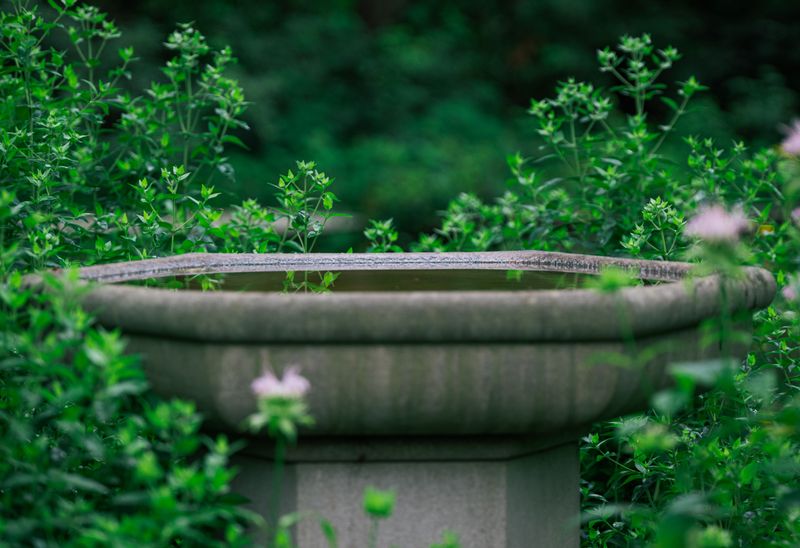
Water is a magnet for wildlife, full stop. Adding a reliable water source to your garden sets off a chain reaction that eventually draws in barn owls.
Barn owls drink and occasionally bathe, though they get most of their moisture from prey. Still, a water feature signals that your yard is a healthy, thriving ecosystem worth visiting.
More importantly, water attracts the small mammals that barn owls depend on for food. Mice and voles congregate near standing water sources, especially during dry Texas summers.
A shallow ground-level basin works well. Keep the water depth under two inches so smaller animals can access it without risk of drowning.
Change the water every two to three days to prevent mosquito breeding. Stagnant water creates pest problems you definitely do not want to trade for owl benefits.
A gentle dripper or small recirculating pump adds movement to the water. Moving water catches the attention of birds and mammals from a surprising distance away.
Position your water source near cover, like a shrub or low brush pile. Prey animals feel safer drinking near shelter, which increases how often they visit your yard.
Avoid placing water features directly under bright porch or security lights. Darkness near the water source makes nocturnal animals more comfortable approaching after sunset.
Consistent water availability throughout the year, not just summer, keeps your garden active with wildlife. Year-round activity means barn owls have more reason to include your yard in their nightly hunting route.
Signs Barn Owls Have Moved Into Your Property
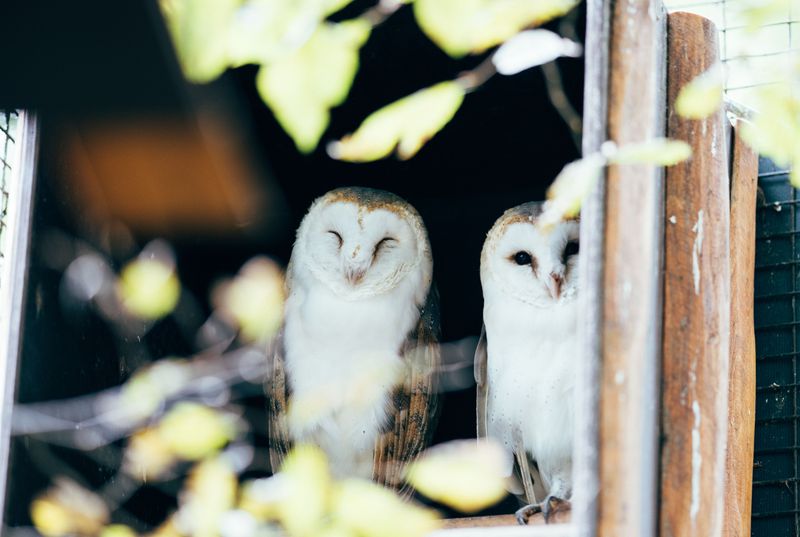
Something shifted in your yard last night. You might not have seen it, but the clues are already there if you know where to look.
Barn owl pellets are the clearest sign of a resident owl. These compact, gray-black ovals contain fur and bones from digested prey, left beneath roosting spots.
Check underneath old fence posts, barn rafters, tree cavities, and your nesting box entrance. Pellets scattered in the same spot repeatedly mean an owl is roosting there regularly.
Hearing a raspy, drawn-out screech at night is another strong indicator. Barn owls do not hoot like great horned owls, their call sounds more like a long, eerie hiss.
Whitewash, the white splatter of owl droppings, often appears on surfaces below a favorite roost. Look for it on fence boards, wooden posts, or the ground beneath large tree branches.
Feathers near a roosting area can also confirm presence. Barn owl feathers are pale tan and white, soft-edged, and surprisingly large when found up close.
Reduced rodent activity around your garden beds is perhaps the most satisfying sign. Fewer chewed plants and disturbed soil mean something is keeping the mouse population in check overnight.
Motion-activated cameras placed near your nesting box reveal nighttime activity without disturbing the owls. Reviewing footage in the morning is often the easiest way to confirm activity without disturbing the owls.
Once barn owls find your property suitable, the site tends to get reoccupied year after year. Protecting their habitat keeps them coming back to manage rodents naturally, season after season.