Michigan Corn Leaves Curling In Summer? How To Tell Drought Stress From Normal Heat
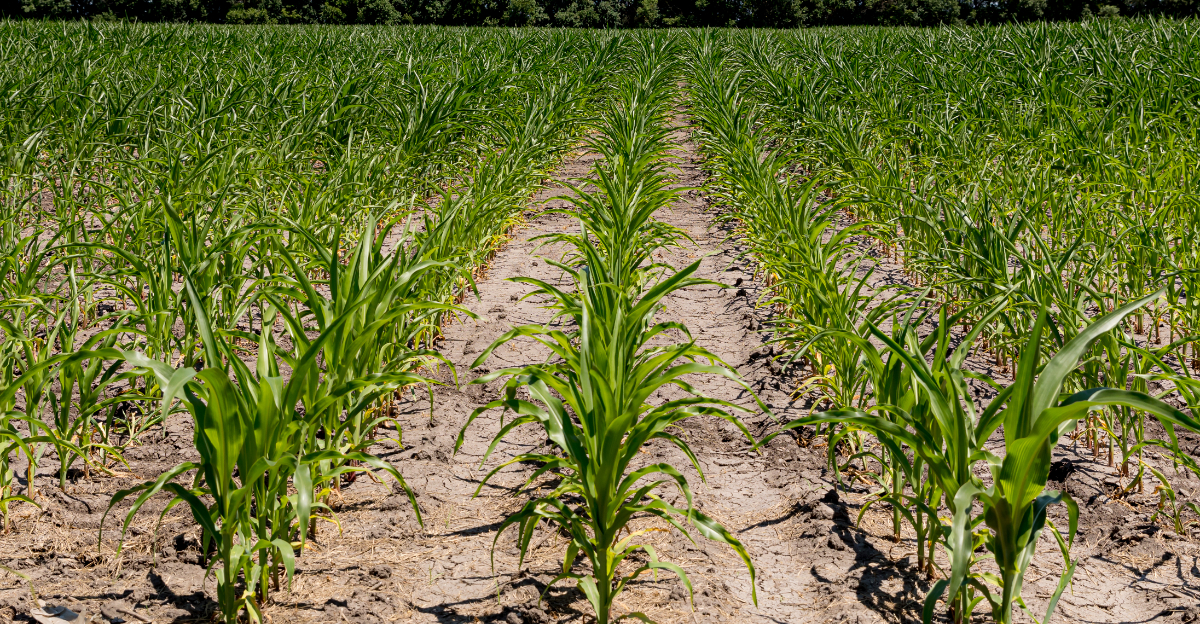
Corn leaves curling during a hot Michigan afternoon can look alarming, but it doesn’t always mean your plants are in trouble.
This curling is often a natural defense against heat, helping the plant reduce water loss through its leaf surface during the warmest hours of the day.
If leaves uncurl by evening once temperatures drop, the plant is simply managing normal summer stress. True drought stress looks different, with leaves staying curled well into the night and soil feeling bone dry several inches down.
Checking soil moisture with your finger is the easiest way to tell the two apart. Consistent watering during dry stretches helps prevent lasting damage to developing ears.
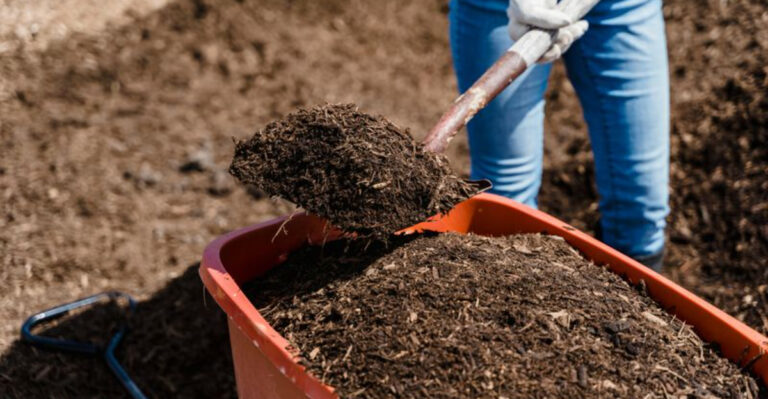
Mulching around corn rows also helps retain moisture during Michigan’s hottest weeks. Knowing this difference saves you from overwatering plants that are simply adjusting to the heat.
1. Midday Rolling Can Be A Normal Cooling Response
Picture your corn plants on the hottest afternoon of the year, leaves curled so tightly they look almost like straws. Before you grab the garden hose, take a breath.
That rolling is actually a built-in survival trick corn has used for thousands of years.
When sunlight is at its strongest, usually between noon and three in the afternoon, corn leaves roll inward to reduce the surface area exposed to direct sun.
Less exposed leaf means less moisture evaporating into that blazing Michigan summer air. The plant is essentially folding itself smaller to stay cooler, not sending a distress signal.
This response can happen even when the soil still holds plenty of moisture. The air temperature, wind speed, and sun intensity all push the plant to conserve water faster than the roots can supply it.
That temporary gap between supply and demand causes rolling, even in well-watered gardens.
The key detail here is timing. Midday rolling that appears around noon and only affects the upper leaves is generally a normal response.
It does not automatically mean the plant is suffering from drought. The time of day when curling starts and how quickly the leaves relax afterward are far more useful clues than the curling itself.
Checking the plant at three different times, midday, sunset, and early morning, gives you a much clearer picture than any single observation. One afternoon glance can easily mislead even experienced Michigan gardeners into unnecessary action.
2. Evening Recovery Usually Points To Temporary Heat
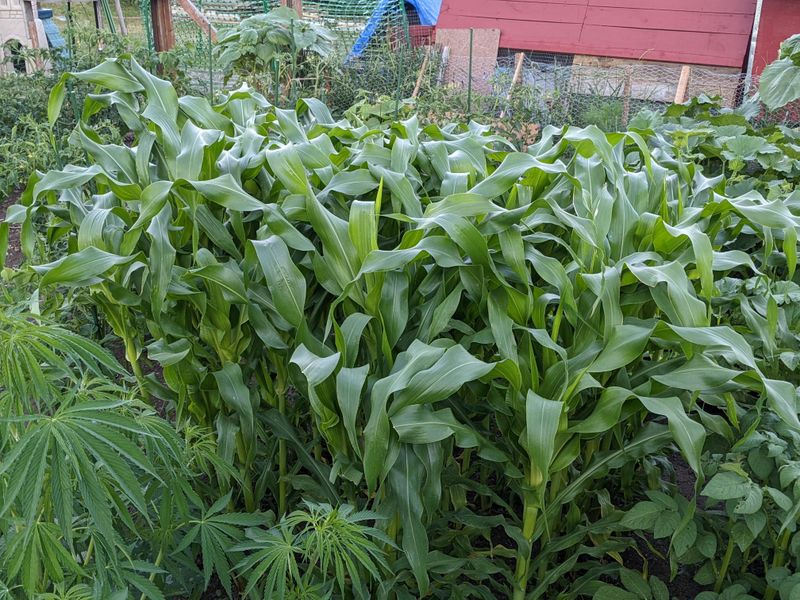
Here is a simple test every Michigan corn grower should use before reaching for the irrigation hose. Walk back out to your corn patch once the sun starts dropping and the air temperature begins to ease.
What you find there tells you more than anything you saw at noon. Leaves that were tightly rolled at two in the afternoon but gradually unfurl by seven or eight in the evening are giving you a very reassuring message.
The plant borrowed a little from its water reserves during peak heat and is now paying it back as conditions cool.
By the following morning, healthy plants usually look completely normal, upright, and fully open.
Your Michigan Garden Changes Every Week. Your Plan Should Too.
Gardening in Michigan changes quickly throughout the season. Every Friday you’ll receive a simple weekly plan showing exactly what to plant, prune, fertilize, harvest, and protect so you never miss the right timing.
Along with leaf position, pay attention to color. Rich green leaves that stay vibrant even after a hot day are a strong sign of a plant in good shape.
Look at the overall posture of the stalk too. Upright, sturdy plants that continue pushing out new growth and show normal tassel or ear development are not struggling in any serious way.
Comparing the same plants at three points in the day, midday, sunset, and the next morning, creates a reliable pattern you can actually trust. A single snapshot at the worst part of the afternoon gives you an incomplete story.
Evening recovery is one of the clearest signals that your corn is handling summer heat just fine without needing extra water from you.
Patience and observation together are more powerful than any moisture meter on the market.
3. Morning Curling Signals More Serious Moisture Stress
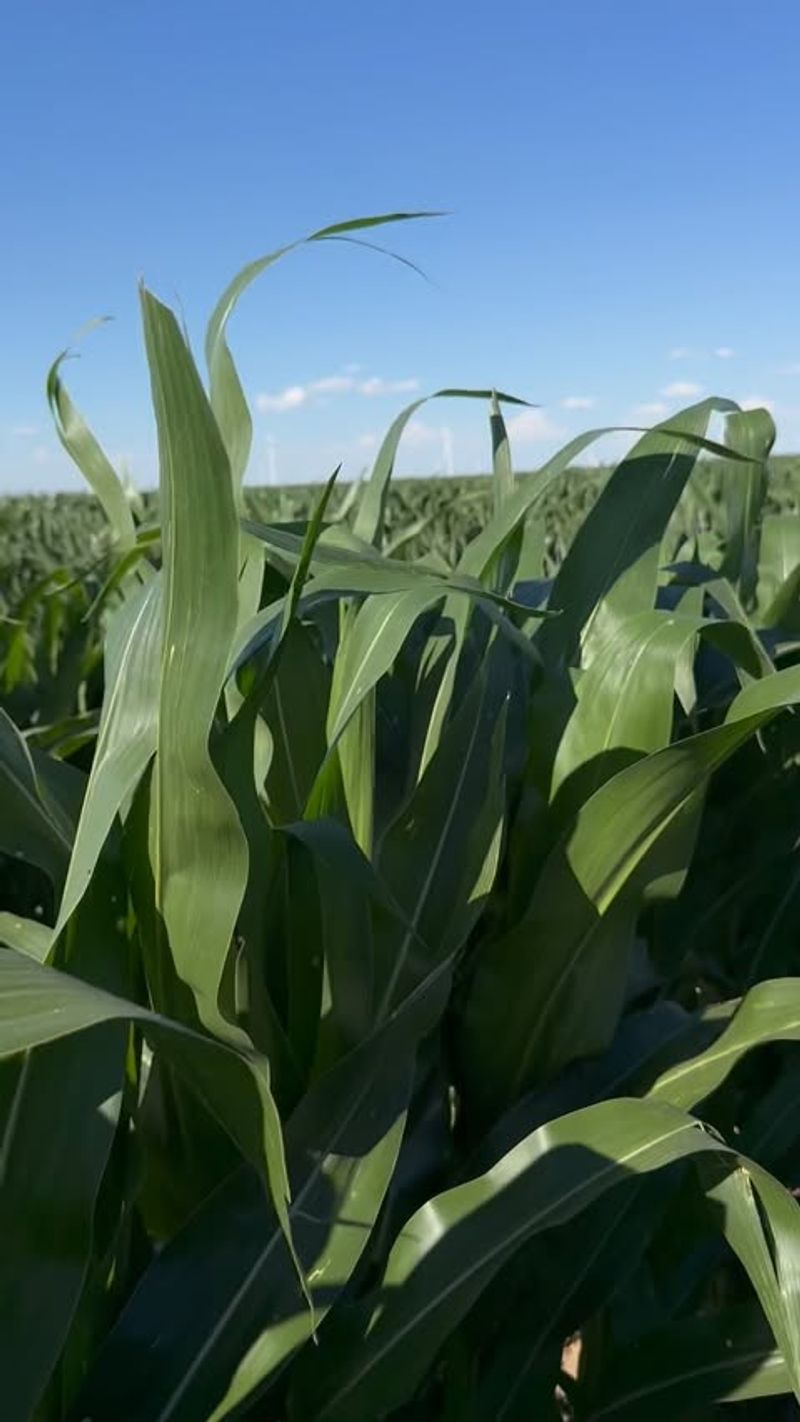
Morning is when corn plants should look their very best. Overnight temperatures drop, the sun has been resting for hours, and the soil has had a chance to move moisture upward through the roots.
When curled leaves greet you at sunrise, that is a completely different story than what you see at noon.
Rolling that is already present before eight in the morning, or that starts up again by midmorning before the day really heats up, means the plant cannot meet its own water needs even under gentle conditions.
The overnight recovery window has passed without the leaves fully reopening. That is a meaningful warning worth taking seriously.
Curling that begins by midmorning, persists into early evening, or is still noticeable before sunrise the following day points to a genuine shortage of available soil moisture. The plant is not just responding to peak sun.
It is running low on what it needs to function through the whole day. The right next step is not to immediately water. Instead, check the actual moisture in the root zone before adding anything.
Soil can look perfectly fine on the surface while being surprisingly dry several inches down where the roots actually feed. Pushing a finger, a screwdriver, or a simple soil probe into the ground near the base of a curled plant gives you real information.
Acting on what the soil actually shows rather than what the leaves appear to suggest keeps your decisions grounded in facts rather than worry.
4. Dark Gray Green Leaves Increase The Concern
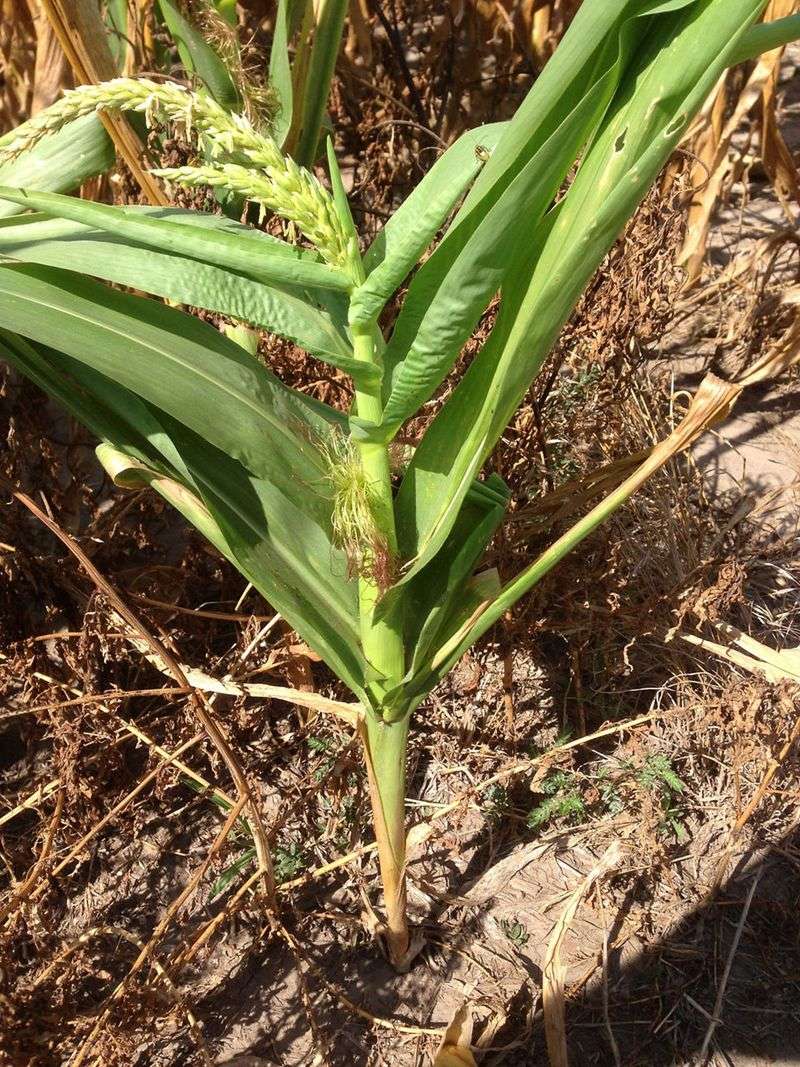
Color is one of the most overlooked clues in the entire corn stress conversation. Most gardeners focus entirely on whether leaves are curled or open, but the shade of green those leaves display can quietly tell you something much more important.
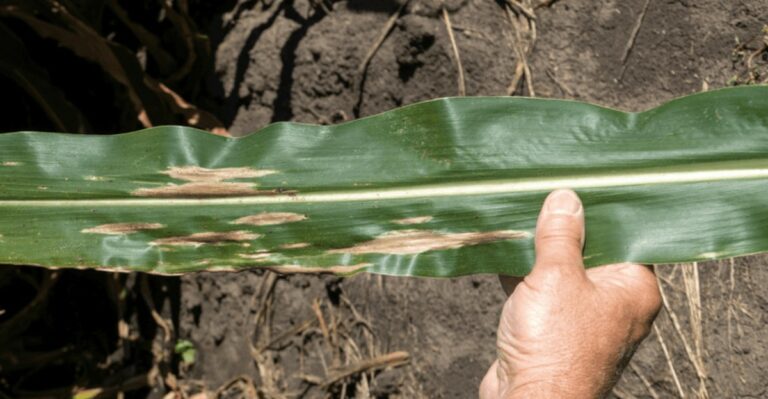
Corn leaves under genuine drought pressure often shift from a healthy bright green to something dull, darker, and almost grayish green.
The leaves may feel less flexible when you gently touch them, and they tend to stay tightly rolled even as evening temperatures fall.
That combination of unusual color and poor evening recovery is a much more serious signal than rolling alone.
Contrast that with a plant experiencing only temporary heat stress. Its leaves relax as the afternoon cools, the color stays a normal vibrant green, and the whole plant looks refreshed by morning.
The difference between these two scenarios is usually visible if you know what to look for.
Beyond color, watch for dry or slightly papery leaf margins, a slowdown in new growth, delayed silk development, or a general lack of recovery after cooler nights. Any one of these signs alongside the color change adds weight to the concern.
None of them alone is a definitive answer, but together they build a picture. Always evaluate color changes alongside soil moisture and the daily rolling pattern rather than treating any single symptom as the whole story.
Your corn will give you several clues at once, and reading them together leads to much smarter decisions than reacting to just one.
5. Sandy Soil Can Dry Before Nearby Soil
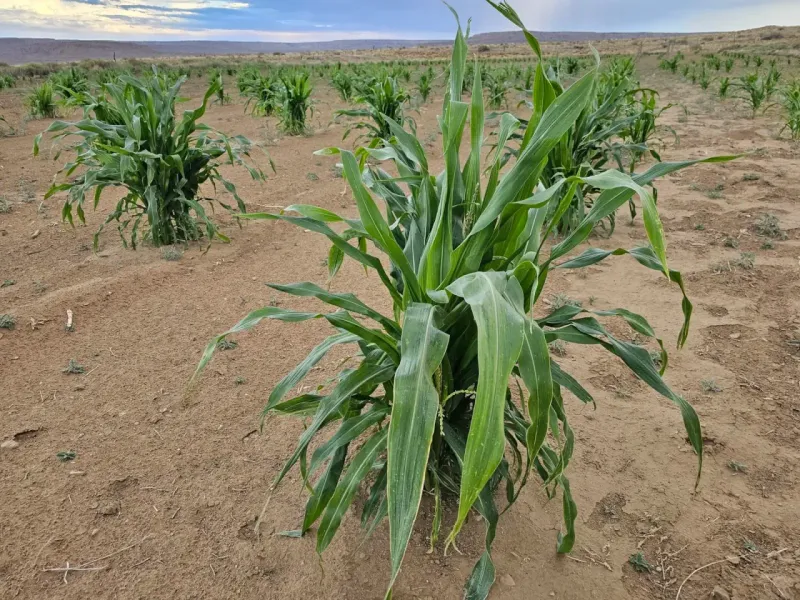
One of the strangest things a Michigan gardener can witness is corn plants curling in one part of the garden while plants just a few feet away look completely relaxed and healthy.
Before assuming the whole planting is stressed, look down at the ground beneath each group of plants.
Sandy soil is the usual suspect in these uneven situations. Unlike loam or clay-rich soil, sand holds far less available water between its particles.
During a stretch of hot, breezy Michigan summer days, sandy areas can go from adequately moist to surprisingly dry within just a day or two.
Nearby sections with better soil texture hold onto moisture much longer and keep roots supplied through the same dry stretch.
Michigan gardens often contain more than one soil type within a surprisingly small area, especially in yards where topsoil was added, graded, or disturbed during construction or landscaping.
A patch of sandy subsoil exposed near a raised bed edge, a low spot filled with different material, or a naturally occurring texture change can create isolated dry zones that affect only a few plants.
Rather than judging the whole planting based on what one section shows, check the soil moisture beside several individual plants.
Push a finger or a probe into the ground near the curled plants and then repeat the check near the ones that look fine. The difference in soil feel between the two spots will usually explain everything you are seeing above ground.
6. Compacted Soil Can Limit Root Water Access
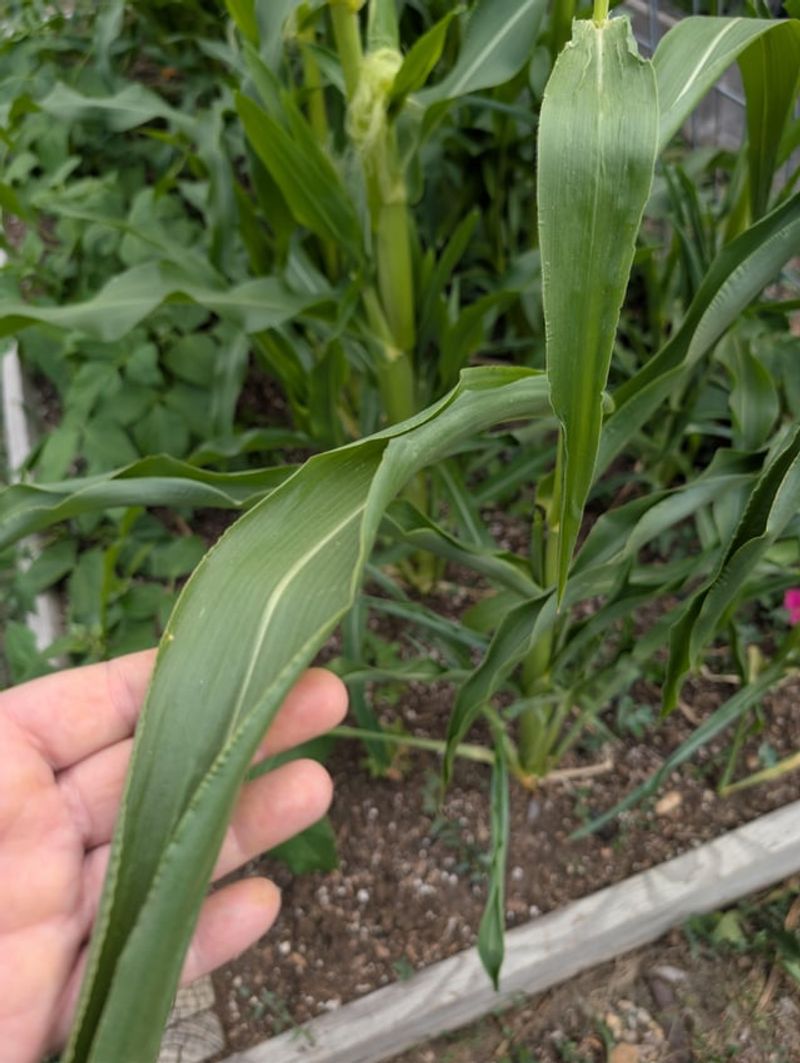
Soil compaction is one of those problems that hides in plain sight. The ground looks fine from above, maybe even moist after a recent rain, but the corn plants nearby still curl and struggle.
What is happening below the surface tells the real story. When soil particles are pressed tightly together from repeated foot traffic, heavy garden equipment, or working the ground while it is wet, roots cannot grow freely through it.
Compacted soil also slows the movement of water downward and limits how much air reaches the root zone.
Even when moisture is present just inches away from the compacted layer, roots trapped within it cannot access what they need.
Watch for a useful pattern clue here. If curling is concentrated along pathways, near bed edges, or in specific patches where people or equipment regularly pass, compaction is a strong candidate.
Plants in the open center of a well-tended bed may look perfectly healthy while those along the margins struggle visibly.
Fixing compaction mid-season requires a gentle touch because corn roots spread widely and shallowly. Avoid deep cultivation near established plants since that easily damages active roots and makes things worse.
Instead, focus on reducing foot traffic in the affected area immediately, and consider adding a thin layer of mulch to protect the surface and slowly improve conditions.
Long-term improvement comes from working compost into the soil each fall and using permanent pathways that keep foot traffic off planting areas entirely. Healthy loose soil gives corn roots the freedom they need to find water on their own.
7. Tasseling And Silking Make Curling More Urgent
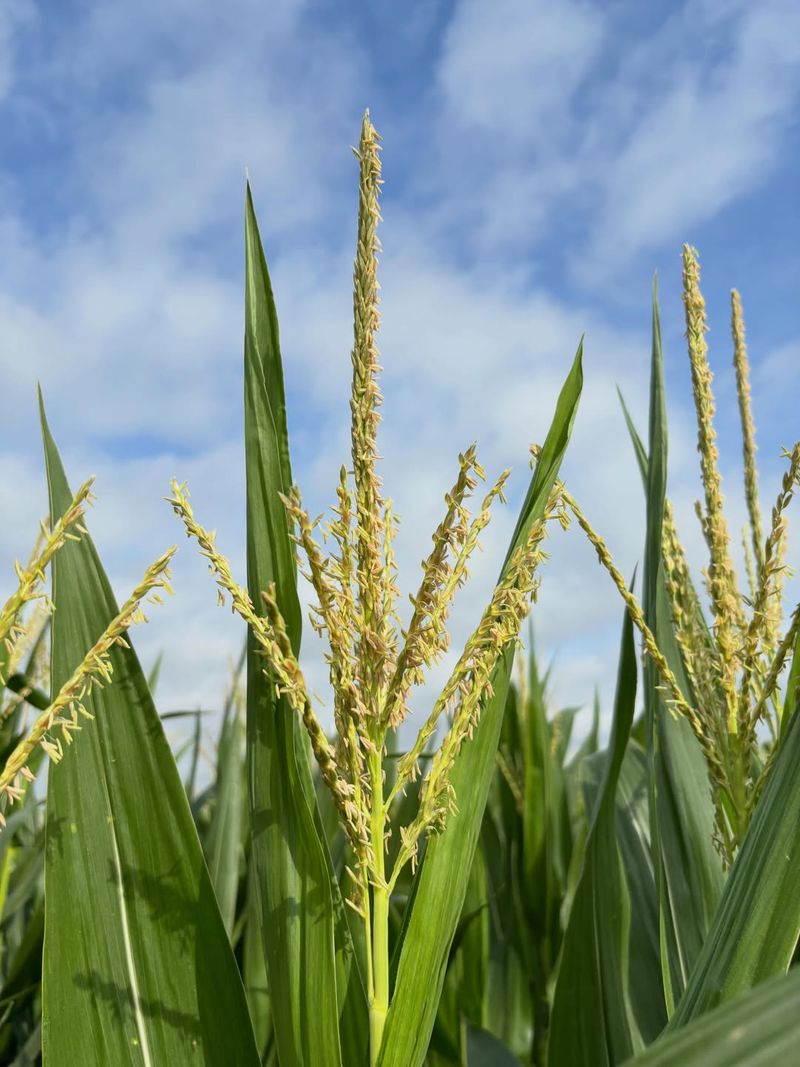
Timing changes everything when it comes to corn and water stress.
A curled leaf in early summer when plants are still short and growing vegetatively is a different situation than the same curl appearing when tassels are pushing out of the top of the stalk.
The most critical moisture window for corn begins roughly one week before the tassels emerge and stretches for about three weeks after silking starts. During this narrow stretch, the plant is doing the most important work of its entire season.
Pollen must travel from the tassel down to each individual strand of silk, and every strand of silk that receives pollen produces one kernel on the developing ear.
Moisture stress during pollination can interfere with silk emergence, causing silks to dry out before pollen arrives or to emerge unevenly.
Poor pollination leads directly to gaps in kernel development, sometimes called poor ear fill, where sections of the ear remain empty.
Once that window closes, no amount of water can go back and fix what was missed.
Persistent curling during tasseling and silking deserves immediate attention rather than a wait-and-see approach. Check the root zone moisture right away and water slowly and deeply if the soil confirms it is dry.
Do not rely on a light surface sprinkle during this stage since shallow watering rarely reaches the depth where corn roots are actually working.
Closer monitoring during this brief but critical period is one of the highest-value habits any Michigan corn grower can build into their summer routine.
8. Root Zone Moisture Matters More Than Surface Appearance
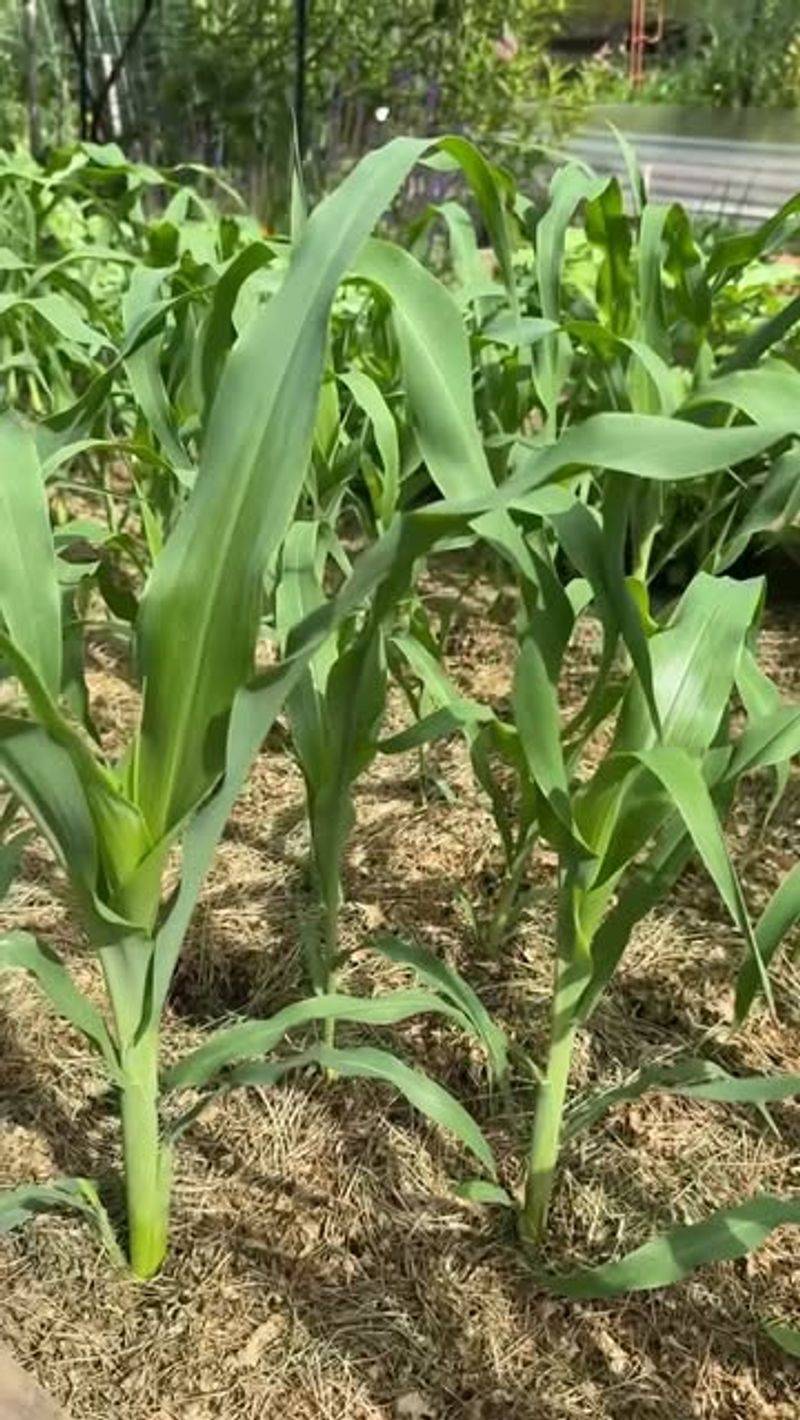
The surface of garden soil can be one of the most misleading things you look at all summer. A quick afternoon shower can leave the top inch looking and feeling perfectly damp while the soil four or five inches down remains completely dry.
Corn roots do not feed from that top inch, so that surface moisture means almost nothing to a thirsty plant.
The opposite situation also catches gardeners off guard. Soil that looks cracked and pale on top can still hold adequate moisture several inches down, especially in heavier loam or clay-rich ground that dries slowly from the surface inward.
Watering based on surface appearance alone in either case leads to decisions that do not match what the roots are actually experiencing.
The most reliable approach is to check moisture at multiple depths and in multiple spots across the planting.
A simple soil probe, a screwdriver, or even a clean finger pushed four to six inches into the ground near the base of curled plants gives you real information. Do this in several locations since soil texture and drainage vary even within small gardens.
When the root zone genuinely feels dry at that depth, water slowly and deeply rather than applying frequent small amounts.
Slow deep watering encourages roots to grow downward toward reliable moisture rather than staying shallow and vulnerable to rapid surface drying.
Afternoon-only rolling with full evening recovery almost always points to temporary heat response.
But morning curling, persistent evening rolling, unusual leaf color, and confirmed dry deeper soil together point clearly to drought stress that actually needs your attention.