What Georgia Gardeners Should Do With Zinnias Right Now So They Bloom All Autumn
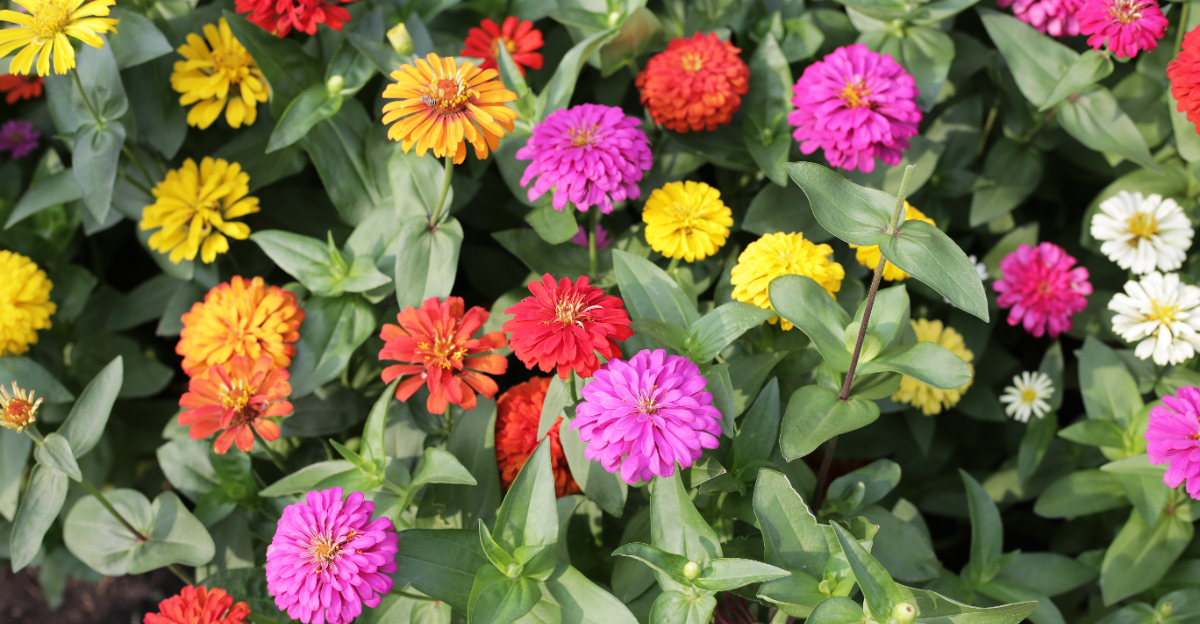
Zinnias can look full of color one week and tired the next if you ignore them in July. Many Georgia gardens lose weeks of beautiful blooms because this simple job gets delayed.
Do not let that happen in your own flower beds. Grab your pruners and spend a few minutes with your plants before the month slips away.
A few careful cuts can encourage fresh stems and many more flowers later in the season. Healthy zinnias respond quickly when you give them attention at the right time.
That is why this task is worth doing now instead of waiting. Your garden can stay colorful much longer with very little effort.
Knowing exactly what to do this month helps your zinnias keep blooming right through autumn with beautiful, reliable color.
1. Remove Faded Flowers To Keep Blooms Coming
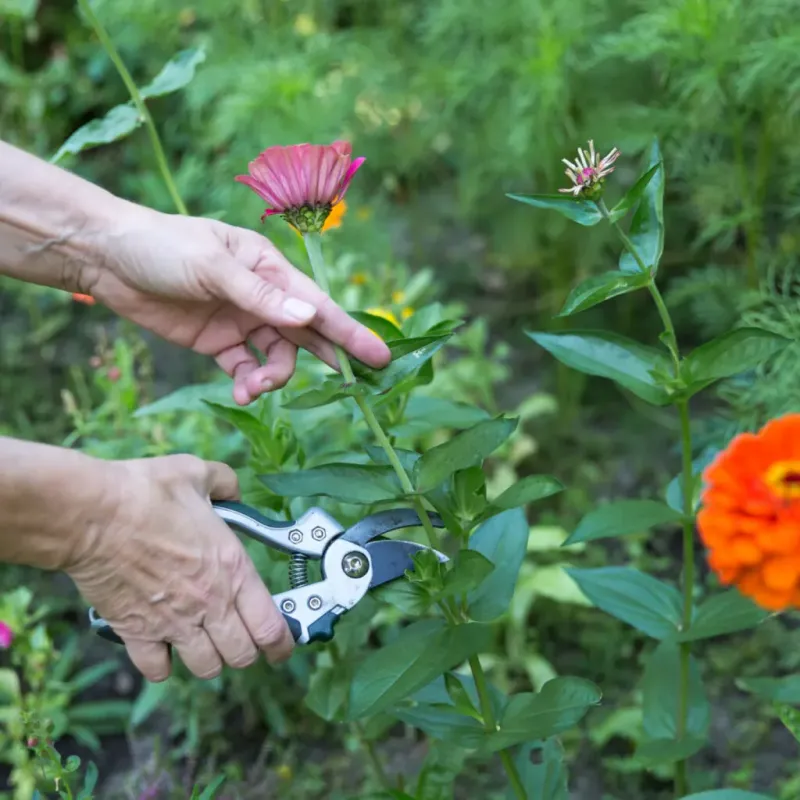
Leaving old blooms on the plant is one of the fastest ways to slow down your zinnia production. Once a flower fades, the plant shifts its energy toward making seeds instead of pushing out new buds.
Snipping those spent blooms regularly keeps that energy focused on flowering.
Deadheading is simple. Use clean scissors or small pruning shears.
Cut the faded stem back to just above the nearest set of healthy leaves or a side shoot. That small cut signals the plant to branch out and set new buds within days.
In a hot Southern summer, zinnias can fade quickly. Checking plants every two to three days keeps things moving.
You do not need to remove every single petal, just the blooms that are clearly past their prime and starting to dry out or droop.
Some gardeners skip this step thinking it does not matter much. It does.
Plants that get deadheaded regularly tend to produce noticeably more flowers than those left alone. The difference becomes very clear by late summer when neglected plants slow down while well-tended ones keep blooming strong.
Deadheading also keeps your garden looking tidy and fresh. Faded flowers attract mold in humid conditions, which can spread to healthy stems.
Removing them reduces that risk and keeps your plants looking their best heading into fall.
2. Water Consistently During Hot July Days
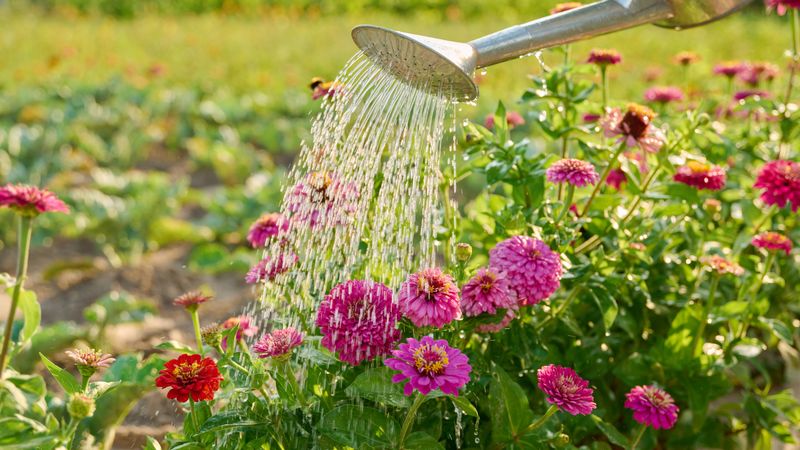
Zinnias are tough, but even tough plants struggle when the soil dries out completely in peak summer heat. Inconsistent watering causes stress that weakens stems, fades color, and slows bloom production faster than most people expect.
Water deeply at least two to three times per week during hot spells. A slow, deep soak is far better than a quick sprinkle every day.
Deep watering encourages roots to grow downward, which helps plants stay stable and better equipped to handle heat.
Always water at the base of the plant, not the leaves. Wet foliage in warm, humid conditions invites powdery mildew, which is a common problem for zinnias in Georgia summers.
Keeping water off the leaves reduces that risk significantly.
Early morning is the best time to water. Moisture soaks into the soil before the day heats up, and any water that splashes on leaves has time to dry before evening.
Your Georgia Garden Changes Every Week. Your Plan Should Too.
Gardening in Georgia changes quickly throughout the season. Every Friday you’ll receive a simple weekly plan showing exactly what to plant, prune, fertilize, harvest, and protect so you never miss the right timing.
Evening watering tends to leave plants damp overnight, which encourages fungal issues.
Checking soil moisture before watering is a good habit. Stick a finger about an inch into the soil near the base of the plant.
If it feels dry, water thoroughly. If it still feels slightly moist, wait another day.
Overwatering can cause root problems just as easily as drought stress can.
3. Feed Plants With Balanced Nutrition For Growth
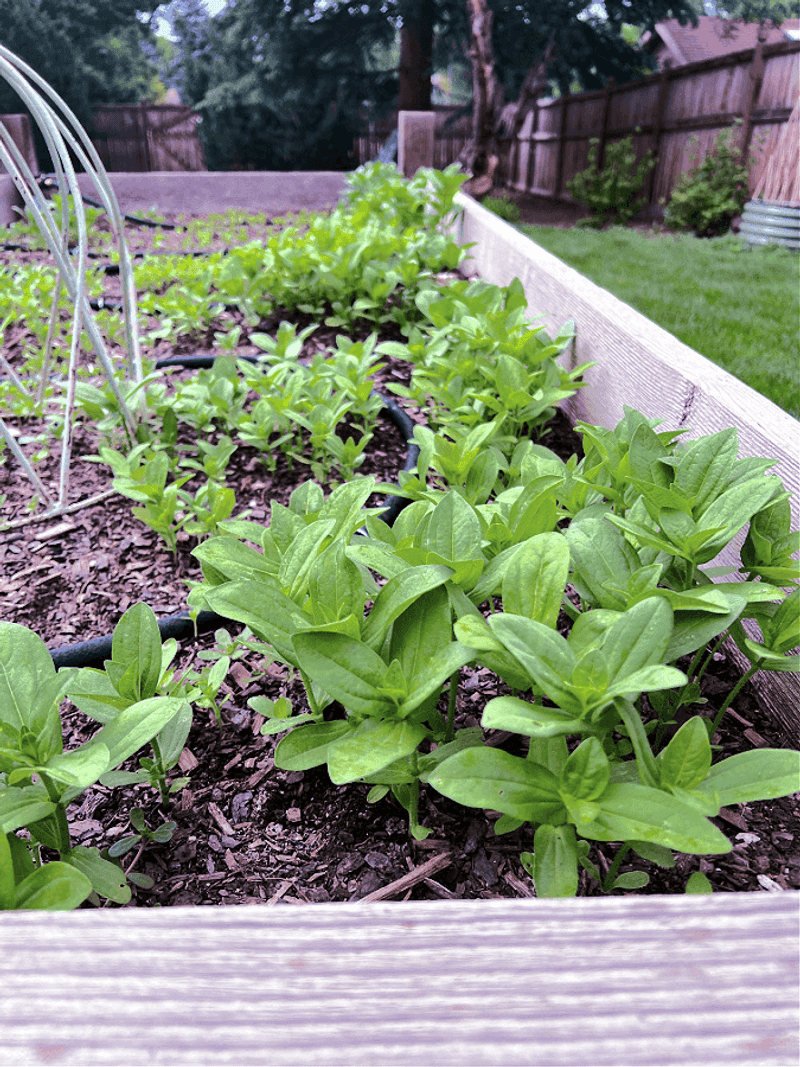
Zinnias planted in July need fuel to keep producing flowers through autumn. Without regular feeding, plants can look fine on the outside but slow down on bloom output.
Nutrition directly affects how many new buds a plant can push out each week.
A balanced fertilizer with equal parts nitrogen, phosphorus, and potassium works well for zinnias mid-season.
Something like a 10-10-10 granular fertilizer applied every three to four weeks gives steady support without overloading the plant with nitrogen, which pushes leaf growth at the expense of flowers.
Liquid fertilizers are another solid option. They absorb quickly and can give plants a noticeable boost within a few days.
Dilute according to package directions and apply at the base, not over the foliage, to avoid leaf burn in direct sun.
Avoid heavy fertilizing right before or during extreme heat waves. Pushing rapid growth when temperatures are above 95 degrees can actually stress plants more than help them.
A lighter application during those periods is smarter than a full dose.
Soil quality matters too. If your garden bed has poor, sandy, or heavily compacted soil, feeding alone may not be enough.
Mixing compost into the soil before planting or side-dressing with compost mid-season can improve nutrient retention and give fertilizer applications more lasting impact overall.
4. Improve Airflow Around Crowded Zinnias
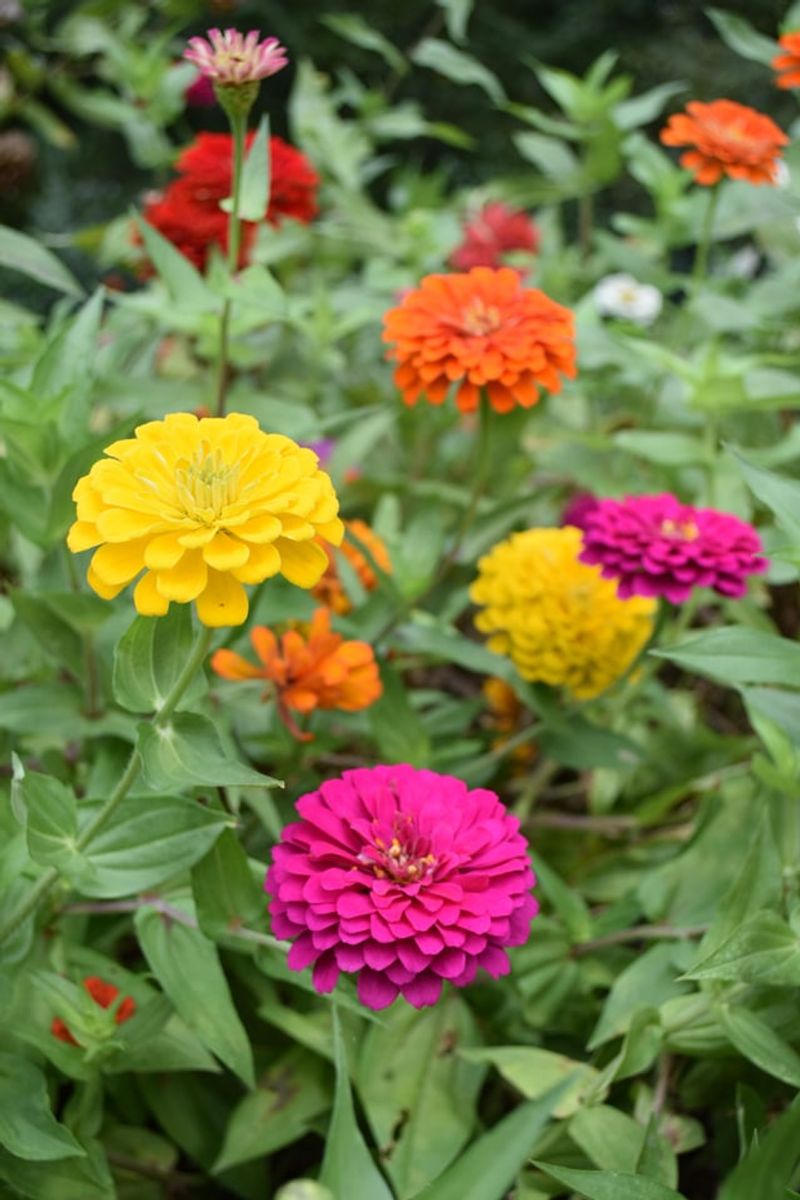
Crowded zinnias are an invitation for powdery mildew. When plants are packed tightly together, air cannot move freely between stems and leaves.
Moisture gets trapped, humidity builds up, and fungal problems take hold fast in summer conditions.
Walk through your zinnia beds and look for plants that are pressed against each other. If leaves are overlapping and stems are touching, that bed needs thinning.
Removing a few plants entirely or cutting back the most crowded branches can open up space significantly.
Good airflow is not just about disease prevention. Plants that have room to breathe tend to grow more upright and sturdy.
Crowded plants compete for light and often end up with weak, floppy stems that bend or snap in afternoon storms.
Aim for at least eight to twelve inches of space between plants, depending on the variety. Taller zinnia varieties like Benary’s Giant benefit from even more spacing.
Dwarf types can handle slightly closer planting but still need room for air to circulate.
Pruning back lower leaves that touch the soil is another helpful step. Those bottom leaves often stay damp longer and are the first place mildew appears.
Removing them does not hurt the plant and reduces one common entry point for fungal issues.
5. Protect Roots With A Layer Of Mulch
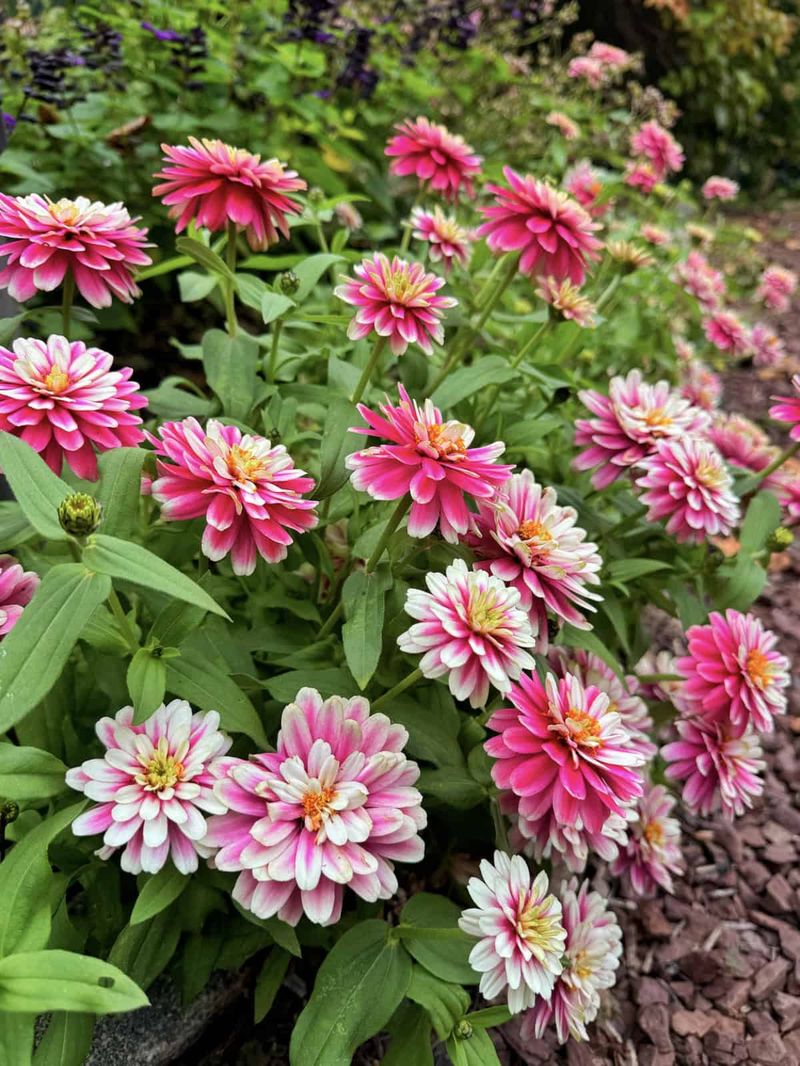
Bare soil in a July garden heats up fast. On a 95-degree afternoon, unprotected soil can reach temperatures that stress roots and speed up moisture loss.
Mulch acts as a buffer between that heat and the root zone where it matters most.
A two to three inch layer of mulch around your zinnia plants makes a real difference. Straw, shredded leaves, or wood chips all work well.
Spread it out to about six inches from the base of each plant, but keep it away from direct contact with the stem to avoid rot.
Mulch does more than regulate temperature. It slows down evaporation, which means your soil stays moist longer between waterings.
During dry spells in a Southern summer, that extra moisture retention can be the difference between plants that look fresh and plants that start to wilt and struggle.
Weeds are another issue mulch helps with. Fewer weeds mean less competition for water and nutrients.
Pulling weeds in July heat is not fun, so any step that reduces their presence is worth taking early in the month.
Organic mulches break down over time and add small amounts of nutrients back into the soil. That slow decomposition is a minor but real benefit.
Refresh your mulch layer if it thins out mid-summer, especially after heavy rain washes some of it away from the base of plants.
6. Check Plants Regularly For Summer Pests
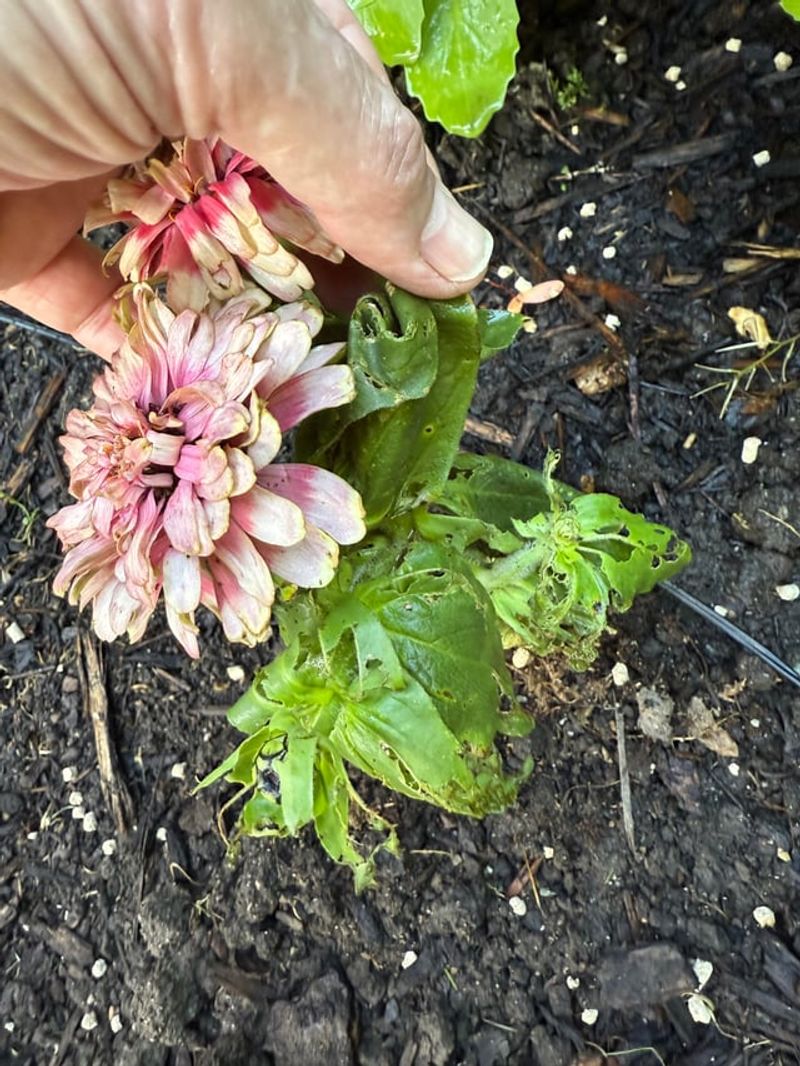
Aphids, spider mites, and Japanese beetles are all active in the South during summer, and zinnias are not immune to any of them. Catching pest problems early keeps small issues from turning into big ones that affect whole sections of your garden.
Check the undersides of leaves at least once a week. Aphids cluster there and reproduce quickly in warm weather.
A small colony can double in size within days. Catching them early means you can knock them off with a strong stream of water before they spread further.
Spider mites are harder to spot but leave visible clues. Look for fine webbing between stems and leaves, or a dull, stippled look on leaf surfaces.
Dry, hot conditions favor mite outbreaks. Keeping plants well watered helps reduce stress that makes them more vulnerable to mite damage.
Japanese beetles chew ragged holes in petals and leaves. Hand-picking in the early morning when they are sluggish is one of the most effective methods for small gardens.
Drop them into a bucket of soapy water rather than crushing them, since crushed beetles can attract more.
Insecticidal soap spray is a low-impact option for soft-bodied pests like aphids and mites. Apply in the early morning or evening, not midday sun, to reduce the chance of leaf burn.
7. Collect Seeds From Healthy Flowers For Next Season
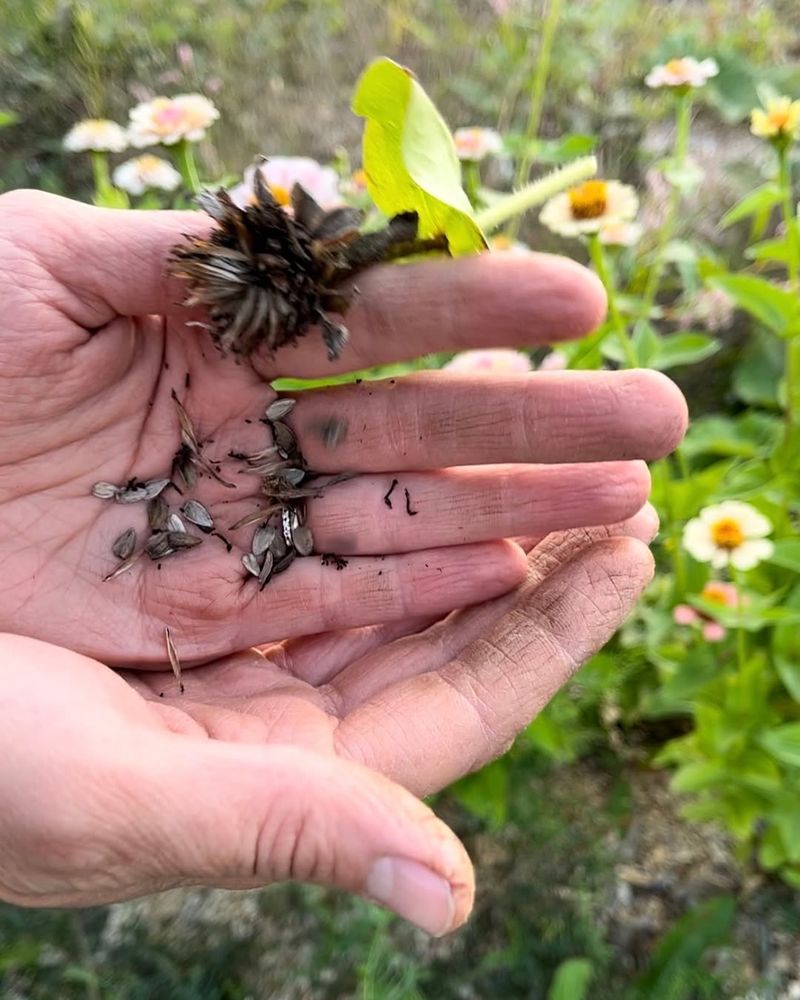
Saving zinnia seeds is one of the most satisfying things a gardener can do in late summer. It costs nothing, requires minimal effort, and gives you a head start on next year’s garden before the season even ends.
Wait until flower heads are fully dry on the plant before collecting. The petals should be brown and papery, and the center cone should feel firm and dry to the touch.
Pulling seeds too early means they have not matured enough to germinate reliably next season.
To collect, simply pull the dried petals apart and look for the small arrowhead-shaped seeds attached to the base of each petal. Zinnia seeds are easy to identify once you know what to look for.
One dried flower head can yield dozens of seeds.
Spread seeds out on a paper towel and let them air dry for a week before storing. Even seeds that feel dry on the plant can have some residual moisture.
Storing seeds before they are fully dry can lead to mold in the storage container.
Keep dried seeds in a labeled paper envelope or small glass jar. Store them somewhere cool, dry, and dark, like a drawer or cabinet away from heat sources.