The Underrated Texas Porch Plant That Keeps Roaches From Coming Inside

Curiosity strikes the moment you learn an herb changes everything. Texas porches hide a secret weapon most homeowners overlook completely.
Something already sits in your kitchen, unnoticed and underestimated. Few people realize this ingredient doubles as pest control. Grocery store versions work, but homegrown ones work harder.
Cockroaches sense this scent instantly and steer clear immediately. Nothing sprayed, nothing chemical, touches your hands or floor. Heat across Texas only strengthens its natural oils over time.
Pots, planters, containers, none of it limits your results. Apartments benefit just as much as sprawling porches do. Even your balcony becomes unwelcoming ground for roaches within days.
Confidence grows fast once you understand how this actually works. Nobody wants roaches lingering near their front door uninvited. Skeptics turn into believers once they notice the difference.
Every porch owner deserves this simple advantage. What you discover next could change how you handle every future problem.
Why Roaches Are A Persistent Problem On Texas Porches
Roaches love Texas, and honestly, who can blame them. The warm climate, humid nights, and endless food scraps make this state a paradise for cockroaches year-round.
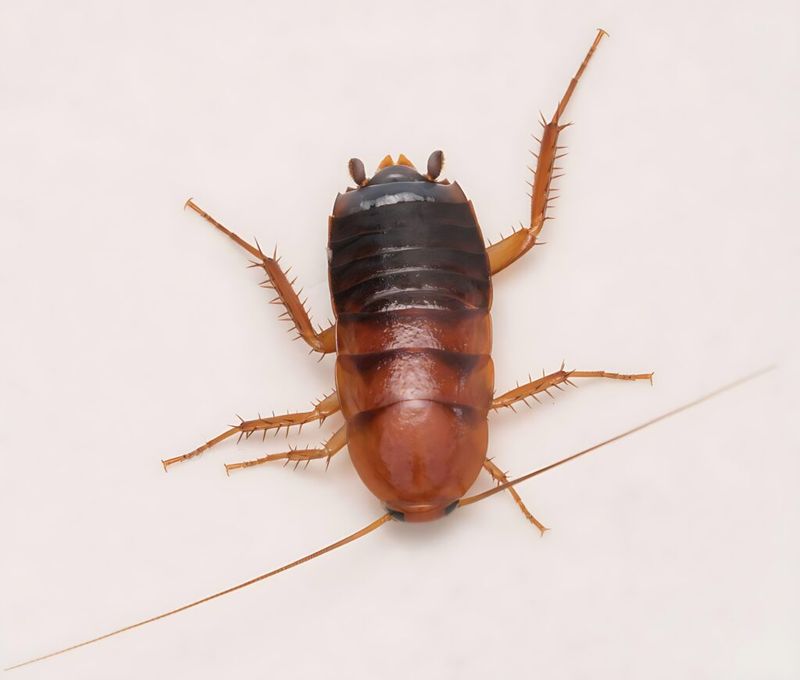
American cockroaches, the big reddish-brown ones locals call palmetto bugs, thrive in outdoor spaces. Porches are a common entry point before roaches move into your kitchen.
Cracks in door frames, gaps under screens, and poorly sealed windows are all open invitations. Once a roach finds food or moisture on your porch, it can attract others through pheromone trails.
That is how an outdoor roach problem becomes an indoor infestation quickly. Texas heat also drives roaches to seek cooler, darker spaces inside your home during peak summer months.
Humidity spikes after rain make conditions even more attractive for these pests. Standard pest control sprays can work short-term, but roaches build resistance over time.
Many homeowners also worry about chemical exposure around kids and pets. That concern is completely valid and worth taking seriously.
Natural deterrents are gaining popularity for good reason. Plants like the underrated Texas porch plant rosemary offer a safer, longer-lasting solution.
Understanding why roaches are drawn to your porch in the first place helps you fight back smarter. Knowledge is your best tool before you ever plant a single seed.
Meet Rosemary, The Underrated Porch Plant Roaches Avoid
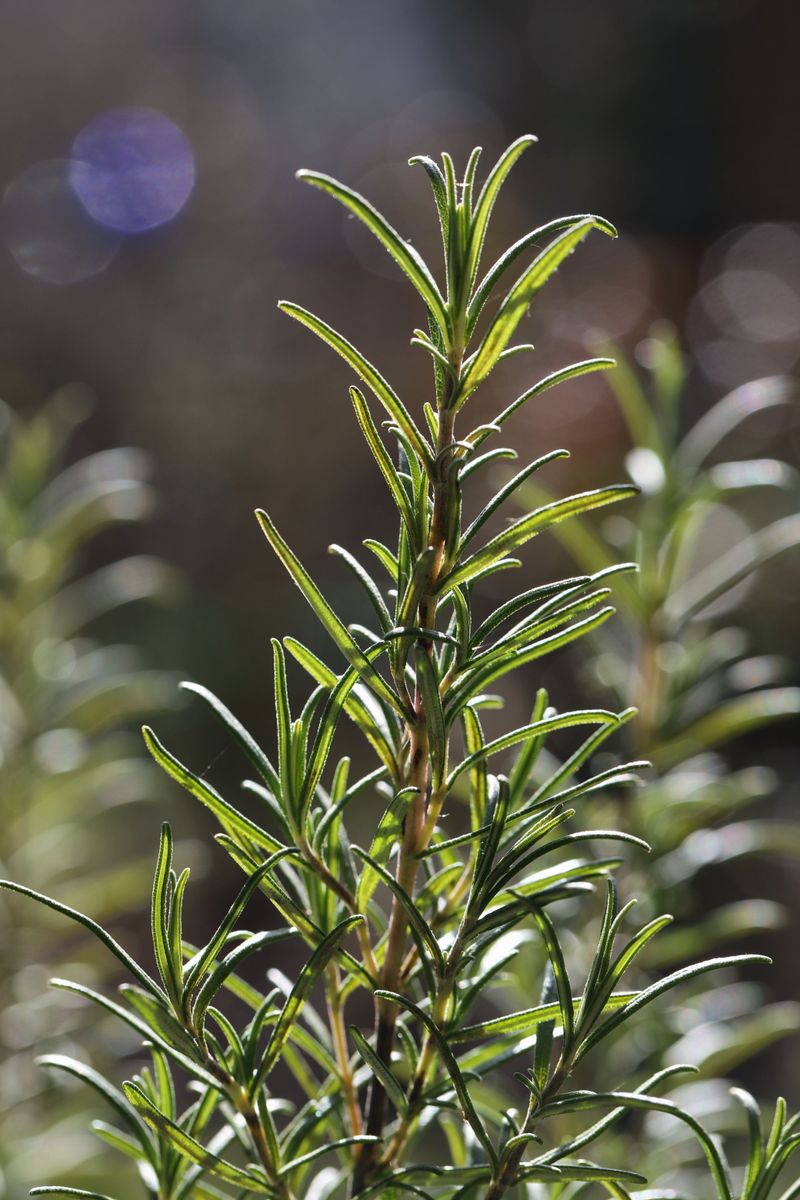
Rosemary is not just for roasted chicken anymore. This woody, fragrant herb has been earning a reputation as an effective natural deterrent.
Native to the Mediterranean, rosemary has been used for centuries in cooking, medicine, and even as a bug repellent. Rosemary has long been associated with insect-repelling use in traditional practices.
The plant produces potent aromatic oils that overwhelm the sensory systems of many insects, including cockroaches. Roaches rely heavily on scent to navigate, find food, and communicate.
Rosemary’s oils appear to interfere with the scent signals roaches rely on, which may cause them to move elsewhere. It functions as a natural deterrent signal.
As the underrated Texas porch plant for pest control, rosemary offers a lot of what a homeowner could want.
Your Texas Garden Changes Every Week. Your Plan Should Too.
Gardening in Texas changes quickly throughout the season. Every Friday you’ll receive a simple weekly plan showing exactly what to plant, prune, fertilize, harvest, and protect so you never miss the right timing.
It is low-cost, visually appealing, and surprisingly tough in hot climates, though results can vary by household.
You can grow it in pots, raised beds, or directly in the ground along porch edges. A single healthy plant can spread noticeably wider within a couple of seasons, depending on conditions.
Rosemary also attracts pollinators like bees and butterflies, which benefits your whole yard. Choosing rosemary means you are getting multiple rewards from one plant.
Gardeners who try it once rarely go back to chemical sprays alone. Once you smell it on a warm afternoon, you will understand why roaches want nothing to do with it.
How Rosemary’s Scent Keeps Roaches Away

Smell is everything to a cockroach. These insects use their antennae to detect chemical signals that guide every move they make.
Rosemary contains compounds called terpenes, especially camphor and 1,8-cineole, that roaches strongly dislike. These natural chemicals are believed to disrupt the sensory signals roaches rely on to navigate.
When a roach gets close to a rosemary plant, those terpenes overwhelm its sensory receptors. The insect cannot process normal signals, so it retreats to calmer territory.
Think of it like trying to have a conversation in a room blasting music at full volume. Your brain cannot sort it out, so you leave.
Rosemary’s oils do not just repel roaches passively either. On warm days, the heat causes the plant to release even more aromatic compounds into the surrounding air.
A sun-warmed rosemary bush on a Texas afternoon creates a noticeable scent deterrent around your porch. That barrier is invisible but surprisingly effective at keeping pests at a distance.
Crushing a few leaves and rubbing them along door frames or window sills boosts this effect indoors. Fresh rosemary cuttings placed near entry points add another layer of protection.
The scent fades as the cuttings dry, so replacing them every week or two keeps things effective. Pairing the living plant with strategic cuttings gives you one of the more practical natural approaches available.
Growing Rosemary Successfully In Texas Heat
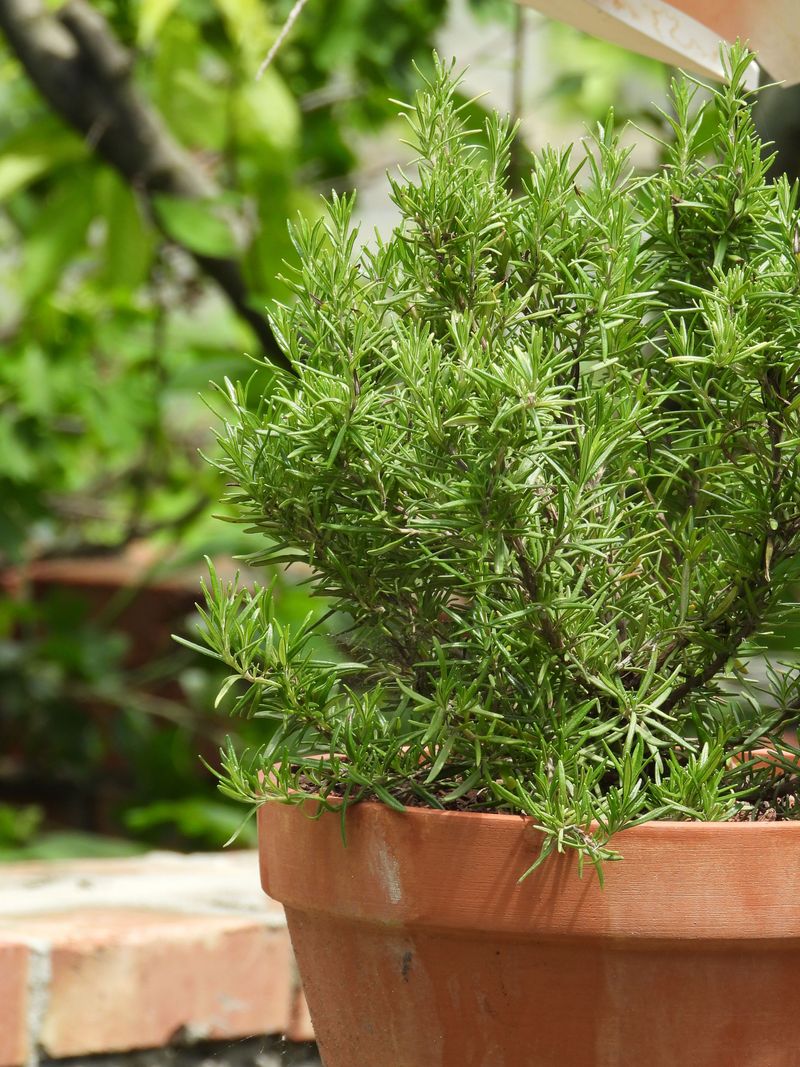
Texas heat can destroy a lot of plants, but rosemary is not one of them. This herb was practically built for hot, dry, sunny conditions.
Full sun is non-negotiable for rosemary. Aim for at least six to eight hours of direct sunlight each day for the healthiest, most fragrant plant.
Well-draining soil is equally important because rosemary roots struggle when sitting in water. Sandy or loamy soil works best, and raised pots with drainage holes are a smart choice for porch growing.
Overwatering is the number one mistake new rosemary growers make. Water deeply once or twice a week during summer, then pull back to once a week as temperatures cool in fall.
Stick your finger two inches into the soil before watering. If it still feels damp, wait another day or two before adding more water.
Fertilizing rosemary is mostly unnecessary if your soil is decent. A light feeding with a balanced fertilizer once in spring is more than enough to keep growth strong.
Pruning keeps the plant bushy and productive rather than tall and leggy. Trim it back by about one-third after its spring bloom for the best shape and oil production.
Container-grown rosemary can live for years on a porch with minimal fuss. Starting with a healthy nursery plant rather than seeds gets you pest protection much faster.
Best Rosemary Varieties And Placement Tips For Pest Control

Not all rosemary plants are created equal when it comes to pest control. Some varieties produce stronger oils and denser foliage, making them more effective as natural barriers.
Tuscan Blue rosemary is a top pick for Texas porches because it grows upright and tall, often reaching several feet in height under good conditions. Its dense, needle-packed branches release a powerful scent that carries well in the breeze.
Arp rosemary is another excellent choice, bred specifically for heat and cold tolerance. It handles Texas temperature swings better than most varieties and maintains strong oil production all year.
Prostratus, or creeping rosemary, works beautifully along porch edges and steps. Its low-growing habit creates a fragrant ground-level barrier right where roaches tend to travel.
Placement matters just as much as variety selection. Position pots near doorways, under windows, and along porch railings to create a scent perimeter roaches must cross to reach your home.
Grouping three to five pots together amplifies the aromatic effect significantly. A single plant is helpful, but a cluster of rosemary creates a stronger scent effect.
Place taller varieties like Tuscan Blue near entry doors and shorter types along stairs or edges. This layered approach covers multiple entry points at once.
Rotating pots occasionally ensures even sun exposure and keeps plants growing evenly on all sides. Healthy, full plants always produce more pest-fighting oils than scraggly, neglected ones.
Combining Rosemary With Other Roach Prevention Methods
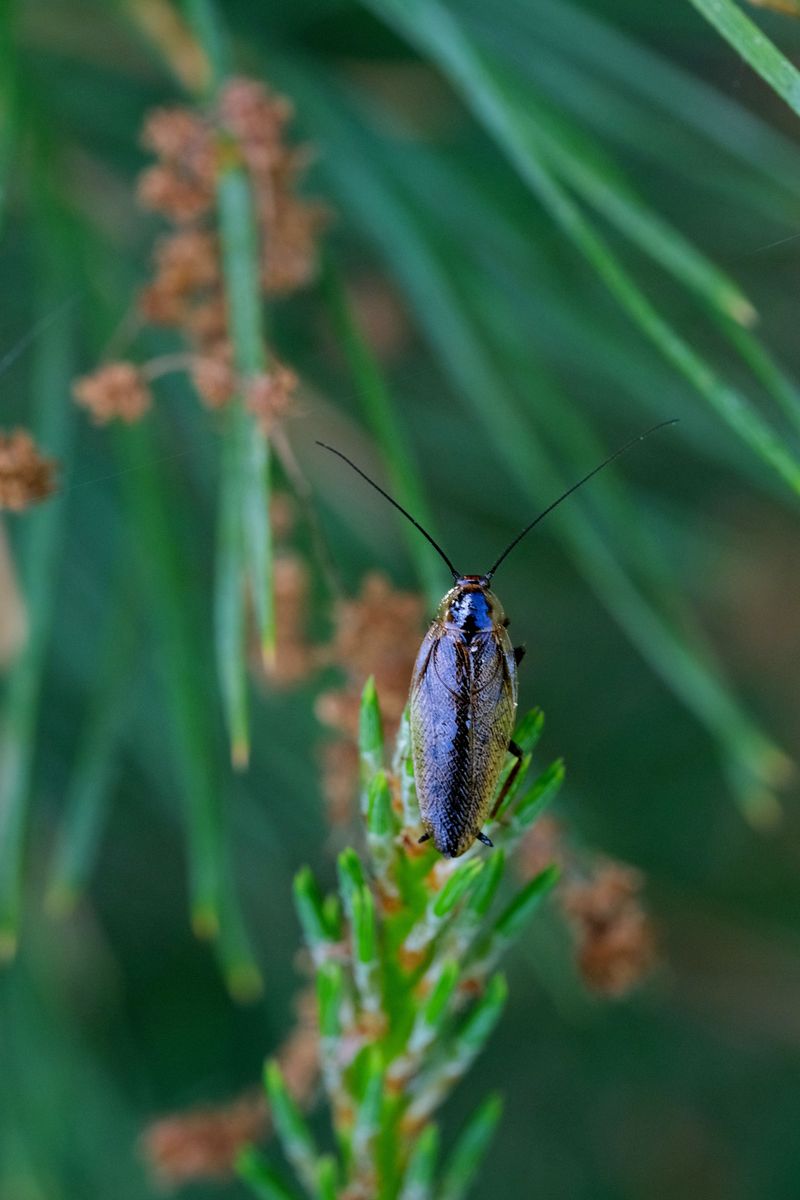
Rosemary is powerful, but pairing it with a few other smart habits makes your porch significantly more resistant to roaches. Think of it as building a layered defense system.
Start by sealing every gap you can find around doors, windows, and utility lines. Roaches can squeeze through gaps as thin as the edge of a coin, so even small openings matter.
Cedar is another natural roach deterrent that works well alongside rosemary. Cedar blocks or chips placed near porch furniture add a second scent layer that roaches find just as repulsive.
Lavender and peppermint are also strong companions in the pest-fighting plant lineup. Mixing these herbs among your rosemary pots creates a rotating scent barrier that keeps roaches guessing.
Keeping your porch clean is equally critical because no plant can overcome a dirty environment. Remove food debris, pet bowls left out overnight, and standing water from plant saucers regularly.
Motion-sensor lights discourage roaches from gathering on your porch after dark. Roaches are nocturnal and prefer dark, undisturbed spaces, so bright lights send them elsewhere.
Boric acid applied in hidden corners and under furniture works as a backup measure. Keep it away from areas pets and children can reach, since it can be harmful if ingested, and it is highly effective against roach populations near your home.
The underrated Texas porch plant rosemary works best as part of this complete strategy. Stack these methods together and you may notice a meaningful drop in roach activity over time.