The Texas Garden Harvests Raccoons Target Most Aggressively During Peak Drought Conditions
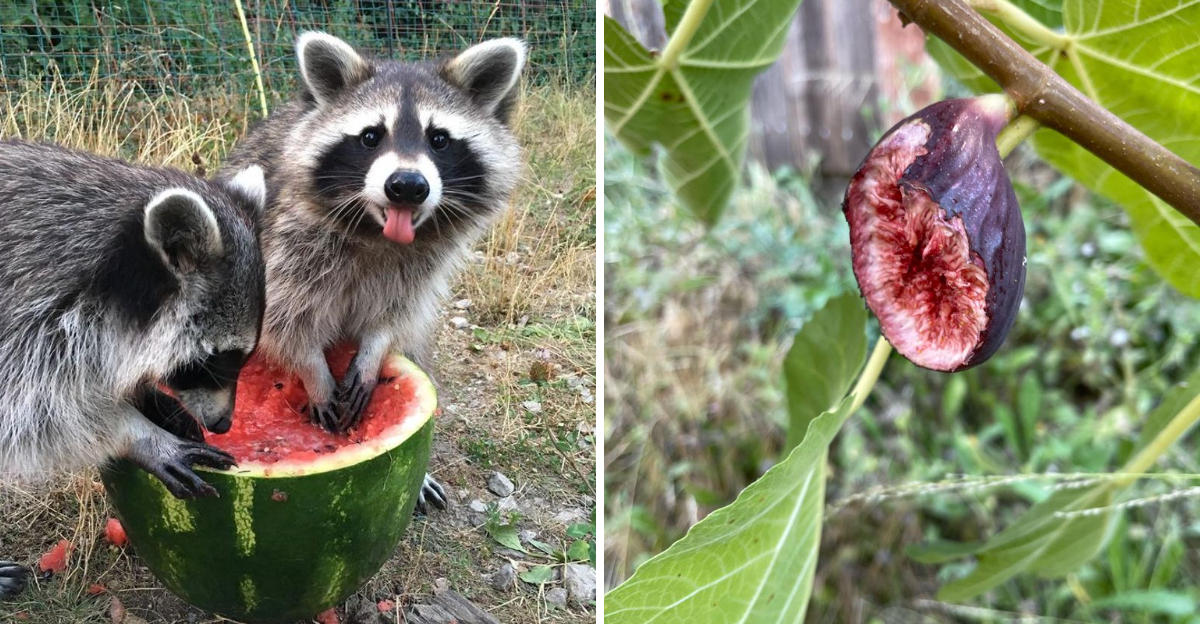
Raccoons are opportunistic at the best of times. But during peak drought conditions in Texas, their boldness reaches a completely different level.
When natural food and water sources dry up across the wider landscape, raccoons shift their attention toward wherever reliable resources can still be found.
And a productive Texas vegetable garden during a drought is, from a raccoon’s perspective, one of the most attractive destinations around. Drought changes raccoon behavior in ways most homeowners don’t anticipate.
Animals that might have been content foraging further afield during wetter conditions start pushing into residential areas with more persistence and less caution when resources get scarce.
Your garden becomes not just convenient but necessary from their perspective, and that shift in motivation makes them considerably harder to discourage.
Certain harvests attract raccoons far more aggressively than others during drought conditions, and understanding which ones you’re most at risk of losing gives you a real head start in protecting them.
Here’s what raccoons target most during Texas drought conditions and what actually works to stop them.
1. Sweet Corn Ears
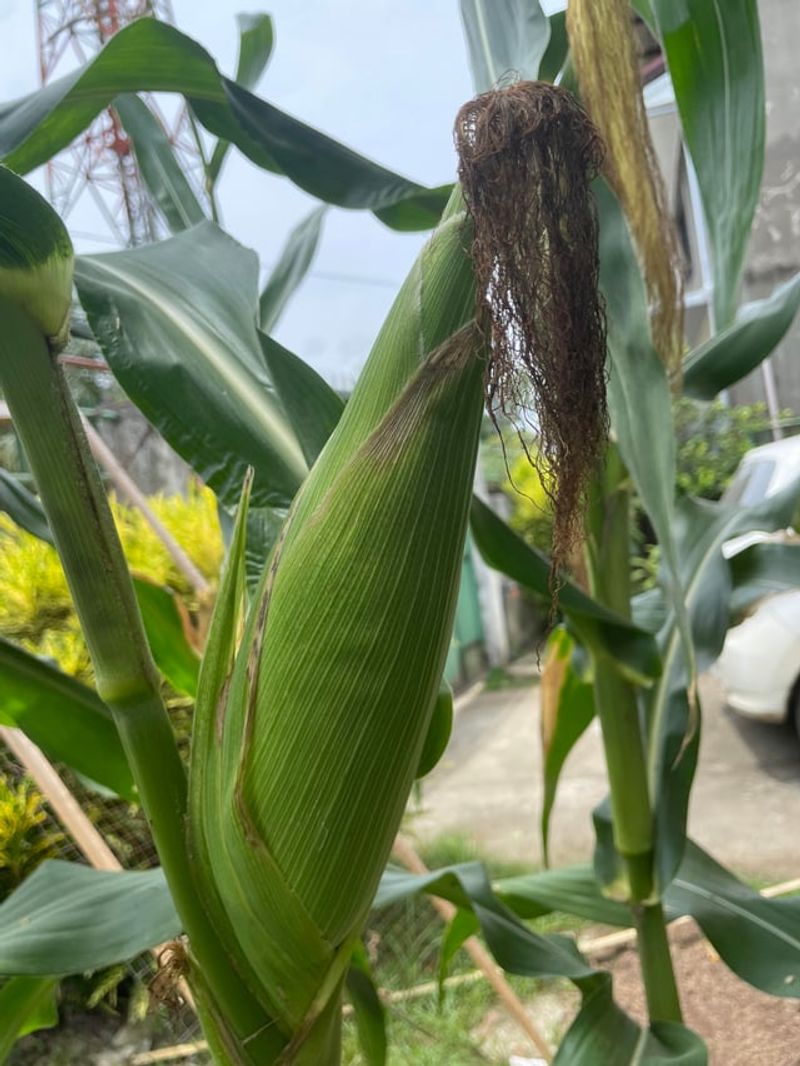
Ask any experienced Texas gardener what crop raccoons love the most, and sweet corn will almost always be the first answer. Raccoons have an almost obsessive attraction to corn ears, and during drought, that obsession gets even stronger.
The moisture locked inside plump, ripe kernels is exactly what a thirsty raccoon is searching for on a hot summer night.
What makes corn so vulnerable is the timing. Raccoons seem to know almost perfectly when ears are just days away from being ready to pick.
They will bend or snap stalks to bring the ear within reach, then peel back the husk with their nimble front paws and eat the kernels right off the cob. One raccoon can damage a large section of corn in a single night.
Protecting corn takes real effort. Some gardeners wrap individual ears with rubber bands or tape after pollination.
Others install electric fence wires at nose and body height around the entire corn patch, which tends to be the most reliable method. Motion-activated lights or sprinklers can also discourage nighttime visits.
Planting corn in a tight block rather than long single rows can make it slightly harder for raccoons to work through the entire patch quickly. Harvesting ears as soon as they reach peak ripeness, rather than leaving them on the stalk an extra day or two, can also reduce losses.
Stay alert during the last week before your expected harvest date, because that final stretch is when raccoon pressure is highest and your corn is most at risk.
2. Ripe Watermelons
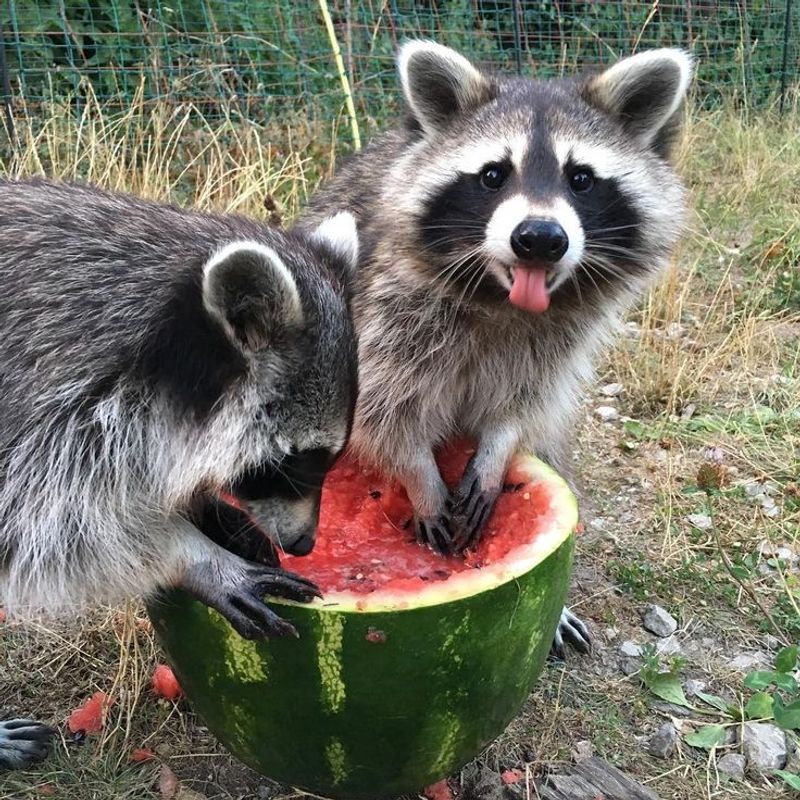
There is something almost heartbreaking about finding a beautiful watermelon with a hole scooped right through the rind. Raccoons target watermelons with serious determination during drought, and it makes perfect sense when you think about it.
A ripe watermelon is basically a giant container of cool, sweet water sitting right on the ground, and that is exactly what a dehydrated raccoon needs on a scorching Texas night.
Your Texas Garden Changes Every Week. Your Plan Should Too.
Gardening in Texas changes quickly throughout the season. Every Friday you’ll receive a simple weekly plan showing exactly what to plant, prune, fertilize, harvest, and protect so you never miss the right timing.
Raccoons do not try to carry watermelons away. Instead, they bite or claw an opening through the outer rind and then scoop out the juicy red flesh with their paws.
Sometimes they will work on the same melon over multiple nights, returning again and again until it is completely hollowed out. A single watermelon can feed several raccoons in one visit.
Protecting watermelons can be tricky because of their size and ground-level position. Some gardeners place each melon inside a wire cage or surround the patch with hardware cloth.
Others try placing motion-activated sprinklers nearby, which can startle raccoons and send them looking elsewhere.
One surprisingly effective trick is placing a small piece of hardware cloth or even a flat board beneath each melon as it grows. This makes it harder for raccoons to grip the fruit while biting into it.
Picking melons as soon as they are fully ripe rather than leaving them in the garden overnight also reduces the risk significantly. Check your melons every evening during the hottest weeks of summer, and do not leave a ready melon unguarded past sunset if you can help it.
3. Cantaloupes
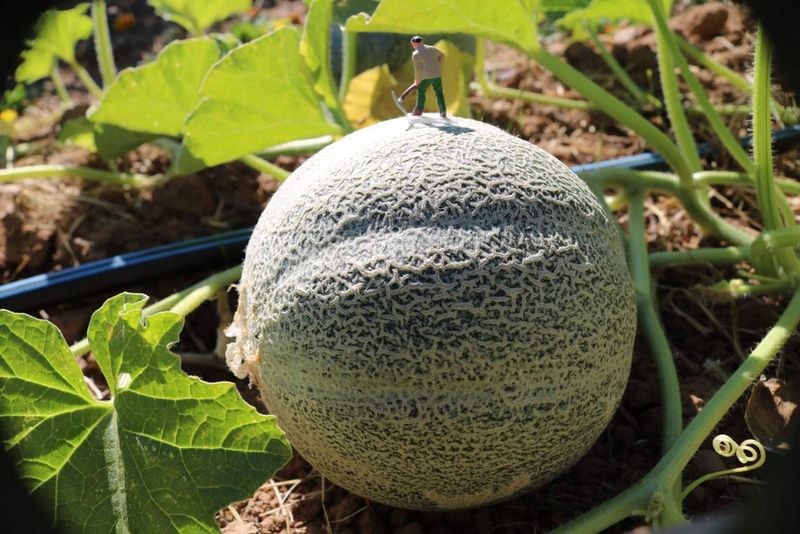
Few things in a summer garden smell as irresistible as a cantaloupe that is just about ready to pick. That rich, sweet fragrance drifts through the night air and acts like a broadcast signal to every raccoon within range of your garden.
During drought, when raccoons are roaming farther than usual in search of food and water, a ripe cantaloupe patch can attract visitors from a surprisingly wide area.
Cantaloupes become especially easy targets as they approach full maturity. The rind softens slightly, the stem begins to loosen, and the scent intensifies dramatically.
At this stage, raccoons can locate the fruit easily by smell alone, even in complete darkness. They will bite through the softened rind and scoop out the sweet, moist flesh with very little effort.
One practical protection strategy is to cover individual cantaloupes with mesh bags or netting as they ripen. This adds a physical barrier without blocking airflow or sunlight.
Placing the entire bed inside a low temporary fence with a top cover can also work well for smaller gardens.
Checking your cantaloupes daily during the final ripening stage is one of the best habits you can build. When a cantaloupe slips easily from the vine with gentle pressure, it is ready to harvest that same day.
Do not leave a fully ripe cantaloupe in the garden overnight. Raccoons are patient and persistent, and a fragrant melon sitting unguarded after dark is almost guaranteed to attract attention.
Harvest early in the morning before the day heats up, and enjoy the reward of beating the raccoons at their own game.
4. Ripe Tomatoes
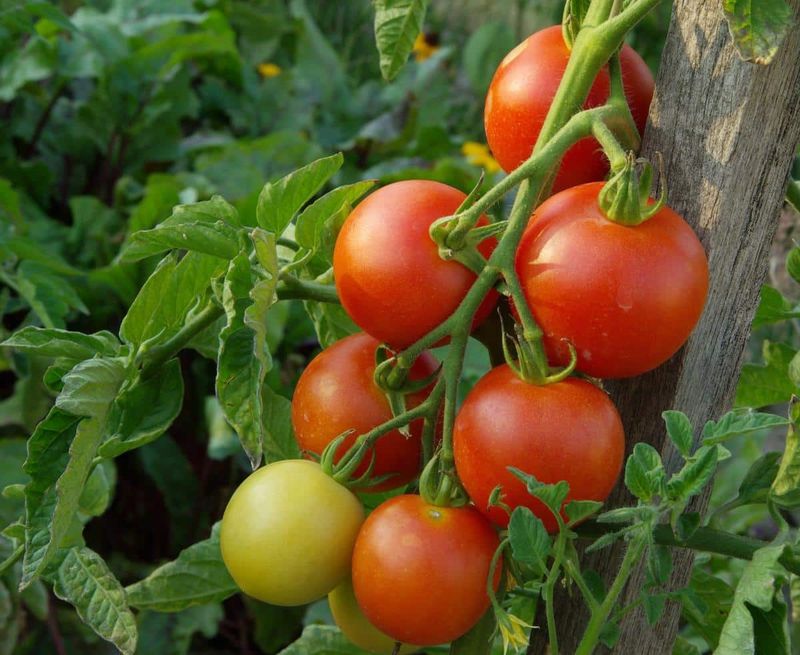
Tomatoes are the pride of most Texas backyard gardens, which makes raccoon damage feel especially personal.
Every gardener has experienced the disappointment of watching a tomato ripen perfectly over several days, only to find it half-eaten or knocked off the vine the very night before they planned to pick it.
Raccoons seem to have a talent for striking at exactly the worst moment. During drought, tomatoes become even more appealing to raccoons because of their high water content. A fully ripe tomato is juicy, fragrant, and easy to handle.
Fruits growing close to the ground are the most accessible, but raccoons will also reach up into lower branches to grab tomatoes from the vine. They do not always finish what they start, often taking a few bites and moving on to the next fruit.
Caging tomato plants with sturdy wire cages helps, but determined raccoons can sometimes reach through the gaps. Adding a layer of bird netting over the top of the cage gives extra protection without much extra cost.
Some gardeners also try placing strips of aluminum foil around the base of plants, which can startle raccoons with unexpected reflections and sounds.
Harvesting tomatoes when they reach the breaker stage, meaning when they just begin to show color, is one of the most effective strategies. Tomatoes will finish ripening indoors at room temperature with very little loss of flavor.
This simple habit keeps ripe fruit out of reach during the overnight hours when raccoons are most active, and it can save a significant portion of your summer tomato harvest from being wasted.
5. Muscadine Grapes
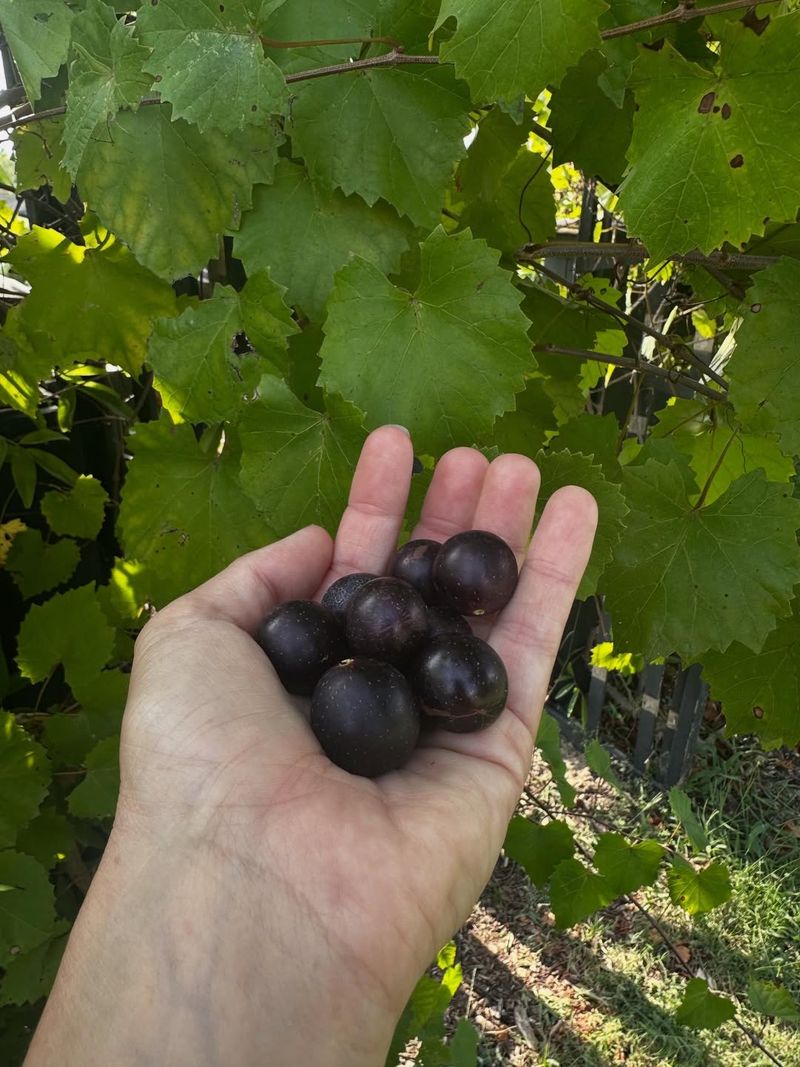
Muscadine grapes have been growing in Texas for generations, and raccoons have been raiding them just as long. These thick-skinned, intensely sweet grapes are perfectly adapted to the Texas heat, which also makes them perfectly suited to a raccoon’s taste.
Raccoons are capable climbers, and a low grape arbor or trellis is no challenge at all for an animal that can scale a tree with ease.
The attraction is straightforward. Muscadines are loaded with natural sugar, and during drought, they also provide valuable moisture.
Raccoons will work along a trellis methodically, stripping clusters one by one and dropping half-eaten grapes on the ground below. A single night of raccoon activity can wipe out a large portion of a muscadine harvest that took months to develop.
Protecting muscadines requires thinking about the structure of the trellis itself. Wrapping the main support posts with smooth metal flashing or PVC pipe can prevent raccoons from getting a grip when climbing.
Draping bird netting over the entire vine as clusters begin to ripen adds another layer of defense that most raccoons will avoid.
Timing your harvest matters a great deal with muscadines. These grapes ripen unevenly, so checking the vines every day during peak season and picking ripe clusters promptly keeps the fruit out of reach.
Fallen grapes on the ground are a strong attractant, so cleaning up dropped fruit regularly removes an easy invitation.
Raccoons tend to return to spots where they have found food before, so eliminating those easy meals quickly helps break the habit before it becomes a nightly routine.
6. Ripe Figs
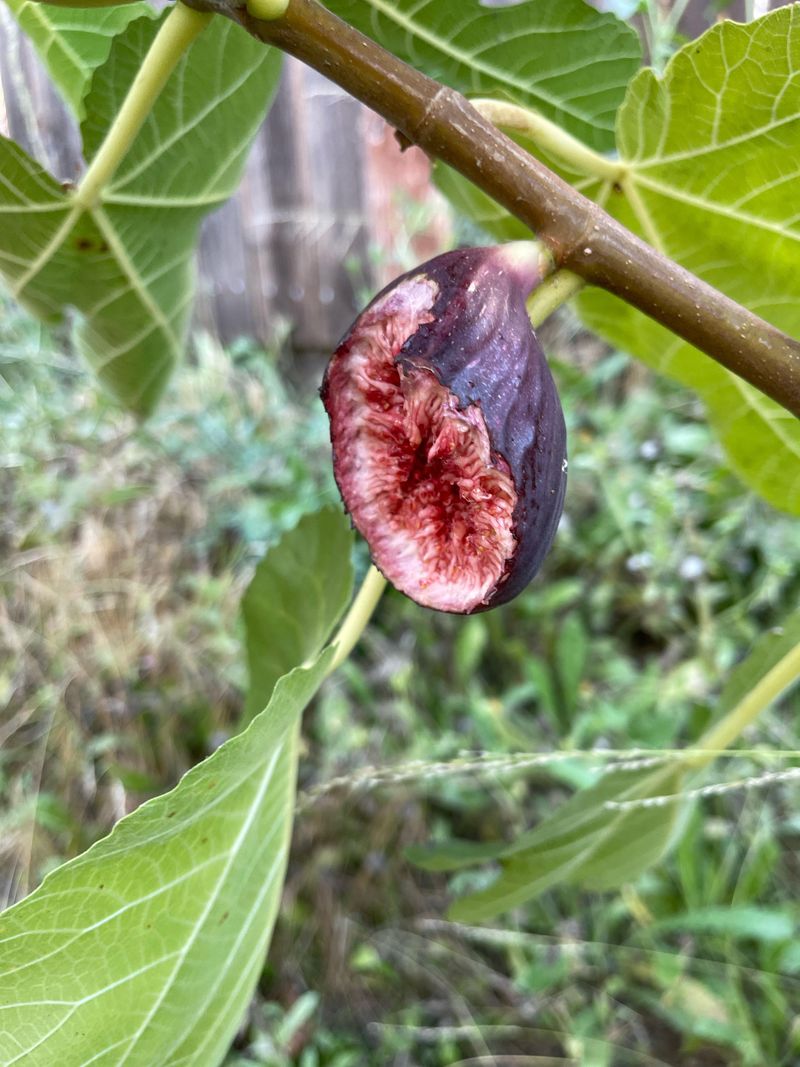
A backyard fig tree loaded with ripe fruit is one of the great pleasures of a Texas summer, but raccoons know exactly where to find it.
Figs are soft, intensely sweet, and require almost no effort to eat, which makes them one of the easiest nighttime snacks a raccoon can find.
The combination of concentrated natural sugar and high moisture content is practically irresistible during a dry, hot drought period.
Fig trees tend to be especially vulnerable because of their structure. Low-hanging branches put ripe fruit right at raccoon level, and fallen figs on the ground beneath the tree create an easy starting point.
Once a raccoon discovers a fig tree, it will return night after night as long as ripe fruit is available. The smell of fermenting or overripe figs that have fallen to the ground can attract raccoons from a significant distance.
Wrapping individual branches with netting as fruit begins to ripen can help protect portions of the harvest.
Some gardeners install a smooth metal collar around the trunk of the fig tree to prevent raccoons from climbing up from the base. Motion-activated lights placed near the tree can also discourage visits, at least initially.
The single most effective habit for protecting figs is picking them as soon as they are fully ripe, even if that means checking the tree every morning and evening. Figs left on the tree overnight during peak ripeness are almost certain to be found.
Cleaning up all fallen fruit daily removes the scent trail that draws raccoons in the first place, making your yard a less appealing destination overall.
7. Tree-Ripened Peaches
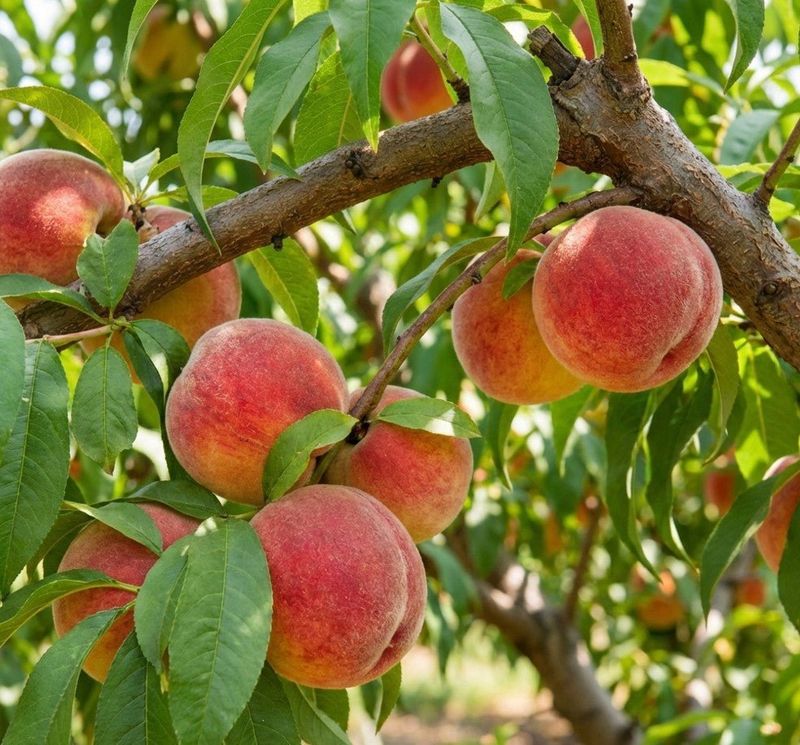
Nothing signals the arrival of a Texas summer quite like a peach tree heavy with ripe, fragrant fruit. Unfortunately, raccoons share that enthusiasm completely.
Peaches ripening on the tree send out a powerful scent that carries far on a warm night, and raccoons have an excellent sense of smell. During drought, when other food and water sources are limited, that scent becomes an almost impossible invitation to ignore.
Raccoons are confident tree climbers, and a standard backyard peach tree presents very little obstacle. They will climb the trunk, move out along branches, and eat peaches directly while hanging on.
What they cannot finish in the tree, they will knock to the ground and eat below. Fallen peaches also attract raccoons from the surrounding area, turning one visit into many.
Installing a metal trunk collar, sometimes called a baffle, is one of the most reliable ways to prevent raccoons from climbing up from the base of the tree. These smooth metal barriers are available at garden centers and are fairly easy to attach.
Keeping low-hanging branches trimmed so raccoons cannot jump onto them from the ground or a nearby fence adds another layer of protection.
Harvesting peaches just before they reach full tree-ripeness is a smart strategy that most experienced Texas fruit growers already practice.
Peaches picked at the firm-ripe stage will finish softening indoors within a day or two and taste nearly as good as fully tree-ripened fruit.
Getting the peaches inside before raccoons find them is the simplest and most reliable way to protect a harvest you have worked all season to grow.