What It Means When A Praying Mantis Visits Your Virginia Garden
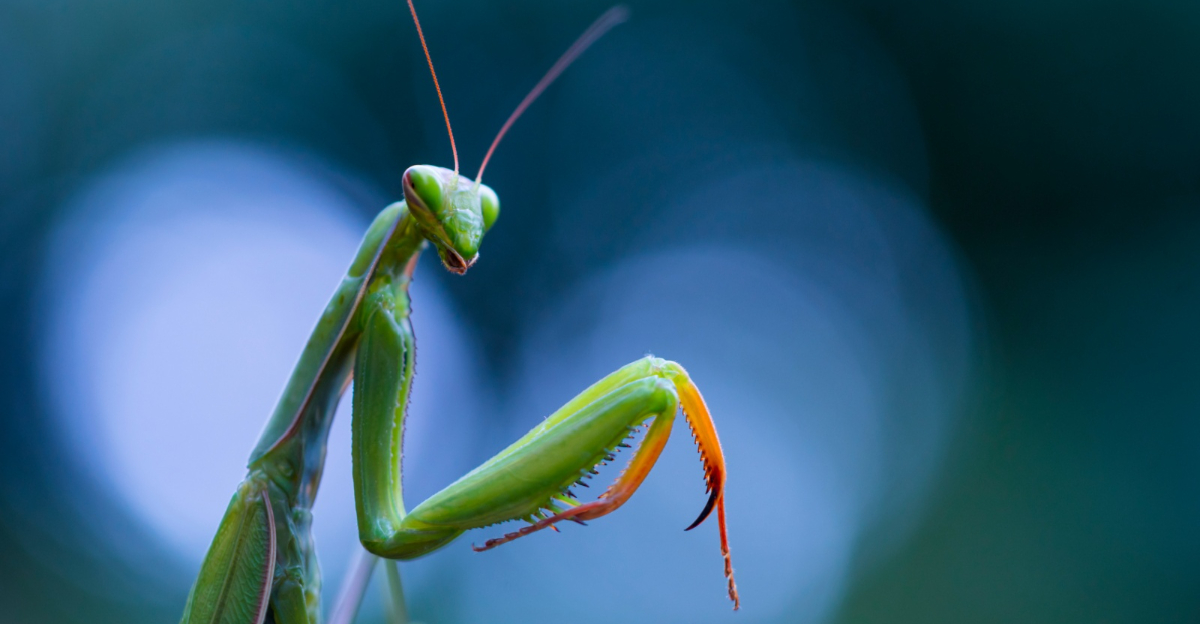
Stillness catches your attention before your eyes even find the source. Something hidden in the leaves refuses to move. Insects rarely announce themselves this openly in Virginia.
A sighting like this often changes how you look at your garden. Curiosity pulls you closer, past the tomatoes, past the mulch. Patience defines this insect, but a quick strike lies beneath its calm posture.
Gardeners often find them near beans, roses, and compost. Much about this creature may surprise you.
Camouflage hides a creature capable of striking quickly. Backyard ecosystems can shift subtly once this visitor settles in nearby.
Questions multiply quickly once you notice the eggs, the molt marks. Answers exist, but they require attention most gardeners skip.
Explanations behind this visit reveal patterns you never considered. Much of what happens in your garden next connects to this visit. You won’t look at your garden the same way again.
Why Finding One Is Considered A Good Sign
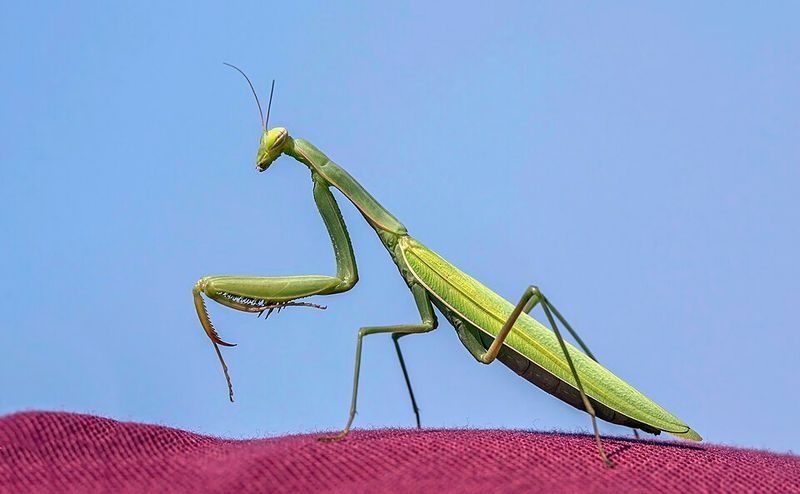
Praying mantises are generalist hunters that feed on a wide variety of insects common in home gardens across Virginia.
They take down moths, beetles, crickets, flies, and occasionally larger prey when the opportunity presents itself.
Their appetite helps reduce pest pressure without chemicals, which benefits vegetables and ornamentals throughout the growing season.
A steady mantis population often correlates with fewer pesticide applications and a gentler, more balanced habitat for beneficial species nearby.
If you want them around, avoid broad spectrum sprays and keep structural diversity through flowers, herbs, and layered shrubs.
Mantises are not picky, and they will happily consume both pests and beneficial insects when given the chance, which means their impact on any single garden varies depending on what else lives there.
This is part of why a mantis alone should not be treated as complete pest control, but rather as one useful contributor among many.
Their hunting style relies on patience and camouflage rather than speed or aggression, so they wait quietly until prey wanders close enough to strike.
Observe them during warm afternoons near flowering plants, since blooms attract the smaller insects that make up much of their diet. You can learn a lot from their prey choices, including which pests are currently thriving in your beds.
Over a full season, a healthy mantis population reflects a garden with enough insect diversity to sustain multiple generations, which speaks well of your overall growing conditions.
What Praying Mantises Eat And Why It Matters
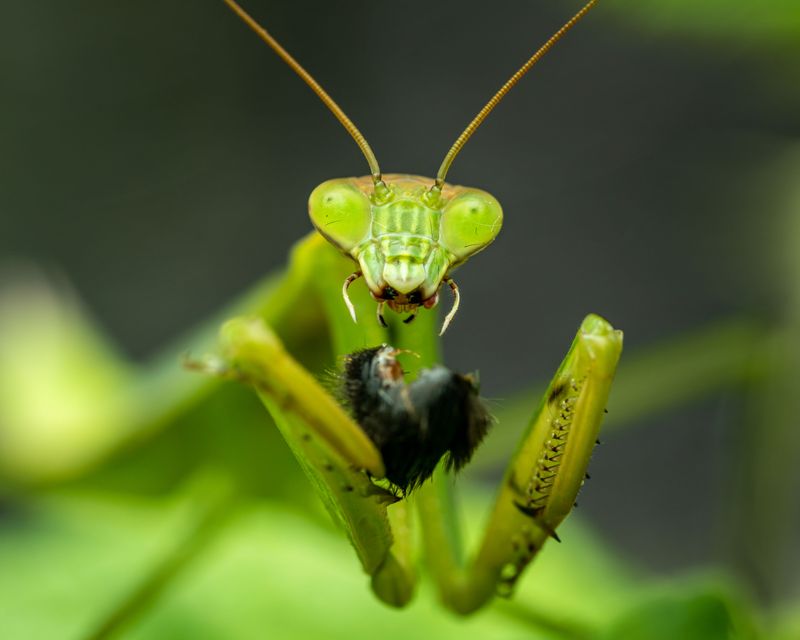
Praying mantises are generalist predators that feed on a wide variety of insects common in home gardens. They take down moths, beetles, crickets, flies, and occasionally larger prey, though this remains uncommon and is mostly documented in larger mantis species.
This wide diet makes them one of the more adaptable hunters you will find in a Virginia backyard. Their appetite helps reduce pest pressure without chemicals, which benefits vegetables and ornamentals alike throughout the growing season.
A mantis presence often correlates with reduced pesticide use and a safer habitat for beneficial species. Gardens that support mantises tend to already offer the mix of shelter and prey these insects need to thrive.
Your Virginia Garden Changes Every Week. Your Plan Should Too.
Gardening in Virginia changes quickly throughout the season. Every Friday you’ll receive a simple weekly plan showing exactly what to plant, prune, fertilize, harvest, and protect so you never miss the right timing.
If you want them around, avoid broad spectrum sprays and keep structural diversity with flowers and herbs planted close together.
Layered plantings give mantises places to hide, hunt, and molt safely as they grow through several stages.
Watching what they eat can tell you a great deal about your yard’s insect community and guide gentler pest management choices going forward.
Their hunting relies on stillness and camouflage rather than speed, so they wait for prey to come within striking distance.
This patient approach means they are just as likely to take an unwanted pest as a beneficial pollinator passing by. Observe them during warm afternoons, when insect activity picks up near blooming plants and sunlit leaves.
You can learn a lot from their prey choices, since their diet often reflects whatever insects are most abundant nearby.
Over time, a garden that regularly hosts mantises usually points toward a broader, more balanced insect population supporting them.
Signs Your Garden Ecosystem Is Healthy
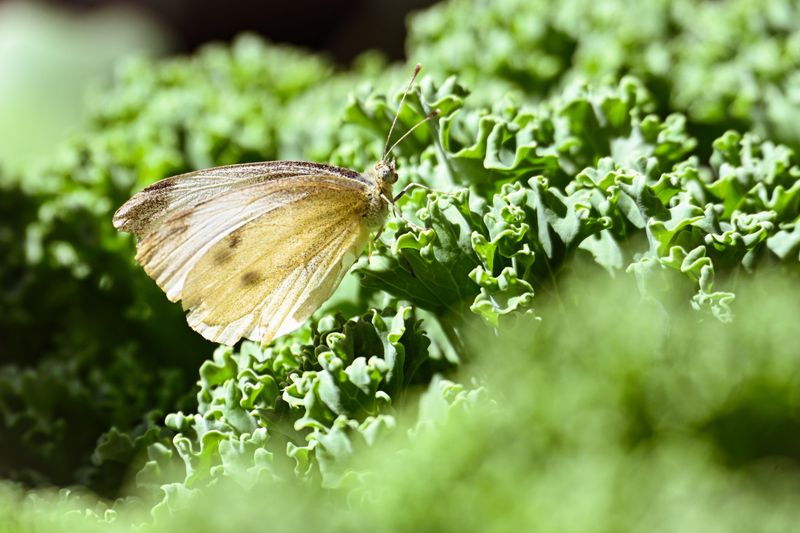
A mantis sighting often accompanies other subtle signs that your garden is functioning well overall. Look for diverse flowers, bees moving steadily between blooms, and varied insect life visible both day and night.
These small details often matter more than any single visitor, mantis or otherwise, passing through your beds.
Healthy soil, native plants, and a mix of shelter spots tend to draw both predators and pollinators in fairly equal measure.
These conditions create a balanced network where beneficial species thrive and pest outbreaks remain rare across most of the season. Ground beetles, native bees, and small birds often appear alongside mantises once this balance takes hold.
If mantises appear year after year, your patch likely provides reliable food, water, and safe overwintering spaces nearby.
Encourage leaf litter and stems left standing through winter to support this small ecosystem and the mantis population that benefits your beds each spring.
Reduced soil disturbance and a wider bloom calendar tend to reinforce these conditions further.
A garden with layered plantings, from low ground cover to taller shrubs, gives more species places to hide, hunt, and reproduce safely.
This kind of structure tends to attract a steadier range of insects than a single, uniform planting style ever could.
Notice increased insect diversity in spring, since that timing often signals ecological resilience improving across the whole property.
Consistent moisture and minimal chemical use both support this pattern, letting natural checks and balances handle most fluctuations without much extra effort from you.
Common Myths About Praying Mantises Debunked
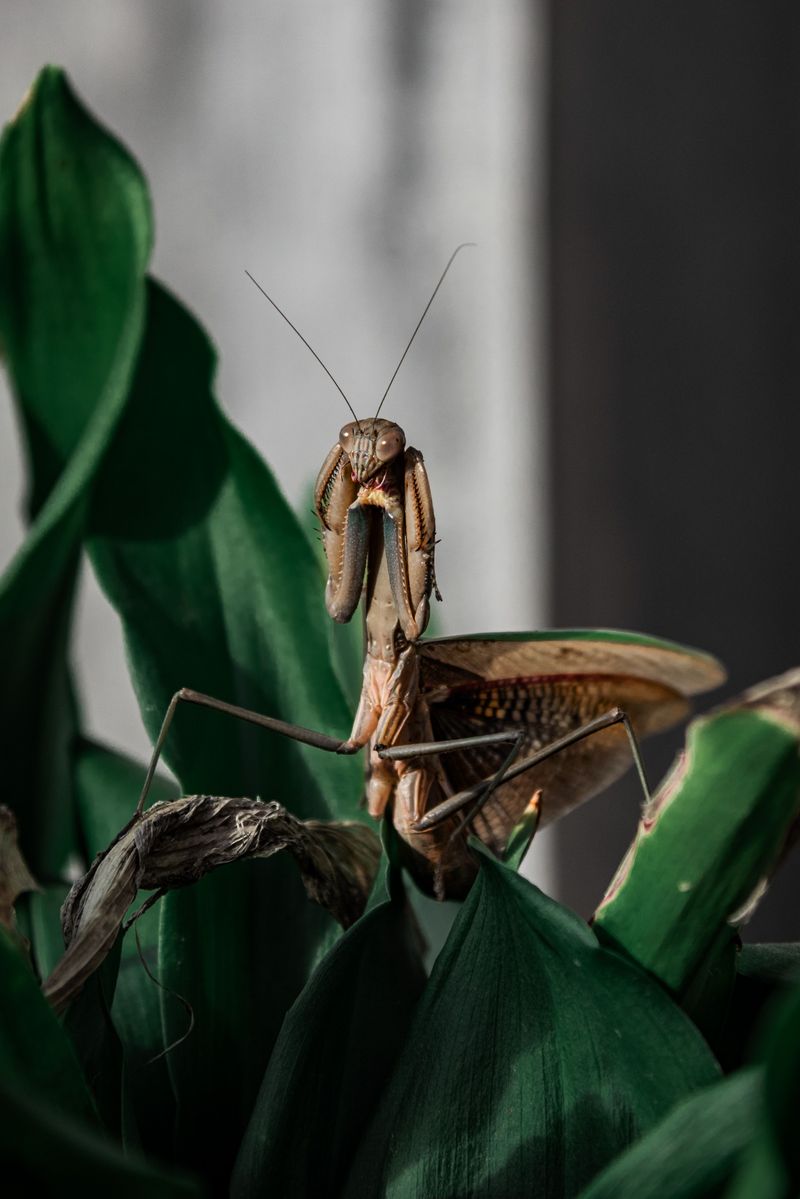
Many myths make mantises seem unsettling to people and pets, but most of these ideas simply are not accurate.
They rarely interact with humans beyond brief curiosity and pose no real threat to larger animals or children nearby.
Even their defensive posture, often mistaken for aggression, is mostly a bluff meant to startle rather than harm.
Another myth claims they control all pests completely, which oversimplifies how garden dynamics actually work.
Mantises help but remain one element among many in a diverse habitat that provides overall pest suppression rather than a guaranteed solution.
Relying on a single predator to manage every pest problem tends to leave gaps that other insects can quickly fill.
Some say releasing purchased mantises solves pest issues overnight, but stocked insects often struggle without proper habitat and reliable food already in place.
Focus instead on creating conditions that attract natural populations rather than relying on one quick intervention for lasting results. Mantises introduced into unfamiliar or unprepared gardens frequently fail to establish themselves at all.
Another common assumption suggests mantises live for several years, though most species complete their entire life cycle within a single growing season.
Understanding this shorter lifespan helps set realistic expectations for how long any individual visitor might actually remain nearby. Do not expect instant fixes from one insect appearing near your vegetables or flower beds this month.
Patience and habitat matter more than quick tricks, since lasting results depend on steady, consistent conditions rather than a single lucky sighting.
How To Attract And Protect Them Naturally
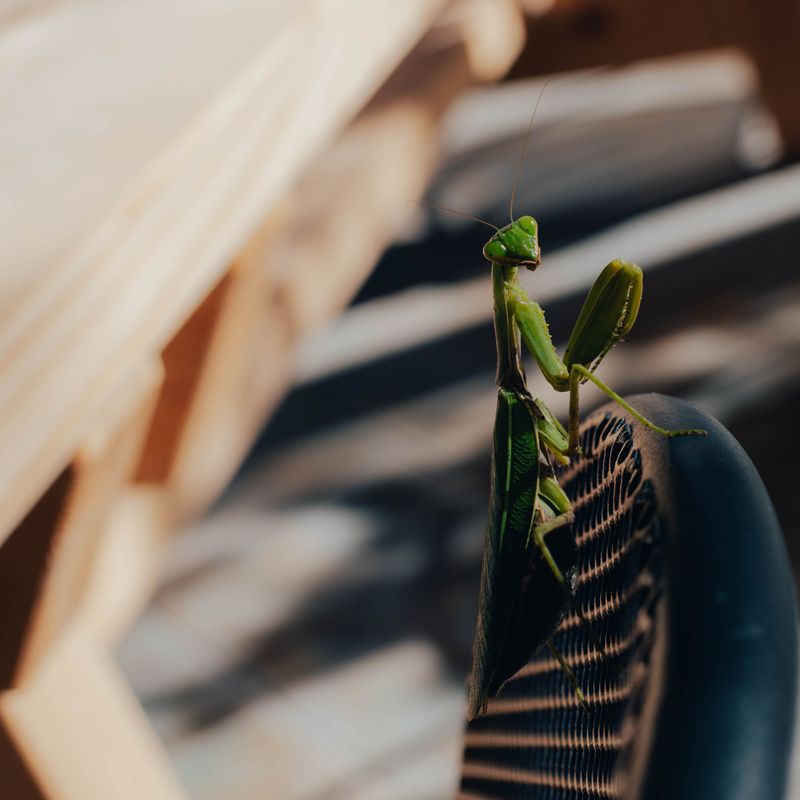
To invite mantises, plant layered habitat with native flowering plants, herbs, and shrubs for shelter and hunting perches.
Include nectar sources for other insects to sustain the broader food web that mantises ultimately depend on for survival. Grouping plants by height gives them multiple zones to hunt, hide, and molt safely as they grow.
Avoid pesticides entirely where possible, and provide small water sources like shallow dishes filled with stones for safe access.
Leave some dried stems and leaf litter standing through winter, since these provide attachment points for egg cases and safe overwintering shelter. Even a small, slightly untidy corner of the garden can make a meaningful difference here.
Consider timing your pruning carefully to preserve egg cases, checking stems for oothecae before any heavy seasonal cleanup begins.
These small steps support a resident mantis population and a more resilient, chemical free garden that improves gradually year after year.
Reducing outdoor lighting at night also helps, since excessive light disrupts the natural insect activity mantises rely on for hunting.
Rotating plant types across the seasons keeps insect populations varied, which in turn keeps food available for mantises through spring, summer, and fall.
Start with a few native species planted near your vegetables, since these tend to attract insects quickly and reliably. Small changes like these attract helpful visitors fast, often within a single growing season if conditions are right.
Over time, a garden managed this way becomes increasingly self sufficient, needing less intervention as natural balances settle into place.
When A Mantis Sighting Signals A Problem
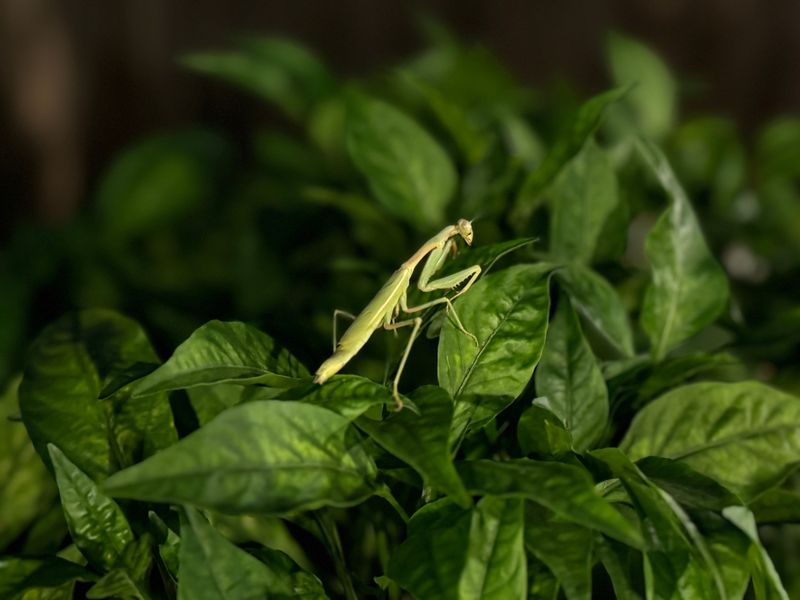
Sometimes a mantis visit can point toward an underlying issue rather than serve as a pure positive sign. If you see mantises but lack other beneficial species nearby, it may mean your garden supports only a narrow range of insects overall.
This kind of imbalance often develops slowly, so a single sighting rarely tells the whole story.
Excessive pests that attract predators might hint at weakened plant health, nutrient imbalances, or inconsistent watering practices throughout the season.
Spotting mantises amid heavy pest loads suggests you should assess soil, irrigation, and planting diversity sooner rather than later.
Limited plant variety and compacted soil often play a larger role in these imbalances than most gardeners expect.
Use the sighting as a helpful diagnostic cue and adjust cultural practices to restore variety and resilience across your beds.
Addressing root causes improves outcomes for both plants and helpful predators like mantises that depend on stable conditions.
Reviewing your watering routine often reveals patterns that either support or undermine a healthy insect population nearby.
Both overwatering and underwatering tend to stress plants in ways that attract certain pests while discouraging beneficial species from settling in.
Soil testing can also reveal nutrient gaps that weaken plants and make them more attractive to specific pests.
Check irrigation schedules and soil health first, since these factors often resolve larger issues hiding beneath surface level sightings.
Once these conditions improve, mantis sightings tend to occur alongside a wider, healthier range of garden visitors.