Is Your Cactus a Thanksgiving or Christmas Cactus? 8 Signs Virginia Gardeners Should Check
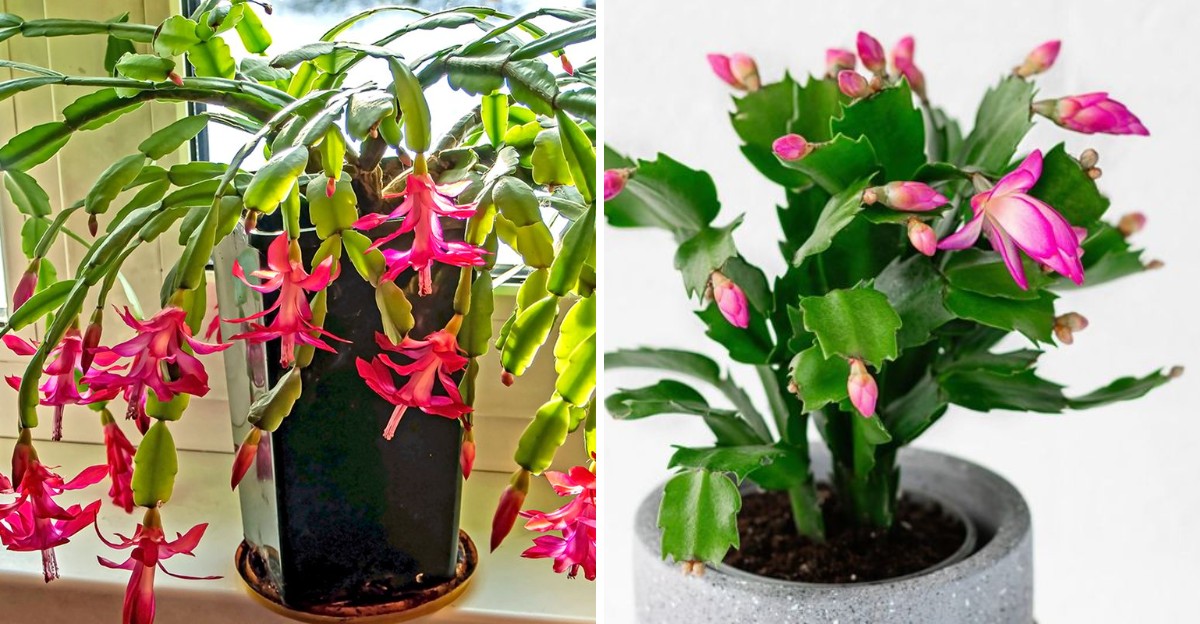
Most plants sold as holiday bloomers in American stores are really a different species with sharper, claw-shaped stems.
Growers favor that cousin because it ships well and flowers earlier, right in time for holiday shoppers.
Both relatives grew wild on trees and mossy rocks in coastal mountain forests. They are not desert dwellers, so treating them like sun-baked succulents often leaves them sulking indoors.
I love how one green pot can brighten a gray Virginia windowsill when the garden outside goes quiet. You might notice yours blooming weeks before the date on its tag, and that clue matters more than you think.
Plenty of gardeners inherit these plants from grandparents and simply guess at which holiday their old favorite truly celebrates.
A few small differences in their stems and blooms could finally settle the family debate about which plant is sitting on your windowsill.
1. Pointed Claw Teeth Mark A Thanksgiving Cactus
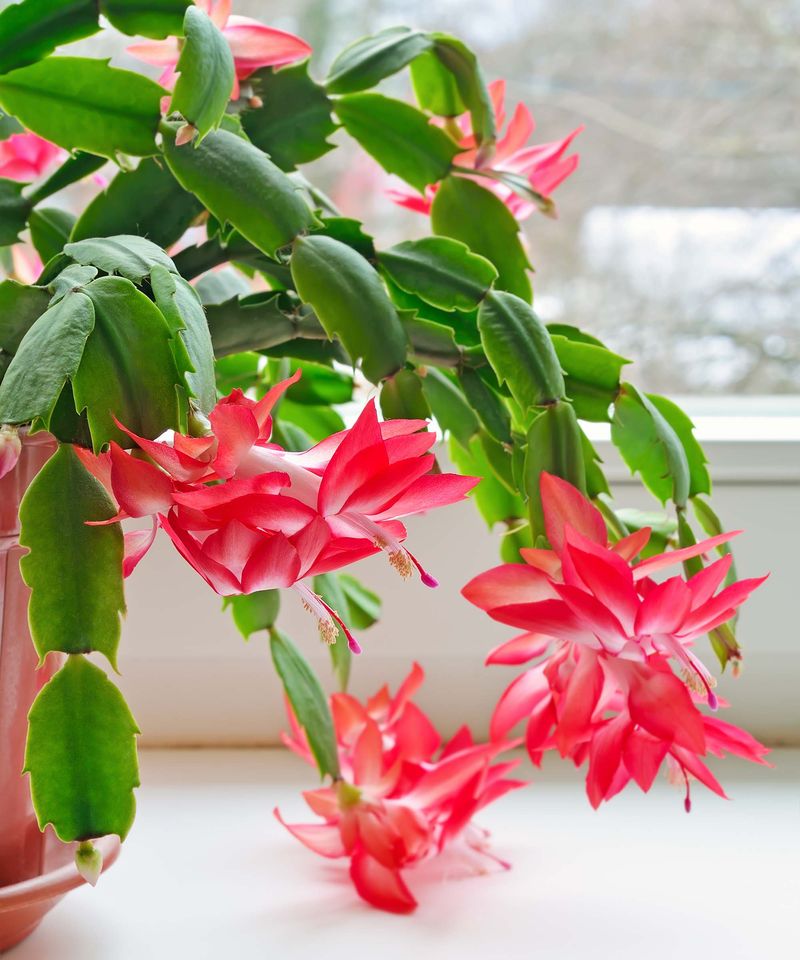
Run a fingertip along a stem segment, and you may feel tiny hooks that resemble a crab’s pinchers.
Those pointy teeth are the classic calling card of the Thanksgiving cactus, known to botanists as Schlumbergera truncata.
Each flat green piece is actually a stem, not a leaf, even though most of us call them leaves. Botanists call them cladodes, and their edges hold the clearest identification clue you can check any day of the year.
On a Thanksgiving type, every segment usually shows two to four sharp points along each side edge. The tip often ends in a pair of upturned prongs, giving the whole plant a jagged, lively outline.
Nurseries sometimes sell it under the nicknames crab cactus or claw cactus because of those pointed edges. I have to admit that the crab name makes me smile every time I check a new plant.
You do not need a bloom to use this clue, which makes it perfect for checking plants in summer. Just set the pot in good light and compare several segments, since one odd piece can mislead you.
Older stems near the base may turn woody and brown, so focus on fresh green growth near the tips.
Those younger segments show the toothy edges most clearly and give you the most reliable reading.
Snap a quick photo of a single segment against white paper for a clear side-by-side comparison later. That picture helps when friends ask you to identify their mystery plants at holiday gatherings.
2. Smooth Scalloped Segments Point To A Christmas Cactus
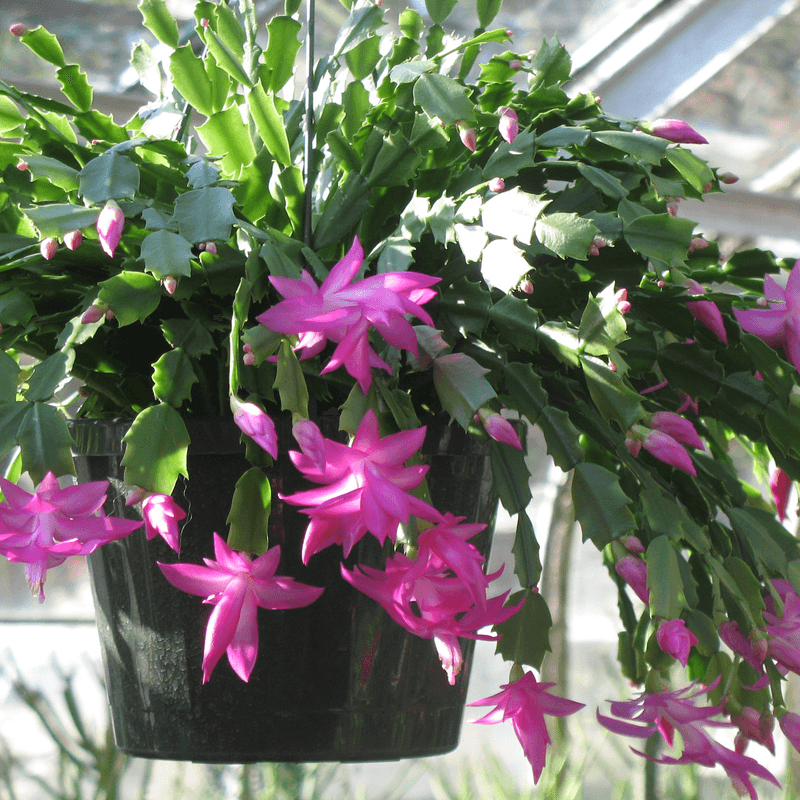
Soft, wavy edges with no sharp hooks give the true Christmas cactus a gentler, almost rounded silhouette on the windowsill.
Its scientific name is Schlumbergera x buckleyi, a hybrid first created in England during the 1840s.
Instead of pointed teeth, each stem segment shows shallow, scalloped bumps that look a bit like pie crust.
I like to describe the shape as a row of tiny rounded hills along each flat green edge.
These plants are much less common in stores today than their pointy cousins, which surprises many shoppers. Many true Christmas cacti in Virginia homes are older plants passed down from relatives over several decades.
If grandma’s cactus has rounded edges and blooms near late December, you are likely holding a genuine heirloom hybrid. Treasure it, because some of these old plants have flowered for families across multiple generations of holidays.
Compare segments carefully, because hybrid plants from the two species can show edges that fall somewhere in between. A segment with faint, blunt points may belong to one of those mixed crosses sold by modern growers.
Rooting a piece is an easy way to share an heirloom plant with siblings or close friends. Twist off a short section, let it dry for a day, then press it into lightly moist potting mix.
Roots usually form within a few weeks when cuttings sit in bright, indirect light and stay slightly moist. Before long, your shared plant will carry those same rounded edges into another family’s holiday traditions.
3. Bloom Dates Separate November Flowers From December Flowers
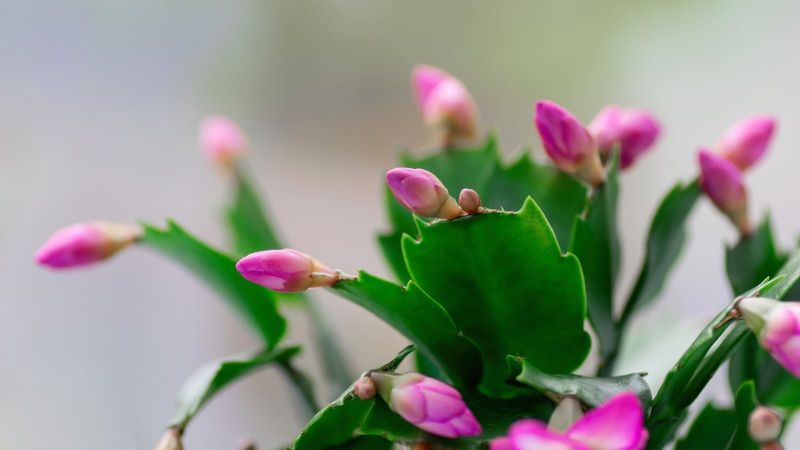
Flower buds popping out around Halloween often hint that your plant is the Thanksgiving type rather than its later cousin.
Thanksgiving cacti usually open from mid-November into December, sometimes even earlier when nights cool down quickly.
True Christmas cacti tend to bloom a few weeks later, typically during December and occasionally into January. That gap is real, but it is not strict, so treat timing as a helpful hint rather than proof.
Both relatives are short-day plants, which means long, dark nights tell them when to start making buds. Cool temperatures between about 50 and 60 degrees also nudge them toward flowering, according to university extension guides.
A plant kept in a warm, brightly lit living room may bloom late or skip flowering for the season. Lamps and television glow in the evening can interrupt the dark period these plants count on each night.
Personally, I move mine to a cool spare bedroom in early fall, where no one flips on the lights. Around six weeks of twelve to fourteen hour nights usually brings a nice crop of buds.
Keep a simple notebook or phone note recording the date when the first bud appears each year. After two seasons, you will have a clear pattern that adds weight to your other identification clues.
Avoid moving the pot around once buds form, since sudden changes in light or temperature can cause them to drop.
Steady conditions and even watering help those buds swell and open right on their natural schedule.
4. Yellow Pollen Or Pinkish Brown Pollen Inside The Flower
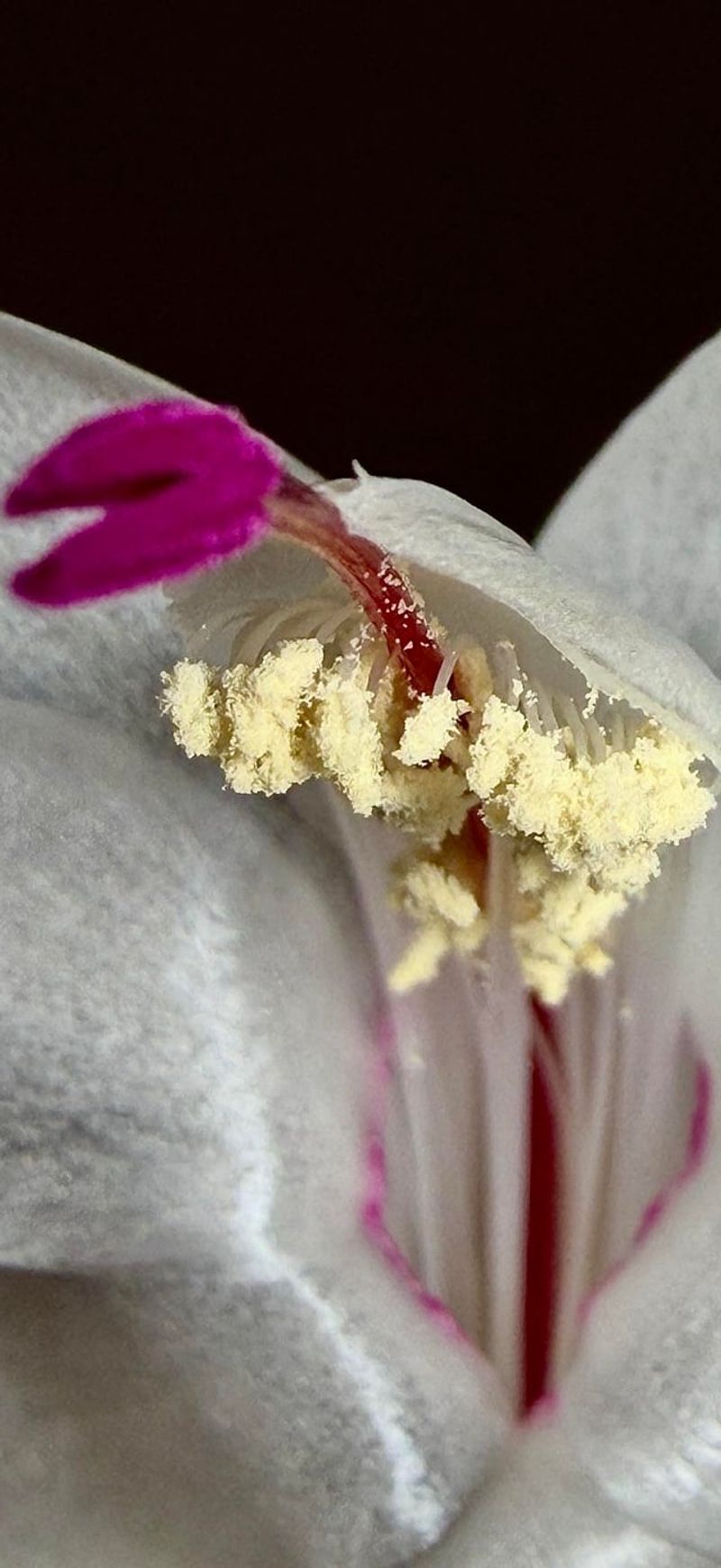
Tucked inside each blossom sits a tiny clue that most people overlook, and it may be the most fun check.
The pollen-covered anthers at the flower’s center come in different colors depending on which species you own.
Thanksgiving cacti generally carry bright yellow pollen, which stands out nicely against pink or red petals. Christmas cacti usually show purplish brown or pinkish pollen, a darker shade that blends in more quietly.
You will need open flowers for this test, so save it for the blooming window in late fall. A magnifying glass or your phone camera zoom makes those tiny anthers much easier to see.
Gently tap a stamen onto a white card if the color is hard to judge in dim indoor light. Natural daylight near a window gives the truest read, since warm lamps can make yellow look slightly orange.
I have to admit this test feels like real botany, and kids often love peering at the pollen. It turns plant identification into a hands-on science lesson right at the kitchen table on a chilly afternoon.
Hybrids between the two species can confuse matters, so combine pollen color with stem shape and flower position.
When several clues agree, you can feel confident about which holiday plant has been living in your home.
Pets sometimes nibble on fallen blooms, but the ASPCA lists these holiday cacti as nontoxic to cats and dogs. Mild stomach upset may still happen if a curious pet munches too much, so sweep up dropped flowers.
5. Sideways Flowers Versus Dangling Christmas Cactus Blooms
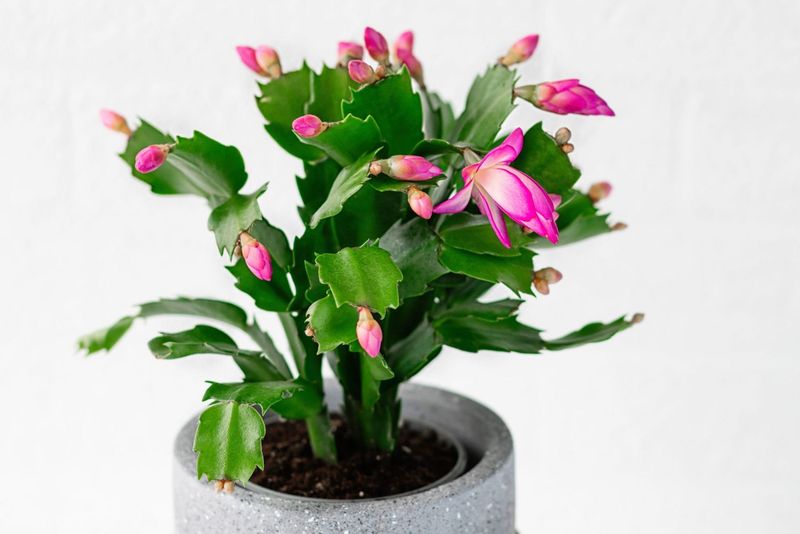
Thanksgiving cactus flowers tend to stick out sideways from the stem tips, almost like tiny trumpets announcing a party. They are lopsided, with a distinct upper and lower side, which botanists describe as zygomorphic or bilaterally symmetrical.
Christmas cactus blooms usually hang downward from the segment ends, swaying like small lanterns on a string.
Their petals look more even all the way around, giving each dangling flower a softer, more balanced shape.
I love how this clue turns a quick glance into a fun little detective game during bloom season. Stand back a few steps and notice whether the flowers mostly point outward or droop toward the floor.
Flower position can shift a bit depending on how the stems hang over the pot rim, so look closely. Check several blooms on different stems rather than judging the plant by one flower that happens to face oddly.
Color offers little help here, because breeders have created both types in many shades of pink and red.
Some modern Thanksgiving varieties even produce white or soft yellow blossoms that would surprise many older gardeners today.
Interestingly, yellow and white flowers may turn pinkish when nights get quite cool during bud formation. Keeping them a little warmer, around 60 to 65 degrees, may help those lighter colors stay true.
Once blooms fade, gently pinch them off so the plant looks tidy and puts energy into fresh growth. Hold off on fertilizer until spring, when new segments start appearing along the stem tips again.
6. Upright Arching Stems Versus Drooping Christmas Cactus Stems
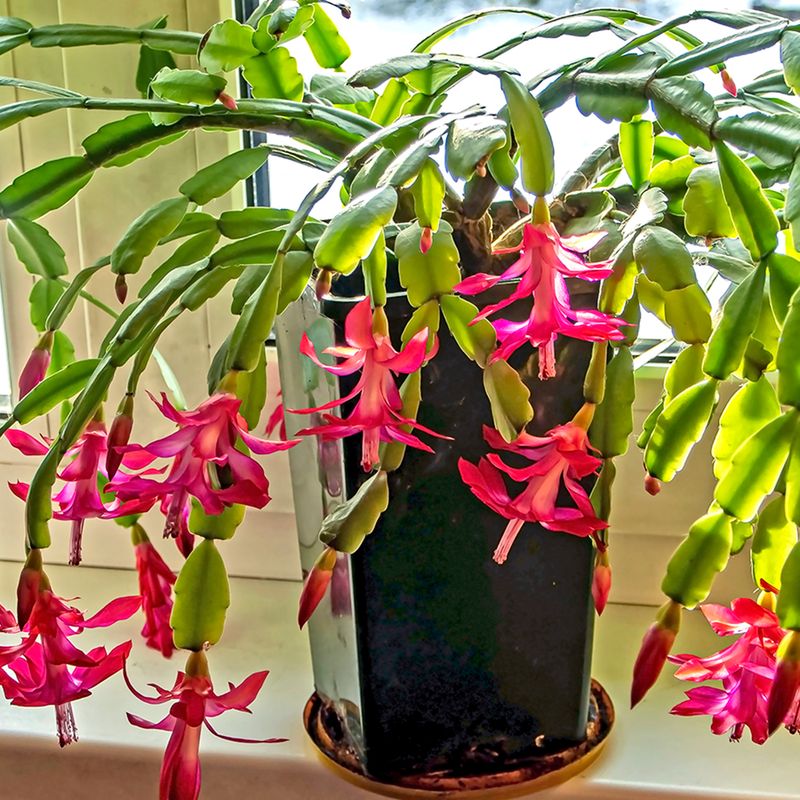
Watch a Thanksgiving cactus grow for a season, and you will notice stems that stretch upward before bending outward.
Its stiffer posture gives the plant a fuller, almost bushy look that suits a tabletop or windowsill nicely.
Christmas cacti take a looser approach, letting their stems spill gracefully over the pot edge like a green waterfall. That cascading habit makes older plants a lovely choice for hanging baskets or tall plant stands.
Growth habit is a softer clue than leaf edges, because age and pot size affect how stems hang.
A heavy, mature Thanksgiving plant can droop too, especially once its stems grow long and loaded with flowers.
Personally, I treat posture as a supporting detail that helps confirm what the segment edges already suggest. It rarely settles the question by itself, but it adds another helpful piece to your identification puzzle.
Pruning in late spring encourages branching and a fuller shape for either type of holiday cactus. Simply twist off a few segments at the joints, and save those pieces for rooting new plants.
Many Virginia gardeners move their plants outdoors to a shaded porch once nights stay above 50 degrees. Filtered summer light strengthens stems, but bring pots back inside before autumn temperatures dip toward frost.
Avoid hot afternoon sun outdoors, since harsh rays can turn segments reddish or yellowish and stress the plant. Bright shade under a tree or porch roof mimics the dappled forest light these plants evolved to enjoy.
7. Store Labels On Holiday Cacti Often Get It Wrong
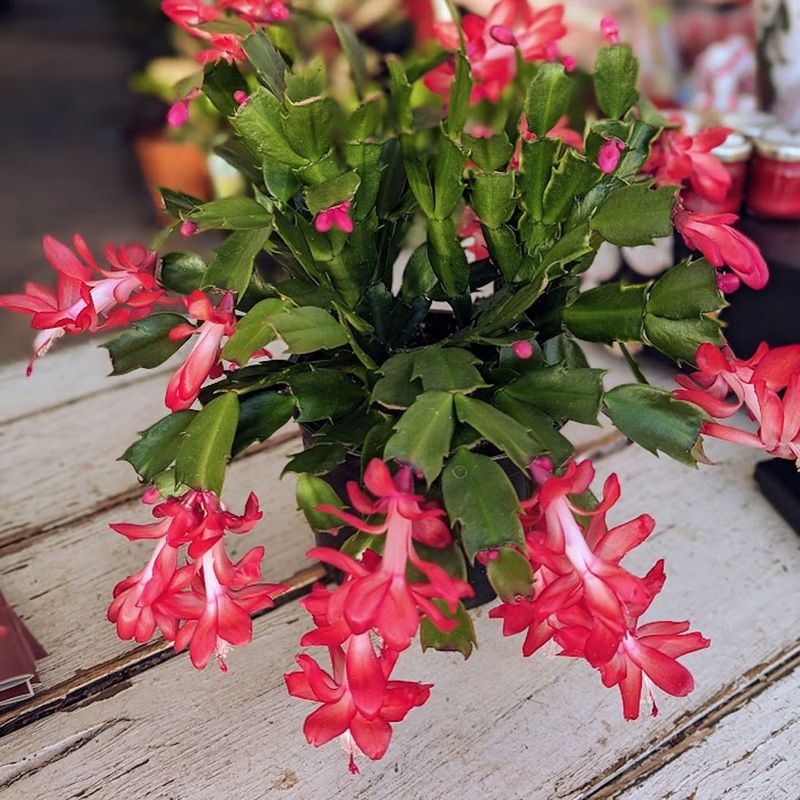
That cheerful tag reading Christmas Cactus on your grocery store plant may be telling a small fib.
Most holiday cacti sold in American stores today are actually Thanksgiving types or hybrids with pointed segments.
Growers prefer them partly because they bloom earlier, which matches the busy November shopping season nicely. Their flowers also sit upright, so they show off better in shipping sleeves and store displays.
Some labels simply say holiday cactus, which is honest but leaves you to sort out the details yourself. You might notice a few nurseries now list the scientific name, which makes identification much easier for buyers.
I believe checking the segments right in the store saves confusion later when blooms arrive at unexpected times. Look for pointed teeth or rounded scallops before you buy, especially if you want a true December bloomer.
Local garden centers in Virginia often carry the widest selection of holiday cacti from October through December.
Ask staff about the variety name, since some growers sell named cultivars with specific colors and bloom habits.
Choose a plant with plenty of tight buds and only a few open flowers for the longest show. Skip any pot with soggy soil or limp segments, because those signs can point to root rot problems.
Protect your new plant from cold drafts on the drive home, especially during frosty mornings in late fall. A paper sleeve or a quick wrap in newspaper helps shield tender buds from sudden chills.
8. Star Shaped Spring Flowers Reveal An Easter Cactus
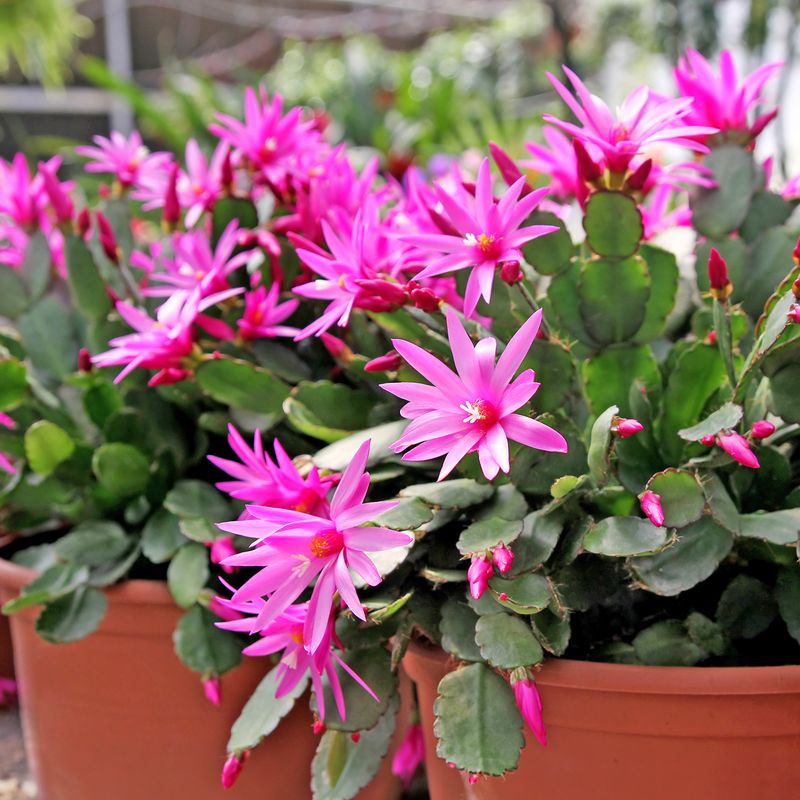
Sometimes the mystery plant turns out to be neither holiday cousin, and spring blossoms give the surprise away.
Easter cactus, listed as Schlumbergera gaertneri or Hatiora gaertneri, usually blooms from late winter into spring.
Its flowers open into wide, star-shaped blooms that face outward instead of forming long, tubular trumpets. The petals spread flat and even, giving each blossom a cheerful daisy-like appearance in reds and pinks.
Look closely at the segment edges, which are rounded and often carry tiny brownish bristles near the joints. Those fine hairs are missing on Thanksgiving and Christmas types, making this an easy clue to spot.
Easter cacti also differ in their care, since they set buds in response to cool nights during winter. Keeping them around 50 to 55 degrees for several weeks often encourages a strong spring flower display.
I can’t imagine a nicer surprise than an unexpected burst of color just as Virginia gardens start waking up.
They feel like a bonus season of flowers bridging the long gap between winter holidays and spring planting.
All three plants share rainforest roots, so they appreciate bright, indirect light and well-drained potting mix. Water when the top inch of soil feels dry, and empty saucers so roots do not sit wet.
A mix of regular potting soil with added perlite or orchid bark keeps roots airy and happy. Feed lightly with a balanced houseplant fertilizer during spring and summer, then ease off as fall approaches.