Here’s Why Kohlrabi Is The Fast Fall Crop North Carolina Gardeners Should Seed In August
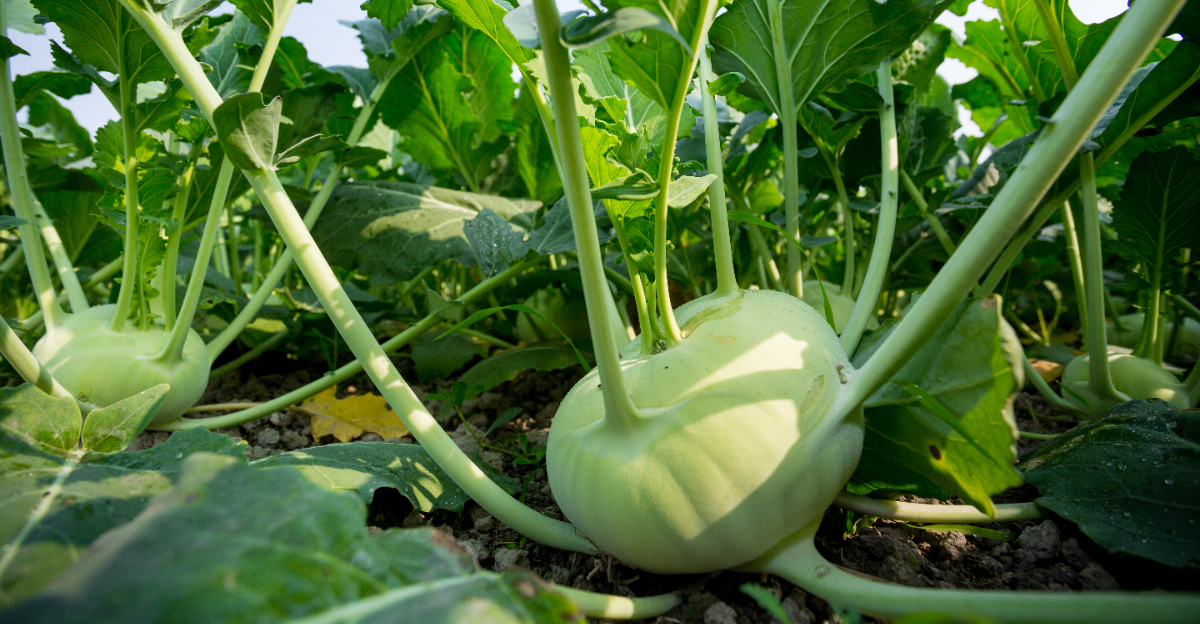
Kohlrabi is one of the fastest growing fall crops available, making it a smart choice for North Carolina gardeners seeding in August.
This unusual vegetable matures quickly, often ready to harvest within two months of planting. Cooler fall temperatures actually improve its flavor, giving the bulb a milder, sweeter taste compared to summer grown batches.
Kohlrabi also tolerates light frost well, extending its harvest window further into the fall season. Its compact growth habit makes it perfect for filling small gaps left by finished summer crops.
Consistent moisture during germination helps seeds sprout evenly in still warm August soil. Both the bulb and leafy greens are edible, offering two harvests from a single planting.
For gardeners wanting a quick, reliable fall crop, kohlrabi delivers results faster than most alternatives.
1. Kohlrabi Reaches Harvest Size Quickly
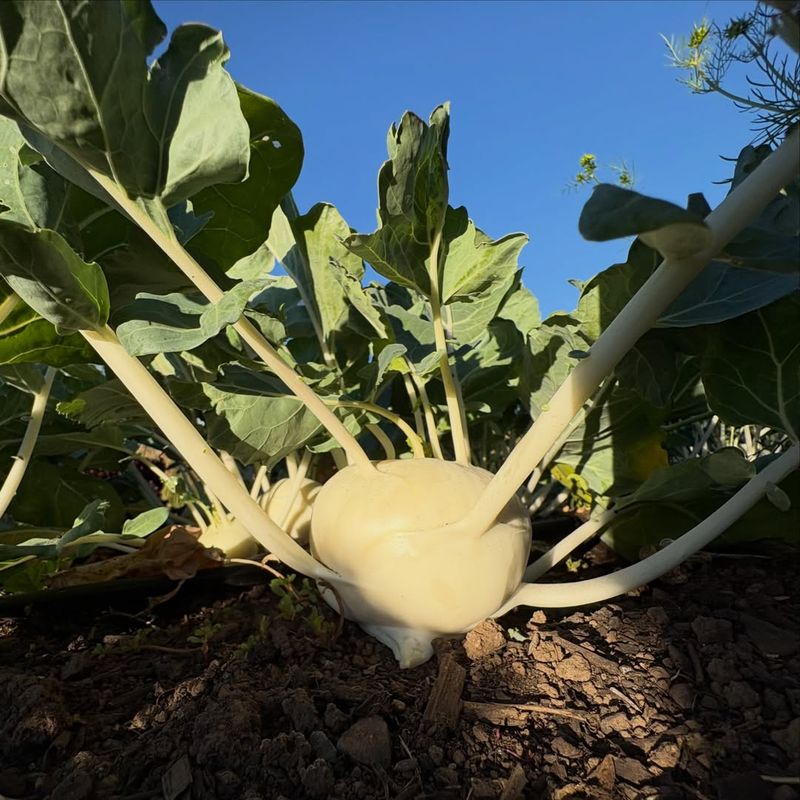
Speed matters when you are planting a fall vegetable garden in North Carolina. Kohlrabi is one of the fastest cool-season crops you can grow, typically reaching harvest size in about 50 to 60 days from seed.
If you start with transplants instead, that window shrinks to roughly 22 to 32 days from the time you put them in the ground.
Seeding in August gives your plants plenty of growing time before shorter days and dropping temperatures slow things down.
North Carolina summers are long, but fall arrives eventually, and having a crop that moves quickly means you are not racing against the calendar.
You plant, you water, and before you know it, those stems are rounding out and ready to pick. One of the easiest ways to stay on track is to check the maturity period printed right on your seed packet.
Different varieties mature at slightly different speeds, and knowing your specific number helps you count back from your expected first frost date to confirm you have enough time.
Early varieties like Kolibri or Winner can be especially helpful for gardeners working with a tighter schedule.
Planning with that number in hand takes the guesswork out of fall planting and gives your garden a much stronger start from day one.
2. August Connects Summer Planting With Fall Harvesting
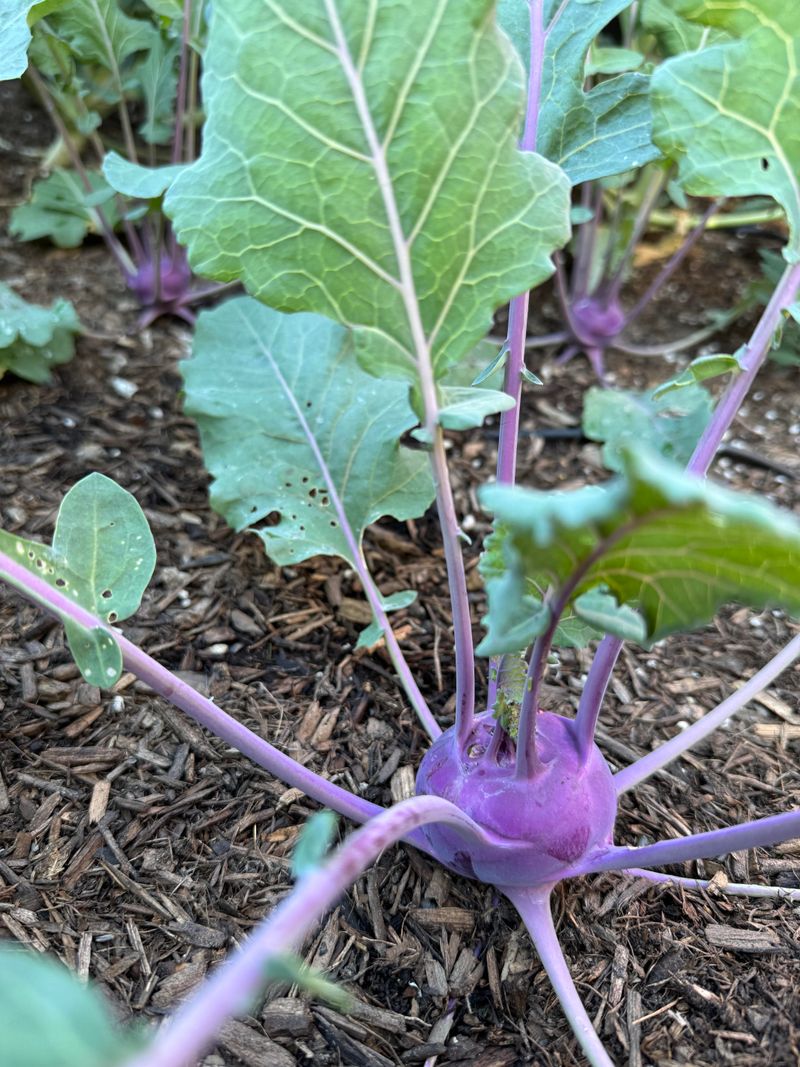
August has a reputation for being brutally hot in North Carolina, but it also holds something valuable for gardeners who pay attention to timing.
Planting kohlrabi this month puts your seedlings in the ground while the soil is still warm and biologically active.
Warm soil encourages fast germination and strong early root development, giving plants a solid foundation before the season shifts.
As August rolls into September, air temperatures gradually ease up, and that is exactly when kohlrabi starts to shine.
The plant belongs to the cabbage family, which means it actually prefers to develop its edible swollen stem during cooler conditions.
A plant that sprouts in summer heat and matures in fall cool air gets the best of both worlds. During any unusually hot spells in late August, a little afternoon shade can go a long way.
A shade cloth rated around 30 to 40 percent works well and is easy to set up over a small bed.
Your North Carolina Garden Changes Every Week. Your Plan Should Too.
Gardening in North Carolina changes quickly throughout the season. Every Friday you’ll receive a simple weekly plan showing exactly what to plant, prune, fertilize, harvest, and protect so you never miss the right timing.
You do not need to keep it in place all day, just during the harshest midday and afternoon hours when temperatures peak. Removing it in the evening allows the plants to breathe and catch the cooler night air.
This simple step protects young seedlings from heat stress and keeps them growing steadily right through the transition between seasons without losing momentum.
3. The Edible Part Forms Above The Soil
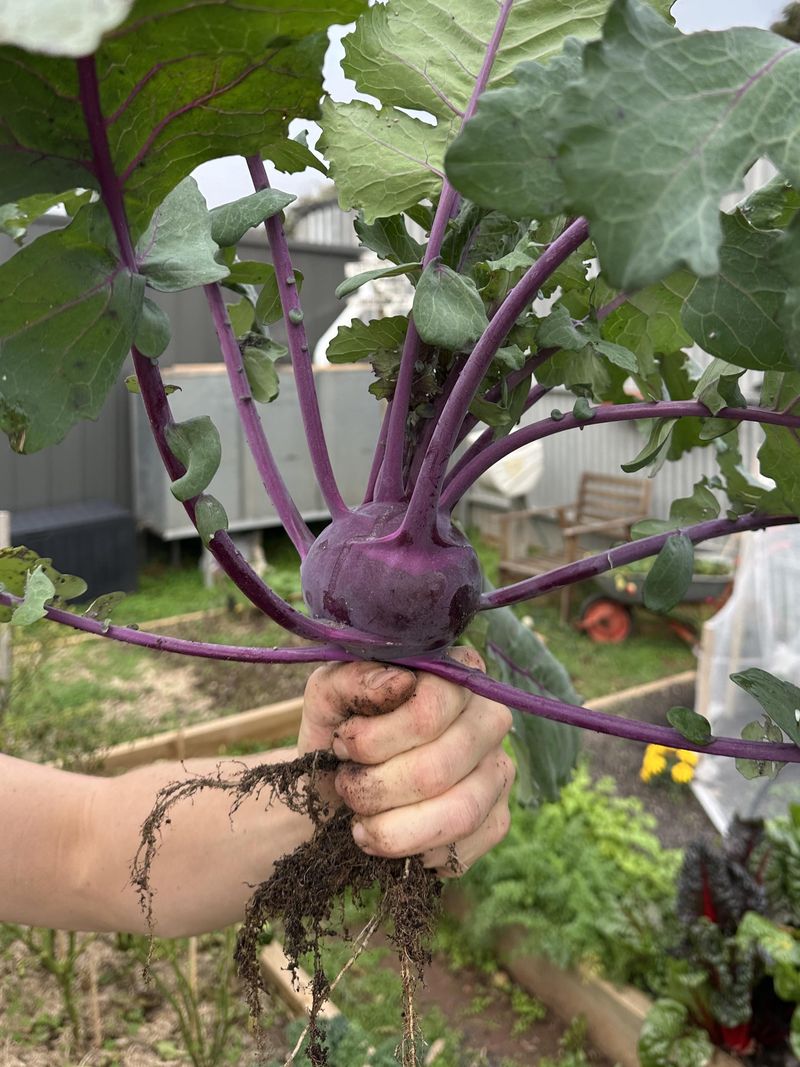
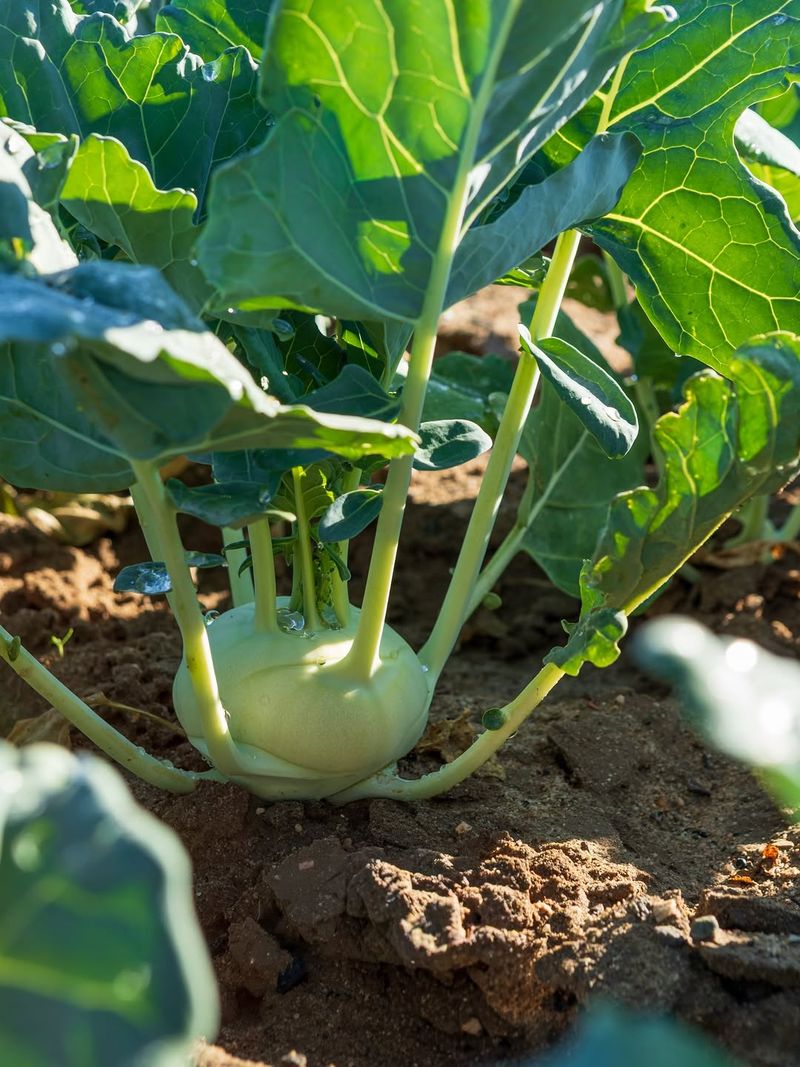
Here is something that surprises a lot of first-time kohlrabi growers: the part you eat is not a root at all. That round, globe-shaped portion sitting just above the ground is actually a swollen stem.
It develops right at the soil surface, which makes it one of the easiest vegetables to monitor as it grows.
Because the stem forms above ground rather than underground, you can watch it swell from week to week without digging anything up.
When it starts looking like a tennis ball, you know harvest time is getting close. This visibility is genuinely helpful for beginners who are still learning to read their plants.
One important thing to keep in mind is that you should never mound extra soil around the base of the plant.
Burying the swelling does not help it grow bigger. It can actually interfere with the natural development of the stem and make it harder to monitor size.
Keep the surrounding soil evenly moist but not waterlogged, since both drought and standing water can affect texture and flavor.
A light layer of mulch around the base of the plant helps retain moisture without covering the stem itself.
Consistent, moderate watering is the key to keeping that globe developing smoothly and evenly, giving you the crisp, flavorful harvest you are working toward all season long.
4. Small Kohlrabi Stems Stay Tender And Crisp
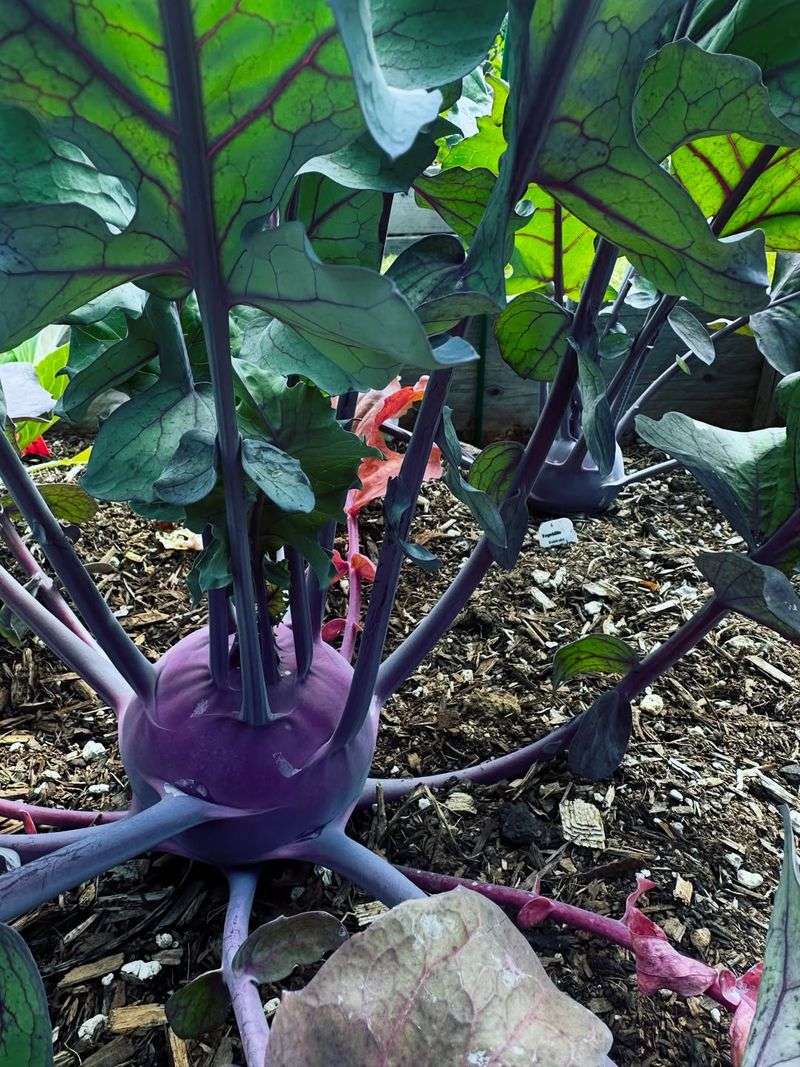
Timing the harvest is one of the most important skills a kohlrabi gardener can develop. The sweet spot for picking is when the swollen stem measures about 2 to 3 inches across, roughly the size of a tennis ball.
At that size, the flesh is tender, mildly sweet, and satisfyingly crisp, almost like a cross between a broccoli stem and an apple. Wait too long, and things change quickly.
Oversized kohlrabi stems can become firm and fibrous, with a tougher texture that is much less pleasant to eat raw and harder to cook evenly.
Some gardeners describe very large kohlrabi as woody, and that is not a flavor profile anyone is going for after weeks of careful tending.
Warm spells combined with consistent moisture can push growth faster than expected, especially in late summer and early fall in North Carolina.
Checking your plants every couple of days as they approach maturity is a smart habit. You do not need any special tools, just a quick visual check or a gentle measurement with a ruler or your hand.
Some varieties stay tender a little longer than others, so reading your seed packet notes about ideal harvest size for your specific type is always worth doing.
Staying attentive during those final weeks pays off with a harvest that is genuinely delicious right from the garden, crisp and full of fresh flavor without any of the toughness that comes from waiting too long.
5. Cooler Fall Weather Supports Better Quality
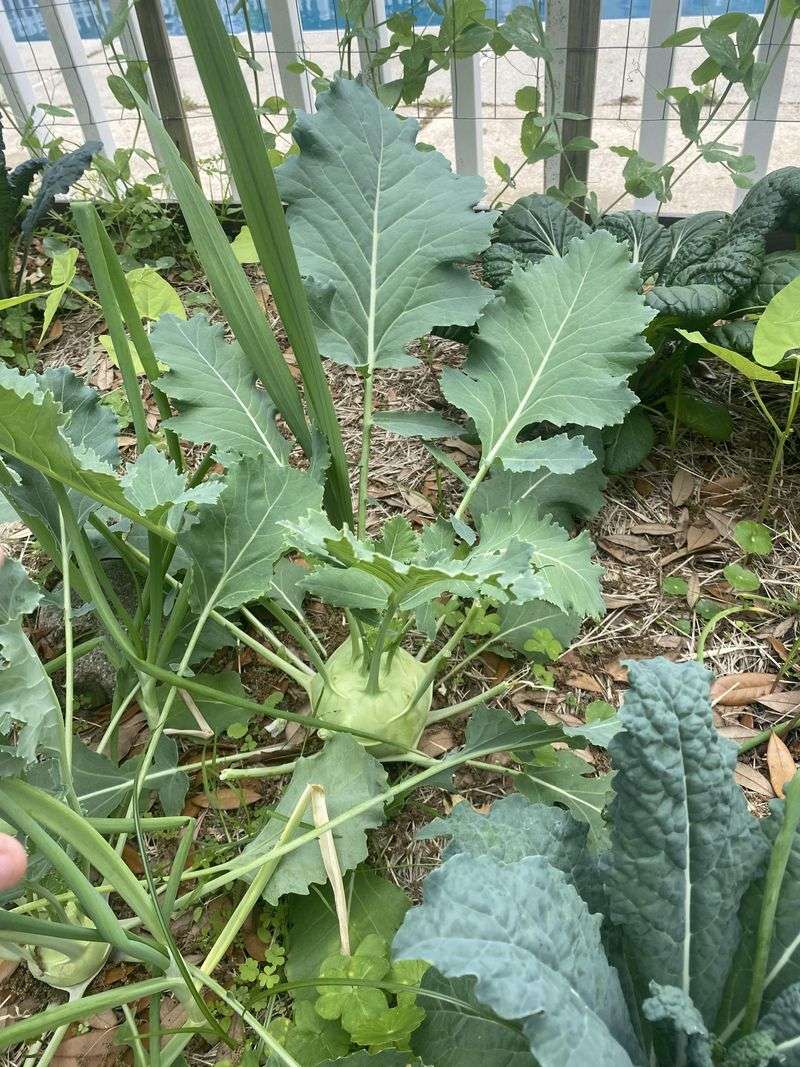
Kohlrabi and cool weather are a genuinely good match.
As fall temperatures settle in across North Carolina, the plant responds by developing a firmer structure, better texture, and a flavor that is noticeably milder and sweeter than what hot-season conditions tend to produce.
That is one of the main reasons experienced gardeners point to fall as the ideal growing window for this crop.
Hot, dry spells during the growing period can slow the plant down and reduce the tenderness of the stem.
Extended heat stress sometimes leads to a tougher texture before the kohlrabi even reaches harvest size.
Fortunately, North Carolina fall weather tends to bring the cooler, more stable conditions that this vegetable genuinely thrives in.
That said, fall weather alone is not a guarantee of a perfect harvest.
Variety selection, proper plant spacing, healthy soil, consistent moisture, and harvesting at the right size all play important roles in the final result.
A gardener who plants a good variety, prepares the soil well, keeps moisture levels steady, and pays attention to harvest timing will always come out ahead. Cooler temperatures create a supportive environment, but the details still matter.
Think of fall weather as a strong foundation that gives your kohlrabi the best possible chance of reaching its full potential, while your attentiveness and care do the rest of the work throughout the season from seed to table.
6. Direct Seeding Makes August Planting Simple
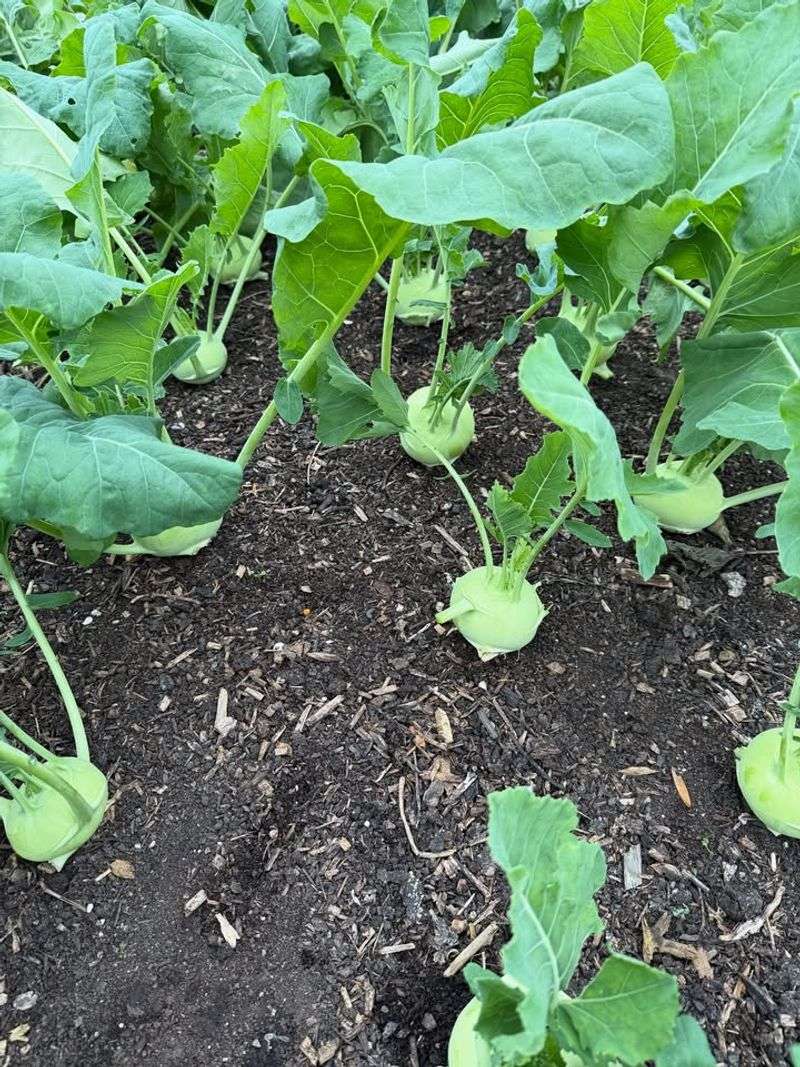
Planting kohlrabi directly in the garden bed is refreshingly straightforward, and that simplicity is part of its appeal for busy gardeners.
Start by preparing your bed with loose, well-draining soil that has been amended with compost if possible.
Good soil structure from the beginning makes a noticeable difference in how evenly and vigorously the seedlings emerge.
Sow seeds at a shallow depth according to the directions on your seed packet, typically around a quarter to half an inch deep.
After planting, water gently so you do not disturb the seeds or wash them out of position.
Keeping the seedbed consistently moist during germination is critical because kohlrabi seeds need reliable moisture to sprout well, especially when late summer soil can dry out faster than expected.
Once seedlings emerge and grow a few inches tall, thin them to the spacing recommended for your chosen variety.
Crowded plants compete for light, water, and nutrients, which often results in uneven stem development and smaller harvests overall.
Most kohlrabi varieties do well with plants spaced roughly 4 to 6 inches apart in rows about 12 inches apart, though your seed packet will give you the most accurate guidance for your specific type.
Thinning feels a little wasteful at first, but giving each plant enough room to develop freely is one of the best things you can do for the quality and consistency of your fall harvest. Roomy plants simply grow better.
7. Both The Swollen Stems And Leaves Are Useful
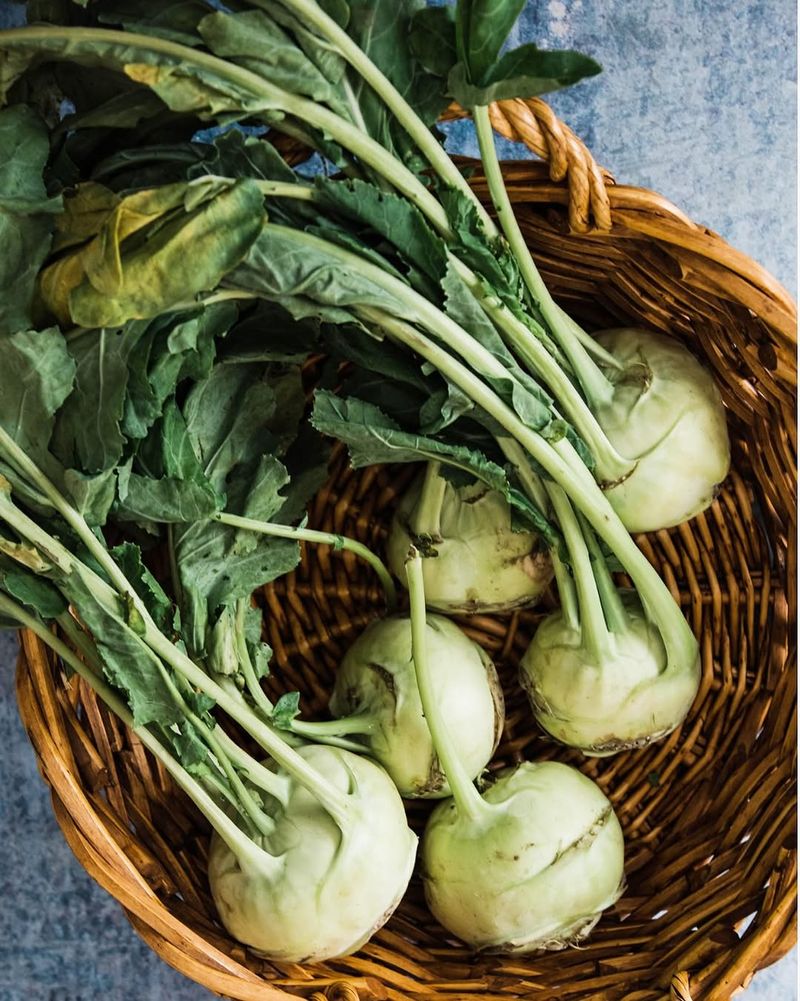
Most people think of kohlrabi purely as that round globe sitting above the soil, but there is actually more to the plant than just the stem.
The leaves are edible too, and when they are young and healthy, they can be cooked much like kale, collards, or other greens from the cabbage family. Sauteed with garlic and olive oil, they make a simple and satisfying side dish.
Knowing you can use both parts of the plant makes kohlrabi feel like an especially good deal in a fall garden with limited space.
The swollen stem can be eaten raw in slaws and salads, roasted in the oven, or added to soups and stir-fries.
Meanwhile, a handful of outer leaves gathered at the right time adds another layer of usefulness to an already productive plant. The key word there is careful.
Removing too many leaves while the stem is still developing can slow the plant down significantly, since the leaves are doing important photosynthesis work that fuels stem growth.
Gather only a few outer leaves at a time, and wait until the main stem is close to harvest before taking more. Think of the leaves as a bonus rather than a primary crop.
Prioritizing the stem development first and treating leaf harvests as occasional extras gives you the most out of each plant while keeping growth steady and strong all the way through to your final fall harvest.
8. Regional Timing Protects The Fall Growing Window
North Carolina is a geographically diverse state, and that diversity means August planting is not a single fixed date for every gardener.
Gardeners in the western mountains typically need to get their seeds in the ground earlier in the month because cooler fall conditions arrive sooner at higher elevations.
Missing that window in the mountains can mean frost catches your plants before the stems fully develop.
Piedmont gardeners generally have a bit more flexibility, with a planting window that stretches a little later into August.
Coastal Plain gardeners may be able to push even further toward the end of the month, since milder temperatures along the coast give the growing season a longer tail end.
Understanding which region you are in makes a real difference in how successfully your timing lines up with the actual growing conditions in your yard.
The NC State Extension planting calendar is one of the most reliable tools available for North Carolina gardeners trying to nail this timing.
Cross-referencing your regional first frost date with the maturity period on your chosen seed packet gives you a clear picture of when to sow.
Factor in your current weather patterns, since an unusually warm September can shift things slightly.
Getting the timing right protects your entire fall growing window and gives kohlrabi the conditions it needs to form those tender, crisp stems before growth slows with the season.
Plant at the right moment for your region, and the results will speak for themselves come harvest time.