These Late-Summer Bloomers Are Less Likely To Become Deer Snacks In Michigan Yards
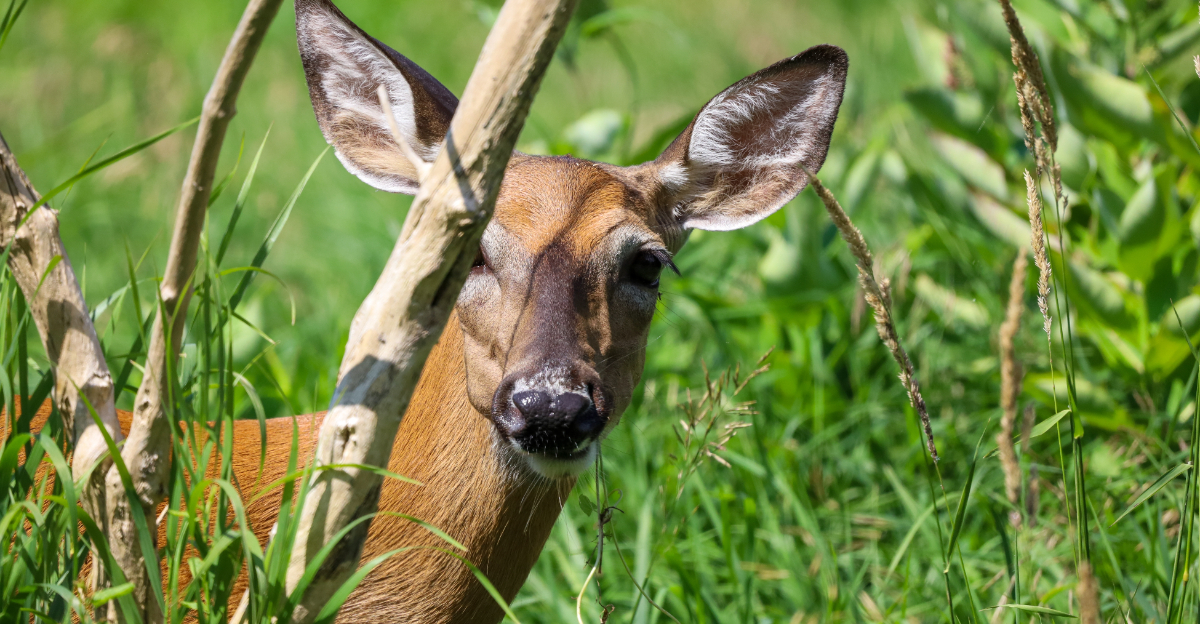
Deer can be relentless, but certain late summer bloomers tend to survive their visits far better than others in Michigan yards.
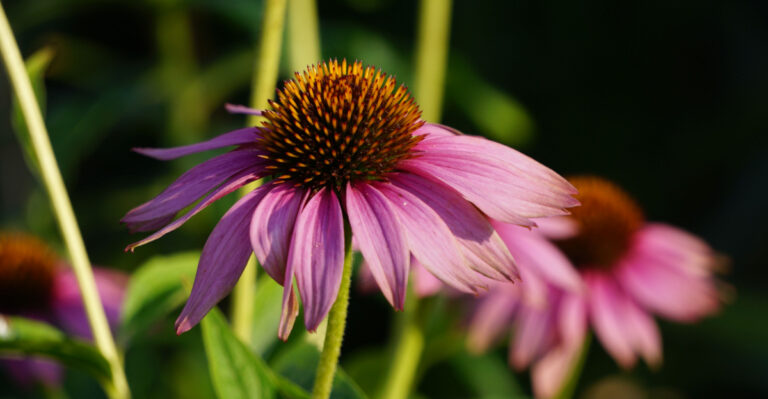
Russian sage, with its strong scent and fuzzy texture, rarely attracts deer looking for an easy meal. Coneflowers also hold up well, thanks to their rough, textured petals that deer generally avoid.
Ornamental grasses provide movement and color without offering the tender leaves deer typically prefer. Yarrow’s strong fragrance and tough foliage make it another reliable choice for deer prone areas.
Choosing plants with fuzzy, aromatic, or textured leaves generally offers better protection than smooth, tender varieties.
Grouping these bloomers together can create a natural barrier that discourages deer from venturing further into the yard. A little planning now can save your late summer blooms from becoming an easy target.
1. Riddell’s Goldenrod Brings Late Color With Lower Browse Risk
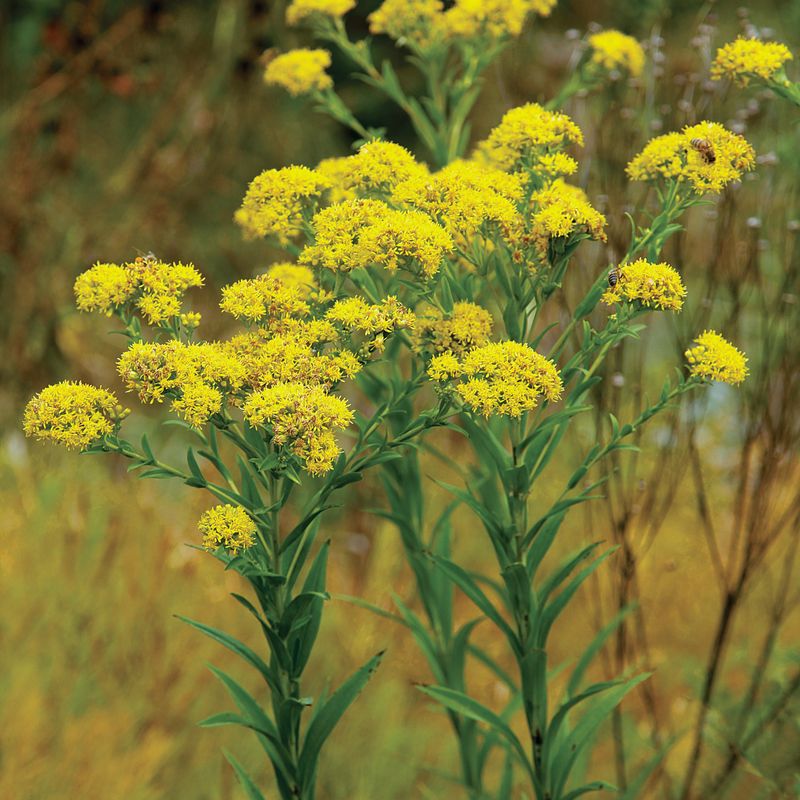
Not every goldenrod gets the credit it deserves, but Riddell’s goldenrod, known scientifically as Oligoneuron riddellii, earns a special place in Michigan gardens for more than just its cheerful yellow flowers.
Researchers at Michigan State University observed no evidence of deer or other vertebrate browsing on this species during their trial plantings, making it a genuinely reassuring choice for yards where deer pressure is a regular concern.
Those dense clusters of bright yellow blooms attract an impressive parade of late-season pollinators, including native bees and butterflies that rely on fall-blooming plants to fuel up before cooler weather arrives.
Riddell’s goldenrod typically begins flowering in late summer and continues well into fall, extending color in the garden long after many other perennials have finished.
It handles full sun beautifully and adapts to a range of soil moisture levels, performing well in dry, medium, and moist conditions.
That flexibility makes it easier to fit into existing borders without major soil amendments. One important detail Michigan gardeners should keep in mind is that this species is most appropriate for the Southern Lower Peninsula.
Before adding it to your planting plan, take a moment to confirm that your specific location falls within its suitable growing region. Planting outside a species’ natural range can lead to poor establishment and disappointing results.
When sited correctly, though, Riddell’s goldenrod rewards you with reliable late-season color and a noticeable absence of deer-related damage that many gardeners come to genuinely appreciate year after year.
2. Yellow Giant Hyssop Uses Aromatic Foliage As A Deterrent
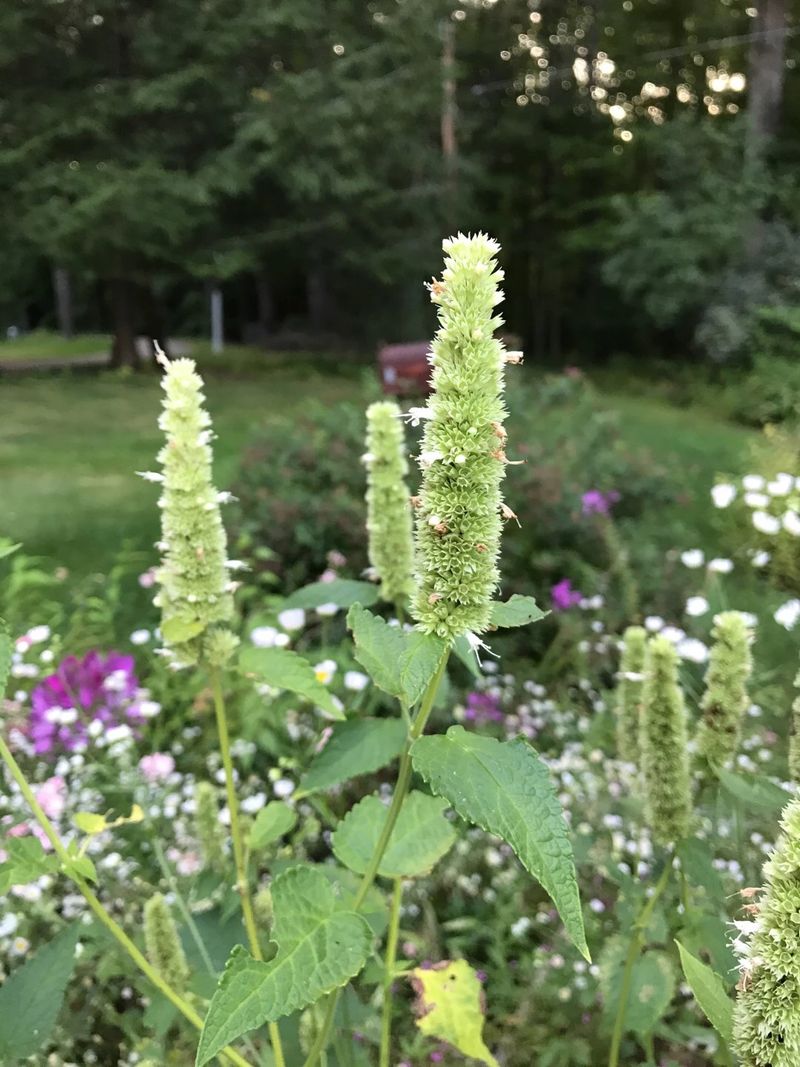
Walk past yellow giant hyssop on a warm afternoon and you will immediately understand why deer tend to pass it by.
Agastache nepetoides produces strongly aromatic foliage that most browsing animals simply find unappealing, and Michigan State University observations confirmed no evidence of deer or other vertebrate browsing on this species.
That combination of natural deterrence and genuine garden beauty makes it one of the more practical choices available to Michigan native plant enthusiasts.
The slender, pale yellowish-green flower spikes may not stand out from a distance, but they attract an impressive range of native bees and pollinators.
This late-summer bloom provides a valuable resource just as competition from other flowering plants begins to thin out.
Your Michigan Garden Changes Every Week. Your Plan Should Too.
Gardening in Michigan changes quickly throughout the season. Every Friday you’ll receive a simple weekly plan showing exactly what to plant, prune, fertilize, harvest, and protect so you never miss the right timing.
The plant grows quite tall at maturity, so placement toward the rear of a border keeps it from overshadowing shorter companions.
A sunny location or lightly shaded spot works well, and the upright form creates a nice vertical element that contrasts beautifully with rounder or lower-growing plants nearby.
Yellow giant hyssop is particularly well suited to the Northern Lower Peninsula of Michigan, so gardeners in that region have a real opportunity to take advantage of a native perennial that fits naturally into the local landscape.
Give it enough room to reach its full height without crowding, and you will have a plant that earns its spot every season.
The aromatic leaves also add an interesting sensory layer to any garden walk, which is a bonus that goes well beyond simple deer resistance.
3. Boneset Offers White Flowers For Moist Michigan Sites
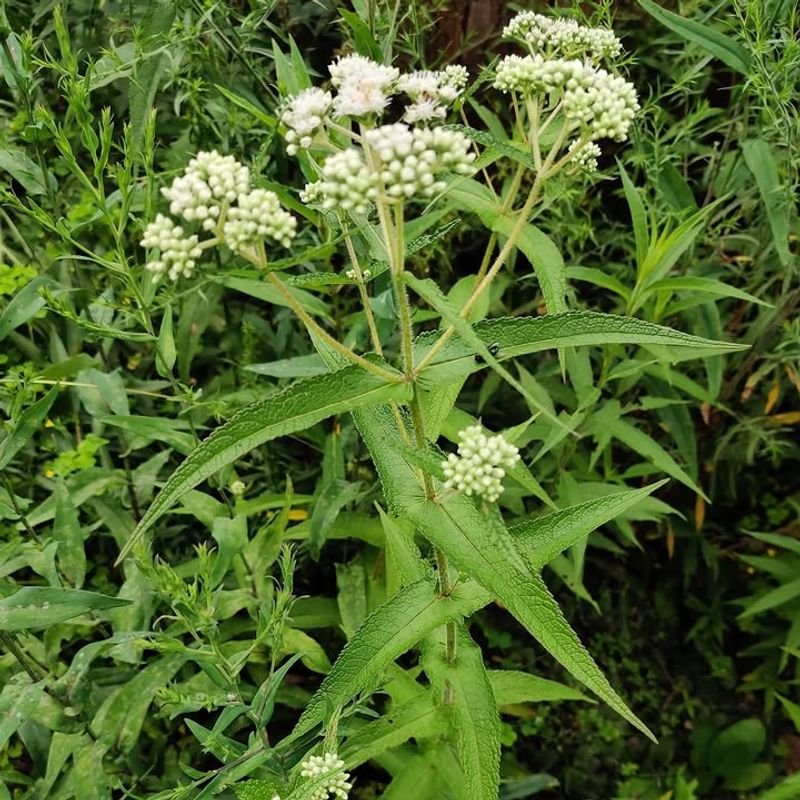
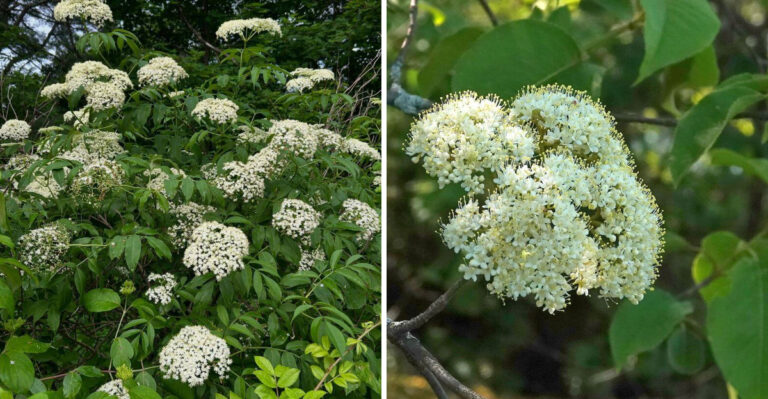
Boneset has a long history in North American native gardens, and its reputation as a pollinator magnet during the dog days of late summer is well earned.
Eupatorium perfoliatum produces broad, flat-topped clusters of small white flowers that bloom from mid-August into early October, arriving precisely when many other garden perennials have already faded.
Bumblebees, skippers, and a wide variety of other insects flock to those blooms, making boneset one of the more ecologically valuable plants you can add to a moist Michigan yard.
Deer commonly avoid boneset because its foliage carries a pronounced bitterness that makes it far less appealing than softer, more palatable plants.
It is worth noting, however, that extremely intense browsing pressure can push deer toward plants they would ordinarily skip, so boneset is not a guaranteed solution in every situation.
For most Michigan yards with moderate deer activity, though, its bitter leaves provide a meaningful level of natural protection.
Boneset thrives in consistently moist conditions, which makes it an excellent candidate for rain gardens, pond edges, wet borders, and low-lying areas where water tends to collect after heavy rain.
The plant reaches a substantial height at maturity, so positioning it toward the back of a planting keeps the overall composition balanced and allows shorter plants to remain visible at the front.
Avoid sites that stay dry for extended periods, as boneset genuinely needs reliable soil moisture to perform at its best.
Get the moisture right and this native perennial will reward you with years of reliable late-season interest.
4. White Turtlehead Protects Itself With Bitter Leaves
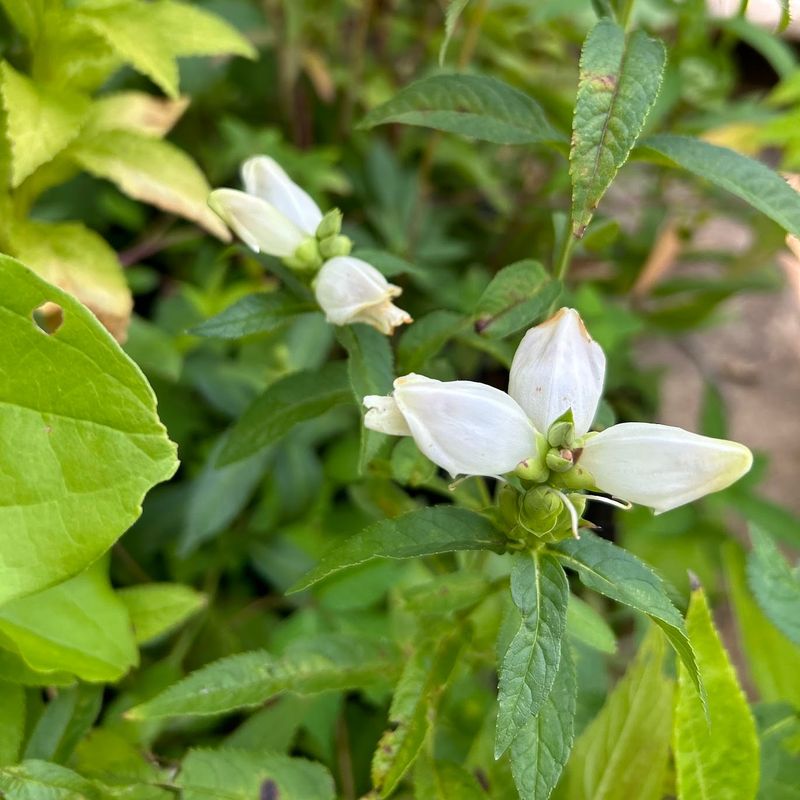
Few native perennials have a more memorable flower than white turtlehead, and once you see those unusual blooms up close, the name makes perfect sense.
Chelone glabra produces upright stems topped with distinctive white flowers whose petals press together in a shape that genuinely resembles a turtle’s open mouth.
Beyond the novelty of its appearance, this plant brings a practical advantage to Michigan gardens with moist soil: its foliage carries a bitter quality that makes it noticeably less appealing to deer and other browsing mammals.
Rain gardens, damp borders, stream edges, and low spots that stay reliably moist are all excellent placements for white turtlehead.
Partial sun suits it well, though it can also handle more shade than many other late-summer bloomers.
The plant tends to spread gradually into colonies over time, so leaving a bit of extra space around young transplants allows that natural spread to happen without crowding out neighboring plants too quickly.
One practical note worth keeping in mind: if you plant white turtlehead in a dry, sunny location, you will likely need to water it more consistently than you might expect.
This species evolved in wet habitats, and placing it somewhere that dries out quickly puts it under stress that undermines both its growth and its natural defenses.
Plant white turtlehead in a moist site to enjoy reliable late-season blooms and attract pollinators like the specialist Baltimore checkerspot butterfly. Its foliage is also far less appealing to deer than your more tender garden plants.
5. Autumn Joy Stonecrop Handles Dry Sunny Borders
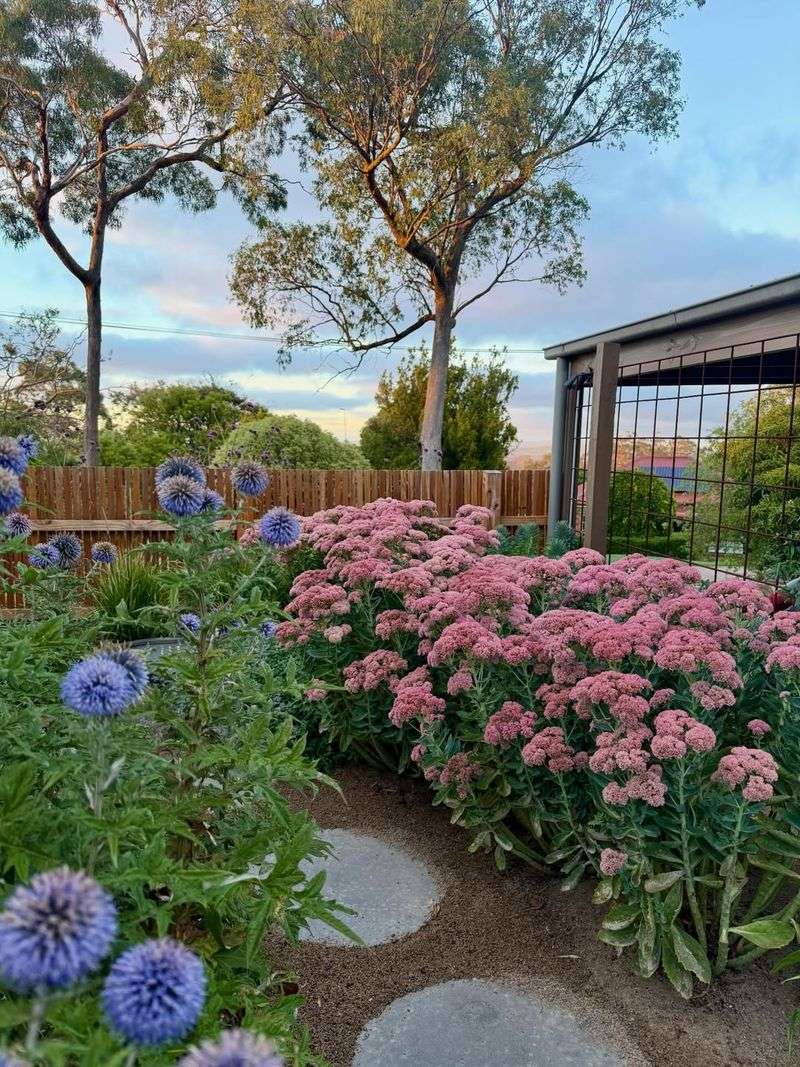
Tough, dependable, and genuinely beautiful from late summer well into fall, Autumn Joy stonecrop is one of those plants that earns a permanent spot in a Michigan garden almost immediately.
Hylotelephium Autumn Joy develops thick, succulent leaves on sturdy stems that hold up beautifully through summer heat, and the large, domed flower clusters shift from pale pink to a deeper rose as the season progresses.
Sedums as a group are generally not among the plants deer prefer, and while very fresh new growth may occasionally be sampled during early spring, established plants in full summer growth tend to be left alone.
Full sun is really non-negotiable for this plant. Autumn Joy stonecrop grown in too much shade produces soft, weak stems that lean outward and flop over by the time the flowers open, which ruins the tidy, upright look that makes it so appealing.
Freely draining soil is equally important, because saturated or consistently wet ground weakens the roots and can cause the entire plant to deteriorate over time.
A raised bed, a slope, or a border with sandy or well-amended soil gives it exactly the conditions it needs.
Resist the temptation to fertilize heavily, even if the plants seem slow to fill in. Excess nitrogen pushes lush, soft growth that creates floppy stems and actually makes the plant more vulnerable to browsing.
Keep the soil lean and the sun plentiful, and Autumn Joy will reward you with one of the most reliable late-season color displays available to Michigan gardeners, pollinators included. Bees absolutely love those flat flower heads right through fall.
6. Russian Sage Combines Fragrance With A Long Bloom
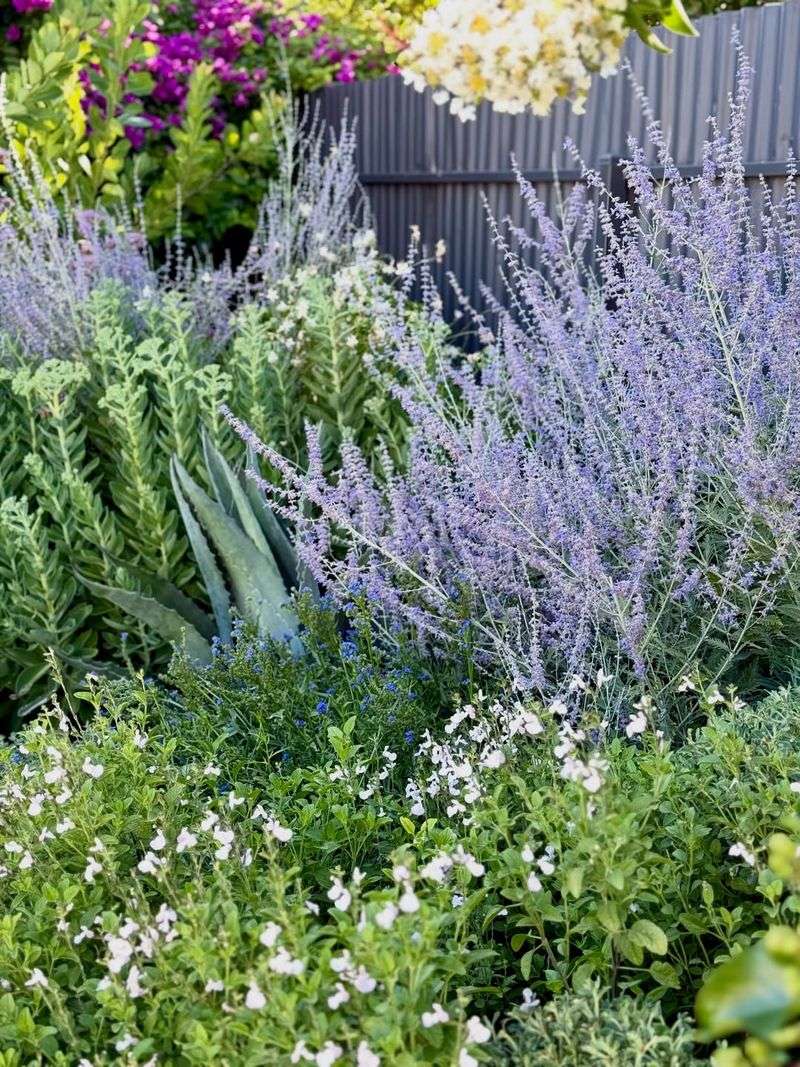
Russian sage turns heads every single time it blooms, and the combination of silvery stems, finely cut leaves, and clouds of lavender-blue flowers is genuinely hard to match in a late-summer border.
Now classified as Salvia yangii after a botanical name update, this plant carries strongly aromatic foliage that most deer find thoroughly unappealing.
The scent is sharp and herbal, and the somewhat coarse leaf texture adds another layer of discouragement for browsing animals that prefer soft, tender growth.
Flowers begin opening in midsummer and continue into early fall, giving Michigan gardeners an unusually long window of color from a single plant.
Full sun and excellent soil drainage are the two conditions Russian sage absolutely requires. In consistently wet ground, the roots struggle and the plant never reaches its potential.
On a warm, well-drained slope or in a gravel garden, it thrives with very little attention once established, which is exactly the kind of low-maintenance performance busy gardeners appreciate.
Excessive shade or overly rich soil causes the stems to lean and sprawl rather than standing upright, which diminishes the plant’s elegant, airy quality.
Michigan gardeners should also take a careful look at cultivar selection before purchasing, because not every variety of Russian sage performs equally well across the state’s range of winter conditions.
Some newer compact cultivars handle cold reliably, while others may need extra protection in colder northern zones.
Choosing a selection specifically rated for your area sets you up for success right from the start and keeps those beautiful lavender spikes returning reliably every summer.
7. Globe Thistle Uses Coarse Texture To Discourage Browsing
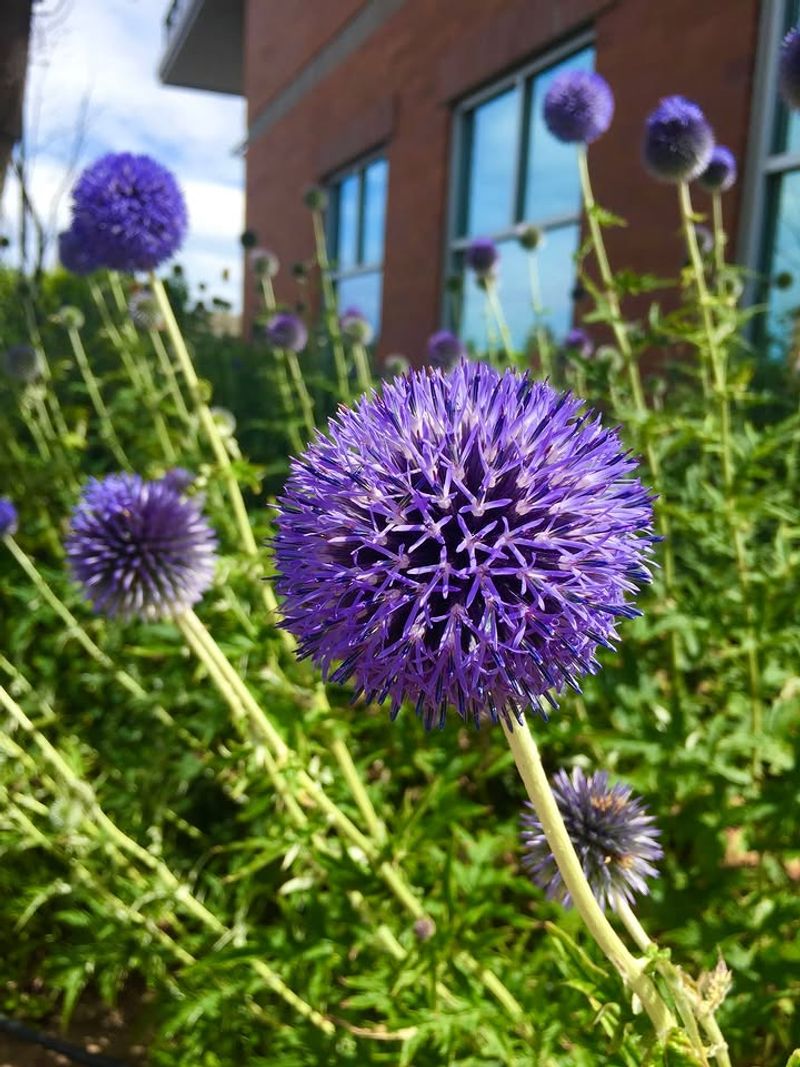
There is something almost architectural about globe thistle in full bloom, and those perfectly round, steel-blue flower heads hovering above silvery-green foliage create a look that no other late-summer perennial quite replicates.
Echinops species bring genuine structural drama to a border, and their coarse, prickly texture is a significant reason why deer and rabbits tend to move right past them in favor of softer targets.
The spiny leaves are simply uncomfortable to browse, which gives globe thistle a built-in defense that requires no sprays, fences, or intervention on your part.
Full sun or very light partial shade suits globe thistle well, and freely draining soil is important for long-term performance.
In heavy clay that stays wet, the roots can struggle, so amending the planting area or choosing a naturally well-drained spot makes establishment much smoother.
Once settled in, globe thistle is surprisingly drought-tolerant and asks for very little maintenance beyond occasional tidying.
Placement matters with this plant because its bold, spherical blooms and upright form create strong visual contrast when positioned near softer textures like ornamental grasses or fine-leaved perennials.
That contrast is part of what makes it so effective in a mixed border.
One practical note: some varieties of globe thistle can self-seed more freely than gardeners expect, so removing spent flower heads before seeds fully mature helps keep unwanted seedlings to a minimum.
Always wear gloves when handling globe thistle, because the prickly foliage that discourages deer will be just as effective at irritating unprotected hands during planting or cleanup.
8. Spotted Bee Balm Adds Fragrance And Pollinator Activity
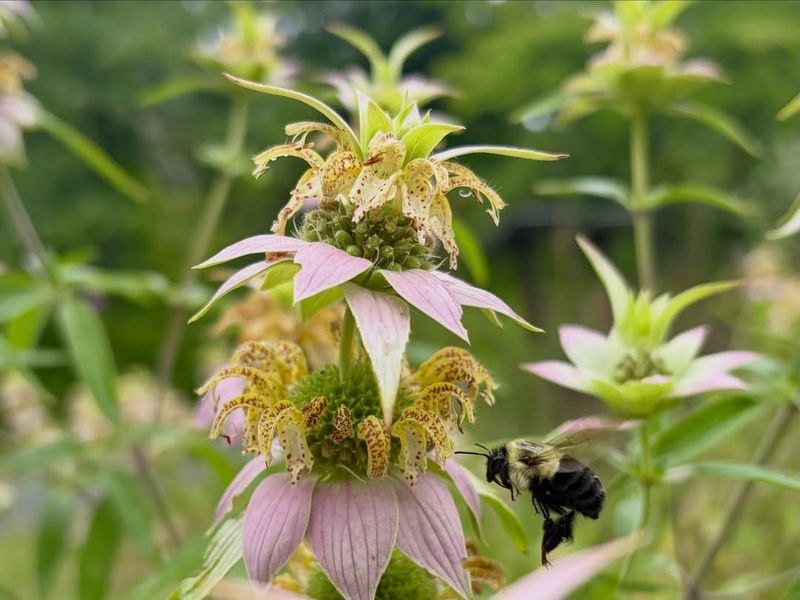
Spotted bee balm is one of those plants that rewards a closer look.
At first glance, Monarda punctata appears modest, but a closer view reveals pale yellow, spotted tubular flowers. These blooms are surrounded by showy pink or lavender leaf-like bracts that stack along the stem in an intricate pattern.
The whole plant carries a strong mint-like fragrance that bees and other beneficial insects find irresistible, while deer tend to find it far less appealing than softer, unscented flowering plants nearby.
Unlike some of its Monarda relatives that prefer consistently moist ground, spotted bee balm handles dry, sandy conditions with impressive ease.
Full sun and freely draining soil are the two things it needs most, and in those conditions it performs reliably without much fuss.
This makes it particularly well suited to Michigan gardens with lighter, sandier soils where other Monarda species might struggle to establish properly.
Good spacing between plants is genuinely important for spotted bee balm. Adequate airflow around the stems reduces the likelihood of powdery mildew, which can affect Monarda species in humid conditions.
Space plants generously at planting time rather than crowding them together, even if the bed looks sparse at first.
One honest reminder worth closing on: no plant selection, no matter how aromatic or unpalatable, fully replaces physical fencing or repellent sprays in yards where deer pressure is consistently severe.
Spotted bee balm reduces risk meaningfully, but a multi-layered approach always gives Michigan gardeners the best overall protection for their plantings.